
1. The World’s Largest Ball of Twine
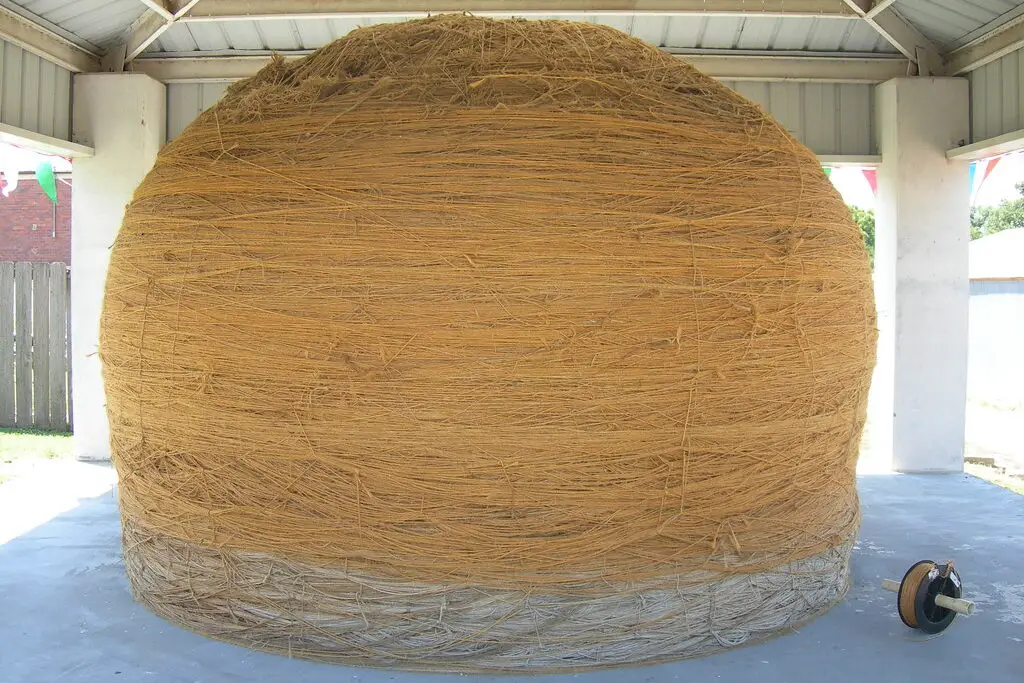
For a while, no road trip felt complete without pulling over to see a giant ball of twine sitting quietly in a small town. It was never flashy, but that was part of the charm. Someone always read the sign out loud while everyone else tried to figure out how long it took to make. Kids circled it slowly, as if size alone might reveal its secret.
What made it feel mandatory was the shared joke of it all. You stopped because everyone stopped, not because you expected to be amazed. Photos were taken with straight faces and exaggerated seriousness. It became proof you were really there, even if “there” was just a parking lot and a fence.
2. Dinosaur Parks Along the Highway
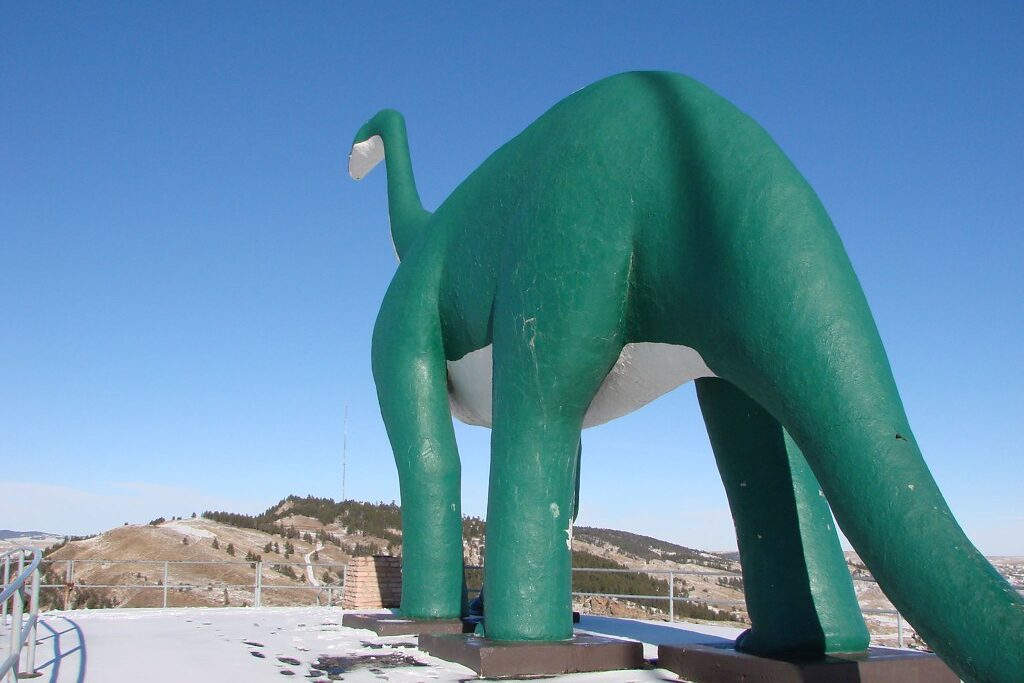
Those oversized concrete dinosaurs felt thrilling long before theme parks became polished and immersive. Spotting one from the road caused instant excitement and frantic pointing from the back seat. They promised adventure, even if the reality was a few statues and a gift shop. The colors were always slightly faded, which somehow made them better.
Stopping felt like a reward for enduring miles of driving. Parents stretched their legs while kids climbed on tails and posed under open jaws. You never stayed long, but you always remembered it. Years later, the memory feels bigger than the attraction ever was.
3. Mystery Spots
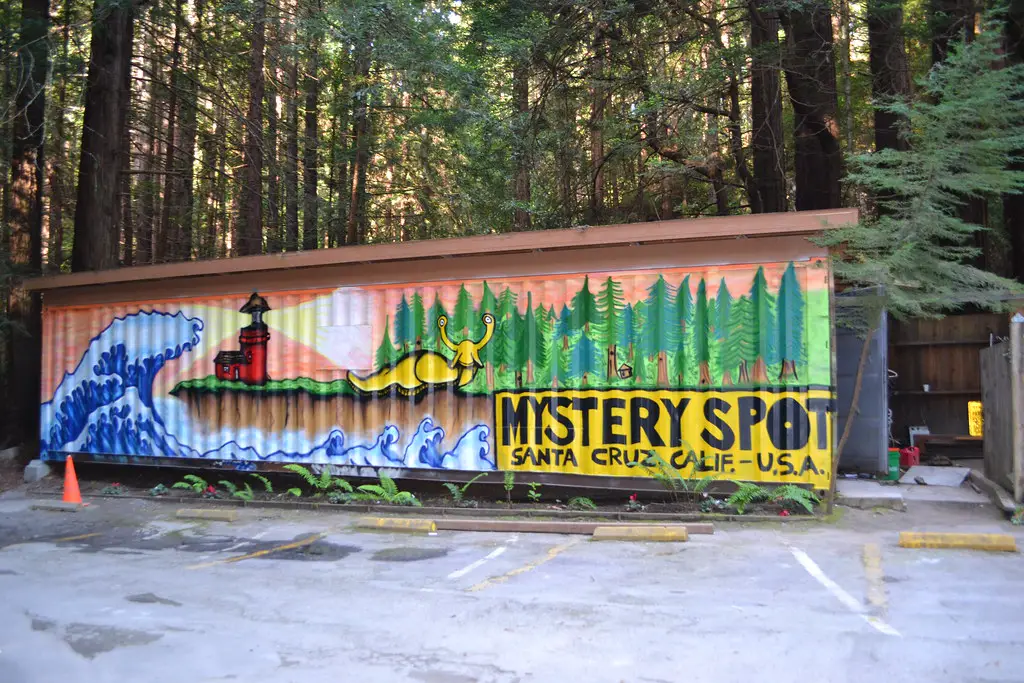
Every state seemed to have a place where gravity supposedly didn’t work. Signs hinted at balls rolling uphill and people standing at impossible angles. You went in skeptical, but curious enough to pay the small admission fee. The tour guide spoke with complete confidence, which made it easier to play along.
Even when you suspected tricks, the experience stuck with you. Everyone left debating what they’d just seen. It gave the drive something to talk about for the next hundred miles. That sense of shared confusion was half the fun.
4. Wigwam Motels
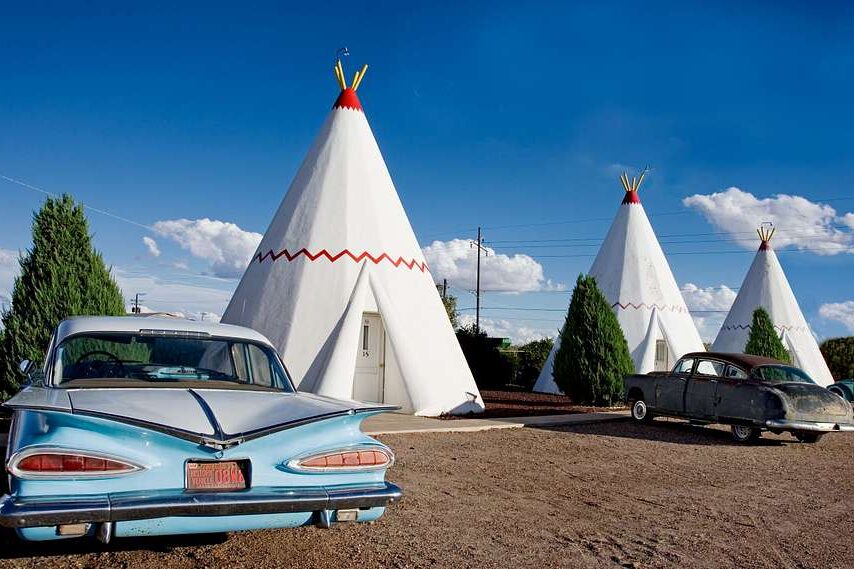
Sleeping in a concrete teepee felt like the height of roadside novelty. These motels promised something different from the usual chain stop. Pulling into the lot felt like stepping into a postcard from another era. Even people who didn’t stay often slowed down just to look.
For families who did stop, it became a story retold for years. The rooms were small and simple, but no one cared. The experience mattered more than comfort. It was proof that the trip itself was the destination.
5. Giant Roadside Statues
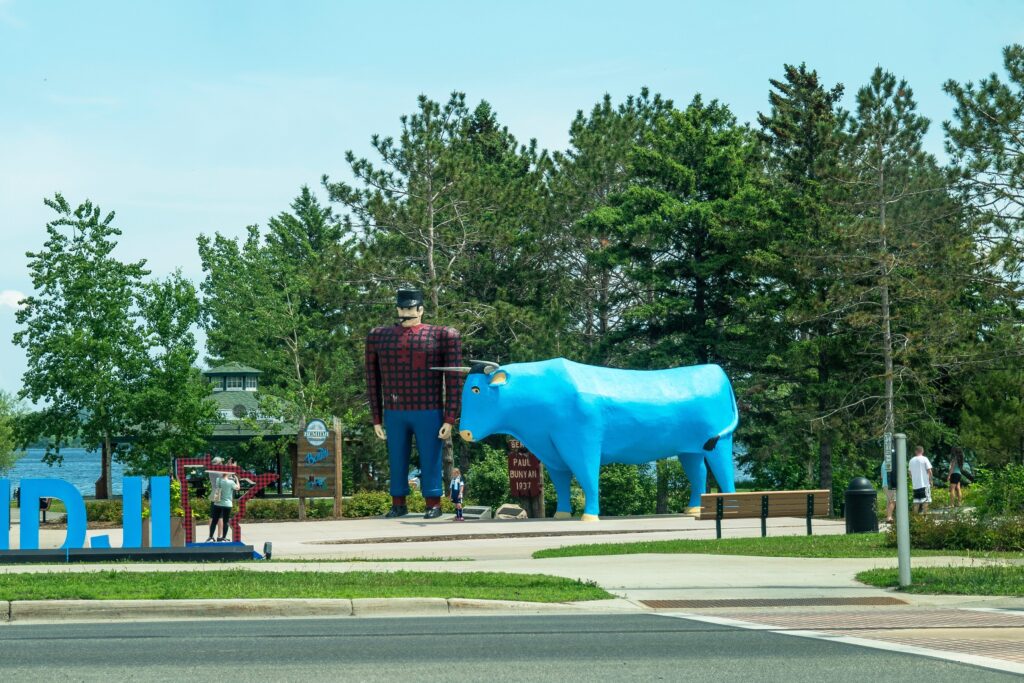
Every region had its own oversized mascot looming near the highway. They were hard to miss and impossible to ignore. Drivers slowed down instinctively, even if they had seen it before. The sheer scale made it feel important.
Stopping meant craning your neck and taking photos that never quite captured the size. These statues became unofficial landmarks. You measured progress by whether you’d passed them yet. They anchored memories of long drives in something solid and familiar.
6. Alligator Farms
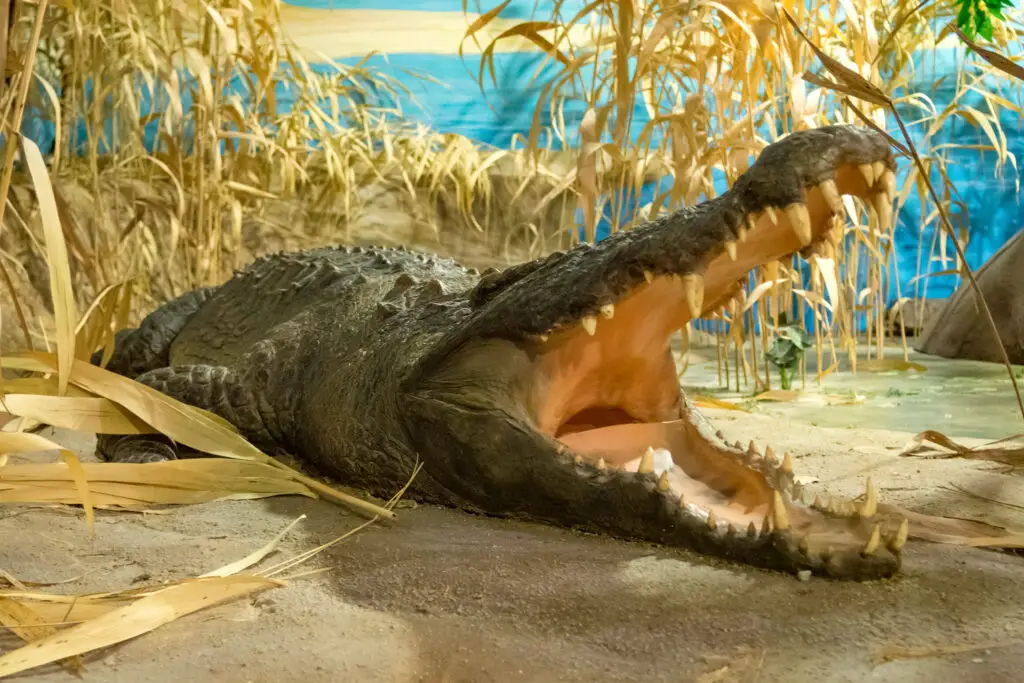
Alligator farms promised danger without real risk, which made them irresistible. Signs advertised feeding times and live animals just off the road. You could hear splashes and see slow moving shapes from a distance. It felt wild compared to the car ride you’d been trapped in.
Families stopped partly out of curiosity and partly for the thrill. Watching a handler work with massive reptiles was unforgettable. It broke up the monotony of the drive. Even the smell became part of the memory.
7. Roadside Zoos
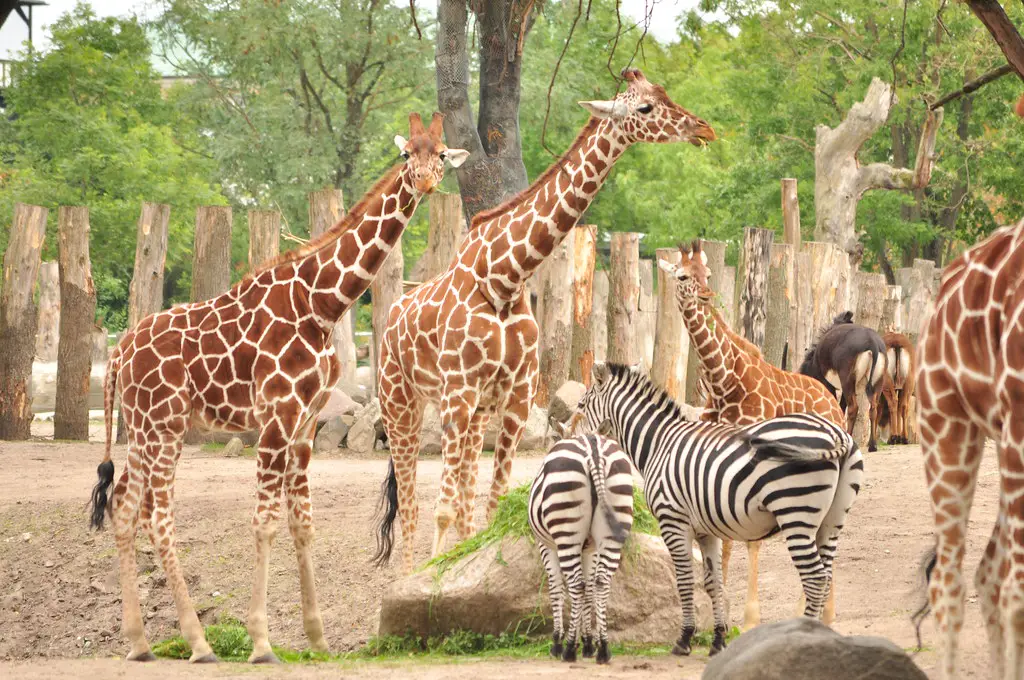
These small zoos were nothing like major attractions, but they felt accessible and spontaneous. You didn’t plan for them, you just pulled over. Animals were closer than expected, sometimes uncomfortably so. The experience felt raw and immediate.
At the time, it felt educational and exciting. Kids pressed close to fences and asked endless questions. Adults bought postcards and cold drinks. It felt like discovering something hidden in plain sight.
8. Rock Shops
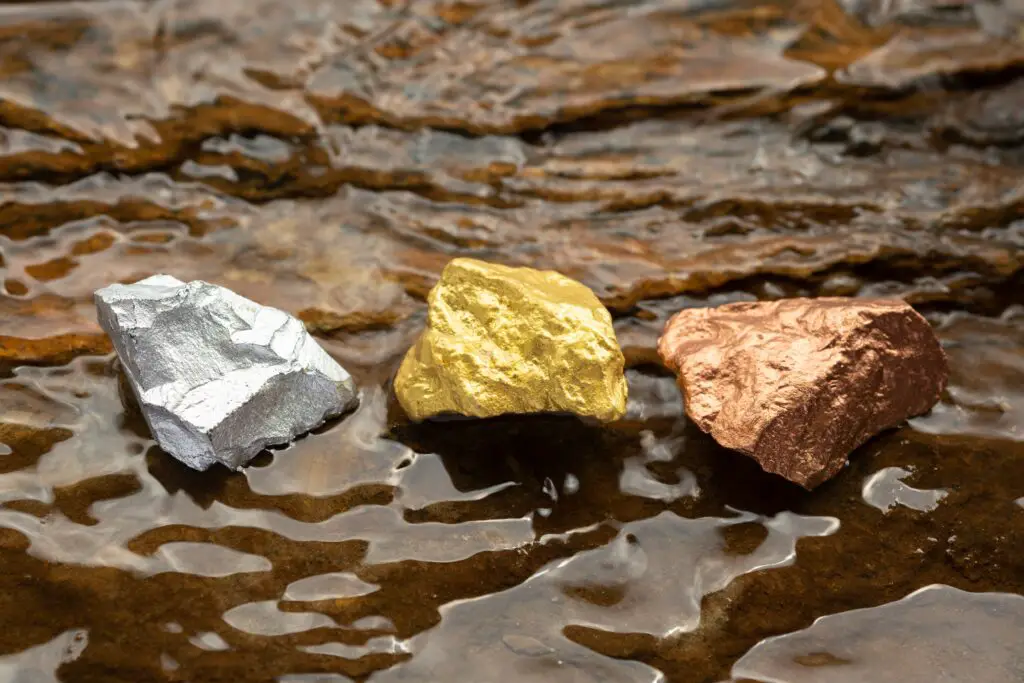
Rock shops appeared suddenly along empty stretches of road. They promised fossils, gemstones, and mystery bags for a few dollars. The idea of taking home something ancient was hard to resist. Even skeptics ended up browsing.
Inside, everything felt timeless and dusty. You sifted through bins, convinced you might find something special. Purchases were small, but the excitement was real. The rocks became souvenirs that lived in drawers for years.
9. Paul Bunyan Style Lumberjack Statues
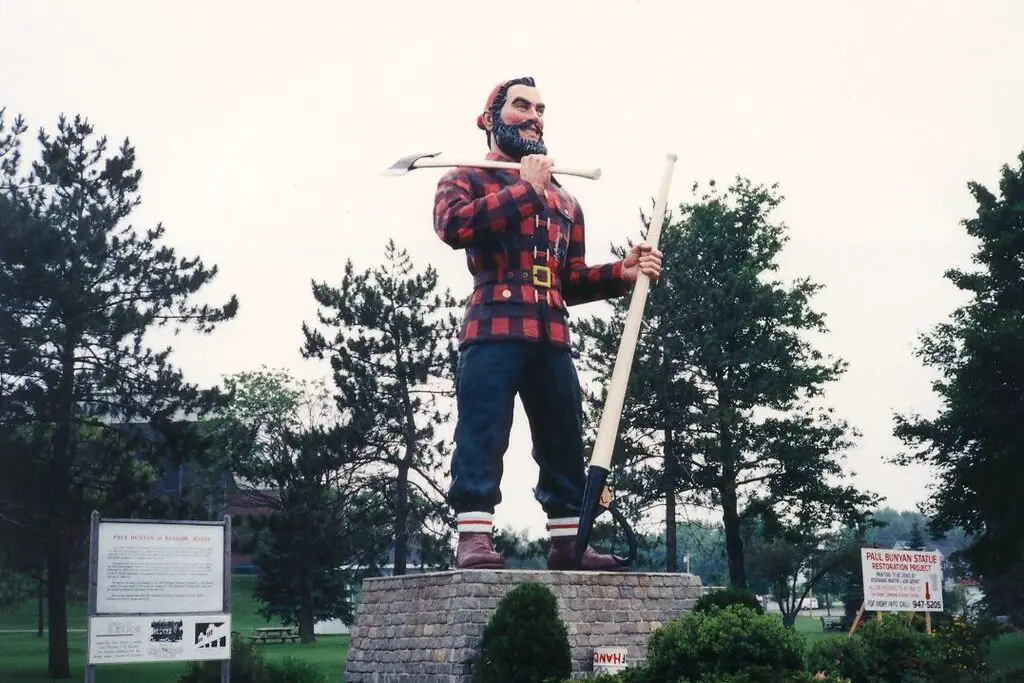
Huge lumberjacks greeted travelers in forested areas, axes raised and smiles frozen. They felt friendly and imposing at the same time. Seeing one meant you were officially somewhere else. They became symbols of entire regions.
Stopping meant standing at their feet and feeling tiny. Parents explained the legend while kids stared up in awe. The statue turned folklore into something physical. It made the place feel important, even if you drove on minutes later.
10. Drive Thru Safari Parks
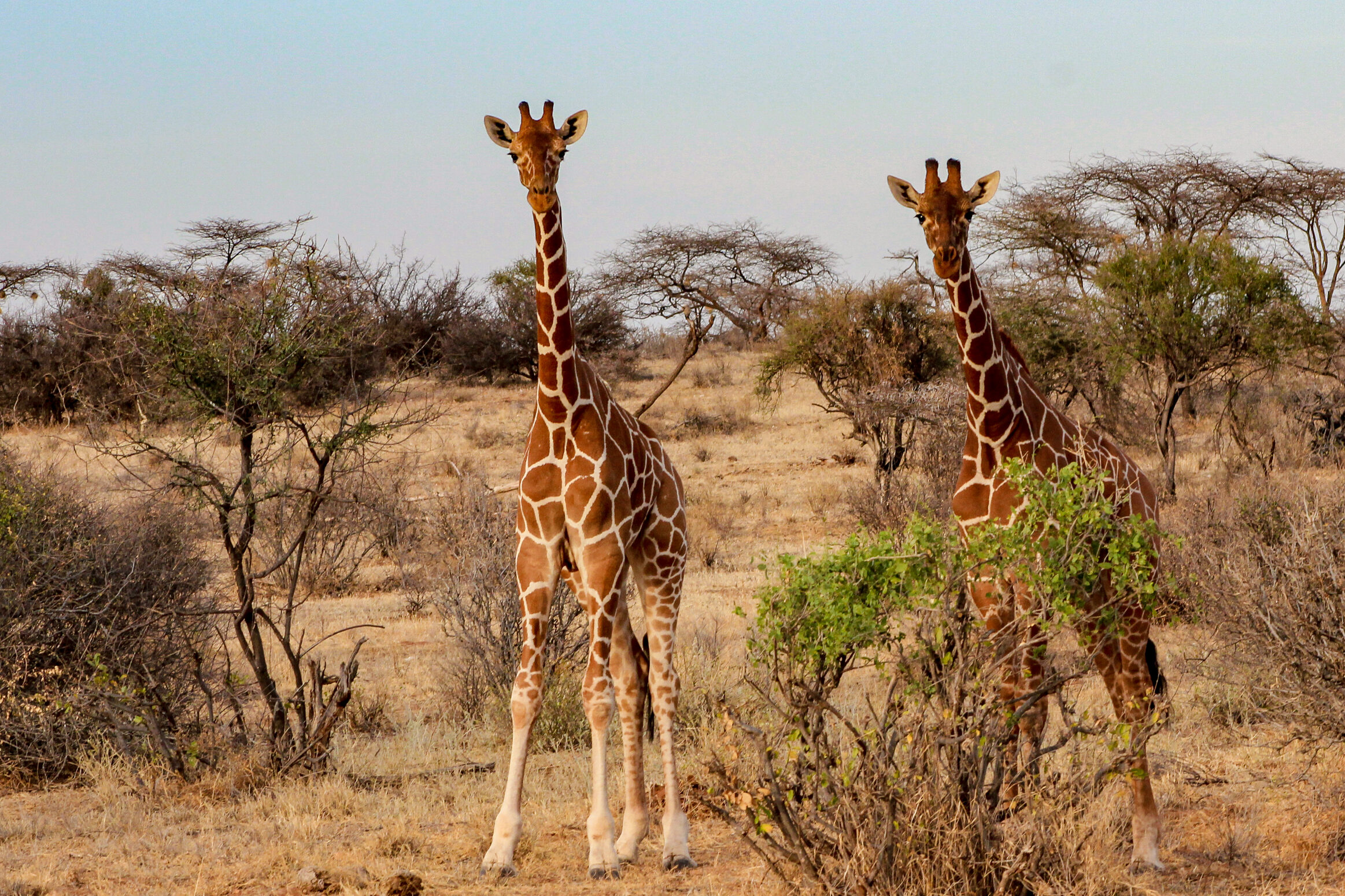
The idea of animals walking near your car window was thrilling and slightly unsettling. You rolled through slowly, clutching bags of feed. Animals approached without fear, which made everything feel unscripted. It was different from walking through exhibits.
These stops felt like a major event on a road trip. Everyone talked at once, pointing and laughing. Even nervous moments became stories. It turned a long drive into something memorable.
11. Roadside Ghost Towns
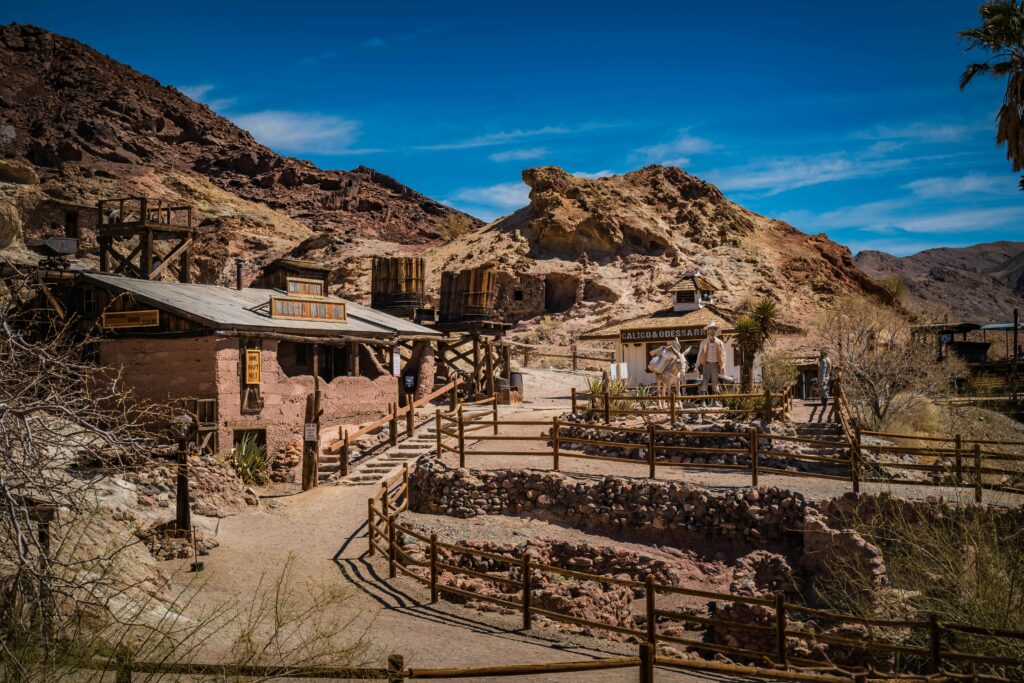
Ghost towns promised a glimpse into the past just off the highway. Weathered buildings and empty streets invited quiet exploration. You walked carefully, as if sound alone might disturb something. It felt like stepping into another time.
Stopping gave the trip a sense of history. Parents told stories about who might have lived there. Kids imagined lives frozen in place. It added depth to an otherwise ordinary drive.
12. Novelty Museums
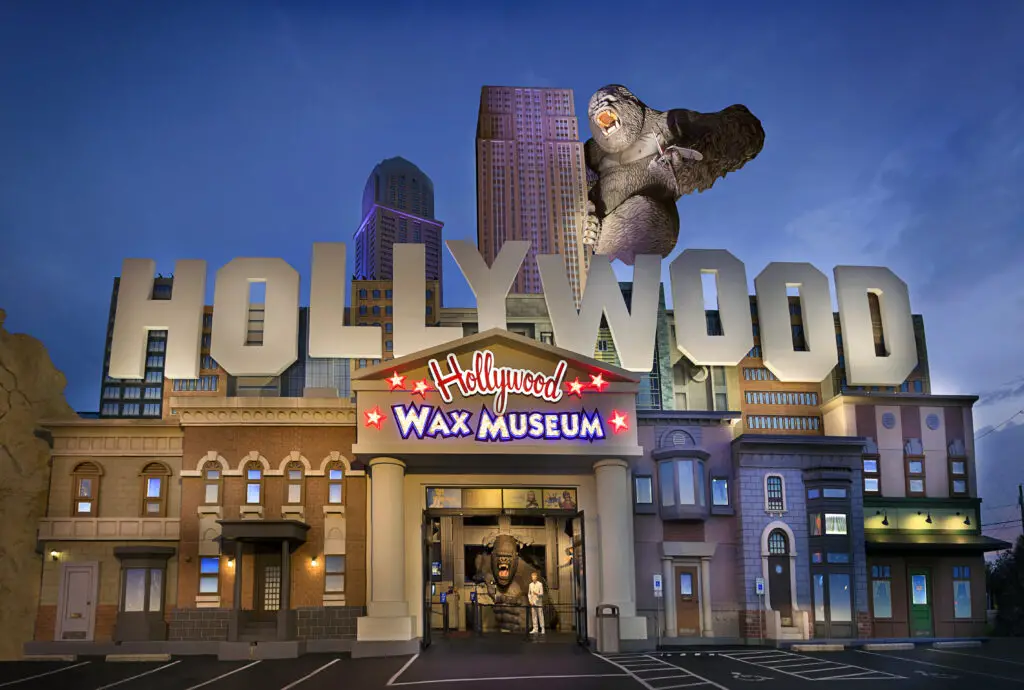
Museums dedicated to a single odd topic felt oddly compelling. You didn’t expect much, which made surprises more enjoyable. Exhibits were simple, sometimes homemade. That sincerity made them charming.
These places felt personal, as if built by one passionate person. You learned strange facts you’d never need again. The visit stuck with you anyway. It gave the trip character.
13. Scenic Overlook Turnouts
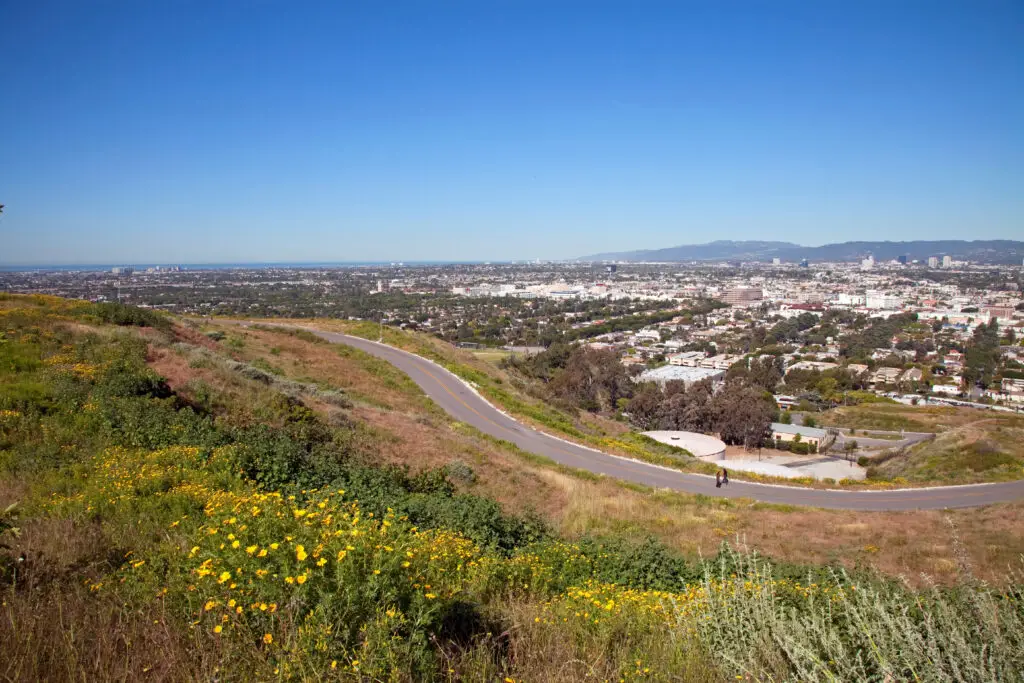
Even before social media, scenic overlooks felt mandatory. You pulled over because the sign told you to, and because everyone else did. Stepping out of the car felt like relief. The view made the miles feel justified.
Photos were taken quickly, but the pause mattered. It reset everyone’s mood. Snacks tasted better in fresh air. Then it was back to the road, refreshed.
14. Roadside Gift Shops
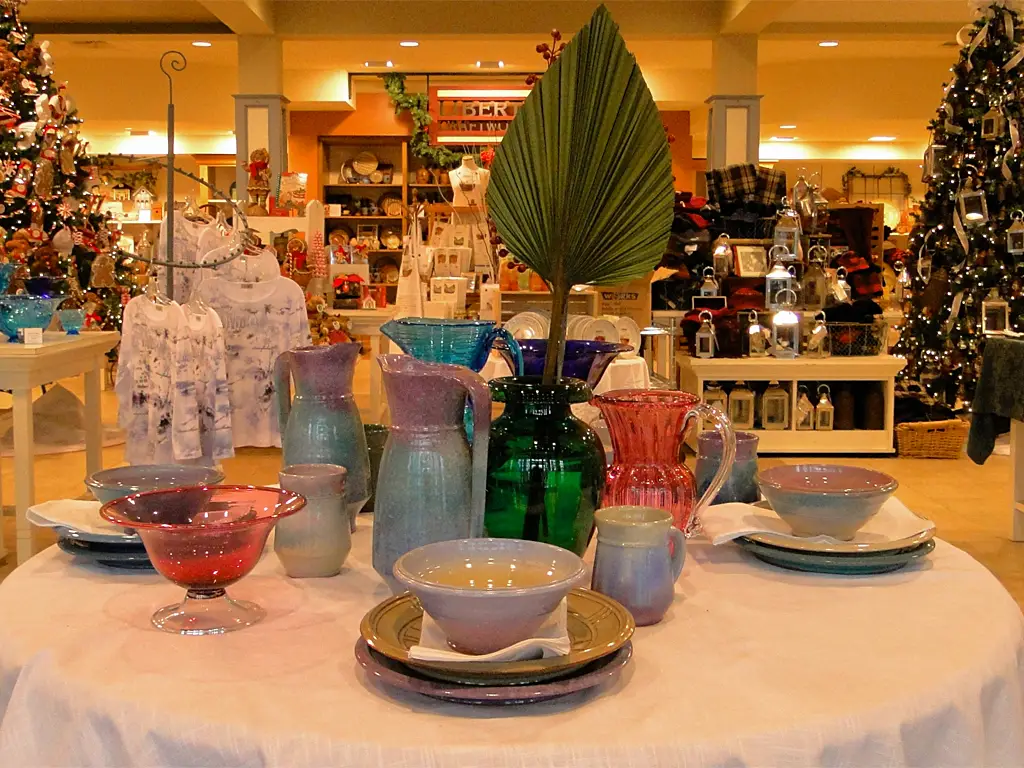
Gift shops appeared like oases along long stretches of highway. They promised restrooms, snacks, and something to browse. Even when you bought nothing, you went in. It was part of the rhythm of travel.
Inside, shelves were packed with local jokes and souvenirs. Kids begged for small toys while adults scanned postcards. These stops were less about shopping and more about stopping. They gave the trip breathing room.
15. Miniature Villages
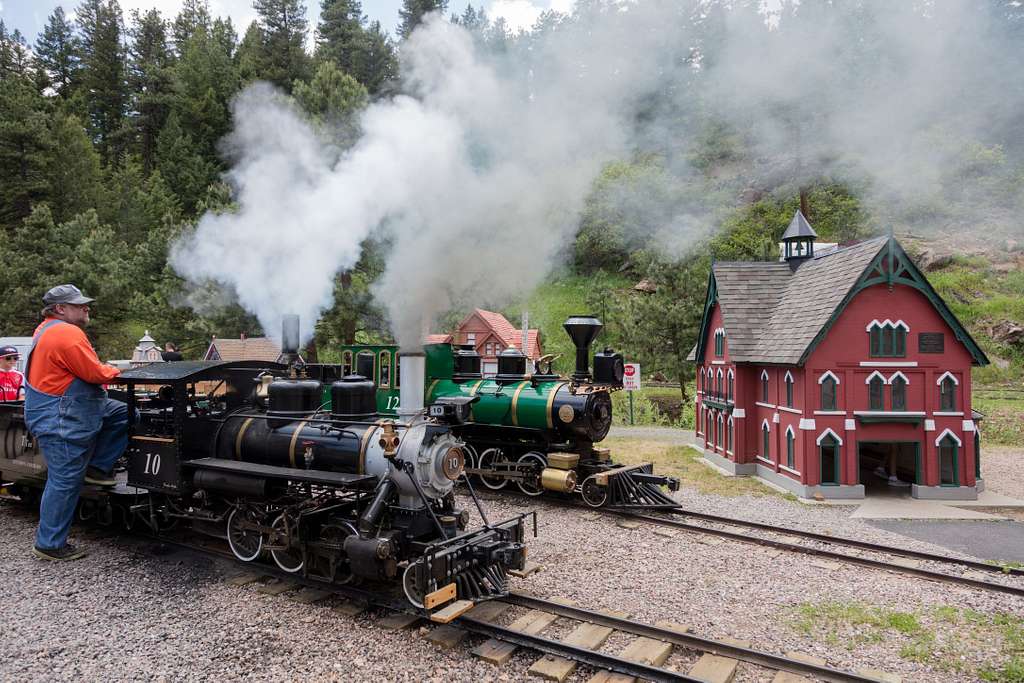
Tiny villages displayed behind glass or outdoors drew people in immediately. You leaned close to catch details, pointing out tiny scenes. It felt calming after hours of driving. The care put into them was obvious.
Stopping meant slowing down in every sense. Conversations softened as everyone focused. It was easy to imagine stories for the little figures. That quiet moment became a favorite memory of the trip.