
1. Radioactive Face Creams

Women once slathered on radioactive face creams believing they would brighten dull skin and create a youthful glow. The ads made it sound like a miracle in a jar, promising radiance at a time when no one knew how dangerous radiation actually was. It’s wild to think these tins sat right on vanities next to cold cream and rouge. Many people had no idea that these beauty boosters were slowly exposing them to harmful levels of radiation. Looking back, it’s a reminder of how quickly scientific knowledge evolves. It also shows how far people were willing to go for smoother skin. Today, the idea of a radioactive moisturizer feels straight out of a sci-fi movie.
The long-term health risks would make these creams illegal in an instant today. Regulations would shut the whole thing down before the first jar even made it to the shelf. Modern consumers would see a radioactive symbol and run the other way. Even the marketing alone would raise red flags with every health agency. Thankfully, we’ve traded in these glowing jars for safer, science-backed routines. And while the concept is fascinating, it’s definitely a piece of beauty history best left in the past.
2. Full-Strength Chemical Peels
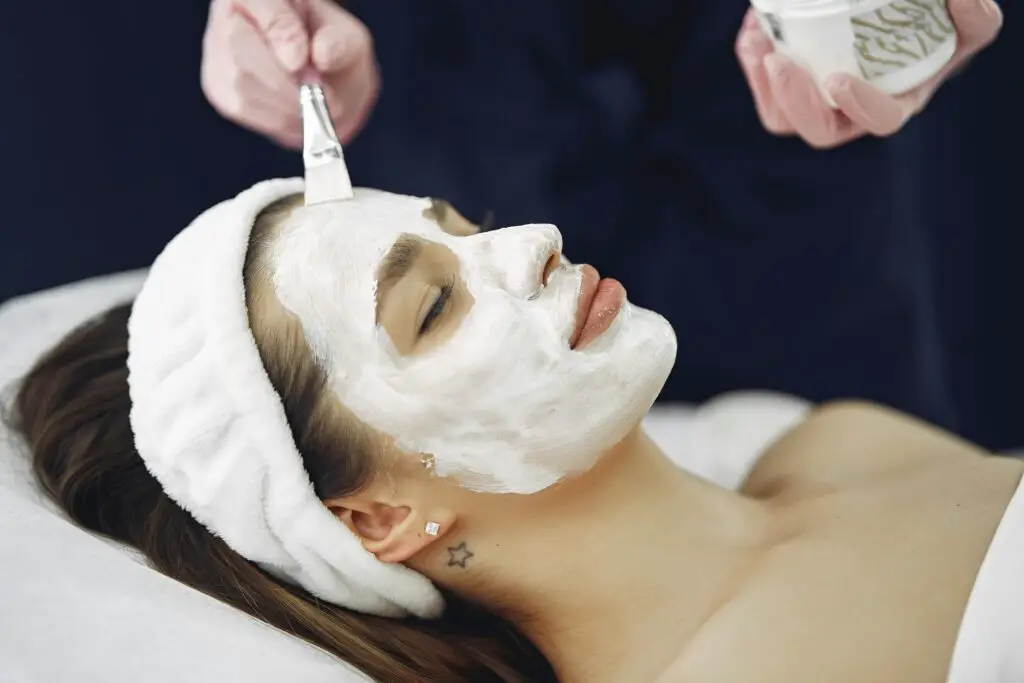
Back in the day, people willingly applied full-strength chemical peels at home with little to no guidance. These weren’t the gentle exfoliants we know now, but industrial-strength formulas that could practically melt off a layer of skin. They were marketed as transformative, promising a “new face” after all the redness faded. Some even came with vague instructions that basically said to use your best judgment. It’s no wonder people ended up with burns or peeling for days on end. Beauty truly was pain in this era. And somehow, this was considered totally normal self-care.
Today, these kinds of peels are heavily regulated and require trained professionals to administer them. Dermatologists now emphasize safety and recovery time, not home-based risk. It would be illegal to sell those old formulas over the counter. Not to mention, consumer protection groups would be all over it. We now understand that skin needs to be cared for, not punished into submission. The modern versions are safer, gentler, and thankfully far less painful.
3. Sunlamp Treatments
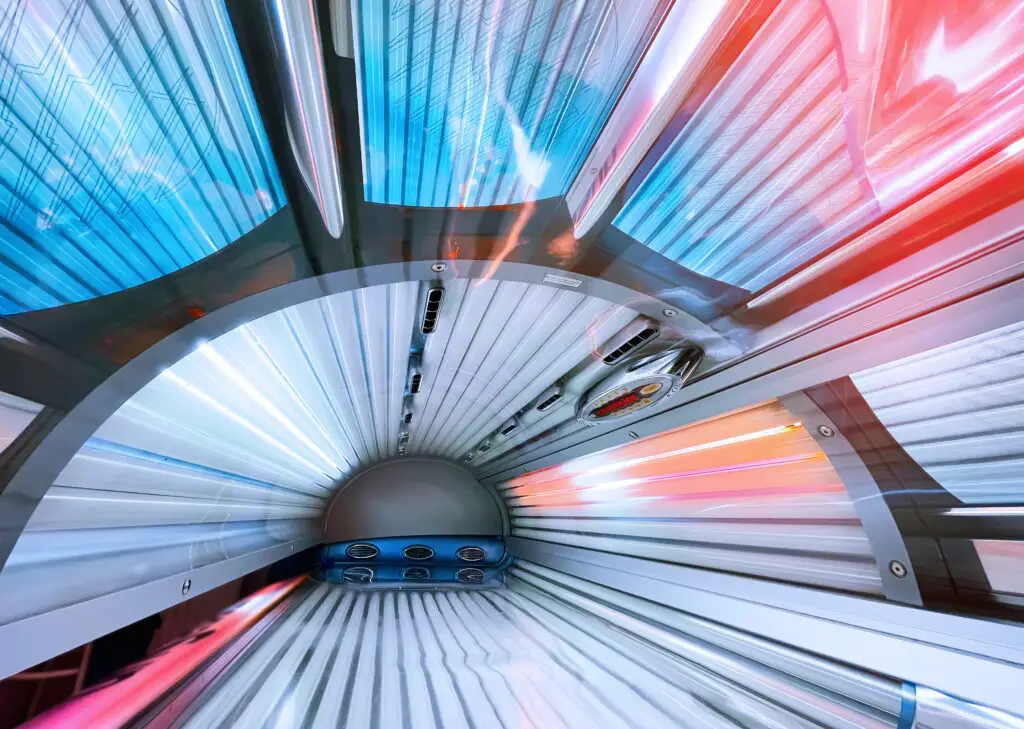
There was a time when people willingly sat under UV sunlamps in their living rooms, convinced it would give them a healthy tan. These lamps delivered intense radiation with little protection or timing guidance. The thinking was that a deep bronze glow signaled wellness. Little did they know how quickly these devices could damage the skin. Early adopters often ended up with burns, eye irritation, and long-term skin issues. Yet the trend caught on like wildfire. Everyone wanted that “sun-kissed” look without ever stepping outside.
Today, these at-home sunlamps would be shut down before they hit the market. The risk of skin cancer alone would make regulators step in immediately. We now know that controlled exposure and protective eyewear are essential. Even tanning beds are heavily monitored, let alone these old home gadgets. It’s a good example of how beauty trends can outpace safety until science catches up. And thankfully, sunscreen is much easier to use than a machine that beams UV rays at your face.
4. Lead-Based Makeup

Lead was once a normal ingredient in powders, rouges, and even lip products. It gave makeup a smooth texture and long-lasting finish, which was exactly what people wanted. But behind the flawless look was a substance that could quietly cause serious health issues. Symptoms like fatigue, irritability, and hair loss often went unexplained. People simply didn’t know the culprit was sitting right there in their makeup drawer. It didn’t help that many brands bragged about how “pure” and “refined” their formulas were. Looking good came at a high cost back then.
Today, lead in cosmetics is strictly banned. Even trace amounts trigger recalls and investigations. This would easily be one of the most illegal beauty ingredients if reintroduced today. Regulations ensure that cosmetics go through safety testing before hitting shelves. We’ve come a long way from the days of toxic powders being brushed across faces without a second thought. Safe alternatives now exist, and they don’t come with hidden health risks.
5. Mercury Skin Lighteners
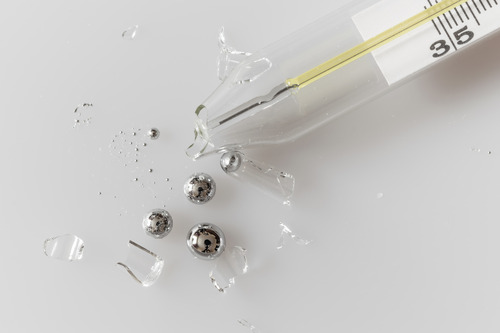
Mercury-based creams were once common, marketed to fade dark spots and even out skin tone. People used them faithfully, unaware of the neurological risks lurking in every jar. These products promised a brighter complexion fast. They delivered results, but only because mercury blocks melanin production, which is not something anyone should mess with. Over time, users began reporting tremors, memory issues, and other frightening symptoms. Still, companies pushed the idea that beauty required sacrifice. It’s heartbreaking how normalized this was.
Mercury in cosmetics is now banned in most countries, and for good reason. The danger is simply too great to ignore. A product like this would never make it past modern regulators. Today’s skin-brightening products rely on safe ingredients backed by dermatologists. And we’re far more aware of how harmful ingredients can affect long-term health. It’s a positive shift in the right direction.
6. Electrical Face Shocking Devices

Once upon a time, “rejuvenation” involved plugging in a handheld device that delivered small electric shocks to the face. Makers claimed it would tighten skin and reduce wrinkles. Some people even used them daily, treating electricity like a beauty hack. But these gadgets were poorly regulated and often poorly made. Overheating, burns, and inconsistent current levels were common. It wasn’t exactly the relaxing beauty ritual the ads promised. It sounds more like science class gone wrong.
Today, devices that emit electrical current are strictly monitored for safety and must meet high manufacturing standards. The old versions would be illegal because they posed a real risk of injury. Modern microcurrent tools are much safer and designed with careful testing. It’s a great example of how technology evolved, while old-school versions crossed lines that regulators today would never allow. Beauty routines should not involve dodging electrocution.
7. Arsenic Complexion Wafers
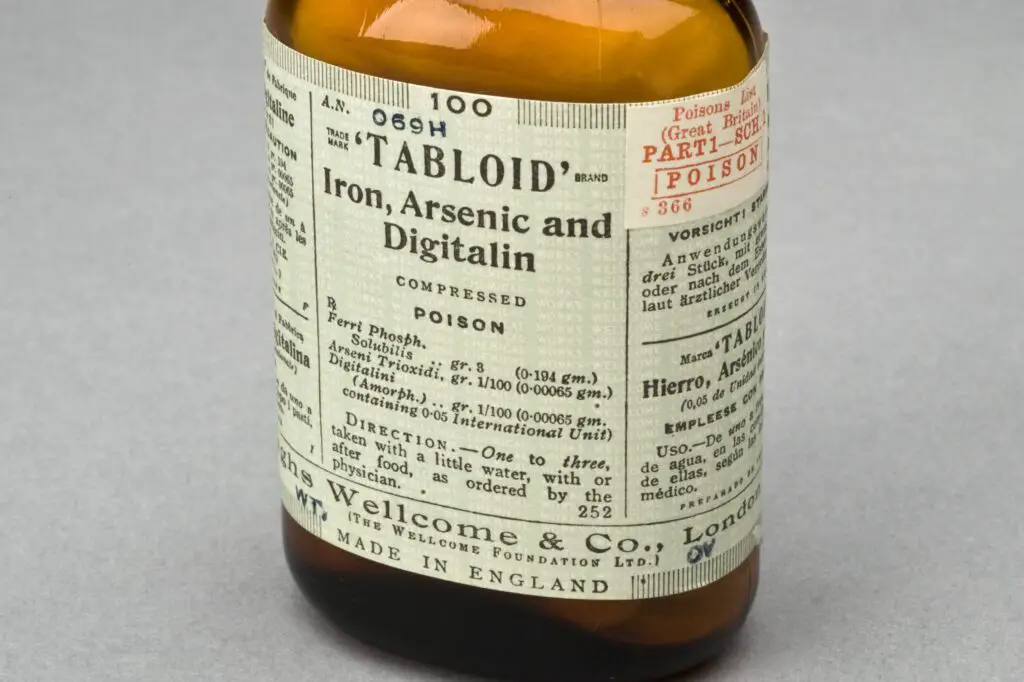
Arsenic wafers were once sold as an easy way to achieve pale, “perfect” skin. People literally ingested arsenic wafers believing they would smooth the complexion. The thinking was that a little poison could purify the skin. Instead, it did what poison does, quietly harming the body. Symptoms were brushed off as minor side effects of beauty. It’s incredible and unsettling in equal measure. This was marketed with total confidence.
Arsenic consumption is, of course, illegal and dangerous, making this treatment unthinkable today. No regulatory body would allow arsenic to be sold as beauty food. We now understand the serious, irreversible damage it can cause. Any modern attempt to sell something like this would lead to immediate shutdowns and investigations. It’s one of those beauty fads that truly shows how far we’ve come.
8. Heated Metal Hair Curlers

Before temperature controls existed, heated curlers were basically metal rods warmed over stoves. People used them to style hair at home without realizing how easy it was to burn themselves. These tools got dangerously hot, and one wrong move could singe hair instantly. Many had no handles, so the risk of touching hot metal was high. Yet they were wildly popular because they delivered tight, lasting curls. The sacrifice seemed worth it at the time.
Modern heat tools undergo strict safety testing, and temperature regulation is non-negotiable. Old methods would be illegal because of the burn risks alone. Consumer standards today require insulated handles, heat controls, and safe materials. Thankfully, we can curl our hair without risking second-degree burns. Progress really is beautiful.
9. Chlorine Hair Bleaching
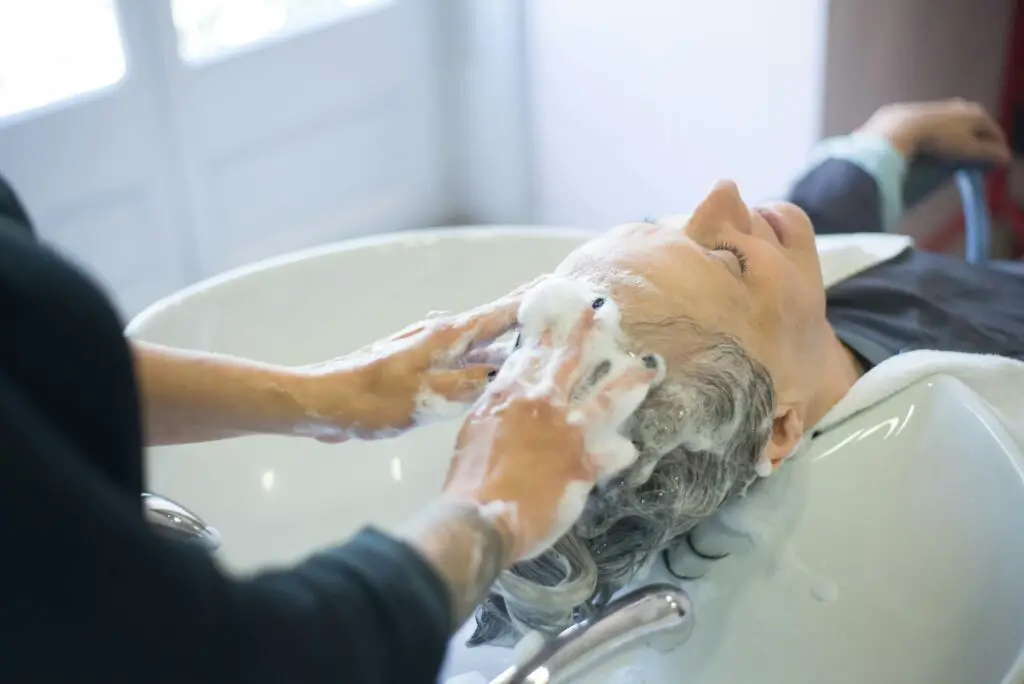
Early hair bleaching involved applying harsh chlorine solutions directly to the scalp. It was cheap, strong, and fast, which made it appealing. But it also burned, dried out hair, and irritated the skin almost instantly. People tolerated these reactions because the trend of lighter hair was irresistible. Some even layered homemade mixtures on top of each other, not understanding the damage. It was beauty bravery at its peak. But the results were often unpredictable.
Today, chlorine-heavy hair bleaching would violate multiple safety regulations. Salon formulations are carefully balanced and tested. Professionals now prioritize hair health while lifting color. The modern approach is much more controlled and far less painful. Chlorine on the scalp would be a huge red flag for regulators and stylists alike. Thankfully, safer blonding techniques have taken over.
10. Freckle Removal by Acid
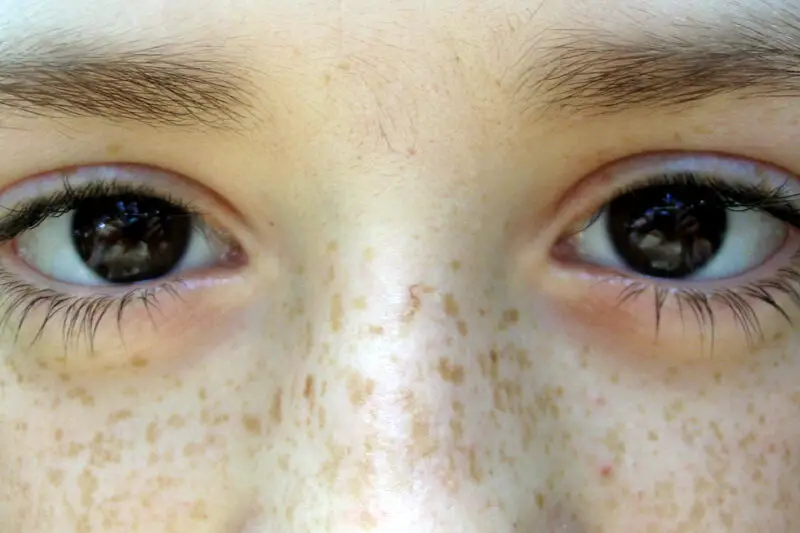
In the past, strong acids were used to remove freckles, often in clinics with minimal oversight. People wanted porcelain skin, and freckles were seen as flaws. The acid treatments burned through the top layer of skin, sometimes leaving scars. Many patients endured swelling and pain for days. And results were far from guaranteed. It’s one of those treatments that makes you wince just thinking about it.
Today, using dangerous acids would be illegal without strict medical supervision. Freckles are now celebrated rather than erased. Modern dermatology uses safe lasers and gentle treatments instead of burning chemicals. Regulations protect people from extreme procedures like this. Thankfully, the beauty world has shifted toward embracing natural features.
11. Lash Dye Made with Poisonous Ingredients
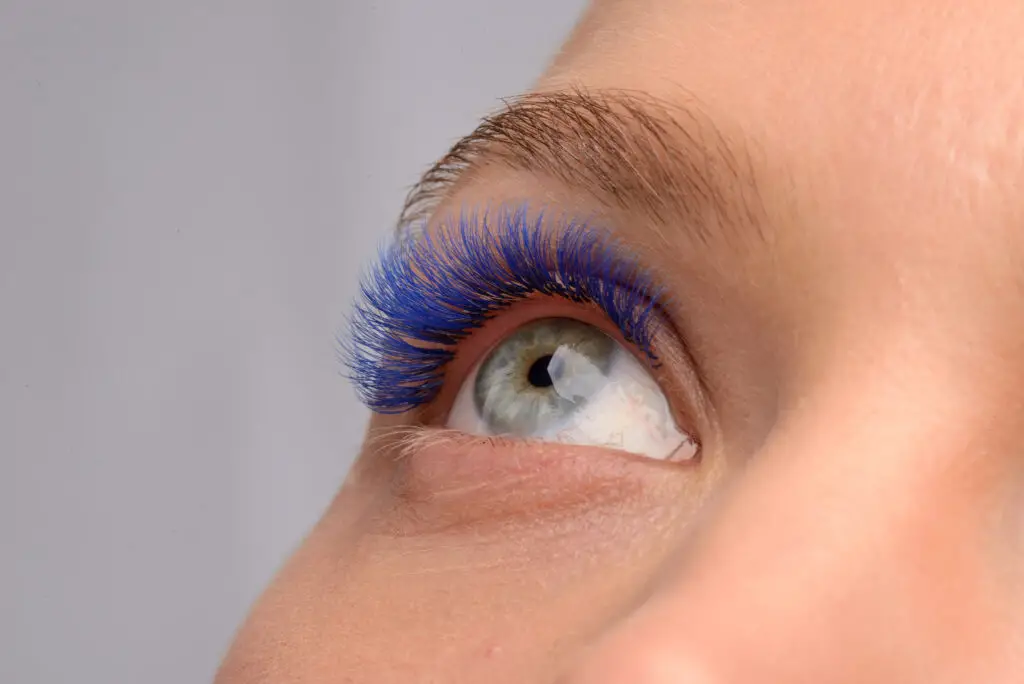
Early eyelash dyeing involved formulas containing toxic chemicals that were never tested for eye safety. Some early dyes even caused infections and blindness. But long, dark lashes were so desirable that people took the risk. Salon workers often applied the dye with little training or protective gear. There were no patch tests, no warnings, and no regulations. It was a gamble dressed up as glamour.
Today, anything used near the eyes is subject to intense scrutiny. Those old lash dyes would be illegal immediately. Modern lash tinting uses carefully tested products and application rules. Safety goggles, sterilization, and training are required. We now recognize how delicate the eye area is and how dangerous unregulated dyes can be. It’s one of the clearest examples of improved beauty standards.
12. Snake Oil “Youth” Elixirs
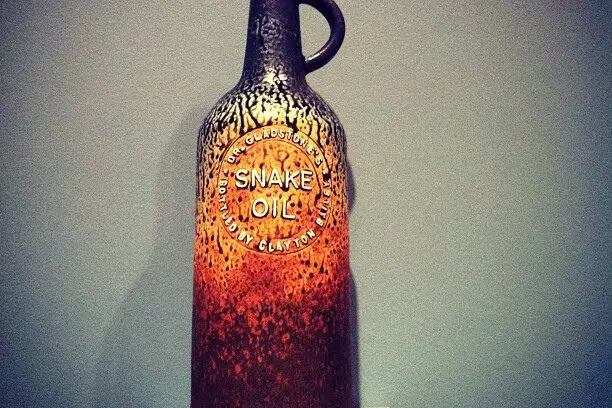
Snake oil tonics were sold everywhere as cure-alls for aging, acne, and dull skin. They were marketed with wild promises and vague ingredients. Most of them contained alcohol, random herbs, or substances no one really understood. People believed in them because advertising was persuasive and regulation was nonexistent. If the label said it would stop wrinkles, many took it at face value. Results varied wildly, often disappointing users. But the industry thrived.
Today, selling a beauty elixir without ingredient transparency is illegal in many countries. Agencies require safety testing and accurate labeling. Misleading claims can lead to serious penalties. Those old tonics would be pulled from shelves immediately. Thankfully, consumers now expect proof, not promises. It’s a far cry from the anything-goes era of snake-oil cures.