
1. Grande Hotel Beira, Mozambique
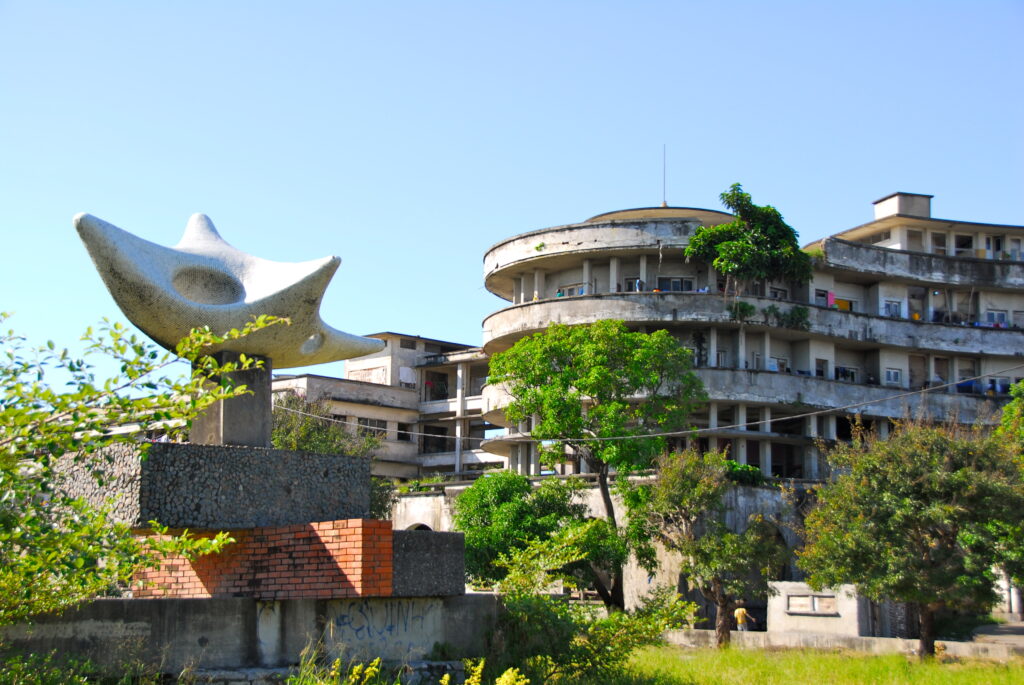
Built in the 1950s, the Grande Hotel Beira was supposed to be one of Africa’s most glamorous seaside destinations. It had a massive swimming pool, elegant modernist design, and was marketed to wealthy European travelers. The problem was that those guests never really showed up in the numbers expected. Operating costs were high, and the hotel never turned a profit at any point in its short life. By the mid-1970s, it shut down completely, barely two decades after opening.
What makes its story more striking is what came next. The empty building was eventually taken over by thousands of squatters and turned into a vertical slum. Today, families live inside what used to be luxury suites, with no functioning infrastructure. The grand pool is polluted, and the once-modern interiors have been stripped or repurposed. It stands as a reminder of how far off the original vision was.
2. Trump Ocean Resort Baja Mexico

This project was heavily marketed as an ultra-luxury condo hotel development along the Baja California coast. Buyers were told they were investing in a high-end resort associated with a recognizable luxury brand. Many paid large deposits, often in the hundreds of thousands of dollars, expecting a finished property. Construction began in the late 2000s but quickly ran into delays and financial trouble. By 2009, the project had collapsed entirely.
The buildings were never completed, leaving behind a partially built shell near the ocean. Investors lost significant amounts of money, and lawsuits followed over how the project had been marketed. The name tied to the development was later distanced from the failure, adding to the controversy. What was pitched as a polished resort experience never even reached the opening stage.
3. Haludovo Palace Hotel, Croatia
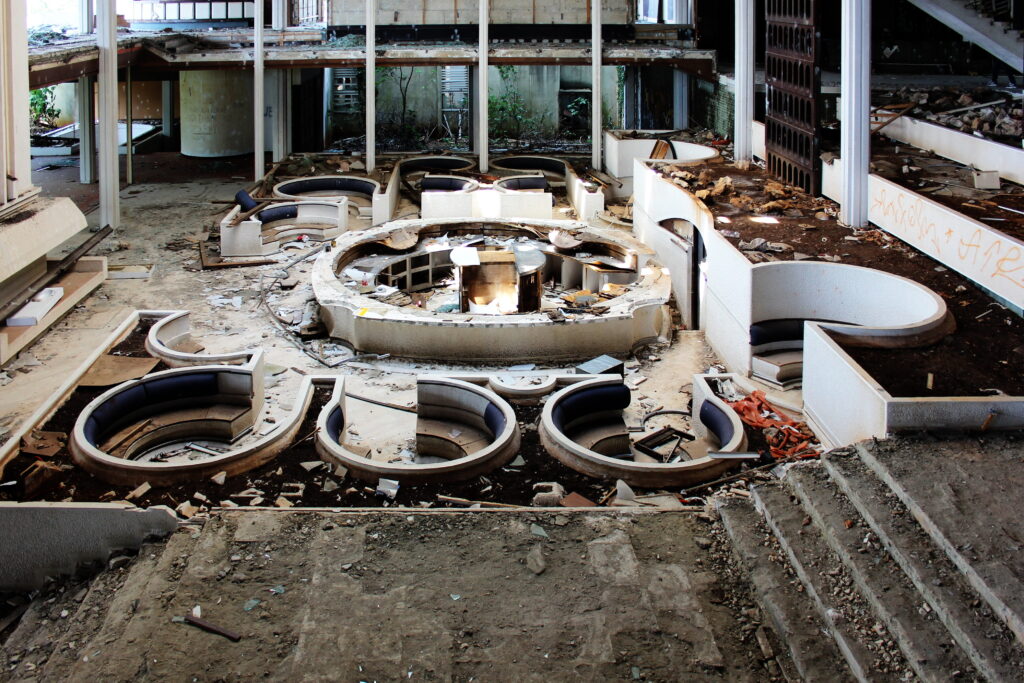
When it opened in the early 1970s, Haludovo Palace Hotel was designed to attract international jet-set travelers. It even included a casino funded by Penthouse magazine founder Bob Guccione, which gave it a flashy, high-profile image. The resort offered luxury accommodations, entertainment, and a glamorous coastal setting. But the casino failed within a year, removing a major source of income.
Over time, political and economic instability in the region contributed to its decline. By 2001, the resort had closed for good. The buildings remain standing but are heavily deteriorated, with interiors largely destroyed. Despite occasional redevelopment plans, it has stayed abandoned for decades. It feels like a place that peaked almost immediately and never recovered.
4. Ducor Hotel, Liberia
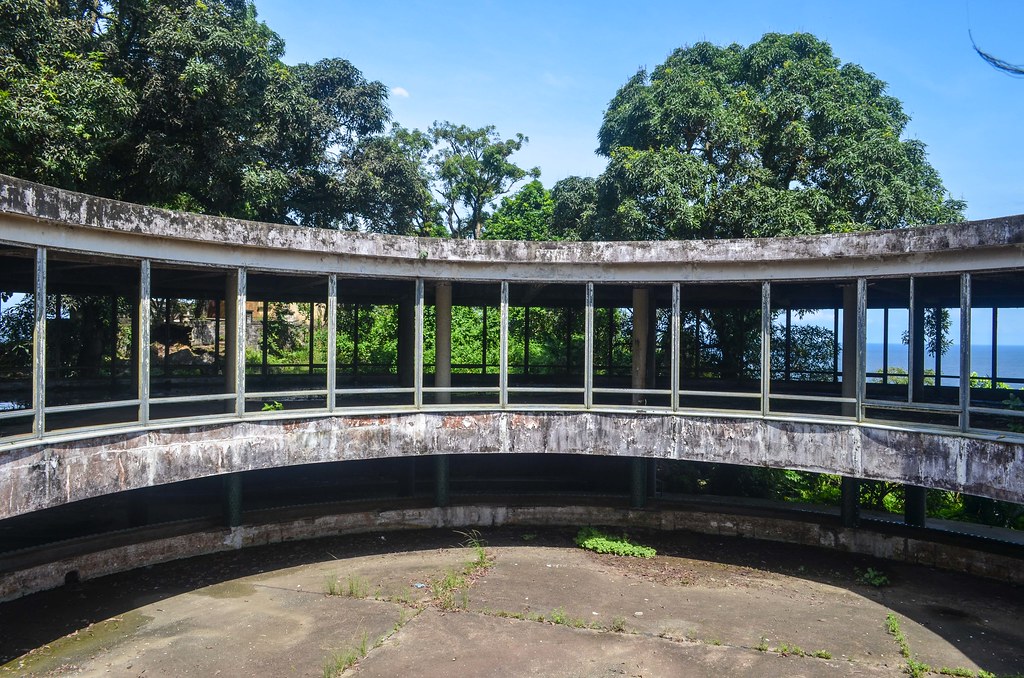
The Ducor Hotel opened in 1960 and was considered one of the most luxurious hotels in West Africa at the time. It sat on a hill overlooking Monrovia and attracted diplomats, celebrities, and government officials. For a while, it represented modern luxury in the region. However, political instability and civil conflict led to its decline. Eventually, the hotel closed and was abandoned.
Efforts to renovate the property have failed multiple times, leaving it empty for decades. At various points, it was occupied by squatters before being cleared again. Today, it remains unused despite its prime location. The structure itself is still recognizable, but its luxury identity is long gone. It’s a clear example of how external factors can abruptly end even the most promising resort ventures.
5. Burj Al Babas, Turkey
This development wasn’t a traditional resort, but it was marketed as a luxury lifestyle destination filled with hundreds of castle-like villas. The idea was to attract wealthy international buyers looking for something extravagant and unique. Construction began in the mid-2010s, and rows of identical mini castles quickly took shape. At first, it looked like a surreal success story in progress.
Then sales slowed dramatically, and the developer went bankrupt in 2018. Hundreds of the villas were left unfinished, many with structural damage from exposure to the elements. The site became a ghost town almost overnight. What was supposed to feel like a fantasy retreat now looks more like a deserted movie set. It’s one of the most visually striking examples of a luxury project collapsing mid-build.
6. Penang Mutiara Beach Resort, Malaysia
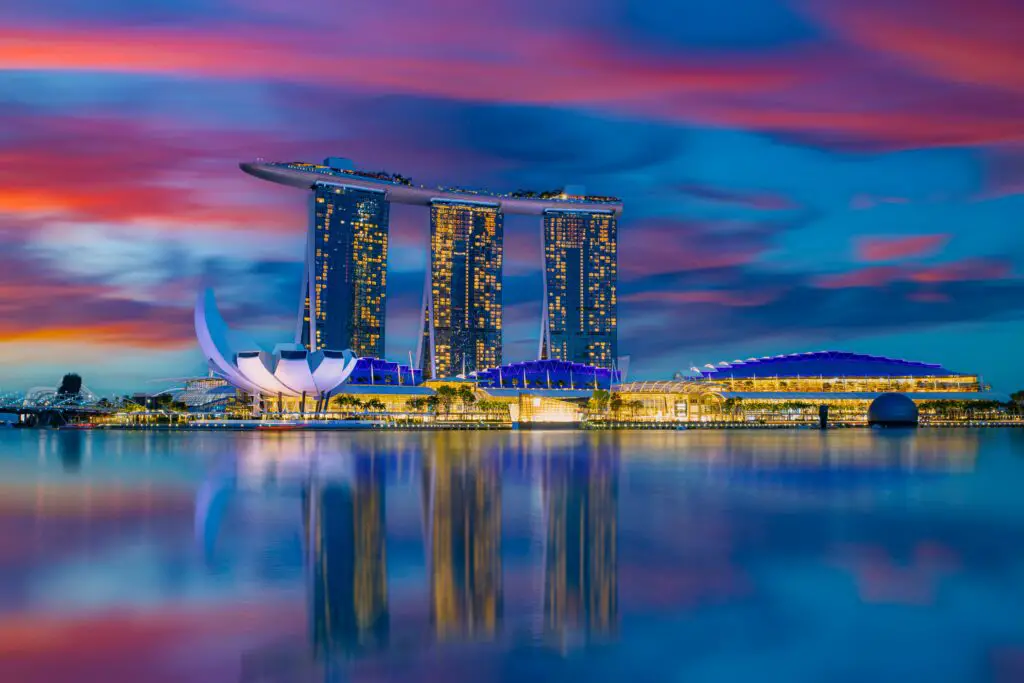
This beachfront resort opened in 1988 and quickly became known as one of the more upscale properties in Penang. It hosted notable guests, including political leaders and royalty, and was positioned as a premium tropical escape. For years, it operated successfully with hundreds of rooms and full resort amenities. But by 2006, it abruptly closed its doors.
Since then, the building has remained largely abandoned, sitting unused along the coastline. Its size and location make it hard to ignore, but redevelopment has not materialized. Locals have questioned what will happen to the property for years. Despite its once-strong reputation, it became a dormant structure surprisingly quickly. It’s a case where a functioning luxury resort simply stopped operating and never returned.
7. Hotel del Salto, Colombia
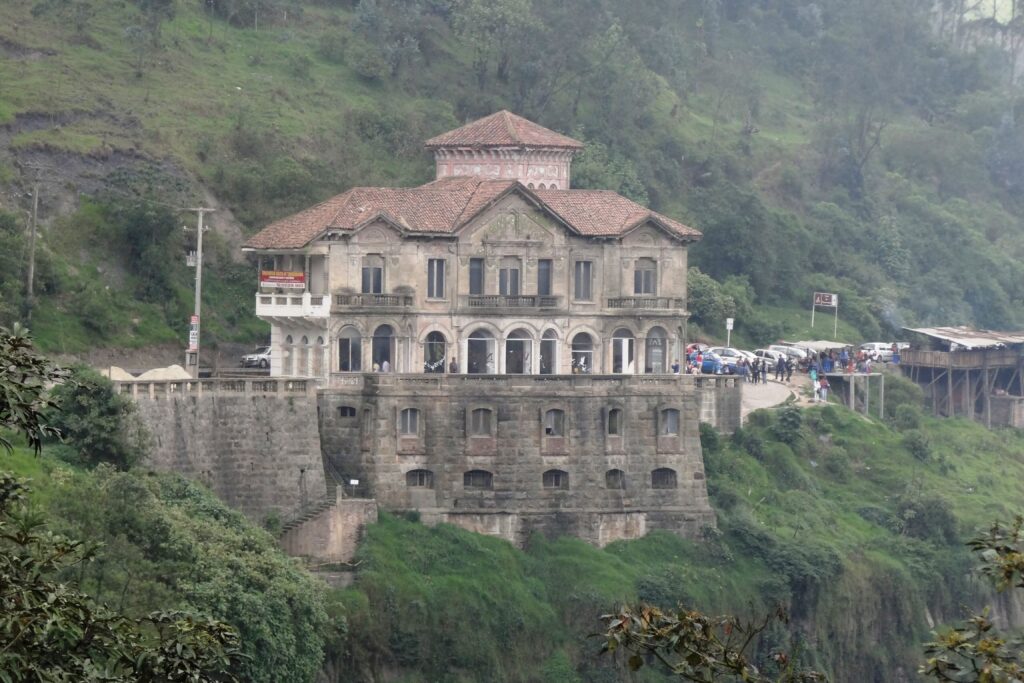
Perched dramatically near Tequendama Falls, this hotel opened in 1929 as a luxury destination for travelers from Bogotá. It was known for its scenic views and easy train access from the capital. For decades, it drew visitors who wanted a refined escape into nature. But environmental issues slowly drove people away.
As pollution in the nearby river worsened, tourism declined sharply. The hotel closed in the early 1980s and sat abandoned for decades. Its empty halls became associated with eerie stories and local legends. Eventually, it was repurposed into a museum, but its long period of abandonment defined its legacy. It’s a reminder that even location can’t save a resort if conditions around it change.
8. Orlando Sun Resort, Florida
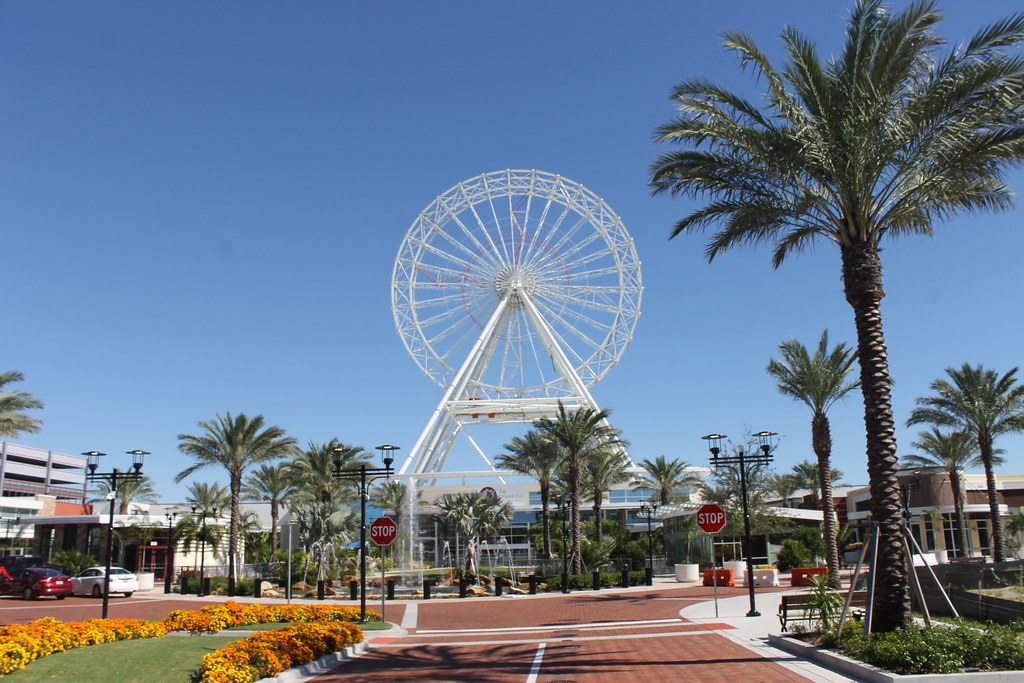
Originally opened in the 1970s near Disney World, this resort was designed to handle massive crowds. With thousands of rooms and a convention center, it was positioned as a major hospitality hub. At one point, it was considered futuristic in design and scale. But over time, ownership changes and financial issues began to take a toll.
Despite attempts to renovate and rebrand, the resort closed in 2010. It has since remained abandoned, with interiors left to decay. Graffiti, mold, and structural damage now dominate the property. Even though it’s in a prime tourist area, redevelopment has been slow. The contrast between its original ambition and current condition is especially stark.
9. La Gondola Hotel, England
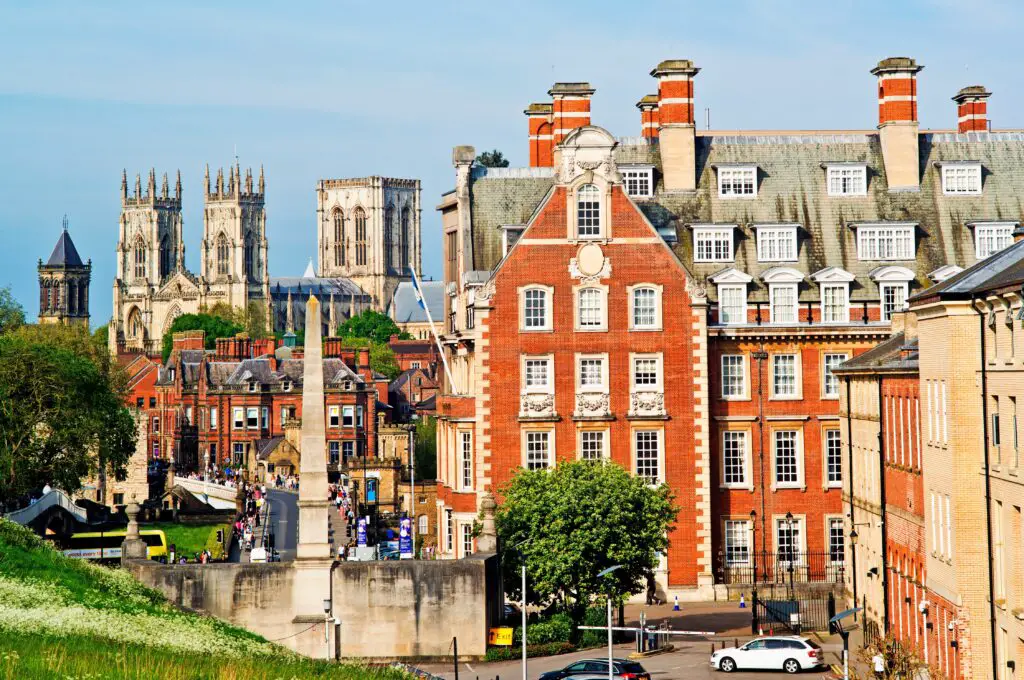
This hotel gained attention after appearing on a well-known television program that tried to revive struggling restaurants and hotels. Despite the publicity and attempted turnaround, it failed within a couple of years. By 2007, it had closed permanently. The building was left largely untouched afterward.
Inside, many rooms remained frozen in time, with furniture still in place. Over the years, it became a target for vandalism and decay. Plans to demolish or redevelop it were delayed multiple times. Eventually, approval for demolition came, but the structure lingered for years in a deteriorated state. It’s a smaller example, but one that shows how quickly a “revived” luxury property can collapse again.
10. Penn Hills Resort, Pennsylvania
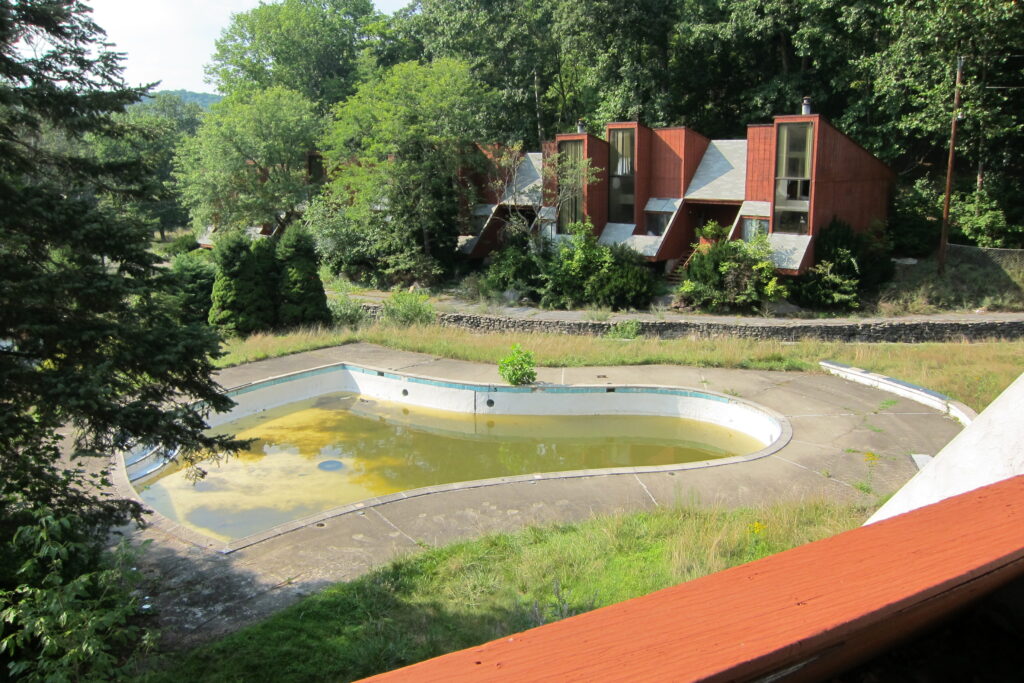
Located in the Poconos, Penn Hills Resort was once marketed as a romantic luxury getaway. It featured heart-shaped tubs, lakeside views, and private cottages designed for couples. For decades, it attracted honeymooners and vacationers looking for something upscale yet intimate. But by the early 2000s, it had lost its appeal.
The resort closed in 2009 and was left abandoned soon after. Buildings began to deteriorate quickly, with broken windows and collapsing interiors. Despite its strong brand recognition at one time, it couldn’t compete with newer travel trends. Today, it’s a well-known abandoned site in the region. The shift from iconic destination to empty shell happened faster than many expected.
11. North Korea’s Floating Hotel (Haegumgang Hotel)
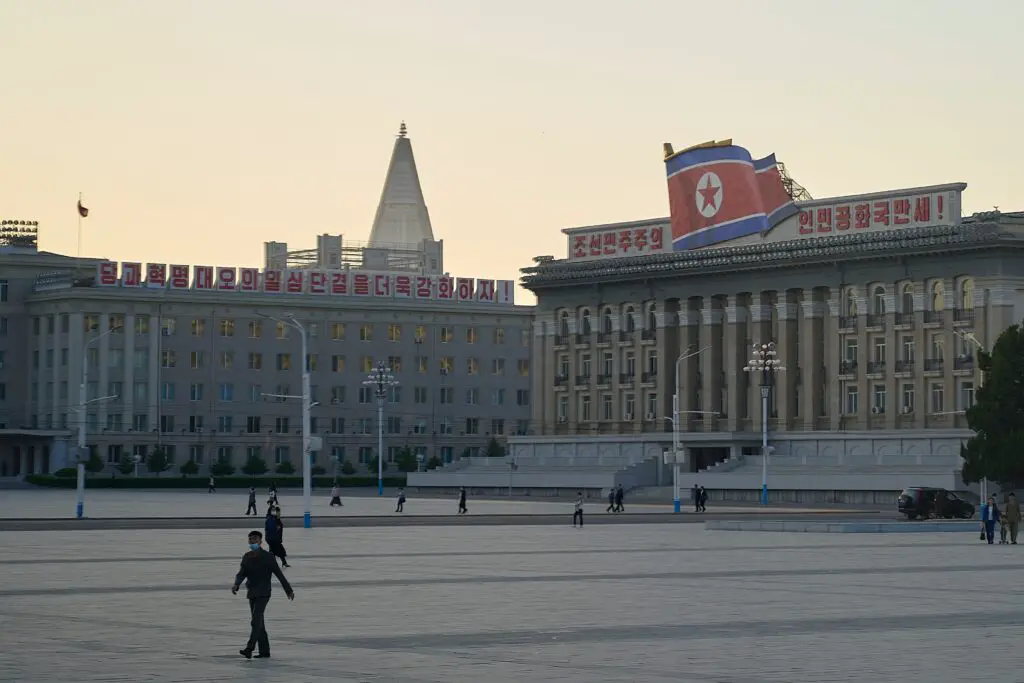
Originally built as a luxury floating hotel, this structure was moved to North Korea as part of an ambitious tourism project. The idea was to create a unique resort experience that would attract international visitors. It had already proven successful in its original location before being relocated. Expectations were high once it arrived.
However, political tensions and restrictions limited tourism significantly. The hotel fell into disuse and began deteriorating over time. Eventually, it was ordered to be dismantled after years of neglect. What was once seen as innovative luxury became an unused relic. Its decline shows how dependent resort success can be on broader geopolitical factors.
12. Céüze 2000 Ski Resort, France
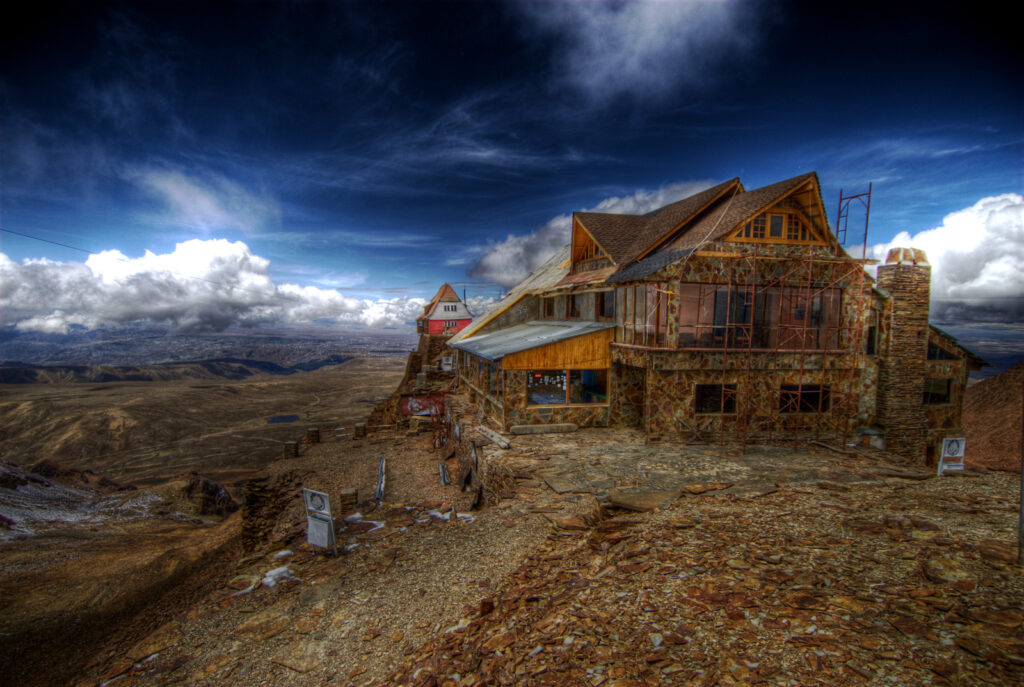
This ski resort operated for decades but struggled in its later years due to changing environmental conditions. Warmer temperatures made snowfall unreliable, which directly affected its ability to operate. Maintaining the resort became increasingly expensive as seasons shortened. Eventually, the decision was made to close it permanently in 2018.
After closure, infrastructure like lifts and buildings were left behind, turning it into a kind of modern ghost resort. Efforts to revive it were deemed too costly and impractical. In recent years, parts of the site have been dismantled to allow nature to recover. It represents a newer kind of failure tied to climate realities. The luxury ski experience it once promised simply became unsustainable.