
1. Castor Oil for Almost Everything
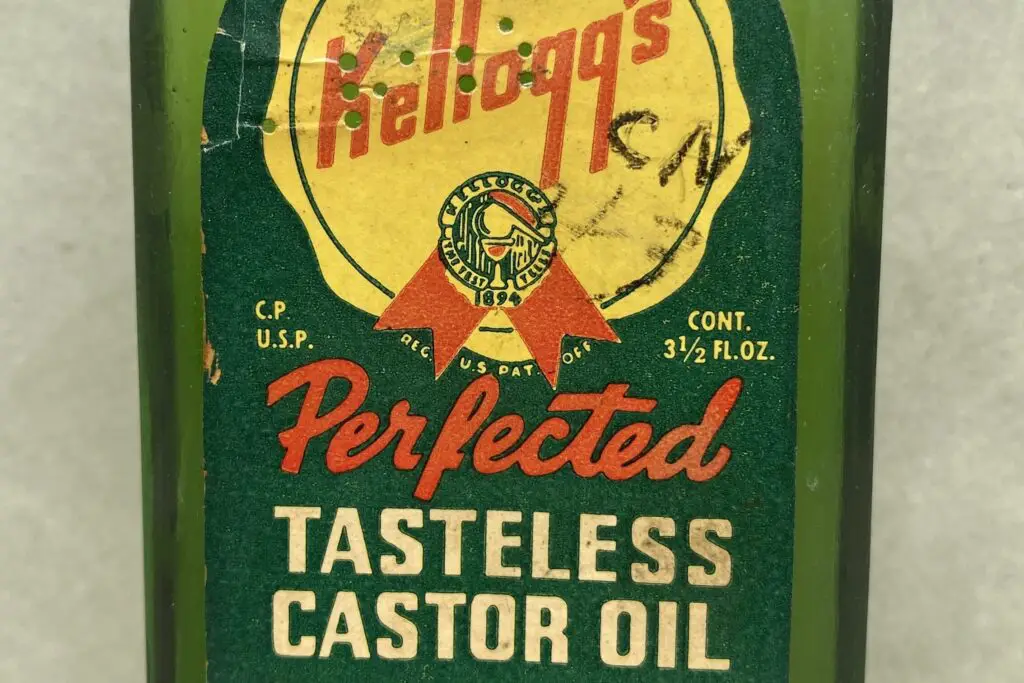
Castor oil was treated like a household cure-all, the kind of thing parents reached for without hesitation. It was given for stomach trouble, colds, constipation, and just about any vague complaint that did not have a clear explanation. Many people remember being told it would “clean you out,” which sounded reassuring even if the taste was awful. The belief was that if something felt wrong inside, castor oil would push it out.
What made it powerful was not just the oil itself, but the confidence behind it. Doctors might have been distant or expensive, but castor oil lived in the kitchen cabinet. Taking it felt proactive and responsible, even if no one could clearly explain how it worked. For a lot of families, suffering through the spoonful was seen as proof that healing was already underway.
2. Vicks VapoRub for Internal Problems
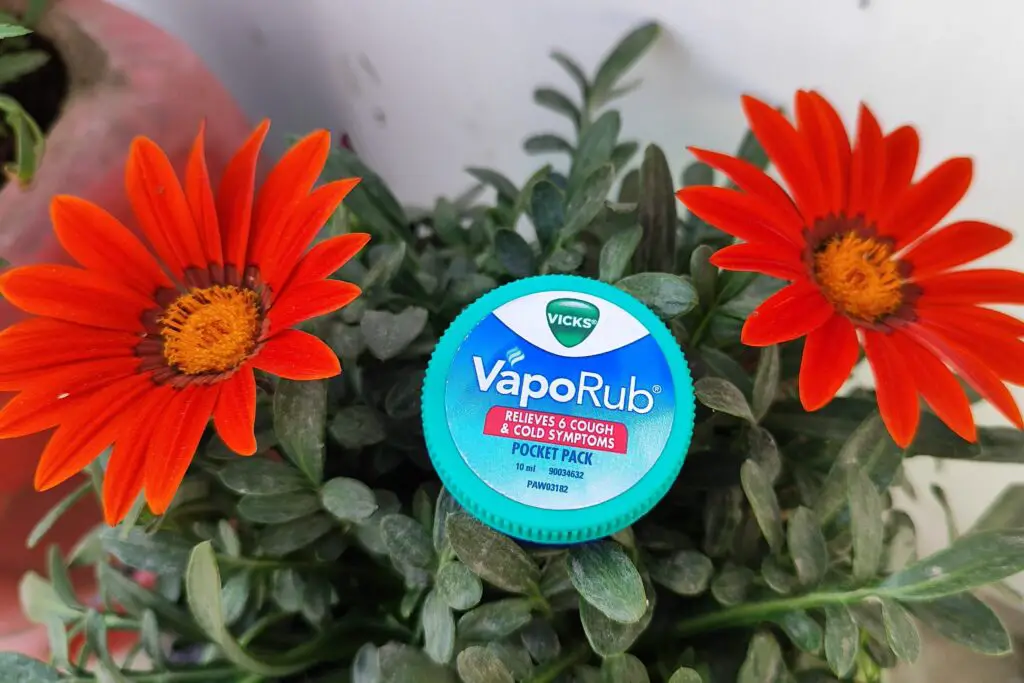
Vicks was supposed to be rubbed on the chest, but many people used it far beyond the label. It went on feet, backs, throats, and sometimes even under the nose for nearly any illness. The strong smell alone made it feel medicinal and serious. If you could smell it, you felt like something official was happening.
People trusted it because it delivered instant sensation. The cooling and warming effects created the sense that congestion was breaking up or sickness was retreating. It also worked as a comfort ritual, often applied by a parent before bed. That combination of physical feeling and care made it seem more effective than a doctor visit ever could.
3. Whiskey or Brandy for Pain and Nerves

Alcohol was often used as a quick fix for pain, stress, or shock. A small glass of whiskey or brandy was believed to calm nerves and dull discomfort fast. It was offered after injuries, during illness, or even before bed when anxiety took over. People trusted it because it worked quickly and visibly.
The logic was simple and made sense at the time. If it relaxed the body, then the body could heal. It also felt more accessible than medical treatment, especially in rural areas. The warmth and calm it produced were taken as proof that it was doing real medicinal work.
4. Mustard Plasters for Chest Congestion
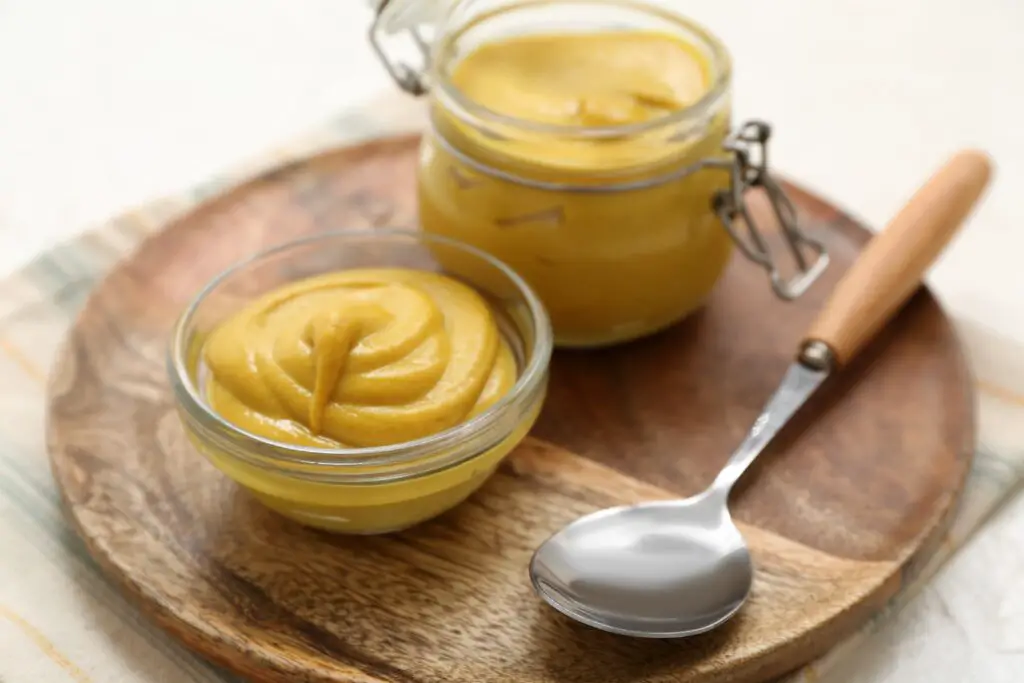
Mustard plasters were a serious commitment, not a gentle remedy. They were applied to the chest to draw out illness, especially during bad coughs or colds. The burning sensation was intense and hard to ignore. Many people believed that if it hurt, it had to be effective.
Trust came from the idea of drawing sickness to the surface. The redness left behind was seen as evidence that something had moved. Parents often watched closely, ready to remove it at the right moment. The whole process felt deliberate and medical, even without a doctor involved.
5. Honey and Lemon for Nearly Every Illness

Honey and lemon were seen as natural healers long before wellness trends made them fashionable. They were used for sore throats, coughs, fatigue, and even general weakness. The mixture tasted pleasant, which made it easier to trust and repeat. It felt gentle but purposeful.
People believed in it because it came from the kitchen, not a pharmacy. There was comfort in using something familiar and wholesome. The warmth of the drink added to the sense of relief. Even when symptoms lingered, the remedy felt nurturing and safe.
6. Onion Syrup for Coughs
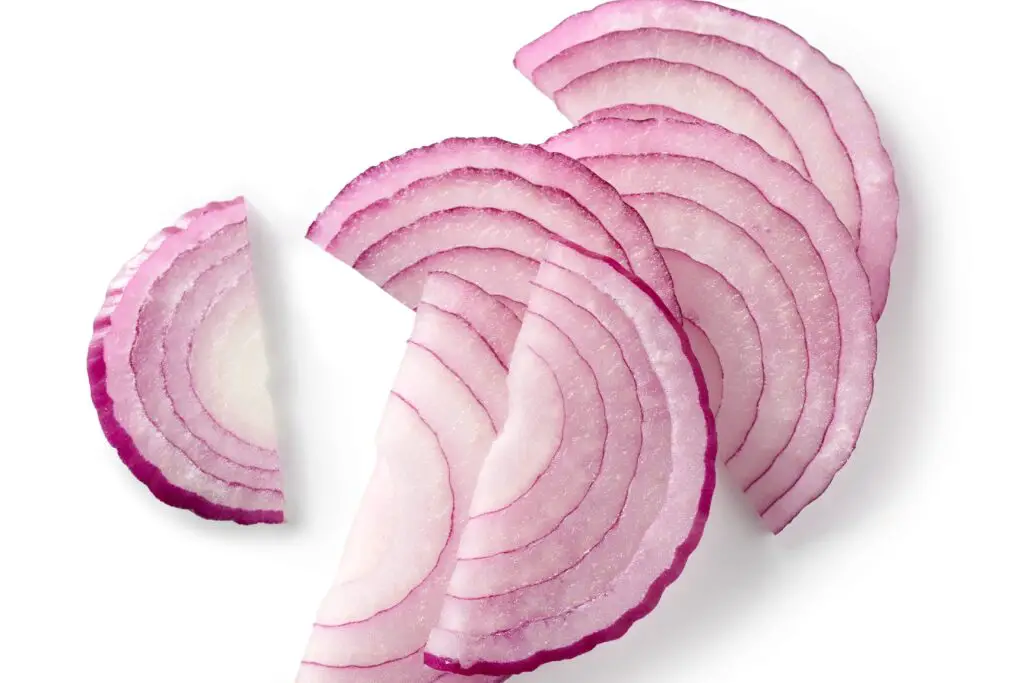
Onions were believed to pull sickness out of the body, especially when it came to coughs. Families would soak sliced onions in sugar and use the syrup as medicine. The smell alone convinced people it was strong enough to work. It was unpleasant but taken seriously.
Trust grew because it was homemade and time-consuming. Preparing it felt like care and effort, not guesswork. When coughing eased even slightly, the syrup got the credit. Over time, it became one of those remedies passed down without question.
7. Cod Liver Oil for Strength and Health
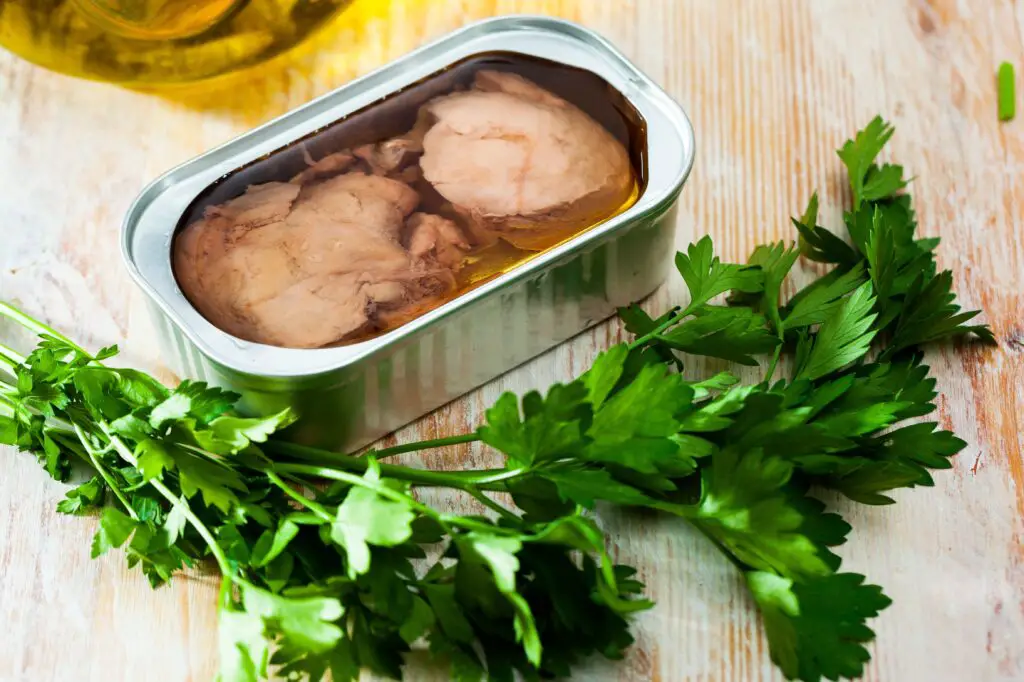
Cod liver oil was associated with strength, growth, and resilience. Children were often given daily doses to keep them healthy. The taste was widely disliked, which oddly made it seem more legitimate. If it tasted that bad, it must be doing something important.
People trusted it because it was preventive, not reactive. Taking it meant you were staying ahead of illness. Parents believed it built strong bones and strong immune systems. Skipping it felt like neglecting a responsibility.
8. Baking Soda for Digestive Trouble
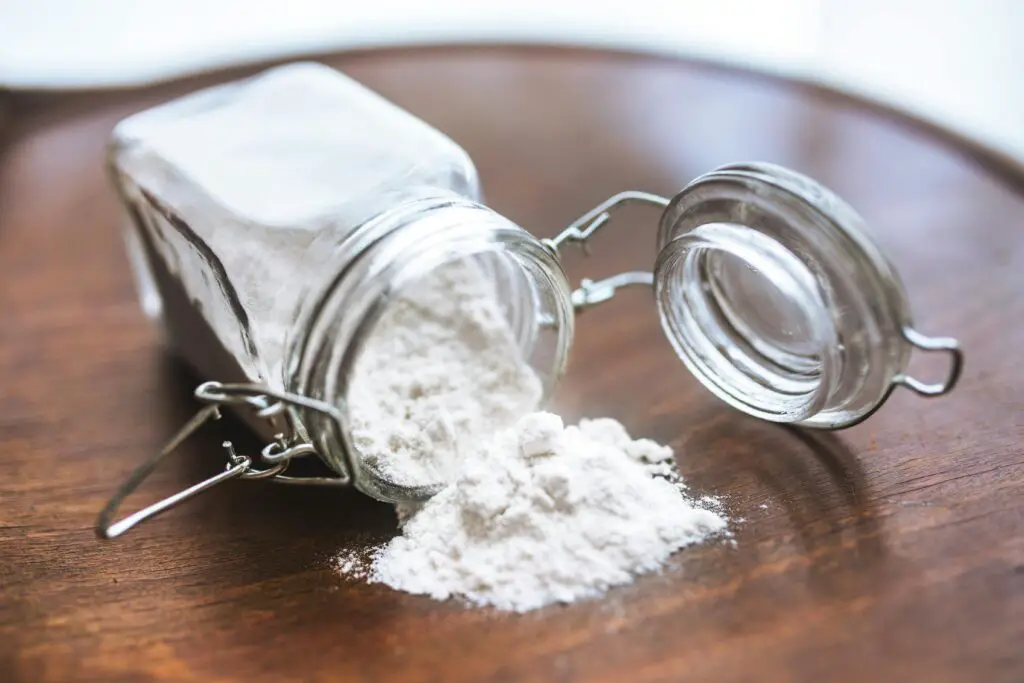
Baking soda was commonly used to settle upset stomachs and indigestion. Mixed with water, it was believed to neutralize whatever was causing discomfort. Relief sometimes came quickly, reinforcing belief in the remedy. It felt practical and scientific in its own simple way.
Trust came from its everyday usefulness. If baking soda worked in cooking and cleaning, it made sense that it could fix the body too. The remedy was cheap and immediate. That accessibility made it feel more reliable than waiting for medical advice.
9. Turpentine for Chest and Muscle Pain

Turpentine was used carefully, but confidently, for chest congestion and muscle aches. It was often mixed into rubs or applied in small amounts. The sharp smell and tingling sensation made it feel powerful. People believed it penetrated deep into the body.
The trust was rooted in how strong it felt. Mild remedies were sometimes seen as ineffective. Turpentine demanded respect and caution, which added to its authority. For many, that intensity meant it had to be working.
10. Epsom Salt Baths for Healing

Epsom salt baths were believed to draw toxins out through the skin. They were used for soreness, illness, stress, and recovery after hard work. Sitting in the bath felt like an active healing process. The quiet time alone added to the effect.
People trusted the ritual as much as the salt itself. The body relaxed, muscles loosened, and symptoms sometimes eased. That change was taken as proof of success. It felt holistic and complete in a way quick doctor visits did not.
11. Garlic for Infection and Immunity
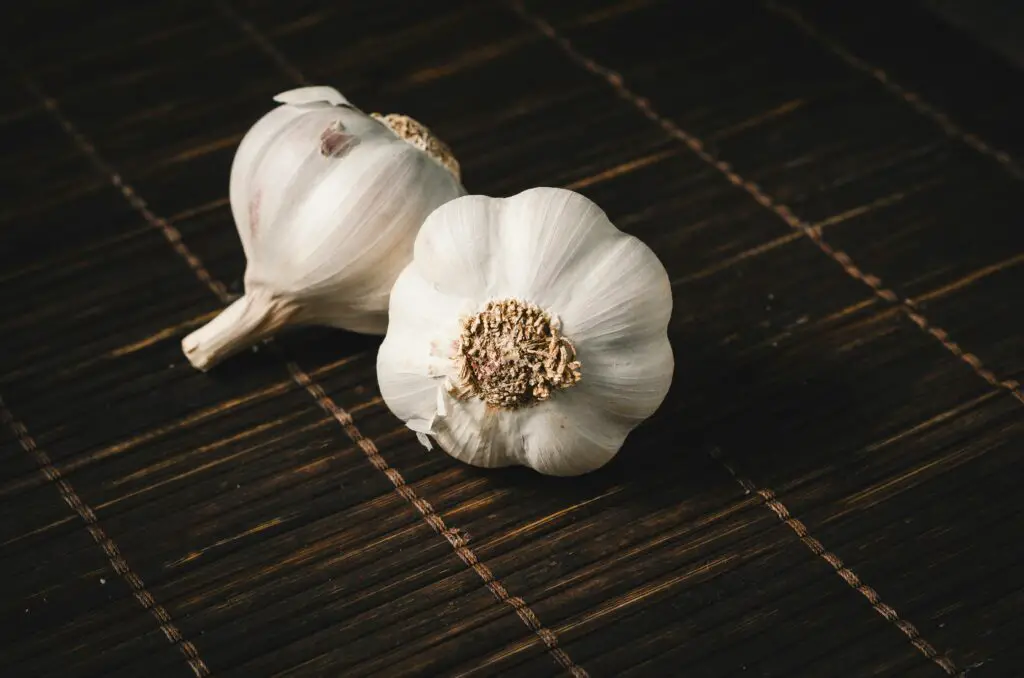
Garlic was treated as a powerful natural defense. It was eaten raw, cooked heavily, or mixed into remedies for illness. The strong smell was part of its reputation. If it was that potent, it had to fight sickness too.
Trust came from its long history. People knew it had been used for generations. Eating garlic felt like strengthening the body from the inside. Even when illness lingered, it felt like the right thing to do.
12. Cold Air for Fevers

Opening windows during a fever was once considered good sense. Cool air was believed to lower body temperature and calm the system. Fresh air also carried the idea of cleanliness and renewal. Stale rooms were thought to trap illness.
People trusted this remedy because it felt logical. Heat meant fever, so cold meant relief. The physical sensation of cool air brought immediate comfort. That relief was enough to keep the belief alive for decades.