
1. Honey for Sore Throats

Long before pharmacy shelves were full of cough syrups, honey was one of the first things people reached for when their throat started to feel raw. Families often kept a jar in the kitchen specifically for this purpose. A spoonful was sometimes eaten straight or stirred into warm water or tea. The thick sweetness coated the throat and made talking and swallowing feel easier.
Honey’s soothing reputation stretches back thousands of years, with references appearing in ancient Egyptian and Greek medical writings. People believed it helped calm irritation and fight infection at the same time. Even children who resisted other remedies usually accepted honey without much protest. For generations, it remained one of the most trusted comforts during cold season.
2. Ginger for Upset Stomachs
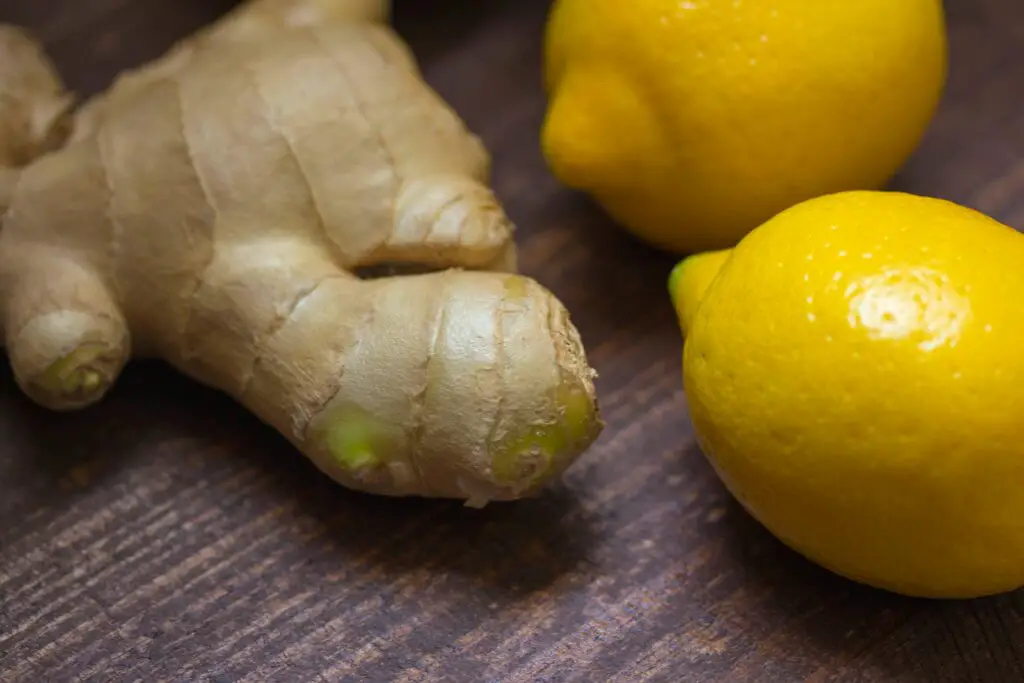
If someone complained of nausea or stomach discomfort, ginger was often the first suggestion. Fresh slices might be simmered in water to make a simple tea, or grated into soups and broths. The spicy warmth was believed to help settle the stomach and restore balance. Many households treated ginger almost like a quiet household doctor.
Sailors historically carried ginger during long voyages to help manage seasickness. Families also passed down recipes for ginger tonics meant to ease indigestion after heavy meals. Its strong flavor made it memorable, but people swore by its calming effect. Over time it became one of the most widely recognized natural remedies for stomach troubles.
3. Willow Bark for Pain

Centuries before aspirin tablets existed, people turned to willow bark when aches and fevers appeared. The bark was typically dried and brewed into a bitter tea. It was not particularly pleasant to drink, but many believed the relief was worth it. Folk healers often recommended it for headaches and joint pain.
The remedy had deep roots in European and Indigenous traditions. Communities passed along knowledge about which trees produced the most effective bark. Travelers and farmers sometimes carried small pieces with them in case of sudden illness. It became a quiet but powerful staple in traditional medicine cabinets.
4. Garlic for Illness Prevention
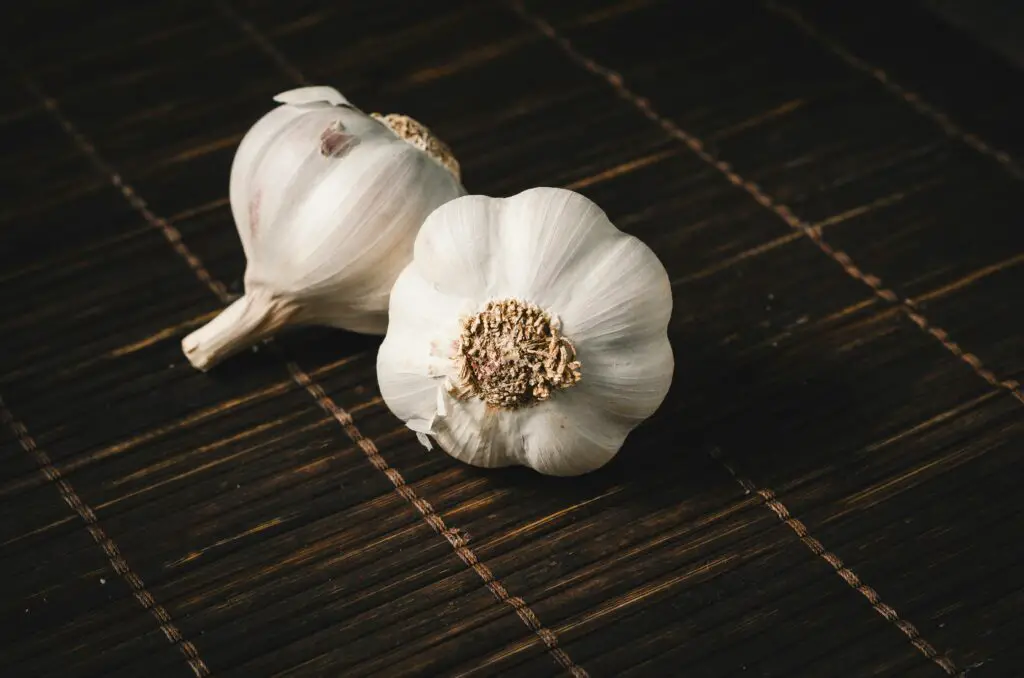
Garlic was more than just a cooking ingredient in many older households. People believed it could help ward off illness before it even began. Some families ate raw cloves during cold season, despite the strong taste. Others added large amounts to soups and broths meant to strengthen the body.
Throughout history garlic gained a reputation as a protective food. Ancient cultures from Egypt to Rome associated it with health and endurance. During times when infections were poorly understood, garlic felt like a practical line of defense. Its strong aroma alone made people believe it was doing something powerful.
5. Chamomile for Rest and Calm
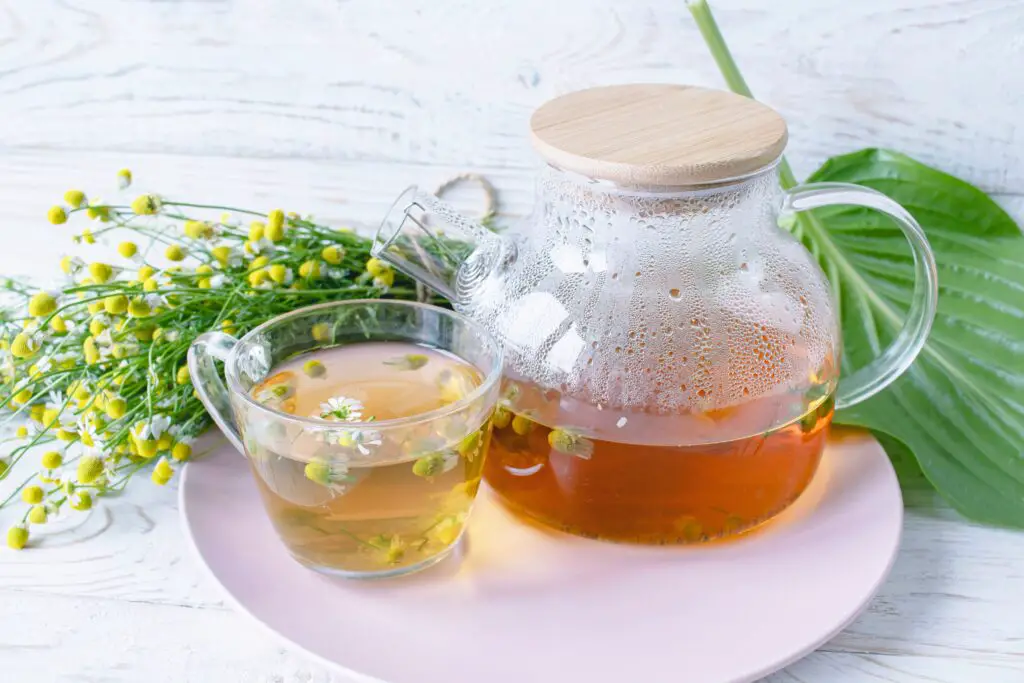
When someone had trouble sleeping or felt anxious, chamomile tea was often suggested. The small daisy-like flowers were dried and steeped into a mild herbal drink. Its gentle aroma and light taste made it a calming nighttime ritual. Many people associated the scent with comfort and quiet evenings.
Parents frequently gave chamomile tea to children who felt restless or upset. It became a familiar remedy for both nerves and sleeplessness. Herbal traditions across Europe praised the plant for its calming qualities. Over time it developed a reputation as one of the most peaceful remedies in the natural world.
6. Onion Syrup for Coughs

Onion syrup may sound unusual today, but it was once a widely trusted household remedy. Families would slice onions and layer them with sugar or honey in a jar. After sitting for several hours, the mixture created a thick syrup. The liquid was then spooned out to soothe persistent coughs.
The strong smell did not bother people who were desperate for relief. Many believed the onion’s natural compounds helped loosen congestion. Parents sometimes kept a jar ready during the winter months. Though simple, the remedy developed a reputation for working surprisingly well.
7. Peppermint for Digestive Comfort
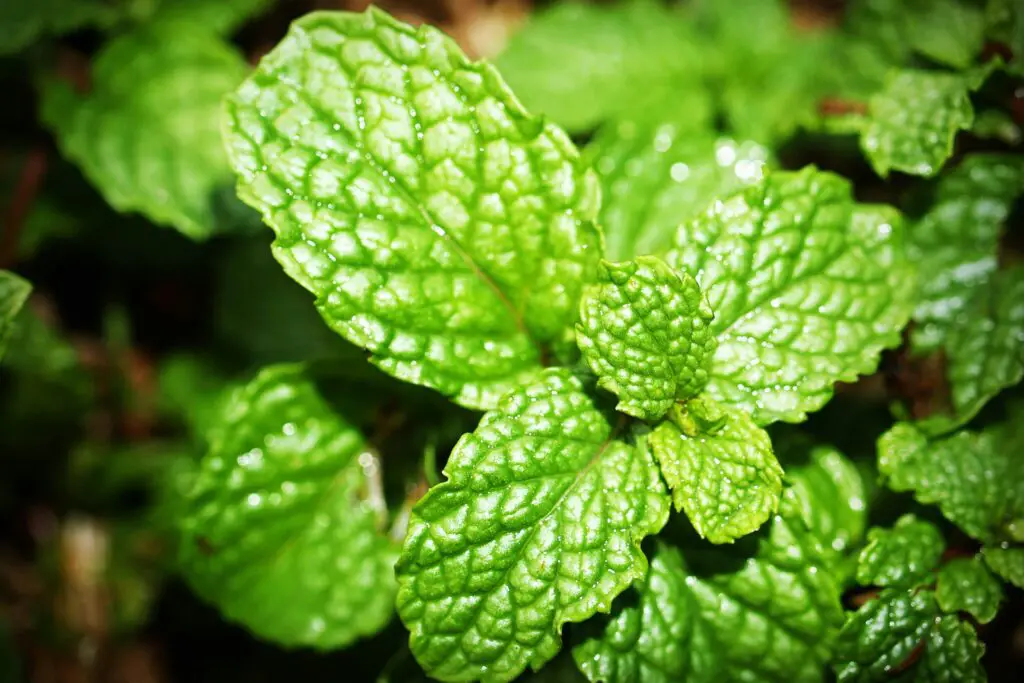
Peppermint leaves were commonly brewed into tea after heavy meals. The cool, refreshing flavor made it easy to drink. People believed it helped calm stomach cramps and reduce bloating. A warm cup often became a small daily ritual after dinner.
Gardeners frequently grew peppermint specifically for its medicinal value. A few leaves could be picked and steeped within minutes. Families passed down the habit of using peppermint whenever digestion felt off. Over time it became one of the most familiar herbal comforts.
8. Eucalyptus Steam for Congestion

When breathing felt difficult during a cold, eucalyptus steam treatments were a common solution. People would pour hot water into a bowl and add eucalyptus leaves or oil. Leaning over the bowl with a towel over the head created a small steam tent. The rising vapor carried the sharp scent into the nose and throat.
Many believed the steam helped open airways and loosen mucus. The intense aroma alone gave the impression that something powerful was happening. Families repeated the ritual whenever winter illnesses appeared. It became a familiar scene in homes long before vapor rubs and inhalers existed.
9. Apple Cider Vinegar Tonics

Apple cider vinegar was another remedy that appeared in countless old household guides. Some people drank it diluted in water to aid digestion. Others used it as a general tonic meant to promote overall health. Its sharp flavor made it unforgettable.
Rural communities especially valued ingredients they could produce themselves. Vinegar was easy to make and store for long periods. Over time it gained a reputation as a cure for everything from fatigue to sore throats. Whether or not every claim held up, its popularity endured for generations.
10. Mustard Plasters for Chest Congestion

Mustard plasters were once a common sight during stubborn colds. The mixture usually combined mustard powder with flour and water. It was spread onto cloth and placed on the chest for a short period. The warming sensation was believed to stimulate circulation and ease breathing.
Families treated the remedy with a mix of respect and caution. Leaving it on too long could irritate the skin. Despite that risk, many people trusted it during severe congestion. For decades it remained a familiar treatment before modern respiratory medicines became widely available.
11. Turmeric for Inflammation

Turmeric has been valued for centuries in South Asian traditions. The bright yellow spice was often mixed into warm milk or added to food. People believed it helped reduce inflammation and support healing. Its earthy flavor made it both medicine and ingredient.
In many households turmeric was part of daily life rather than a special treatment. Grandparents often recommended it whenever someone complained of aches or injuries. The vivid color even became associated with health itself. Over time its reputation spread far beyond the regions where it first became popular.
12. Baking Soda for Heartburn
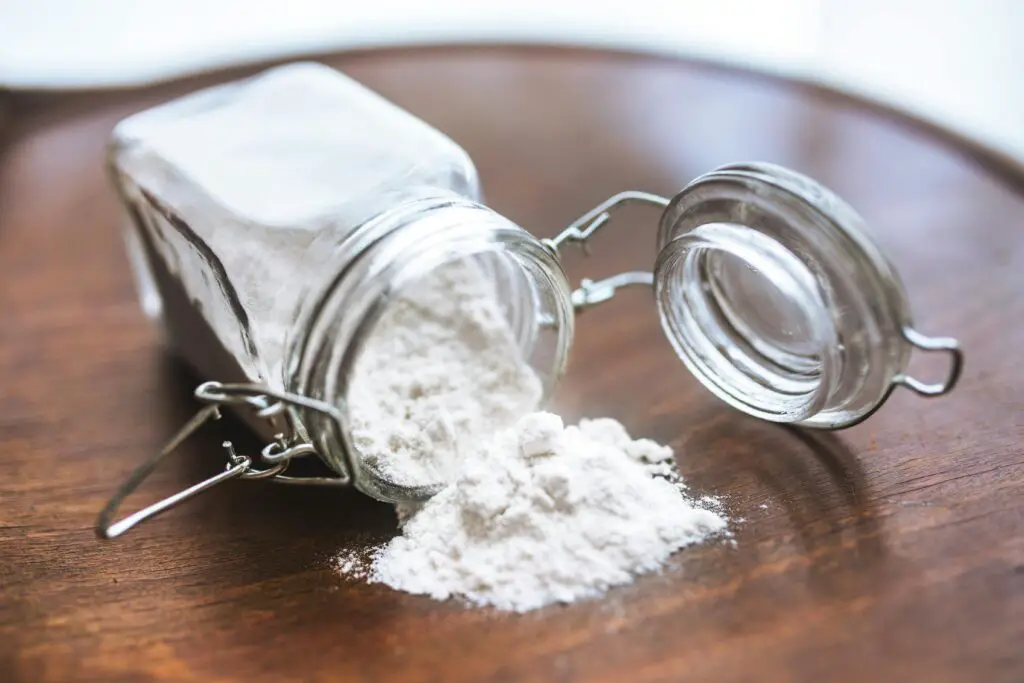
Baking soda was a simple kitchen staple that doubled as a remedy. A small amount mixed into water was believed to calm burning stomach acid. The fizzy sensation made people feel like the remedy was working immediately. For many families it was the quickest solution available.
The appeal came partly from convenience. Almost every household already had baking soda in the pantry. Instead of purchasing medicine, people simply stirred a pinch into a glass. The practice became common advice passed down between relatives. It remained a familiar home treatment for generations.
13. Chicken Soup for Illness
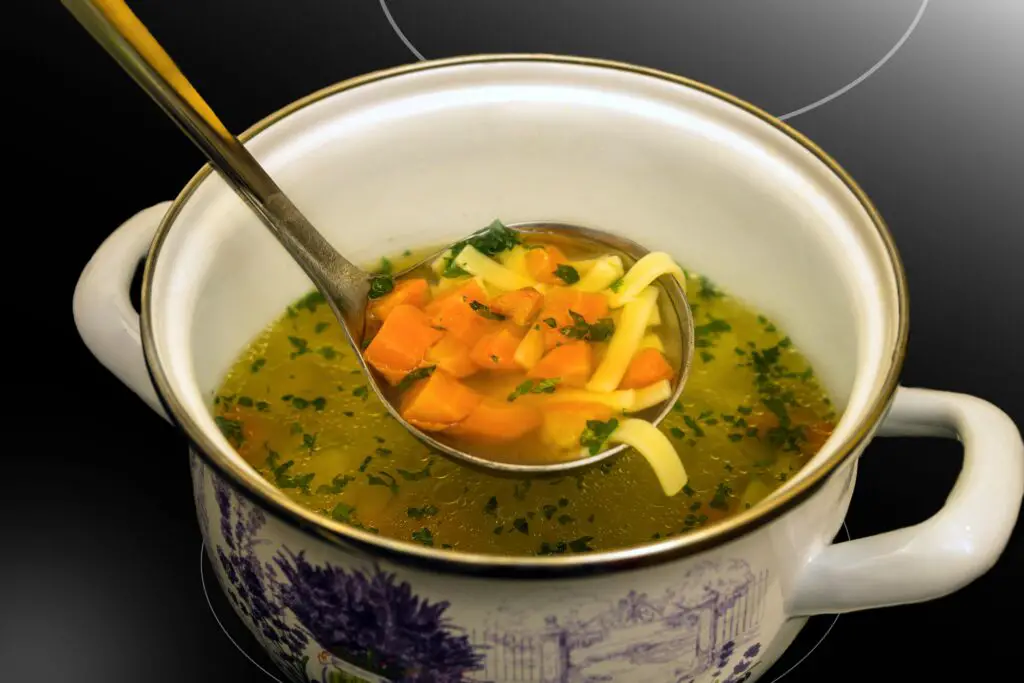
Few remedies carried the same emotional weight as chicken soup. Families prepared it whenever someone in the house fell sick. The warm broth, vegetables, and tender meat created a comforting meal that felt easy to eat. Even the smell drifting through the house suggested recovery.
Many cultures independently developed versions of the same remedy. People believed the warmth helped ease congestion while nourishing the body. Sitting with a bowl often felt like part of the healing process itself. Long before modern medicine, chicken soup was one of the most trusted comforts around.