
1. Lutefisk
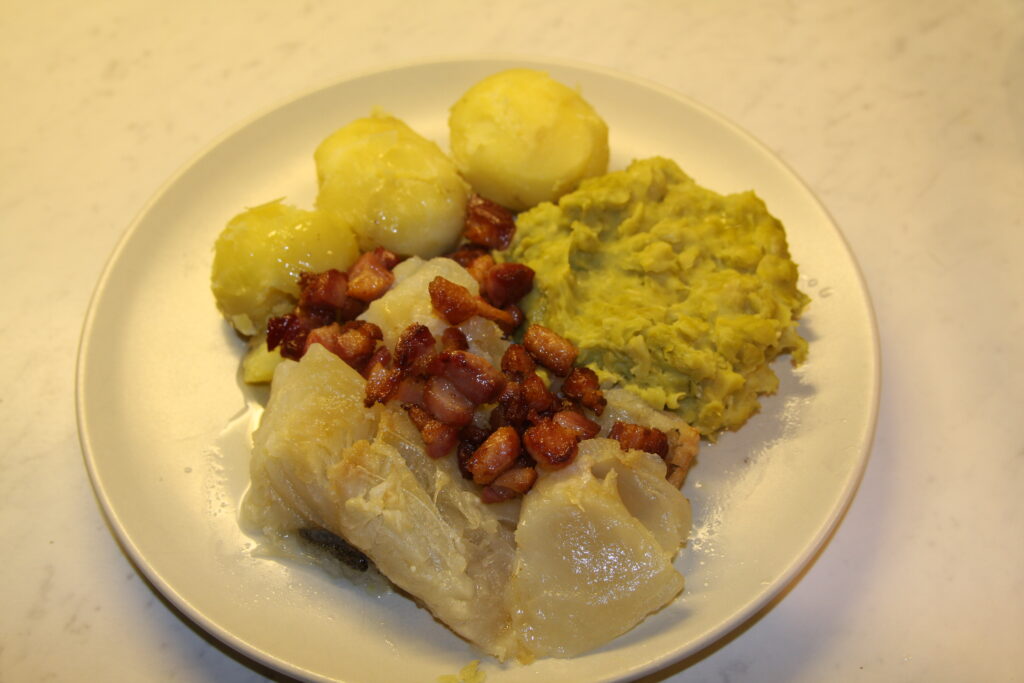
Lutefisk is one of those foods that people either grow up with or react to with complete confusion. Popular in parts of the Upper Midwest like Minnesota and Wisconsin, it comes from a Scandinavian tradition that dates back centuries. The dish starts as dried whitefish that gets soaked in lye and water until it transforms into a soft, gelatinous texture. For many outsiders, the preparation alone sounds like something that should belong in a science experiment rather than on a dinner plate. But for families with Norwegian or Swedish roots, it is a holiday staple that shows up at church dinners and Christmas gatherings.
Once cooked, lutefisk is usually served with melted butter, potatoes, and sometimes bacon or cream sauce. People who love it insist the flavor is actually very mild and comforting. The bigger hurdle for newcomers tends to be the texture, which is famously slippery and delicate. Still, in communities that celebrate their Nordic heritage, lutefisk dinners draw huge crowds every winter. Outsiders may wrinkle their noses, but locals see it as a proud tradition that connects them to generations of family history.
2. Scrapple
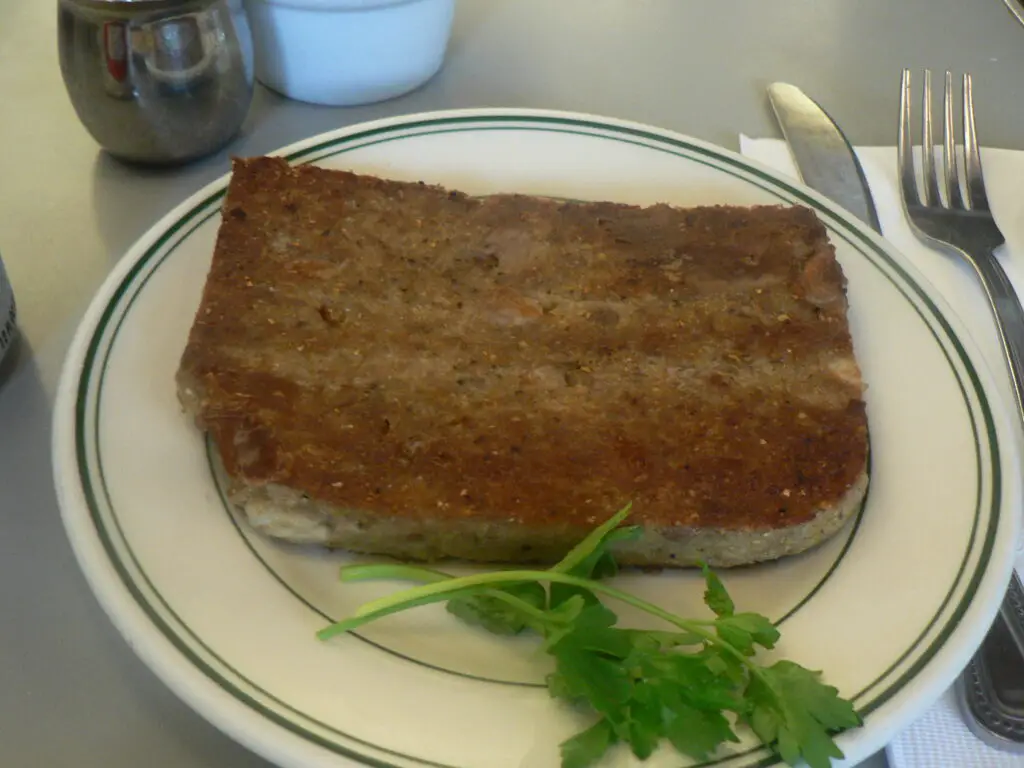
Scrapple might sound strange if you have never encountered it before, but in Pennsylvania Dutch country it is practically breakfast royalty. The dish dates back to early German settlers who believed in wasting absolutely nothing from a butchered hog. Pork scraps are simmered with broth, cornmeal, and spices until the mixture thickens into a loaf. After it cools, slices are cut and fried until the outside becomes crisp and golden. To someone unfamiliar with it, the idea of a meat loaf made from leftover bits can seem pretty unusual.
Fans of scrapple insist that once it hits the skillet, it becomes something magical. The crunchy outside gives way to a savory, soft interior that pairs perfectly with eggs and toast. Some people eat it with ketchup, others swear by maple syrup, and debates about the best topping can get surprisingly serious. Visitors often hesitate the first time they see it on a menu. But after one bite, plenty of skeptics admit they understand why locals defend it so fiercely.
3. Pickled Pig’s Feet
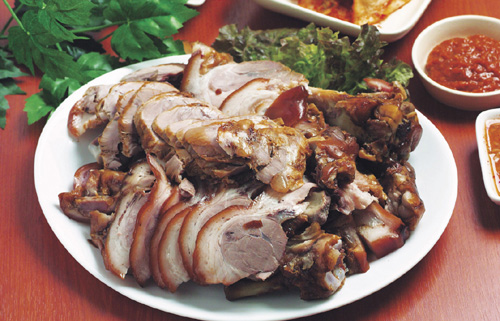
Pickled pig’s feet show up in jars at convenience stores and butcher shops across parts of the American South and Midwest. The sight alone can make newcomers do a double take. Whole pig’s feet are cured in a tangy vinegar brine along with spices that give them a bold, sour kick. The dish grew out of old preservation methods that allowed meat to last longer before refrigeration became common. For many people raised around it, the flavor is nostalgic and deeply tied to family gatherings and small-town food traditions.
Eating them takes a little patience and a willingness to get messy. The meat is tender and gelatinous, and you usually have to pick it carefully from the bones. Outsiders often find the texture surprising, and the visual presentation does not exactly help win them over. But longtime fans appreciate the sharp, salty flavor that builds with each bite. In some communities, cracking open a jar of pickled pig’s feet still feels like a taste of the past.
4. Rocky Mountain Oysters
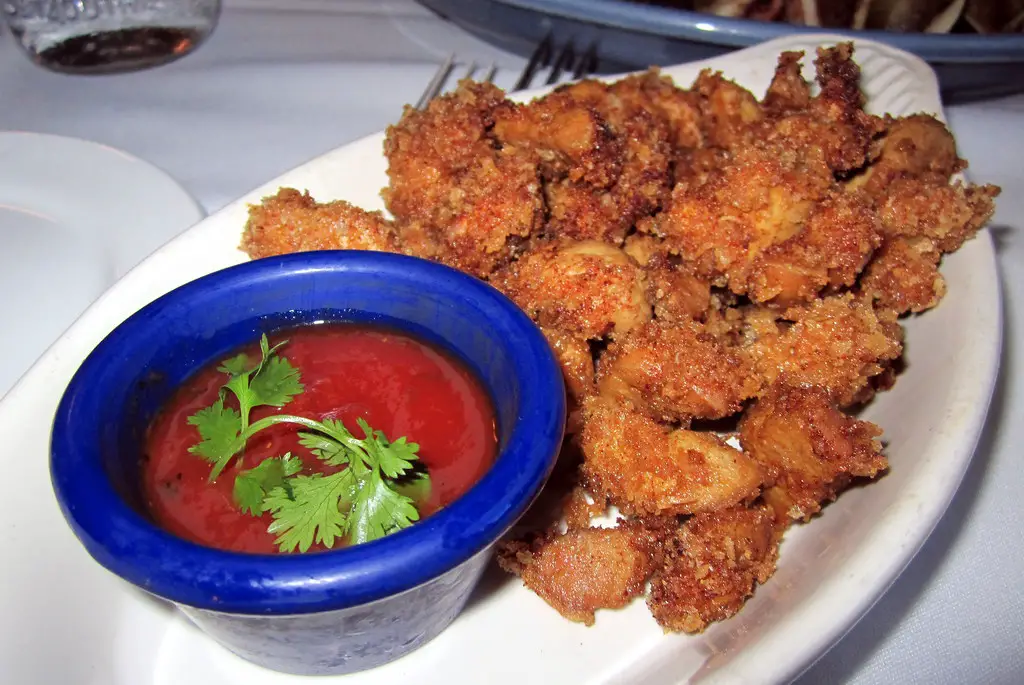
Despite the elegant name, Rocky Mountain oysters are not seafood at all. The dish actually refers to deep-fried bull testicles, a food that developed in ranching regions of the American West. Ranchers found practical ways to cook nearly every part of the animal, and this particular cut eventually became a local delicacy. Sliced, breaded, and fried, the pieces come out looking surprisingly similar to chicken nuggets. Still, the moment someone learns what they really are, reactions tend to change quickly.
Restaurants in states like Colorado, Montana, and Wyoming sometimes serve them as novelty appetizers. Locals often encourage visitors to try them at least once just for the experience. The flavor is generally described as mild, slightly gamey, and very tender. For outsiders, the biggest hurdle is usually psychological rather than culinary. But in Western ranch culture, Rocky Mountain oysters have long been part of the food landscape.
5. Chitlins
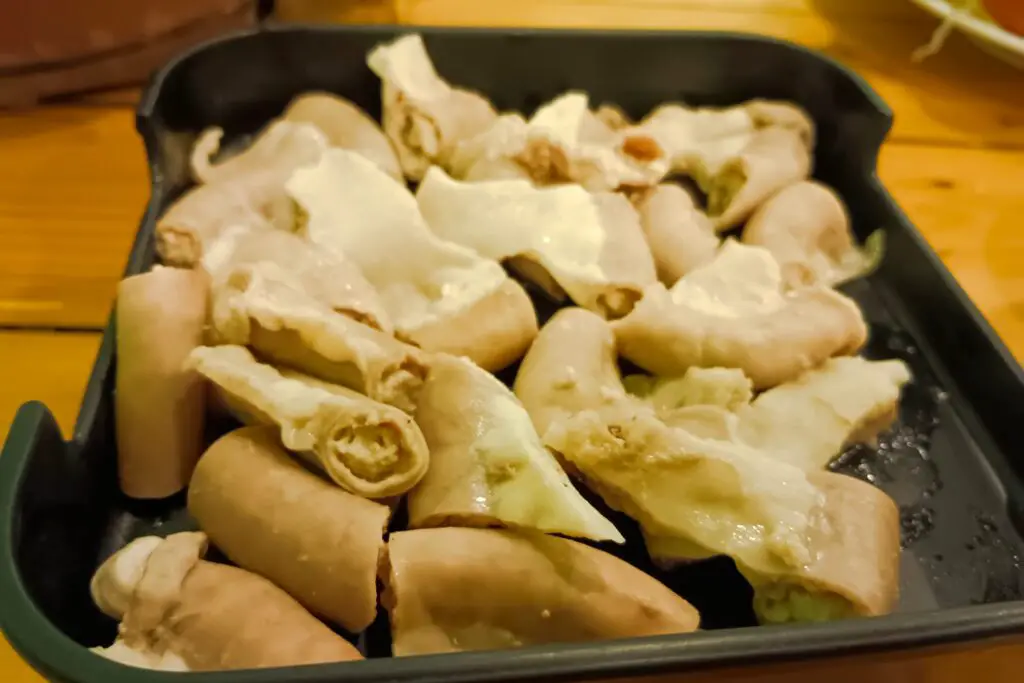
Chitlins, short for chitterlings, are a traditional dish made from pork intestines. They hold deep roots in Southern cooking and African American food history. Preparing them requires thorough cleaning and slow cooking to make the meat tender and flavorful. When cooked properly, they develop a rich, savory taste that longtime fans describe as pure comfort food. But for people who have never seen them before, the idea of eating intestines can be a tough sell.
The smell during cooking is often what outsiders notice first, and it can be intense. Despite that reputation, chitlins are closely tied to holiday meals and cultural traditions, especially around New Year’s celebrations. Families often spend hours preparing them together, passing down cooking techniques from generation to generation. For many people in the South, the dish represents resilience and history. Outsiders may hesitate, but for those who grew up with them, chitlins feel like home.
6. Spam Musubi
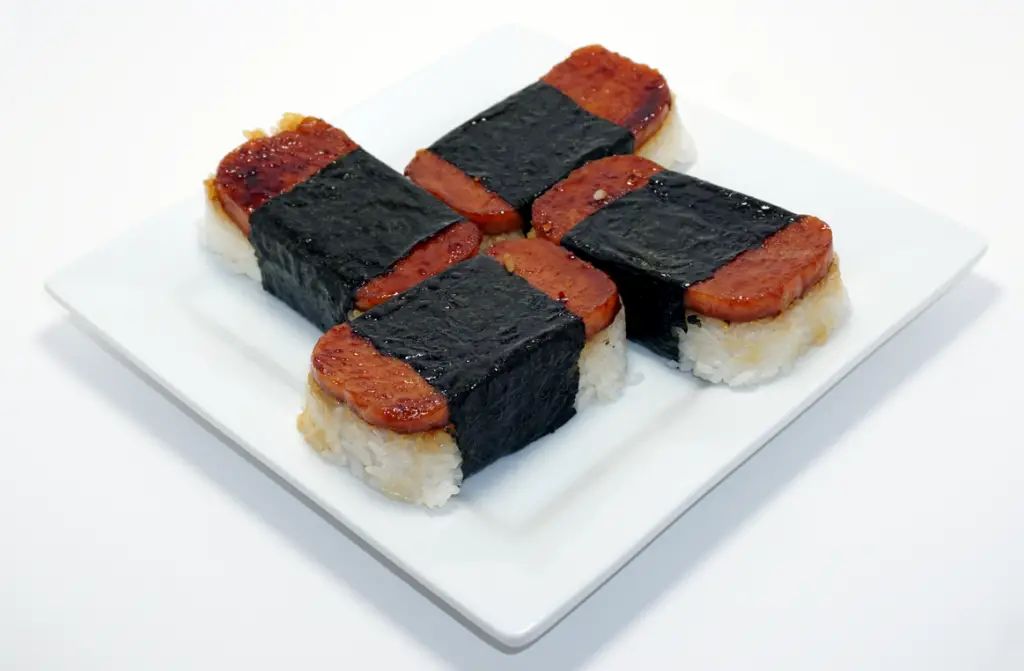
Spam musubi might surprise people who associate Spam with old pantry shelves and emergency food supplies. In Hawaii, however, it became a beloved everyday snack. The dish typically features a slice of grilled Spam placed on top of rice and wrapped with a strip of seaweed. It resembles a small sushi roll but carries a distinctly Hawaiian flavor profile. The combination dates back to World War II when Spam became widely available on the islands.
Today you can find Spam musubi almost everywhere in Hawaii, from gas stations to beachside cafés. Locals appreciate the salty, sweet, and savory balance that makes it both filling and convenient. Visitors sometimes raise an eyebrow when they first hear the name. But many quickly discover why it has become such a staple. It is portable, flavorful, and deeply tied to the islands’ unique mix of cultures.
7. Boiled Peanuts
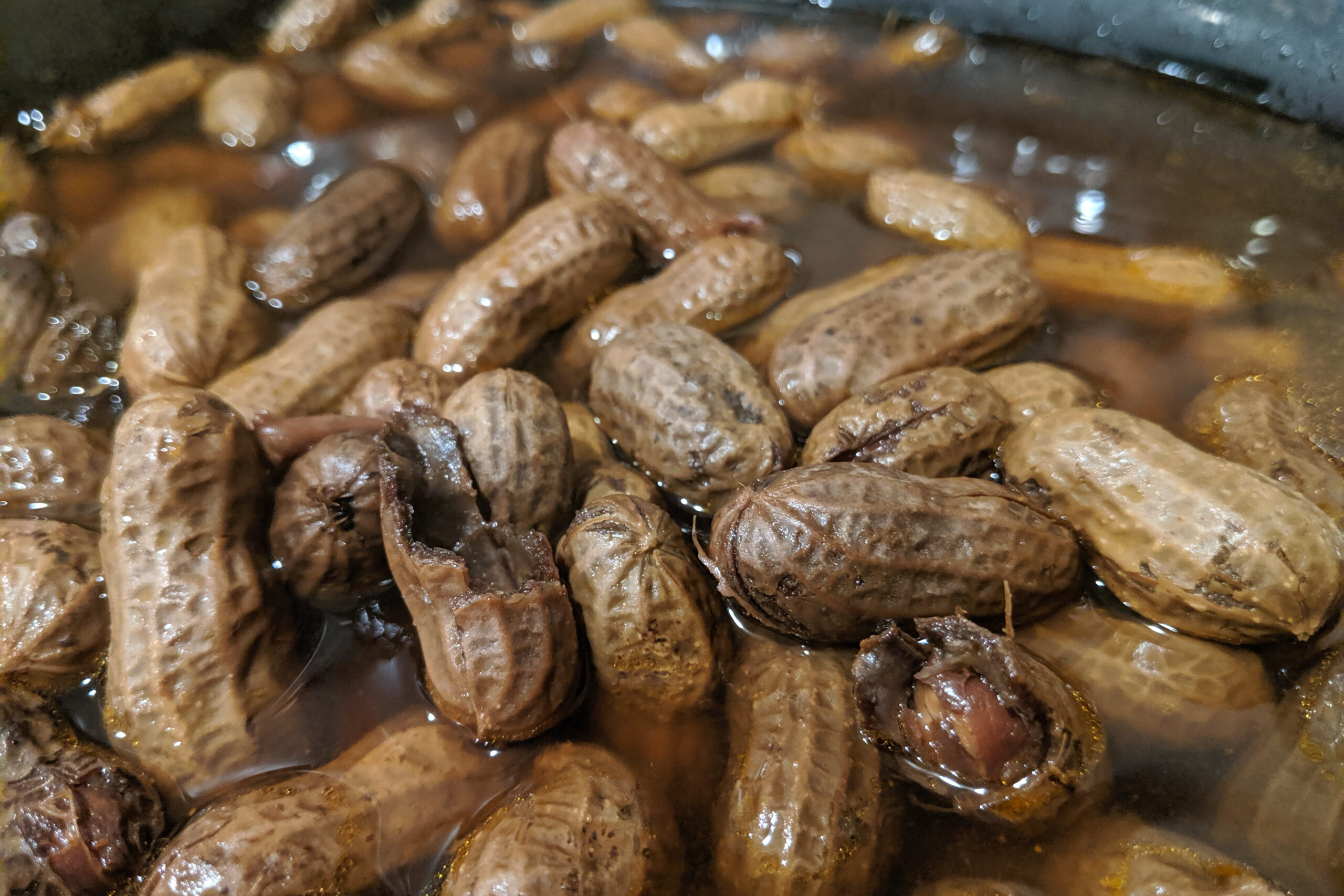
Boiled peanuts are a roadside classic across much of the American South. Vendors often sell them from steaming pots along highways or at small country stands. The peanuts are cooked for hours in salty water until they become soft and almost bean-like in texture. For people expecting the familiar crunch of roasted peanuts, the experience can be pretty surprising. The result is warm, salty, and slightly earthy.
Fans love the snack because it feels casual and comforting, especially on long road trips. Many people grew up eating them at baseball games, fairs, or family outings. Outsiders sometimes struggle with the soft texture, which is very different from standard peanuts. But locals insist the flavor is addictive once you get used to it. Eating boiled peanuts is less about elegance and more about slowing down and enjoying something simple.
8. Hákarl
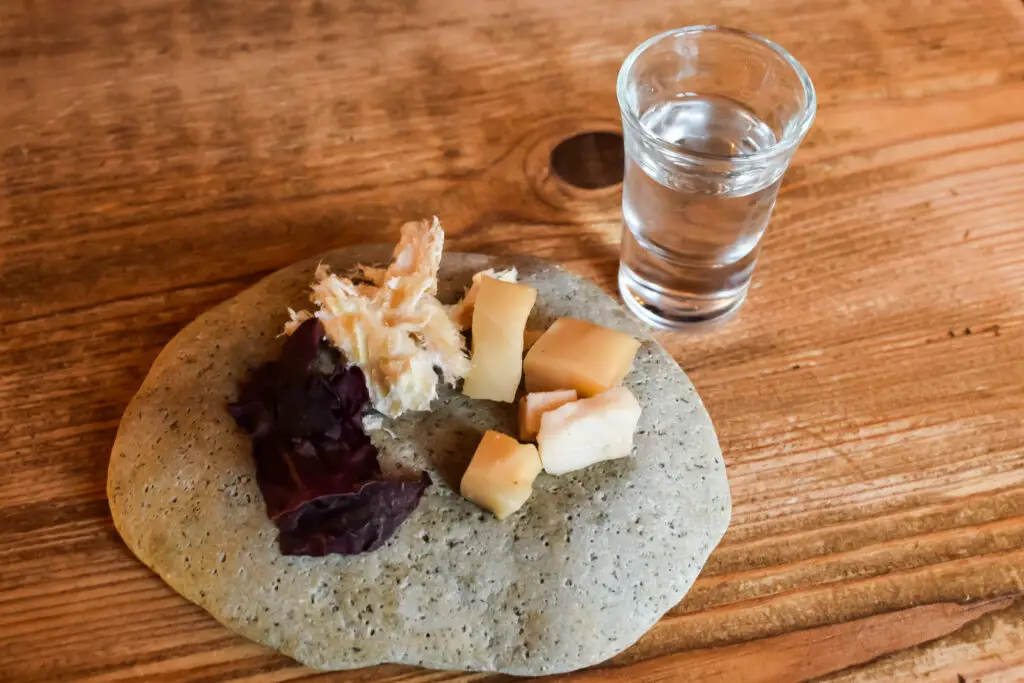
Hákarl comes from Iceland, but it has earned a reputation worldwide as one of the strangest traditional foods. The dish is made from fermented Greenland shark that has been buried and aged for months before being hung to dry. This process removes toxins from the meat but also creates a powerful smell that many compare to ammonia. Even people who grow up in Iceland admit it takes some courage to eat. Outsiders encountering it for the first time often react with wide eyes and nervous laughter.
Despite its reputation, hákarl holds cultural importance in Icelandic history. The harsh climate meant early settlers had to find creative ways to preserve food. The fermentation process turned otherwise dangerous meat into something edible. Today it is often served in small cubes during festivals or special gatherings. Locals may enjoy watching visitors attempt their first bite.
9. Casu Marzu
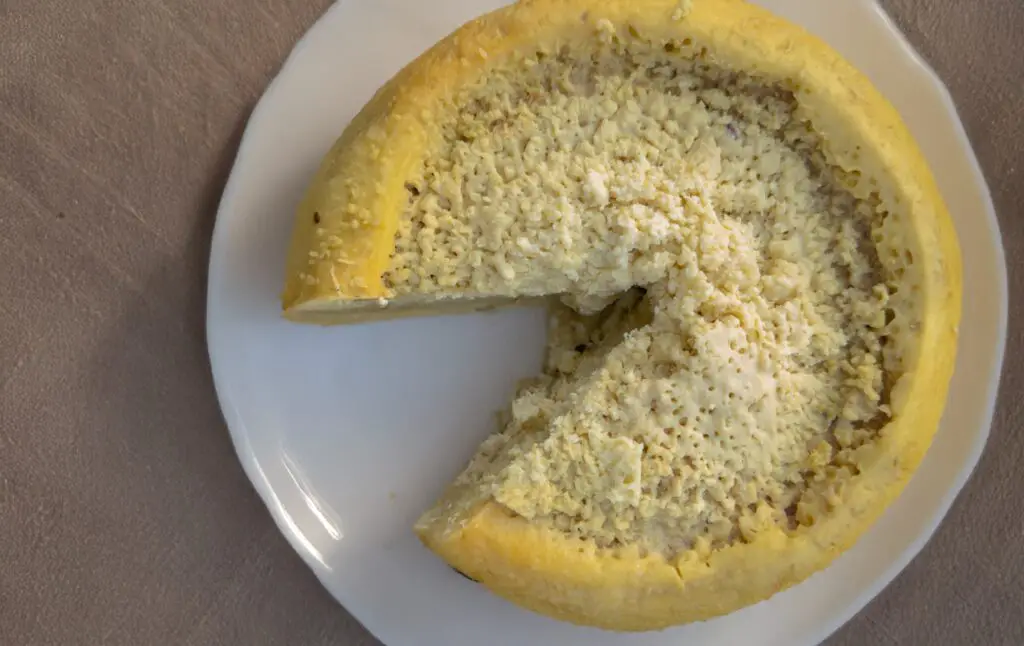
Casu marzu is a traditional cheese from Sardinia that pushes the boundaries of what most people consider food. The cheese intentionally contains live insect larvae that help break down the fats during fermentation. As the maggots digest the cheese, the texture becomes extremely soft and creamy. To outsiders, the idea of eating cheese that literally moves can be shocking. Yet in Sardinia, it has long been seen as a prized delicacy.
Because of food safety concerns, casu marzu has faced legal restrictions in many places. Even so, the cheese continues to hold cultural significance for those who grew up with it. People who enjoy it say the flavor is strong, complex, and unlike anything else. Eating it requires a bit of bravery and sometimes protective eyewear because the larvae can jump when disturbed. For locals, though, it remains part of their culinary heritage.
10. Pickled Herring
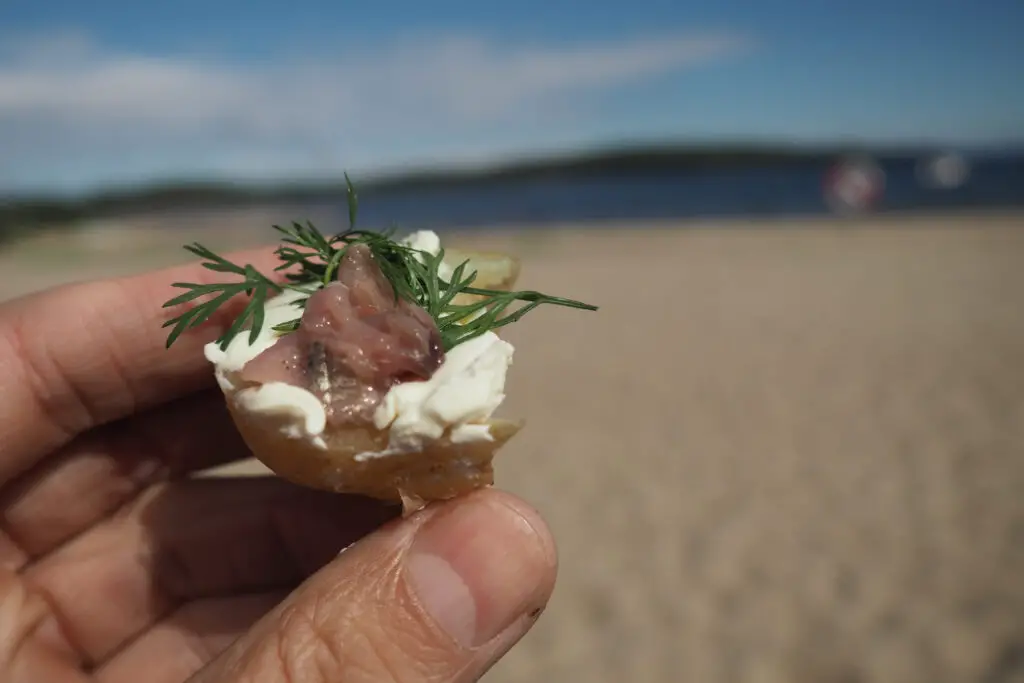
Pickled herring is common in Scandinavian and Eastern European cuisines, and it has also found a home in parts of the American Midwest. The fish is cured in vinegar along with onions, sugar, and spices. The result is a tangy, slightly sweet dish with a firm texture. People who grew up with it often eat it during holidays or family celebrations. But for outsiders unfamiliar with strong pickled fish, the flavor can come as a surprise.
Many fans enjoy it with crackers, rye bread, or potatoes. The combination of sharp vinegar and rich fish creates a bold taste that sticks with you. In communities with strong Nordic heritage, jars of pickled herring are a regular sight in grocery stores. Visitors sometimes hesitate the first time they see it. But locals often insist it is far more delicious than it sounds.
11. Century Eggs
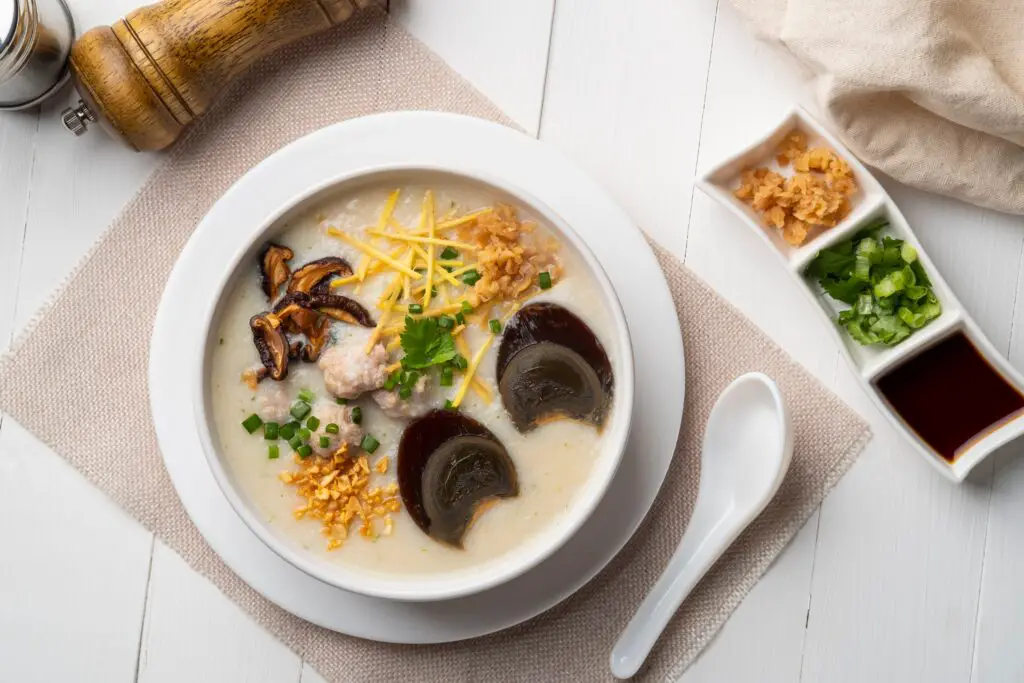
Century eggs, sometimes called preserved eggs, are a traditional Chinese delicacy. The eggs are cured in a mixture of clay, ash, salt, and other ingredients for several weeks or months. Over time, the yolk becomes dark and creamy while the egg white turns translucent and jelly-like. The appearance alone can surprise people who have never seen one before. Many outsiders expect the flavor to be overpowering.
In reality, century eggs often taste milder than their dramatic look suggests. They are commonly served with rice porridge, tofu, or sliced ginger. The rich, savory flavor has made them popular across many parts of Asia. Visitors encountering them for the first time sometimes approach with hesitation. But those who try them often discover the taste is far less intimidating than the name implies.
12. Head Cheese
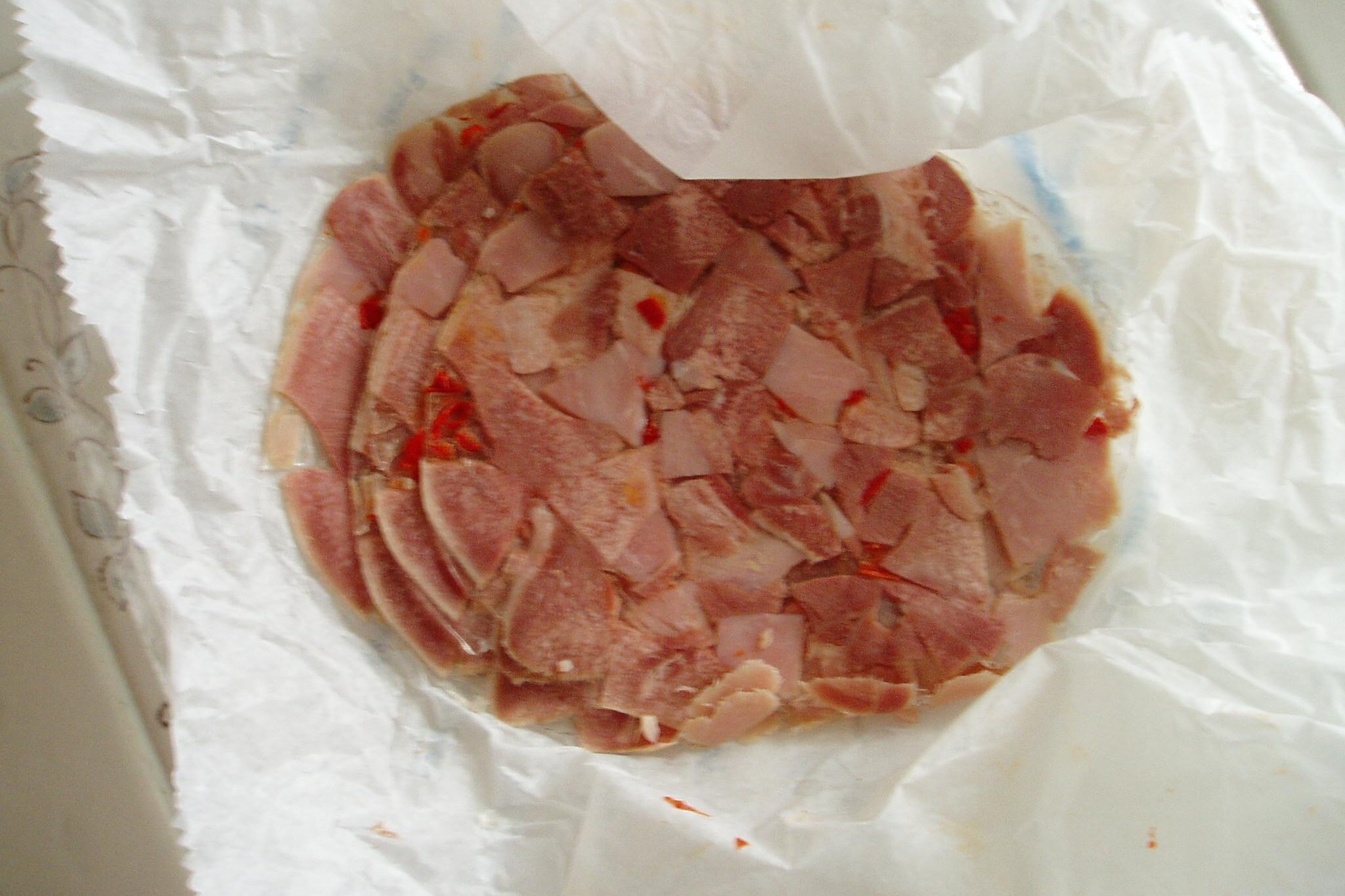
Despite the name, head cheese is not cheese at all. It is a cold cut made from meat taken from a pig or calf’s head that has been simmered and set in a gelatin-rich broth. The mixture firms up into a sliceable loaf that often includes bits of meat, herbs, and spices. The dish developed in Europe as a way to use every part of an animal. When newcomers hear the name or see the appearance, they sometimes assume it is something entirely different.
In places like Louisiana and parts of the Midwest, head cheese remains a familiar deli item. Slices are often eaten on crackers or sandwiches. Fans appreciate its rich, savory flavor and slightly firm texture. The name alone tends to scare away first-time tasters. But people who grew up with it rarely think twice.
13. Fried Brain Sandwiches
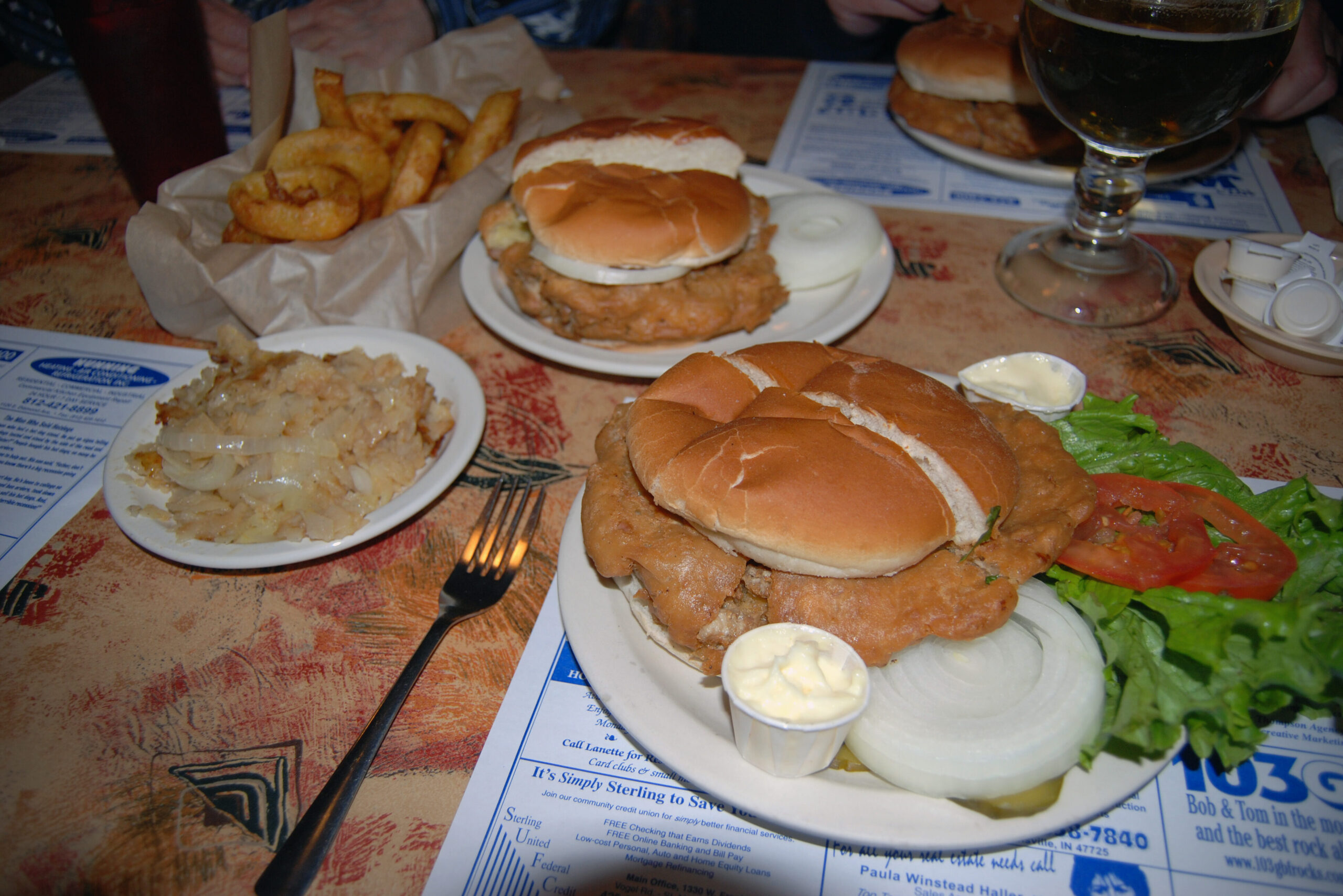
Fried brain sandwiches once appeared regularly on menus in parts of the Midwest, especially in states like Indiana and Missouri. The dish traditionally used sliced calf brains that were battered and fried before being served on bread. For decades it was considered a hearty working-class meal. Outsiders encountering the concept often react with disbelief. The idea of eating brain is simply outside most modern comfort zones.
Over time, health concerns about diseases linked to cattle led many restaurants to switch to pork brains or other substitutes. Even so, the sandwich still carries a reputation as one of the region’s more unusual foods. People who grew up eating it describe the texture as creamy with a mild flavor. For visitors, it is often more of a curiosity than a meal they plan to order. But in certain towns, it remains part of local culinary history.