
1. The Local General Store
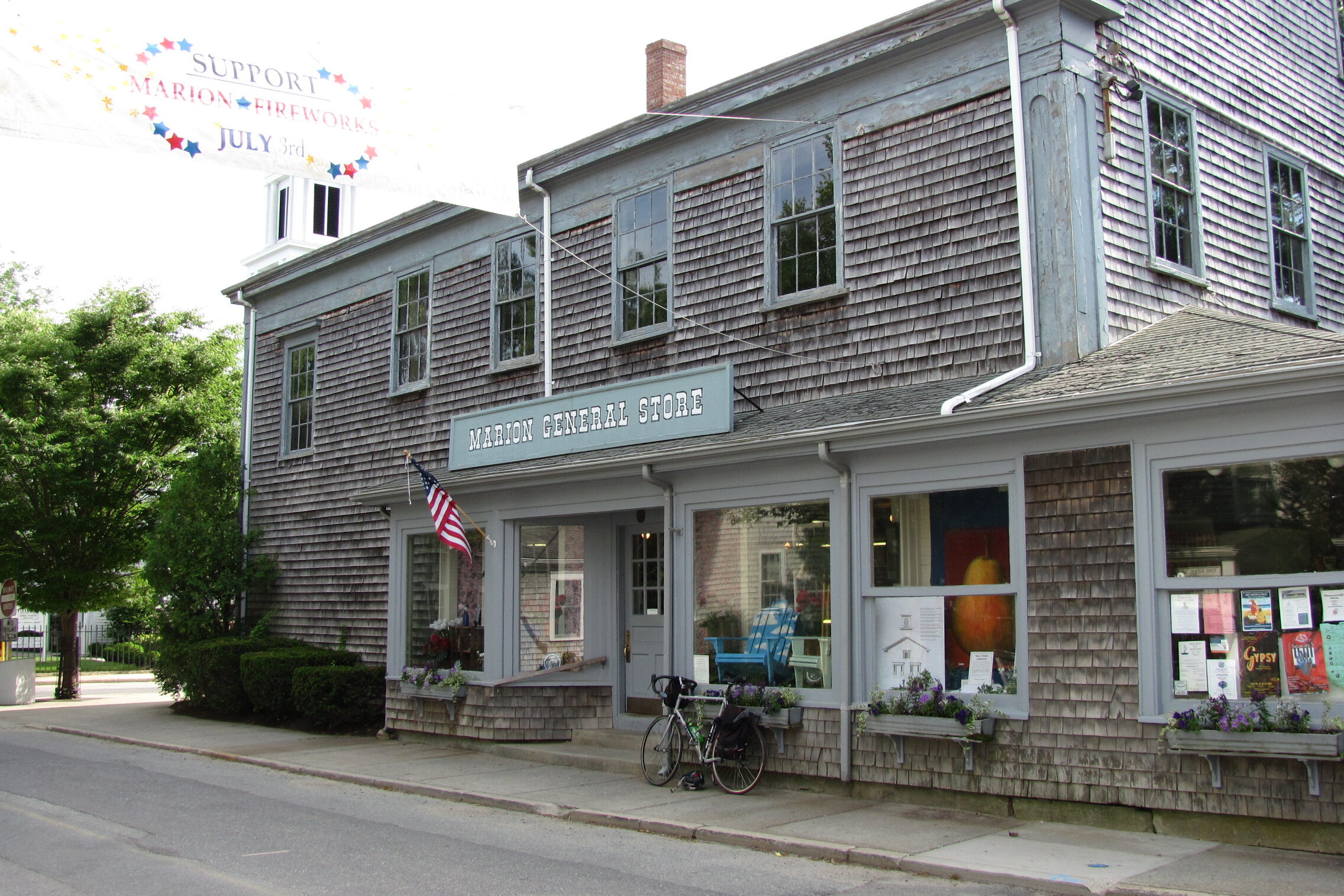
Before big-box retailers and overnight shipping, the general store was the undisputed epicenter of rural life. You didn’t just go there for a sack of flour or a new set of nails; you went to hear the latest news from the next town over. The air usually smelled like a mix of salted meats, cedar shavings, and tobacco. It was a place where the floorboards creaked under the weight of neighbors catching up on local gossip.
These stores acted as a lifeline for families who lived miles apart on sprawling farmsteads. The proprietor often knew your name, your credit standing, and exactly how your harvest was faring that year. You’d lean against the wooden counter while your order was being wrapped in brown paper and twine. It was a slow, tactile experience that made every purchase feel like a social visit rather than a cold transaction.
2. The Grand Movie Palace
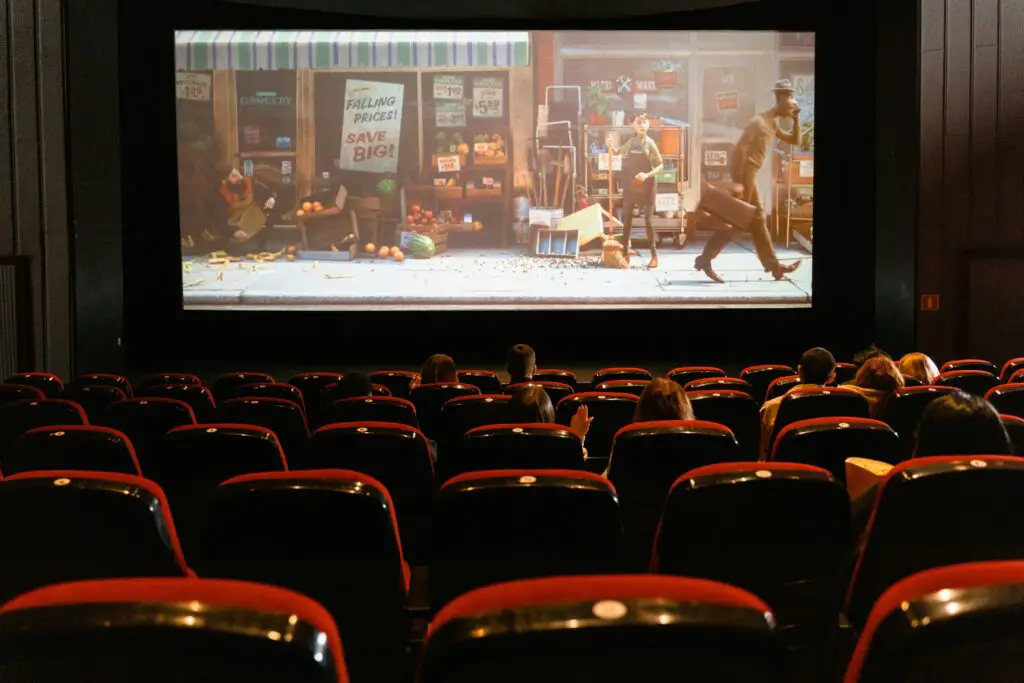
Going to the cinema used to be an event that required your Sunday best and a sense of wonder. These grand palaces featured velvet curtains, gold-leaf ceilings, and ushers who took their jobs very seriously. It wasn’t just about the film; it was about the collective gasp of the audience when the lights dimmed. You weren’t just watching Singin’ in the Rain, you were experiencing it with three hundred of your closest neighbors.
The lobby served as a shimmering crossroads where different social classes mingled under massive chandeliers. You would run into coworkers, old school friends, and local dignitaries all queuing up for the same flickering magic. The architecture itself made you feel like you were somewhere important, elevating a simple Saturday night into a cherished memory. It was the one place where the entire town could dream together in the dark.
3. The Neighborhood Soda Fountain

The soda fountain was the heartbeat of the American town square, pulsing with the energy of teenagers and families alike. Usually tucked inside a pharmacy, it featured chrome stools and marble counters that stayed cool even in the heat of July. You’d sit there sipping a cherry phosphate while the “soda jerk” flipped metal tins and told jokes. It was the primary staging ground for first dates and after-school celebrations.
There was a specific melody to these places, defined by the hiss of carbonation and the clinking of long-handled spoons. It provided a safe, supervised space for young people to establish their own social hierarchies away from home. You could spend an entire hour nursing a single milkshake without anyone rushing you out the door. It was a community living room where the price of admission was just a few spare nickels.
4. The Public Library Reading Room
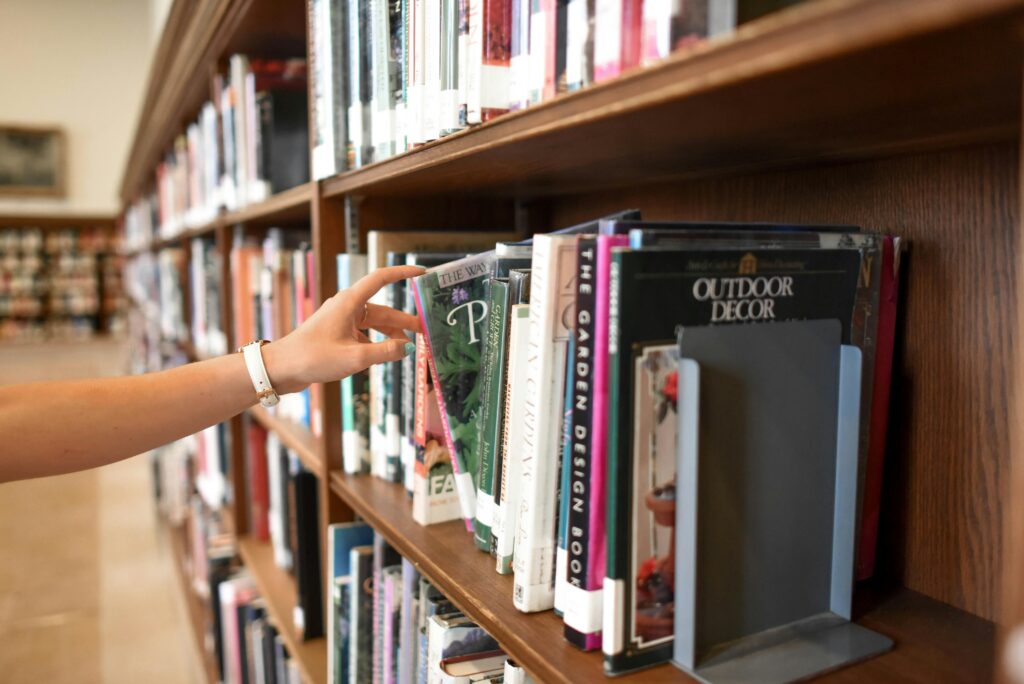
Long before the internet made information instant and isolated, the public library was a sacred communal space. The reading room was a temple of quiet, but the shared silence actually brought people closer together. You’d see a retired professor, a struggling student, and a curious child all sitting at the same heavy oak table. There was a profound sense of shared purpose in the pursuit of knowledge and self-improvement.
These rooms were architectural marvels designed to inspire awe and a respect for the written word. Librarians were the original search engines, guiding neighbors through stacks of physical books with personalized care. You might discover a hand-written note left in a margin or strike up a hushed conversation about a shared favorite author. It was a place where the community’s intellectual history was kept alive and accessible to everyone.
5. The Town Square Bandstand
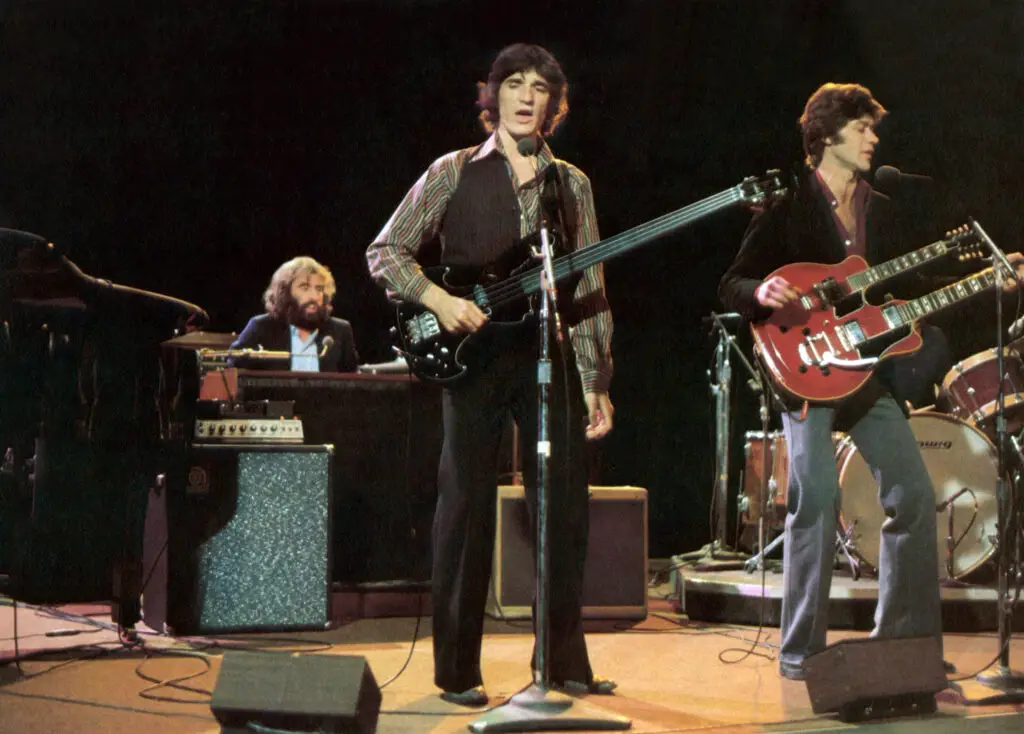
On summer evenings, the local bandstand or gazebo was the only place anyone wanted to be. Local brass bands would play marches and popular tunes while families spread blankets across the manicured grass. It was a low-tech precursor to the modern music festival, but with a much more intimate, hometown feel. You’d watch the sun set behind the courthouse while the music echoed off the surrounding brick buildings.
Toddlers would dance in the grass while older couples swayed to the rhythm of a familiar waltz. It was a rare moment where the hustle of work stopped completely, and the community simply breathed together. Politicians used these platforms for stump speeches, and local heroes were honored under their painted rafters. The bandstand was a physical manifestation of a town’s pride and its collective cultural voice.
6. The Downtown Department Store
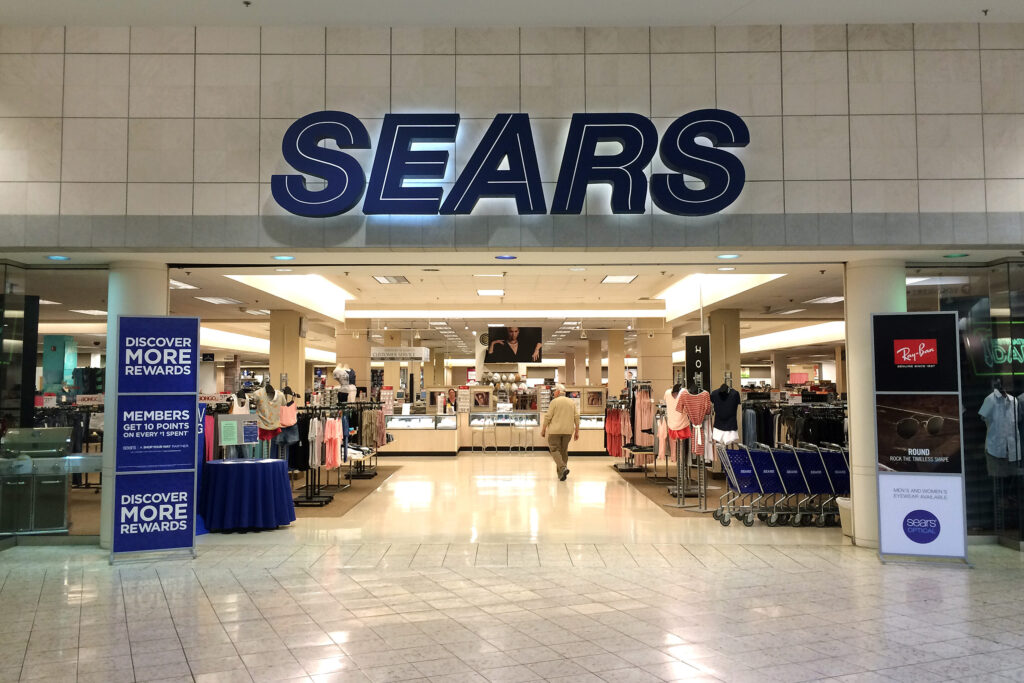
There was a time when a trip to the local department store was the highlight of the seasonal calendar. These weren’t just shops; they were massive cathedrals of commerce with multiple floors connected by ornate elevators. You’d meet your friends at the “clock” or the central fountain before embarking on a day of window shopping. The window displays were legendary, turning simple sidewalks into theatrical galleries that changed with the holidays.
The staff often made a career out of working in a single department, becoming experts that the community trusted implicitly. Whether you were buying a wedding suit or a new set of linens, the experience was defined by high-touch service and personal recognition. During the holidays, the store’s Santaland became a rite of passage for every child in the county. It was a place that made a medium-sized town feel like a sophisticated metropolis.
7. The Local Post Office Lobby
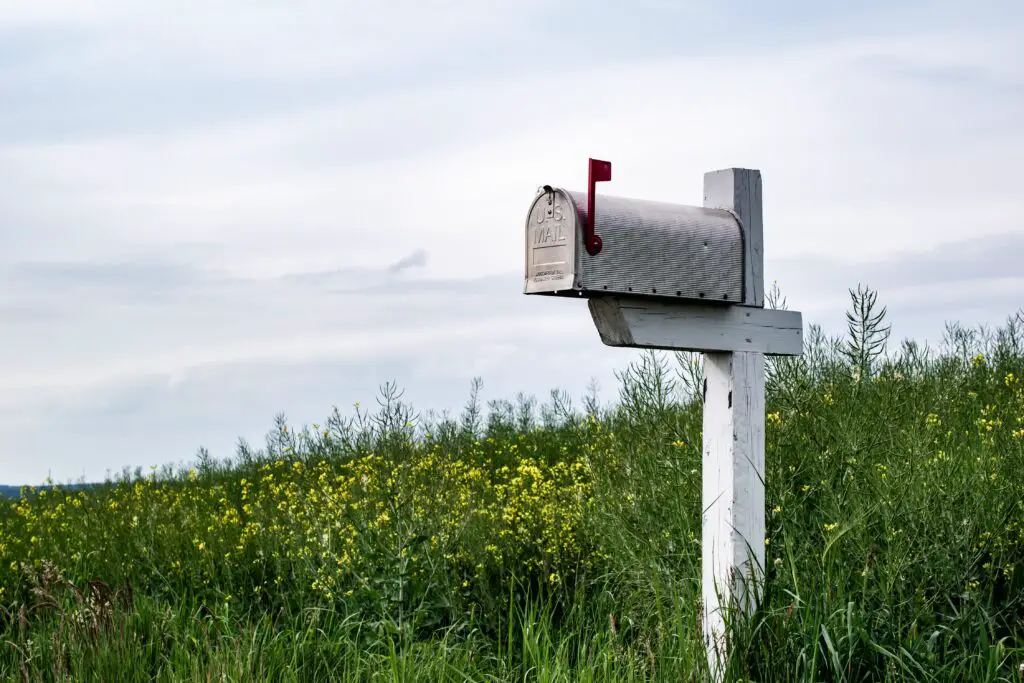
Before digital communication took over, the post office lobby was the most consistent daily meeting spot for adults. Since home delivery wasn’t always a given, people gathered at their P.O. boxes to collect the physical threads of their lives. You’d stand there sorting through envelopes while catching up on the health of a neighbor’s grandmother. It was a functional space that naturally fostered a high frequency of “weak tie” social interactions.
The bulletin boards in these lobbies were the analog version of a community newsfeed, featuring everything from lost pets to garage sales. You could feel the weight of the world moving through that small room in the form of letters and packages. Seeing the postmaster every day provided a sense of stability and connection to the federal government. It was the one place where every single person in town eventually crossed paths.
8. The Public Bathhouse

In the era before every home had reliable indoor plumbing, the public bathhouse was a vital necessity that turned into a social hub. These facilities were often beautifully tiled and meticulously maintained as a matter of civic pride. People didn’t just go to get clean; they went to soak away the stress of manual labor alongside their peers. The steam rooms and cooling areas became places for deep political debates and philosophical discussions.
Because everyone was stripped of their fancy clothes and uniforms, the bathhouse was a great social equalizer. You might find yourself sitting next to a wealthy merchant or a humble laborer, both enjoying the same hot water. There was a sense of vulnerability and shared humanity that is hard to find in modern public spaces. It fostered a unique brand of camaraderie that only comes from shared physical rituals.
9. The Train Station Waiting Room
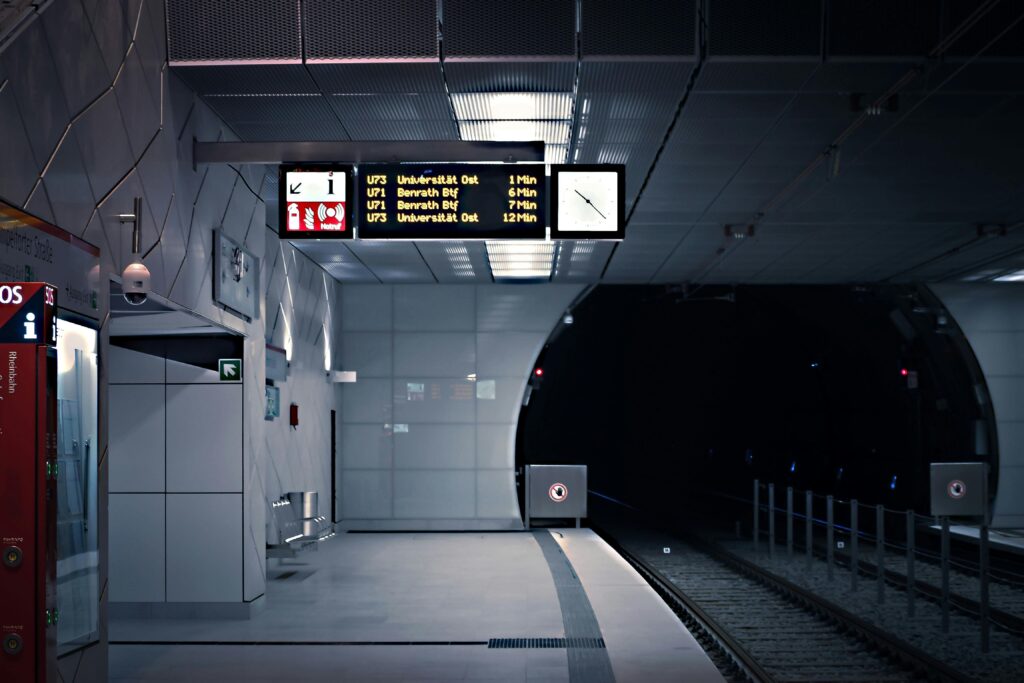
The local railway station was the gateway to the rest of the world and the stage for the town’s most dramatic moments. The waiting room, with its high ceilings and rows of wooden benches, saw a constant stream of tearful goodbyes and joyous homecomings. You’d sit there listening to the rhythmic clicking of the telegraph and the booming voice of the station master. It was a place defined by the anticipation of the unknown and the comfort of the familiar.
Commuters would read their morning newspapers in shared silence, forming a silent brotherhood of the daily grind. Local businesses often clustered around the station, creating a secondary “downtown” focused on travelers and transit. Even if you weren’t traveling, you might go there just to see who was arriving on the evening express. It was the physical pulse point where the local community connected to the vast machinery of the nation.
10. The Community Blacksmith Shop

Long before the neighborhood garage, the blacksmith shop was the industrial heart of every village. It wasn’t just a place for shoeing horses; it was where every essential tool and piece of hardware was forged and repaired. Men would often gather around the glowing forge on cold days to warm their hands and swap stories. The rhythmic “cling-clang” of the hammer on the anvil provided a constant soundtrack to the neighborhood’s daily life.
The blacksmith was a respected figure who understood the mechanical needs of every farm and household in the area. You’d bring your broken plow or dull axe and wait while the iron was heated to a bright orange hue. During the wait, the shop became a masculine social space where “man talk” and trade secrets were freely shared. It represented a time when things were made to be mended, and the person who mended them was a pillar of the community.
11. The Corner Newsstand

The newsstand was the street-level nervous system of the city, offering a curated slice of the world on every corner. It was a cramped, paper-scented kiosk where the vendor knew exactly which magazine or daily paper you preferred. You’d stop by for a quick chat about the morning headlines or the previous night’s box scores. It was a ritualistic stop that bookended the workday for thousands of urban dwellers.
In many ways, the newsstand operator was the unofficial guardian of the block, keeping an eye on the rhythm of the street. You could pick up a pack of gum, a cigar, or a transit map while absorbing the chaotic energy of the sidewalk. It was a place of brief but meaningful interactions that stitched the neighborhood together. The colorful covers of “Life” or “The Saturday Evening Post” provided a shared visual language for everyone walking by.
12. The Parish Hall or Church Basement
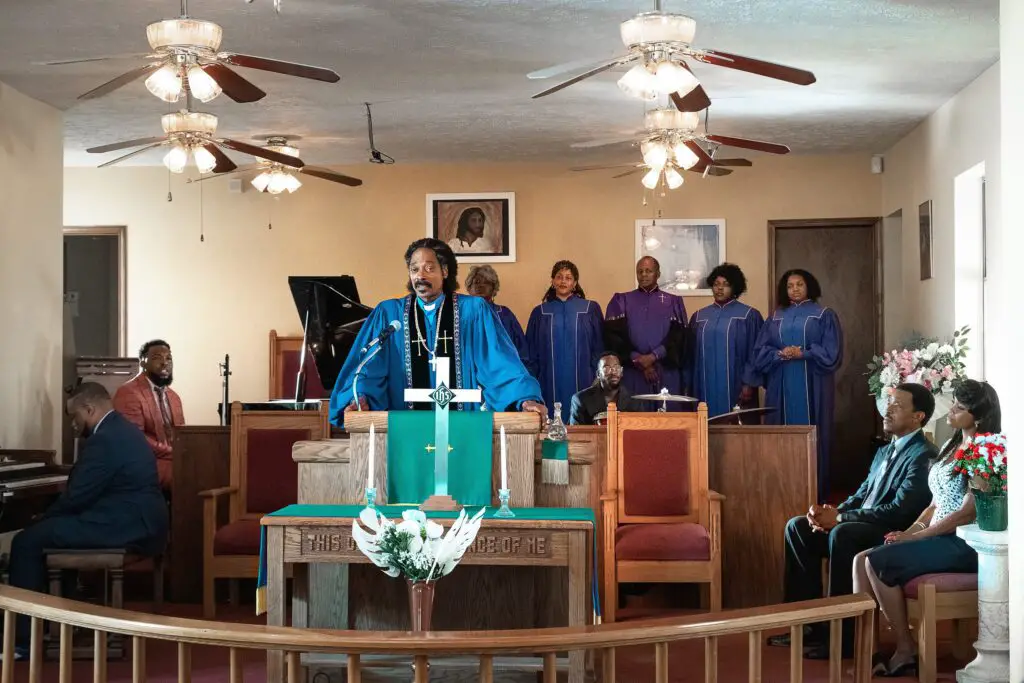
Regardless of one’s specific religious intensity, the parish hall or church basement was the ultimate venue for community bonding. These subterranean spaces hosted everything from potluck dinners and bingo nights to wedding receptions and voting polls. The smell of percolating coffee and industrial-sized trays of lasagna is a core memory for generations. It was the one place where the entire multigenerational family could socialise at once.
The heavy folding tables and mismatched chairs didn’t matter because the focus was entirely on the people sitting around them. It was here that local charities were organized and grassroots movements often found their first legs. You’d help dry the dishes with someone you’d known since kindergarten, reinforcing the invisible bonds of the neighborhood. These halls were the safety nets of the community, providing a space for both celebration and collective mourning.
13. The Local Skating Rink
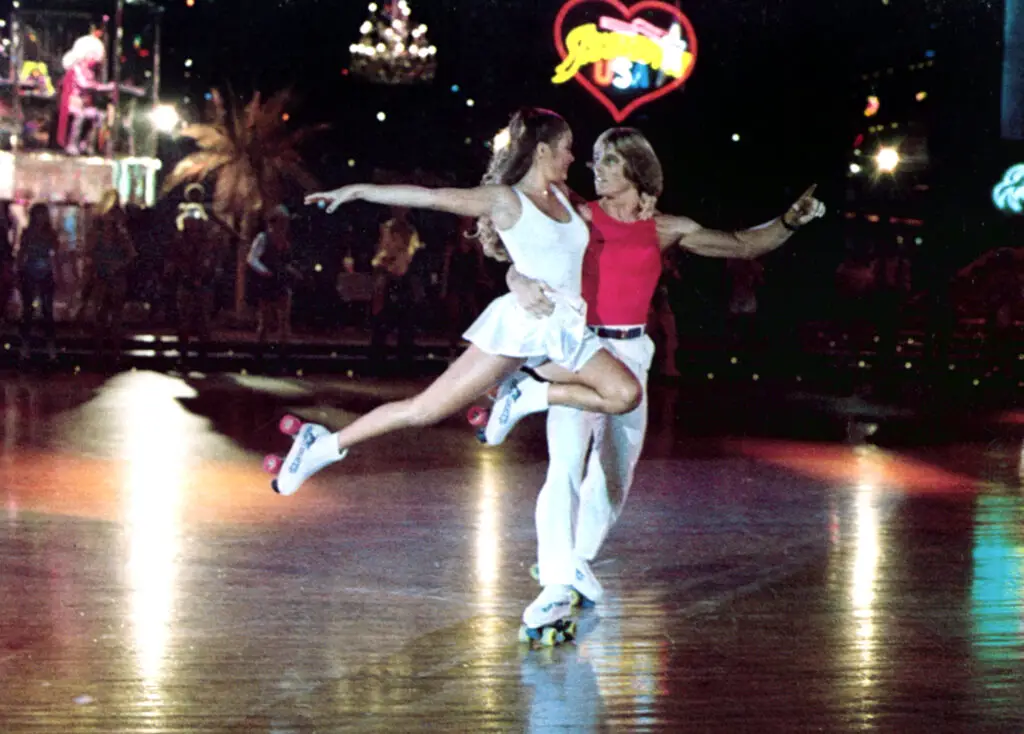
During its heyday, the roller or ice skating rink was the premier destination for high-energy social interaction. Under the glow of neon lights or the glare of a disco ball, people of all ages found a common rhythm on the floor. The rink organist or DJ provided the soundtrack to countless teenage crushes and awkward first glides. It was a place where physical skill and social status collided in a swirl of motion and music.
There was a strict but understood etiquette to the rink, from “couples only” skates to the high-speed “all skate.” Between sessions, the snack bar became a humid sanctuary for catching your breath and checking out the crowd. It offered a unique form of “active” socializing that modern digital entertainment simply can’t replicate. The rink was a place where you could literally fall down and be helped back up by a neighbor.
14. The Urban Rooftop
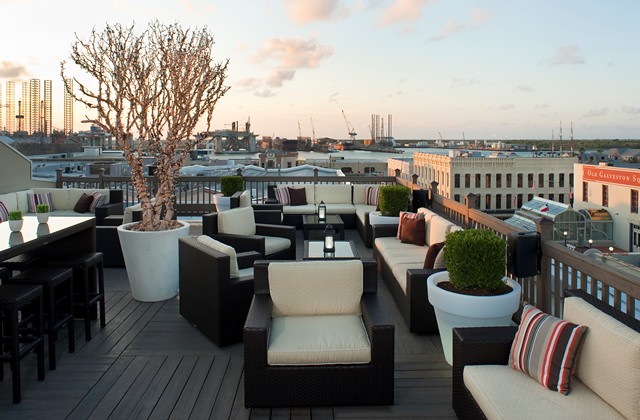
In crowded cities before air conditioning was common, the rooftop was the community’s “summer cottage” and shared backyard. Neighbors would climb the stairs with pillows, radios, and cold drinks to escape the stifling heat of their apartments. You’d see laundry lines crisscrossing the space while children played tag between the chimneys. It was an elevated world where the rules of the street below seemed to melt away in the breeze.
Up there, people from different floors and backgrounds would share snacks and stories under the city stars. You might hear someone playing a guitar or a radio tuned to a distant ballgame, creating a patchwork quilt of sound. It was a place for romantic whispers, heated debates, and a shared sense of survival during the dog days of August. The rooftop turned a group of strangers living in boxes into a cohesive, sky-high neighborhood.