
1. The Corner Drugstore Soda Fountain

Long before chain coffee shops took over every corner, the neighborhood drugstore was where everyone gathered after school or on a slow Saturday afternoon. Kids lined up for cherry Cokes and banana splits while adults lingered over the counter reading the paper and catching up on local gossip. The soda jerk often knew your order before you sat down, which made the place feel like an extension of home. It was where first crushes played out in shy glances across a milkshake and where friendships were cemented over shared fries. Even errands felt social because you rarely left without bumping into someone you knew. The steady hum of conversation gave the place a comforting, lived-in rhythm. It wasn’t fancy, but it was dependable and welcoming. When these counters disappeared, many neighborhoods lost a natural gathering point.
The empty storefronts that replaced them never quite captured that same sense of easy connection. You could buy a drink anywhere, but you couldn’t recreate the ritual of sitting shoulder to shoulder with neighbors. Those soda fountains anchored daily life in a way that felt personal rather than transactional. They turned ordinary streets into small communities with familiar faces. Even decades later, people still remember the smell of syrup and polished counters like a snapshot of another era. It’s one of those losses you only fully understand once it’s gone.
2. The Local Five-and-Dime Store
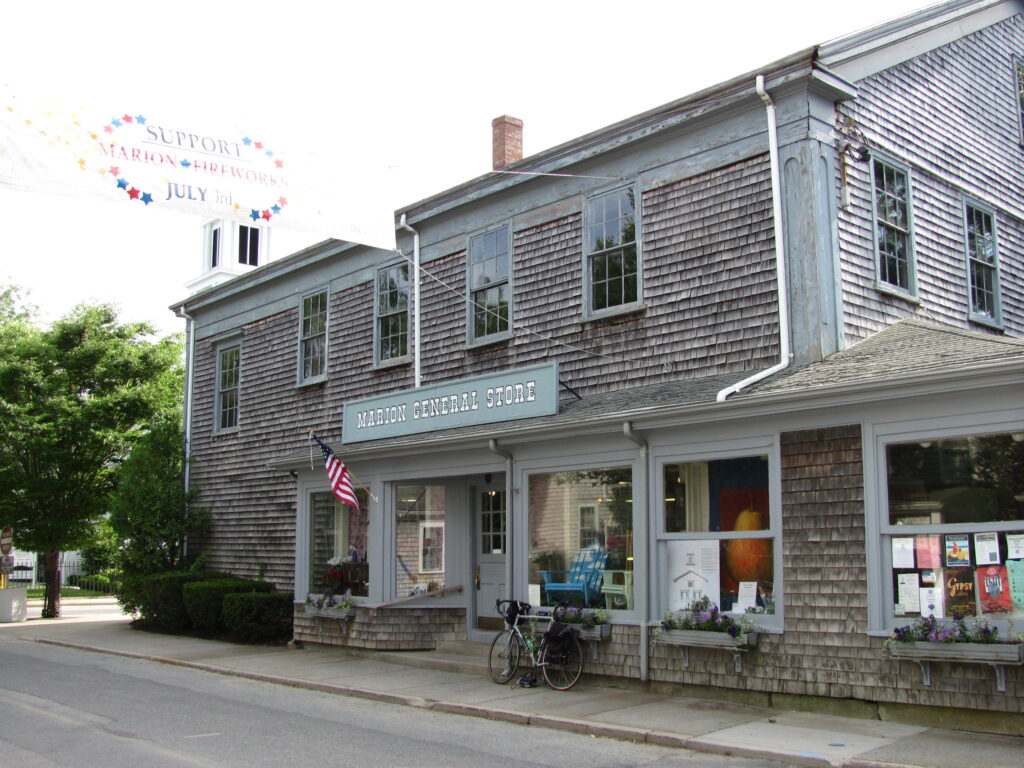
The five-and-dime was the original everything store, packed wall to wall with small treasures and practical necessities. You could pick up school supplies, birthday cards, candy, and sewing notions all in one quick trip. Kids loved wandering the aisles with a handful of coins, carefully deciding how to stretch every penny. For parents, it was a reliable stop that saved time and money. The clerks often knew families by name and would set aside items they thought you might like. It felt less like shopping and more like browsing through a neighbor’s well-stocked attic. The bell on the door became part of the daily soundtrack of the block. Losing these stores changed how people experienced even the simplest errands.
Big-box retailers eventually absorbed their role, but not their personality. There was no longer a sense of discovery in finding a quirky toy or seasonal trinket. The five-and-dime helped shape childhood memories in quiet but lasting ways. It also supported local rhythms, like last-minute school projects and holiday preparations. When they closed, streets grew quieter and less spontaneous. Something about the neighborhood’s heartbeat softened without them.
3. The Neighborhood Movie Theater
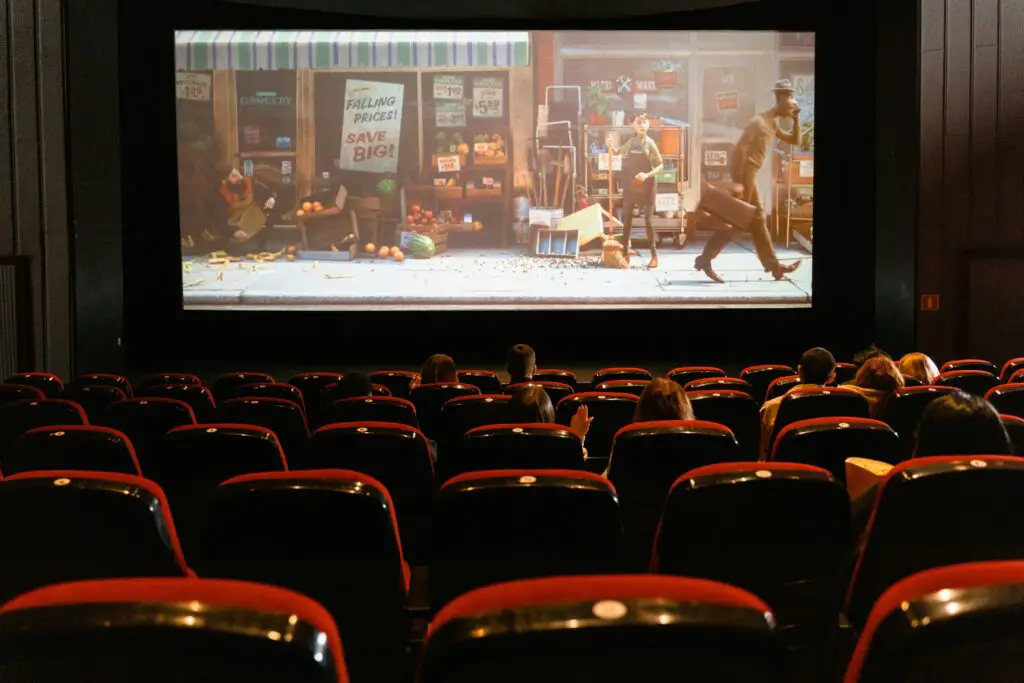
A single-screen movie theater once felt like the cultural heartbeat of a neighborhood. Friday nights meant lines curling down the sidewalk, the smell of popcorn drifting into the street. You ran into classmates, coworkers, and neighbors all buzzing about the same film. It made movies a shared experience instead of something watched alone on a couch. Ushers sometimes recognized regulars and saved favorite seats when they could. The lobby bulletin board often doubled as a community notice space. Even the worn carpets and flickering marquees had a kind of charm. It was entertainment, yes, but also a social ritual.
When multiplexes and streaming took over, that sense of local togetherness faded. The neighborhood lost a common meeting place where stories were shared in real time. Walking home after a late showing felt like being part of a collective memory. Those theaters gave streets a sense of nighttime energy and excitement. Without them, evenings became quieter and more isolated.
4. The Community Bowling Alley
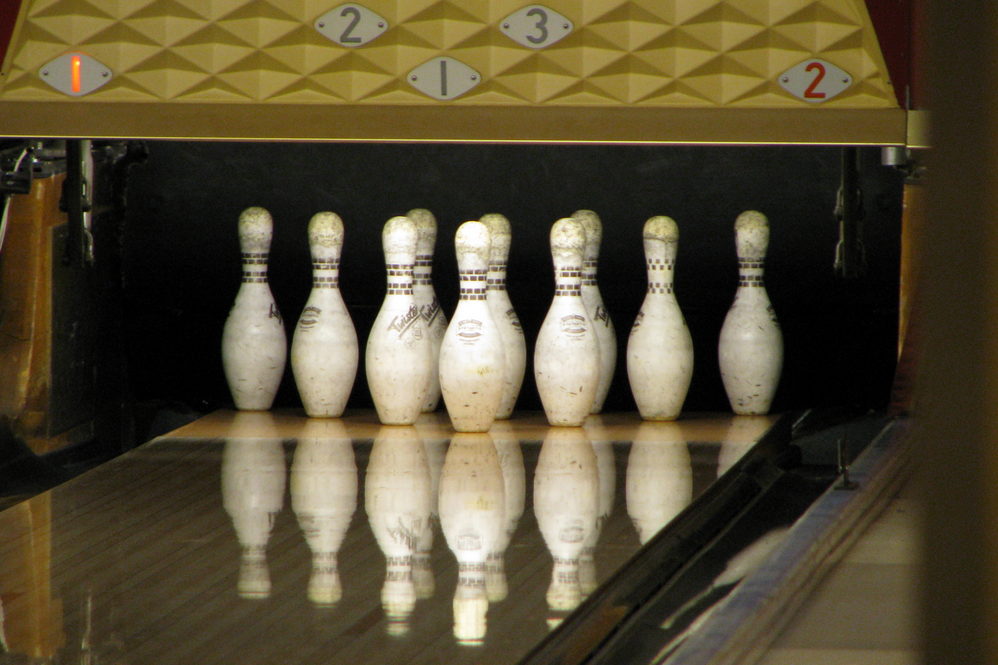
Bowling alleys were loud, bright, and full of personality, which made them perfect neighborhood hubs. League nights brought together coworkers, families, and longtime friends who showed up week after week. Kids learned how to keep score while parents chatted over pitchers of soda or beer. The snack bar was often just as important as the lanes themselves. Birthday parties, fundraisers, and casual hangouts all overlapped under the same roof. The clatter of pins became a familiar sound that echoed through the area. It was easy to walk in alone and leave having talked to half a dozen people. The alley felt like a living room for the whole block.
As many of these spaces closed or downsized, neighborhoods lost an easy social outlet. You can still bowl, but it’s often a longer drive and a more commercial experience. The spontaneous drop-in culture slowly disappeared. What used to feel like a shared pastime became more scheduled and detached.
5. The Corner Grocery Market

Small neighborhood grocery stores once anchored daily routines. You stopped in for fresh bread, milk, or whatever you forgot on your last trip. The owner often greeted you by name and might ask how your family was doing. Bulletin boards near the register advertised local events and lost pets. The produce might not have been perfect, but it was familiar and reliable. Kids sometimes ran errands with handwritten notes and a few dollars. It taught responsibility and trust in a way that feels rare now. These stores stitched convenience into community life.
As supermarkets grew larger and more centralized, the corner market faded away. Quick conversations and small favors disappeared along with them. The walkable rhythm of neighborhood shopping slowly eroded. What was once a social stop became a car-based errand instead.
6. The Public Library Branch

A local library branch was far more than shelves of books. It was a quiet refuge, a homework hub, and a place where generations overlapped peacefully. Story hours brought families together while retirees lingered over newspapers and magazines. Librarians often acted as informal guides to the community, recommending books and local resources alike. Bulletin boards advertised everything from bake sales to job postings. For many kids, it was their first taste of independence and discovery. The building felt safe, steady, and welcoming. Even people who didn’t borrow books still felt connected to it.
When funding cuts or consolidations reduced neighborhood branches, something essential vanished. Access became less convenient and less personal. The library’s role as a neighborhood anchor weakened, even though its cultural value remained high.
7. The Local Hardware Store
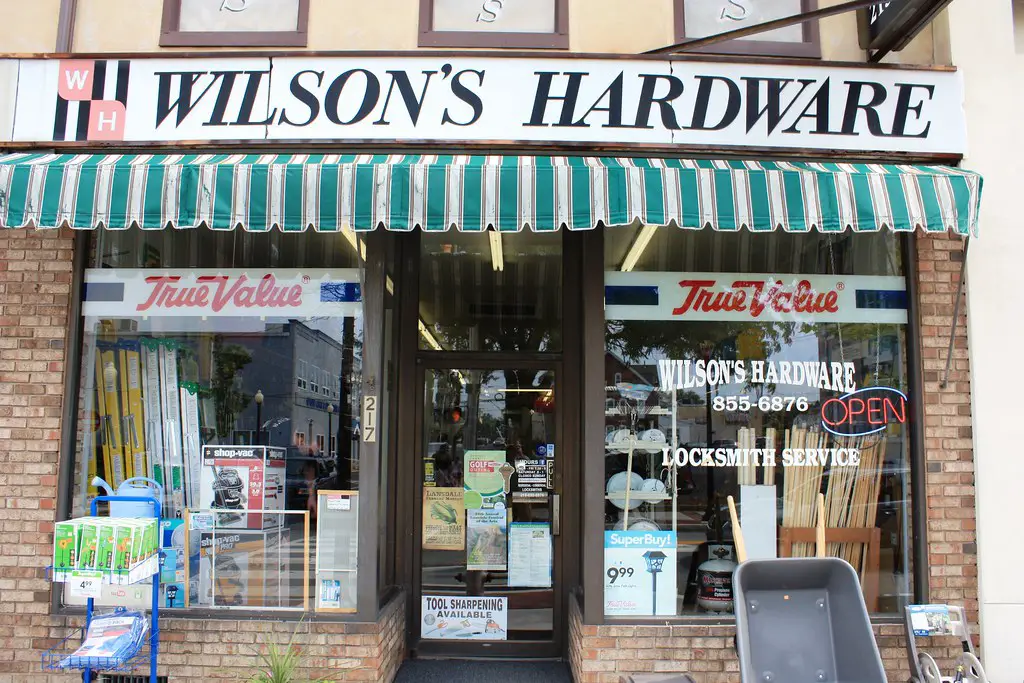
The neighborhood hardware store was where problems got solved face to face. You brought in a broken hinge or mystery bolt and someone behind the counter helped you match it. Advice was often free and surprisingly detailed. Regular customers formed casual friendships with staff who remembered past projects. The aisles felt like a maze of possibility, filled with tools and odd little parts. Kids loved the smell of wood and metal and the bins of loose screws. It wasn’t just about buying something, it was about learning how to fix things. That sense of shared know-how anchored many streets.
When big chains took over, expertise became harder to find. The personal connection faded, even if the selection grew. Neighborhoods lost a place where small problems felt manageable and communal.
8. The Community Swimming Pool

Public pools were summer headquarters for entire neighborhoods. Kids spent long afternoons there while parents chatted from folding chairs. Swim lessons, lifeguard drills, and casual races created a steady rhythm of activity. It was where friendships formed quickly and memories lasted for years. The smell of sunscreen and chlorine became part of summer itself. Teenagers flirted at the snack stand while younger kids practiced cannonballs. Everyone shared the same sunburns and laughter. The pool tied seasonal life together.
When many pools closed due to funding or maintenance costs, summers changed. Families traveled farther or stayed home instead. The spontaneous togetherness of hot afternoons slowly faded.
9. The Neighborhood Bakery

A neighborhood bakery filled the street with warm smells that pulled people inside without much thought. Morning routines often included stopping for fresh rolls or bread. The staff usually recognized regulars and remembered favorite orders. Kids pressed their noses to the glass cases, debating which pastry was worth their allowance. Special occasions almost always included something from that bakery. It added comfort and predictability to everyday life. Even brief visits felt like small celebrations. The bakery made ordinary days feel a little softer.
Chain bakeries and supermarkets eventually replaced many of these shops. The sense of ritual and familiarity was harder to maintain. Neighborhoods lost a sensory anchor that once shaped their mornings.
10. The Corner Bar or Tavern

Local bars were often informal town halls. Regulars gathered after work to unwind and talk about everything from sports to city politics. Bartenders became trusted listeners and unofficial historians of the block. New neighbors could learn the area’s personality in a single evening. The jukebox and dartboard encouraged easy conversation. It wasn’t always glamorous, but it was consistent and grounding. The bar gave adults a shared space to decompress and connect. It anchored nighttime life just as firmly as daytime shops.
As zoning changes and rising rents closed many of these spots, neighborhoods grew quieter at night. Casual social spaces became harder to find. The sense of adult community subtly thinned.
11. The Neighborhood School Playground
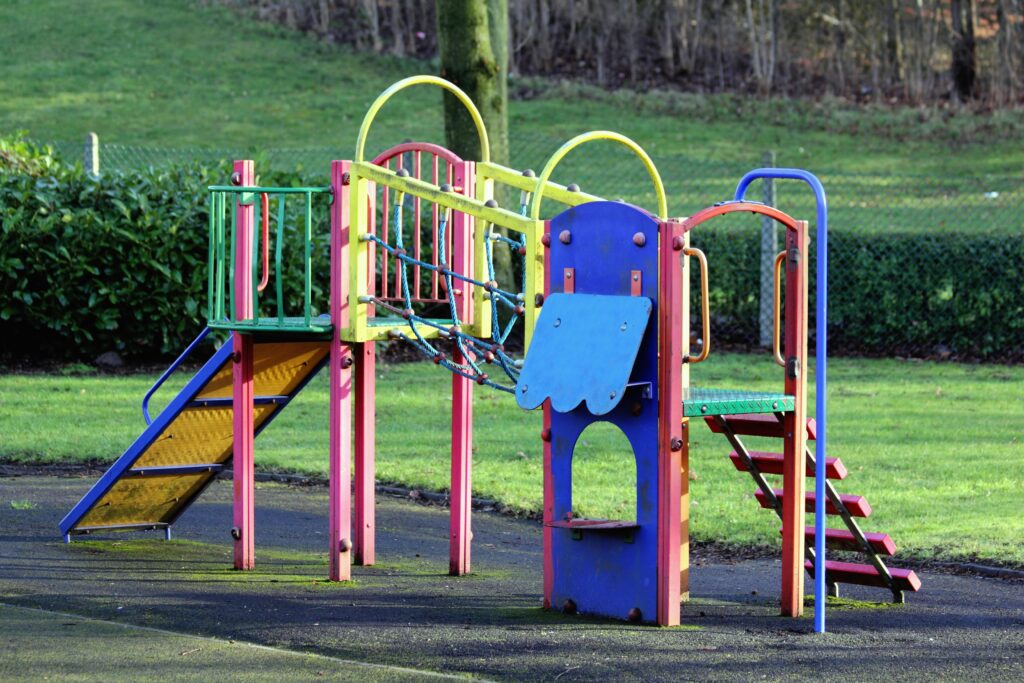
School playgrounds often doubled as community parks after hours. Families gathered while kids burned off energy on swings and slides. Parents traded neighborhood news and childcare tips. Older kids organized pickup games that sometimes lasted until sunset. The space felt safe and familiar, watched over by everyone who used it. It encouraged informal friendships across age groups. The playground became a shared backyard for entire blocks. Its role extended far beyond the school day.
When access restrictions or closures limited public use, that communal energy diminished. Families scattered to different parks or stayed indoors. The neighborhood lost a casual meeting point that required no planning.
12. The Neighborhood Church or Community Hall
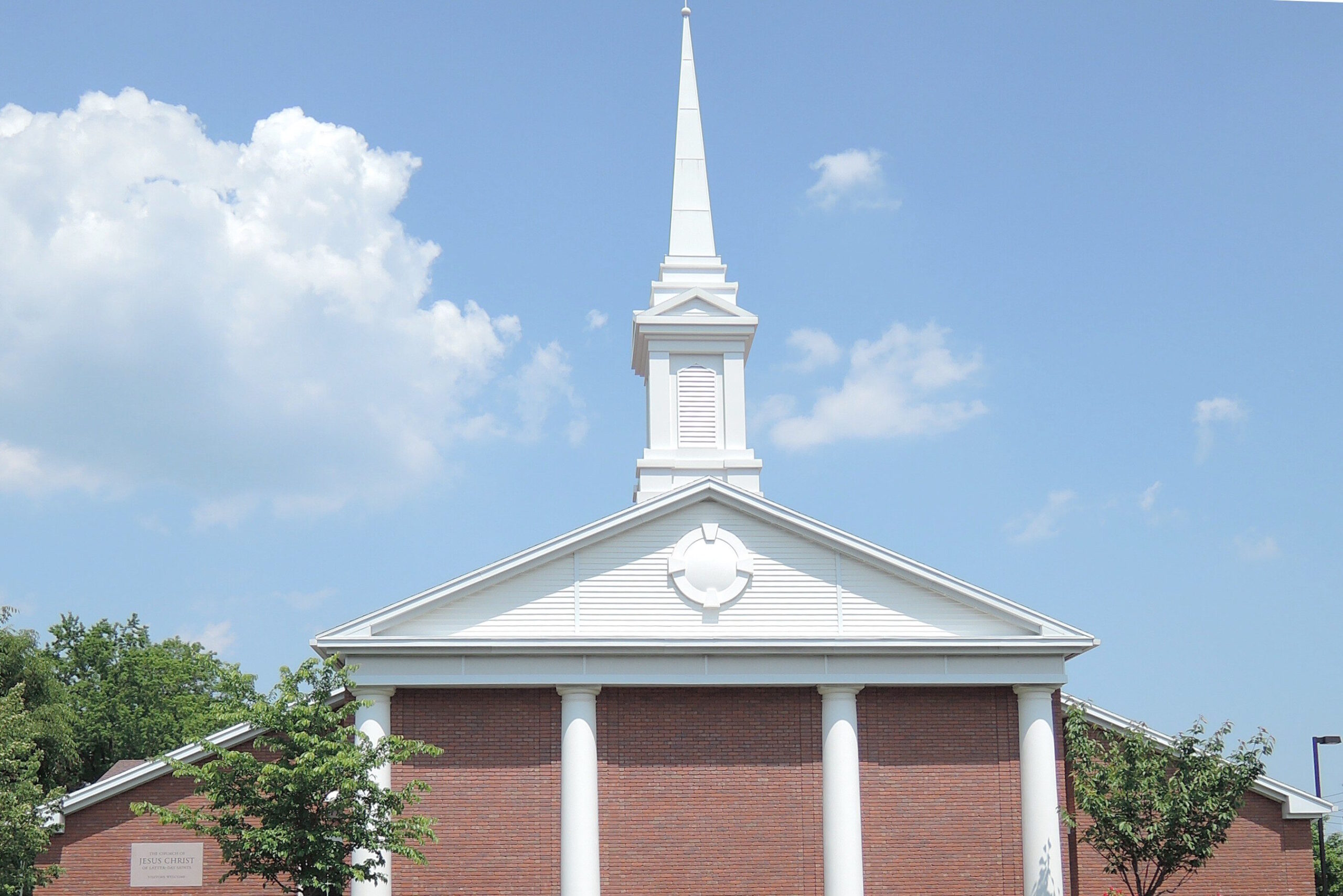
Churches and community halls hosted far more than weekly services. They were venues for potlucks, weddings, fundraisers, and town meetings. People built relationships through shared projects and traditions. Even those who didn’t attend regularly often relied on the space for important milestones. It gave neighborhoods a sense of continuity and shared history. Children grew up associating the building with celebrations and gatherings. The space grounded emotional and social life. It anchored memory as much as geography.
As attendance declined or buildings closed, communities fragmented. Events became scattered across different venues. The shared sense of place weakened over time.
13. The Neighborhood Barber Shop or Beauty Salon

Barber shops and salons were built on conversation as much as haircuts. Regular appointments turned into standing social hours. People caught up on local news, family updates, and friendly debates. Stylists often knew generations of the same family. The atmosphere felt comfortable and personal. Kids grew up watching adults talk and laugh while waiting their turn. These spaces created continuity in daily life. They made routine grooming feel like community time.
When chains and quick-service options expanded, that rhythm shifted. Appointments became faster but less personal. Neighborhood chatter lost one of its main stages.
14. The Local Diner
The neighborhood diner was everyone’s fallback plan. Late breakfasts, early dinners, and everything in between happened there. Servers often remembered regular orders and preferred booths. It welcomed students, retirees, and families without any pretense. Conversations overlapped across tables, creating a steady hum of familiarity. It was the kind of place where you could linger without feeling rushed. The menu rarely changed, which made it comforting. The diner anchored everyday routines.
As many diners closed or modernized, that sense of timelessness faded. Neighborhoods lost a neutral ground where everyone felt equally at home.
15. The Community Rec Center
Recreation centers brought together people of all ages. Basketball leagues, dance classes, and after-school programs filled the building with constant motion. Parents met each other while waiting for practices to end. Kids built friendships that stretched beyond school boundaries. The rec center offered structure and safety for free time. It encouraged healthy habits and social bonds. The building felt alive with shared purpose. It anchored both energy and routine.
When funding cuts reduced hours or closed centers, families lost accessible activities. Neighborhoods became quieter and more fragmented.
16. The Neighborhood Newsstand or Magazine Shop

Newsstands once served as daily touchpoints for local life. People stopped in for newspapers, magazines, and casual conversation. Headlines sparked debates right on the sidewalk. Kids browsed comic racks while adults scanned front pages. The owner often curated selections based on regulars’ interests. It felt current and alive, constantly refreshed. The stand connected neighbors to the wider world. It anchored daily awareness.
As digital media replaced print habits, these shops vanished. Neighborhoods lost a small but steady source of shared curiosity. The ritual of stopping for news quietly disappeared.