
1. Downtown Department Store Tea Rooms

There was a time when a trip to a big department store meant more than just shopping. Many of them had elegant little tea rooms tucked inside, complete with white tablecloths and polite waitresses. Shoppers would plan their whole afternoon around stopping for lunch or a slice of pie. Friends met there to catch up, and mothers treated their kids to special desserts.
The tea room felt like a calm, cheerful island in the middle of a busy day. You could sit, rest your feet, and talk without feeling rushed. When those grand old stores faded away, the tea rooms went with them. Now it is hard to imagine a modern retailer offering anything so cozy and personal.
2. Neighborhood Soda Fountains

The local soda fountain used to be the unofficial headquarters of every small town. Teenagers gathered after school to order milkshakes and gossip about the latest drama. Parents ran into neighbors and traded news while waiting for their prescriptions at the attached drugstore. It was a simple place, but it was full of life.
There were regulars who sat on the same stools every day and knew each other by name. First dates happened over cherry Cokes and shared baskets of fries. As fast food chains and coffee shops took over, the old soda fountain quietly disappeared. A big piece of everyday social life went right along with it.
3. Roller Skating Rinks
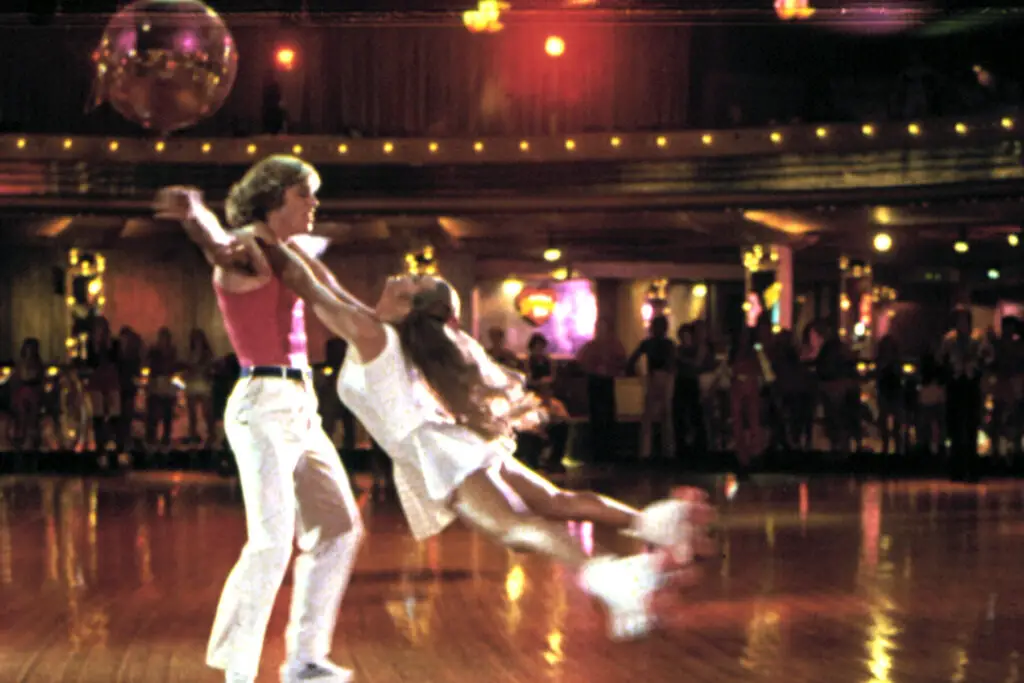
On Friday and Saturday nights, the roller rink was where everyone wanted to be. Kids circled the floor under spinning disco lights while music blasted from big speakers. Parents sat along the edges talking to other parents and keeping a casual eye on the action. It was exercise, entertainment, and social hour all rolled into one.
The rink had its own little culture with birthday parties, couples skates, and snack bars. Friendships formed there, and plenty of early romances did, too. When skating fell out of fashion, many of those rinks closed for good. Today most towns no longer have that lively, slightly chaotic gathering place.
4. Drive-In Movie Theaters
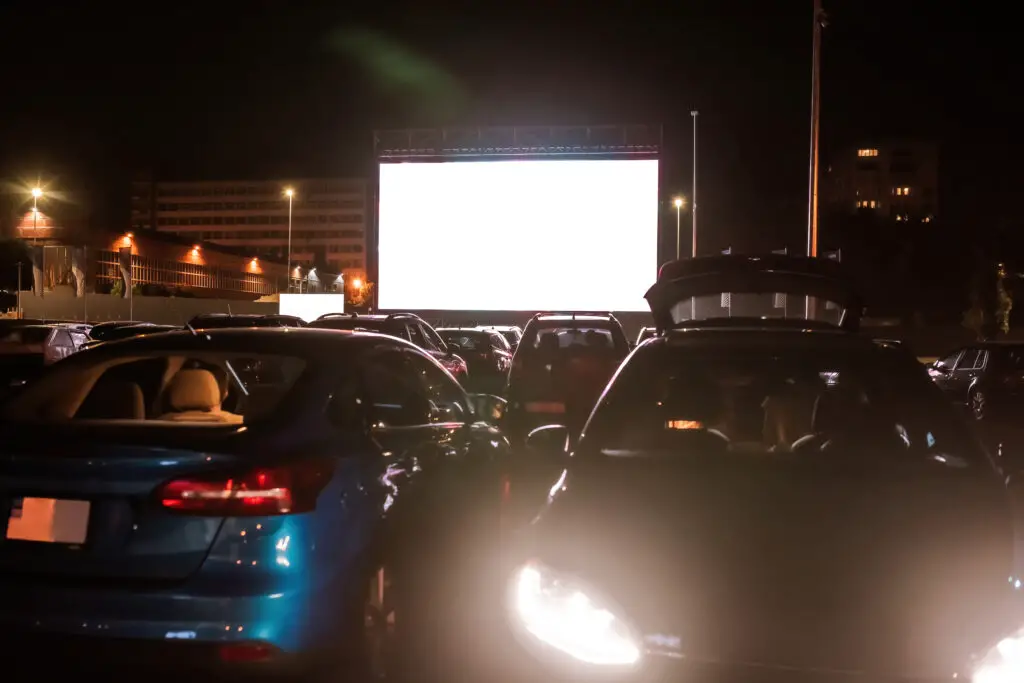
Going to the drive-in used to be an entire evening event. Families packed the car with blankets, snacks, and restless kids in pajamas. Teenagers filled up back rows and hoped for a little privacy on date night. The concession stand was just as important as the movie itself.
Strangers chatted while kids ran around near the playground under the giant screen. It was relaxed and social in a way indoor theaters never quite matched. As land became more valuable and technology changed, drive-ins slowly vanished. Now they survive mostly as nostalgic novelties instead of community staples.
5. Town Square Bandstands
Nearly every small town once had a bandstand right in the middle of the main square. On summer evenings, people brought lawn chairs and gathered to hear local musicians play. Children chased each other around the grass while adults visited with neighbors. It was free entertainment and a built-in reason to come together.
Those bandstands gave towns a real sense of identity and tradition. You saw familiar faces week after week and felt connected to the place you lived. As schedules got busier and tastes changed, the concerts faded away. Many bandstands still stand empty, reminders of a more relaxed era.
6. Video Rental Stores
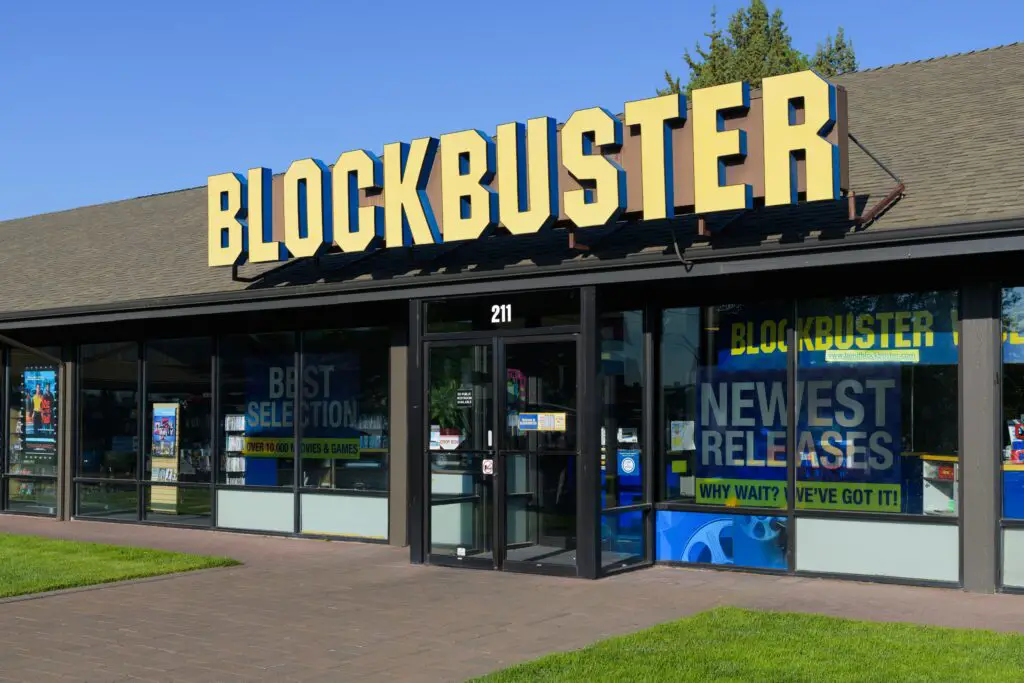
Before streaming, the video rental store was the center of weekend planning. Families wandered the aisles together debating what to watch on Friday night. Friends bumped into each other and swapped movie recommendations. The clerk behind the counter often knew customers by name and taste.
Choosing a film was a social experience instead of a quick click on a screen. People actually talked about movies face to face while hunting for the last available copy. When rentals moved online, those lively little shops closed almost overnight. A surprisingly fun public hangout disappeared with them.
7. Public Phone Booths

Phone booths were once scattered everywhere, and they served as tiny meeting spots. People lined up to make calls and struck up conversations while they waited. Teenagers used them to check in with parents or make last-minute plans with friends. They were simple, but they connected strangers in small ways.
You could always count on finding one near a bus stop or busy corner. Notes were scribbled, numbers were exchanged, and quick chats happened daily. As cell phones took over, the booths were removed one by one. With them went a small but familiar piece of shared public space.
8. Bowling Alleys
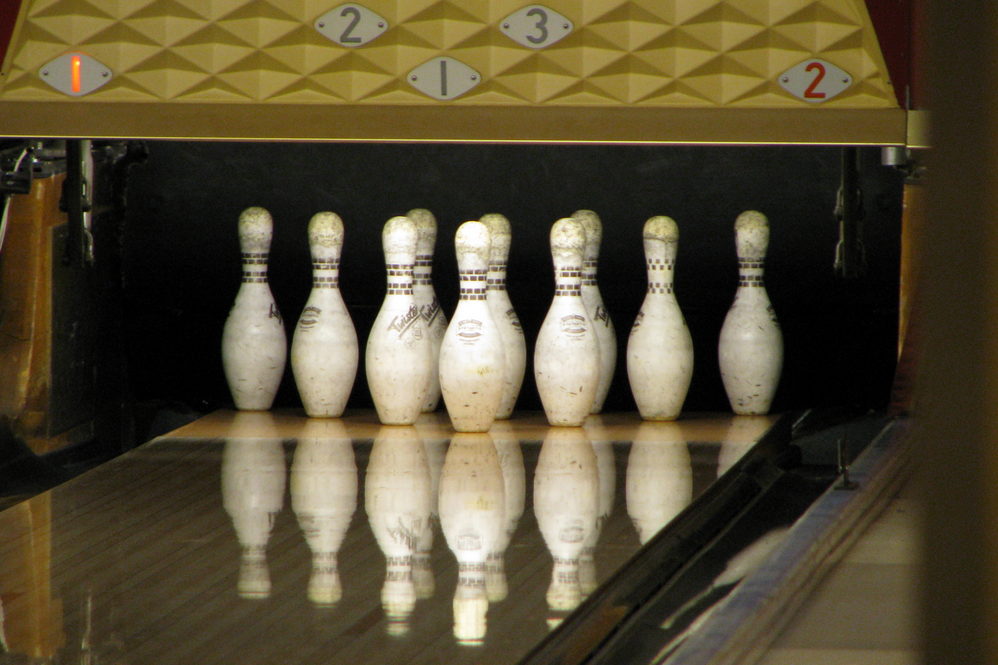
The bowling alley used to be more than just a place to knock down pins. Entire leagues formed there, bringing coworkers and neighbors together every week. Families spent whole evenings eating greasy food and cheering each other on. It was loud, cheerful, and wonderfully social.
Even people who were terrible at bowling still showed up for the fun. Birthday parties, first dates, and team celebrations all happened under those fluorescent lights. Many alleys have closed or turned into specialty entertainment centers. The everyday community vibe they once had is much harder to find now.
9. Community Swimming Pools

The public pool was once the heart of every summer. Kids spent entire afternoons there while parents visited on lawn chairs nearby. Friend groups formed naturally as everyone cooled off together. It was one of the few places where the whole neighborhood mixed and mingled.
You saw the same lifeguards, the same families, and the same familiar faces day after day. The pool created a sense of shared experience that felt easy and natural. As private clubs and backyard pools became more common, many community pools closed. A major summertime gathering place slowly dried up.
10. Arcade Game Rooms
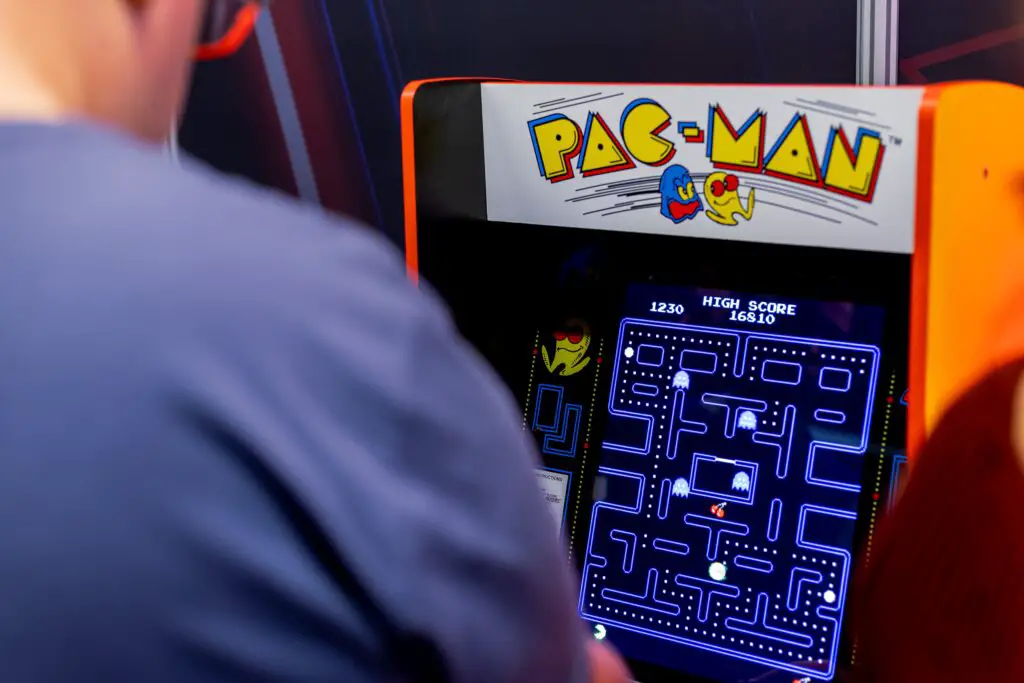
Long before home consoles, the local arcade was the ultimate hangout spot. Teenagers crowded around glowing machines with pockets full of quarters. Strangers challenged each other to games and cheered for high scores. It was noisy, competitive, and endlessly exciting.
Arcades were social in a way modern gaming rarely is. You had to be there in person to play, watch, and talk. When technology moved into living rooms, the arcades lost their audience. Most towns no longer have that buzzing room full of beeping machines and eager kids.
11. Train Station Waiting Rooms
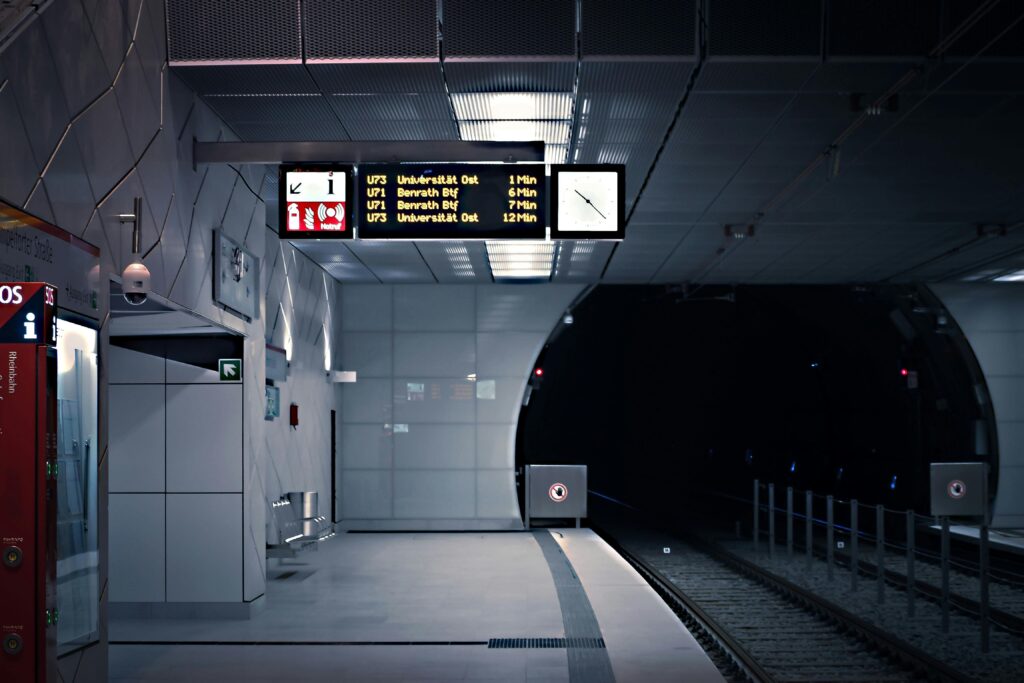
Busy train stations once had grand waiting rooms filled with people and conversation. Travelers arrived early and passed the time chatting with strangers. Families said long goodbyes and friends gathered to welcome loved ones home. The station felt like a small world of its own.
There were newsstands, coffee counters, and rows of wooden benches packed with life. Today most stations are quiet, functional places where people hurry through quickly. The relaxed social atmosphere has largely vanished. Modern travel simply does not encourage lingering anymore.
12. Church Basements
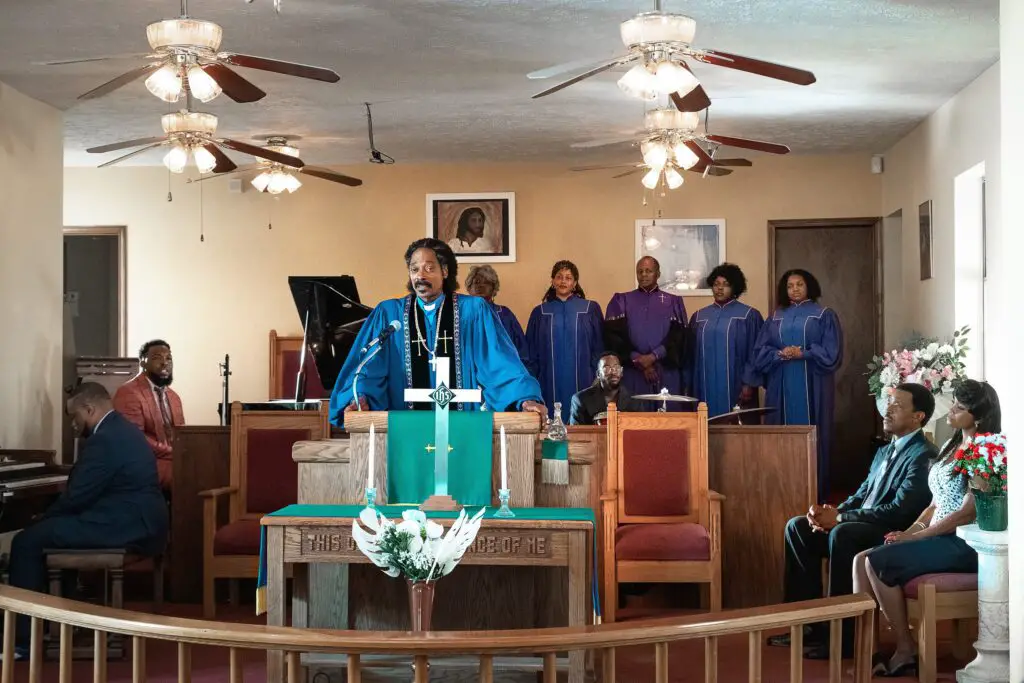
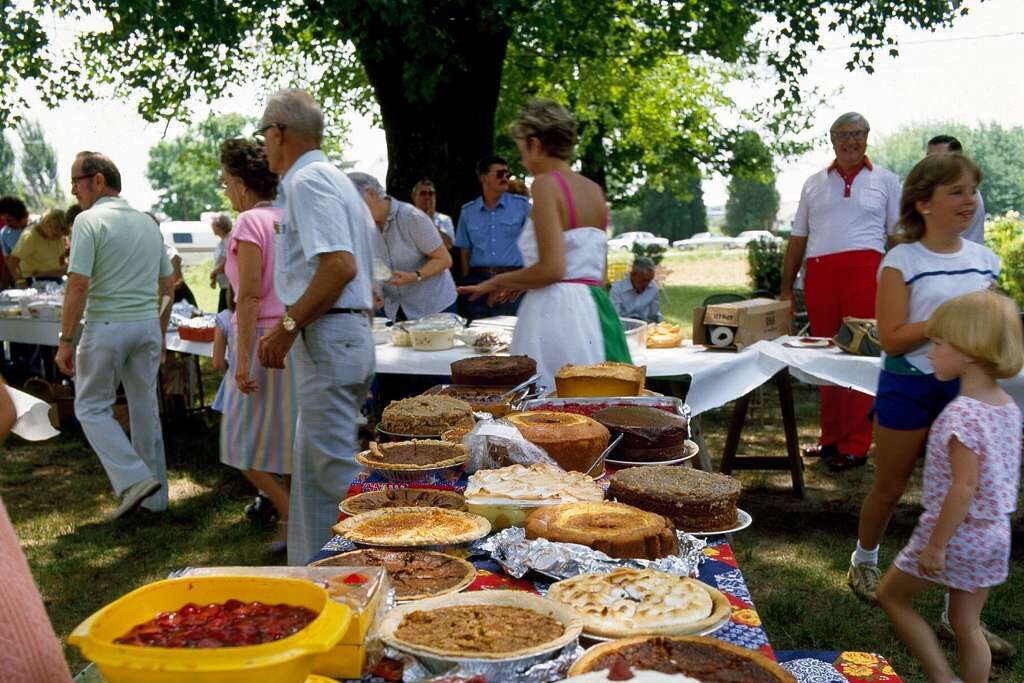
The church basement used to be a true community center, even for people who rarely attended services. Potlucks, holiday fairs, and spaghetti dinners brought everyone together. Neighbors visited while kids played under folding tables. It was not fancy, but it was warm and welcoming.
Important town meetings and charity events often happened in those simple rooms. Friendships were built over cups of weak coffee and homemade desserts. As social habits changed, fewer people gathered there regularly. Many church basements now sit quiet most of the year.
13. Union Halls
In many towns, the union hall was a major hub of local life. Workers met there to discuss issues, but they also gathered for dances and celebrations. Families attended holiday parties and community events sponsored by the union. It was a place where people felt connected and supported.
The halls created strong social networks that went beyond the workplace. People knew each other’s spouses, children, and stories. As industries changed and unions declined, many of those halls closed. Another dependable meeting place faded from everyday life.
14. Mall Food Courts
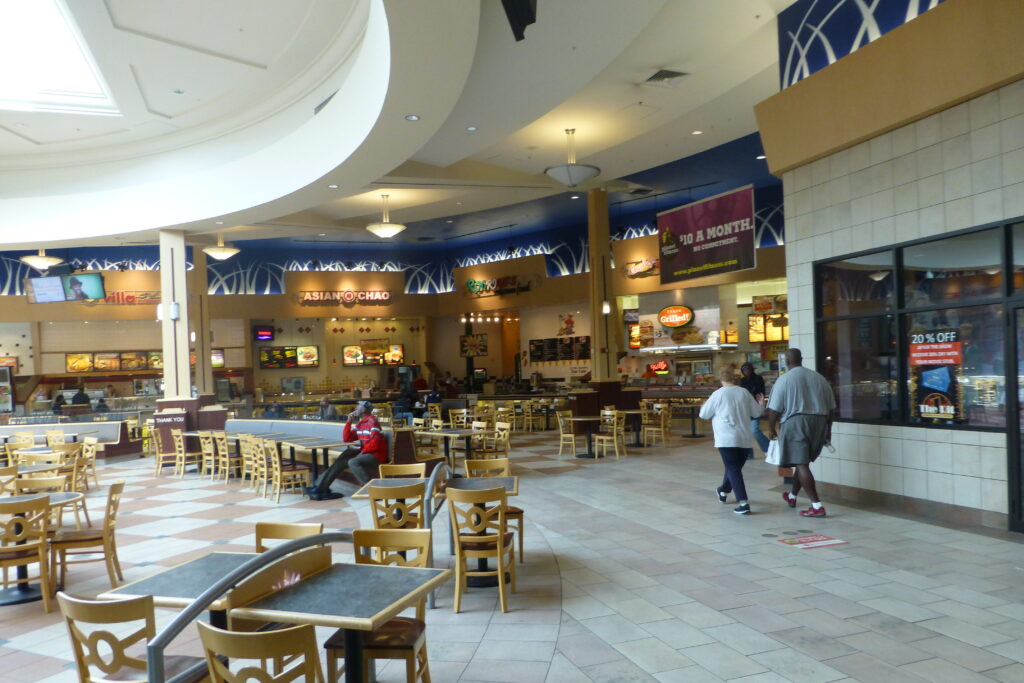
When malls were at their peak, the food court was the place to see and be seen. Teenagers claimed tables and stayed for hours with trays of fries and sodas. Parents met friends there while kids spent allowances at nearby stores. It functioned as an indoor town square.
People watched the crowds, ran into classmates, and made spontaneous plans. The food was not fancy, but the atmosphere was lively and social. As online shopping hurt malls, the bustling food courts grew quieter. Many have disappeared along with the malls themselves.
15. Laundromats

For people without washers at home, the laundromat used to be a regular neighborhood gathering place. Customers sat side by side folding clothes and passing the time with small talk. Kids played with toys on plastic chairs while parents compared notes on life. It was surprisingly social for such an ordinary chore.
Bulletin boards were full of local news, and familiar faces showed up every week. You got to know people simply by sharing the same routine. As more homes gained laundry machines, the need for laundromats shrank. With them went another casual spot where neighbors naturally met.
16. Corner Diners Open All Night
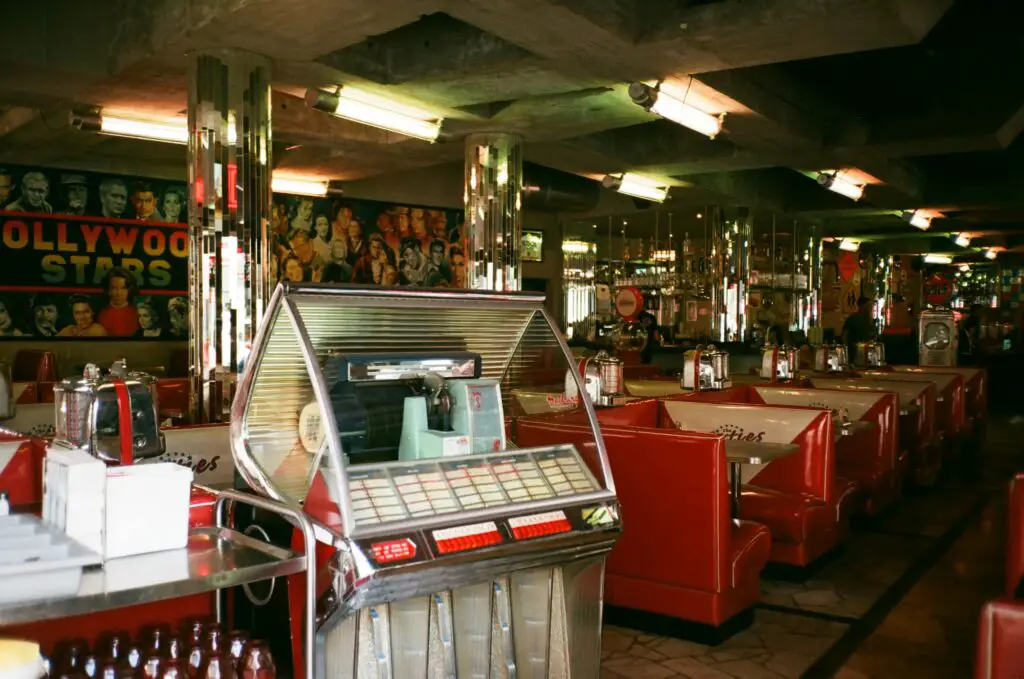
The all-night diner was once a reliable meeting ground for every kind of person. Shift workers, teenagers, police officers, and late-night wanderers all ended up at the same counter. Conversations flowed easily over endless cups of coffee. It felt like a welcoming refuge when everything else was closed.
Regular customers formed their own little communities around favorite booths. Big life talks happened there at two in the morning with nothing but a slice of pie on the table. As eating habits changed and chains took over, many classic diners shut their doors. A warm, dependable public living room quietly slipped away.