
1. New Coke (1985)
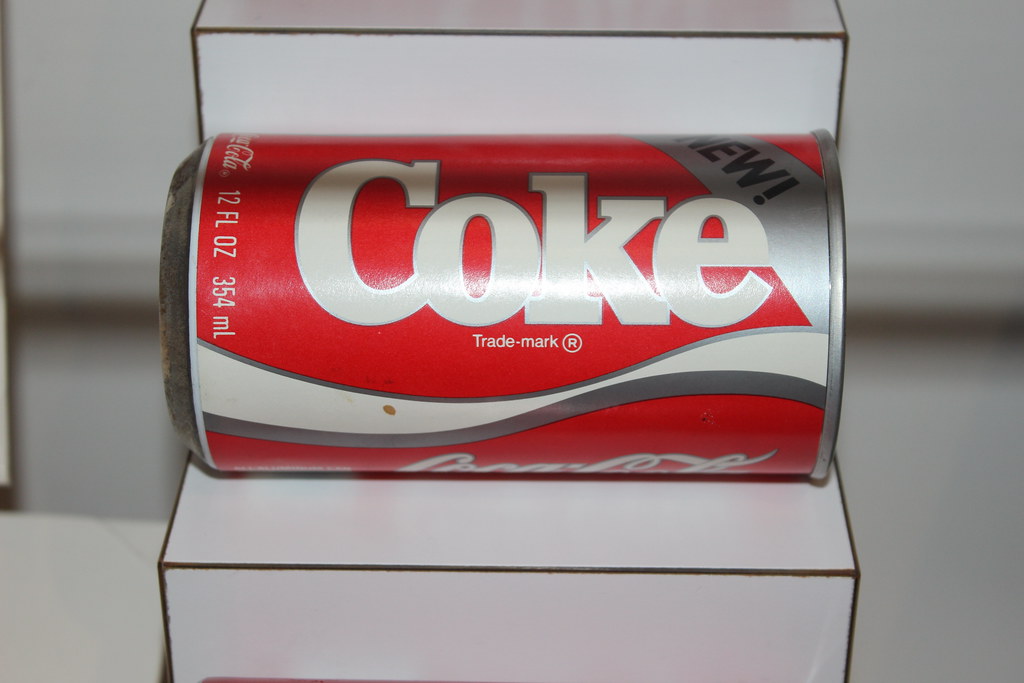
When Coca-Cola decided to change its original formula in 1985, it wasn’t a small tweak, it was a full rebranding of one of the most recognizable products in the world. The company introduced “New Coke” after taste tests suggested people preferred a sweeter formula. Executives believed it would help them compete more aggressively with Pepsi, which had been gaining ground at the time. On paper, it made sense, and internally, there was confidence it would be a long-term win.
What they didn’t anticipate was the emotional attachment people had to the original formula. The backlash was immediate and intense, with protests, angry calls, and even stockpiling of the old version. Within just 79 days, Coca-Cola brought back the original as “Coca-Cola Classic.” New Coke lingered for a while but never recovered. It became one of the most famous examples of a product misjudging consumer loyalty.
2. Google Glass (2013)
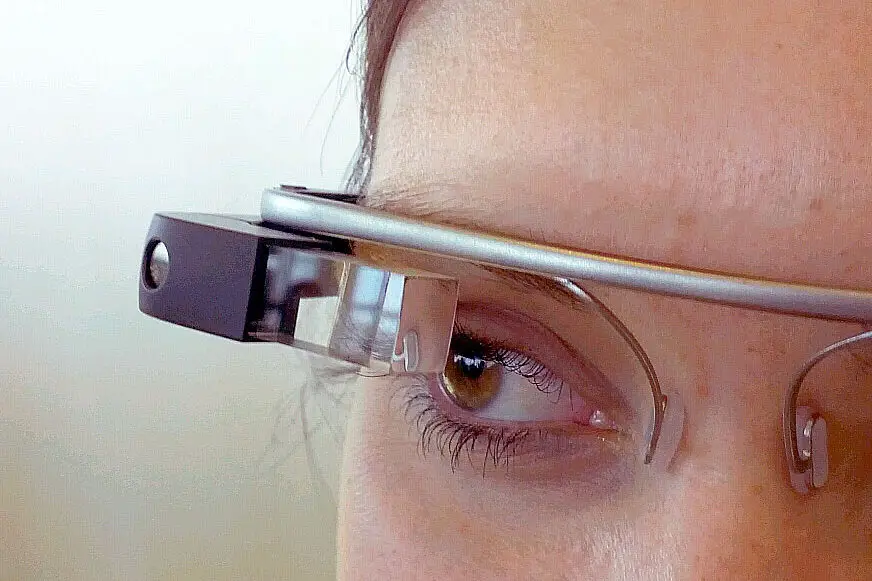
Google Glass was introduced as a wearable computer that could put information directly in your line of sight. The concept felt like something out of science fiction, allowing users to take photos, check messages, and navigate hands-free. Early adopters and tech enthusiasts were intrigued, and it received a lot of media attention during its launch phase. Google positioned it as the next step in personal technology.
However, privacy concerns quickly overshadowed the innovation. People were uneasy about being recorded without knowing, and the device’s noticeable design made users stand out in public. It also came with a high price tag and limited practical use for most consumers. By 2015, Google pulled it from the consumer market. While it still exists in specialized industries, it never became the everyday product it was expected to be.
3. Segway (2001)
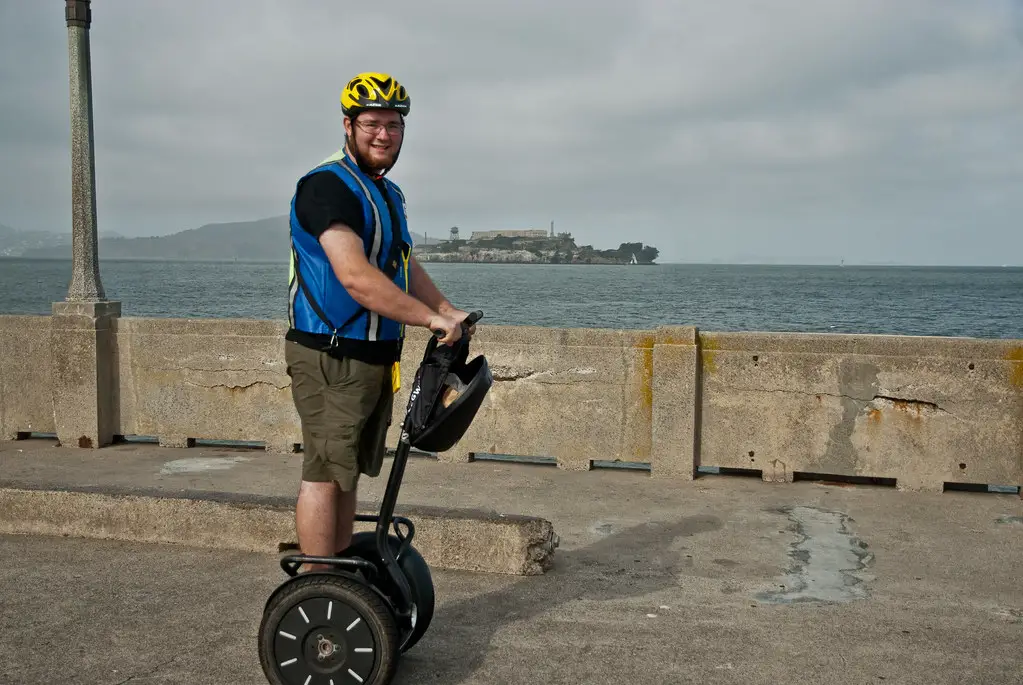
The Segway was introduced with enormous hype, with early reports suggesting it would revolutionize transportation in cities. Inventor Dean Kamen’s creation was a self-balancing electric scooter designed to replace walking for short distances. Before its release, speculation was so intense that some believed it would reshape urban planning. It was marketed as efficient, futuristic, and environmentally friendly.
In reality, it was expensive, bulky, and impractical for most people. Cities weren’t designed for it, and regulations limited where it could be used. It also never quite solved a problem that people felt urgently needed fixing. Sales remained far below expectations, and it became more associated with tours and niche uses. Production was officially discontinued in 2020.
4. Microsoft Zune (2006)
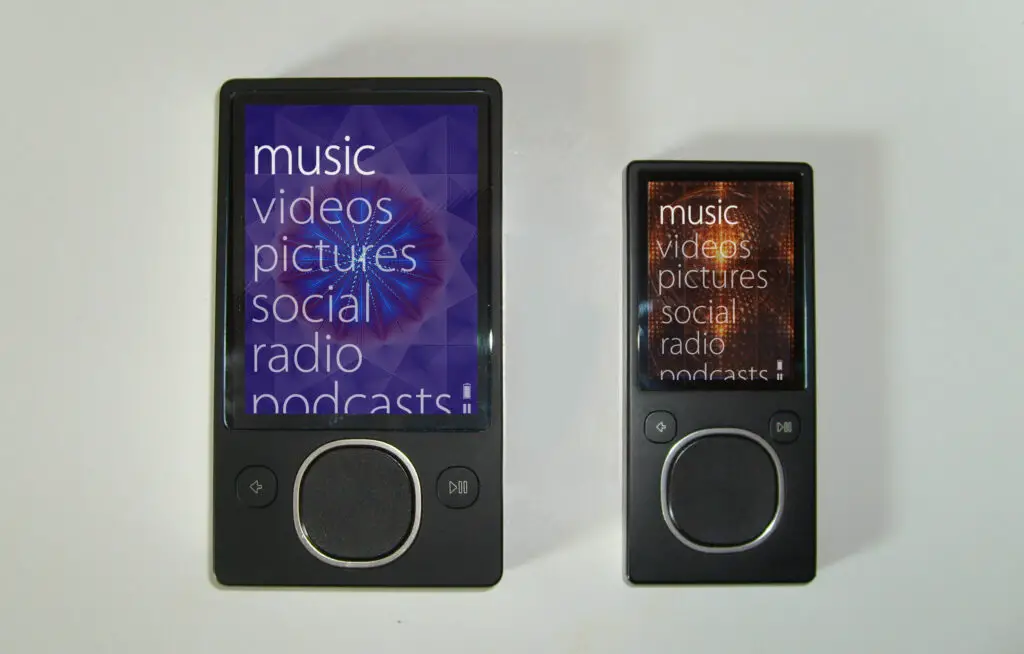
Microsoft launched the Zune as a direct competitor to Apple’s iPod, hoping to capture a share of the growing digital music market. The device had some interesting features, including wireless song sharing between users. Microsoft invested heavily in branding and even built an ecosystem around the product. At the time, it seemed like a serious challenger.
But it struggled to differentiate itself in a meaningful way. Apple already had a strong foothold with iTunes, and consumers were deeply invested in that ecosystem. The Zune’s late entry made it hard to gain traction, despite decent hardware. Over time, it quietly faded from the market. Microsoft discontinued it in 2011.
5. HD DVD (2006)
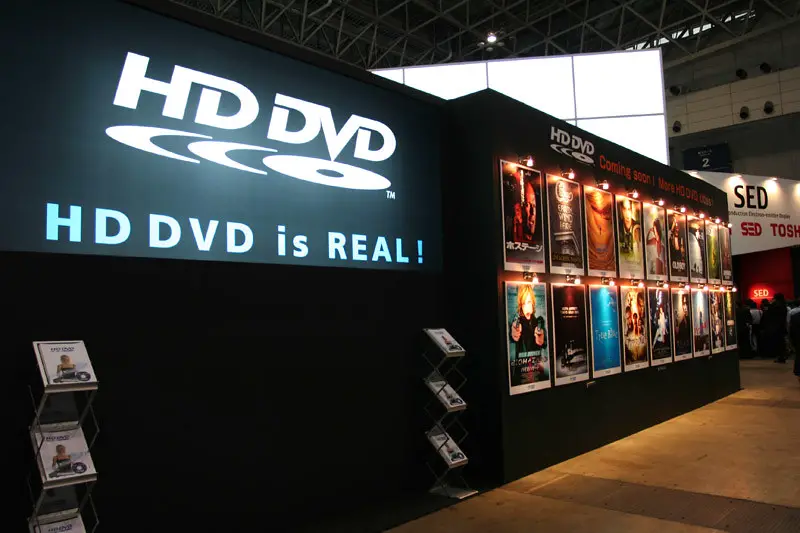
HD DVD was developed as a next-generation format to replace standard DVDs, competing directly with Blu-ray. Backed by companies like Toshiba, it offered high-definition video and was seen as a major step forward for home entertainment. Early on, it had some industry support and seemed like a legitimate contender. Consumers were introduced to both formats at the same time, creating a format war.
Ultimately, Blu-ray gained stronger backing from major studios and electronics manufacturers. Sony’s decision to include Blu-ray in the PlayStation 3 gave it a significant advantage. As more studios chose Blu-ray, HD DVD lost momentum. By 2008, Toshiba officially ended the format. It became another example of how industry support can determine a product’s survival.
6. Juicero (2016)
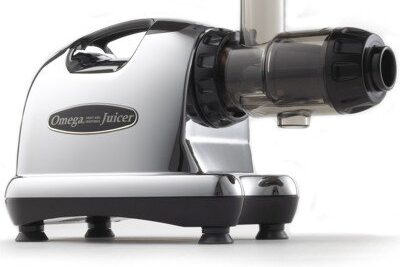
Juicero marketed itself as a high-tech solution for fresh juice at home, using pre-packaged produce packs and a Wi-Fi-connected press. The company positioned it as a premium, modern appliance for health-conscious consumers. It attracted significant investment and was initially priced at $699, later reduced to $399. The branding suggested convenience and innovation.
The problem came when it was discovered that the juice packs could be squeezed by hand just as effectively. This revelation made the expensive machine seem unnecessary. The story quickly went viral and damaged the company’s credibility. Sales collapsed soon after. Juicero shut down in 2017.
7. Amazon Fire Phone (2014)
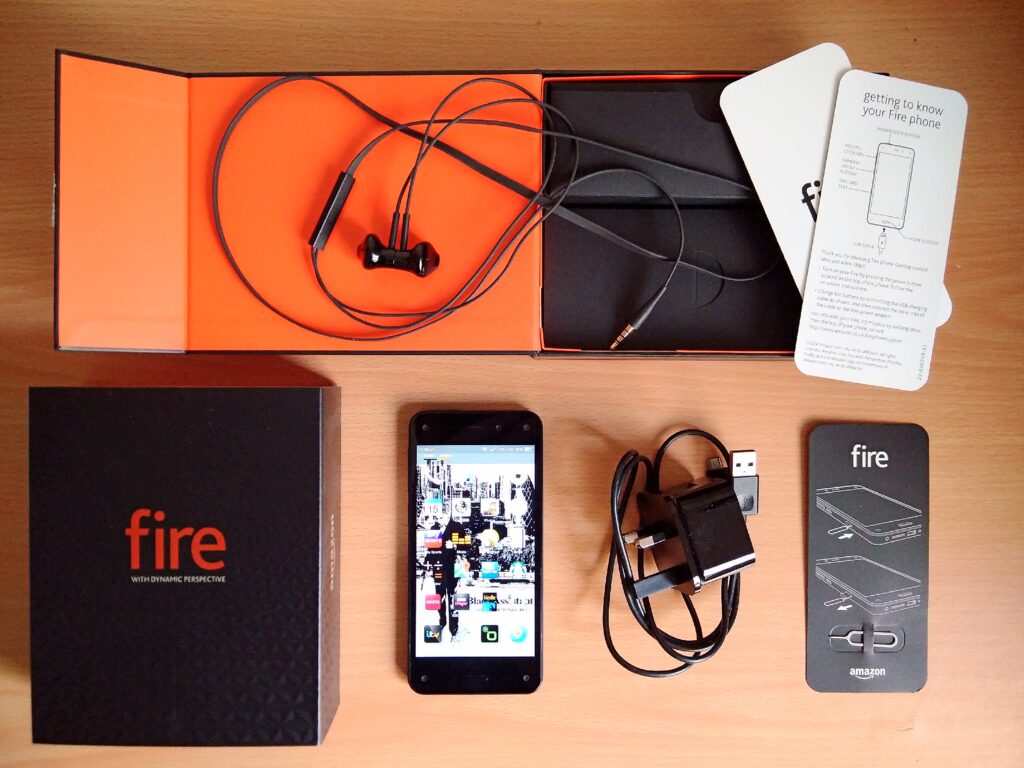
Amazon entered the smartphone market with the Fire Phone, hoping to extend its ecosystem into mobile hardware. The device featured unique elements like Dynamic Perspective, which created a pseudo-3D effect. It also had deep integration with Amazon services, including a feature called Firefly that could identify products. On paper, it was designed to enhance shopping and media consumption.
However, it struggled against established competitors like Apple and Samsung. The phone lacked key apps and relied heavily on Amazon’s own ecosystem, which limited its appeal. Its price was also high for what it offered. Reviews were lukewarm, and sales were poor. Amazon discontinued it within about a year.
8. Betamax (1975)
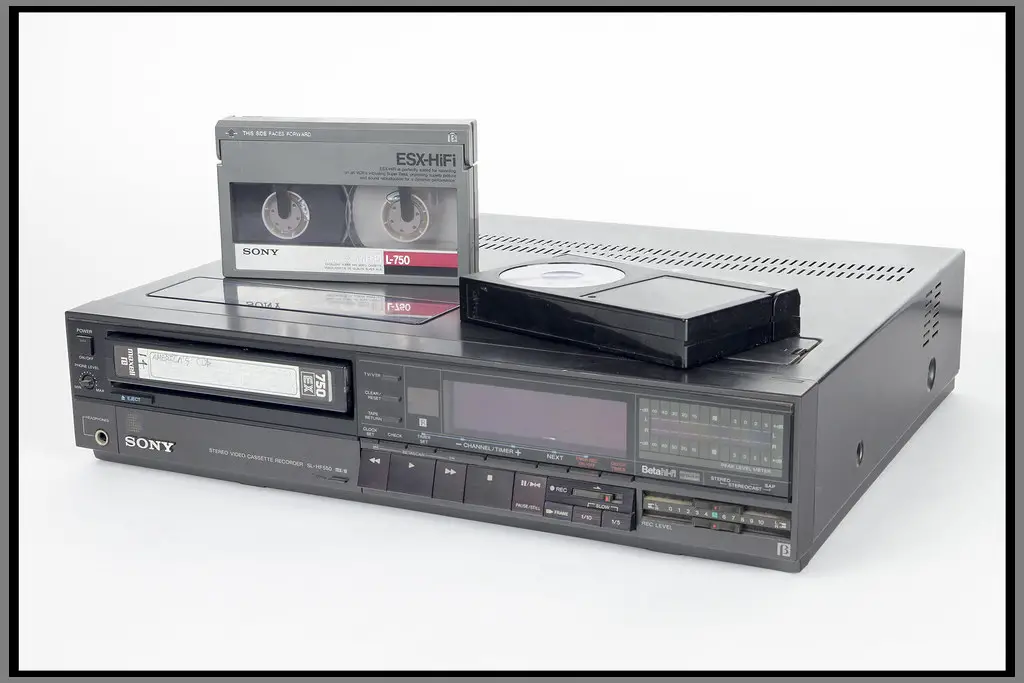
Betamax, developed by Sony, was one of the first home video cassette formats and initially had strong support. It offered better video quality than its main competitor, VHS. Early adopters appreciated its performance, and it seemed poised to dominate the market. For a time, it had a real advantage in quality.
But VHS allowed for longer recording times, which proved more important to consumers. It also gained wider industry support and more available titles. Over time, VHS became the standard for home video. Betamax gradually lost market share despite its technical strengths. Sony eventually discontinued Betamax products in the early 2000s.
9. Crystal Pepsi (1992)
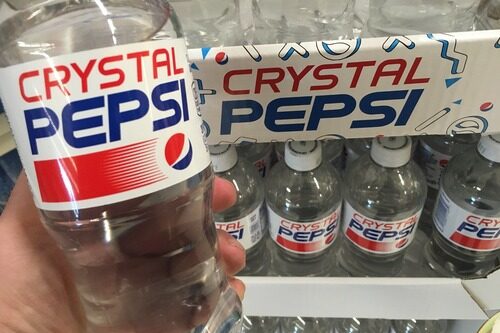
Crystal Pepsi was introduced as a clear cola during a period when “purity” and transparency in food products were trending. Pepsi marketed it as a cleaner, more natural alternative to traditional dark sodas. The idea was visually striking and generated strong initial curiosity. Early sales were promising.
But the taste didn’t quite match expectations, and consumers were confused by the mismatch between appearance and flavor. It didn’t clearly replace or improve upon existing options. Within a couple of years, it disappeared from shelves. Pepsi has brought it back briefly as a novelty, but it never became a permanent product.
10. Nintendo Virtual Boy (1995)
Nintendo’s Virtual Boy was an early attempt at virtual reality gaming, promising an immersive experience unlike anything else at the time. It used a headset-like device to display red-and-black 3D graphics. The concept was ambitious, especially for the mid-’90s. Nintendo expected it to open a new frontier in gaming.
Instead, it suffered from poor ergonomics and limited gameplay options. The visuals caused discomfort for many users, including headaches and eye strain. It also lacked portability and required players to remain in a fixed position. Sales were weak, and support quickly faded. Nintendo discontinued it within a year.
11. McDonald’s Arch Deluxe (1996)

McDonald’s introduced the Arch Deluxe as a more sophisticated burger aimed at adult customers. The company invested heavily in advertising, including a campaign that deliberately downplayed its appeal to kids. It was positioned as a premium offering within the fast-food space. Expectations were high given the scale of the rollout.
But it didn’t resonate with customers in the way McDonald’s hoped. The higher price and unfamiliar taste profile made it less appealing than existing menu staples. Despite the marketing push, sales never met expectations. The product was phased out within a few years. It remains one of the chain’s most notable misses.
12. Apple Newton (1993)
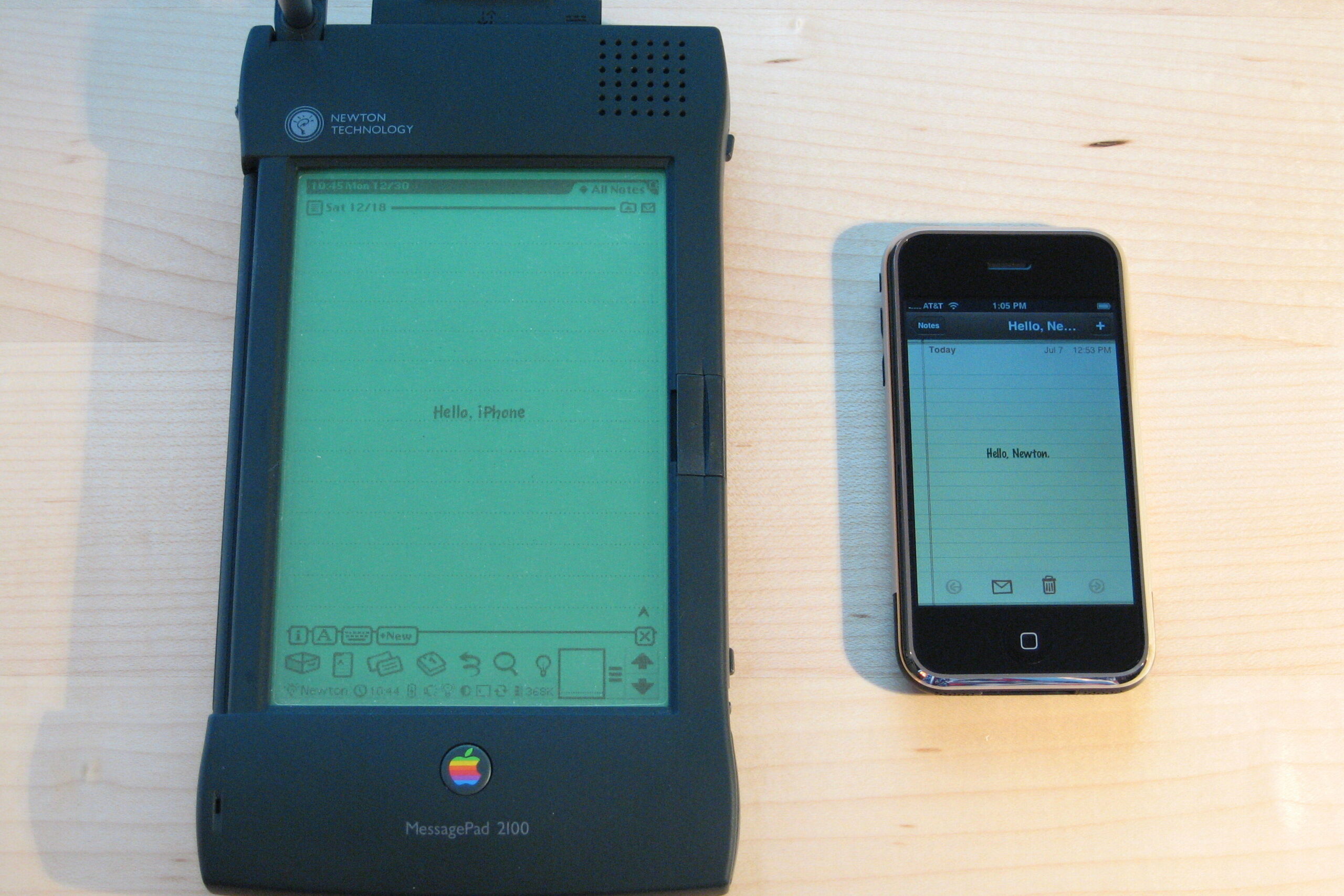
The Apple Newton was an early personal digital assistant designed to handle tasks like note-taking, scheduling, and contact management. It introduced concepts that would later become standard in smartphones and tablets. Apple positioned it as a powerful productivity tool for professionals. At the time, it was considered highly innovative.
However, its handwriting recognition technology was widely criticized for being inaccurate. The device was also expensive and somewhat bulky for everyday use. While it had a loyal niche following, it never achieved mainstream success. Apple discontinued it in 1998 after Steve Jobs returned to the company. Despite its failure, it laid groundwork for future devices.