
1. Riding a Bike
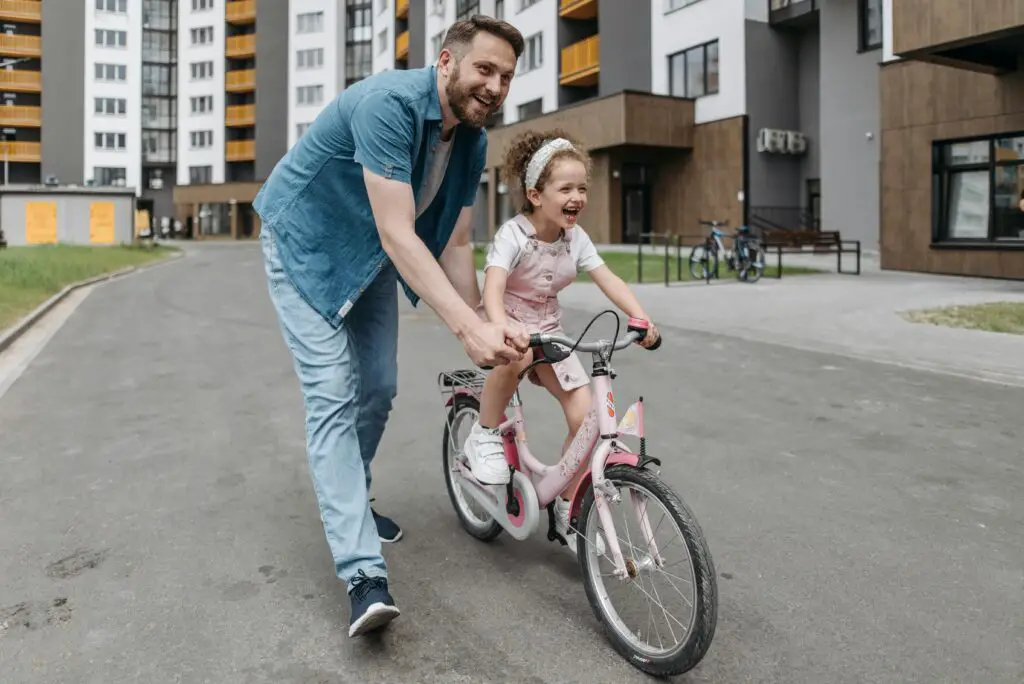
Most kids learned to ride a bike in the driveway with a patient parent or an older sibling. There were no online tutorials or professional coaches, just a wobbly start and a lot of scraped knees. Balance and confidence slowly clicked into place through trial and error. The lesson stuck for life without anyone calling it a lesson at all.
Once that first smooth stretch of pavement happened, freedom followed right behind it. Kids figured out how to steer, brake, and watch for cars on their own. They learned responsibility by getting themselves to a friend’s house safely. A simple bicycle became an early classroom on wheels.
2. Telling Time

Before digital clocks were everywhere, kids had to figure out those tricky hands on the wall. They learned the difference between a big hand and a little hand by asking questions at home. After a while, they could glance up and know exactly when their favorite show started. It happened naturally through daily routine.
Nobody needed a workbook to understand what half past or quarter to meant. Real life provided plenty of practice every single day. Checking the clock before dinner or bedtime became second nature. Time turned into something familiar instead of mysterious.
3. Basic Cooking
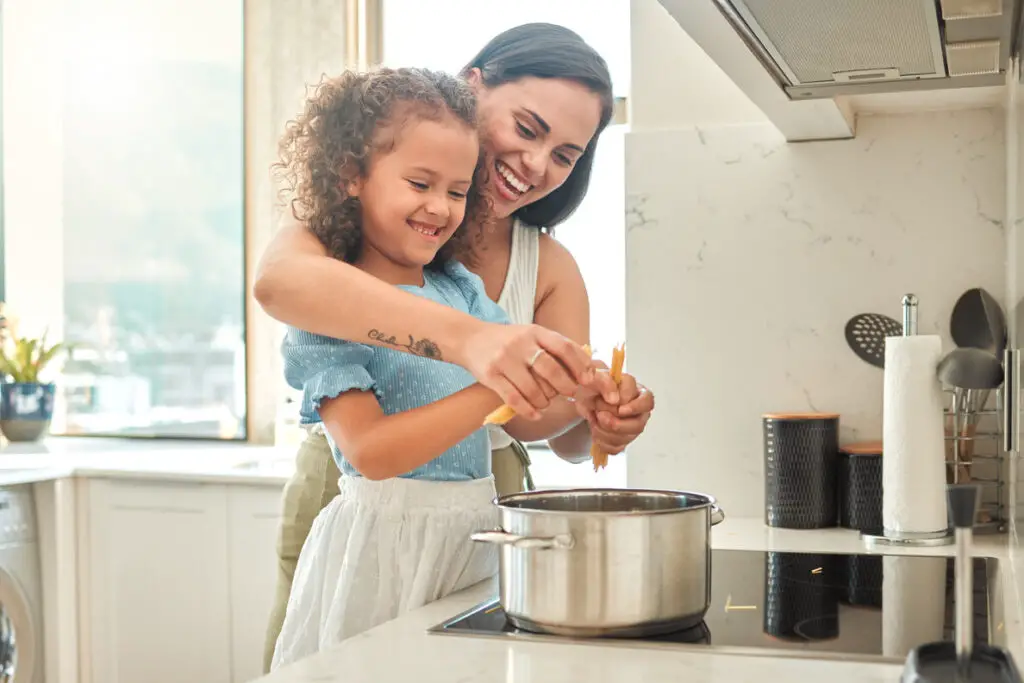
Many children picked up simple cooking skills just by hanging around the kitchen. Stirring a pot or cracking an egg became normal chores instead of formal instruction. Recipes were learned by watching and copying what adults did. Measuring cups quietly taught math without anyone realizing it.
Eventually kids could make a grilled cheese sandwich or a bowl of soup all by themselves. They learned how to follow steps in order and clean up the mess afterward. Cooking built confidence and independence one small meal at a time. Those early skills often carried right into adulthood.
4. Doing Laundry
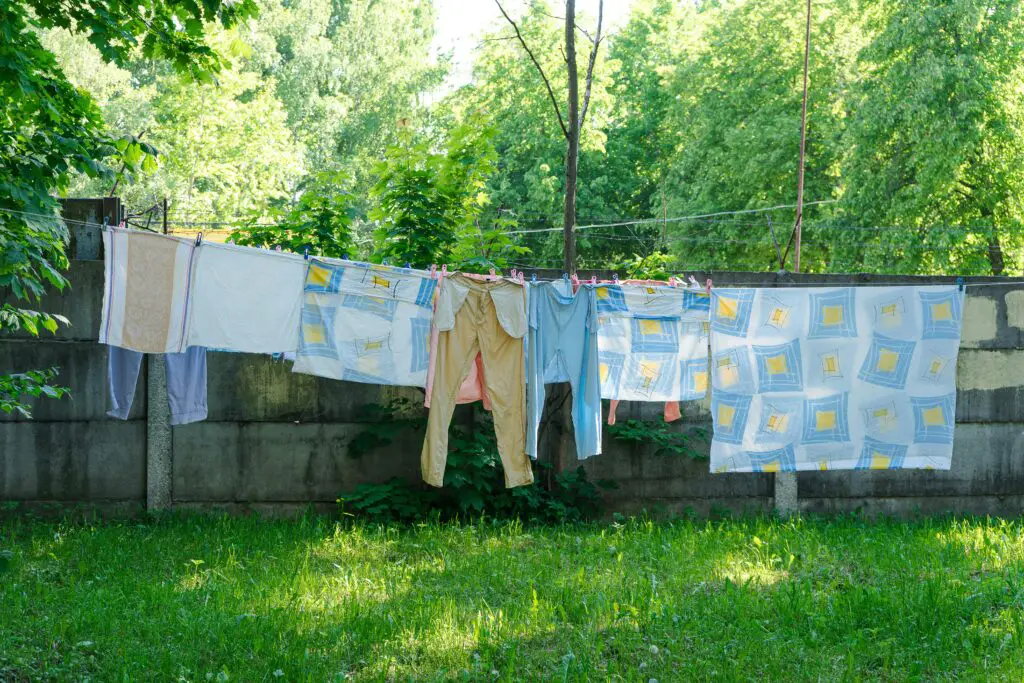
Laundry used to be a hands-on lesson passed down at home. Kids learned to separate colors from whites after accidentally shrinking a favorite shirt. Folding towels and matching socks became regular weekend duties. No one called it training, but it absolutely was.
Over time they understood which clothes needed cold water and which could handle heat. They figured out how much detergent was enough and how much was too much. These were practical life skills learned through simple repetition. Clean clothes were the reward for paying attention.
5. Managing Money

An allowance or a birthday card with cash inside became an early money classroom. Kids quickly learned that spending everything at once meant nothing left for later. Saving for a toy or a new game taught patience and planning. Those choices built real world financial sense.
Counting change at a store register helped with quick math skills. Comparing prices made children think carefully about value. Mistakes happened, but they became useful lessons instead of disasters. Handling small amounts of money prepared them for bigger decisions later.
6. Reading a Map
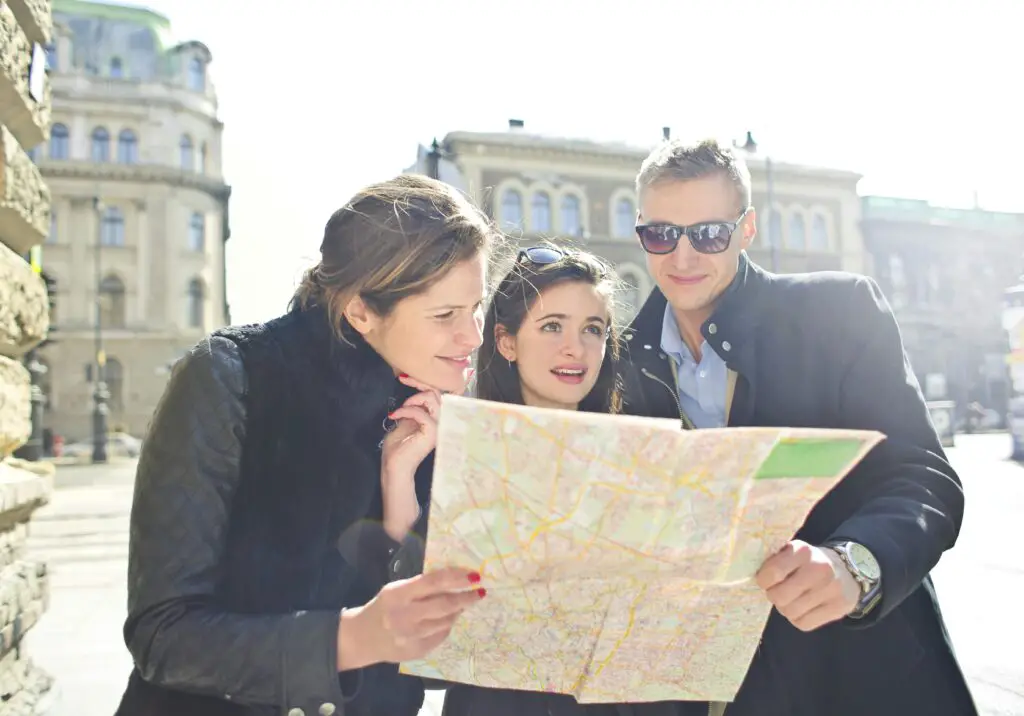
Long before phone apps gave directions, families relied on paper maps. Kids learned to trace routes with their fingers during road trips. They figured out how symbols and grids actually worked. Geography slowly made sense without a single test.
Following along from the back seat taught awareness and observation. Children learned to spot highways, rivers, and state lines on their own. Getting a little lost now and then was part of the education. Map reading became a quiet but valuable skill.
7. Basic First Aid
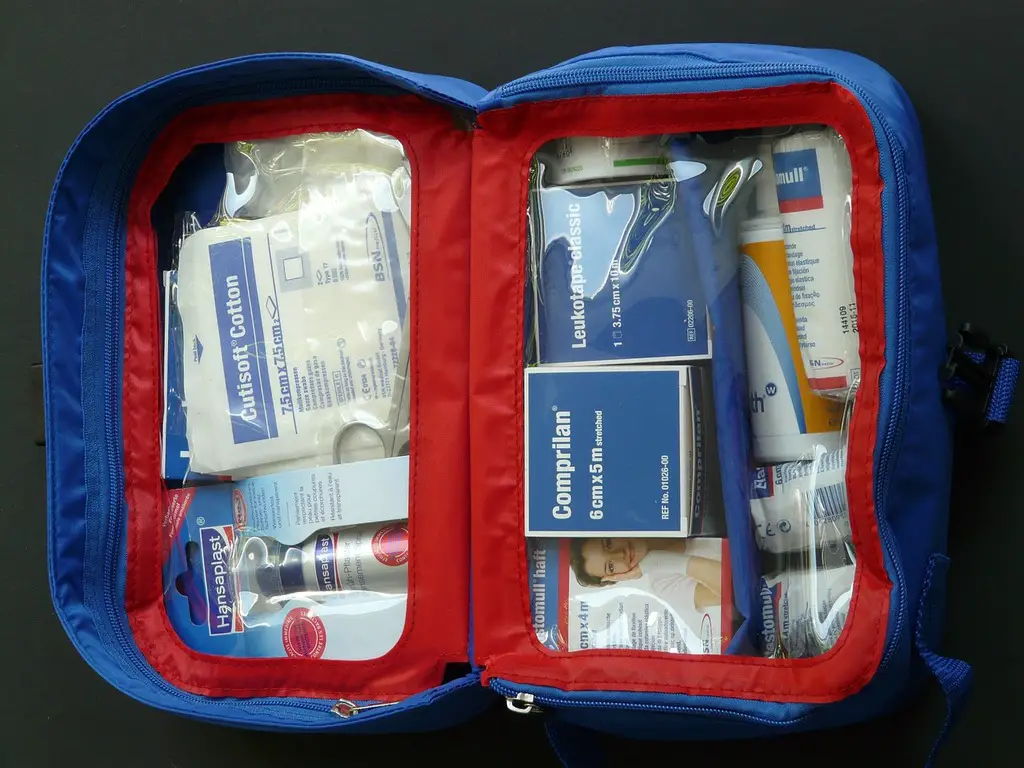
Small accidents at home turned into practical lessons in first aid. Kids learned how to clean a cut and put on a bandage. They figured out that ice helped a bump and rest helped a headache. Common sense grew out of everyday experience.
Parents and grandparents passed along simple health knowledge without making a big deal of it. Children learned when to ask for help and when they could handle things alone. Taking care of minor problems built confidence. Those lessons often stayed useful for a lifetime.
8. Holding a Conversation
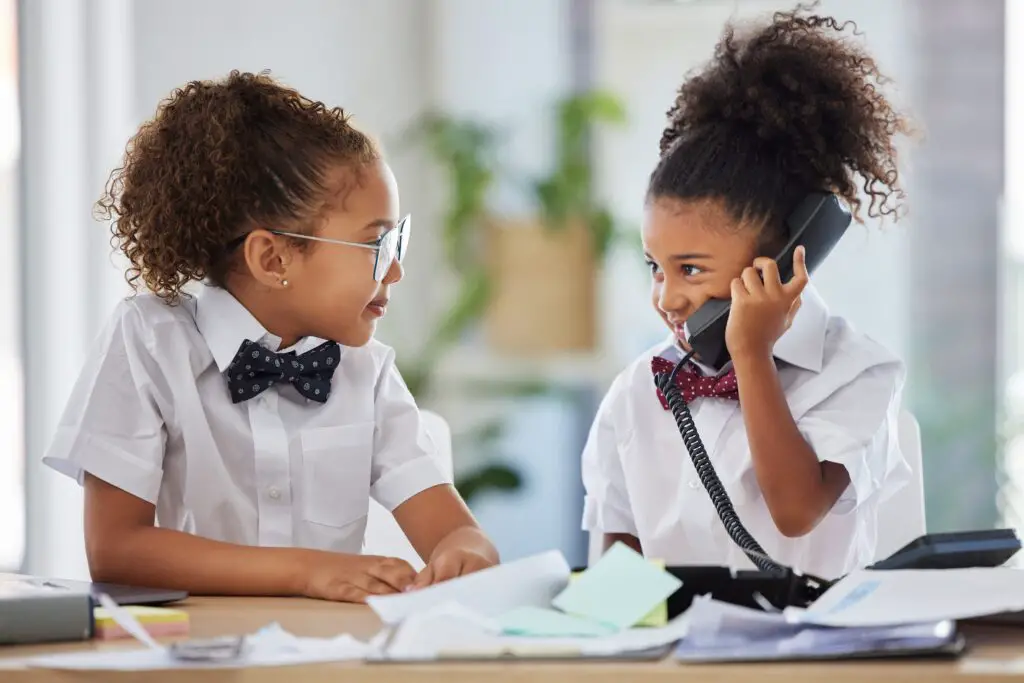
Talking with adults taught kids how to communicate long before social media existed. Family gatherings required eye contact and polite answers. Children learned to listen instead of just waiting to talk. Real conversations became natural through practice.
Answering the phone or speaking to a neighbor helped build social skills. Kids discovered how to introduce themselves and shake hands. These small moments shaped how they interacted with the world. No class was needed to teach simple human connection.
9. Fixing Small Problems
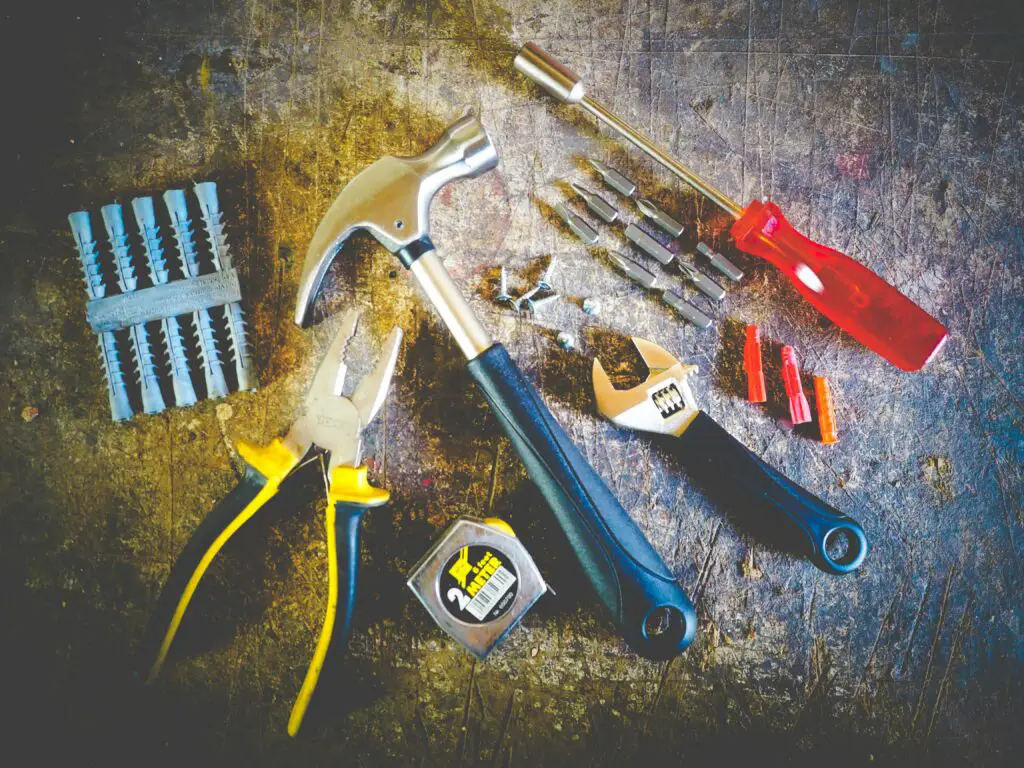
Loose screws, squeaky doors, and flat tires offered perfect hands-on training. Kids watched someone older grab a tool and solve the issue. Eventually they tried it themselves with a little guidance. Practical problem solving became part of everyday life.
Learning to use a hammer or a screwdriver felt empowering. Children realized that not every problem required an expert. Patience and creativity often worked better than panic. These tiny repair jobs quietly built lifelong confidence.
10. Caring for Pets
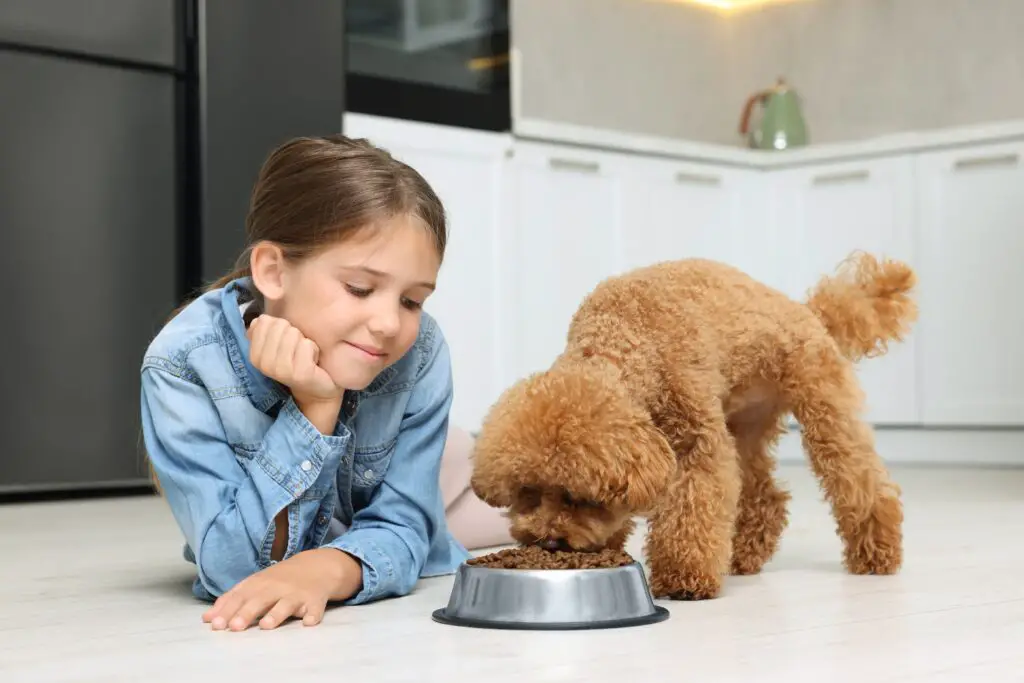
Feeding the dog or cleaning a fish tank taught responsibility without lectures. Kids learned that animals depended on them every single day. Forgetting a chore meant real consequences, not just a bad grade. Compassion grew naturally from daily routines.
Walking a pet or brushing a cat helped children understand commitment. They noticed that kindness and attention mattered. Taking care of another living thing became a meaningful life lesson. Those early experiences shaped how they treated others.
11. Growing Simple Gardens
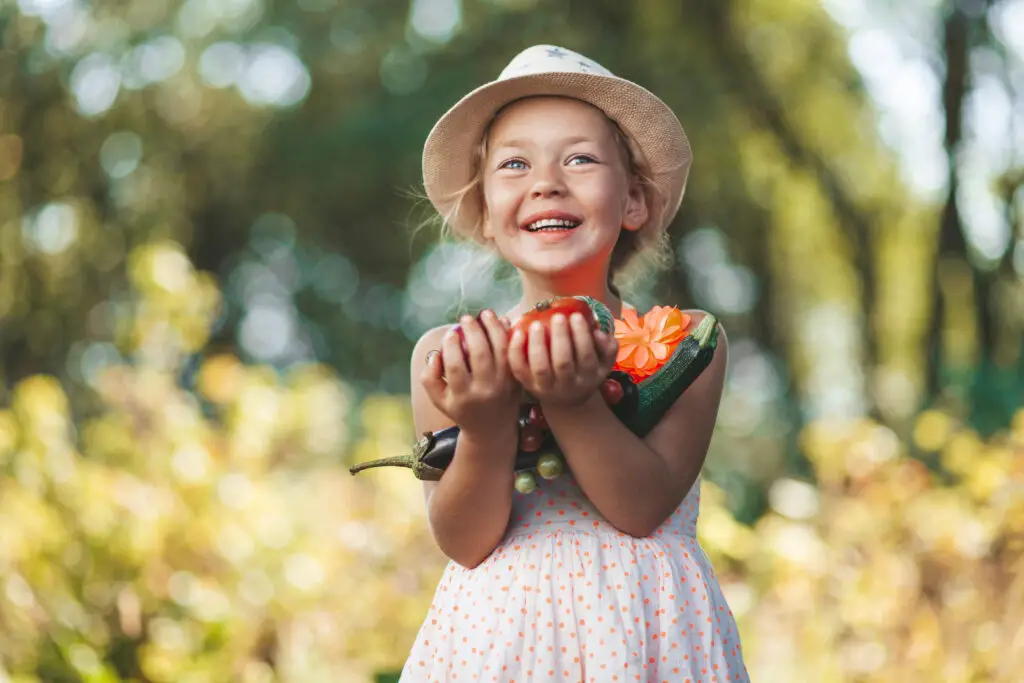
Many children learned gardening just by helping in the yard. Planting seeds showed them how patience and care produced results. Watering flowers or vegetables became a regular habit. Nature provided the best possible teacher.
Kids figured out that sunlight, soil, and time were all important. Pulling weeds and picking ripe tomatoes felt rewarding. They learned responsibility by keeping something alive and healthy. Gardening quietly connected them to the natural world.
12. Sharing and Compromising
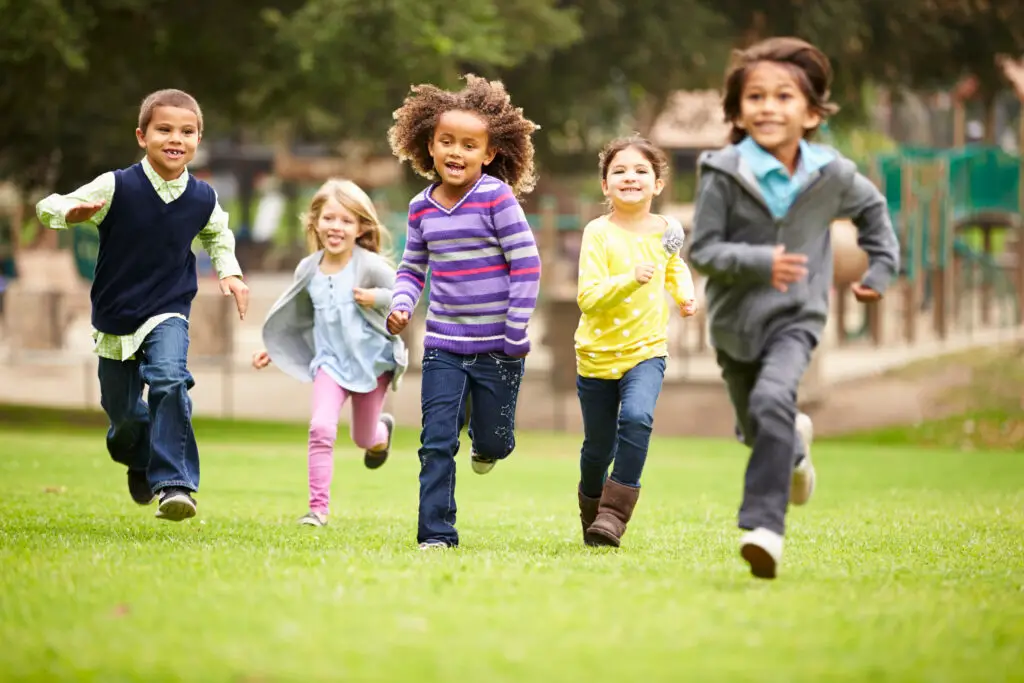
Playgrounds and living rooms became classrooms for social skills. Kids discovered that taking turns kept games going smoothly. Arguments with friends taught the art of compromise. These lessons happened naturally without formal rules.
Figuring out how to solve disagreements built emotional intelligence. Children learned to apologize and to forgive. They realized that cooperation usually worked better than stubbornness. Those everyday interactions shaped how they handled relationships later on.