
1. Times Square, New York City
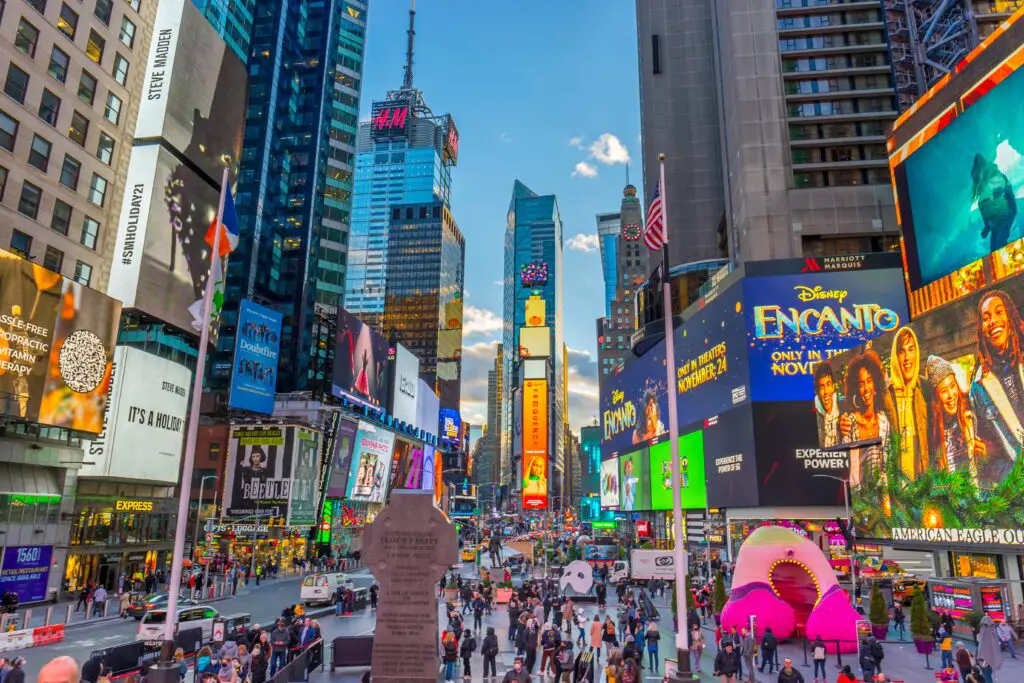
There was a stretch in the mid-20th century when Times Square felt like the pulse of the entire country. The neon lights, packed theaters, and constant buzz made it the place where people gathered for everything from movie premieres to New Year’s Eve celebrations. Before the area was cleaned up in the ’90s, it had a rougher edge that still drew crowds looking for excitement. It was chaotic, loud, and impossible to ignore, which is exactly what gave it that “center of everything” energy.
Over time, the grit faded and corporate storefronts moved in, changing the vibe completely. It is still one of the most visited places in the world, but it no longer feels like the cultural crossroads it once was. Back then, you could spend hours just watching the crowd and feel like you were witnessing something important. Now it feels more curated, more predictable. The crowds are still there, but the sense of unpredictability is not.
2. The Sunset Strip, Los Angeles
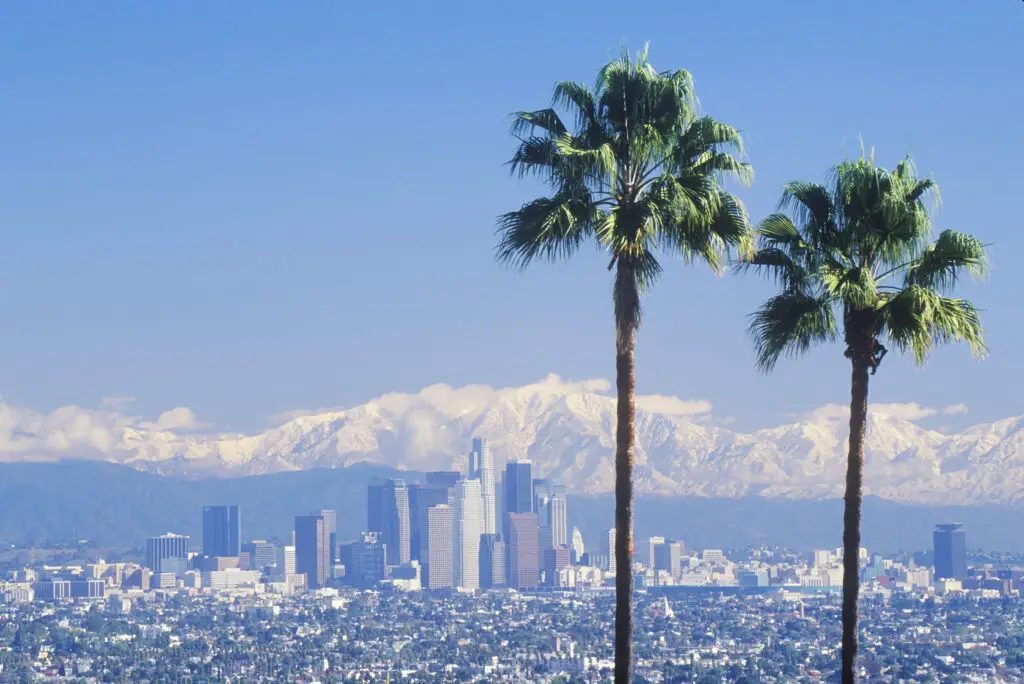
In the ’60s and ’70s, Sunset Strip was where music history seemed to unfold nightly. Clubs like Whisky a Go Go and The Roxy became launching pads for bands that would define entire generations. It was the kind of place where you could walk in without a ticket and end up seeing a future legend. The energy was raw, and the scene felt like it belonged to the people who showed up, not corporations.
That atmosphere slowly shifted as the music industry changed and venues became more commercialized. The Strip still exists, but it no longer feels like the epicenter of youth culture. Streaming and social media pulled that sense of discovery into people’s homes. What was once a physical gathering place for music fans has become more symbolic than central. The history is still there, but the moment has passed.
3. Studio 54, New York City
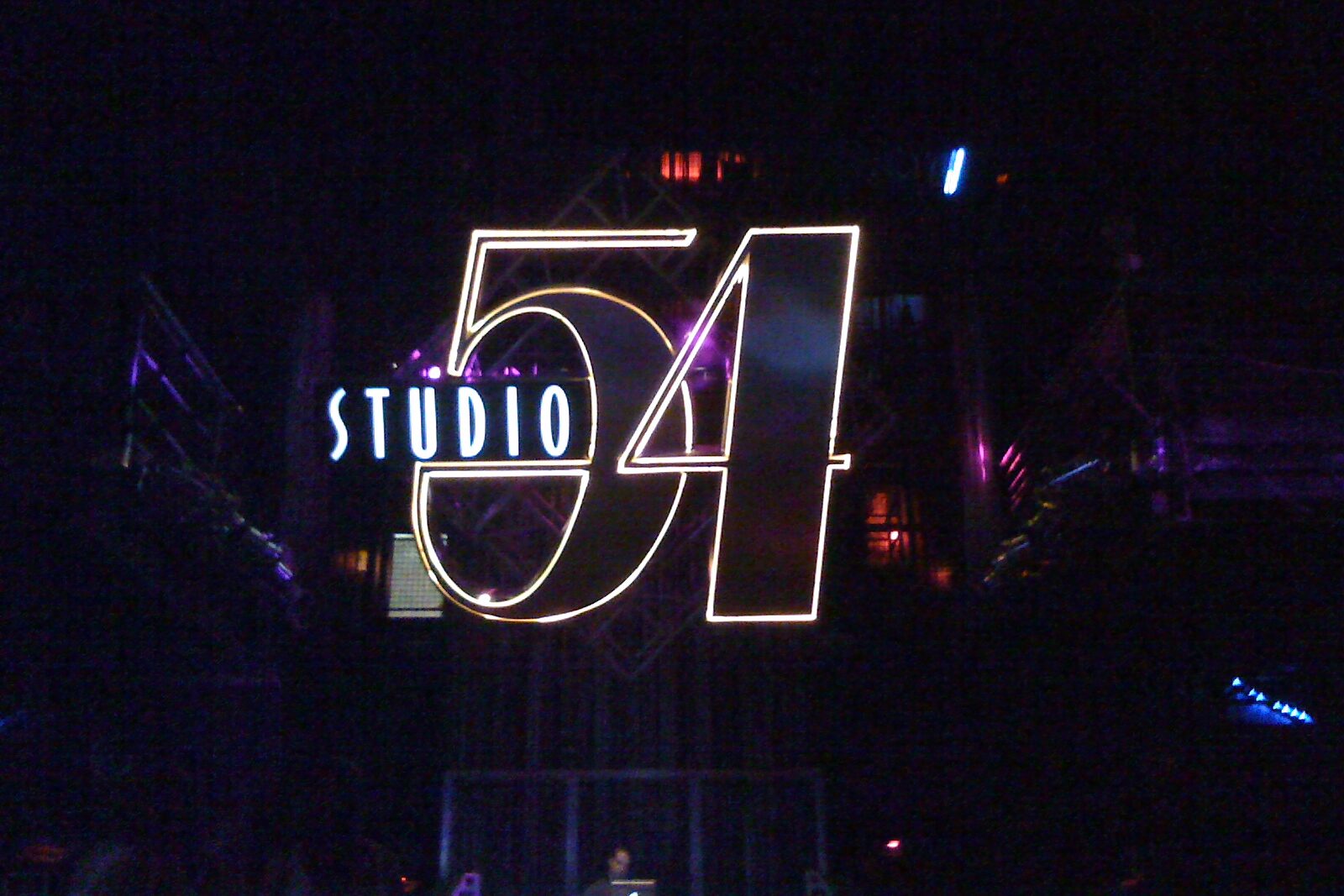
For a brief but unforgettable period in the late ’70s, Studio 54 was the place to be seen. It was not just a nightclub, it was a cultural phenomenon where celebrities, artists, and everyday people mixed in a way that felt completely new. The velvet rope outside was as famous as anything happening inside, turning exclusivity into part of the appeal. Getting in meant you were part of something bigger.
Its closure in 1980 marked the end of that specific kind of nightlife dominance. Clubs still come and go, but none have quite captured that same cultural weight. Studio 54 was less about music and more about the moment it created. Once it was gone, that feeling disappeared with it. It remains iconic, but firmly in the past.
4. The Mall, Washington, D.C.

At various points in American history, National Mall has felt like the center of the nation’s voice. From the March on Washington to presidential inaugurations, it has hosted moments that shaped the country. People gathered there not just to visit monuments, but to participate in history. It carried a sense of gravity that few places could match.
While it still hosts major events, the way people engage with national moments has shifted. Media coverage and digital platforms now spread that sense of importance far beyond a single physical location. The Mall remains symbolic, but it no longer feels like the only place where history is happening. Its role has become more ceremonial than central. The meaning is still there, just less concentrated.
5. Grand Central Terminal, New York City
At its peak, Grand Central Terminal was more than a transit hub, it was a daily crossroads for thousands of people. In the early 20th century, it represented movement, ambition, and the rhythm of a growing city. Soldiers departed from there during wartime, and families reunited under its famous clock. It was one of those places where everyday life felt larger than itself.
As travel habits changed, especially with the rise of air travel and suburban commuting patterns, its role shifted. It is still busy, but not in the same all-encompassing way it once was. Fewer people rely on it as the central artery of their lives. The building itself remains stunning, but the emotional weight has softened. It feels more historic than essential now.
6. Woodstock, Bethel, New York
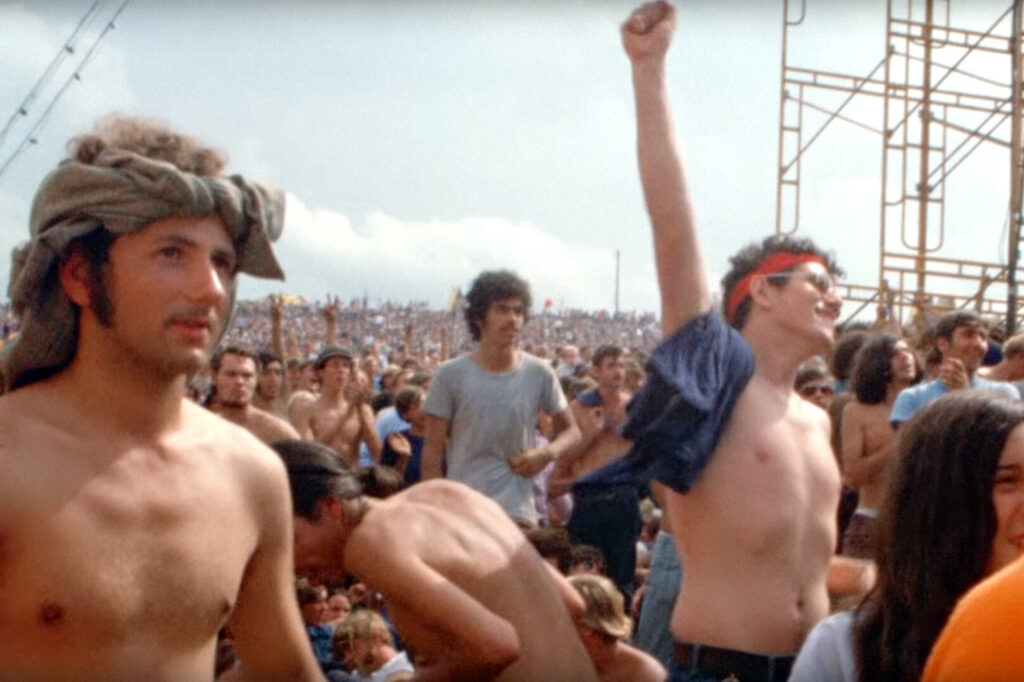
The 1969 Woodstock Festival in Bethel, New York, turned a quiet area into the center of a cultural movement almost overnight. For three days, it felt like the entire youth counterculture had gathered in one place. Music, protest, and a shared sense of identity all collided there. It was chaotic, imperfect, and unforgettable.
After the festival ended, that sense of centrality disappeared just as quickly as it arrived. The location returned to being a rural area with historical significance, but not ongoing influence. Woodstock became more of an idea than a place. People still reference it, but they are talking about a moment in time. The physical site never again held that same power.
7. Atlantic City Boardwalk
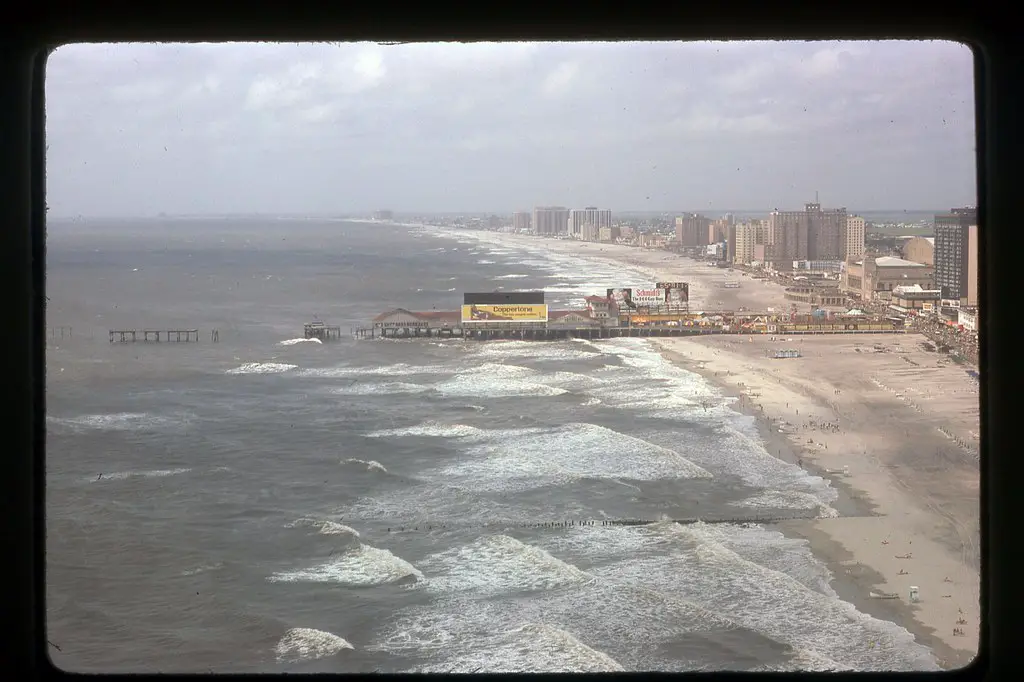
In the early 20th century, Atlantic City Boardwalk was one of the most popular vacation destinations in the United States. Families, entertainers, and socialites all passed through, making it feel like a national gathering spot. The boardwalk itself was lined with attractions, shops, and performances that kept people coming back. It was a place where trends seemed to start.
The city’s fortunes shifted over time, especially as other destinations gained popularity. Casinos brought a new kind of attention, but changed the character of the area. The boardwalk still draws visitors, but it no longer feels like the cultural hub it once was. Its influence has become more regional than national. The nostalgia remains stronger than the current reality.
8. Route 66
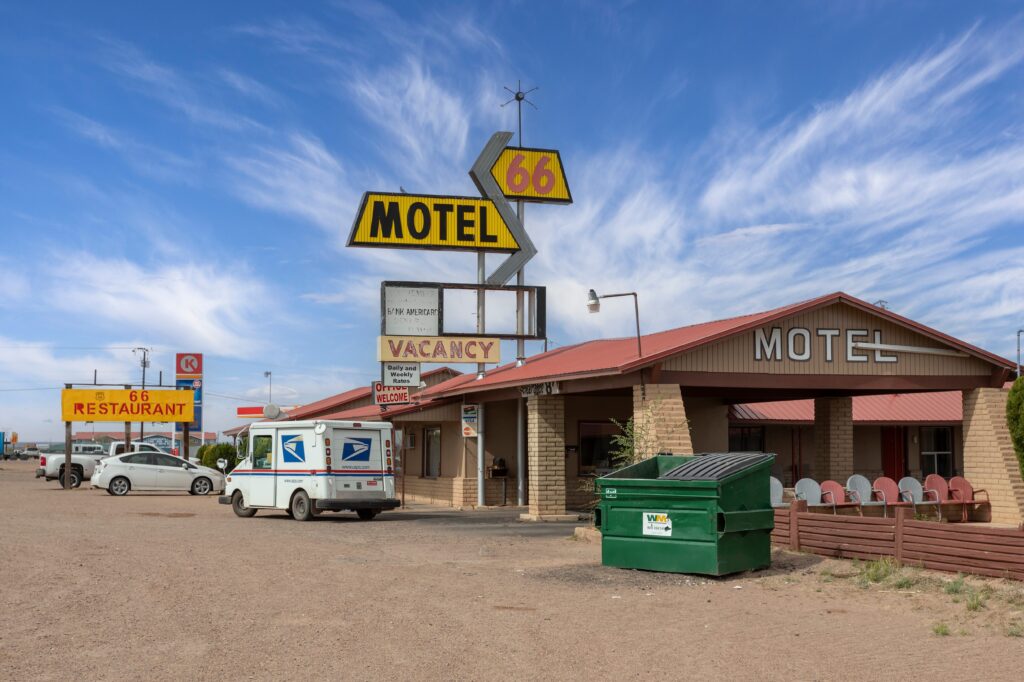
For decades, U.S. Route 66 symbolized freedom and movement across America. Stretching from Chicago to Santa Monica, it was the path families took for road trips, migrations, and new beginnings. Small towns along the route thrived because of the steady flow of travelers. It felt like the backbone of the country.
The construction of the Interstate Highway System gradually made Route 66 obsolete. Travelers moved to faster, more efficient roads, leaving many of those towns behind. Today, it exists more as a nostalgic route than a central one. People seek it out for history, not necessity. Its importance is remembered, but no longer lived.
9. The Apollo Theater, Harlem
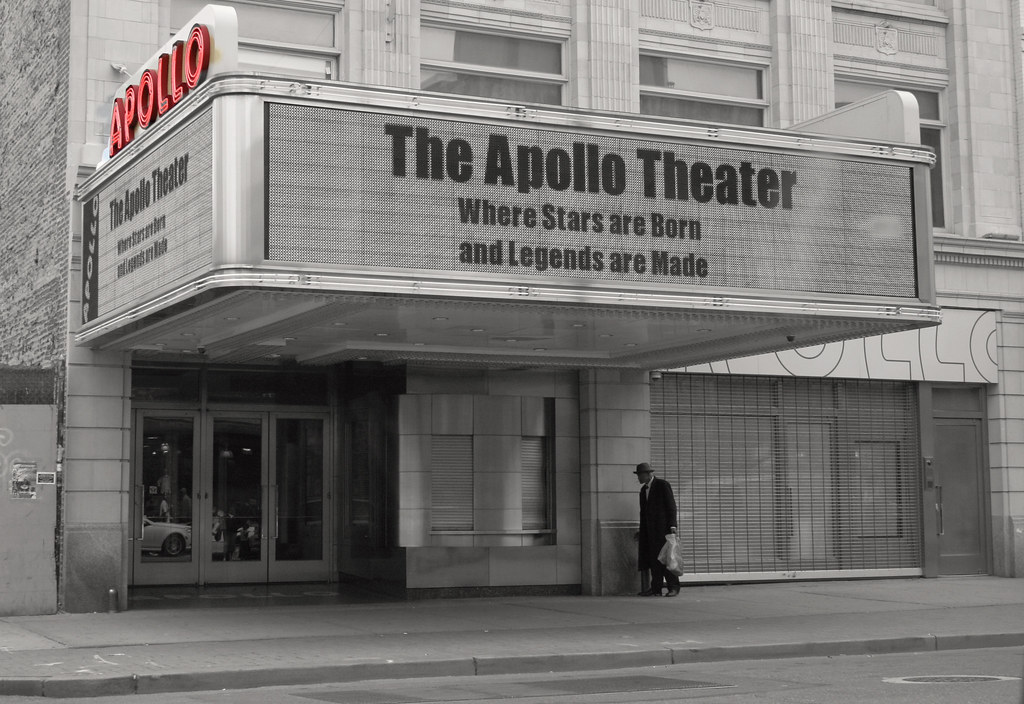
During the Harlem Renaissance and beyond, Apollo Theater was a defining stage for Black performers. Legends like Ella Fitzgerald and James Brown built their careers there. Amateur Night alone made it feel like the center of musical discovery. If something big was happening in music, chances were it passed through the Apollo.
While it remains an important cultural landmark, the industry has expanded far beyond a single venue. Artists now break through in many different ways, often without a physical stage at all. The Apollo still holds prestige, but not exclusivity. Its influence is part of a larger ecosystem now. The magic is still there, just more dispersed.
10. Ellis Island, New York Harbor
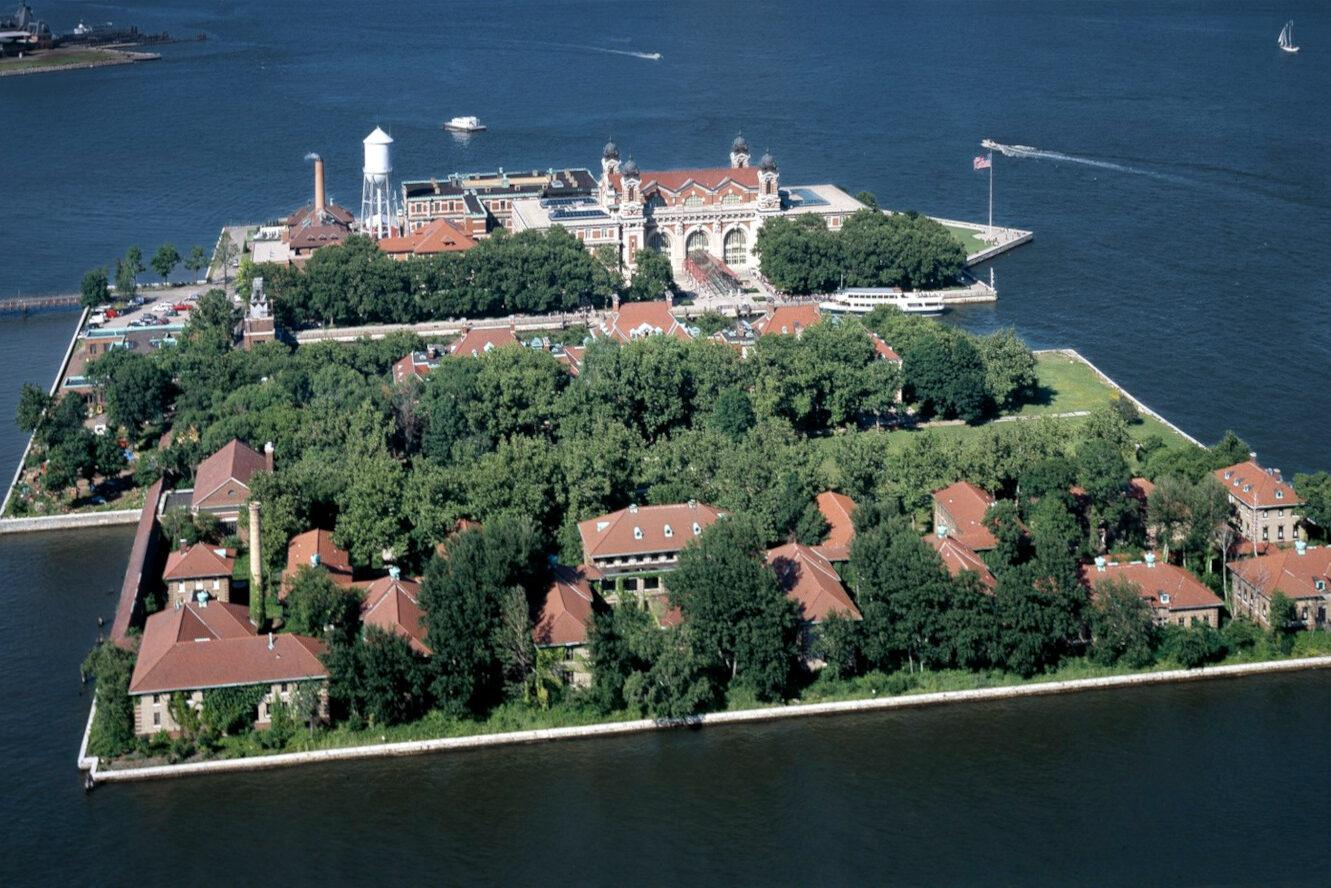
For millions of immigrants, Ellis Island was the gateway to a new life. Between 1892 and 1954, it processed more than 12 million people entering the United States. For those arriving, it truly felt like the center of the world, where everything changed in a single moment. Families began entirely new chapters there.
After it closed, immigration processes moved elsewhere and became less centralized. Ellis Island became a museum, preserving the stories rather than creating new ones. Its role shifted from active to reflective. People visit now to understand history, not to live it. The emotional weight remains, but the function does not.
11. Coney Island, Brooklyn
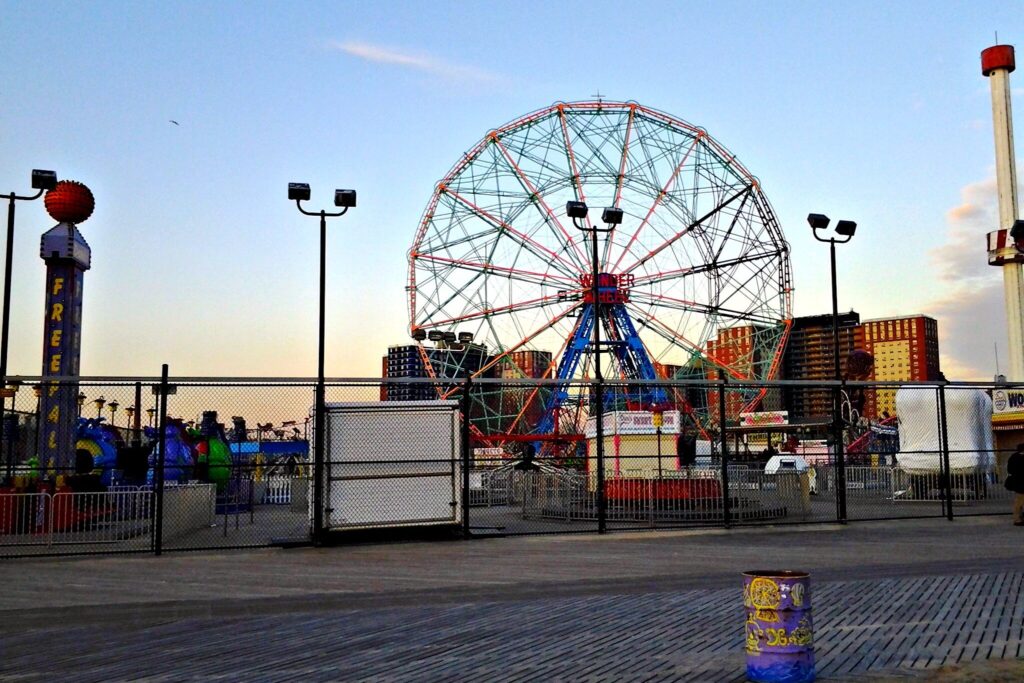
At its height in the early 1900s, Coney Island was America’s playground. Amusement parks, sideshows, and beaches drew massive crowds looking for escape and entertainment. It was one of the few places where people from different backgrounds mixed freely. The energy was constant and electric.
Over time, many of the original attractions disappeared, and the area went through periods of decline. While it has seen revitalization efforts, it no longer holds the same national spotlight. Other entertainment options have taken its place. Coney Island is still iconic, but not central. Its peak belongs to another era.
12. The Las Vegas Strip
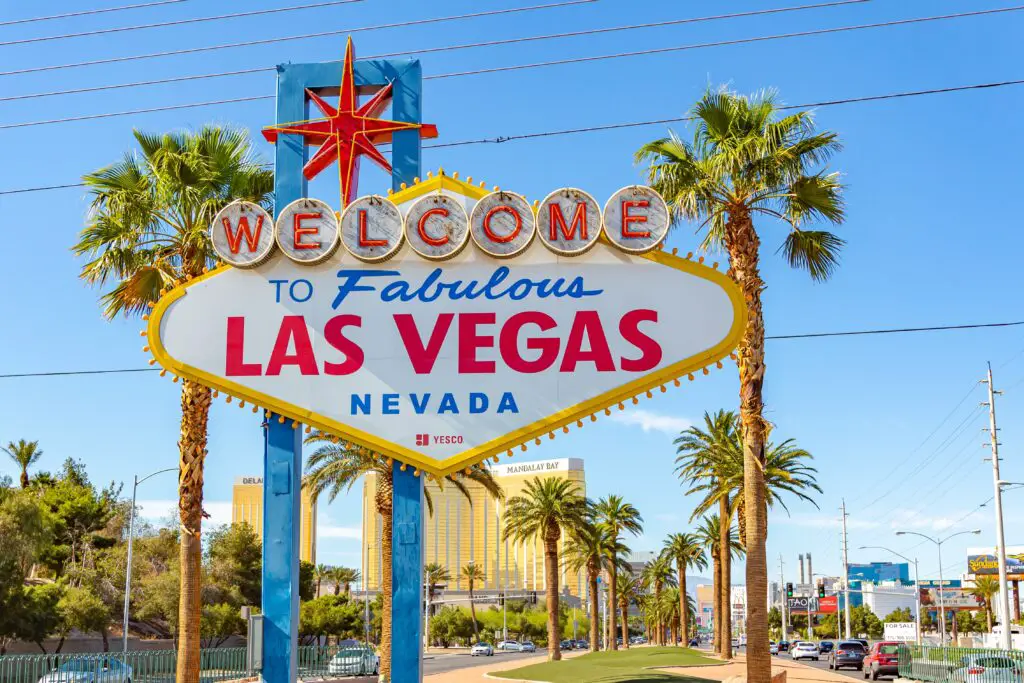
There was a time in the mid-20th century when Las Vegas Strip felt like the entertainment capital of the world. Performers like Frank Sinatra made it a must-visit destination. The shows, casinos, and atmosphere created a sense that everything exciting was happening there. It was a place people traveled to just to be part of it.
While Las Vegas remains popular, entertainment has become more global and decentralized. Major shows now happen in cities around the world, and digital entertainment competes for attention. The Strip is still busy, but it is no longer the singular center it once was. Its influence is shared with many other places. The spotlight has widened.
13. The Berlin Wall
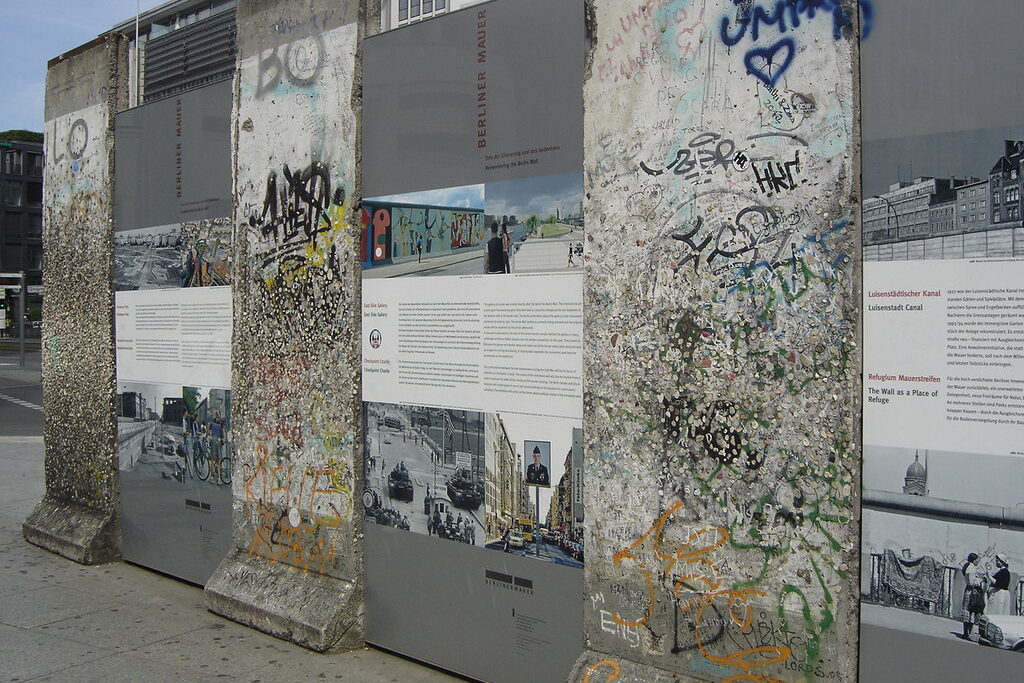
For decades, the Berlin Wall represented the center of geopolitical tension during the Cold War. It physically divided a city and symbolized a much larger global conflict. Events surrounding it were watched closely around the world. It was not a place people gathered for fun, but it still felt central to global attention.
When the Fall of the Berlin Wall occurred, that centrality shifted overnight. The wall’s destruction marked the end of an era and changed its meaning entirely. Today, only fragments remain as historical markers. The focus moved from division to remembrance. Its importance is now symbolic rather than active.
14. Silicon Valley, California
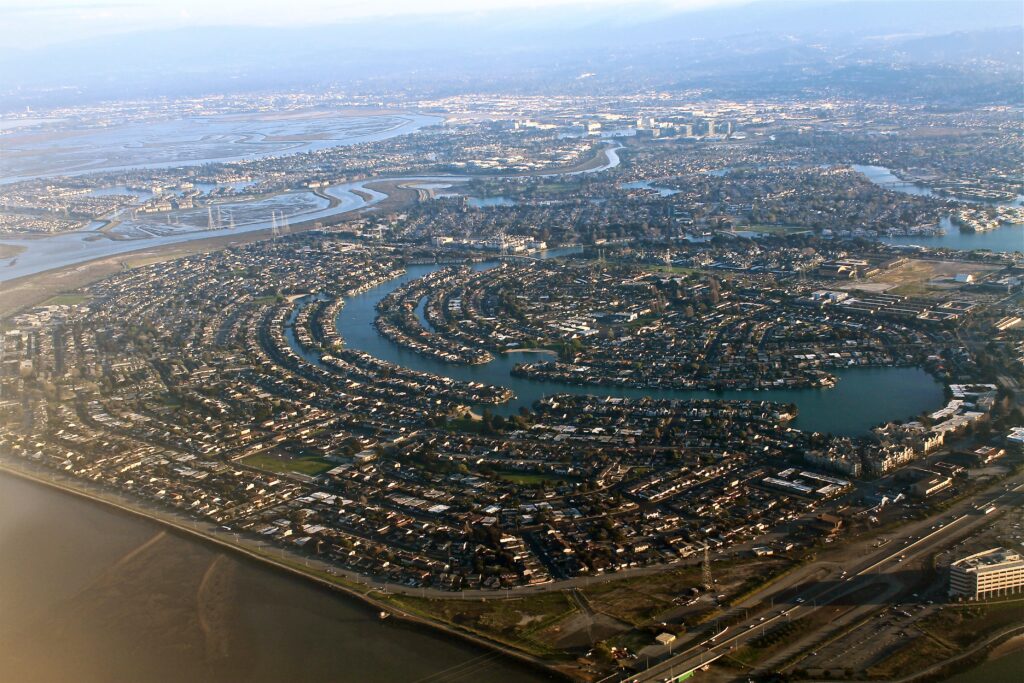
In the late ’90s and early 2000s, Silicon Valley felt like the center of the technological universe. Companies like Apple Inc. and Google turned the region into a hub of innovation. Startups, venture capital, and new ideas all seemed to converge there. If something big was happening in tech, it usually started in Silicon Valley.
That influence still exists, but it is no longer as concentrated. Tech innovation now happens globally, from Austin to international hubs like London and Bangalore. Remote work has also reduced the need to be physically located there. Silicon Valley remains powerful, but it is part of a broader network. The center has expanded beyond a single place.