
1. Shopping Mall Arcades
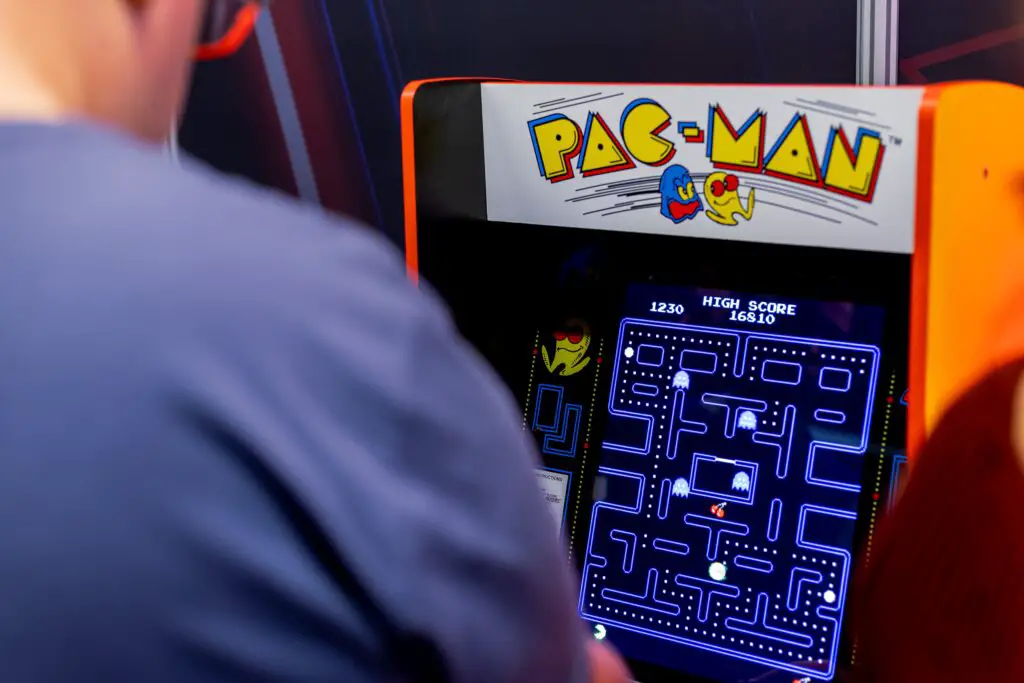
Before home consoles became powerful and affordable, arcades inside shopping malls were a main destination for kids. You could walk in with a handful of quarters and lose track of time moving from one cabinet to the next. Games like Pac-Man and Street Fighter II drew crowds, and there was always someone better than you waiting to challenge your score. The sounds alone, buzzing machines, digital music, and constant chatter, created an atmosphere that felt electric. Parents would wander off to shop while kids stayed planted in front of glowing screens. It was one of the few places where kids could feel independent without actually being far from home.
By the late ’90s and early 2000s, home gaming systems like the PlayStation and Xbox began to replicate the arcade experience. Malls themselves started declining, and arcades were often among the first businesses to close. Some linger in niche locations or retro-themed spots, but the everyday mall arcade is largely gone. What replaced it is more isolated gaming at home rather than shared physical spaces. That shift changed not just how kids played, but how they socialized around games. For many, the memory of lining up quarters on a machine still feels oddly vivid.
2. Roller Rinks
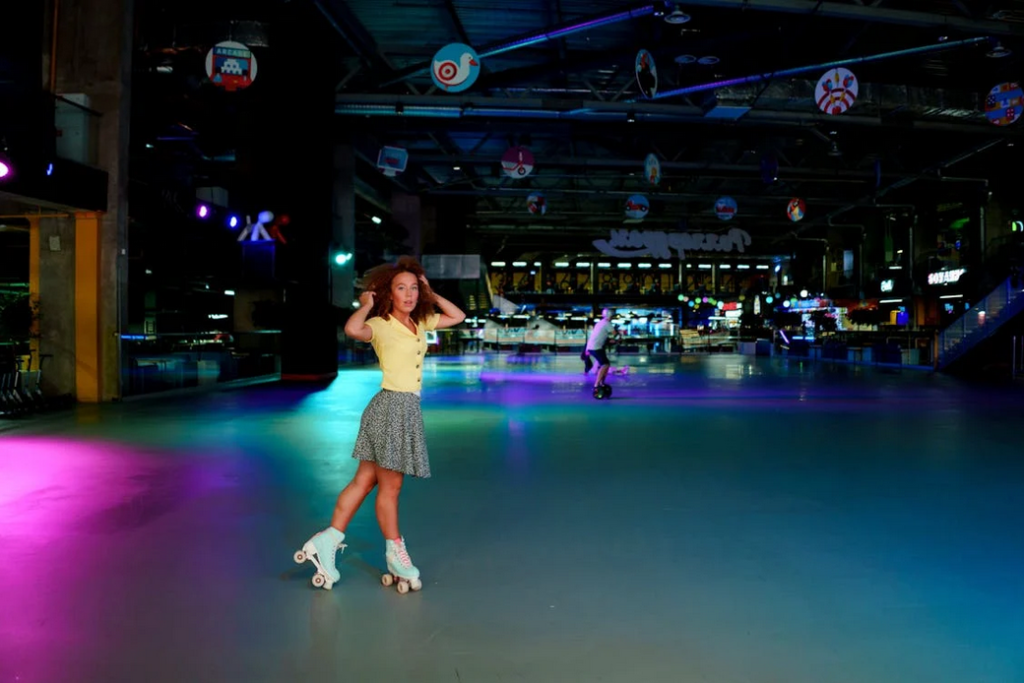
Roller rinks used to be a weekly ritual for a lot of kids, especially through the ’70s, ’80s, and into the ’90s. Birthday parties, school events, and weekend nights all seemed to happen under dim lights with a disco ball overhead. You would lace up skates that never quite fit right and circle the rink for hours. Music blasted through speakers, and there was always that one slow song where couples awkwardly held hands. The snack bar sold soda in plastic cups and slices of pizza that somehow tasted better in that setting. It was a mix of exercise, socializing, and mild chaos.
Over time, many rinks shut down due to rising property costs and declining attendance. Entertainment options shifted toward home-based activities and digital experiences. While some roller rinks still exist, they are far less common than they once were. The culture around them, especially the packed Friday night sessions, has mostly faded. For kids growing up now, it is not the default hangout it used to be. Those who experienced it tend to remember the combination of music, motion, and nerves more than anything else.
3. Video Rental Stores
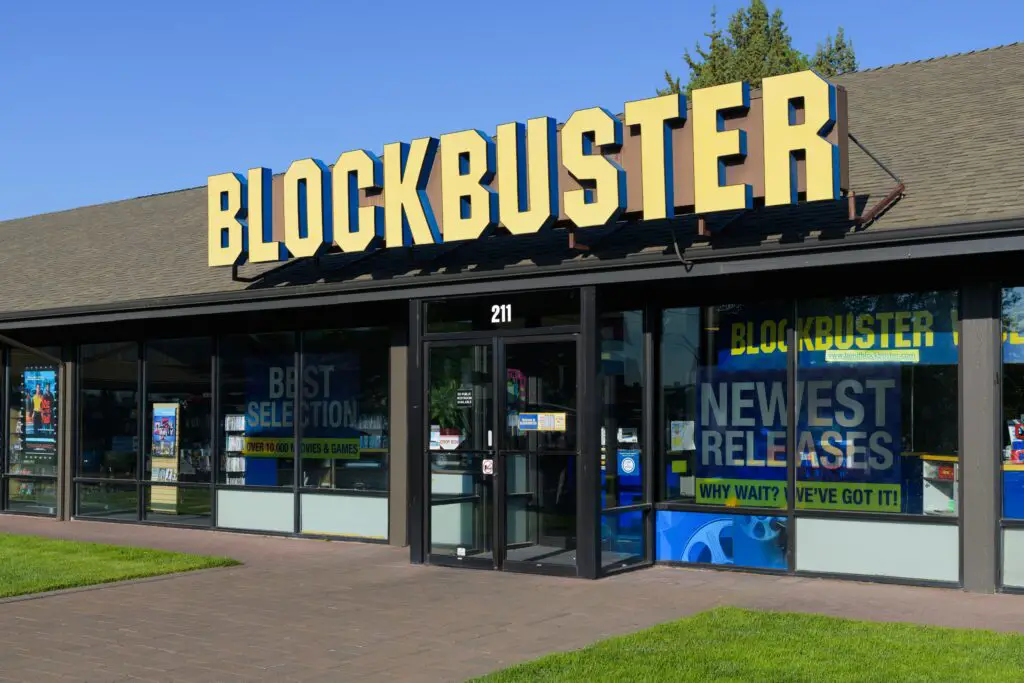
Video rental stores were once a regular stop for families, especially on Friday nights. Kids would wander the aisles, scanning colorful VHS covers trying to pick just one movie. The “new releases” wall was always the first place everyone checked. There was a small thrill in finding the last available copy of something popular. Staff recommendation cards and handwritten notes added a personal touch you do not really see anymore. It was less about convenience and more about the ritual of choosing.
Chains like Blockbuster dominated the space before streaming changed everything. As services like Netflix shifted to digital distribution, physical rentals declined rapidly in the late 2000s. Most stores closed, leaving only a few independent locations or novelty survivors. The experience of browsing shelves and negotiating with siblings over what to watch disappeared with them. Today, choices are made with a click instead of a long debate in an aisle. It is efficient, but noticeably less memorable.
4. Neighborhood Empty Lots
Empty lots were unofficial playgrounds in neighborhoods across the country. They were not designed for kids, which made them feel like spaces you discovered on your own. You could build forts, play pickup games, or just wander around imagining different scenarios. There were no rules posted and no adults organizing activities. That freedom made the experience feel more adventurous than structured play areas. Kids spent entire afternoons there without much planning.
As neighborhoods developed and land became more valuable, most of those empty lots were built over. Houses, retail spaces, or parking lots replaced the open land. Concerns about safety and liability also reduced the likelihood of kids roaming unsupervised. The idea of just disappearing into a nearby field for hours is less common now. Organized activities and designated spaces have largely taken over. What was once spontaneous has become more scheduled.
5. Toy Store Chains Like Toys “R” Us
Large toy stores were more than just places to shop, they were places to explore. Walking into Toys “R” Us felt overwhelming in the best way, with aisles stacked high with every kind of toy imaginable. Kids could spend hours just looking at packaging and imagining what it would be like to own everything. The store layout encouraged wandering, not quick purchases. It was common for parents to lose track of time just letting their kids browse. Even if you did not buy anything, the visit itself felt like an event.
The company filed for bankruptcy and closed most of its U.S. stores in 2018. While the brand has made limited attempts to return through smaller formats, the massive standalone stores are largely gone. Online shopping and big-box retailers changed how toys are sold. The experience of physically exploring a dedicated toy megastore is no longer standard. For many, it marked the end of a very specific kind of childhood outing. It is one of the clearest examples of how retail shifts changed how kids spend time.
6. Indoor Smoking Sections in Restaurants

It may seem strange now, but restaurants once had designated smoking sections that families regularly sat in. Kids would spend long meals surrounded by a visible haze of cigarette smoke. It was considered normal at the time, even in casual dining spots. Many people remember the physical divide between smoking and non-smoking areas being minimal or ineffective. Despite that, families still gathered and spent time there without much concern. It was just part of going out to eat.
Public health research eventually led to widespread indoor smoking bans across the United States. By the mid-2000s, most states had enacted laws prohibiting smoking in restaurants. As a result, those sections disappeared entirely. Kids no longer spend time in that kind of environment. It is a clear example of how norms can shift quickly once new information becomes widely accepted. The change improved air quality, but also marked the end of a once-common setting.
7. Drive-In Movie Theaters
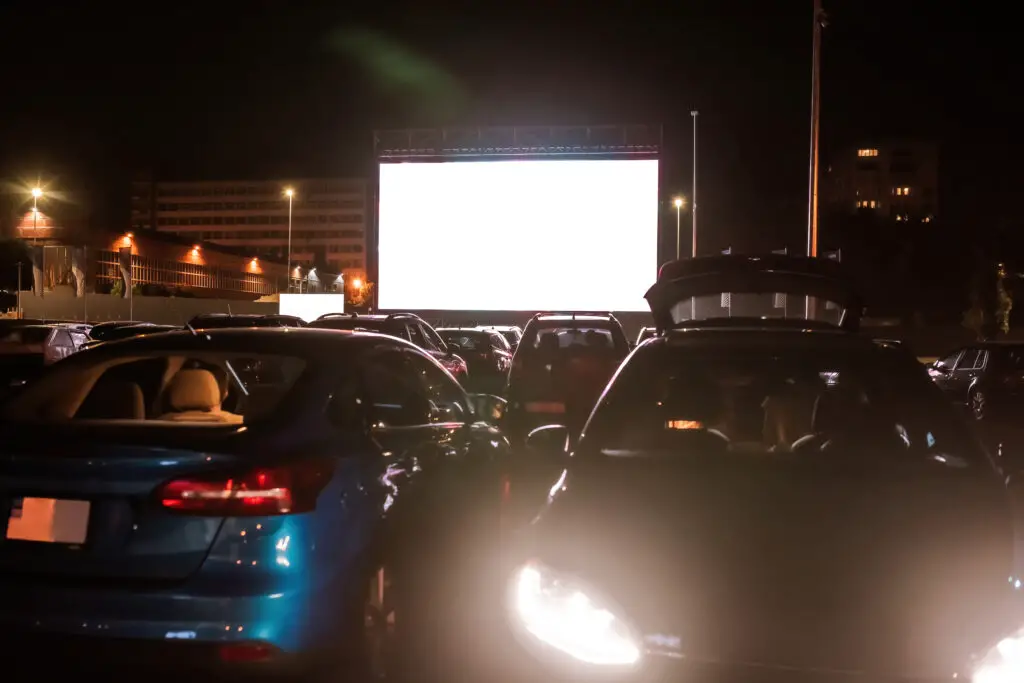
Drive-in theaters were once a popular way for families to watch movies together. Kids would sit in the back seat or lie on blankets while films played on large outdoor screens. The experience was less formal than indoor theaters, with people talking, moving around, and even playing before the movie started. Snack bars were part of the appeal, offering simple food that became part of the tradition. It was both a social outing and a movie experience. For kids, staying up late in the car added to the excitement.
The number of drive-ins declined sharply starting in the ’70s and continuing through the ’90s. Rising land values and the need for large open spaces made them less profitable. While a small number still operate today, they are far less common than they once were. For most families, going to a drive-in is now an occasional novelty rather than a regular activity. Indoor theaters and home streaming replaced their convenience. The sense of community tied to them largely faded.
8. Public Phone Booths
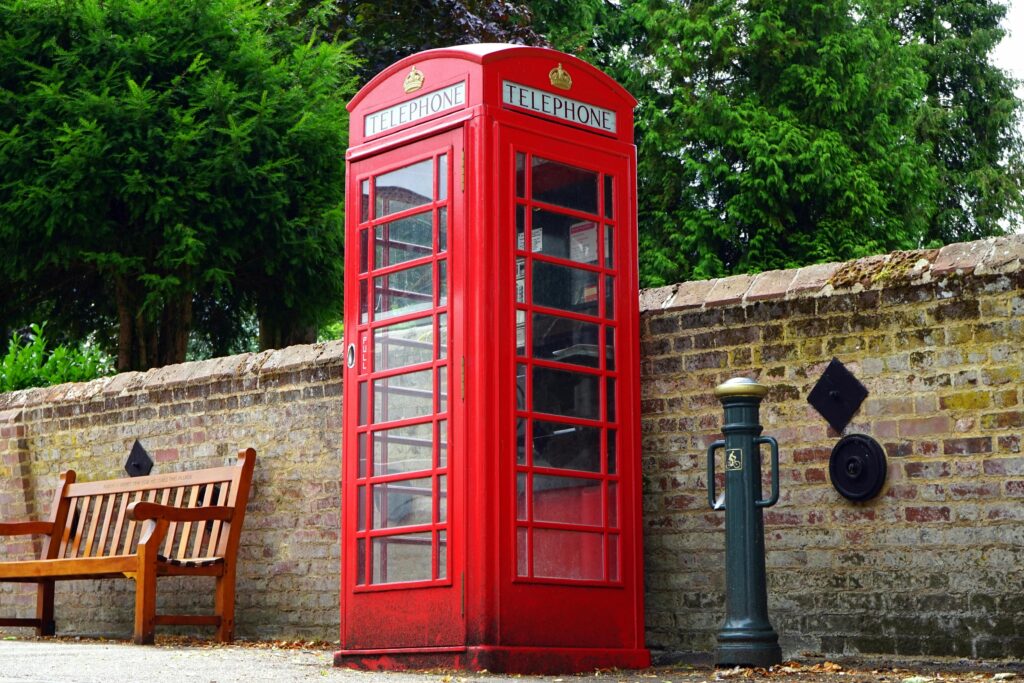
Phone booths were once a necessary part of everyday life, especially for kids out with friends. If you needed to call home, you had to find one and have the right change. Kids would gather around them, sometimes sharing calls or waiting their turn. The booths themselves became familiar landmarks in neighborhoods and city streets. They were simple, functional, and always in use. For many kids, using one was part of learning independence.
The rise of mobile phones made public phone booths obsolete. By the 2000s, most had been removed due to lack of use and maintenance costs. What was once essential became unnecessary almost overnight. Kids no longer need to plan around access to a shared phone. Communication shifted from fixed locations to constant availability. The booths disappeared quietly, but they were once a key part of daily routines.
9. School Book Fairs with Physical Order Forms

School book fairs still exist, but the way kids interacted with them used to be more involved. Printed catalogs and order forms were handed out in classrooms, and kids would circle what they wanted. You had to bring in cash or a check and hope your choices were still available. Walking through the fair itself felt like a small event, with tables stacked full of books and posters. It was one of the few times kids could choose what they wanted to read without much restriction. The process made it feel more personal.
While fairs continue, many now incorporate online ordering and digital payment systems. The tactile experience of filling out forms and physically handing them in has declined. The shift reflects broader changes in how purchases are handled in schools. Kids still get excited about books, but the process is less manual than it once was. Some of the anticipation tied to waiting for orders has been reduced. The tradition exists, but in a modified form.
10. Local Independent Movie Theaters

Small, independently owned movie theaters used to be common in towns and neighborhoods. Kids could spend hours there, especially during summer or weekend matinees. Tickets were often cheaper than large chains, making repeat visits more accessible. The theaters had a distinct character, sometimes with older interiors and unique layouts. You often saw the same employees every visit, which added a sense of familiarity. It felt more personal than a multiplex.
Many of these theaters closed as large chains expanded and standardized the moviegoing experience. Multiplexes offered more screens and newer technology, drawing larger audiences. As a result, smaller venues struggled to compete financially. While some have survived or been restored, they are no longer the norm. Kids today are more likely to visit large chain theaters or watch movies at home. The local theater as a regular hangout has largely disappeared.
11. Pay-to-Play Ball Pits and Indoor Play Zones in Fast Food Restaurants

Fast food restaurants once featured indoor play areas that became destinations on their own. Kids could spend long stretches climbing through tunnels and jumping into ball pits. These spaces were often attached to chains like McDonald’s, turning a quick meal into a longer outing. Parents would sit nearby while kids played with others they had never met before. The environment was noisy, crowded, and surprisingly engaging. It was a common reward or weekend activity.
Over time, many of these play areas were removed or redesigned. Concerns about cleanliness, liability, and changing design priorities contributed to their decline. Restaurants shifted toward faster service and more streamlined interiors. While some locations still have play spaces, they are far less prominent. The ball pits in particular have largely disappeared. Kids now spend less time lingering in those environments.
12. Record Stores as Hangout Spaces

Record stores were not just retail spaces, they were places where kids discovered music. You could spend hours flipping through vinyl or CDs, reading liner notes, and listening to samples. Stores often had a distinct identity based on the genres they carried. Staff recommendations played a big role in shaping what people listened to. It was a social environment where conversations about music happened naturally. For many kids, it was part of forming their identity.
The decline began as digital downloads and later streaming services became dominant. Physical media sales dropped significantly, leading to widespread store closures. While some independent record stores still exist, they are less central to everyday life. The act of browsing music in person is no longer standard. Discovery now happens through algorithms instead of physical exploration. The shift changed how people engage with music at a fundamental level.
13. After-School Detention Rooms as Social Spaces
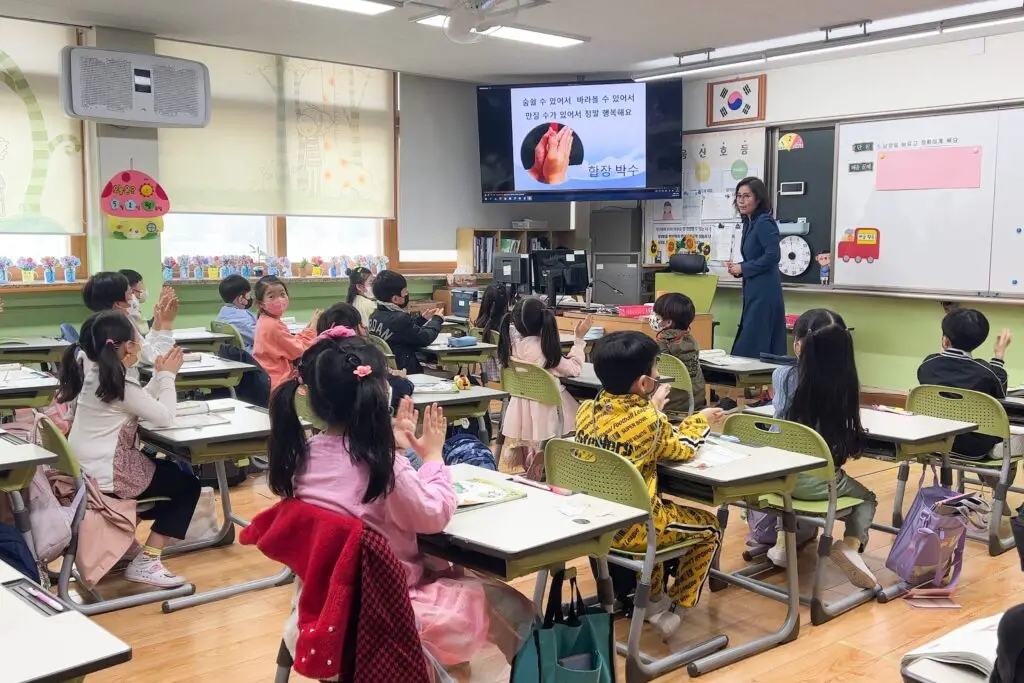
Detention might not sound like a place kids wanted to be, but it often turned into a strange kind of hangout. Students from different groups ended up in the same room, sometimes talking more freely than they would during regular school hours. It created an unexpected social dynamic. Kids would pass notes, whisper conversations, or just observe each other. It was structured, but still felt separate from the usual school routine. For some, it became oddly memorable.
Changes in school policies and disciplinary approaches have altered how detention is handled. Some schools moved toward alternative forms of discipline or more structured interventions. The informal, loosely supervised detention room is less common. As a result, that particular social environment has faded. It was never intended as a gathering place, but it functioned as one. Its disappearance reflects broader shifts in how schools manage behavior.
14. Library Card Catalog Rooms
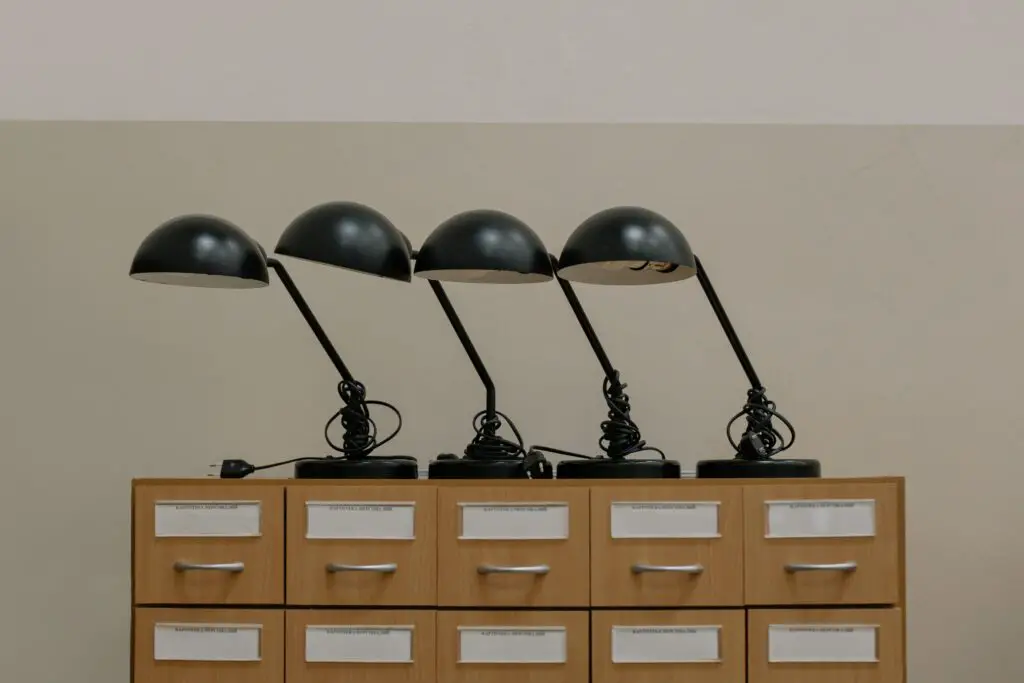
Before digital databases, libraries relied on physical card catalogs to organize their collections. Kids would spend time flipping through drawers of index cards to find books. It was a slower process that required patience and attention. Learning how to use the system was almost a rite of passage. The catalog room itself had a distinct look and feel, rows of wooden drawers filled with cards. It encouraged exploration in a very manual way.
As libraries transitioned to digital systems, card catalogs were phased out. Online search tools made finding books faster and more efficient. The physical cabinets were removed or repurposed. Kids no longer interact with that system at all. While access to information improved, the tactile experience disappeared. It is another example of convenience replacing a once-common routine.