
1. Greta Garbo
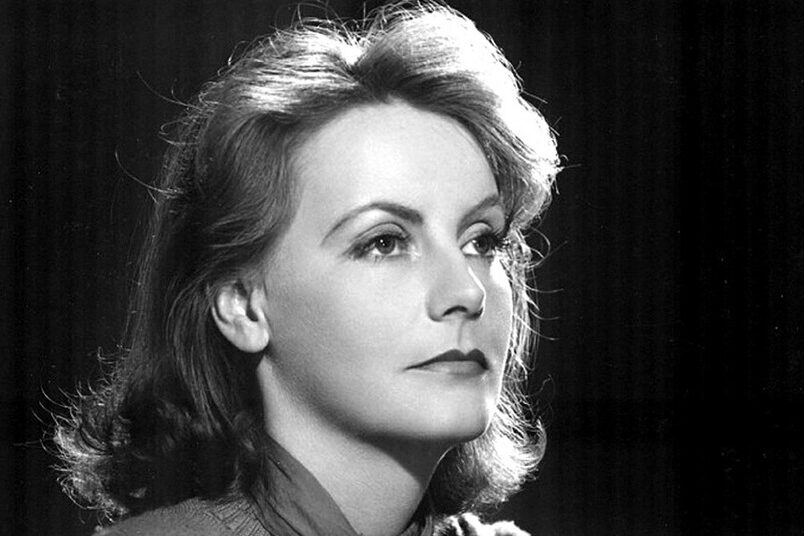
Garbo walked away from Hollywood in her mid thirties, at a point when she was still considered one of the most magnetic stars in the world. She made a conscious choice to step back rather than fight the studio system or the public’s appetite for access. That decision helped preserve her mystique in a way almost no other actor has managed. To this day, she remains more idea than biography.
Her absence became part of her legacy. Garbo never did reunion interviews, late career cameos, or nostalgic tours of her past. By leaving when she did, she avoided the slow erosion that fame often brings. The result is a career that feels sealed in time.
2. Daniel Day-Lewis
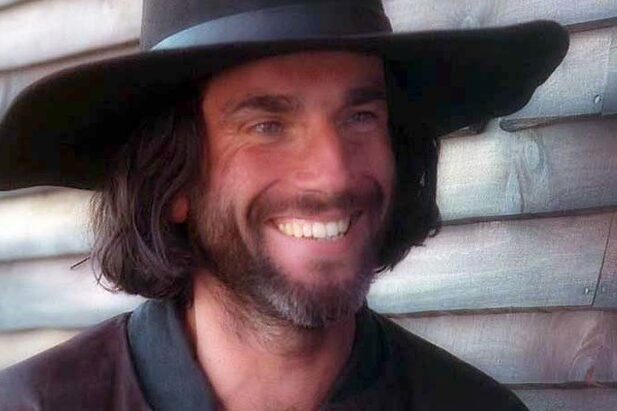
Daniel Day-Lewis retired after winning yet another Oscar, which is about as clean an exit as an actor can make. He left while still at the top of his craft, with no sense of decline or repetition. There was nothing left to prove, and he seemed to know it. His decision felt deliberate rather than reactionary.
What makes his exit feel right is how complete his body of work already was. Day-Lewis never overexposed himself or diluted his reputation with lesser roles. By stepping away, he ensured that every performance remains part of a carefully curated legacy. Fans still argue about whether he will return, which only reinforces how well-timed the departure was.
3. Gene Hackman
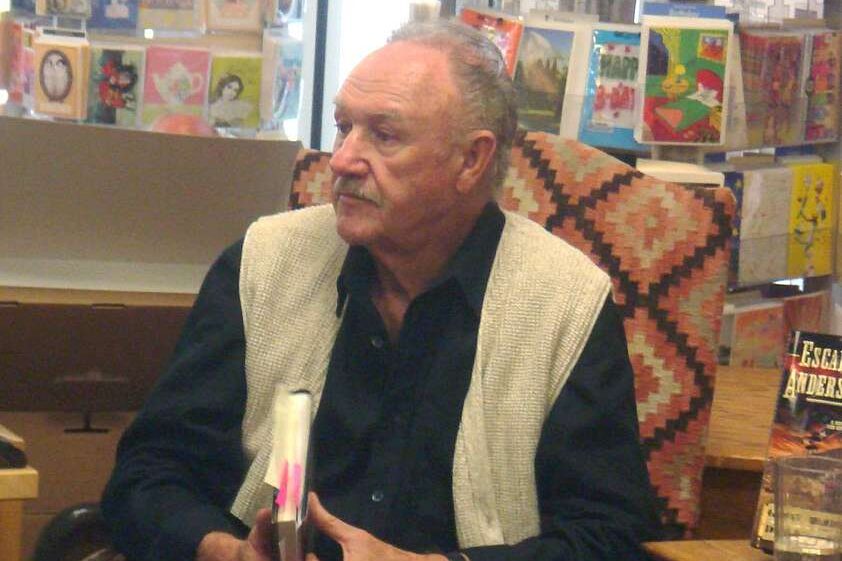
Gene Hackman quietly retired in the early 2000s after decades of consistently strong performances. He did not wait for roles to dry up or for public opinion to shift. Instead, he chose to leave on his own terms while still respected and admired. His final films were solid, not apologetic.
Hackman’s exit spared him the fate of many long-running stars who linger too long. There was no farewell tour or dramatic announcement, just a clean break. His filmography remains remarkably consistent in quality. That restraint helped cement his reputation as one of the greats.
4. Rick Moranis
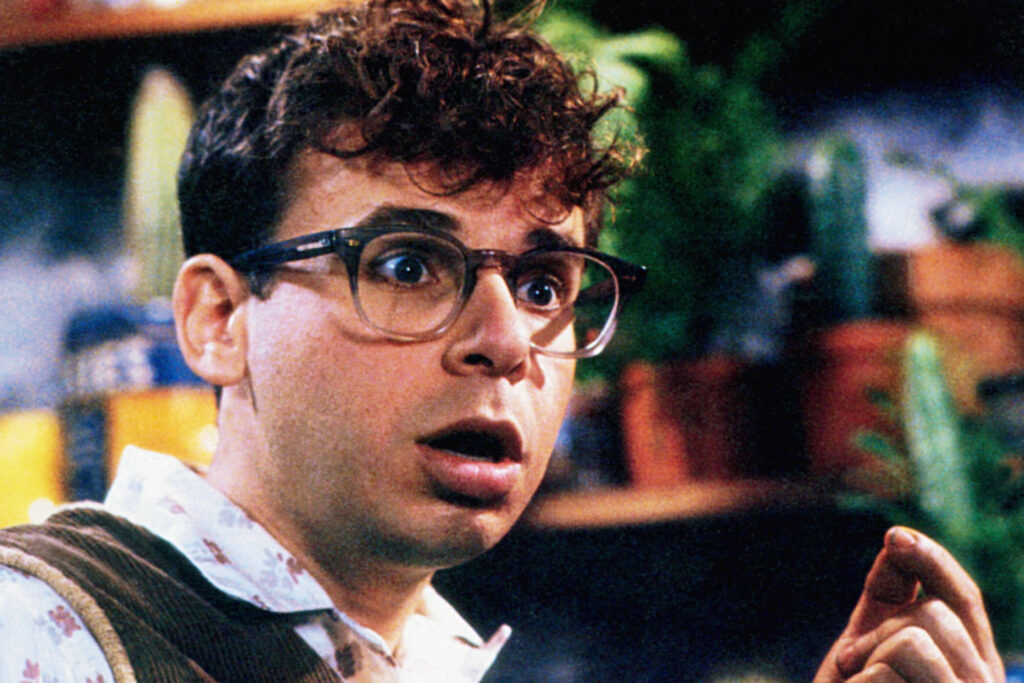
Rick Moranis stepped away from acting at the height of his popularity in the early 1990s. At the time, he was everywhere, starring in comedies that defined the era. His decision was driven by personal priorities rather than career burnout. That context has only deepened public respect for him.
Because Moranis left when audiences still wanted more, his work never became stale. His characters remain fondly remembered rather than overused. He avoided the trap of diminishing returns that hits many comedy stars. Decades later, his absence still feels intentional and dignified.
5. Cary Grant
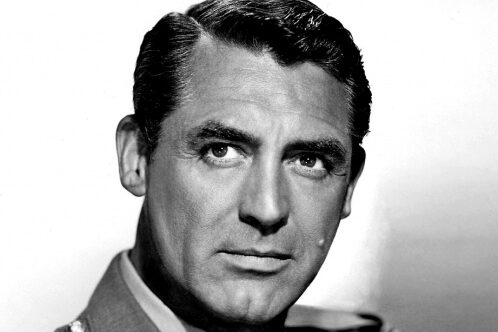
Cary Grant retired from acting in the mid 1960s while still considered a leading man. He did not wait for age or changing tastes to push him aside. Instead, he chose to end his film career after a final role that fit comfortably within his established persona. It was a graceful exit by design.
Grant’s decision allowed his screen image to remain intact. He was never forced into awkward late-career roles that conflicted with his earlier charm. His films still feel timeless rather than dated by overexposure. Leaving early helped preserve that illusion.
6. Phoebe Cates
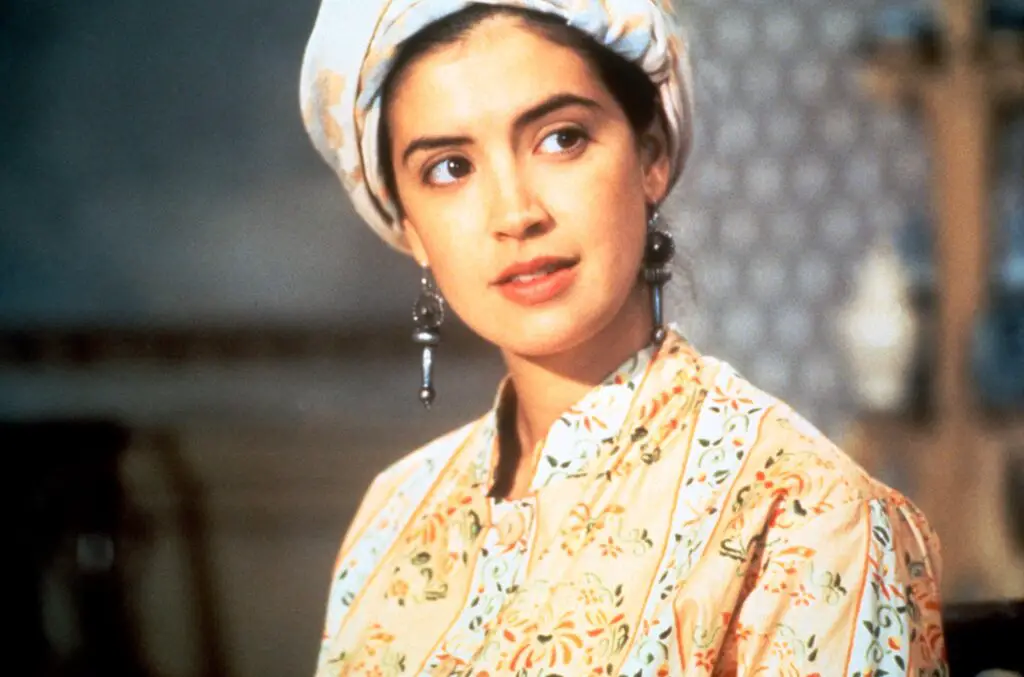
Phoebe Cates became a defining face of 1980s pop culture and then largely disappeared from the screen. She stepped away as her fame was still strong, choosing a quieter life instead of chasing constant visibility. There was no public unraveling or career decline. She simply stopped.
That choice has kept her legacy unusually clean. Cates is remembered for a small number of iconic roles rather than a long list of diminishing ones. Her absence helped turn her into a nostalgic symbol rather than a cautionary tale. Sometimes doing less makes the impact last longer.
7. Bridget Fonda

Bridget Fonda left acting in the early 2000s after a run of high-profile films. At the time, she was still very much part of Hollywood’s conversation. Rather than reinventing herself or fighting industry shifts, she stepped away entirely. The move surprised people precisely because her career seemed stable.
By leaving when she did, Fonda avoided being boxed into repetitive roles. Her work now feels like a snapshot of a specific era rather than a prolonged fade. She never had to endure the awkward transition years many stars face. That clean cutoff worked in her favor.
8. Sean Connery
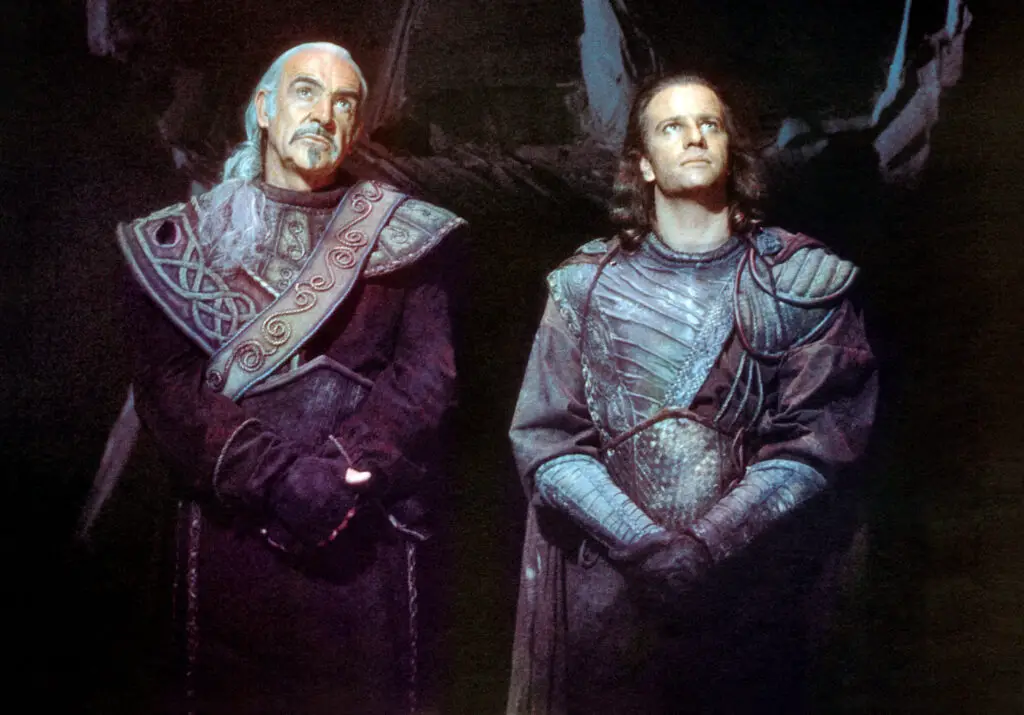
Sean Connery retired after decades of fame, choosing to stop before his work began to feel obligatory. He had already redefined what a long career could look like, from action star to respected elder statesman. His final roles were selective, not desperate. That restraint mattered.
Connery avoided becoming a parody of his earlier self. By stepping away, he ensured that audiences remembered his strongest performances rather than his weakest. His legacy remains anchored in authority and presence. Timing helped protect that image.
9. Mara Wilson
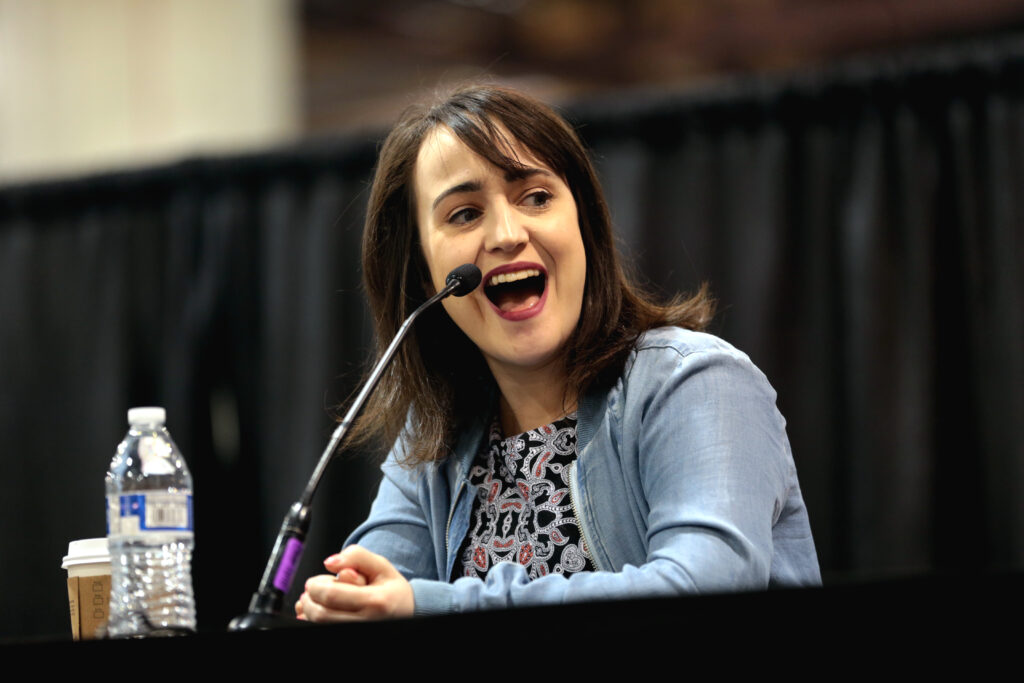
Mara Wilson was one of the most recognizable child stars of the 1990s and then chose to leave acting behind. She stepped away before the industry could define her adult career for her. The decision was proactive rather than forced. That distinction is important.
By leaving early, Wilson avoided the pressures that derail many former child actors. Her work remains associated with a specific, positive moment in pop culture. She later spoke openly about the decision, which added clarity rather than mystery. The exit preserved her sense of control.
10. Jack Nicholson
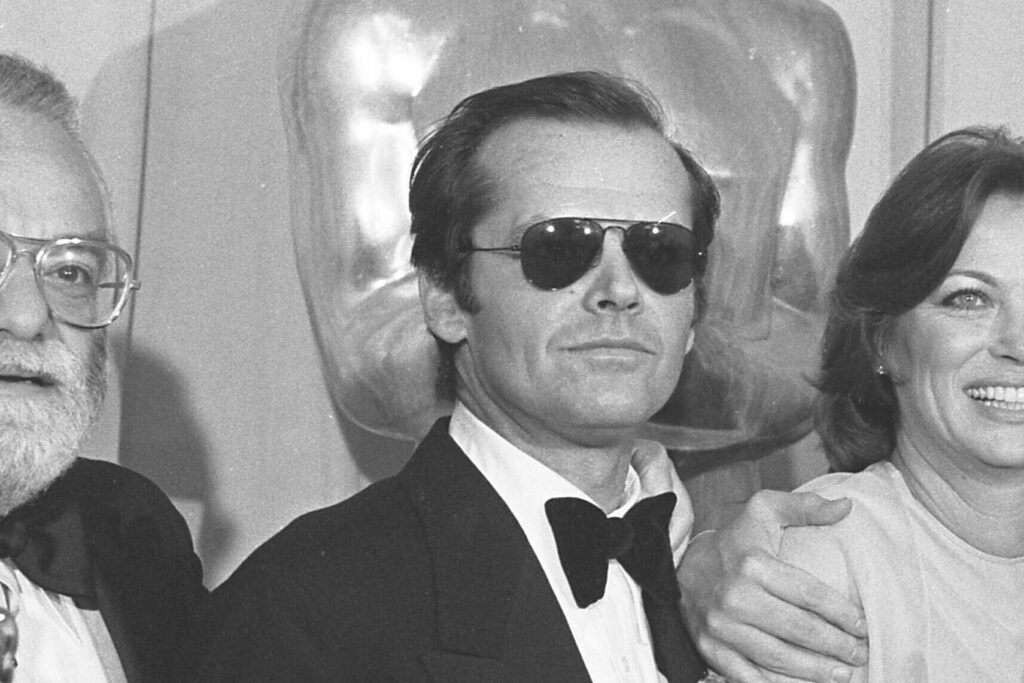
Jack Nicholson gradually stepped away from acting after a career filled with iconic roles. He did not formally announce retirement, but his absence spoke clearly enough. By the time he stopped appearing onscreen, his legacy was already secure. There was nothing left to chase.
Nicholson avoided the temptation to keep going simply because he could. His final years were spent as a legend rather than a nostalgia act. Audiences remember the peak performances, not a long decline. That restraint helped define his exit.
11. Shelley Duvall
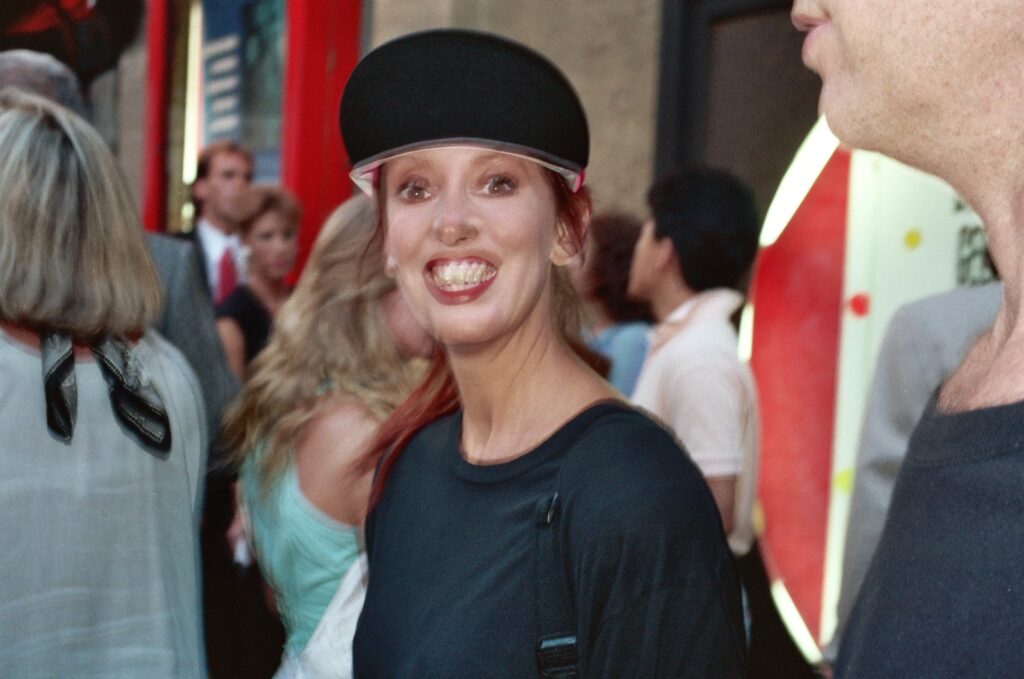
Shelley Duvall stepped away from Hollywood after a period of intense visibility. Her performances were distinctive and emotionally demanding, and she left before becoming overused or misunderstood by changing trends. For years, her absence felt complete. She had already left a strong impression.
Duvall’s departure froze her work in a specific cultural moment. Her roles continued to be discussed and reassessed without new material complicating the picture. Leaving when she did allowed her performances to age without dilution. It gave her work lasting resonance.
12. Bo Derek
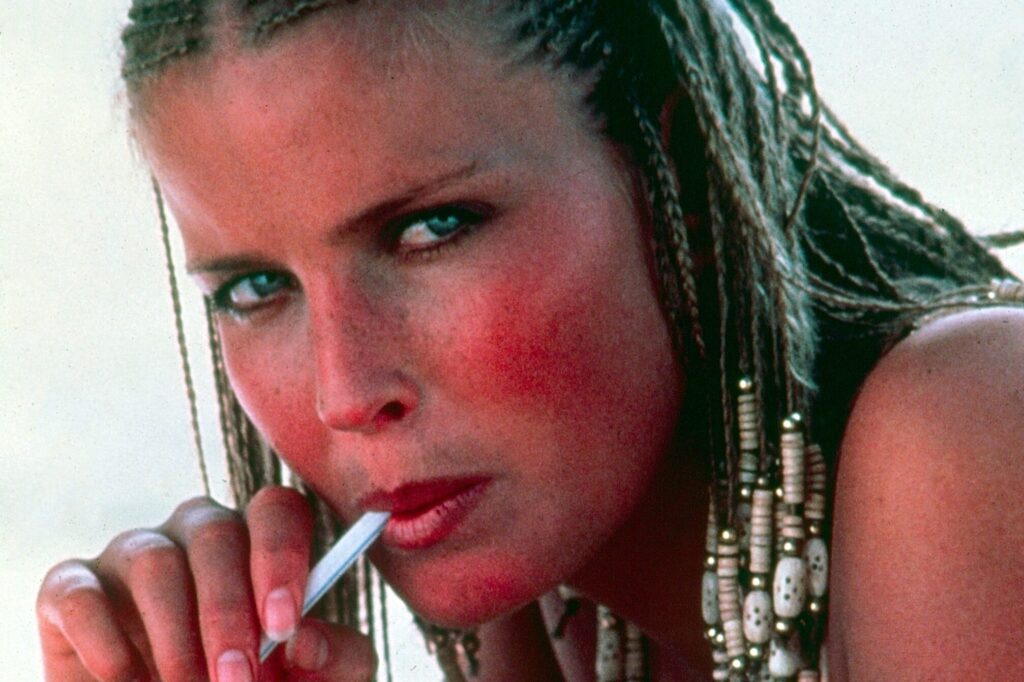
Bo Derek became an overnight cultural phenomenon and then gradually stepped away from the spotlight. She never chased a reinvention that might have undercut her initial impact. Instead, she let that moment stand on its own. The restraint was notable.
By not forcing longevity, Derek preserved the singular nature of her fame. Her image remains tied to one defining era rather than a long, uneven career. She exited before public perception turned harsh or dismissive. In doing so, she kept control of the narrative.