
1. Beating Rugs Outside
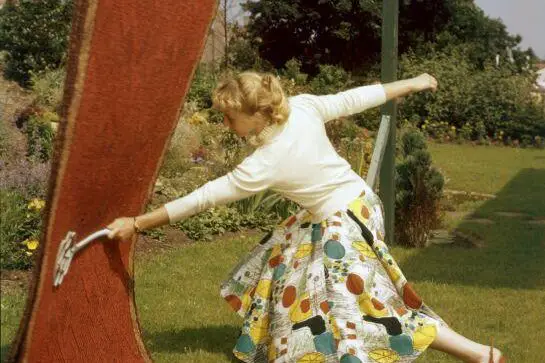
Once upon a time, carpets didn’t get the luxury of a vacuum cleaner. Instead, they were dragged outside, draped over a clothesline, and beaten with a paddle until clouds of dust filled the air. It was exhausting, messy, and usually left the person doing it covered in dirt. People were expected to do this regularly, especially after winter when homes were closed up tight.
It wasn’t just physical labor, it was also public. Neighbors could literally see how much dirt came out of your rug, which added another layer of embarrassment if you weren’t as tidy as expected. What was framed as “keeping a clean home” really felt more like punishment disguised as a chore.
2. Boiling Laundry by Hand
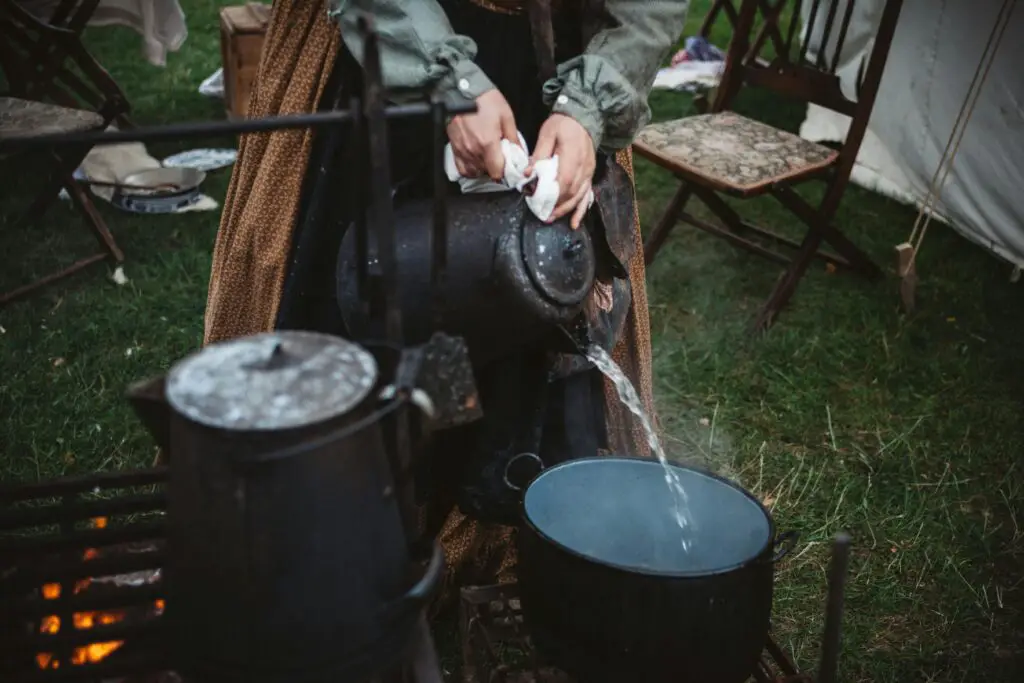
Before washing machines, laundry day meant lugging water, heating it up on the stove, and stirring clothes in a boiling tub with a wooden paddle. The process could take an entire day, and it wasn’t unusual for women to have burns or raw hands afterward. Imagine dealing with that every single week, sometimes more.
Even after the clothes were boiled, you still had to scrub stains by hand on a washboard. Then, they had to be wrung out and hung to dry, no matter the weather. It was backbreaking work, and the idea of “laundry day” being just another Tuesday sounds like a cruel trick of the past.
3. Scouring Floors on Hands and Knees
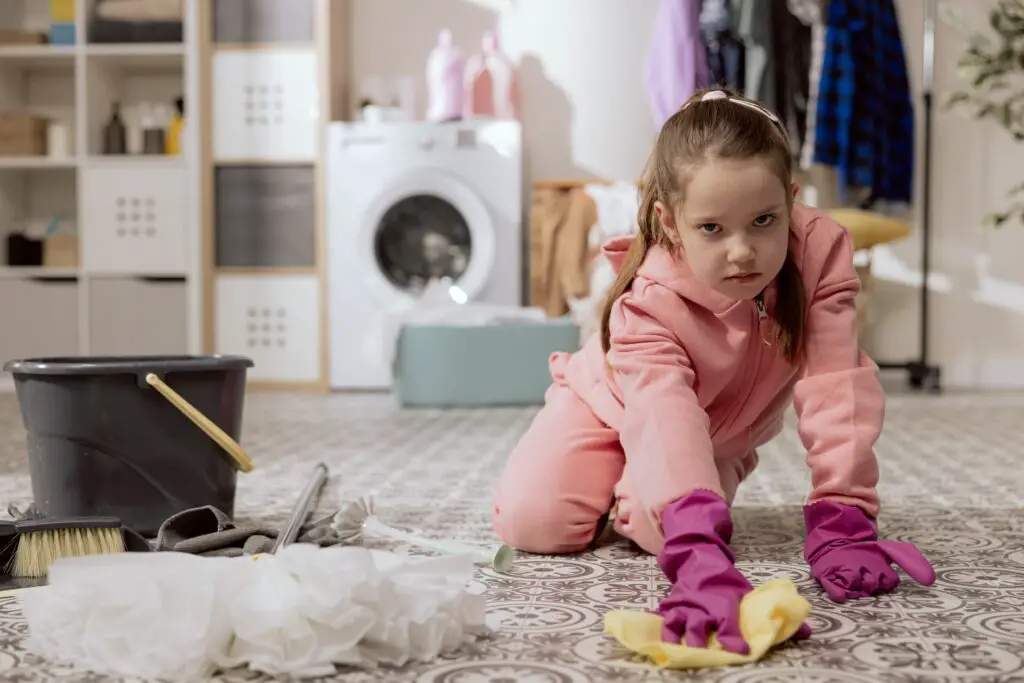
There were no Swiffers, mop buckets with wringers, or even much sympathy when it came to floor cleaning. Housewives were expected to scrub every inch of their floors by hand, often with lye soap that could burn skin. Kneeling for hours on a hard floor wasn’t just tiring—it was painful.
This wasn’t something done once in a while either, it was often a weekly ritual. The result was spotless floors that shined, but at the cost of aching joints and sore backs. Calling it “housekeeping” feels generous, because it could easily double as a workout punishment.
4. Beating Mattresses
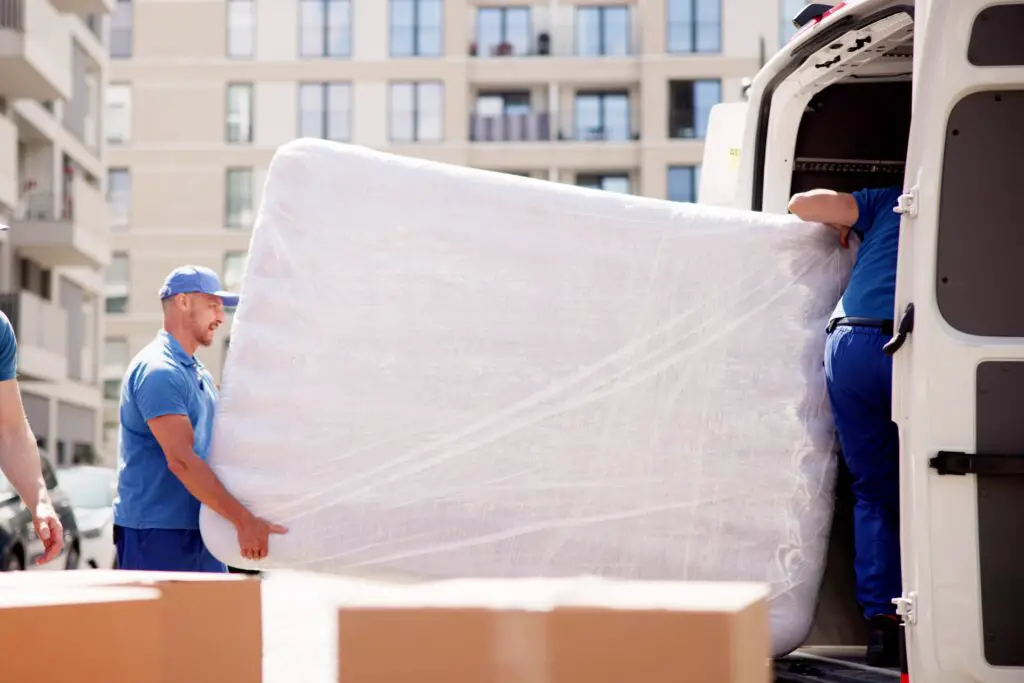
Beds weren’t just made—they were maintained with intense labor. Mattresses were dragged outside, laid in the sun, and beaten with sticks to get rid of dust and bugs. If you think flipping a modern mattress is tough, imagine lifting and pounding on a lumpy, heavy, straw-filled one.
This wasn’t optional either, because sleeping on a dirty mattress could mean infestations. Still, the whole ordeal turned what should have been a place of rest into yet another chore. It’s no wonder people were probably too tired to complain after.
5. Polishing Silver Weekly
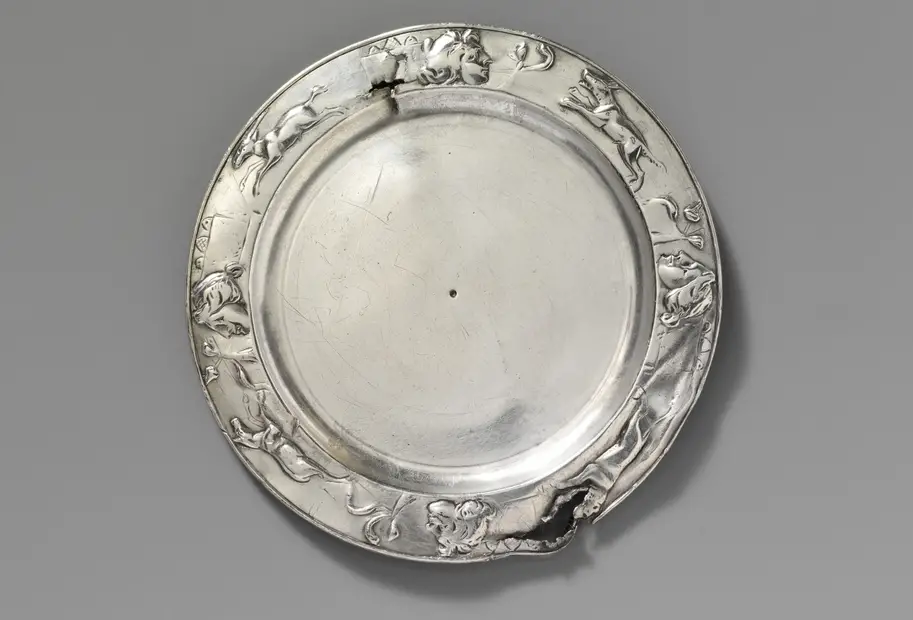
Families that owned silverware expected it to gleam, which meant someone had to polish every single piece by hand. The tarnish built up quickly, and skipping a week could mean hours of extra scrubbing. Even young kids were roped into this, turning weekends into polishing sessions.
The smell of polish alone was unpleasant, and the job was repetitive and never-ending. Silver was a status symbol, but maintaining it felt like punishment in disguise. All that work just to use it again and watch the tarnish creep back.
6. Ironing Everything
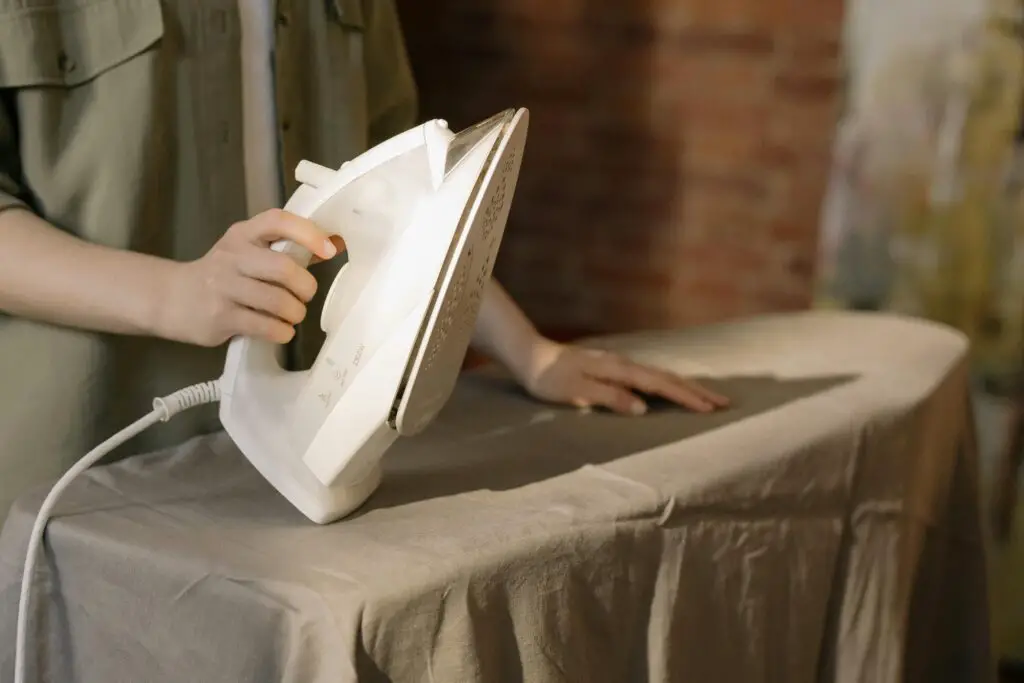
In the past, wrinkled clothes were a sign of laziness or poor character, so ironing wasn’t just for dress shirts. Everything from pillowcases to underwear was pressed flat. The process involved heavy irons heated on stoves before electricity made things slightly easier.
It wasn’t just tedious, it was dangerous—one slip and you’d burn fabric, or worse, yourself. Imagine spending hours perfecting every little crease only for the items to be wrinkled again after one wear. That feels less like cleanliness and more like an endless punishment loop.
7. Washing Windows with Newspaper

Glass cleaner in a handy spray bottle wasn’t always around. People often used vinegar and newspaper, which left ink-stained hands behind. Washing windows was expected multiple times a year, sometimes monthly, depending on dust and soot from coal fires.
The job wasn’t just tedious—it was also dangerous when it meant leaning out of second-story windows or climbing unstable ladders. All for a streak-free shine that was ruined the next time it rained. A sparkling window was the reward, but the risk and mess made it feel more like a test of endurance.
8. Carrying Water by the Bucket
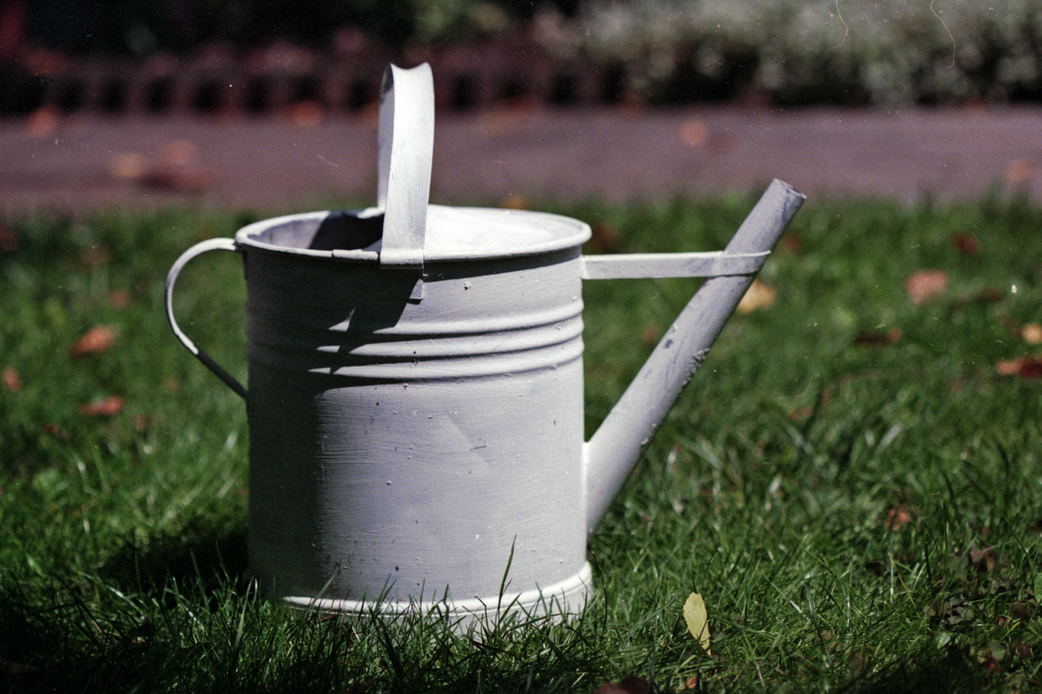
Running water wasn’t standard everywhere, and hauling water by the bucket was a regular duty. Whether for cooking, washing, or bathing, it meant countless trips back and forth from a well, pump, or stream. A single family could require dozens of buckets a day.
It was heavy, tiring, and messy, especially in bad weather. Winter made it even worse, with freezing buckets that left hands numb. What was called “necessary” in the past would definitely be considered punishment today.
9. Shaking Out Feather Pillows

Keeping bedding fresh used to mean shaking out pillows filled with feathers or down. It wasn’t a quick fluff like we do today—it was dragging everything outside, beating it until the feathers redistributed, and sewing up any tears. The feathers often flew everywhere, creating a mess.
It was done to keep the pillows comfortable and prevent them from getting musty. But for the person tasked with it, the result was usually a face full of feathers and sore arms. A cozy night’s sleep came at a pretty steep price.
10. Dusting Every Surface Daily
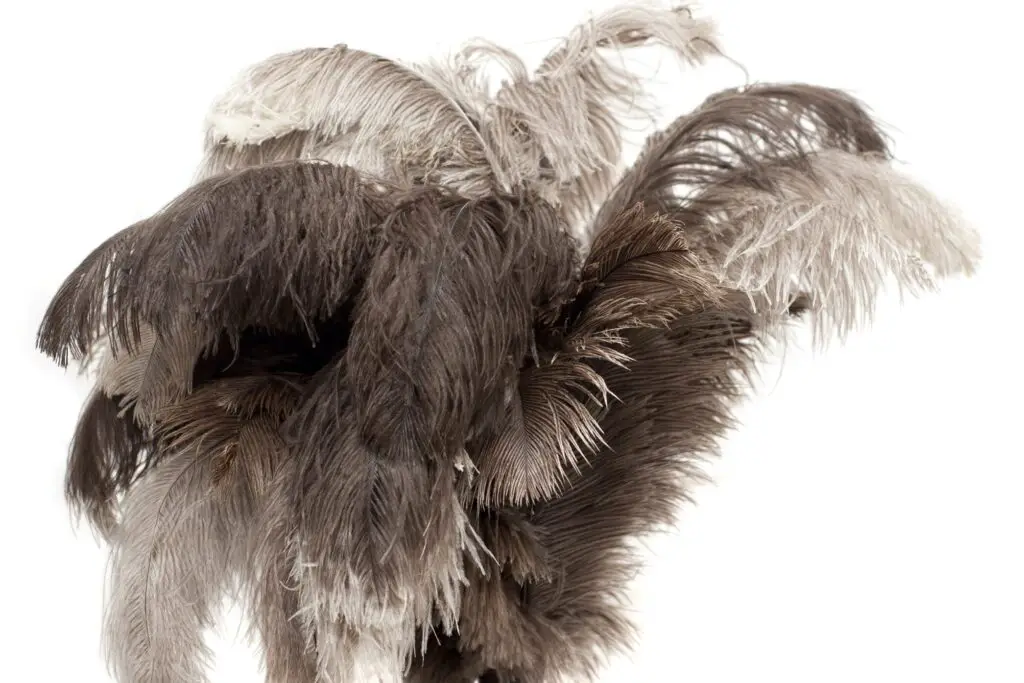
Before vacuum attachments and microfiber cloths, dusting was relentless. Coal soot and dirt from unpaved streets meant dust settled on everything quickly. Families expected every shelf, table, and knickknack to be wiped down almost daily.
It wasn’t just time-consuming—it was thankless. By the next day, the dust was back, as if you hadn’t done a thing. When keeping up with it became impossible, it turned what should have been “tidying up” into something that felt like punishment.
11. Beating Clothes on Rocks
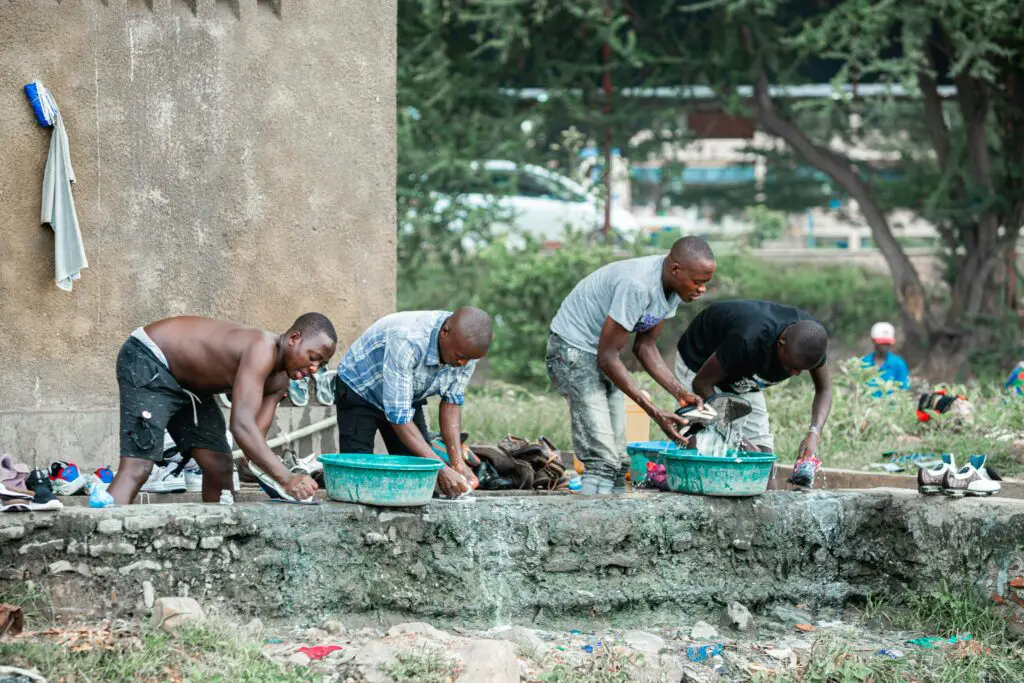
In some places, laundry meant taking clothes to a river, soaking them, and slamming them against rocks. This was supposed to loosen dirt and stains, but it also shredded fabric over time. The work was brutal and left people soaked and exhausted.
It wasn’t just about cleanliness—it was about survival, and skipping it wasn’t an option. Standing for hours in cold water with heavy, wet clothes sounds less like housework and more like endurance training.
12. Cleaning Lamps and Chimneys
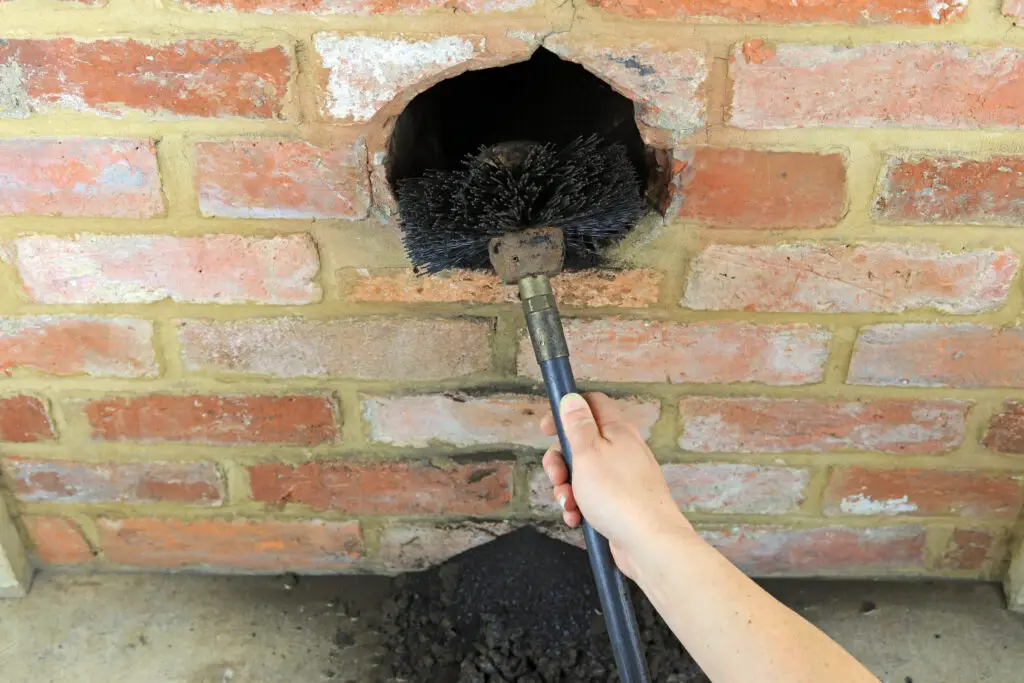
Before electricity, kerosene lamps and fireplaces were everyday necessities. That meant constant cleaning of chimneys, soot-covered walls, and greasy lamp chimneys. The residue stained hands and clothes, and the smell lingered long after the chore was done.
This wasn’t a once-in-a-while job, either—it was routine. A bright light or warm fire came with the cost of constant, dirty labor. Anyone tasked with it would have felt more like a chimney sweep than a homemaker.
13. Sweeping Yards by Hand
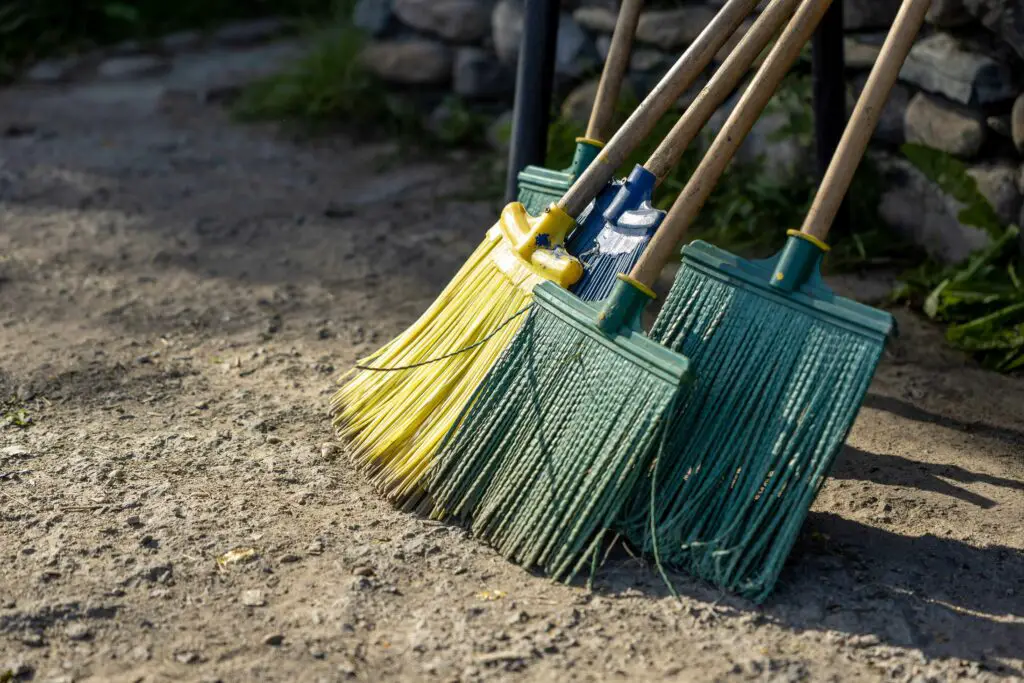
In some households, even the yard had to be swept clean with a broom. Leaves, dirt, and debris were cleared away daily, almost as if nature itself was breaking the rules by being messy. The work was endless and completely at the mercy of the wind.
It wasn’t just physical, it was frustrating—because the moment you finished, more leaves would fall. Instead of admiring a tidy yard, many probably felt trapped in a cycle that seemed designed to keep them busy.
14. Boiling Bed Linens
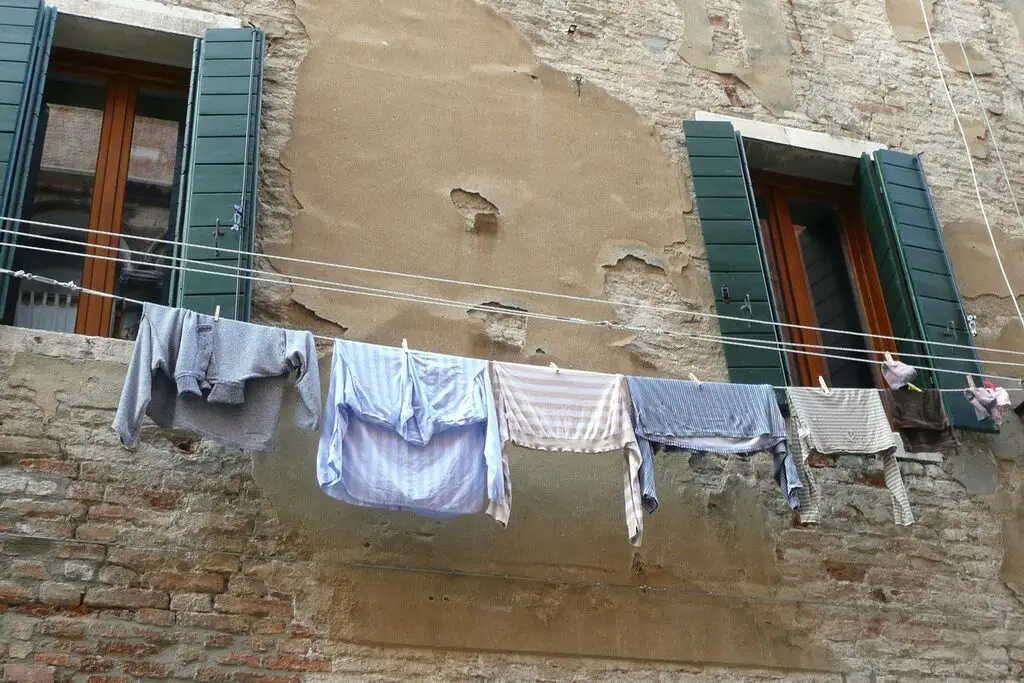
Keeping sheets “sanitary” once meant boiling them in huge pots of water. The chore was not only exhausting but also dangerous, with scalding steam and heavy, dripping linens to manage. It was seen as a mark of a clean home, but the effort was extreme.
After boiling, the sheets still needed to be wrung out and hung to dry, sometimes stiff as boards in the cold. What should have been about comfort and rest instead became an ordeal that felt punishing from start to finish.