
1. The Slimming Vibrating Belt
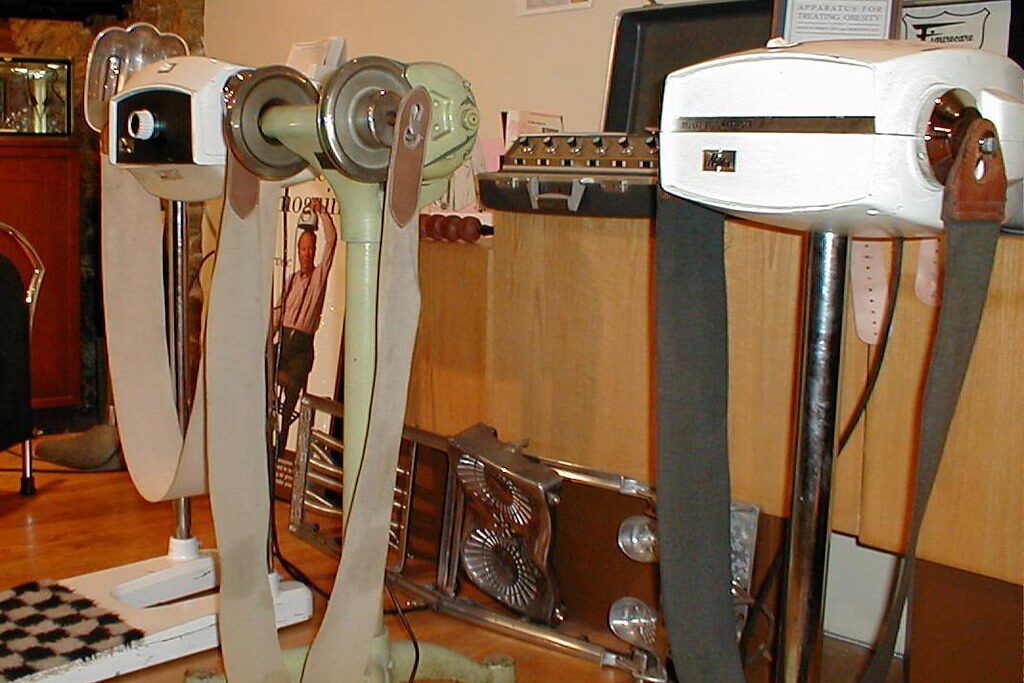
If you’ve ever seen one of those old beauty salon photos with women standing in a row wearing giant belts around their waists, that’s the vibrating belt machine doing its thing. The idea was that these belts would literally shake the fat off your body, which sounds more like a carnival ride than a fitness routine. Women were told all they had to do was stand there and let the machine jiggle them into a smaller size. It became a staple of ’50s beauty salons, where it was touted as a “relaxing” way to slim down.
People wanted effortless results, and this machine seemed to promise exactly that, even though it didn’t actually do much. It was noisy, awkward to use, and probably more entertaining than effective. Still, for many, it felt glamorous to be part of the salon scene. Today, these machines look more like something built for a sci-fi lab than a beauty routine.
2. The Portable Face Steamer Mask
This device looked like a large plastic helmet that fully enclosed your head, promising to “open pores” and give you a dewy glow. Women would sit under it while warm steam blasted their faces, which was relaxing in theory but a little suffocating in practice. If you didn’t position it perfectly, the steam could get too hot, leaving your cheeks looking like you just sprinted through the desert. It became a popular at-home gadget because it felt futuristic.
But looking back, the whole contraption seems a bit intimidating, especially since the temperature control wasn’t always reliable. Many women swore by it, even if it left them dripping like they’d run a marathon. You can still find modern versions, but they’re much gentler. The ’50s models look more like you’re preparing for space travel than skincare.
3. The Vacuum Blackhead Remover

These handheld suction tools promised to clear your pores using tiny vacuum hoses attached to a motorized pump. The device made a loud humming sound as it pulled at your skin, which wasn’t exactly soothing. Women were told this was the latest scientific beauty breakthrough, and plenty gave it a try. Some walked away with clearer pores, while others walked away looking like they’d lost a fight with a tentacle.
The suction was strong enough to leave red marks, and you had to be careful not to linger in one spot too long. Still, people loved the idea of a deep-cleaned face without squeezing anything. It felt like a high-tech miracle at the time. Now it just looks like something you’d use on a dusty couch, not your nose.
4. The Nose-Shaping Clamp
This little metal clip promised to reshape your nose by squeezing it into a more “refined” silhouette. You were meant to wear it for short sessions each day, even though it pinched hard enough to bring tears to your eyes. The ads were full of dramatic before-and-after illustrations that implied your nose could be molded like clay. Women who were self-conscious about their profiles found themselves giving it a shot.
Of course, bone structure doesn’t budge that easily, so results were minimal at best. Still, people held onto hope because beauty standards were so unforgiving. The clamp left red marks and headaches, which didn’t help matters. Today, it feels absurd that anyone thought a glorified clothespin could sculpt their face.
5. The Facial Toner Electrode Wand
This wand delivered tiny electric shocks that were said to “stimulate the facial muscles” and tighten skin. It came with wires, a small control box, and a set of metal prongs that honestly looked a little alarming. Women would sit in front of the mirror, gently zapping themselves in hopes of smoother skin. The tingling sensation could be anything from mildly invigorating to downright painful.
Even though some people did feel a temporary tightening, the setup was far from relaxing. You had to trust that your device wouldn’t suddenly crank up the voltage. Many users described the process as more of a dare than a spa treatment. Modern microcurrent tools are far more refined, making these early versions feel like science experiments.
6. The Radio-Frequency Wrinkle Helmet
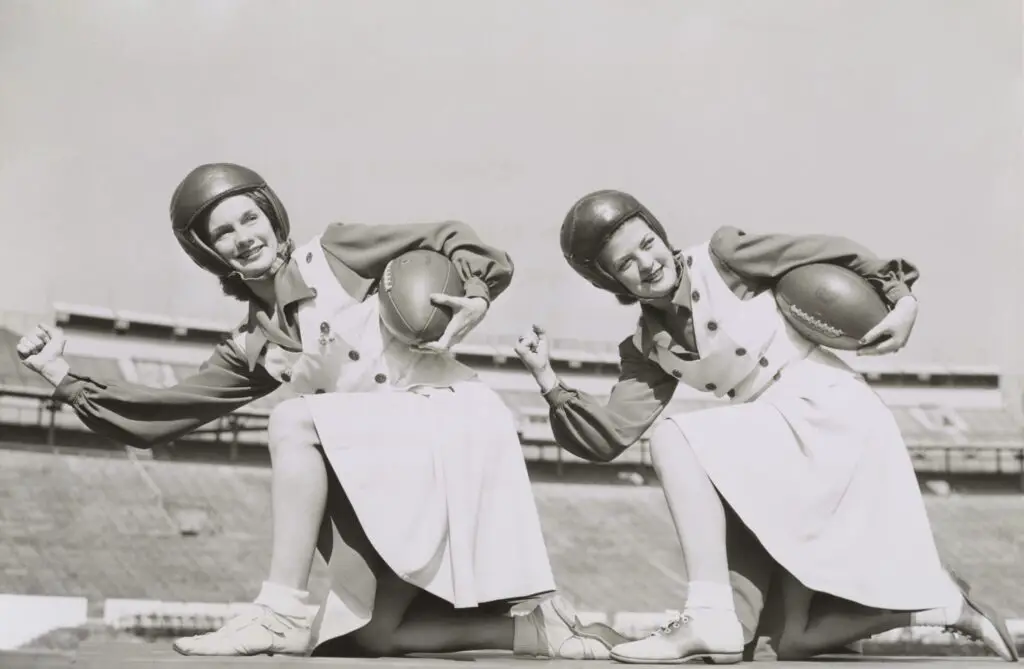
This clunky helmet-shaped device promised to smooth wrinkles using low-frequency waves. You’d place it over your head and sit perfectly still while it emitted a gentle vibration. It looked a bit like a medieval torture device mixed with an astronaut’s helmet. Women who were eager to stay youthful tried it with equal parts optimism and fear.
Some felt slight warmth during the treatment, which manufacturers insisted meant it was “working.” Whether or not it actually reduced wrinkles is debatable, but it certainly made an impression. Using it required patience and a strong sense of humor. Today, it feels more eerie than elegant.
7. The Freckle Bleaching Lamp
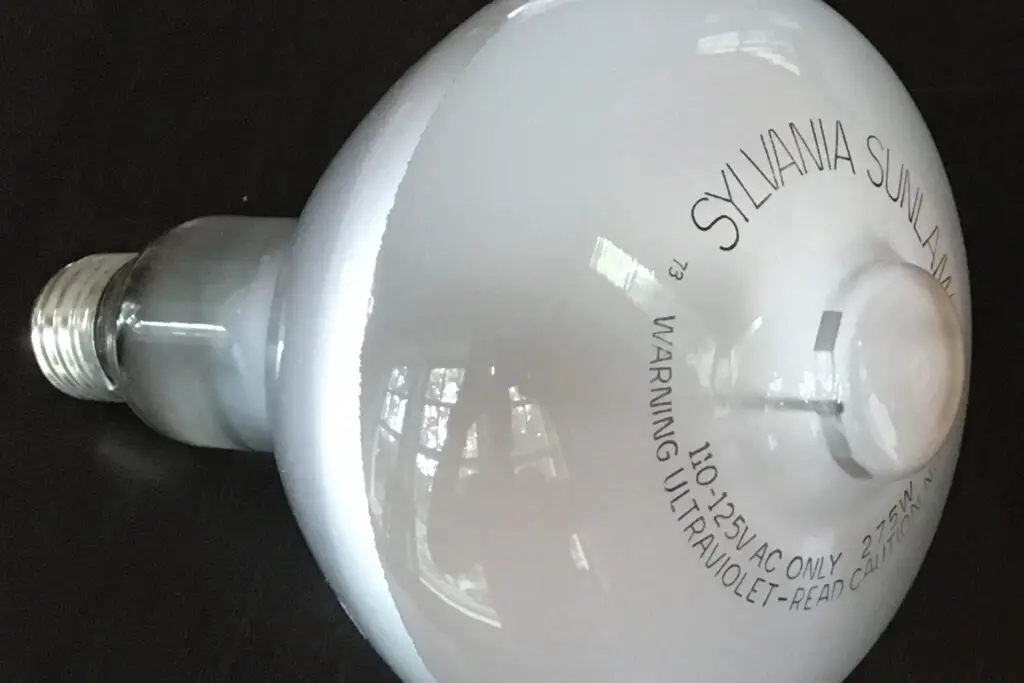
This device emitted a bright, concentrated light that promised to fade freckles and discoloration, which society at the time insisted women should hide. The lamp produced a heat that bordered on uncomfortable, and sessions could leave the skin feeling sensitive. Ads made it sound almost magical, promising flawless complexions with just a few treatments. Many women used it regularly despite the odd discomfort.
Looking back, it’s wild that people were told freckles needed “fixing.” The lamp’s intensity was sometimes hard to manage, and it definitely wasn’t for the faint of heart. Today, freckles are celebrated, making the whole concept feel outdated. The lamp itself looks more like a photography tool than a beauty gadget.
8. The Mechanical Scalp Massager
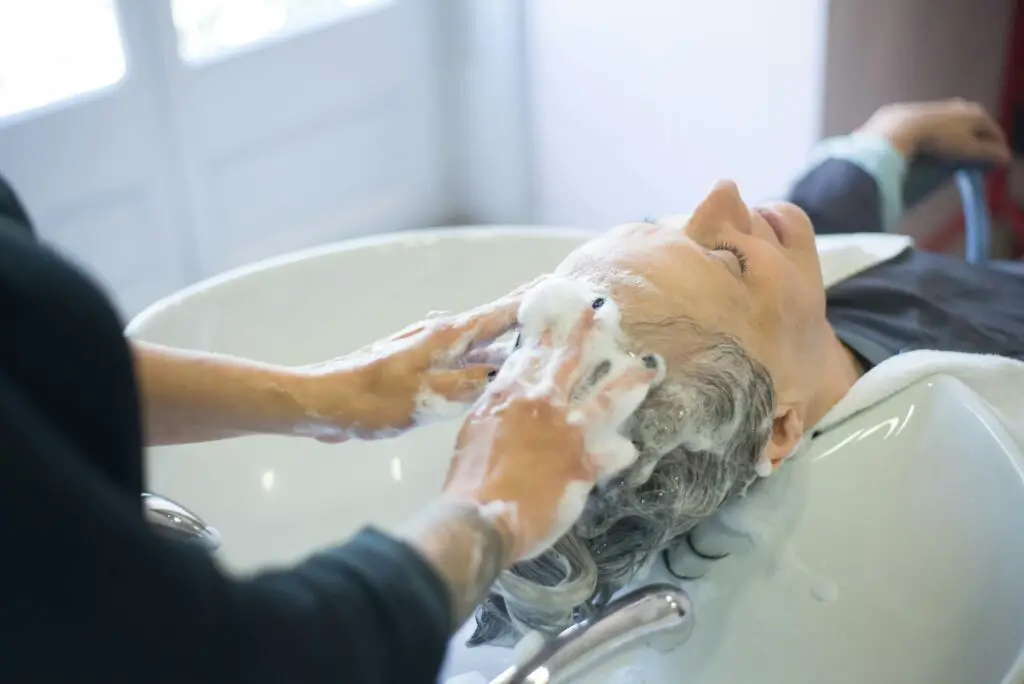
This motorized scalp massager came with multiple spinning prongs that promised to boost circulation and promote luxurious hair. You’d place it gently on your head, turn it on, and hope for the best as the prongs whirred to life. It felt relaxing when it hit the right spot, but if it slipped, it could yank a few strands. Women loved the idea of encouraging hair growth without all the brushing.
The look of the device, though, was slightly menacing. It resembled a metal claw machine designed for your scalp. Still, many found it soothing enough to use daily. Today, modern handheld massagers are far gentler and a lot less intimidating.
9. The “Beauty Stretch” Chin Strap
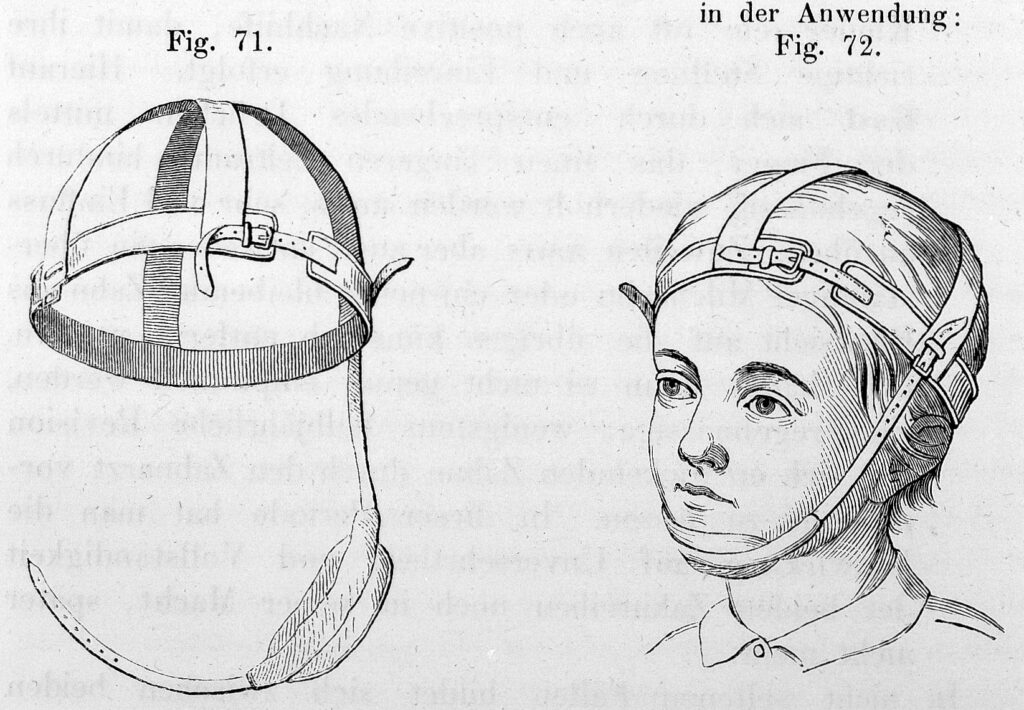
This stretchy harness wrapped around your chin and fastened at the top of your head, promising to firm the jawline and prevent sagging. Advertisements featured women smiling confidently while wearing it, even though the strap itself looked wildly uncomfortable. You were supposed to wear it for long periods, which made simple things like talking a challenge. Still, it became popular for anyone worried about developing a double chin.
People loved the promise of a quick fix, even if the results were questionable. The strap could pinch, slip, or leave deep marks on your cheeks. Yet, many kept using it because it was easy to put on. Today, it looks like something from an orthopedic catalog rather than a beauty routine.
10. The Home Perm Machine
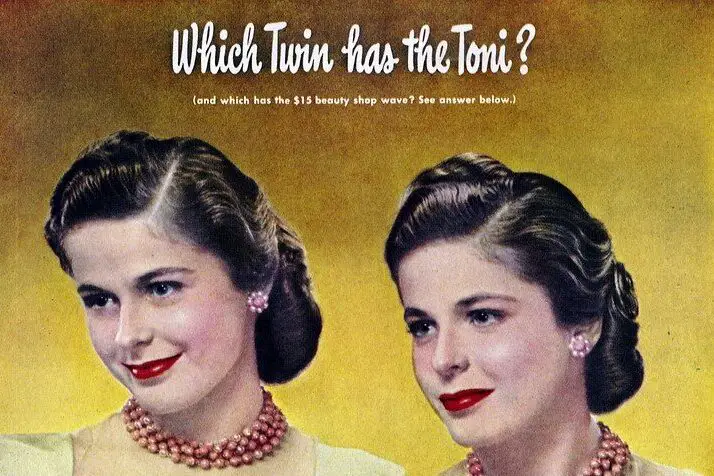
This home perm kit featured heated metal rods suspended from a frame that sat on your head, looking like a mix between a chandelier and a spider. Women would attach their hair to the rods, hoping to achieve bouncy curls without visiting the salon. The heat was intense, and you had to be careful not to over-process. But at the time, it felt empowering to be able to give yourself a salon treatment at home.
Still, the whole setup was intimidating, with cords dangling everywhere. You’d sit frozen, hoping nothing sparked. Many people loved the results, but the gadget itself looked like something Dr. Frankenstein might admire. Modern perm tools are much safer and definitely less theatrical.
11. The Posture-Correcting Beauty Brace
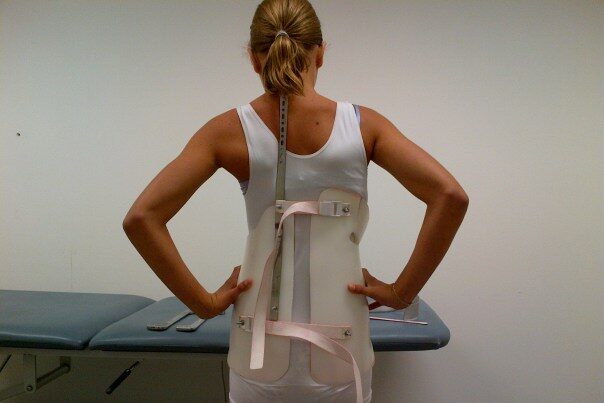
This metal and fabric brace strapped around your torso and shoulders, promising to improve posture for a more “graceful” silhouette. Posture was considered an essential part of beauty, so many women wore it faithfully. The brace forced your shoulders back and chest forward, which wasn’t always comfortable. Ads portrayed it as elegant, even though it felt like wearing a portable coat rack.
Long wear could leave your shoulders sore, and bending was nearly impossible. Still, people believed that good posture meant good beauty. Today, it looks more like medical equipment than a beauty enhancer. But in the ’50s, it was as common as curlers.
12. The Hot-Lather Face Mask
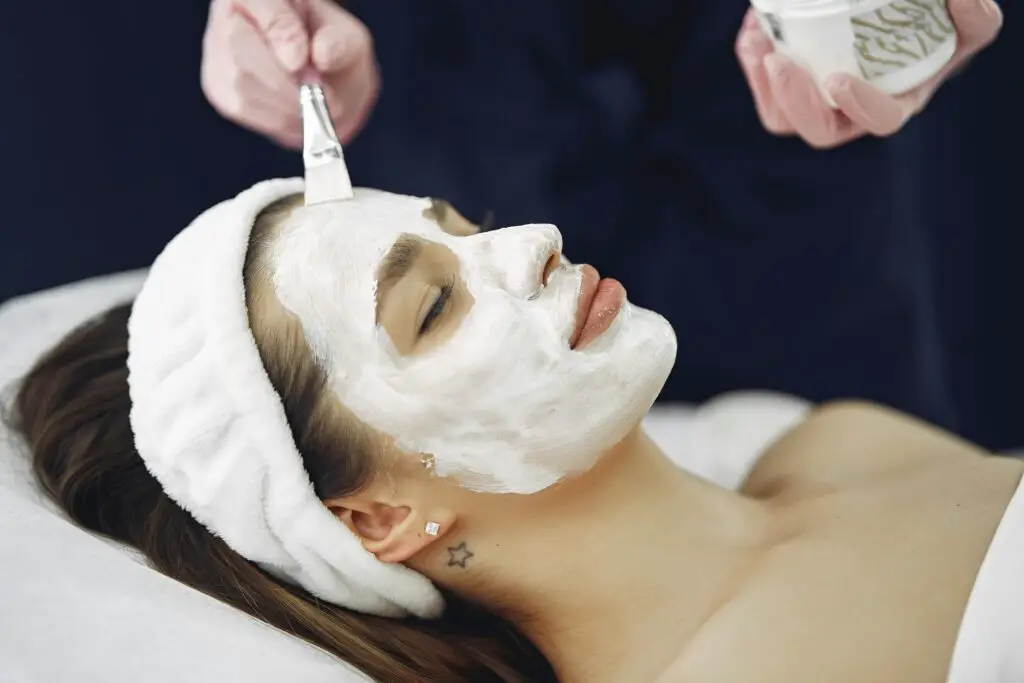
This mask heated up to release warm, creamy lather directly onto your face, promising soft, exfoliated skin. You’d strap it on and wait as it bubbled, which felt luxurious for some and claustrophobic for others. If the temperature went too high, it became uncomfortably steamy. But the rich foam was seen as a fancy way to pamper yourself.
The mask itself looked a little too much like something a supervillain might wear. It certainly made skincare feel like a production. Many women enjoyed the softness it left behind, even if the experience was overwhelming. Today, gentler sheet masks have thankfully replaced it.
13. The Infrared Slimming Lamp
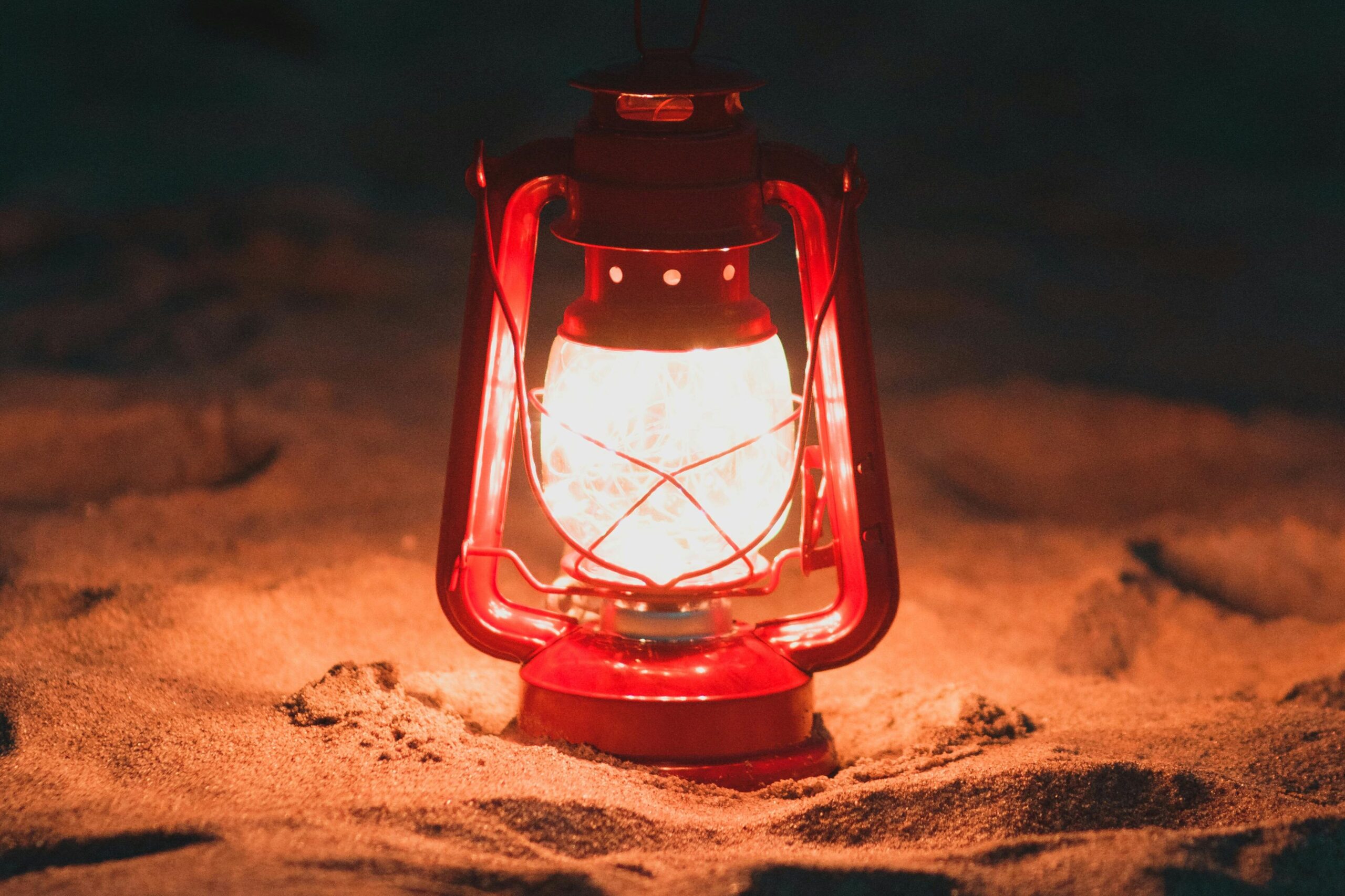
This tall, glowing lamp used infrared heat that promised to melt away inches and tone the body. You’d stand or sit under it while it radiated warmth, which seemed soothing at first. Some people swore it made their skin feel firmer, while others just felt overheated. Still, the idea of noninvasive slimming made it irresistible to many.
The lamp had a dramatic look, casting an intense red glow that filled the room. It made your at-home beauty routine feel a bit like a scientific experiment. While harmless in moderation, it didn’t exactly deliver dramatic results. The device today looks more theatrical than therapeutic.
14. The Mechanical Eyelash Curler Machine
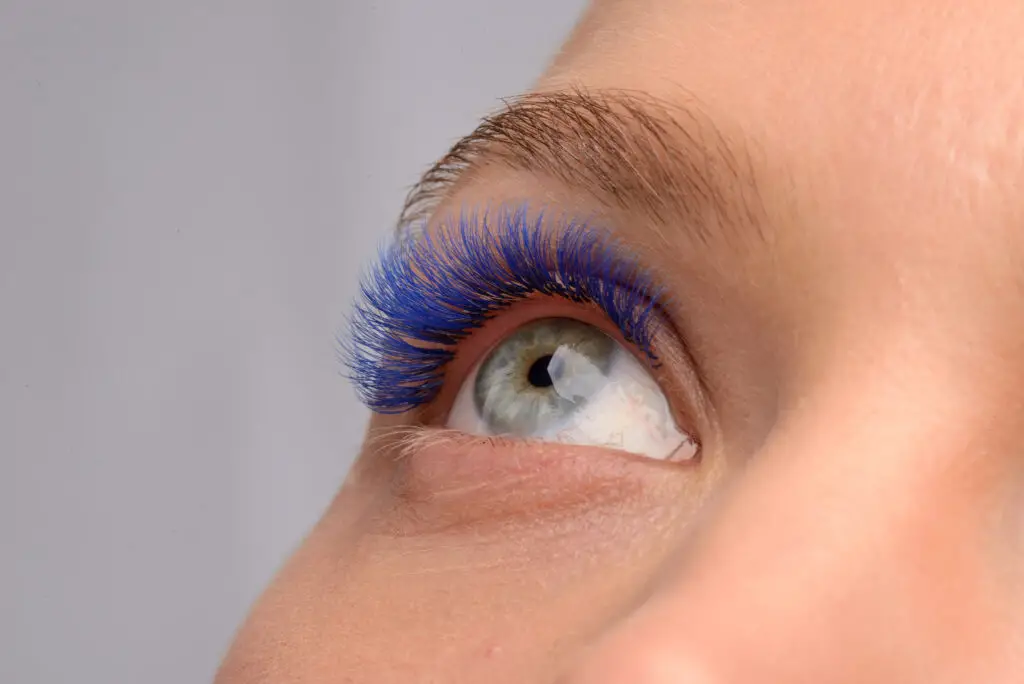
This eyelash-curling device opened and closed automatically with the help of a tiny motor. You’d position your lashes, press a switch, and hope everything stayed aligned. If it slipped, it could pinch or pull, turning a simple task into a nerve-wracking moment. But the idea of perfectly curled lashes without hand strain appealed to many.
The machine itself looked surprisingly intense for such a delicate job. It hummed loudly and had a slightly unpredictable snap to it. Some people loved how precise it felt, while others retired it after one scary attempt. Today’s curlers are much simpler, thankfully, and far less intimidating.