
1. Beating Rugs by Hand
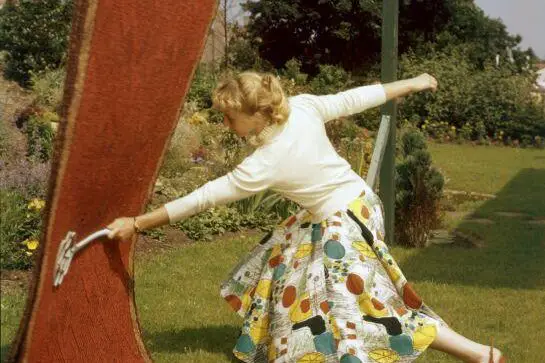
There was a time when spring cleaning meant dragging every rug in the house outside, hanging it over a clothesline, and whacking it until the dust clouds looked like a weather event. It was messy, loud, and weirdly satisfying, even though you’d spend half the day coughing. People swore the fresh air helped “clean” the rug, even if it mostly just coated the backyard in grime. Kids would usually scatter because once that dust started flying, everyone looked for a quick exit.
Of course, this chore wasn’t optional because rugs were expensive and vacuum cleaners weren’t nearly as powerful as they are now. You’d finish one and immediately realize the next one still needed to be dragged out. By the end, your arms were tired, your hair was dusty, and you wondered why you ever bought rugs in the first place. Today, one quick pass with a modern vacuum makes you appreciate how far we’ve come.
2. Ironing Absolutely Everything
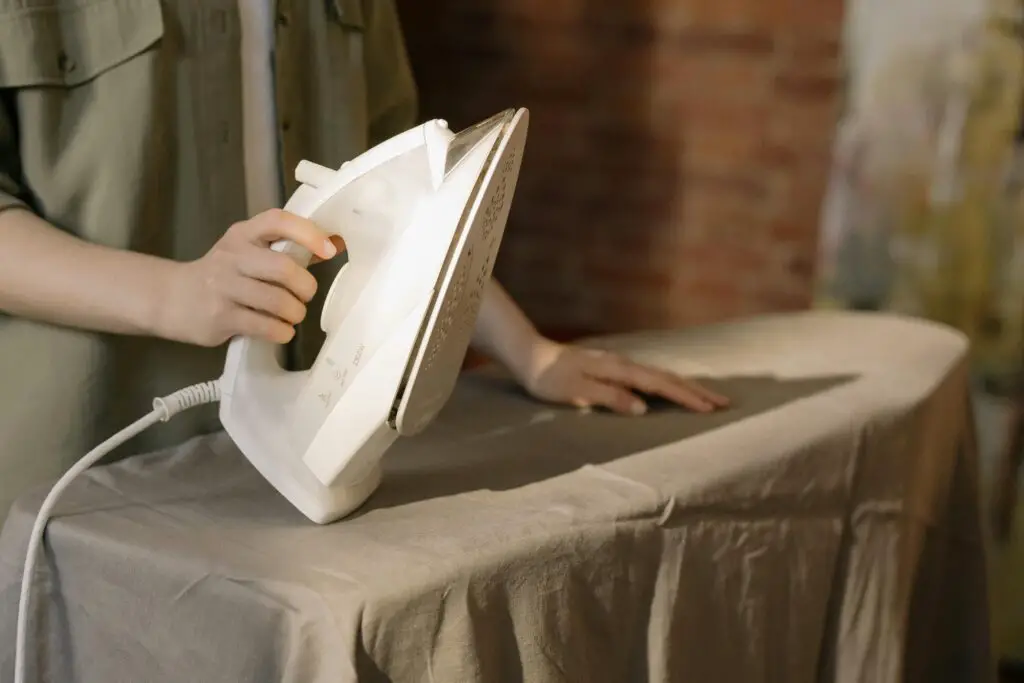
People used to iron shirts, sheets, handkerchiefs, tablecloths, and even underwear. It didn’t matter if anyone would ever see it, it had to be crisp. The ironing board lived in the hallway or bedroom because it felt like someone was always using it. Steam would fog up the room, and you’d hear that rhythmic glide and hiss all afternoon.
The chore itself took forever because fabrics wrinkled easily and needed constant attention. If you dropped something or missed a corner, you had to start over. And the moment you finished one batch, a new pile magically appeared. Permanent press fabrics and wrinkle-free clothing honestly changed lives.
3. Washing Clothes in a Wringer Washer

Laundry day with a wringer washer meant hauling heavy tubs of water, stirring clothes with a wooden stick, and sending each piece through a crank that squeezed out the water. Fingers were often at risk, and more than one shirt got twisted. The whole process took hours before you even got to the drying part. And you’d sweat through every layer you were wearing.
Once washed, everything had to be rinsed in another tub and run through the wringer again. The machine was loud, wet, and unpredictable, but it was still considered modern for its time. By the end, the laundry basket felt like it weighed as much as a person. Automatic washers made this whole ordeal feel like ancient history overnight.
4. Hanging Clothes on the Line
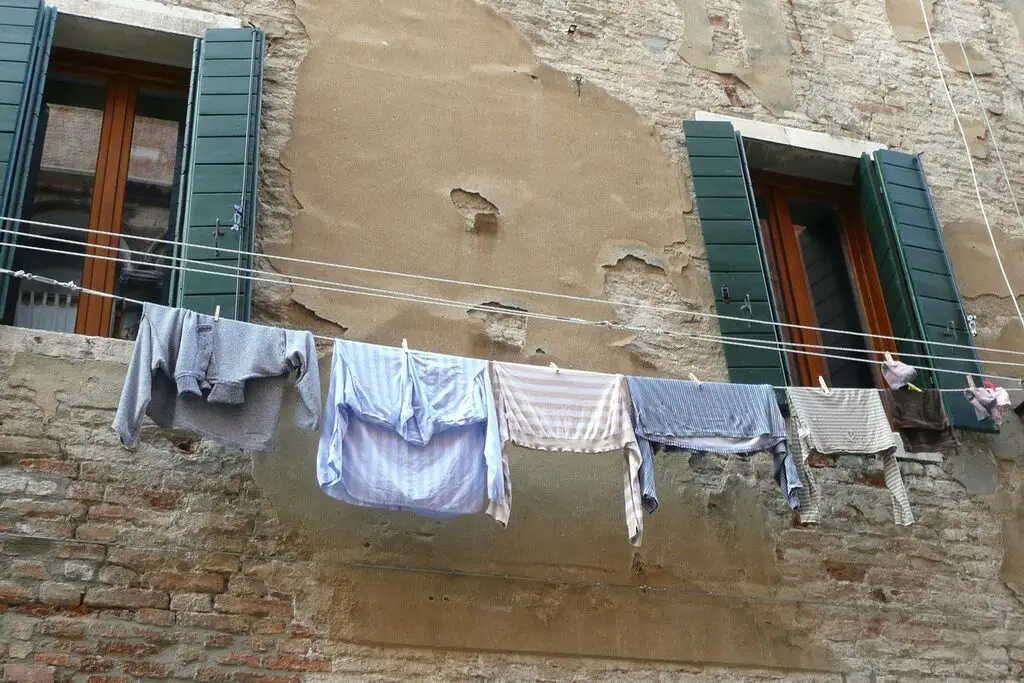
Hanging clothes outside might sound charming now, but when it was the only option, it felt like a marathon. You had to schlep a heavy basket to the yard and hope the weather behaved. If a gust of wind blew a sheet into the dirt, the whole thing had to be washed again. And if rain showed up uninvited, the day’s work was ruined.
Even after everything dried, the job wasn’t done. You had to bring it all inside, shake it out, fold it, and deal with stiff fabrics that felt like cardboard. Clothes smelled wonderful, but the chore took ages. Dryers eventually made line-drying a choice instead of an all-day requirement.
5. Polishing Silver
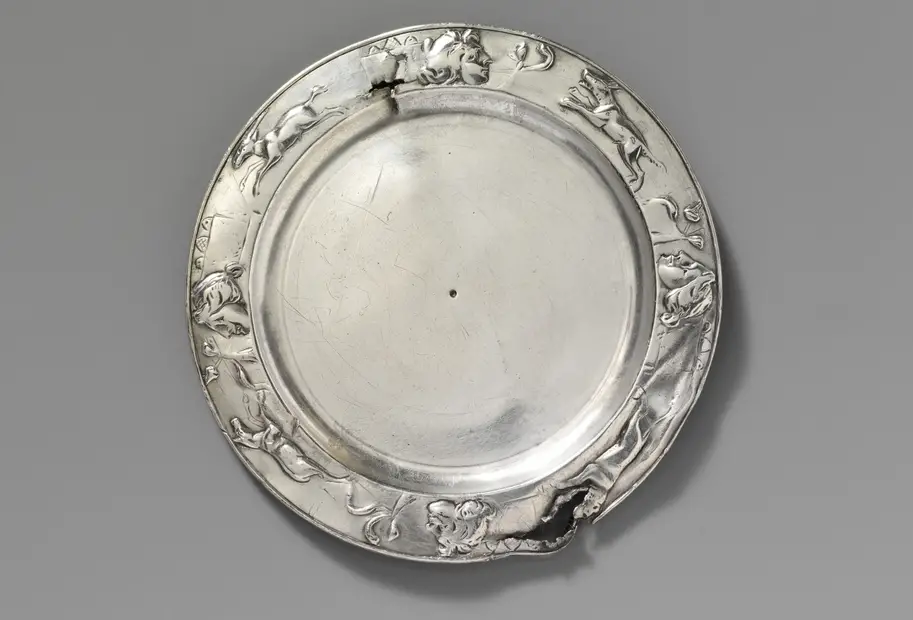
Silver tarnishes if you even think about exposing it to air. Families used to spend hours rubbing paste onto it with soft cloths until every fork and teapot shone. The smell of silver polish could take over the entire house. And it seemed like just days later, the pieces started darkening again.
Most households treated it like a special-occasion ritual, especially before holidays. But it was a tedious, repetitive job that left your hands tired. You’d check each piece in the light to make sure you didn’t miss a spot. Eventually, people realized stainless steel was prettier simply because it didn’t fight back.
6. Waxing the Floors
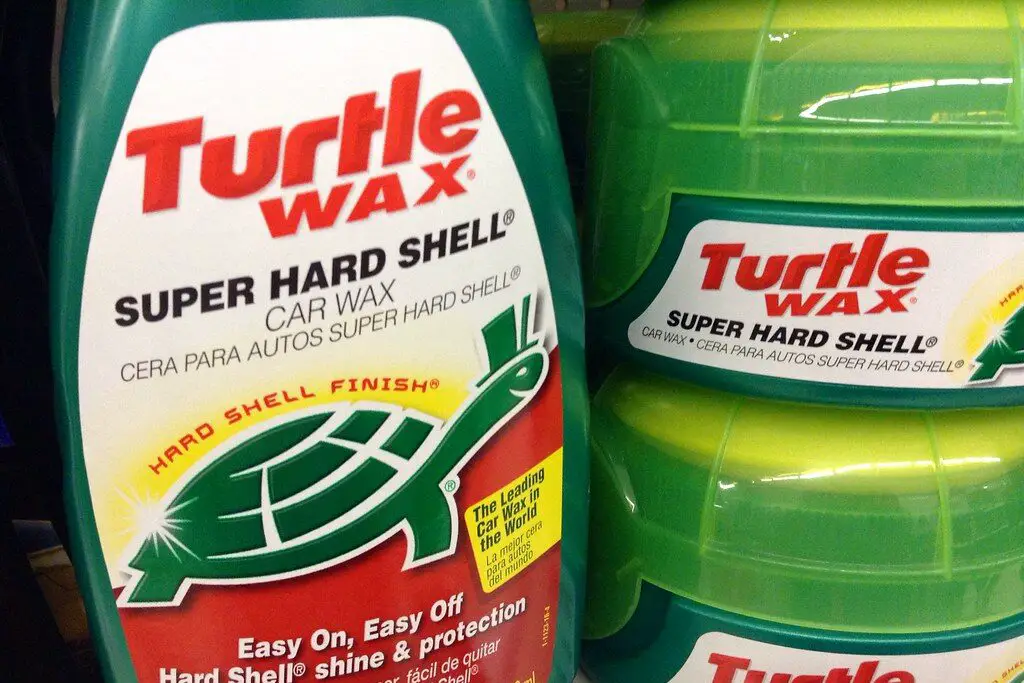
Floor waxing meant moving every piece of furniture, scrubbing the floor bare, and then spreading wax in slow, careful circles. The smell lingered in the air, and the wax dried unevenly if you rushed. People would block off entire rooms so no one accidentally stepped on the floor too soon. It was basically a full-body workout disguised as cleaning.
Once the wax dried, it had to be buffed by hand with towels or brushes. Some families even took turns sliding across the floor to speed it up. The shine looked beautiful, but it came at the cost of sore arms and half a day lost. Modern sealants and finished floors made this chore nearly disappear.
7. Cleaning the Oven Without Self-Clean
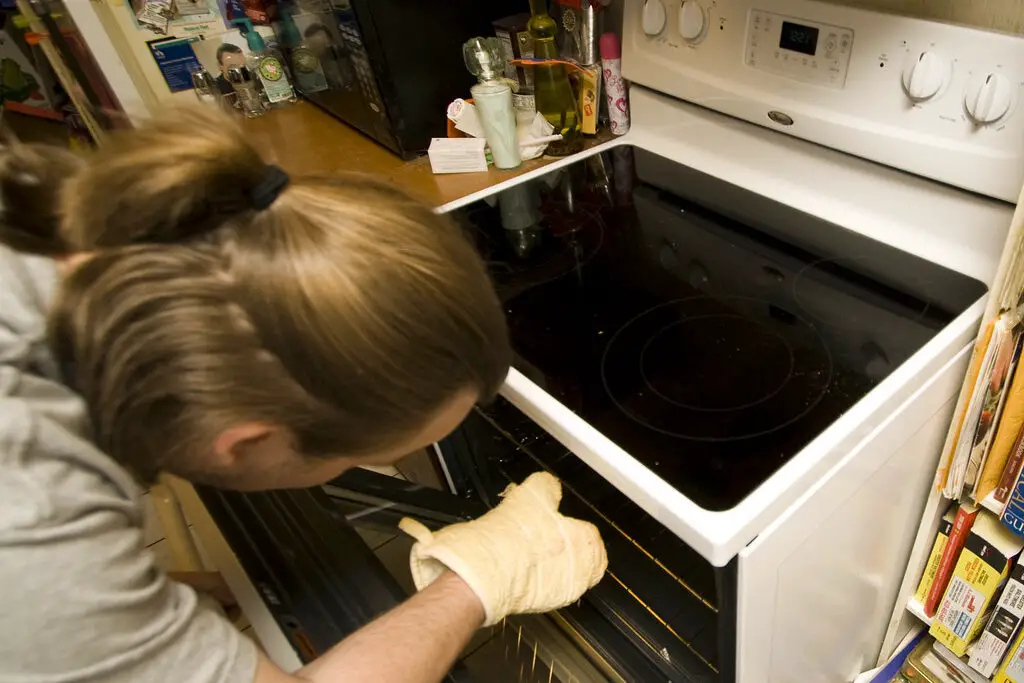
Before self-cleaning ovens, you had to get down on the floor with scrapers, baking soda, or heavy chemicals and scrub like you were trying to remove cement. The smell alone could chase people out of the kitchen. Grease collected in corners that no tool seemed able to reach. It was messy, tiring, and never felt fully finished.
You’d often spend an entire afternoon soaking racks and wiping down walls. If the oven was used frequently, the grime built up quickly, so it felt like a job you could never quite get ahead of. It was the kind of chore people dreaded and procrastinated for months. When the self-clean button arrived, it felt like a miracle.
8. Defrosting the Freezer
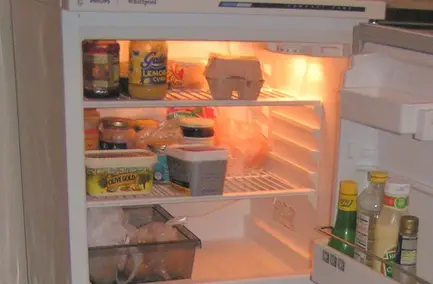
Old freezers collected frost like it was their job, and defrosting them meant turning the whole thing off and waiting for the ice to melt. Towels lined the floor, bowls caught the drips, and someone always poked at the ice with a spoon even though you weren’t supposed to. The process dragged on while food sat in coolers or on the counter.
Once the frost softened, you scraped out chunks and tried not to splash water everywhere. The freezer looked great afterward, but you knew it would be frosty again in a few months. It was one of those chores that messed up your entire kitchen for the day. Frost-free models instantly made life easier.
9. Washing Walls
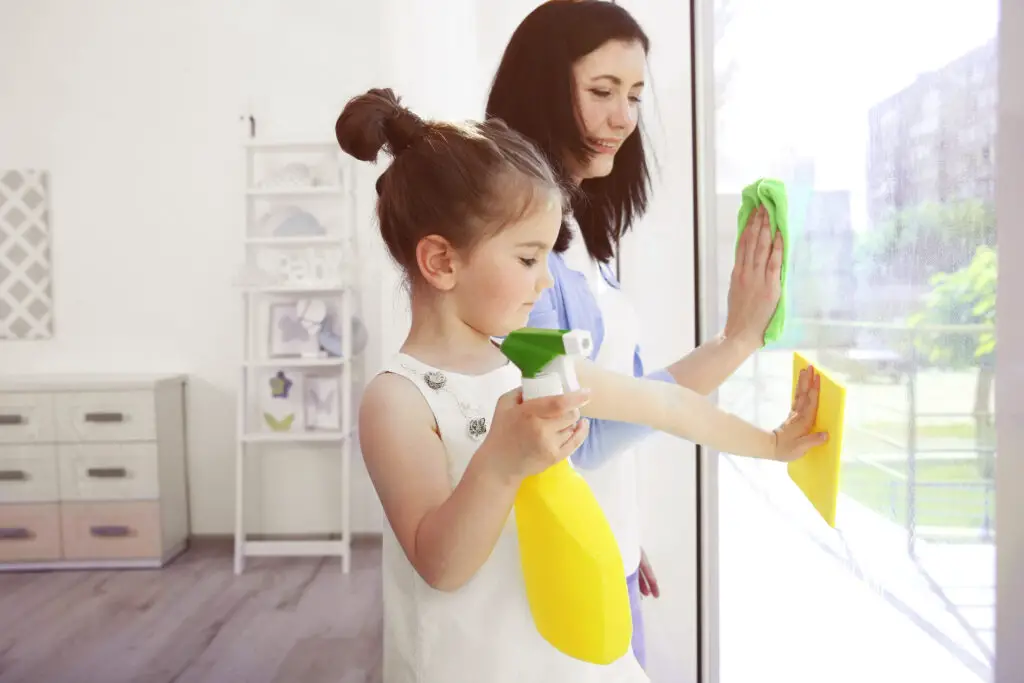
Washing walls wasn’t a quick wipe down, it was a serious top-to-bottom scrubbing session with warm water and soap. Dust and fingerprints clung to the paint, especially in kitchens. Climbing on chairs or stepladders was expected because every corner had to be spotless. The chore often took the better part of the day.
When you finally finished, your arms felt like jelly. You’d discover spots you missed hours later and debate whether you had the energy to care. People took wall washing so seriously that it even appeared on old cleaning schedules. Paint finishes today are far more forgiving, making this once-common task rare.
10. Hand-Washing Dishes for a Full Household
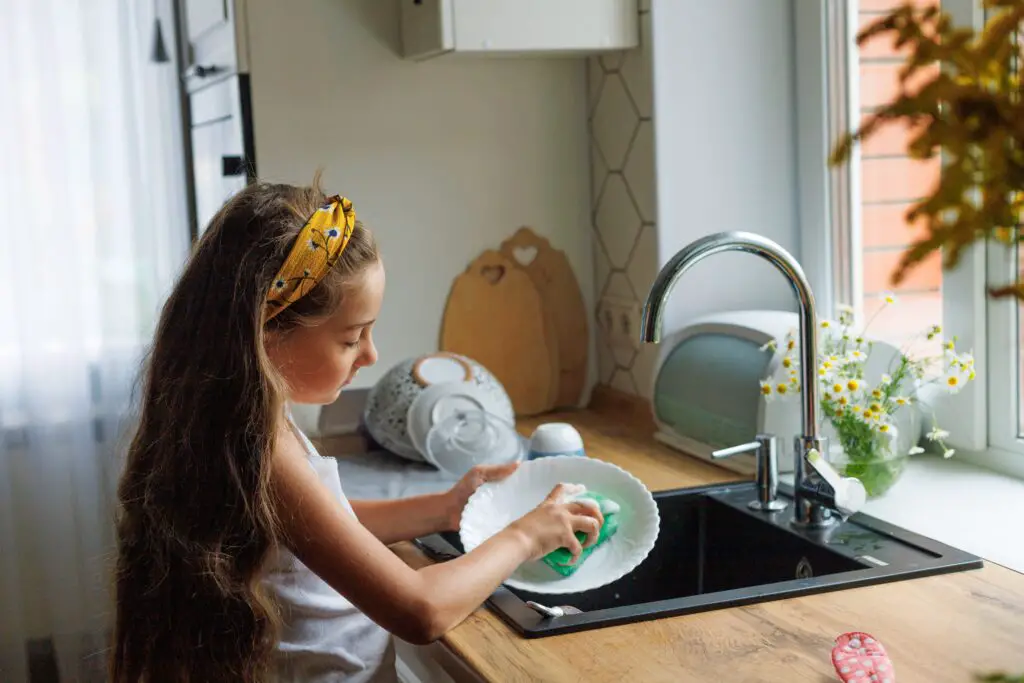
Before dishwashers became common, big families faced mountains of plates, cups, and pots after every meal. Water had to be reheated constantly because it cooled quickly. The sink filled up fast, and someone always argued about who was “rinsing wrong.” It was an all-hands-on-deck chore.
Even after everything was washed, the drying part felt endless. Towels got soaked, counters overflowed, and someone always found a sticky pot long after you thought you were done. It made after-dinner relaxation nearly impossible. Dishwashers completely transformed kitchen cleanup.
11. Scrubbing Bathrooms by Hand

Cleaning a bathroom used to mean scrubbing tile grout with a brush, polishing faucets, and scouring tubs. The work took time because cleaners weren’t as powerful and buildup happened quickly. Bathrooms stayed damp, which didn’t help. And the smell of old-fashioned cleansers stuck in your nose for hours.
Families tackled this chore weekly because it didn’t stay clean for long. Kneeling, bending, and reaching made it physically exhausting. The job always revealed new grime you didn’t know existed. Today’s sprays and tools make the same work take a fraction of the time.
12. Washing Windows Inside and Out
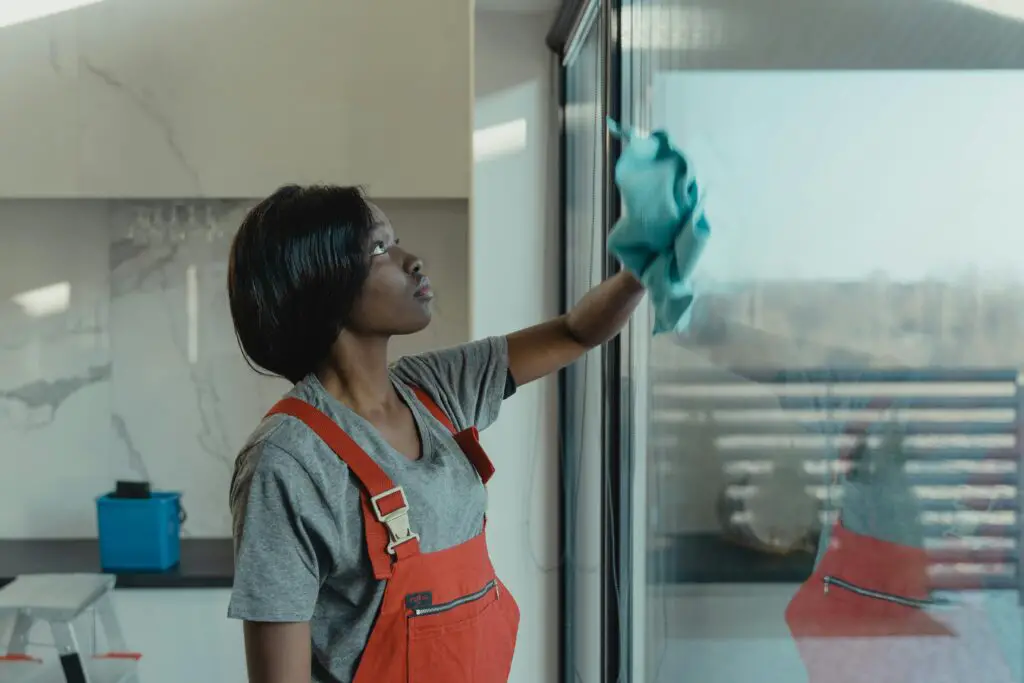
Window washing required buckets, cloths, newspapers, and a good dose of patience. Outdoor windows were the hardest because they were often high or awkwardly placed. You’d spot streaks only after you thought you were done. And then you’d start the whole process again.
Inside windows weren’t much easier because curtains, blinds, and furniture blocked the way. People took great pride in spotless glass, but it was a chore that could eat up half a day. Modern cleaners and tools reduce streaks, but it’s still a job many people try to avoid. At least now it’s quicker.
13. Cleaning Out the Coal Stove or Fireplace
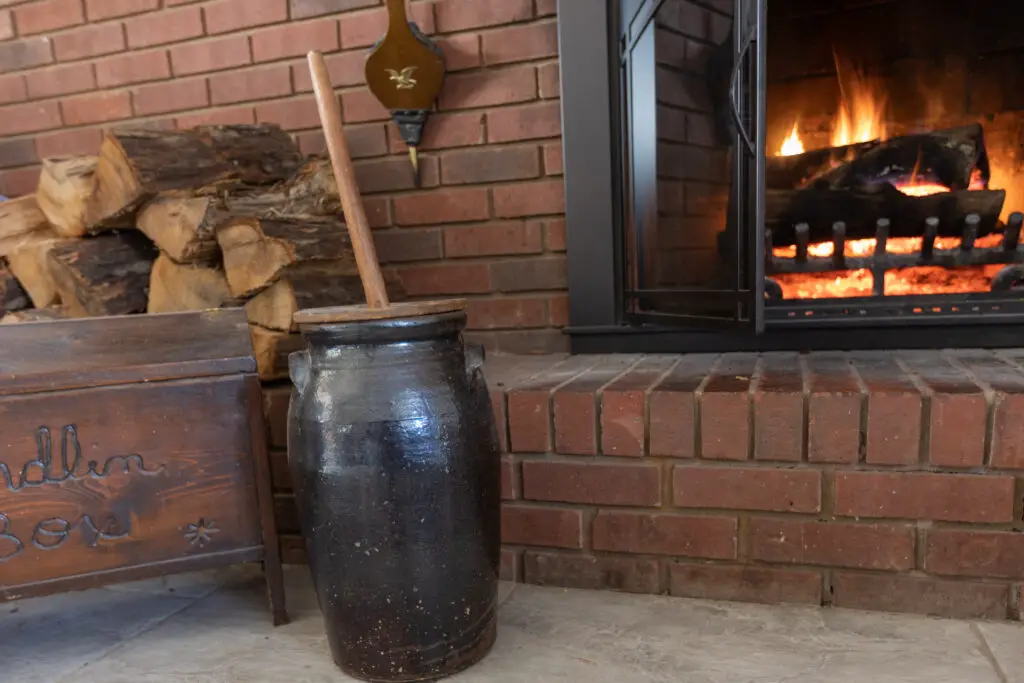
Homes that relied on coal or wood heat needed constant upkeep. Emptying ash and sweeping out soot became regular chores, and both created more mess before any cleaning actually happened. The smell of ash clung to clothing, and you’d track dust everywhere. It wasn’t a chore you could rush through.
Once the stove or fireplace was clean, you still had to haul in new coal or wood for the next fire. It required planning ahead and dealing with splinters or heavy buckets. Getting it done felt like an accomplishment every time. Central heating made this once-daily task a distant memory.