
1. Lye Soap
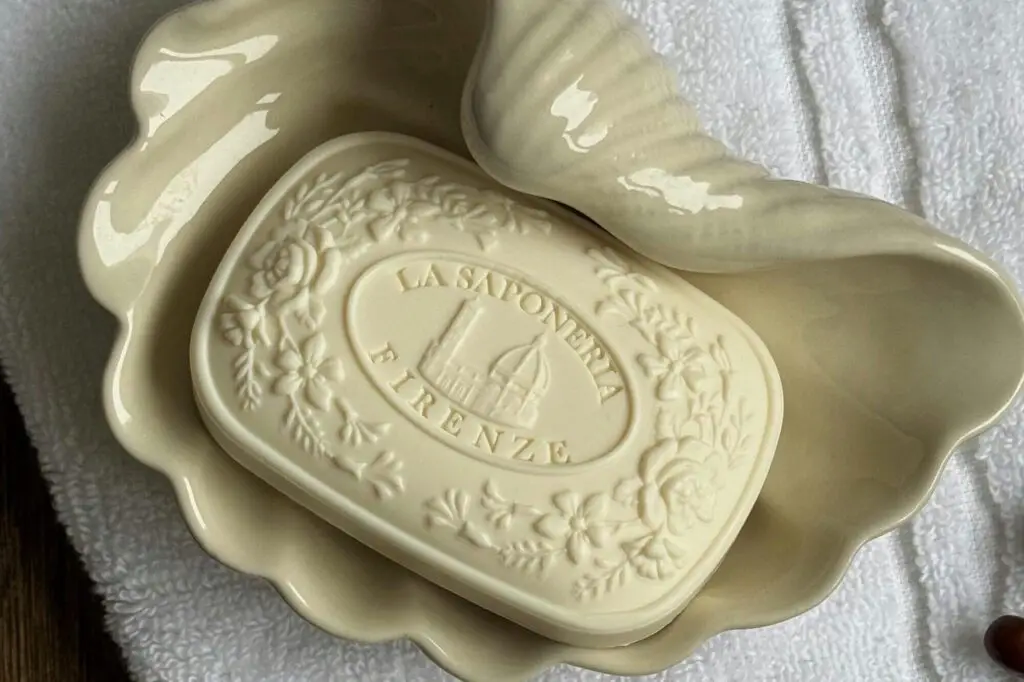
If you grew up around older relatives, there is a good chance lye soap was treated like a miracle worker. It was tough on grease, stains, and pretty much anything else that dared to exist. People used it on floors, laundry, and sometimes even their hands, despite how harsh it could be. The idea was simple, if it stripped grime, it had to be working.
Looking back, it is wild how normal it seemed to clean with something so caustic. Lye soap could easily irritate skin or cause burns if not handled carefully. Today, the thought of keeping it under the sink feels more alarming than practical. Still, for decades, it was a trusted staple in homes everywhere.
2. Ammonia
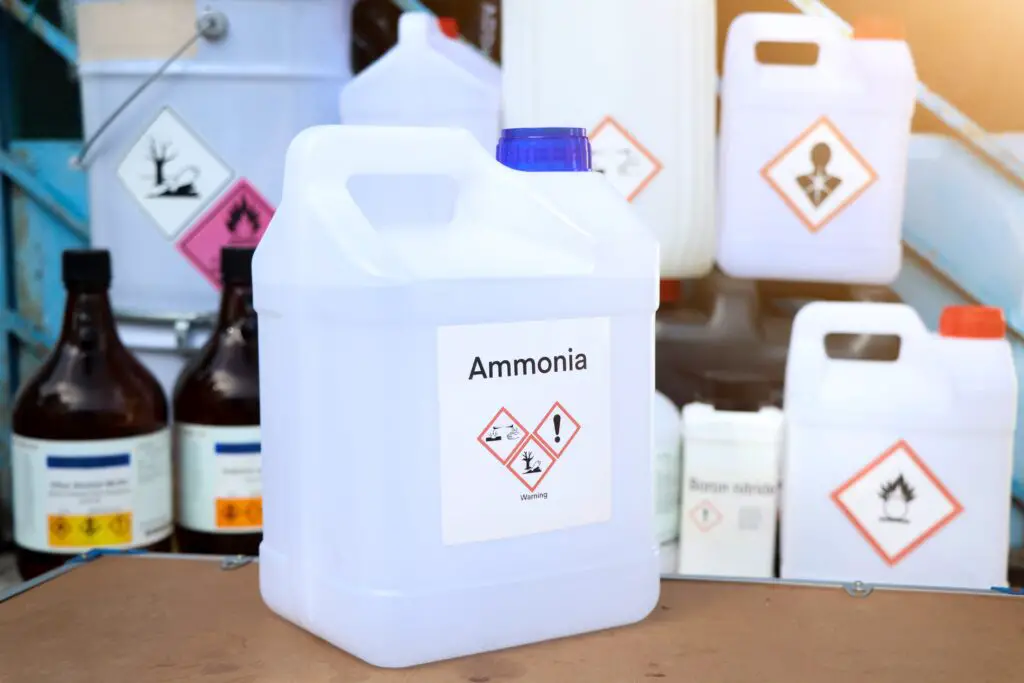
Ammonia used to be the go-to cleaner for windows, floors, and just about anything that needed to shine. The sharp smell alone convinced people it meant serious business. A splash in a bucket of water was believed to cut through dirt better than anything else. Many households kept a bottle within arm’s reach at all times.
Over time, people realized how overpowering and dangerous it could be when misused. Mixing it with other cleaners could create toxic fumes, something many did not fully understand back then. Modern cleaners now promise the same results without the eye-watering odor. Ammonia has quietly stepped aside, though a lot of us still remember that smell instantly.
3. Borax
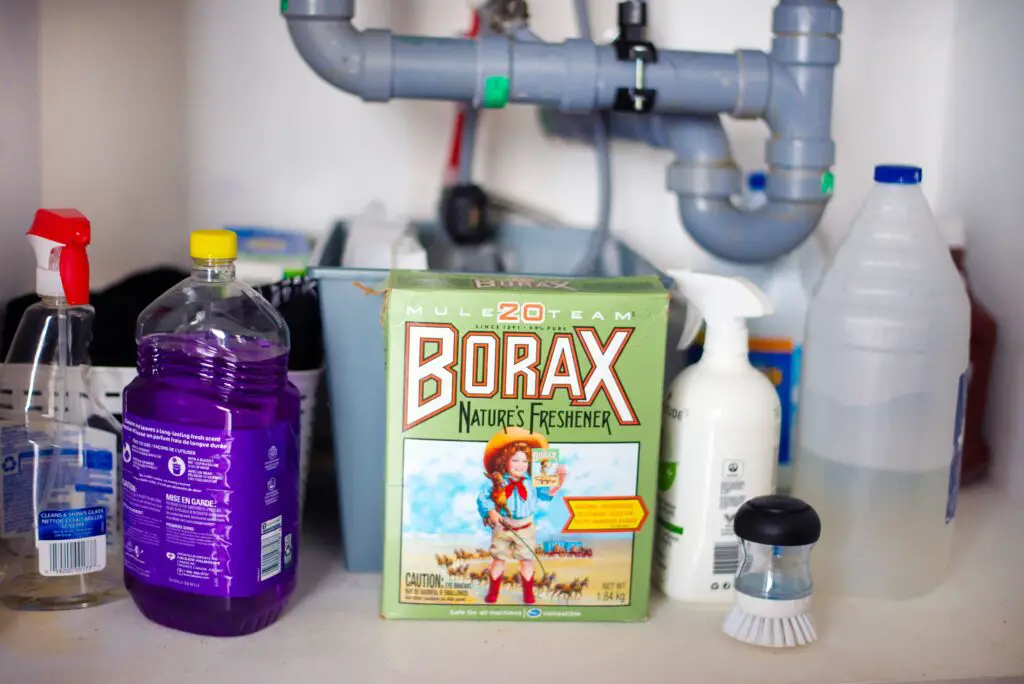
Borax once held almost mythical status as a one-box solution for cleaning and laundry. It was used to scrub sinks, boost detergent, and even chase away pests. People swore by it as a natural and economical option long before that word was trendy. A box often lived on the laundry shelf for years.
Concerns about safety and proper handling eventually cooled its popularity. While it still exists, it is no longer marketed as a cure-all for every household mess. Many modern products do the same jobs with clearer instructions and fewer warnings. Borax now feels like a relic of a more anything-goes cleaning era.
4. Whiting
Whiting, a fine chalky powder, was once essential for polishing floors and metals. It showed up in households as a way to brighten surfaces and absorb grease. People sprinkled it, rubbed it in, and hoped for the best. It was messy but trusted.
Today, most people would have no idea what to do with it. Modern polishers are far easier to apply and far less dusty. Whiting required patience and a tolerance for extra cleanup afterward. It slowly disappeared as convenience became king.
5. Paste Wax for Floors
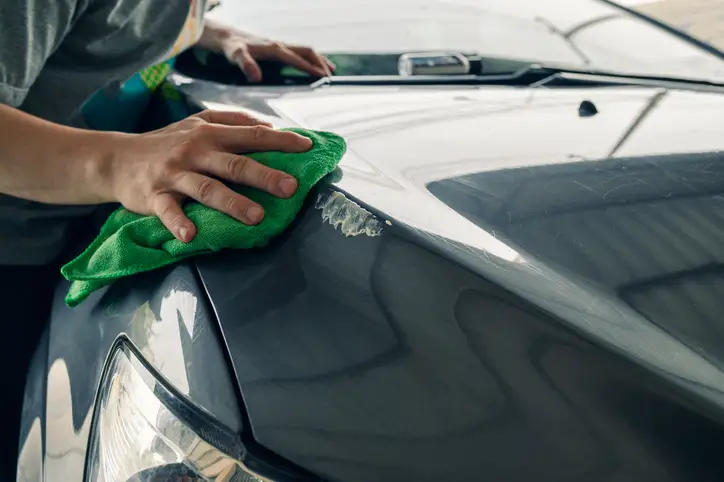
Paste wax used to define what a clean floor looked like. People got down on their hands and knees to apply it, then buffed until their arms ached. A shiny floor was a badge of honor, especially before company arrived. The smell alone signaled serious cleaning was happening.
As flooring materials changed, paste wax fell out of favor. Many modern floors are not meant to be waxed at all. Easy mop-and-go solutions took its place. The ritual of waxing floors now feels like a scene from another century.
6. Laundry Bluing
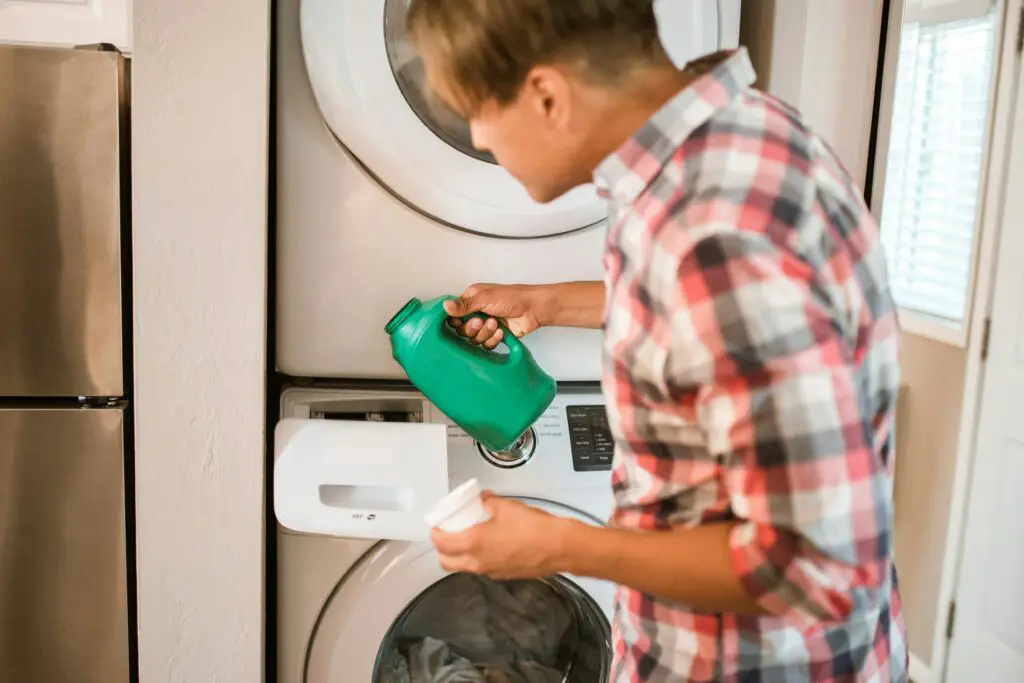
Laundry bluing was meant to make whites look whiter by counteracting yellow tones. A tiny amount went into the wash, and using too much could turn clothes faintly blue. It felt a bit like chemistry class in the laundry room. Still, many households swore by it.
Eventually, improved detergents made bluing unnecessary. The risk of ruining a load outweighed the benefits for most people. Today’s washing products handle brightening without extra steps. Bluing bottles now feel like a curiosity rather than a necessity.
7. Kerosenes Based Cleaners
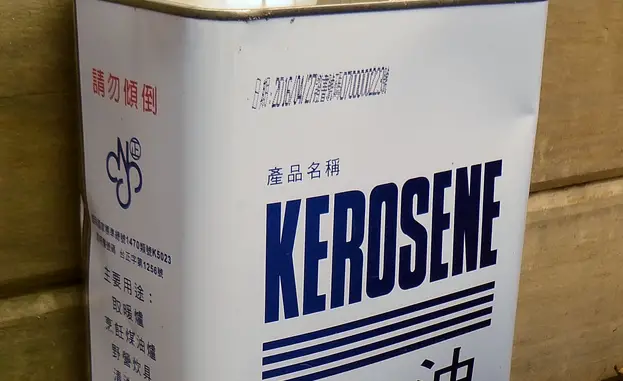
Kerosene was once used to clean greasy tools and surfaces, especially in garages and basements. It was effective, cheap, and readily available. The strong smell was just part of the deal. People did not think twice about using it indoors.
Modern safety standards quickly pushed these practices out. The fumes and fire risk alone make it unthinkable now. Specialized degreasers do the job far more safely. Kerosene cleaning has firmly stayed in the past.
8. Fels Naptha Soap
Fels Naptha was a laundry soap famous for tackling stubborn stains. People grated it, soaked clothes in it, and trusted it with their toughest messes. It felt like a secret weapon passed down through generations. Even the name sounded serious.
Over time, liquid stain removers took over. They were quicker and required far less effort. While Fels Naptha still has loyal fans, it is no longer a mainstream staple. For many, it is more nostalgic than practical.
9. Homemade Lard Soap

Homemade lard soap was common in households that believed in using every scrap. Rendered animal fat was turned into bars for cleaning everything from dishes to floors. It was economical and dependable. You used what you had.
As store-bought soaps became affordable and varied, homemade versions faded away. Concerns about sanitation and odor did not help. Modern soaps are gentler and far more pleasant. Lard soap now belongs to a very different time.
10. Scouring Powder
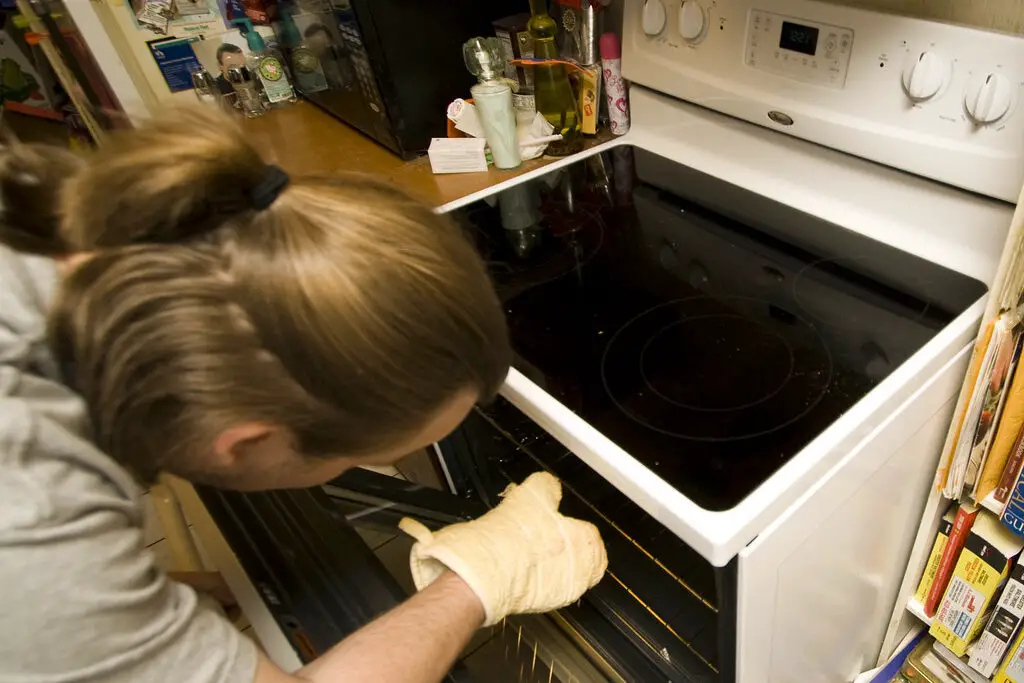
Scouring powder was once the answer to tough stains on sinks and tubs. Its gritty texture promised results through sheer elbow grease. People sprinkled it generously and scrubbed hard. Scratch marks were often considered acceptable trade-offs.
Today, gentler cleaners have replaced it. Most surfaces are not meant to be scoured aggressively. The idea of intentionally scraping fixtures feels counterproductive now. Scouring powder has largely been retired from regular use.
11. Carbon Tetrachloride Spot Removers

Carbon tetrachloride was once sold as a spot remover for clothes. It evaporated quickly and seemed great for grease stains. People used it without much thought. Labels did not carry the warnings we expect today.
Once its health risks became clear, it disappeared fast. Exposure was linked to serious medical issues. Safer alternatives quickly replaced it. This is one cleaner no one is eager to bring back.
12. Furniture Oil with Heavy Solvents
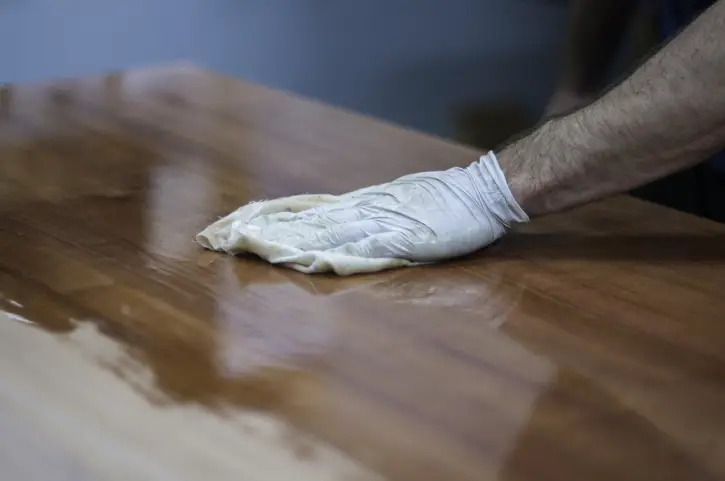
Old furniture oils often relied on strong solvents to create instant shine. They smelled intense and worked fast. A quick wipe made everything look polished. The trade-off was lingering fumes.
Today, furniture care focuses more on conditioning than stripping surfaces. Gentler products preserve finishes instead of overwhelming them. Many old formulas would be considered unsafe indoors now. They are best remembered from afar.
13. Coal Tar Soap
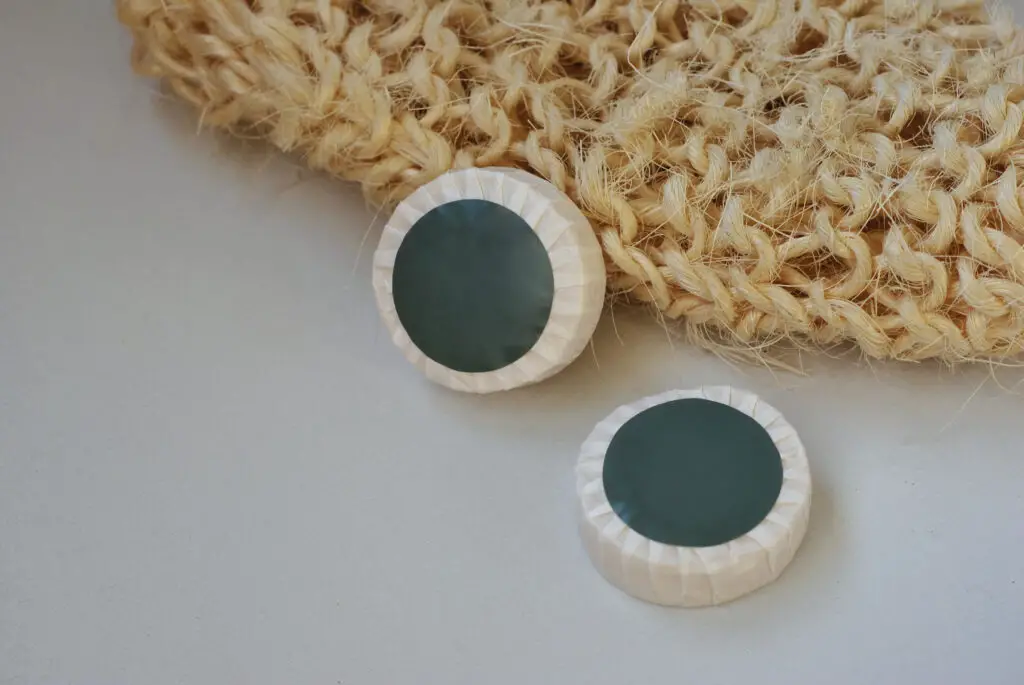
Coal tar soap was once used for heavy-duty cleaning and even personal hygiene. It tackled grease and grime like nothing else. The smell was unmistakable and not exactly pleasant. Still, it earned its place.
As gentler and better-smelling products emerged, coal tar soap lost popularity. Its uses became more specialized over time. Most households no longer keep it on hand. It remains a reminder of just how tough old cleaning products used to be.