
1. Sears
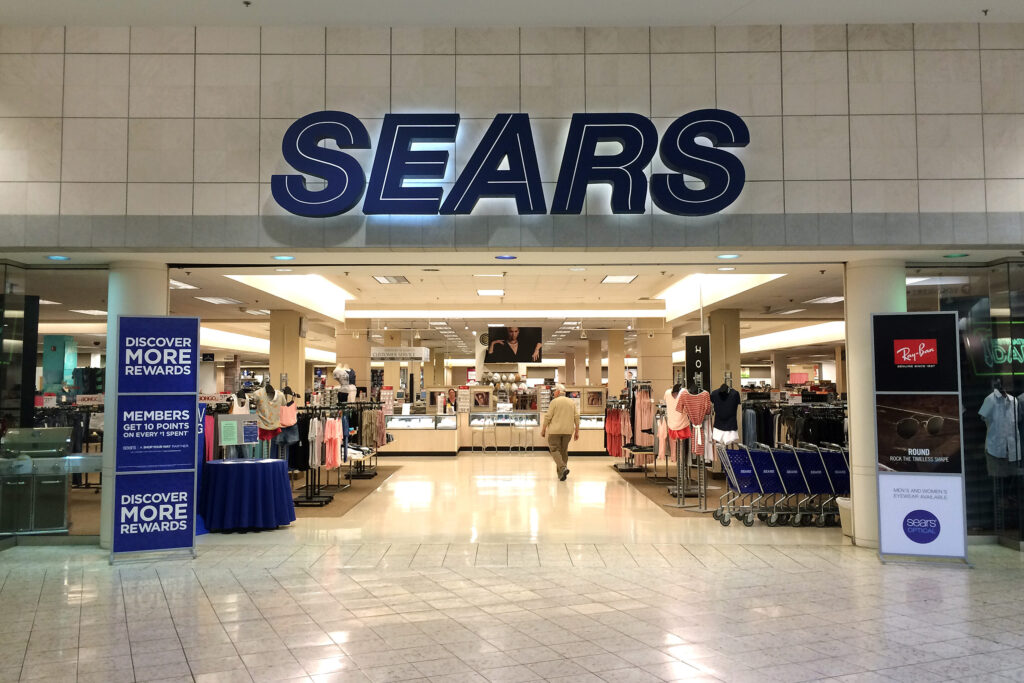
For decades, Sears was where families bought everything from school clothes to washing machines. It anchored malls, anchored towns, and anchored a very specific idea of American shopping. At its peak, it felt permanent in a way few retailers ever do. People planned their weekends around it without thinking twice.
Then locations began closing quietly, one by one, until the brand faded from everyday conversation. Sears did not disappear overnight, which almost made its decline easier to miss. Younger shoppers stopped growing up with it as a default option. Today, its name still exists, but mostly as a memory trigger rather than a destination.
2. Kodak
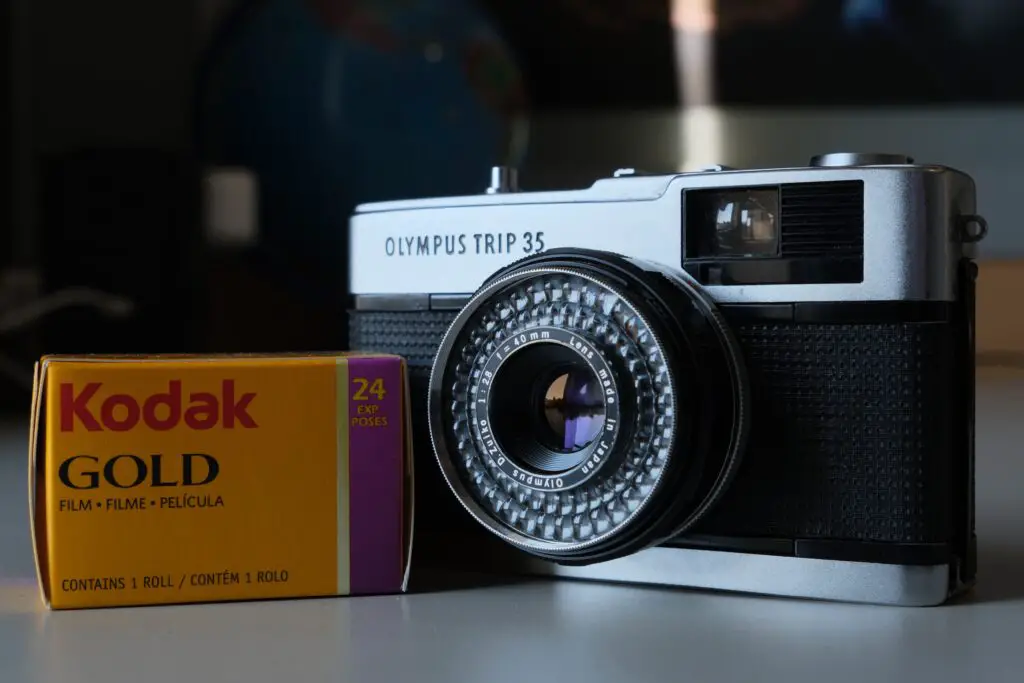
Kodak once meant photography itself, not just a brand of film. If you took pictures, Kodak was part of the process whether you noticed or not. The name was synonymous with moments, milestones, and family albums. It felt impossible to separate memories from the product.
Digital photography changed everything, and Kodak struggled to stay central in that shift. The company still exists, but it no longer defines how people capture their lives. Its cultural presence shrank gradually rather than collapsing. Now the name mostly surfaces in nostalgic conversations about film and photo labs.
3. Blockbuster
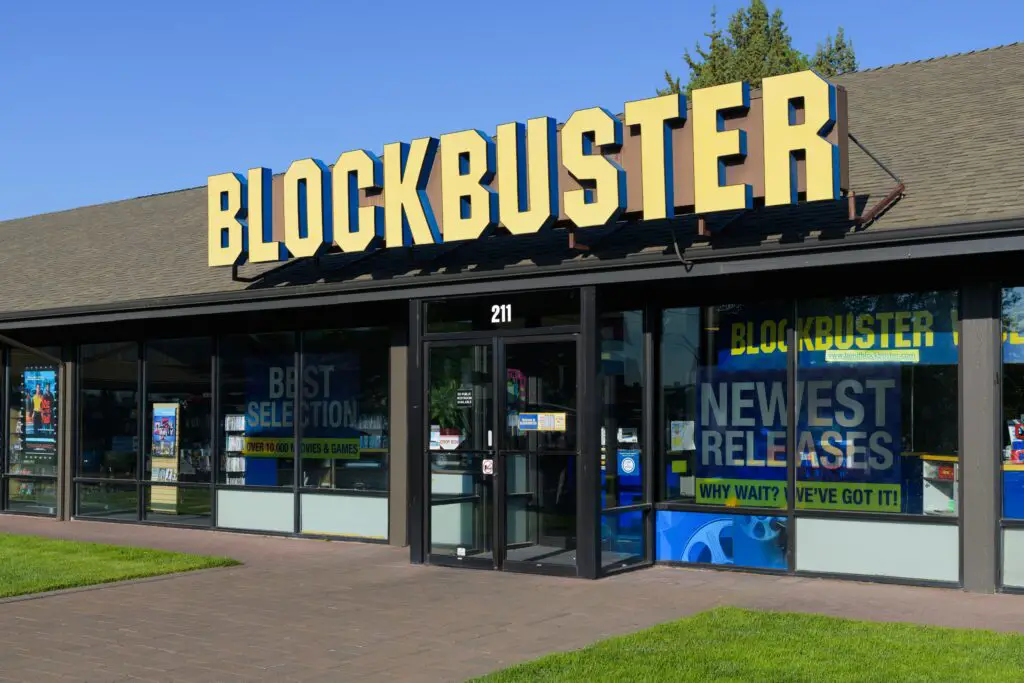
Blockbuster once dictated Friday night plans across the country. Families debated movies in aisles, not on apps. Late fees were a shared annoyance everyone understood. The blue and yellow logo was part of the weekly rhythm.
Streaming erased the need for physical rentals, and Blockbuster faded faster than many expected. The brand lingered as a punchline before slipping out of daily conversation entirely. Its collapse became a lesson in missed adaptation. What remains is mostly nostalgia and a few symbolic remnants.
4. AOL

AOL was once the internet for millions of people. The startup sound alone instantly placed you in a specific era. Email addresses ending in AOL felt normal and permanent. Being online meant being logged in through it.
As broadband expanded and the internet decentralized, AOL’s relevance steadily declined. It did not vanish, but it stopped being essential. The brand name now feels locked to a specific time period. People mention it more as a cultural reference than a tool.
5. MySpace

MySpace once felt like the center of online identity. Music, photos, personal layouts, and friend rankings all lived there. It was messy, customizable, and deeply personal. Entire subcultures flourished on its pages.
As sleeker platforms emerged, MySpace lost its grip on everyday users. The site still exists in altered form, but its cultural moment passed. People stopped checking it without making a formal decision to leave. Now it is remembered more for what it represented than what it does.
6. BlackBerry

BlackBerry was once the gold standard of mobile communication. Physical keyboards and secure email made it indispensable. Professionals and politicians swore by it. Owning one signaled seriousness.
Touchscreen smartphones shifted expectations quickly. BlackBerry’s slow response cost it cultural relevance. The name drifted out of everyday tech conversations. Today it mostly appears in retrospectives about early smartphones.
7. RadioShack
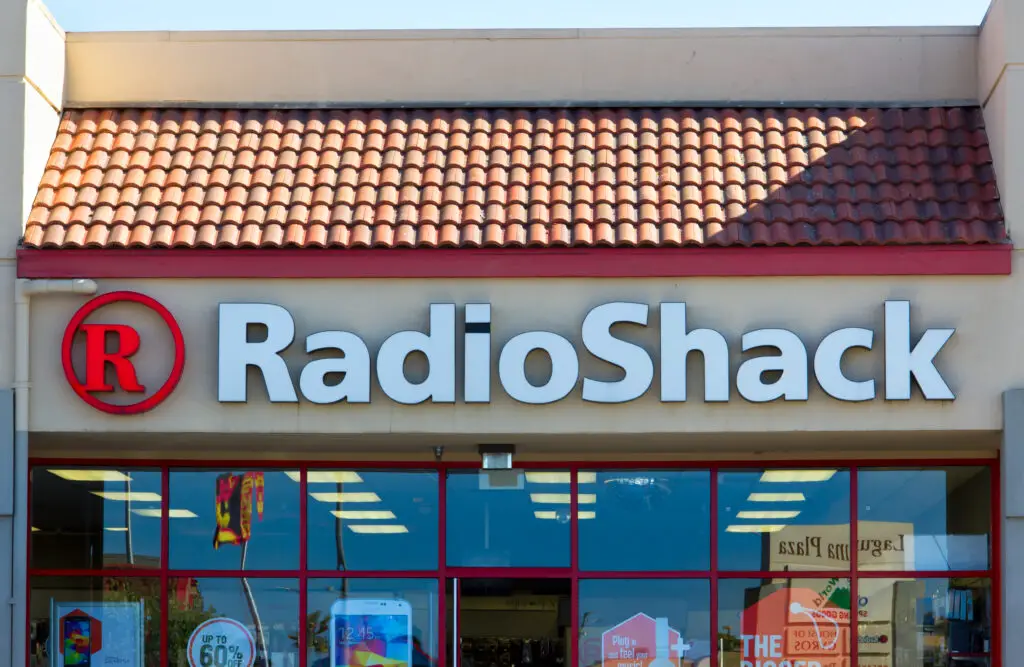
RadioShack filled a very specific niche for decades. It was where you went for cables, adapters, and parts you did not know the name of. Employees often felt like problem solvers rather than salespeople. The stores were small but everywhere.
As electronics became disposable and online shopping took over, RadioShack lost its purpose. Closures happened gradually enough that people adjusted without much notice. The brand faded from routine errands. It now lives largely in memory.
8. Pan Am

Pan Am once symbolized luxury air travel. Its branding felt glamorous, international, and futuristic. Flying Pan Am meant something beyond getting from point A to point B. The airline shaped how people imagined the world.
Industry changes and financial struggles ended its run, but its cultural imprint remained. Over time, even that recognition softened. New generations stopped associating air travel with the name. Pan Am became a historical reference rather than a living brand.
9. JCPenney
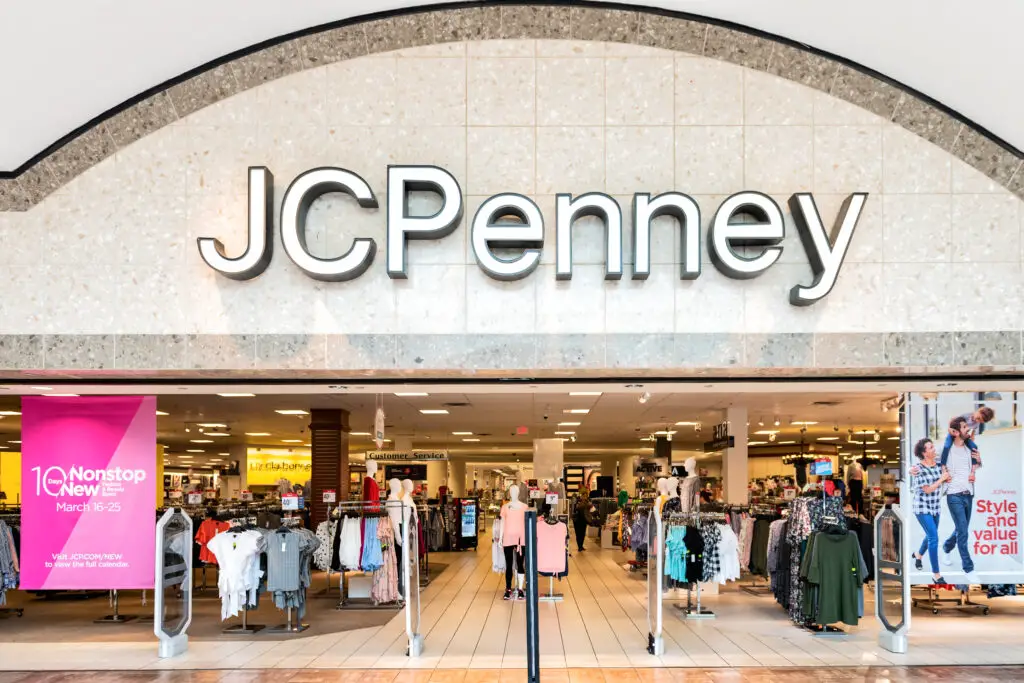
JCPenney was a reliable middle ground for generations of shoppers. It was not flashy, but it was dependable. Back-to-school shopping often happened there by default. The stores blended into everyday life.
Shifts in retail habits slowly eroded its relevance. The name never vanished completely, but it lost conversational weight. Fewer people mention it as a first choice. It occupies a quieter space in the retail landscape now.
10. Borders
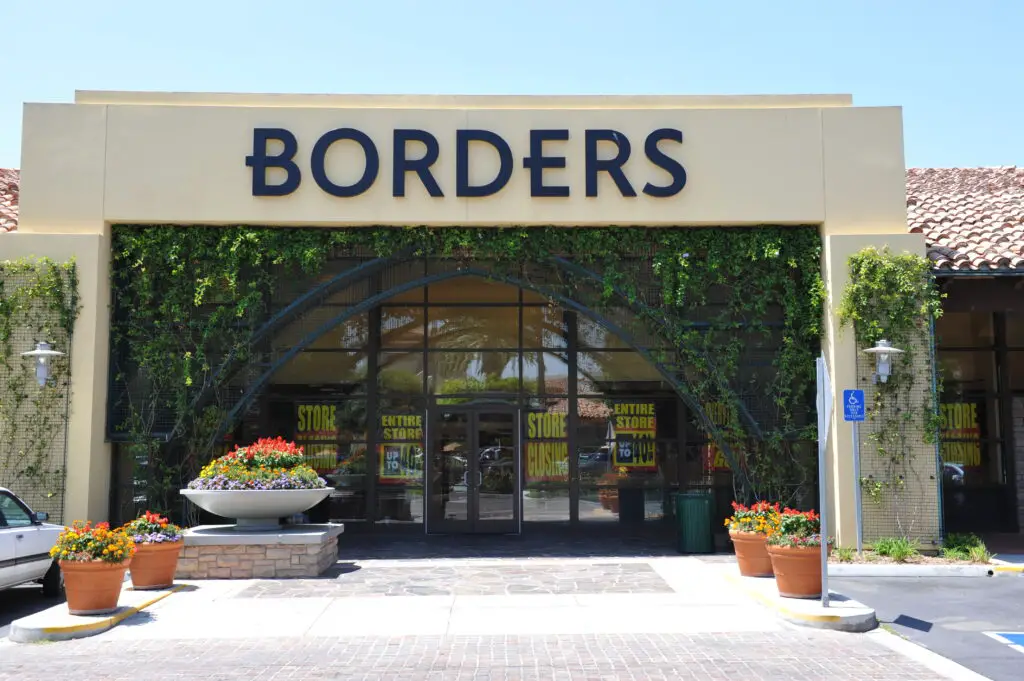
Borders once defined the big bookstore experience. Cafés, wide aisles, and endless shelves made it a destination. People lingered there without feeling rushed. It was part of how reading culture felt public.
Online retailers and digital books changed consumer habits. Borders closed, and the transition felt sudden only in hindsight. The brand disappeared from daily speech quickly. What remains is nostalgia for a specific kind of browsing.
11. Polaroid

Polaroid made instant photos feel magical. Watching an image appear in real time never lost its novelty. The brand became shorthand for immediacy. It felt playful and slightly futuristic.
Digital photography reduced the need for instant film. Polaroid survived in altered forms, but its dominance faded. The name now evokes a retro aesthetic more than cutting-edge tech. It lives on through revival rather than relevance.
12. Yahoo

Yahoo once functioned as a gateway to the web. Email, news, and search all flowed through it. Its homepage shaped daily routines. Being online often meant starting there.
As specialized platforms took over, Yahoo’s role diminished. It remained visible but less essential. The brand slowly slipped out of default habits. Today it feels more legacy than leader.
13. Palm

Palm defined personal digital organization for a time. Calendars, contacts, and notes lived on Palm devices. It felt revolutionary to carry that data in your pocket. The brand stood for efficiency.
Smartphones absorbed those functions seamlessly. Palm’s relevance shrank as quickly as it rose. The name faded from mainstream tech discussions. It is now mostly remembered by early adopters.
14. MTV
MTV once shaped youth culture directly. Music videos dictated trends, fashion, and conversation. Watching MTV felt communal even when you were alone. It was central to pop culture identity.
Programming shifts changed that role over time. Music videos stopped being the focus. The network still exists, but its influence is quieter. MTV slipped from being a cultural driver to a nostalgic reference.