
1. Honey as a Natural Antiseptic
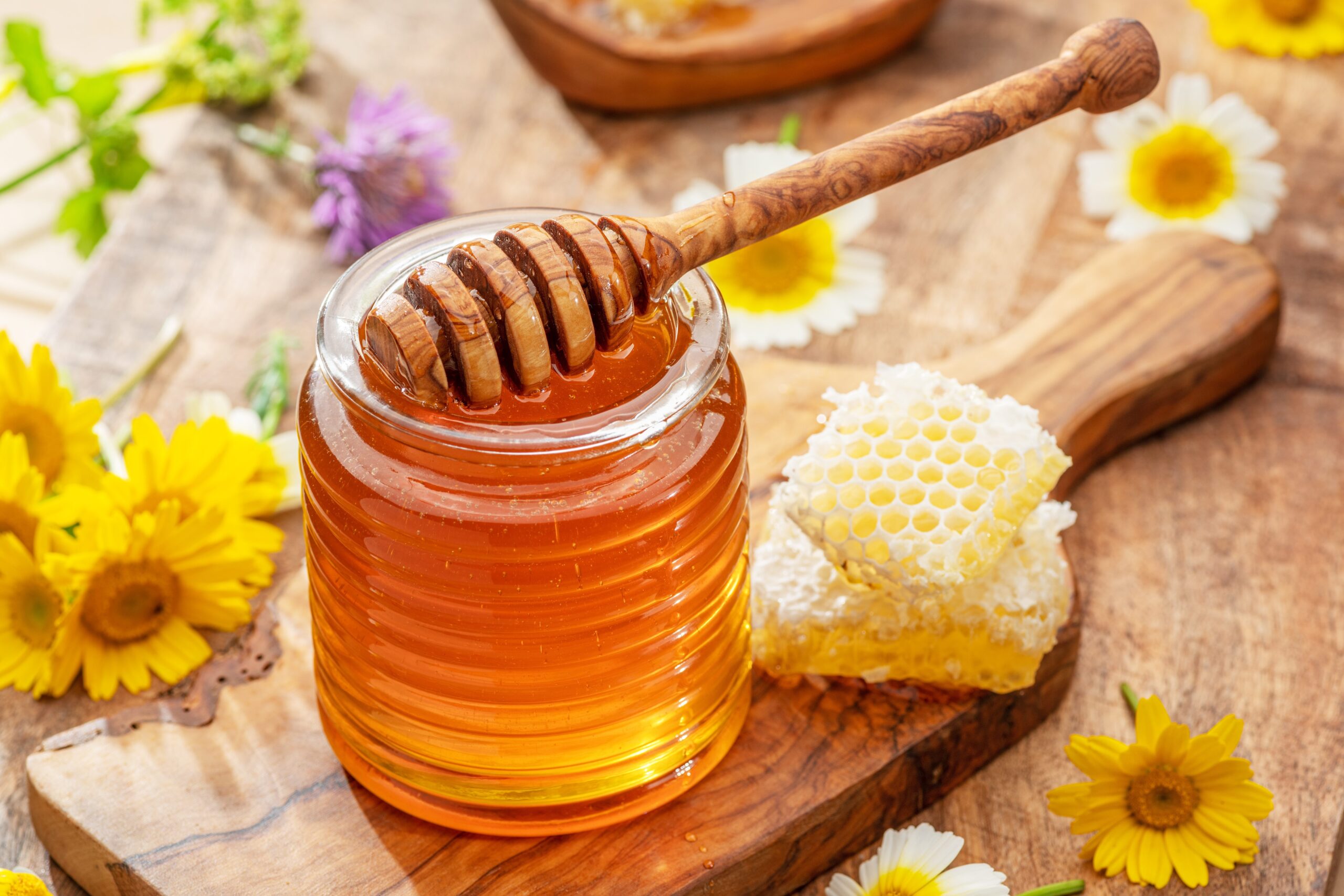
Ancient Egyptians were onto something when they slathered honey on open wounds and burns. While it might have seemed like a sticky mess back then, modern science has confirmed that honey possesses powerful antibacterial properties. It works by maintaining a moist wound environment and providing a protective barrier that prevents infection. The high sugar content and low pH level also play a massive role in dehydrating bacteria, effectively killing them off before they can spread.
Researchers eventually discovered that certain types of honey, like Manuka, actually produce hydrogen peroxide through an enzymatic process. This makes it an effective treatment for modern drug-resistant strains of bacteria that give hospitals a hard time. It is incredible to think that a pantry staple used thousands of years ago is now being integrated into high-tech medical dressings. Doctors today often use medical-grade honey to treat chronic ulcers that refuse to heal by other means. It turns out that this sweet treat is just as good at fighting germs as it is at topping your morning toast.
2. Willow Bark for Pain Relief

Long before the invention of the little white pill we call aspirin, ancient Greek and Egyptian healers were prescribing willow bark to treat fevers and aches. Hippocrates, often called the father of medicine, specifically recommended chewing on the bark or brewing it into a tea for women in labor. At the time, they did not understand the chemistry, but they knew the relief was undeniable. It was a standard remedy for centuries, even if it tasted incredibly bitter and earthy.
In the 19th century, scientists finally isolated the active ingredient: salicin. This compound is the chemical precursor to acetylsalicylic acid, the primary component of modern aspirin. While we now have the convenience of standardized dosages in a bottle, the mechanism of action remains exactly the same. The body converts the salicin into a form that blocks the inflammatory enzymes causing your headache. It is a perfect example of how a “folk remedy” was actually a sophisticated pharmaceutical hiding in plain sight.
3. Fecal Transplants for Gut Health
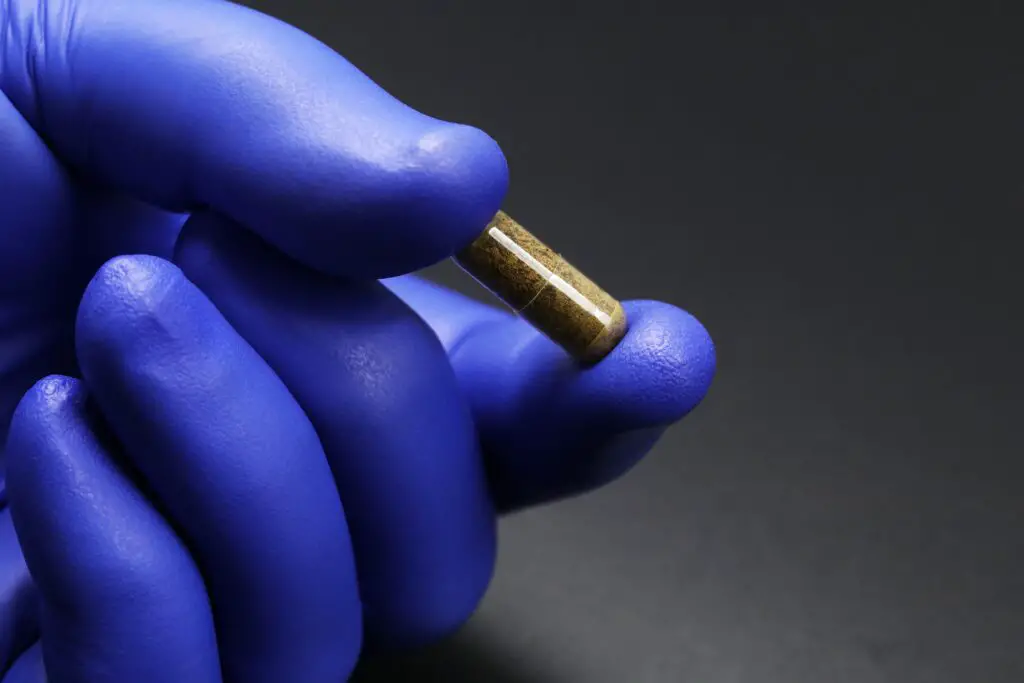
The idea of using someone else’s waste to cure an illness sounds like something out of a medieval nightmare, but 4th-century Chinese medicine practitioners were already doing it. Known as “yellow soup,” this concoction was used to treat severe diarrhea and food poisoning. It was a desperate measure for desperate times, based on the observation that a healthy person’s digestive system could somehow “reset” a sick one. For a long time, Western medicine viewed this practice with a mix of horror and total skepticism.
Fast forward to today, and Fecal Microbiota Transplantation (FMT) is a legitimate, life-saving procedure. It is the gold standard for treating recurrent C. difficile infections, which can be fatal and are often resistant to standard antibiotics. By introducing healthy bacteria from a donor into a patient’s gut, doctors can restore a balanced microbiome almost instantly. It turns out those ancient healers understood the importance of gut flora long before we even knew what a microbe was. This “gross” old belief is now one of the most exciting frontiers in modern gastroenterology.
4. Maggots for Wound Cleaning
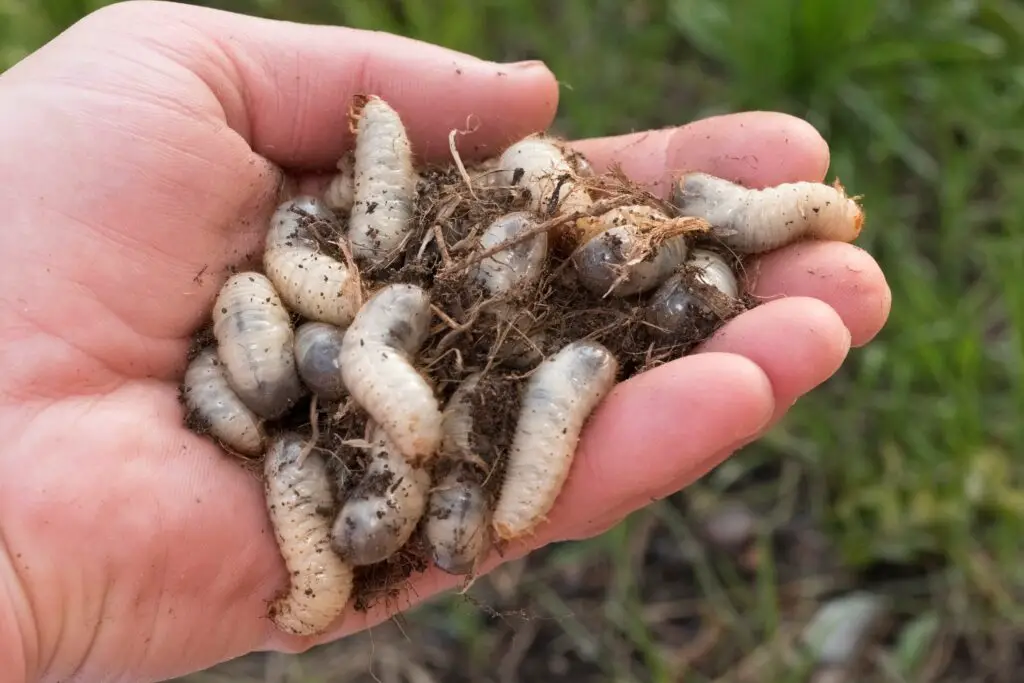
The thought of insects crawling inside a wound is enough to make anyone’s skin crawl, yet soldiers throughout history noticed something strange. During the Napoleonic Wars and the American Civil War, battlefield surgeons observed that soldiers whose wounds became infested with blowfly larvae actually had higher survival rates. These men were less likely to develop gangrene or fatal infections than those with “clean” wounds. It was a gruesome observation that many doctors were hesitant to embrace because of the obvious “ick” factor.
Modern medicine eventually validated this by proving that maggots are expert surgeons in their own right. They specifically target and eat only dead, necrotic tissue while leaving healthy flesh completely untouched. They also secrete antimicrobial substances that kill off harmful pathogens in the wound bed. Today, “maggot debridement therapy” is an FDA-approved treatment used for stubborn, non-healing wounds like diabetic foot ulcers. It is a remarkably efficient and precise method that sometimes outperforms the most skilled human surgeons using scalpels.
5. Bloodletting for Hemochromatosis
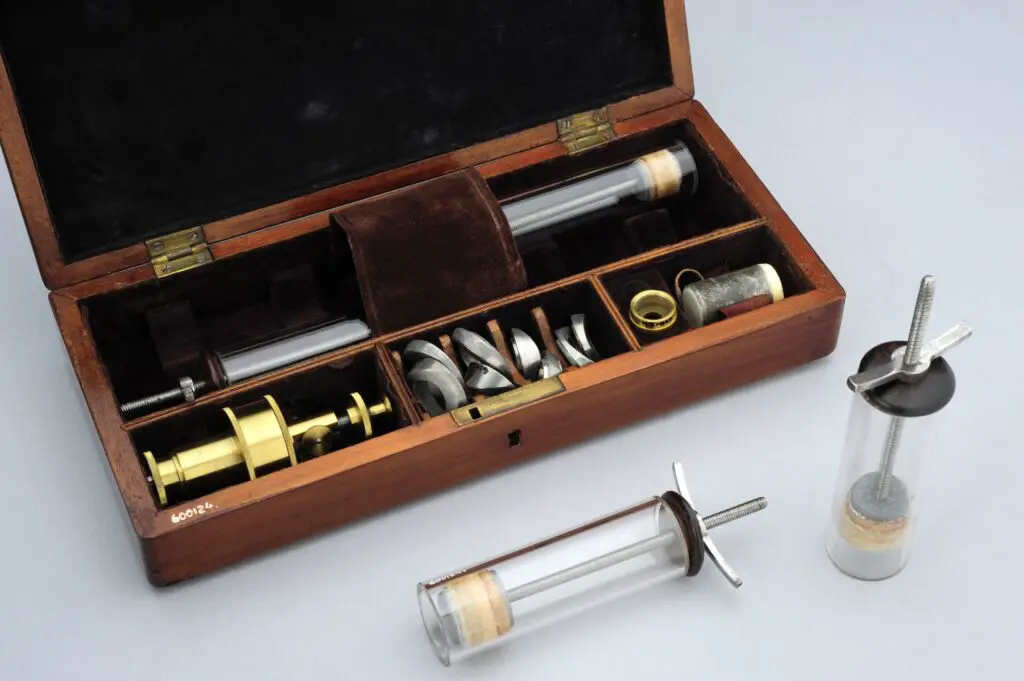
For centuries, bloodletting was the “duct tape” of medicine, used for everything from the common cold to the plague. Most of the time, it did more harm than good, weakening patients who were already struggling to survive. Because it was overused and misunderstood, it eventually became a symbol of the “dark ages” of medical ignorance. Doctors believed they were balancing the four humors of the body, which we now know is not how biology works at all.
However, there is one specific condition where the ancients were accidentally 100% correct: hemochromatosis. This is a genetic disorder where the body absorbs way too much iron, which eventually builds up and damages organs like the heart and liver. The only effective way to lower those iron levels is to physically remove blood from the body. In modern medicine, this is called a phlebotomy, and it remains the primary treatment for this specific disease. While the ancients used it for the wrong reasons, they inadvertently saved the lives of people suffering from iron overload.
6. Turmeric for Inflammation
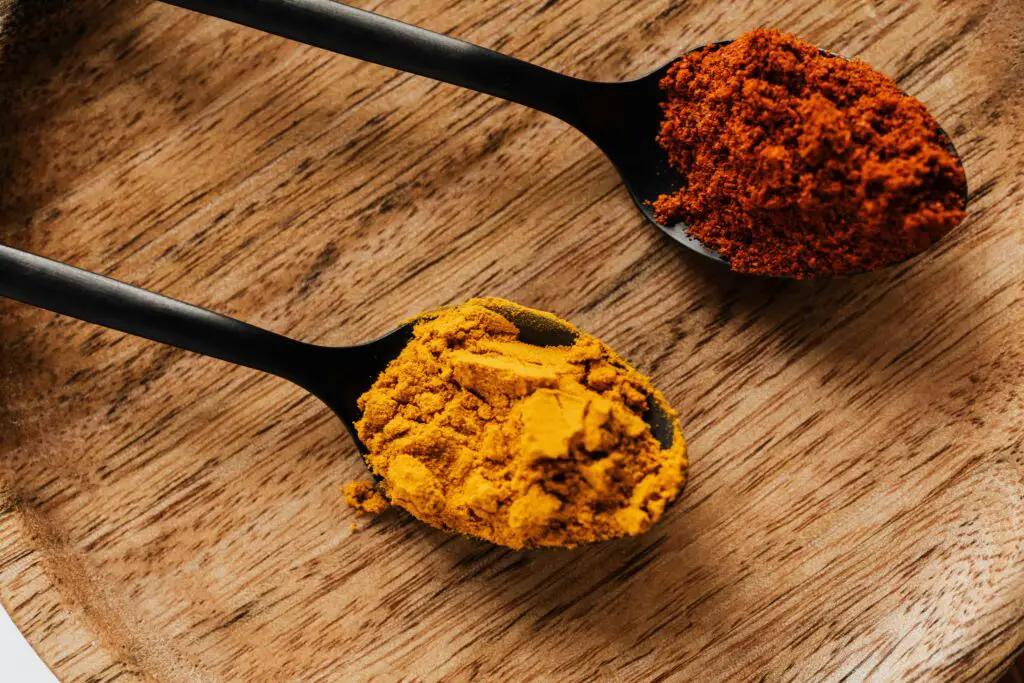
In Ayurvedic medicine, turmeric has been used for thousands of years as a “cleansing” herb and a treatment for various inflammatory conditions. It was often applied as a paste to joints or skin rashes to soothe redness and swelling. For a long time, Western science dismissed these practices as purely ceremonial or placebo-driven. The bright yellow spice was seen more as a culinary ingredient than a serious medicinal tool. However, the sheer longevity of its use suggested there might be more to the story.
Modern laboratory studies have since identified curcumin as the active powerhouse within turmeric. Curcumin is a bioactive substance that fights inflammation at the molecular level, rivaling the effectiveness of some over-the-counter anti-inflammatory drugs. It blocks NF-kB, a molecule that travels into the nuclei of your cells and turns on genes related to inflammation. Researchers are now looking into its potential for treating everything from arthritis to metabolic syndrome. The ancient healers who called it “the spice of life” were remarkably accurate about its biological impact.
7. Meditation for Physical Health

For millennia, monks and practitioners of Eastern medicine claimed that “quieting the mind” could physically heal the body. Western doctors often viewed this as a purely spiritual or psychological pursuit with no tangible impact on physical biology. The idea that sitting still and breathing could change your cellular health seemed like wishful thinking at best. It was relegated to the realm of “wellness” rather than “medicine” for the better part of the 20th century.
That changed when neuroimaging and blood tests began to show the physical reality of mindfulness. Consistent meditation has been proven to lower cortisol levels, reduce blood pressure, and even strengthen the immune response. It can literally change the structure of the brain, thickening the areas associated with emotional regulation and shrinking the amygdala, which controls fear. We now know that the “mind-body connection” is not just a metaphor but a measurable physiological loop. Those ancient practitioners were essentially hacking their own nervous systems long before we had the terminology to describe it.
8. Foxglove for Heart Failure
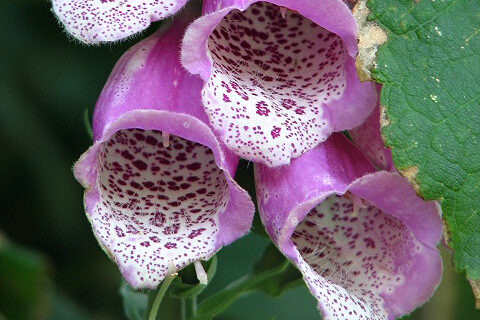
Old English folklore spoke of using the foxglove plant to treat “dropsy,” a condition where the body swells up due to fluid retention. People didn’t realize at the time that dropsy was actually a symptom of a failing heart that couldn’t pump blood efficiently. Healers would create concoctions from the beautiful purple flowers, and remarkably, the patients’ swelling would often recede and their pulse would strengthen. It was a dangerous remedy, though, as too much could easily be fatal.
In the late 1700s, physician William Withering began studying these folk recipes and realized their potent effects. He discovered that the plant contains digitalis, a compound that increases the force of heart contractions while slowing the heart rate. This discovery led to the development of the drug Digoxin, which is still used today to manage certain heart conditions. It is a rare case where a potentially poisonous garden flower became a cornerstone of cardiovascular pharmacology. The “old wives’ tales” about foxglove turned out to be a blueprint for modern cardiac care.
9. Coca Leaves for Altitude Sickness
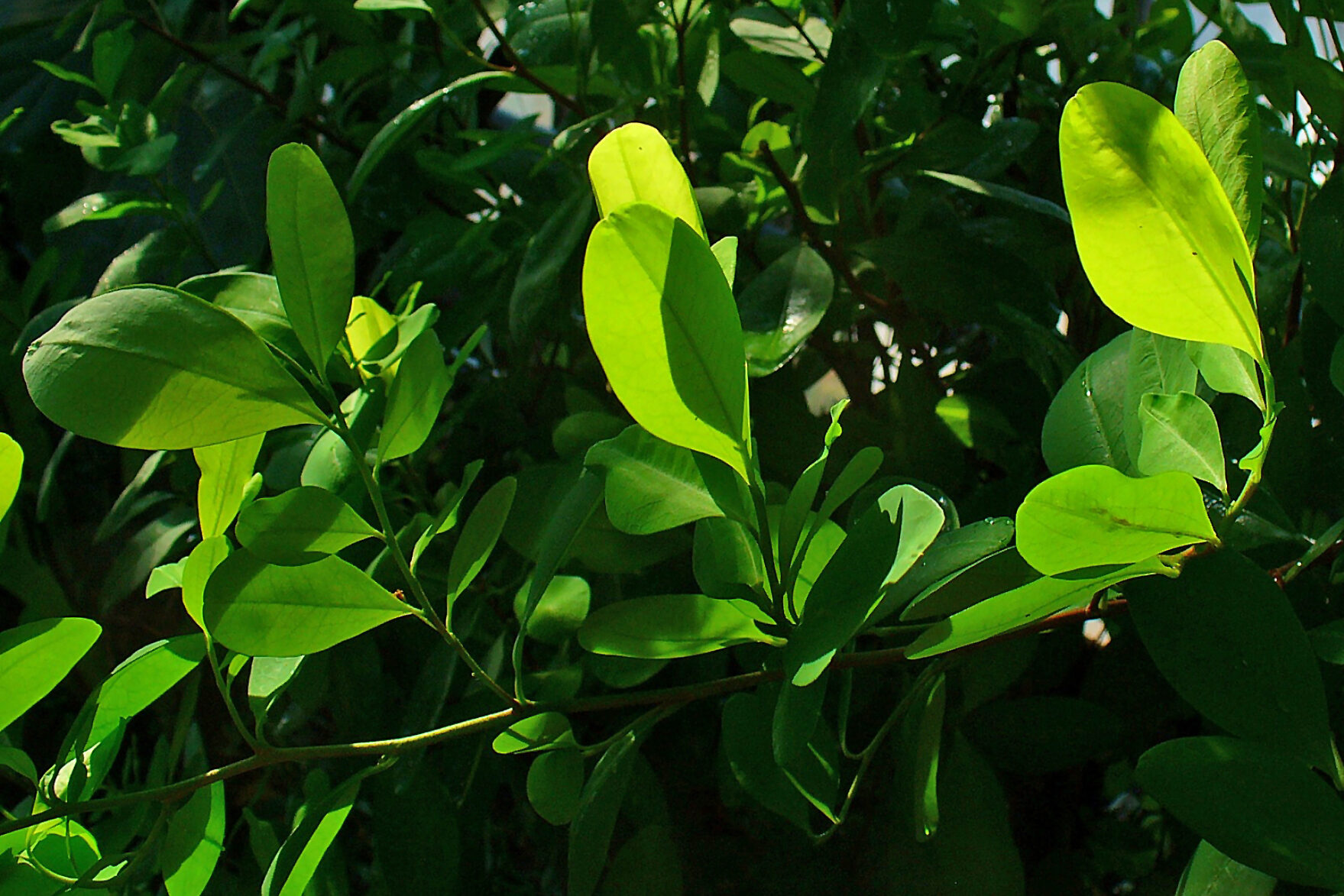
Indigenous populations in the Andes have chewed coca leaves for thousands of years to combat the harsh effects of living at high altitudes. They claimed the leaves provided energy, suppressed hunger, and—most importantly—prevented the headache and nausea associated with thin mountain air. Early explorers often looked down on the practice, viewing it as a primitive habit or a simple stimulant addiction. They didn’t see it as a legitimate medical intervention for environmental stress.
Modern science eventually looked closer and found that the leaves contain alkaloids that improve oxygen uptake and metabolic efficiency. Chewing the leaves helps the body utilize glucose more effectively in low-oxygen environments, which is exactly what you need at 14,000 feet. While the leaves are the raw source of cocaine, the traditional use is far more subtle and medicinal than the concentrated drug. It is a highly localized, natural solution to a specific geographical challenge. Even today, travelers to the Andes are often encouraged to try coca tea to help their bodies adjust.
10. Garlic for Infections
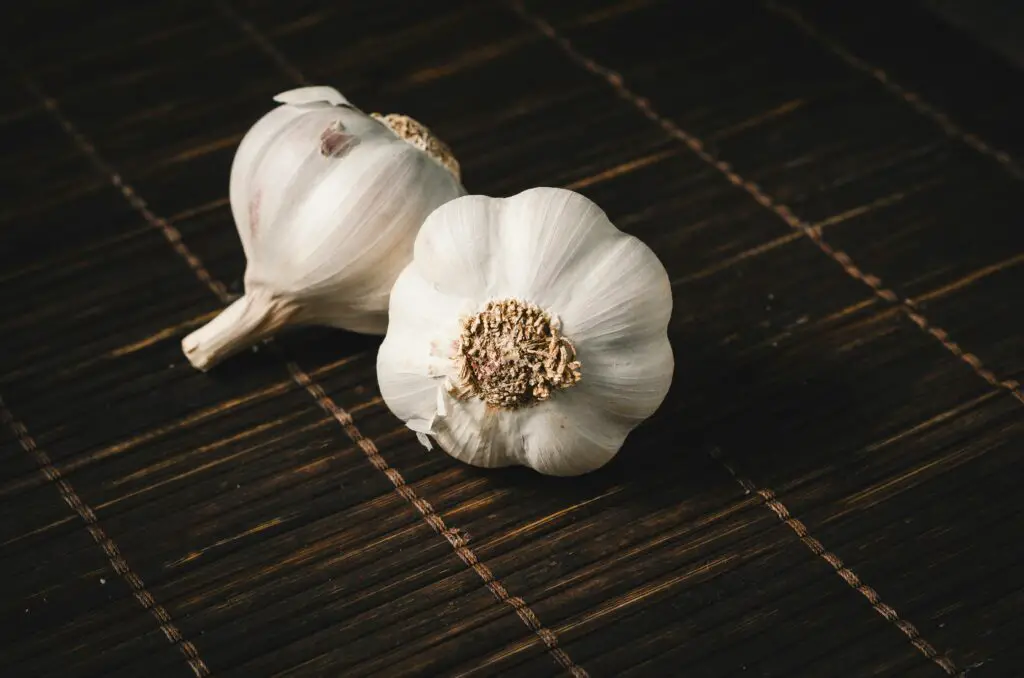
Garlic has been used as a “cure-all” since the construction of the pyramids, where workers supposedly ate it to maintain their strength and ward off illness. During various plagues and wars, it was used as a topical disinfectant when nothing else was available. Many people dismissed these uses as superstitions, thinking the strong smell just kept people (and maybe vampires) at a distance. However, its reputation as a “natural antibiotic” persisted across almost every major culture.
During World War I, garlic juice was actually used to prevent gangrene in the wounds of soldiers because of its potent properties. Science later identified the compound allicin, which is released when garlic is crushed or chopped. Allicin has been shown to be effective against a wide range of bacteria, including some that have become resistant to modern drugs. It also has antifungal and antiviral properties, making those ancient claims look very insightful. While it won’t replace a trip to the doctor, the “stinking rose” is a legitimate powerhouse for the immune system.
11. Cinchona Bark for Malaria
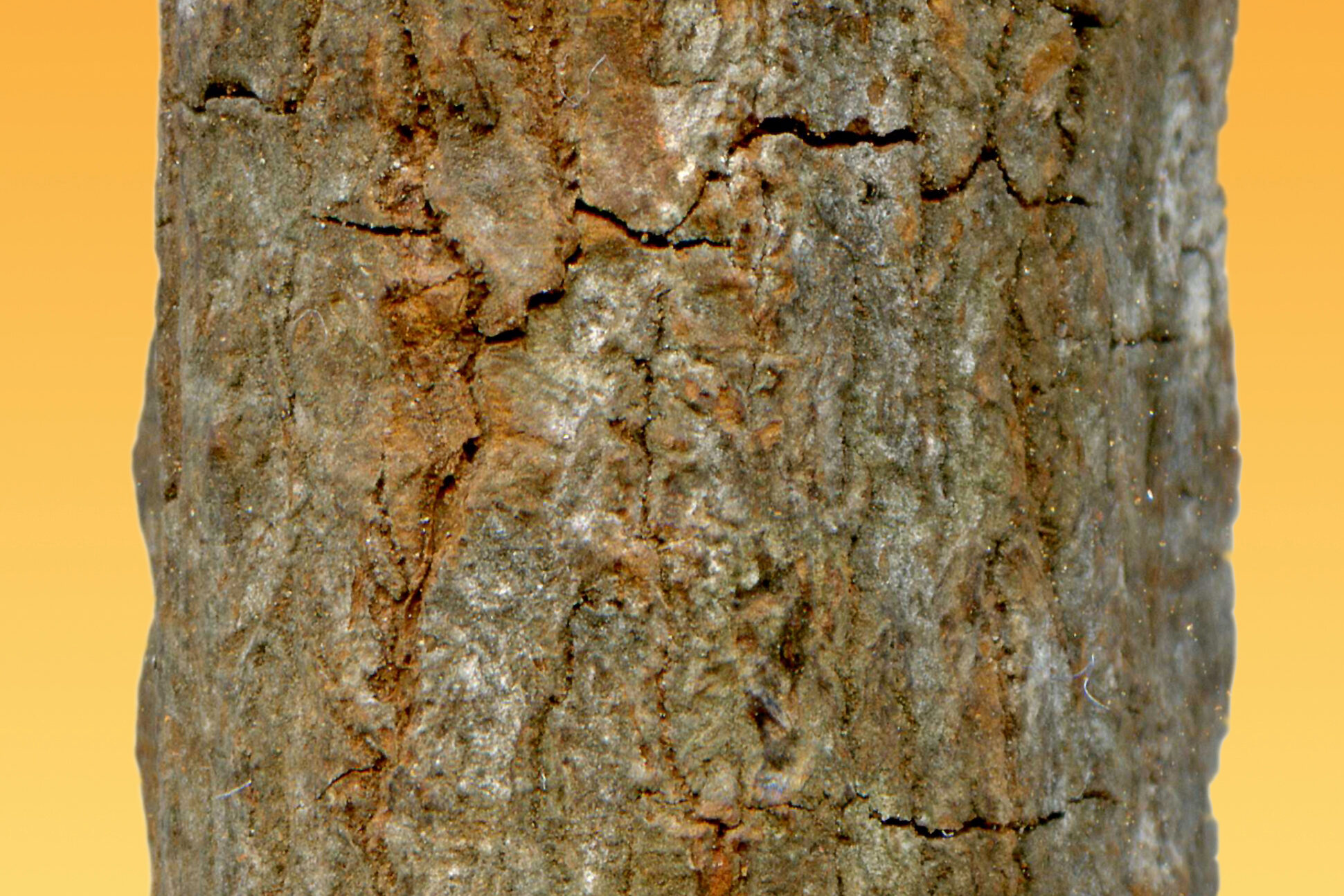
The Quechua people of Peru used the bark of the cinchona tree to treat fevers and shivering long before Europeans arrived. When Jesuit missionaries saw it in action, they brought it back to Europe, where it became known as “Jesuit’s powder.” For a long time, it was the only effective treatment for malaria, even though no one understood why it worked or even what malaria really was. It was a mysterious “miracle bark” that seemed to defy the medical understanding of the time.
Eventually, chemists isolated quinine from the bark, which became the first effective antimalarial drug. Quinine works by interfering with the parasite’s ability to dissolve and metabolize the hemoglobin in your red blood cells. Even today, derivatives of this plant compound are used in the fight against malaria across the globe. It is also the reason we have tonic water, as British soldiers in India mixed the bitter quinine with gin and sugar to make it more palatable. This indigenous remedy essentially shaped the course of global history and tropical medicine.
12. Valerian Root for Sleep
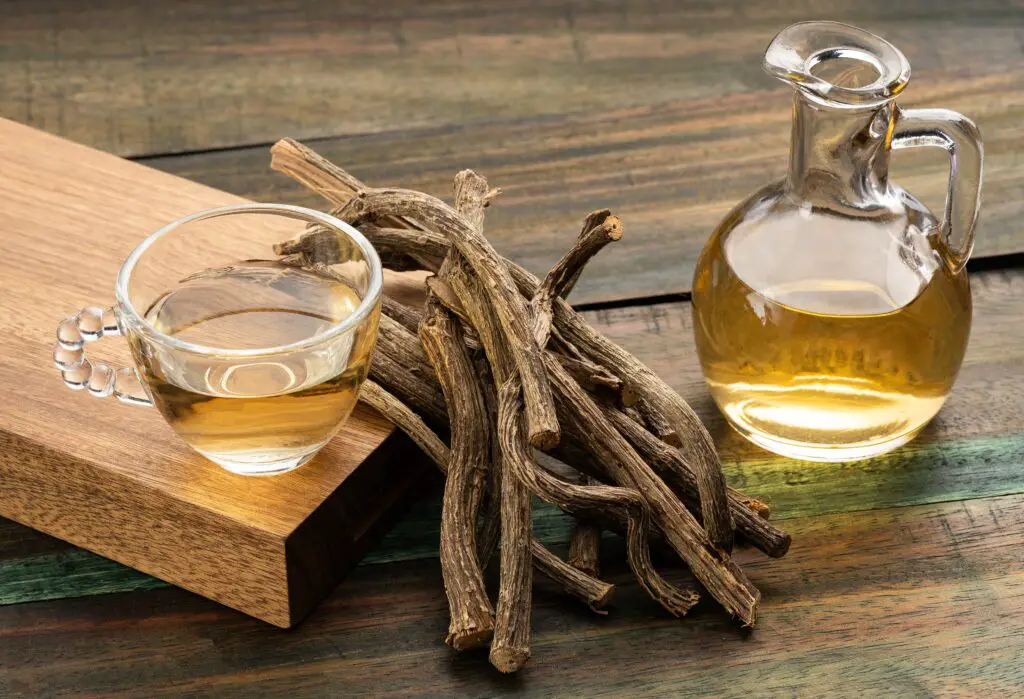
Ancient Greeks and Romans, including famous physicians like Galen, prescribed valerian root for insomnia and anxiety. They described it as a “warming” herb that could settle a nervous stomach and bring on a restful sleep. For centuries, it was the go-to sedative for people who were “overly stressed” or unable to find rest. While it smells a bit like old gym socks, its reputation as a sleep aid survived the transition from ancient herbalism to modern science.
Today, you can find valerian root in almost any health food store, and studies suggest it really does work. It appears to increase the amount of a chemical called GABA in the brain, which helps regulate nerve cells and has a calming effect. This is similar to how prescription sedatives like Valium work, albeit in a much milder and more natural way. It is a testament to the observational skills of ancient healers who found a chemical solution for restlessness in a common root. Sometimes the old ways are the best ways to catch some much-needed shut-eye.