
1. Newspapers Stuffed Inside Walls

If you’ve ever opened up an old wall and found layers of newspaper, you’re not alone. Builders in the late 19th and early 20th centuries often used newspapers as makeshift insulation. It was cheap, readily available, and surprisingly effective at blocking drafts. Many of the papers discovered date back decades, sometimes even more than a century. People have found everything from war headlines to vintage advertisements frozen in time.
What makes these finds especially fascinating is how well preserved they can be. In some cases, the print is still readable, offering a snapshot of everyday life from another era. Homeowners often end up carefully removing and saving them rather than tossing them out. It turns a renovation into a kind of accidental time capsule. It’s one of the most common, and unexpectedly meaningful, discoveries behind old plaster walls.
2. Hidden Rooms or Sealed-Off Doorways
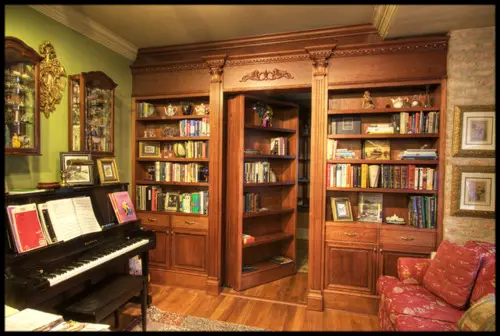
It sounds like something out of a mystery novel, but hidden rooms are a real thing in older homes. During renovations, people sometimes discover doorways that were plastered over or entire small rooms that had been sealed shut. These spaces were often closed off during remodels, especially when layouts were modernized. In some cases, they were used for storage, servants’ quarters, or even to create more privacy.
Finding one can feel surreal, like stepping into a part of the house that hasn’t been touched in decades. Dust-covered objects, old furniture, or even just empty space can make it feel frozen in time. It also raises questions about why it was hidden in the first place. Usually, the answer is practical rather than mysterious. Still, it’s the kind of discovery that makes a house feel like it has a story to tell.
3. Old Medicine Bottles and Tonic Jars

Renovators frequently uncover old glass medicine bottles tucked behind walls or under floorboards. These often date back to the late 1800s or early 1900s, when home remedies and patent medicines were widely used. Many of the bottles once held tonics, cough syrups, or treatments that wouldn’t meet modern safety standards. Some still have labels, advertising everything from “nerve tonics” to miracle cures.
The glass itself is often thick and tinted, with embossed lettering that makes them collectible today. Even when empty, they offer a glimpse into how people handled health long before modern pharmacies. Occasionally, residue is still inside, which is a reminder that these should be handled carefully. Collectors and historians value these finds for their design and history. For homeowners, it’s a small but tangible link to the people who lived there before.
4. Vintage Tools Left Behind
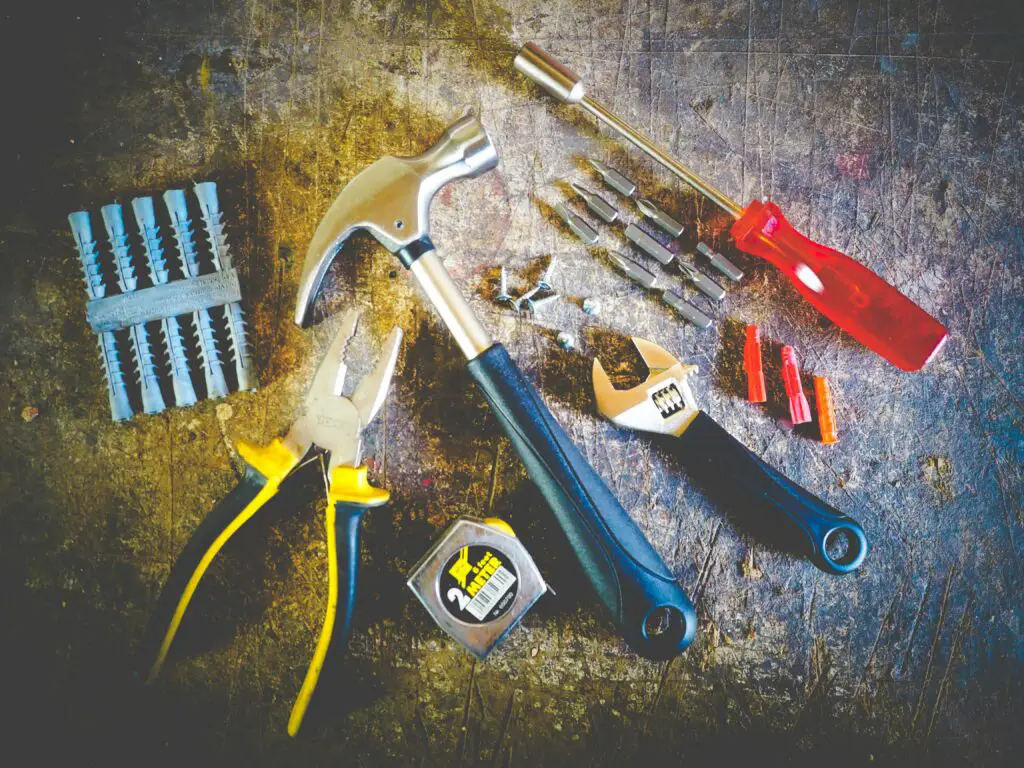
It’s surprisingly common to find old tools tucked into crawl spaces, walls, or attics. Carpenters and contractors sometimes left items behind, either by accident or because they weren’t worth retrieving. These tools can include hand saws, hammers, chisels, or even early power tool components. Many date back to the early or mid-20th century, depending on when the home was built or remodeled.
What stands out is the craftsmanship of these tools compared to modern versions. They were often made of solid wood and steel, built to last for decades. Some homeowners choose to restore and use them, while others display them as decorative pieces. It’s a reminder of the labor that went into building the home in the first place. Finding one can feel like shaking hands with the person who worked on the house years ago.
5. Letters and Personal Documents
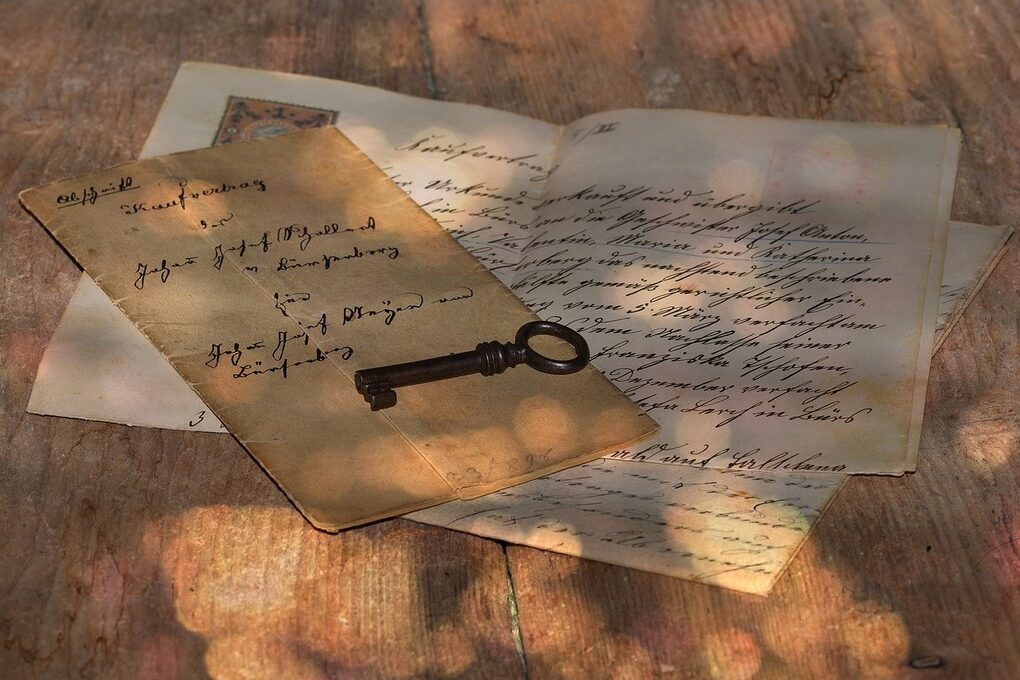
One of the more emotional discoveries people report is finding old letters tucked into walls or hidden in floorboards. These were sometimes intentionally left behind, but more often they were simply forgotten. Letters can include personal correspondence, bills, or even postcards from decades past. They often reveal everyday details about the people who once lived there.
Reading them can feel like peeking into someone else’s life in a very direct way. Names, relationships, and even worries or joys come through clearly in handwritten notes. Some homeowners track down descendants to return these items, while others preserve them as part of the home’s history. It’s one of the rare finds that carries a deeply human connection. In many cases, it’s the most memorable part of the entire renovation.
6. Antique Bottles Hidden in Walls
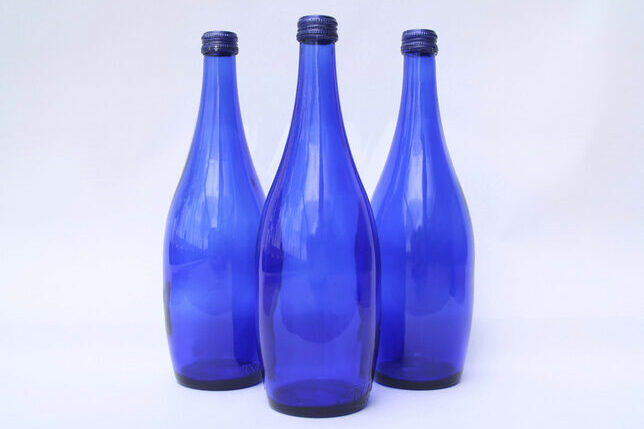
Beyond medicine bottles, people often find a variety of glass bottles hidden inside walls. In some cases, these were placed intentionally for insulation or even for superstitious reasons. Known as “witch bottles,” certain containers were historically used to ward off evil spirits. While not every bottle has that purpose, the practice has been documented in older homes.
These bottles can vary widely in size, color, and design. Some are plain, while others are intricately shaped or embossed. Even without a clear origin, they add an element of mystery to the discovery. Many homeowners choose to keep them as decorative pieces. It’s one of those finds that sparks curiosity more than anything else.
7. Old Coins and Currency
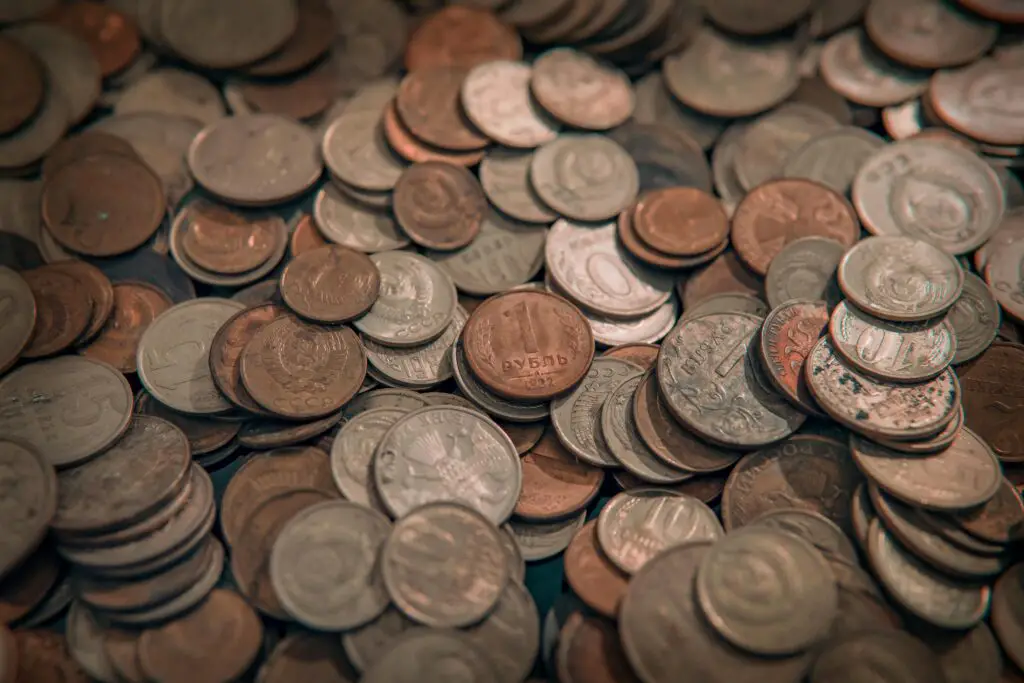
Loose coins and even paper money sometimes turn up during renovations. These are usually found under floorboards, in walls, or wedged into tight spaces. Most of the time, they were simply dropped and forgotten rather than intentionally hidden. Coins can range from common pennies to older, more valuable pieces depending on the age of the home.
While not always worth much financially, they carry historical interest. The designs and dates can tell you exactly when they were in circulation. Occasionally, people do find coins with collector value, which adds a bit of excitement. Even when they’re ordinary, they connect the present to a specific moment in the past. It’s a small discovery that still feels surprisingly significant.
8. Children’s Toys from Decades Ago
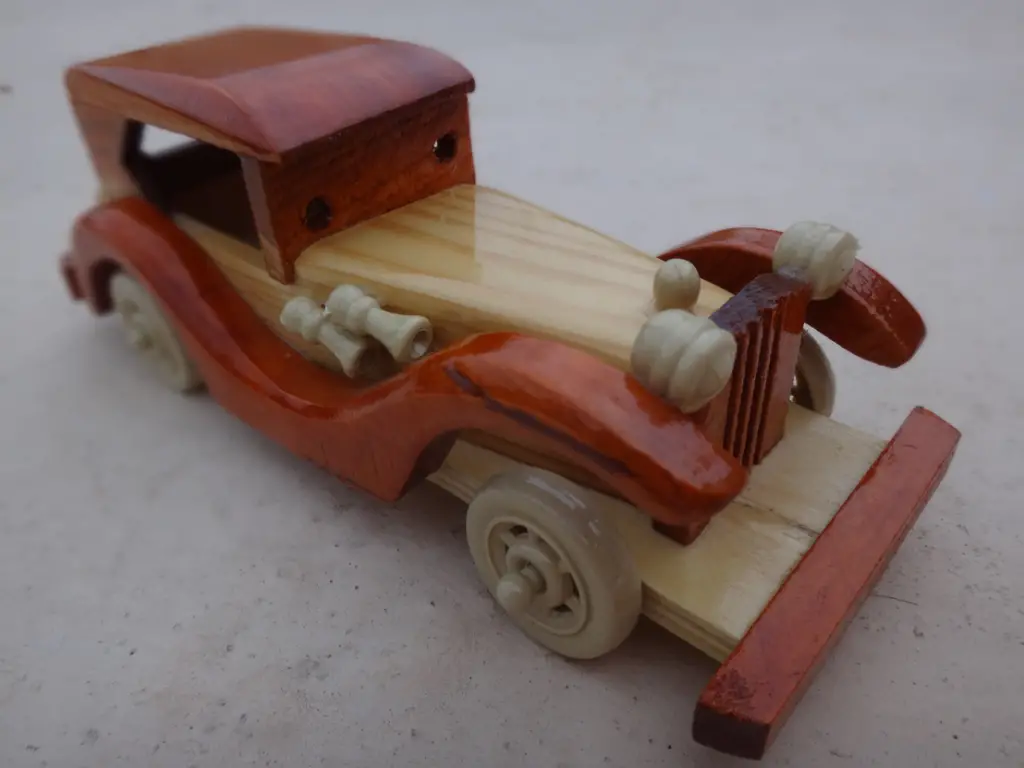
Finding an old toy during a renovation can feel unexpectedly personal. Small items like marbles, tin toys, or dolls are often discovered under floorboards or inside walls. These were usually lost rather than hidden, slipping through cracks or being left behind during moves. Many date back to the early or mid-20th century.
The condition of these toys can vary, but even worn pieces carry a lot of character. They hint at the children who once lived in the home and how they spent their time. Some homeowners choose to clean and display them, while others simply document the find. It’s a quiet reminder that the house was once filled with everyday life. Moments like that can make a renovation feel much more meaningful.
9. Old Photographs

Photographs are another deeply personal item that occasionally surfaces during renovations. These are often found in attics, behind walls, or tucked into forgotten boxes. Many are black-and-white prints showing families, homes, or special occasions. Without names or context, they can feel both intimate and mysterious.
Sometimes, homeowners attempt to research the people in the photos using local records or online tools. In other cases, the images remain unidentified but still appreciated. The clothing, hairstyles, and settings offer clues about the time period. It’s like finding a visual record of the home’s past occupants. Even without answers, they add a human layer to the history of the house.
10. Vintage Wallpaper Layers
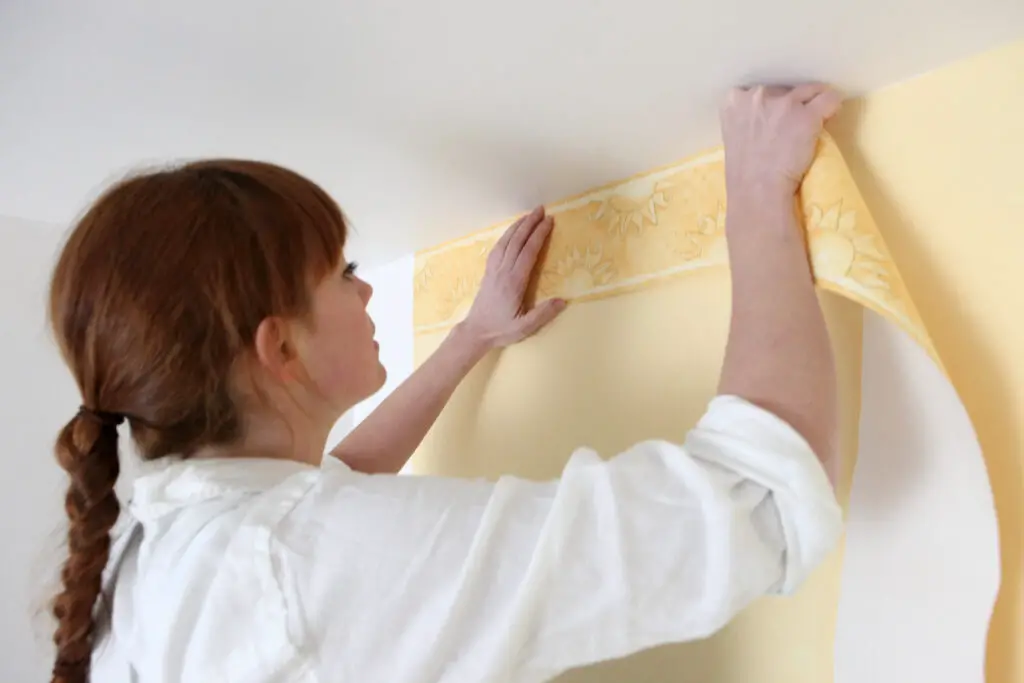
Peeling back old walls often reveals multiple layers of wallpaper from different decades. Each layer reflects the style trends of its time, from ornate Victorian patterns to bold mid-century designs. These layers build up over years as homeowners redecorate without fully removing the old paper. It creates a kind of visual timeline inside the walls.
Some people carefully preserve sections as decorative accents. Others document the patterns before removing them during renovations. The colors and designs can be surprisingly vibrant despite their age. It’s one of the most visually striking discoveries you can make. In a way, it’s like uncovering the home’s changing personality over time.
11. Old Electrical Components
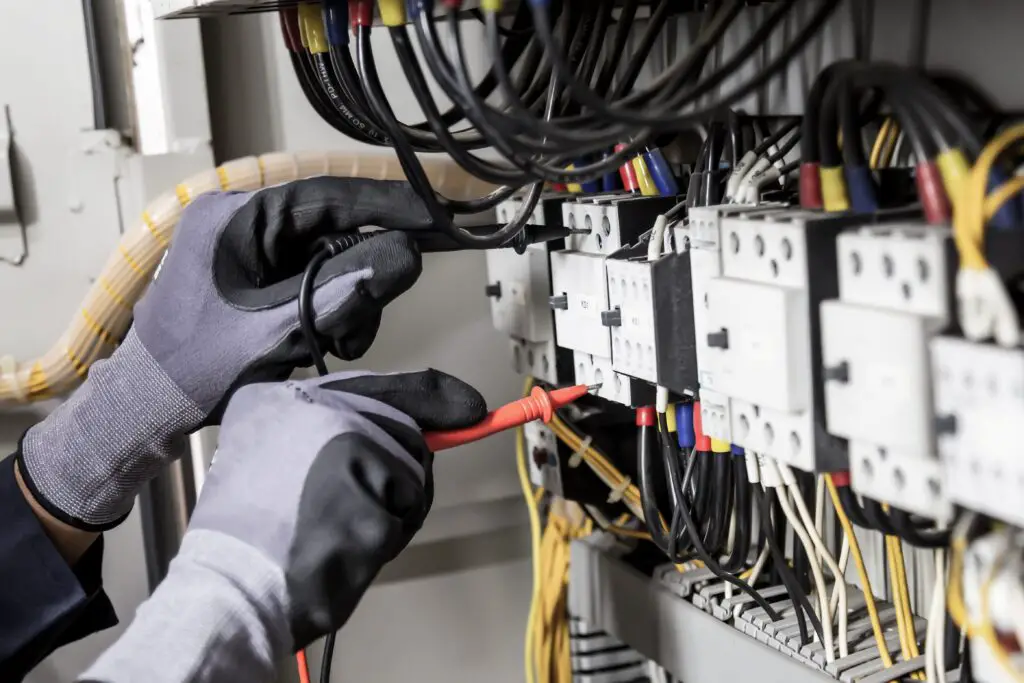
Renovations often uncover outdated electrical systems hidden behind walls. This can include knob-and-tube wiring, which was commonly used in homes built before the 1940s. These systems were once standard but are now considered outdated and sometimes unsafe. Finding them is usually less exciting and more of a practical concern.
Still, they offer insight into how homes were wired in the early days of electricity. The ceramic knobs and tubes used to guide wires are distinct and recognizable. Many homeowners end up replacing these systems entirely during renovations. It’s a reminder of how much building standards have evolved. Even if it’s not a keepsake, it’s an important part of the home’s history.
12. Old Keys with No Known Purpose

It’s not unusual to find old keys hidden in walls, drawers, or attics. These keys often don’t match any current locks in the house. They may have belonged to doors, cabinets, or even furniture that no longer exists. Over time, as homes were updated, the original locks were often replaced.
The keys themselves can be surprisingly ornate, especially in older homes. Some have intricate designs that reflect the craftsmanship of the period. While they may no longer serve a practical purpose, they still feel meaningful. Many people keep them as decorative or symbolic items. They represent pieces of the home’s past that no longer have an obvious place.
13. Mason Jars Used for Storage

Mason jars show up frequently in old homes, often hidden in basements, walls, or crawl spaces. These jars were commonly used for preserving food, but they also served as general storage containers. People stored nails, screws, coins, and other small items in them. During renovations, it’s not unusual to find jars still filled with their original contents.
Some jars even date back to the early 1900s, identifiable by their markings and design. They’re durable, which explains why they’ve lasted so long. Homeowners often clean and reuse them or keep them as vintage decor. It’s a practical item that has quietly stood the test of time. Discovering one feels less like a mystery and more like a glimpse into everyday life from another era.