
1. Old Civil Defense Geiger Counters

Every so often, someone cleaning out a basement comes across a small yellow or olive-colored box labeled for radiation detection. These are often Civil Defense Geiger counters distributed in the United States during the Cold War, particularly in the late ’50s and early ’60s. Many families have no idea why their grandparents had one tucked away, especially if they never talked about it. The devices were meant to measure radiation levels in the event of nuclear fallout. They were commonly stored alongside emergency supplies in fallout shelters or preparedness kits. Over time, the instructions and context were lost, leaving just a strange piece of equipment. Some still function, but many require specialized batteries that are no longer made. That adds another layer of confusion when people try to figure out what they’re looking at.
In some cases, these counters are found alongside official government pamphlets about surviving nuclear attacks. That connection helps explain their presence, but without those documents, the devices can seem almost mysterious. Their design looks outdated, but also oddly serious, which makes people assume they must have been important. Collectors of Cold War memorabilia sometimes seek them out. Others mistake them for scientific or medical equipment. It is not uncommon for families to initially think they are something hazardous. In reality, the devices themselves are safe, they only measure radiation, not produce it. Still, finding one can feel like uncovering a forgotten piece of history that was never fully explained.
2. Hand-Crank Butter Churns
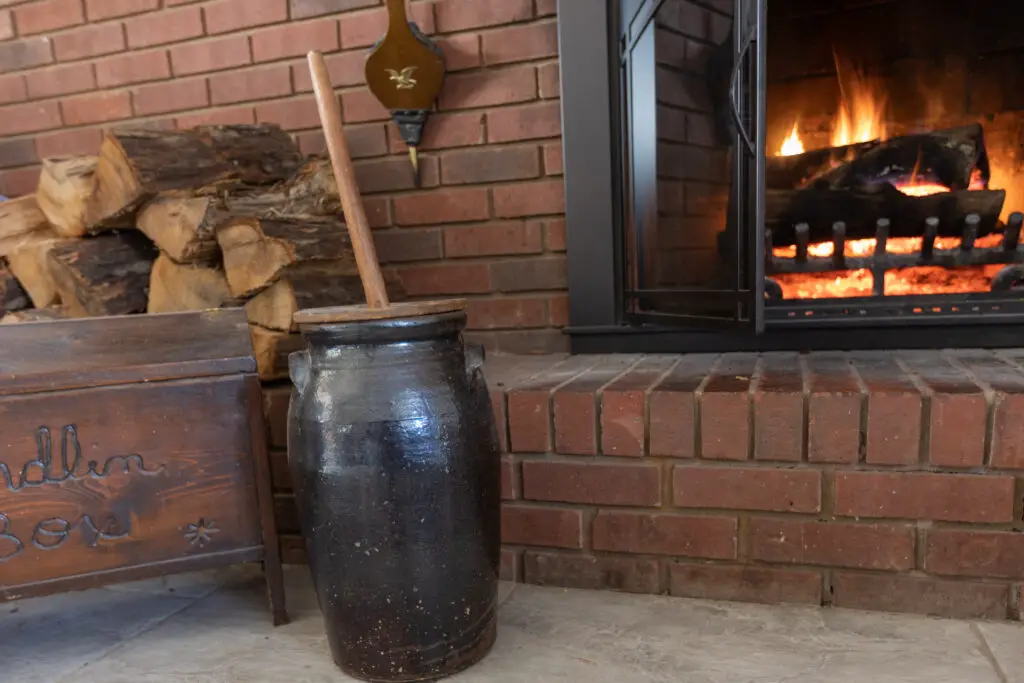
A wooden or metal churn with a hand crank can look completely unfamiliar to modern homeowners. These were once common household tools used to turn cream into butter before refrigeration and mass production made that unnecessary. Many were stored in basements once they became obsolete, rather than thrown away. Over time, families forgot what they were used for. Without context, the crank and internal paddles can look like parts of some kind of mechanical device. Some people initially assume they are related to laundry or even food grinders. The materials, often wood with metal fittings, add to the confusion because they do not resemble modern kitchen tools. They are also often larger than people expect.
When people research them, they are usually surprised at how simple the function actually is. The crank turns paddles inside, agitating cream until butter forms. These churns were especially common in rural households through the early 20th century. Finding one in a basement often points to a family history of home food production. Some are now considered decorative antiques, especially if they are well preserved. Others still show signs of heavy use, like worn handles or staining from dairy. That contrast between everyday use and modern unfamiliarity is what makes them so puzzling when discovered today.
3. Slide Rules in Leather Cases
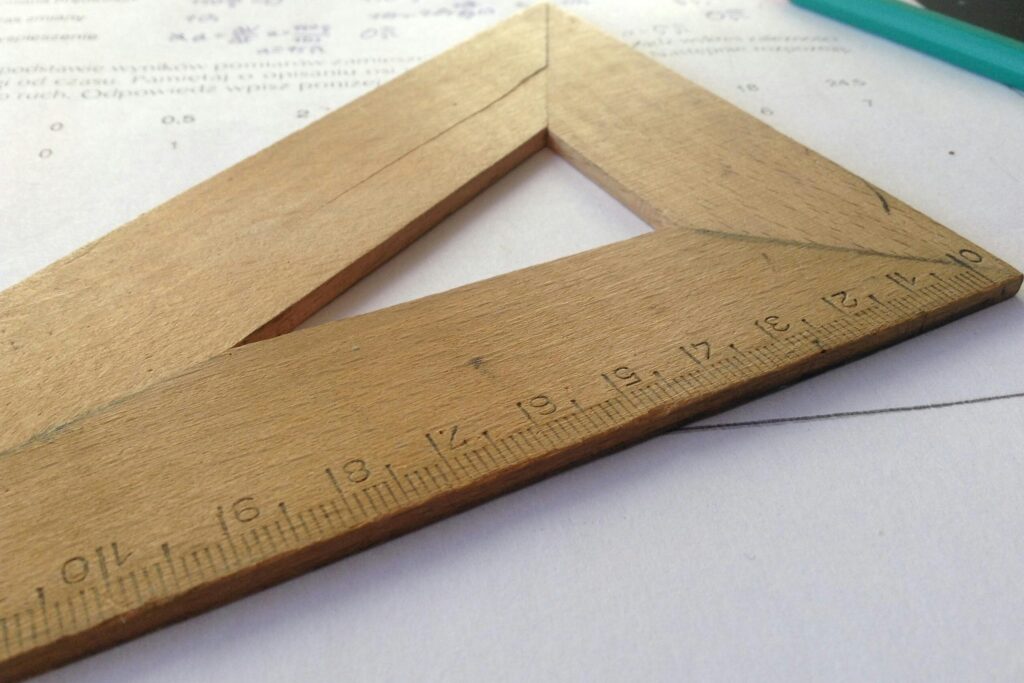
At first glance, a slide rule can look like a ruler with extra markings and moving parts that make no obvious sense. Before electronic calculators became widely available in the ’70s, slide rules were essential tools for engineers, scientists, and students. They were used to perform complex calculations quickly using logarithmic scales. Many were stored in protective leather or plastic cases, which helped preserve them long after they were no longer needed. When found decades later, families often have no idea what they are or how they work. The markings appear dense and cryptic, with numbers that do not follow a normal pattern. Without instruction, the tool is almost impossible to interpret.
People sometimes assume slide rules are measuring tools or drafting equipment. While they were used alongside those tools, their purpose is entirely different. Once identified, they often become conversation pieces because they represent a time when calculations were done manually. Some models were quite expensive and highly precise. Engineers often kept them even after switching to calculators, which explains why they ended up stored rather than discarded. Today, they are collected by enthusiasts of vintage technology. But for most families, finding one just raises the question of how anyone ever used it in the first place.
4. Vintage Embalming Fluid Bottles

Occasionally, families uncover glass bottles labeled for embalming fluid, which can be unsettling if no one knew a funeral professional was in the family. These bottles were used by morticians, particularly in the early to mid-20th century. They were often stored after use, especially if they were made of heavy glass or had distinctive labels. Over time, the original context was forgotten, leaving behind something that looks both medical and ominous. The labels can include chemical names and preservation claims that add to the unease. Some bottles are empty, while others may still contain residue. That uncertainty can make people hesitant to handle them.
In most cases, the presence of these bottles points to a relative who worked in or was connected to the funeral industry. Funeral homes were often family-run businesses, so equipment sometimes ended up stored in personal spaces. These bottles are now considered collectible in certain circles, especially if they have intact labels. They are also studied as part of the history of mortuary science. For families, though, the discovery can feel unexpected and a little unsettling. It is one of those finds that immediately prompts questions about who owned it and why it was kept. The lack of clear answers is what makes it linger in people’s minds.
5. Coal Scuttle Buckets

A metal bucket with a slanted opening and a handle might not immediately register as anything familiar today. These are coal scuttles, once used to carry coal from storage to a fireplace or furnace. Before central heating became widespread, they were a regular part of daily life in many homes. When heating systems were modernized, the scuttles were often stored rather than thrown away. Over time, their purpose became less obvious to later generations. The shape is unusual, and without coal as a common fuel, the function is not intuitive. Some people mistake them for decorative containers or planters.
The angled design actually made it easier to pour coal without spilling. Many were made of brass or steel, and some were quite decorative, especially in more formal homes. That decorative quality can make them seem less practical when found today. In some basements, they are discovered alongside old fireplace tools, which helps explain their use. In others, they appear completely out of context. Their presence is a reminder of how much home heating has changed over time. Without that historical perspective, they can feel like oddly shaped relics with no clear purpose.
6. Amateur Radio Equipment
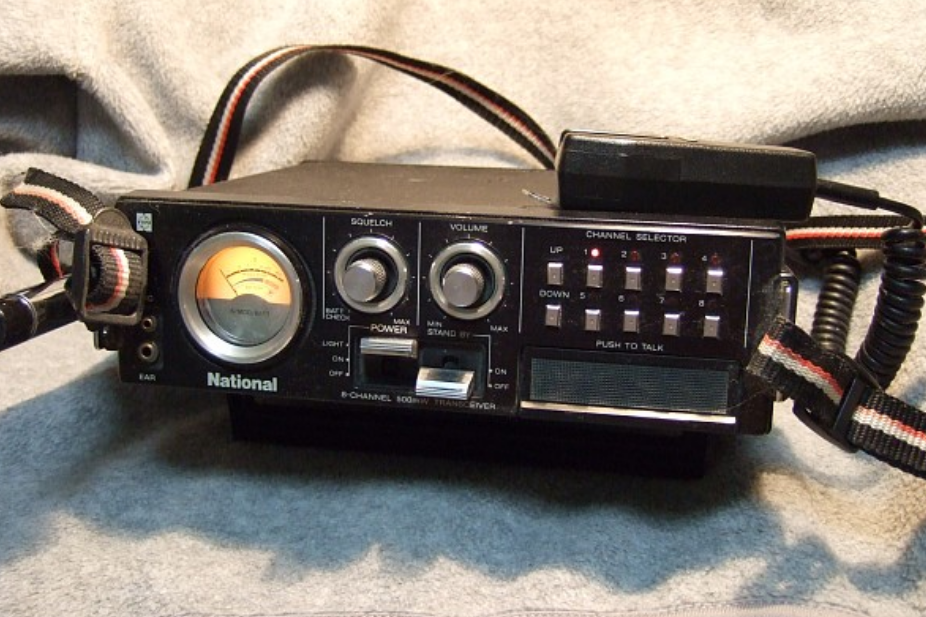
Old radios with dials, wires, and call signs written on them can be confusing to anyone unfamiliar with amateur radio. Known as ham radio equipment, these devices were used by hobbyists to communicate over long distances. They were especially popular from the ’30s through the ’70s. Many operators set up stations in basements because it provided space and fewer interruptions. When those hobbyists passed away or stopped using the equipment, it often stayed where it was. Later generations might not recognize what they are looking at. The presence of antennas, microphones, and tuning knobs adds to the complexity.
Without context, the equipment can look like a mix between a radio and a laboratory device. Some people initially think it might be military surplus. In reality, amateur radio operators often built or modified their own equipment. That customization can make each setup look unique. Logs of call signs or handwritten notes are sometimes found nearby, offering clues. Amateur radio is still practiced today, but the equipment looks very different now. Finding an older setup can feel like uncovering a communication system from another era. It often leads families to learn something new about a relative’s hobbies.
7. Antique Ice Tongs

Heavy metal tongs with sharp, curved points can look almost like tools from a workshop or even something more industrial. These are ice tongs, used to lift large blocks of ice before electric refrigerators became standard. Ice delivery was once a regular service, and these tools made it easier to handle slippery, heavy blocks. When iceboxes disappeared, the tongs were often kept but no longer used. Stored in basements, they gradually lost their context. Without that history, the pointed ends can look a bit alarming. People sometimes assume they were used for something more aggressive or mechanical.
The design is actually quite practical, allowing the points to grip ice securely when lifted. Many were made of iron or steel, which helped them last for decades. Some still show wear from repeated use. Finding them can prompt questions about how homes were kept cool before modern appliances. In some cases, they are discovered alongside old iceboxes, which makes their purpose clearer. Otherwise, they can seem like oddly shaped tools with no obvious function. That disconnect between form and modern experience is what makes them so confusing.
8. WWII Ration Books
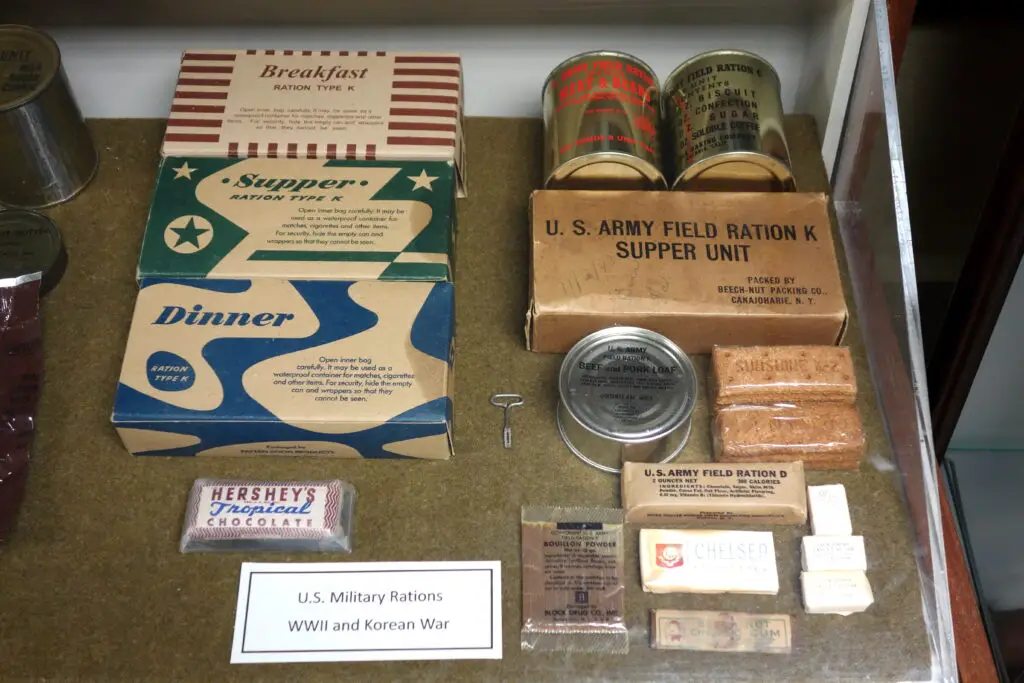
Small booklets with printed stamps and numbers might not look significant at first, but they were essential during World War II. Ration books were issued by the U.S. government to control the distribution of goods like sugar, meat, and gasoline. Families used them regularly, but once the war ended, they were often tucked away and forgotten. Decades later, they can resurface in basements with little explanation. The stamps and categories can seem cryptic without context. Some books are partially used, while others remain nearly intact. That variation can make them seem even more puzzling.
These booklets are now considered important historical artifacts. They offer a direct glimpse into how everyday life was affected by wartime shortages. Families who find them often realize they belonged to grandparents or great-grandparents. The names printed inside can help confirm that connection. For people unfamiliar with rationing, the idea of needing coupons for basic goods can feel surprising. That unfamiliarity is part of what makes the books so intriguing. They are simple objects, but they represent a complex system that shaped daily life during the war.
9. Phonograph Needle Tins
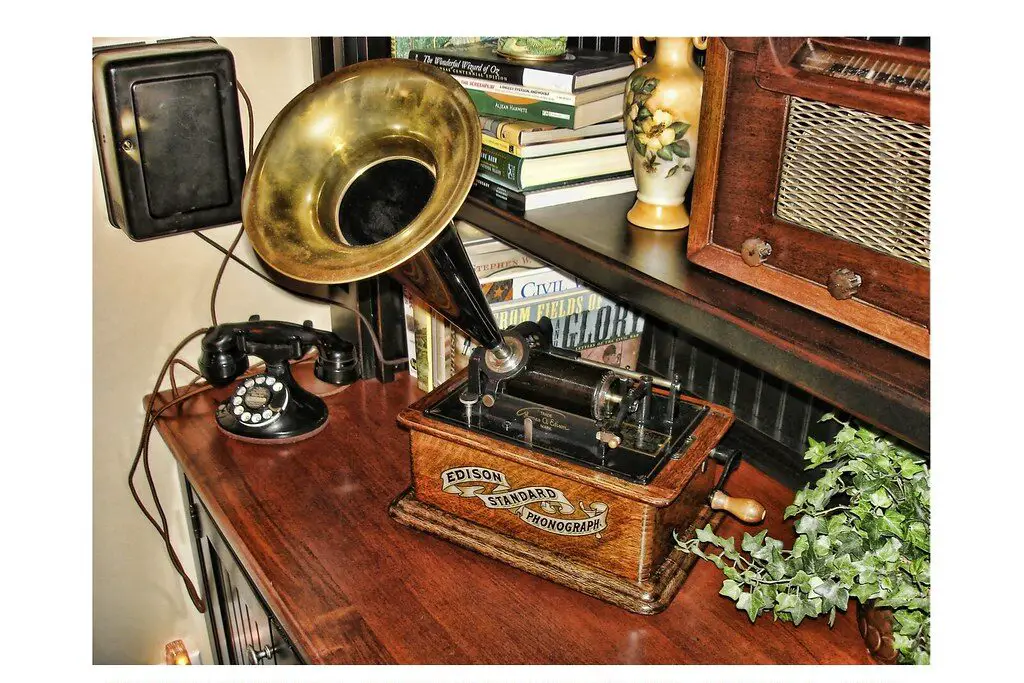
Tiny metal tins labeled for phonograph needles can be easy to overlook, but they often raise questions when found in large quantities. Before modern record players with long-lasting needles, early phonographs used steel needles that wore out quickly. Listeners were expected to replace them frequently, sometimes after every play. That led people to keep multiple tins on hand. When phonographs became obsolete, the tins were often left behind. Over time, their purpose became less obvious. Without a phonograph nearby, they can seem like random containers.
The labels sometimes include brand names and instructions, which can help identify them. Many tins are small enough to fit in a pocket, adding to their mystery. Some families initially think they might contain sewing supplies or small hardware. Once identified, they provide insight into how people once listened to music. The need to constantly replace needles is something most people today would not expect. That difference highlights how much audio technology has changed. What looks like a minor item turns out to be part of a larger, now unfamiliar routine.
10. Victorian Mourning Jewelry

Dark, often black jewelry with intricate designs can sometimes be found stored in small boxes. These pieces are often mourning jewelry from the Victorian era, worn to commemorate deceased loved ones. Some contain hair from the person being remembered, woven into the design. Without that knowledge, the jewelry can seem unusual or even unsettling. The materials, jet, onyx, or dark enamel, give them a distinctive appearance. Families who find them often have no idea what they signify. The lack of documentation adds to the confusion.
Mourning jewelry was once a common and accepted way to express grief. It followed specific traditions and time periods for wearing different styles. Today, those customs are largely unfamiliar. That makes the jewelry feel out of place when discovered. In some cases, inscriptions or dates provide clues about who it belonged to. These pieces are now valued by collectors and historians. But for families, they often raise more questions than answers. The emotional significance has faded, leaving behind an object that feels both personal and mysterious.
11. Early Home Film Reels
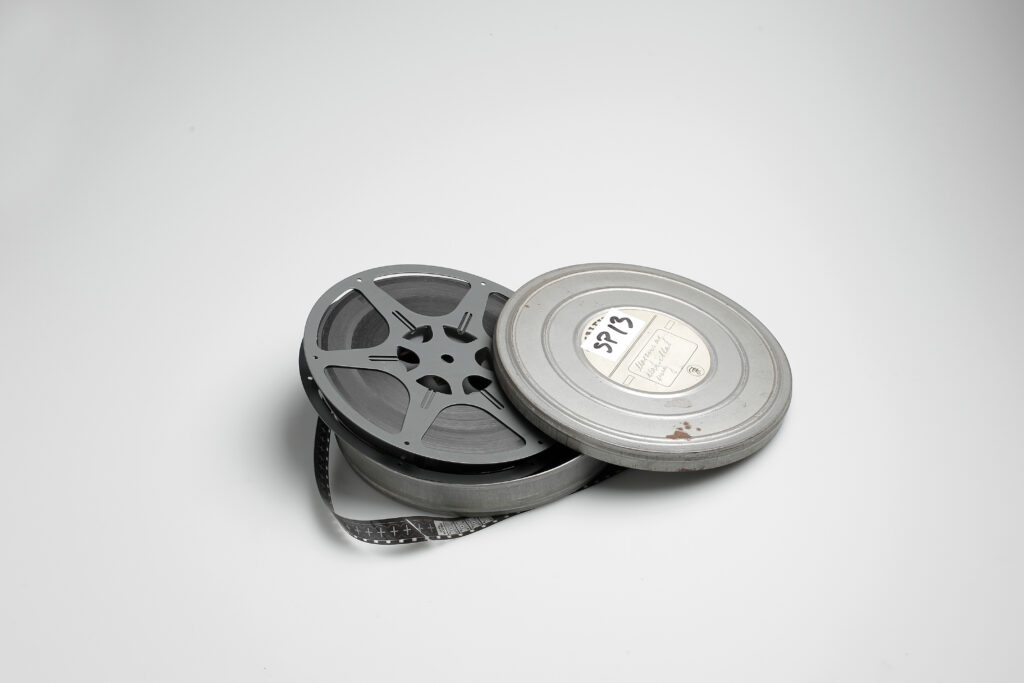
Metal canisters containing film reels can be puzzling, especially if there is no projector nearby. These reels often hold home movies shot on formats like 8mm or 16mm film. Before video cameras, this was how families recorded events and everyday life. The reels were typically stored carefully, but as technology changed, the equipment to view them disappeared. That leaves behind film that cannot be easily accessed. Without labels, it is often unclear what is recorded on them. The reels themselves do not reveal much at a glance.
Some families only discover the contents after having the film digitized. That process can reveal decades-old footage of relatives and events. The delay between discovery and understanding adds to the sense of mystery. The canisters may also include notes or dates, but not always. In some cases, the film has degraded, making it difficult to recover. These reels are a reminder of how fragile recorded memories can be. Finding them often leads to a mix of curiosity and uncertainty about what they contain.
12. Glass Insulators
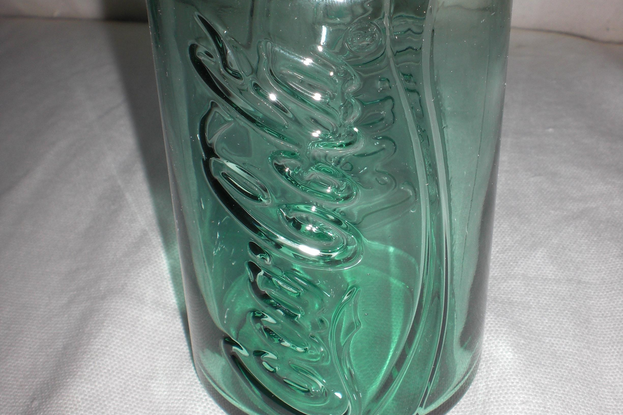
Small, thick glass objects in colors like clear, green, or aqua sometimes turn up in boxes with no explanation. These are electrical insulators, once used on telegraph and telephone lines. They were mounted on poles to keep wires insulated from the structure. When lines were updated or removed, the insulators were often collected or kept as souvenirs. Over time, they ended up stored in basements without context. Their shape and material make them look decorative rather than functional. Many people assume they were meant as paperweights or ornaments.
In reality, they played a key role in early communication infrastructure. Different shapes and colors were used by various manufacturers and companies. Collectors now seek them out, especially rare colors. When found in a basement, they often seem like random glass objects with no clear purpose. Sometimes they are discovered alongside other electrical components, which helps explain their use. Otherwise, they remain one of those items that looks intentional but is hard to place. Their original function is far removed from how they appear today, which is why they cause so much confusion.