
1. Spark Plug Gap Tools

If you’ve ever opened an old toolbox and found a small metal disc with strange numbers stamped around the edge, it can look pretty mysterious at first. That’s actually a spark plug gap tool, something that used to be essential when tuning older cars. Before modern engines and pre-gapped plugs, mechanics and everyday drivers had to manually adjust the space between the electrodes on a spark plug. The tool let them measure and tweak that gap with surprising precision. It doesn’t look like much, which is probably why it confuses people today. But at one time, it was as common as a wrench in any garage. Finding one now usually points to someone who worked on their own vehicles regularly. It’s a small reminder of how hands-on car maintenance used to be.
What throws people off is how specialized it looks without any obvious moving parts. There’s no handle, no clear function, just numbers and a thin edge. But each measurement corresponds to a specific engine requirement, which mattered a lot for performance. Too wide or too narrow, and the engine wouldn’t run properly. These tools were especially common from the 1940s through the 1970s. Today, most people never need to think about spark plug gaps at all. So when one turns up in a dusty toolbox, it feels like a relic from a much more mechanical era. It’s practical, but only if you know exactly what you’re looking at.
2. Feeler Gauges

A feeler gauge often looks like a folding pocketknife made entirely of thin metal strips. If you don’t recognize it, it can seem oddly delicate for something found in a toolbox. Each strip is a precisely measured thickness, and they’re used to measure gaps between parts. Mechanics relied on them for everything from valve adjustments to setting spark plug gaps. The idea is simple, but the execution is very exact. You slide the correct blade into a space to check if it fits snugly. It’s not flashy, but it’s extremely important in fine mechanical work. Finding one suggests the owner cared about precision. It’s the kind of tool that separates basic repairs from careful tuning.
What makes it confusing is that it doesn’t resemble a typical “tool” at all. There are no moving gears or obvious purpose at a glance. Without context, it looks more like a stack of metal bookmarks. But each blade is labeled with its thickness, often in thousandths of an inch. That level of detail mattered in engines where small tolerances could affect performance. Feeler gauges have been around for well over a century and are still used today. Even so, they’re less common outside of specialized work now. So when one shows up in an old toolbox, it can feel like an artifact from a more meticulous time.
3. Hand-Crank Drill
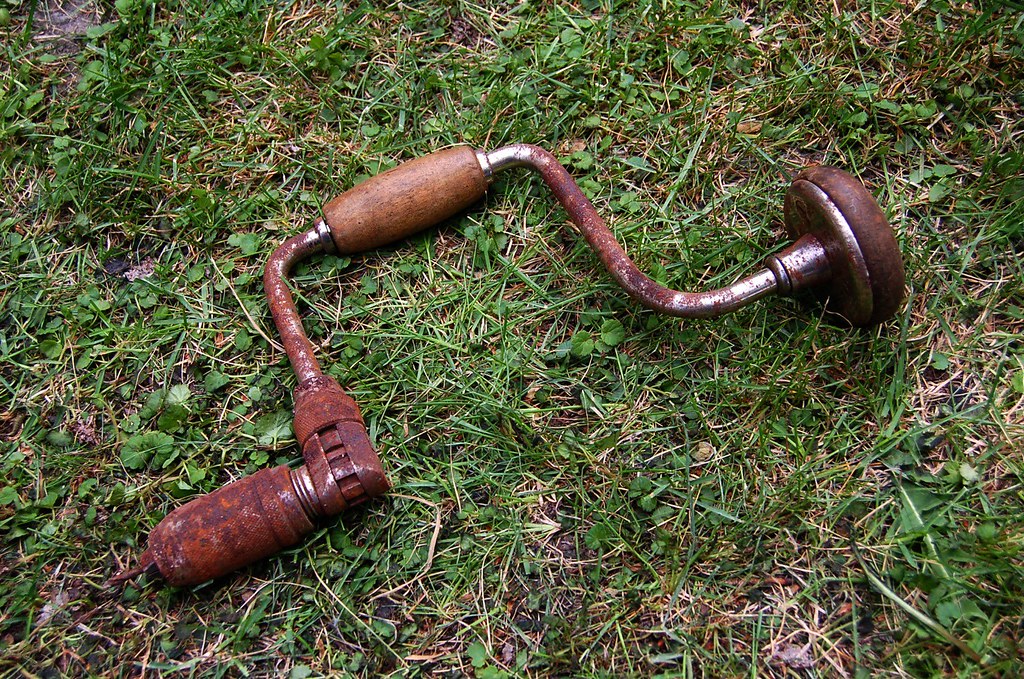
A hand-crank drill is one of those tools that makes immediate sense once you recognize it, but looks completely unfamiliar at first glance. It has a rotating handle on the side and a gear mechanism that turns the drill bit. Before electric drills became widespread, this was how holes got made. You had to manually turn the crank while applying pressure. It required a steady hand and a bit of patience. Despite that, these drills were surprisingly efficient for their time. Many were built to last and still function today. Finding one in a toolbox often means it was kept long after newer tools replaced it. It’s a direct link to pre-electric craftsmanship.
At first, the exposed gears and unusual shape can make it seem overly complicated. There’s no cord, no battery, nothing modern about it. But that simplicity is exactly what made it reliable. These drills were especially common in the late 19th and early 20th centuries. Woodworkers and carpenters depended on them daily. Even now, some people prefer them for delicate work where control matters more than speed. Still, to someone unfamiliar, it can look more like a museum piece than a usable tool. It’s one of those finds that quietly tells you how much work used to depend on human effort alone.
4. Nail Sets
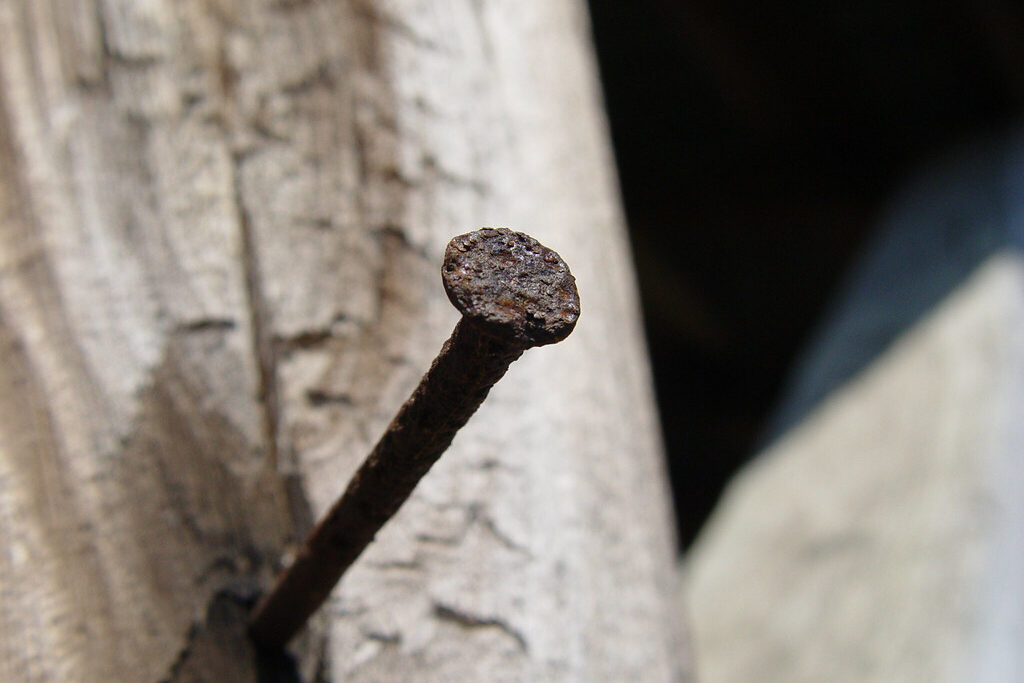
A nail set is a small, pointed metal tool that often gets overlooked or misidentified. It looks like a punch, but with a very specific purpose. Carpenters use it to drive the head of a nail slightly below the surface of the wood. This allows the hole to be filled for a smooth finish. Without it, nails would sit visible and catch on surfaces. It’s a simple tool, but one that reflects a focus on detail. You tap it with a hammer to push the nail down just enough. Finding one in a toolbox suggests someone cared about clean, finished work. It’s not for building fast, it’s for building well.
The confusion comes from how plain it looks. It’s just a metal rod with a slightly concave tip. Without context, it could be mistaken for a punch or even scrap metal. But the tip is designed specifically to center on a nail head. Nail sets have been used for generations in woodworking. They’re still available today, though many casual DIYers skip them. In older toolboxes, they often appear worn from repeated use. That wear tells its own story about careful craftsmanship. It’s a small tool with a very specific job that’s easy to miss if you don’t know what you’re looking at.
5. Brace and Bit
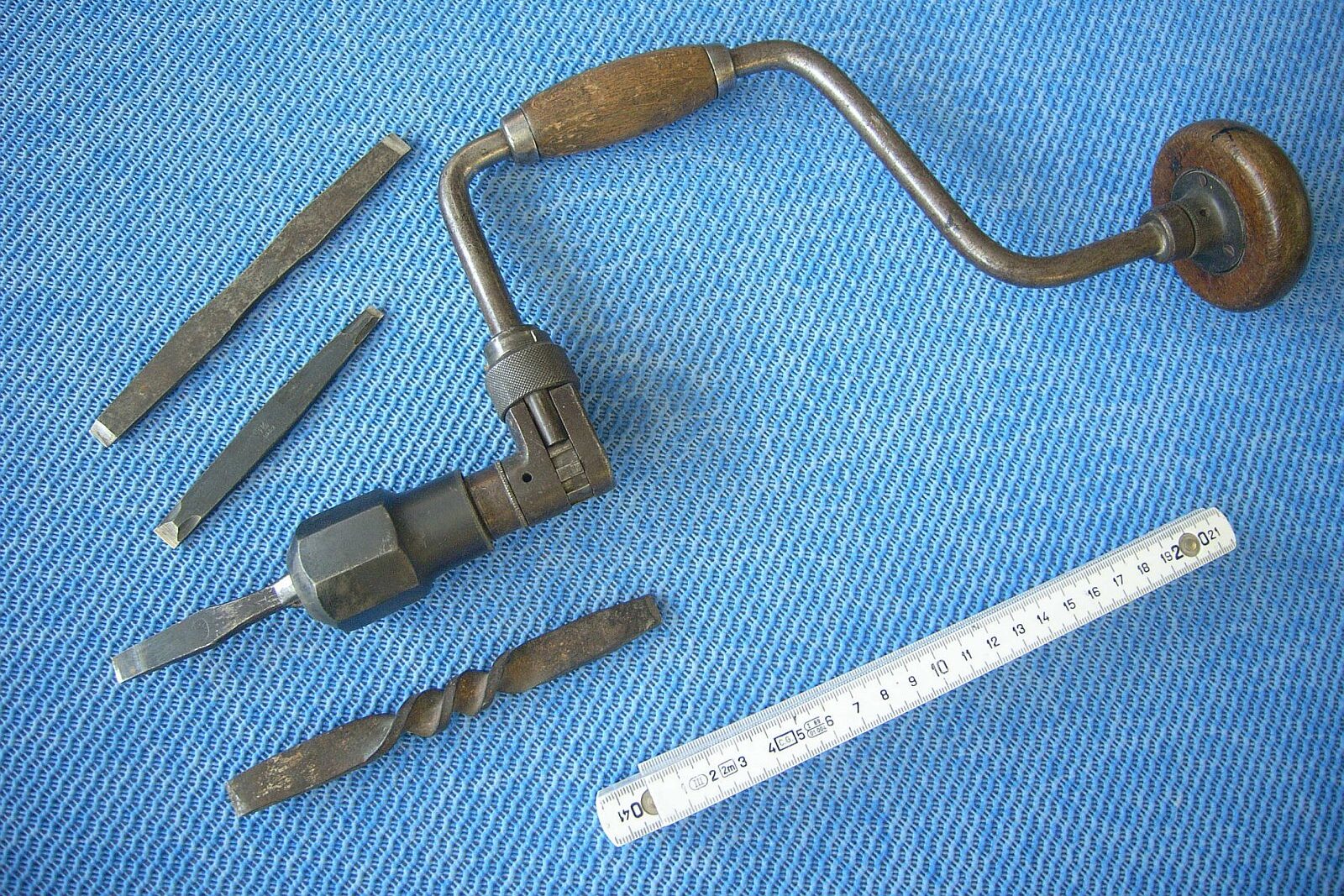
The brace and bit is one of those tools that immediately raises questions because of its unusual shape. It has a large U-shaped frame with a rotating handle and a chuck at the end for holding drill bits. Before power tools, this was the standard for drilling larger holes in wood. The design allowed for more torque than a simple hand drill. You would rotate the handle while applying pressure, often using your upper body. It was effective, but definitely required effort. These tools were especially common in carpentry and construction. Finding one today can feel like discovering something from another era of building. It’s big, sturdy, and unmistakably manual.
To someone unfamiliar, it doesn’t look like a drill at all. The shape is awkward compared to modern tools, and the purpose isn’t immediately obvious. But once you see it in action, it makes perfect sense. The brace and bit dates back centuries and remained widely used into the early 20th century. Even after electric drills became common, many craftsmen held onto them. They offered a level of control that power tools sometimes lack. Today, they’re mostly found in antique collections or old workshops. Still, they’re fully functional if you know how to use them.
6. Oil Can with a Thumb Pump
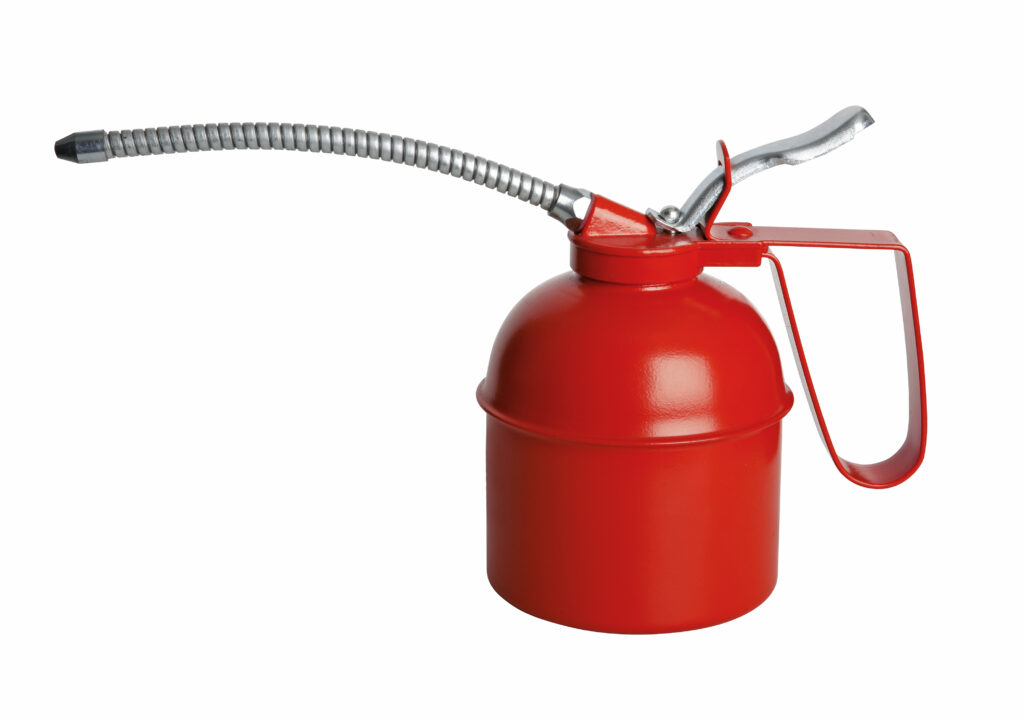
An old oil can with a thumb pump often looks more decorative than practical at first glance. It’s usually made of metal, sometimes with a long, narrow spout. The pump mechanism is built into the top, designed to deliver small amounts of oil precisely where needed. These were used to lubricate machinery, hinges, and tools. Before aerosol lubricants, this was the go-to method. You’d press the pump with your thumb to release a controlled drop of oil. It’s simple, but very effective. Finding one suggests regular maintenance and care for equipment. It’s a sign that tools were expected to last.
What makes it puzzling is how different it looks from modern oil containers. There are no labels or obvious branding on many older ones. The spout can look almost like a medical instrument. But every part of it is designed for precision. These cans were especially common in workshops and garages throughout the early to mid 20th century. Some are surprisingly well-made and still usable today. Without context, though, it’s easy to overlook or misunderstand. It’s a small object that reflects a time when maintenance was more hands-on and routine.
7. Valve Lapping Tool
A valve lapping tool is one of those items that really confuses people who aren’t familiar with engine work. It usually has a wooden handle with a rubber suction cup on the end. At first glance, it might look like something meant for lifting glass. In reality, it’s used to grind engine valves into their seats for a proper seal. This process was essential in older engines to maintain compression. You’d attach the suction cup to the valve and rotate it back and forth. It’s a slow, manual process, but very effective. Finding one in a toolbox suggests serious mechanical work. It’s not something a casual DIYer would typically own.
The suction cup is what throws most people off. It doesn’t resemble any common tool used today. But it serves a very specific function in engine maintenance. Valve lapping was more common before modern manufacturing made parts more precise. Today, it’s less frequently needed, but still used in some repairs. These tools were widely available throughout the mid 20th century. When one shows up in an old toolbox, it often raises more questions than answers. It’s a niche tool that only makes sense if you know the exact job it was designed for.
8. Thread Pitch Gauge
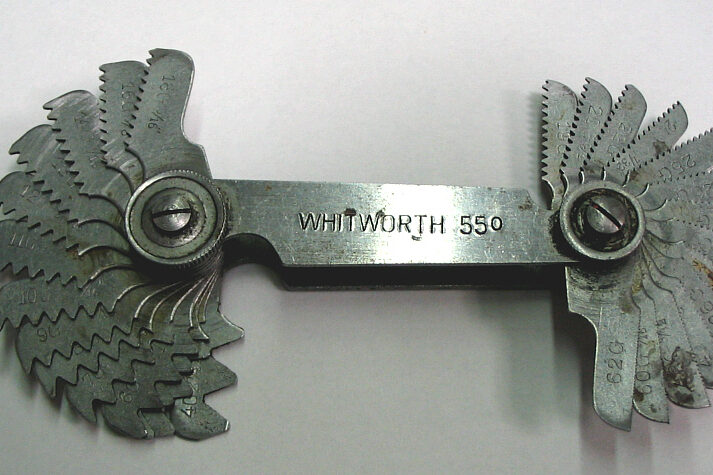
A thread pitch gauge looks somewhat similar to a feeler gauge, but with a different purpose. Instead of measuring gaps, it’s used to identify the pitch of screw threads. Each blade has teeth cut into it that match specific thread patterns. You match the blade to a bolt or screw to determine its size. This is especially useful when working with mixed hardware. It’s a precise tool that saves time and prevents mistakes. Finding one suggests someone dealt with a variety of fasteners. It’s not something you’d need for basic repairs. It points to more detailed mechanical work.
Without context, it can look confusing and overly specialized. The jagged edges on the blades don’t immediately suggest their purpose. But each pattern corresponds to a standard thread size. Thread pitch gauges have been used for decades in machining and automotive work. They’re still used today, though often replaced by digital tools. In older toolboxes, they can appear worn but still accurate. It’s one of those tools that quietly reflects a deep understanding of how things fit together. Without that knowledge, it just looks like a strange set of metal combs.
9. Chalk Line Reel
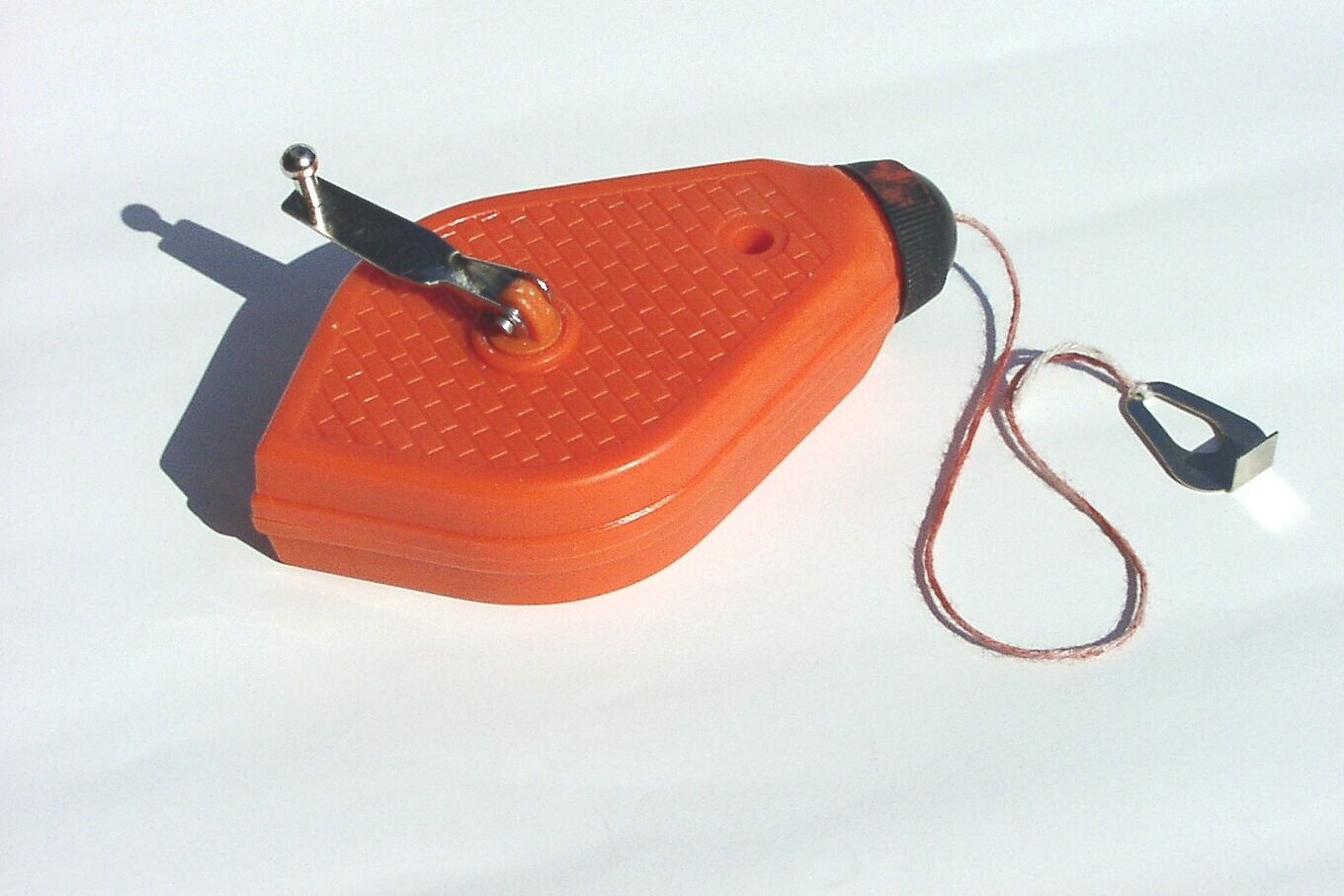
A chalk line reel is one of those tools that makes perfect sense once you know what it does. It’s used to create long, straight lines on surfaces like wood or drywall. Inside the case is a string coated in chalk. You pull it out, snap it against the surface, and it leaves a straight line behind. This was essential for construction and carpentry work. It allowed for accuracy over long distances. Finding one in a toolbox suggests someone did layout work regularly. It’s simple, but very effective.
The reel itself can look like a toy or a measuring device at first. There’s no obvious indication that it contains chalk. But the design has remained largely unchanged for decades. These tools have been used since the 19th century. Even today, they’re still common on job sites. In older toolboxes, the chalk residue often gives them away. Without that clue, though, it can be puzzling. It’s a straightforward tool that doesn’t advertise its purpose clearly.
10. Tap and Die Set Pieces
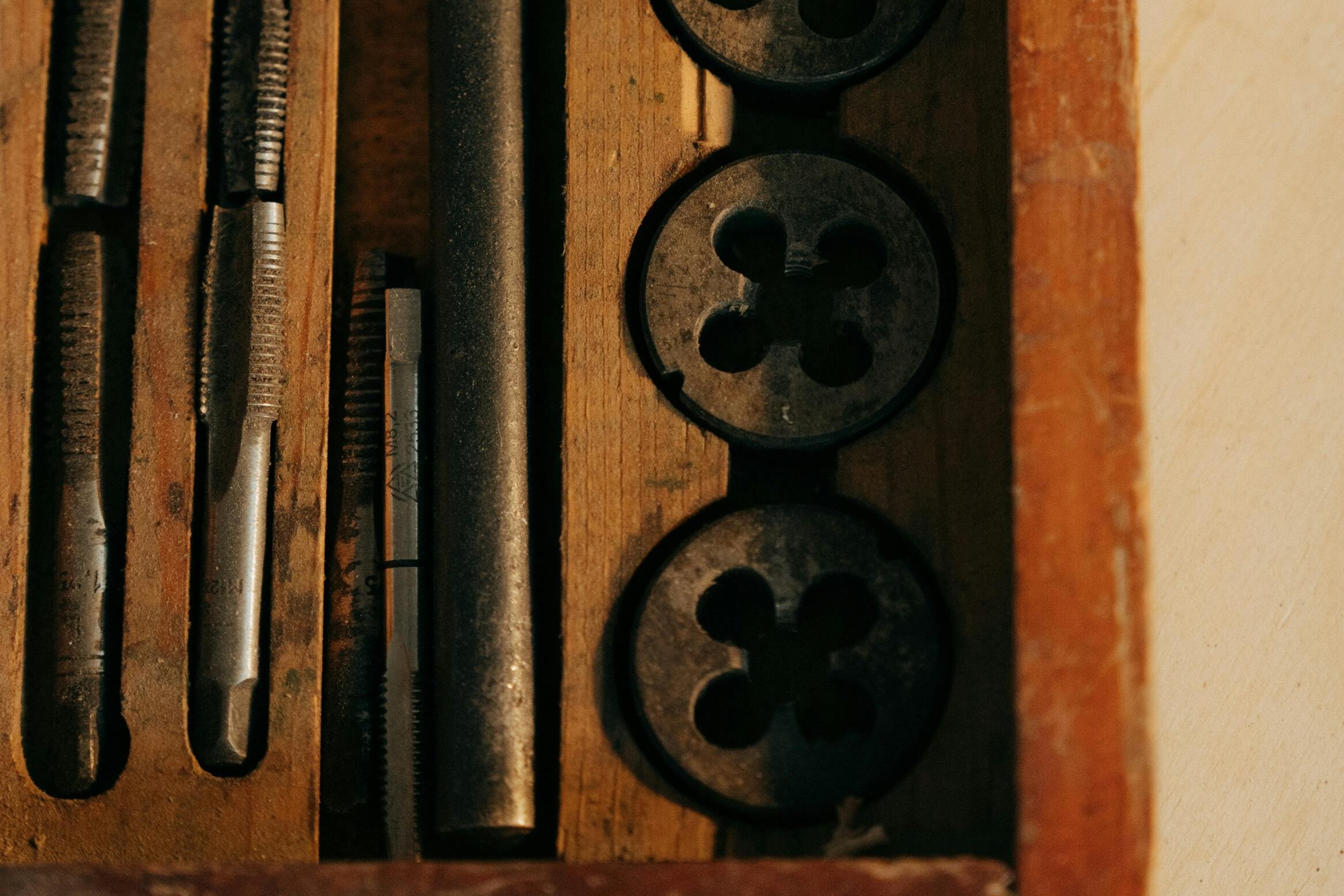
Finding loose pieces from a tap and die set can be especially confusing. They’re small, circular or cylindrical tools with sharp threads or ridges. These are used to cut or repair threads on bolts and holes. A tap is used inside a hole, while a die is used on the outside of a bolt. Together, they allow you to create matching threads. This was essential in mechanical and metalworking tasks. Finding them suggests a higher level of skill and equipment. It’s not something most people use casually.
On their own, these pieces can look like random bits of metal. Without the full set or case, their purpose isn’t obvious. But each one is carefully sized and labeled. Tap and die sets have been around for a long time and are still used today. They were especially important before mass-produced parts became widely standardized. In older toolboxes, they often appear mixed in with other items. That makes them even harder to identify. It’s a specialized tool that only makes sense in the right context.
11. Glass Cutter
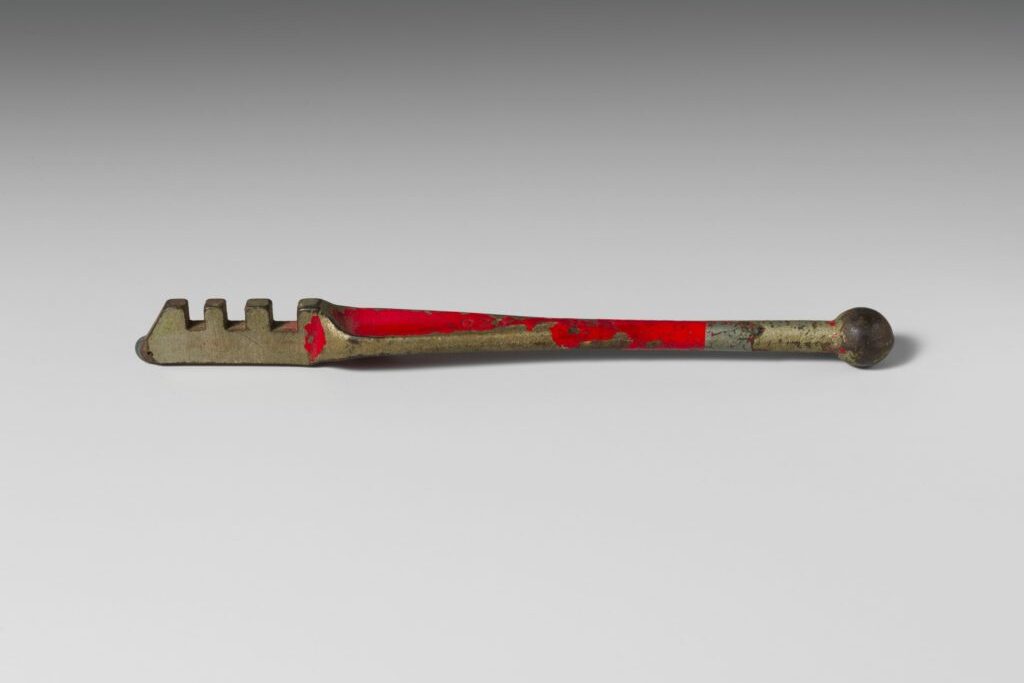
A glass cutter is a small, handheld tool that can easily be mistaken for something else. It typically has a metal or wooden handle with a tiny cutting wheel at the tip. Despite its size, it’s designed to score glass so it can be snapped cleanly. It doesn’t actually cut all the way through. Instead, it creates a controlled weak point. This tool was widely used in glazing and window repair. Finding one suggests someone worked with glass at some point. It’s precise and requires a steady hand.
The cutting wheel is so small that it’s easy to overlook. Without knowing its purpose, the tool can seem underwhelming. But it’s very effective when used correctly. Glass cutters have been around since the late 19th century. They’re still used today, though many people never encounter them. In an old toolbox, it can feel out of place among heavier tools. But it serves a very specific function. It’s another example of how specialized some tools can be.
12. Plumb Bob
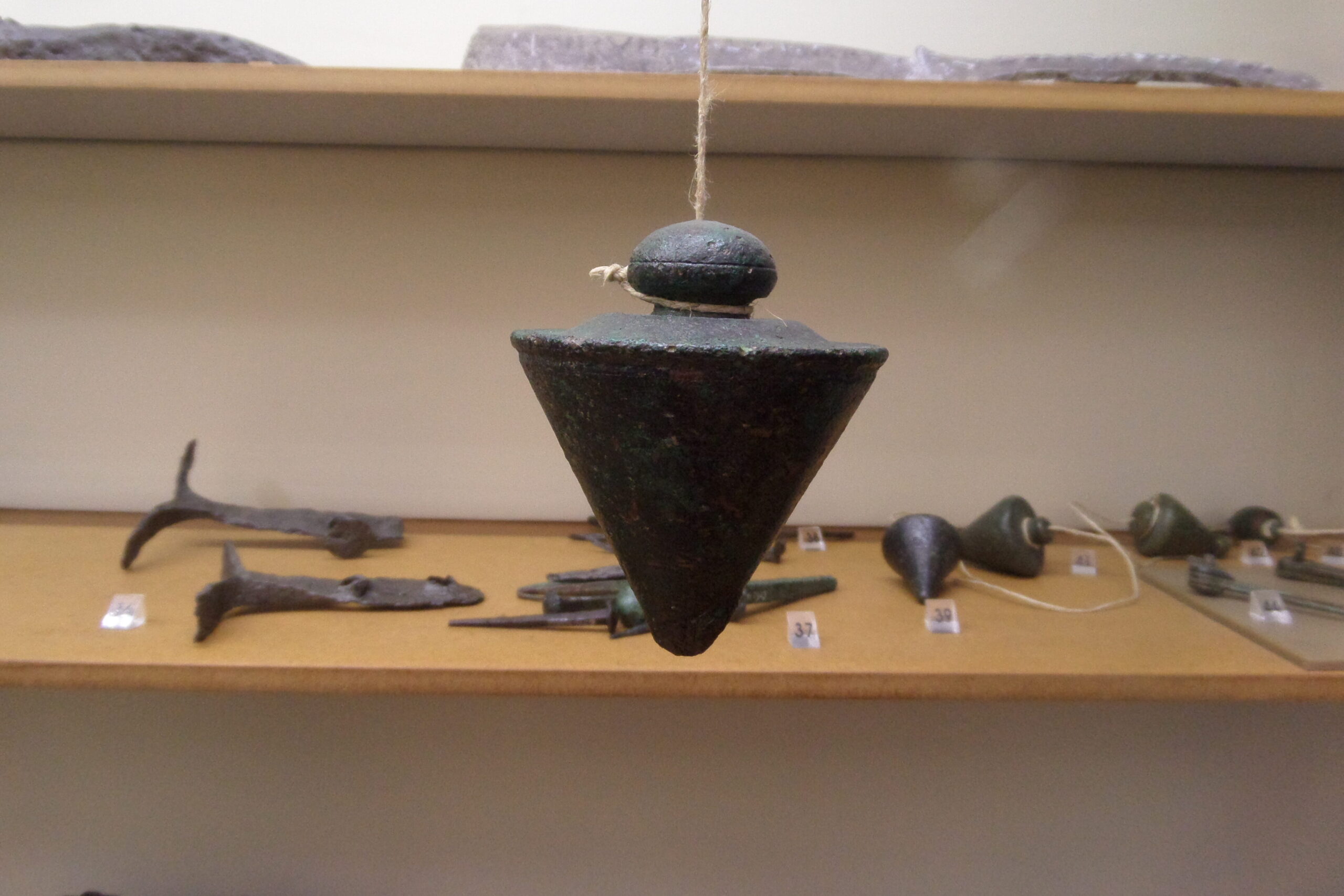
A plumb bob is a simple tool with a long history, but it often confuses people today. It’s a pointed weight attached to a string, used to establish a vertical line. Builders and surveyors relied on it for accuracy. You let it hang freely, and gravity does the rest. It’s one of the oldest tools still in use. Finding one in a toolbox suggests work that required careful alignment. It’s not flashy, but it’s extremely reliable. It’s a direct application of basic physics.
What makes it puzzling is how minimal it looks. There are no moving parts or obvious features. It can easily be mistaken for a decorative weight. But its function is very precise. Plumb bobs have been used for thousands of years, long before modern measuring tools. Even today, they’re sometimes preferred for certain tasks. In older toolboxes, they often appear alongside string or chalk. Without context, though, they can seem oddly out of place. It’s a tool that relies on simplicity rather than complexity.
13. Awl
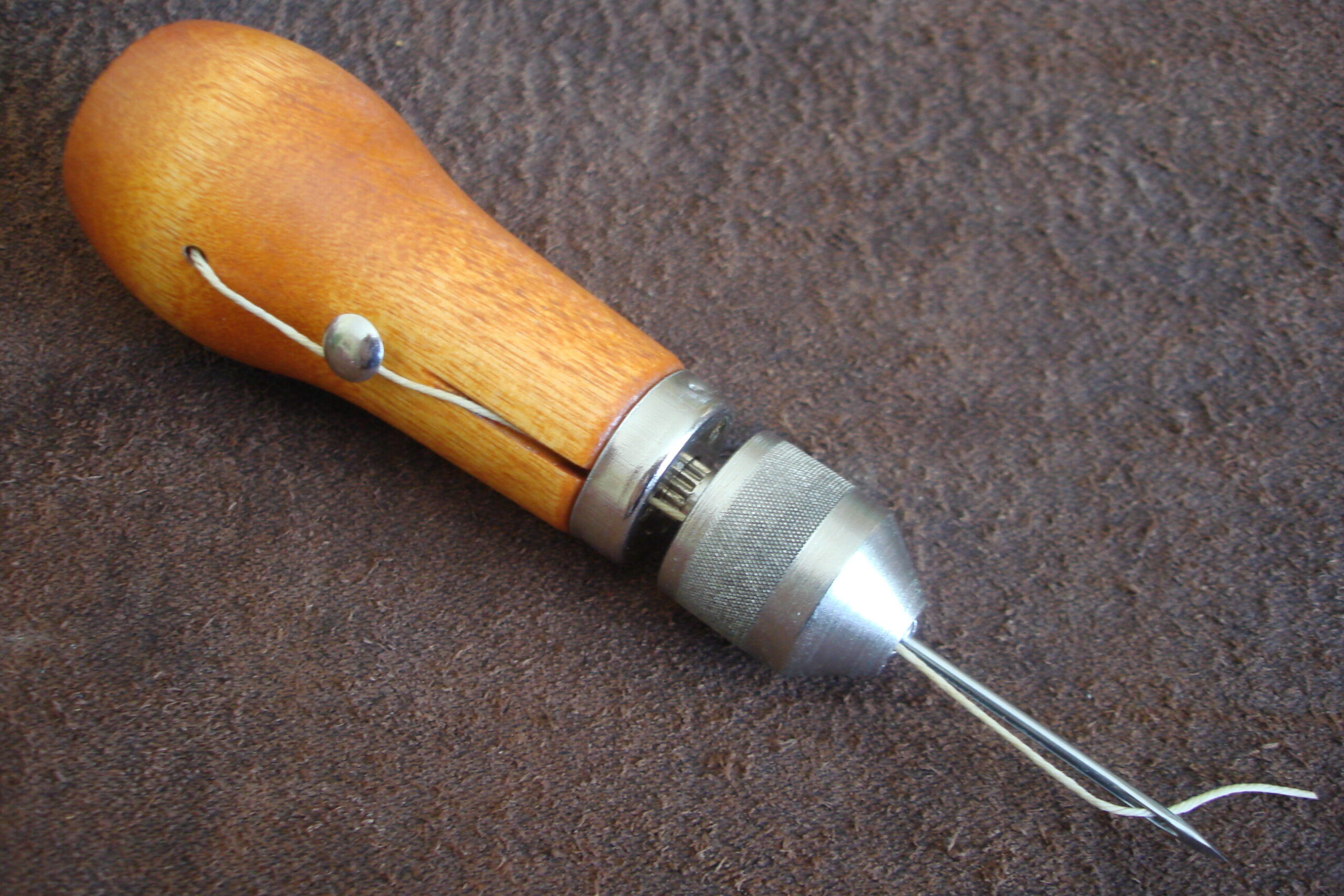
An awl is a pointed tool that can look deceptively simple. It usually has a wooden handle and a sharp metal spike. It’s used to punch small holes in materials like wood or leather. This makes it easier to drive screws or stitch materials together. It’s a basic but very useful tool. Finding one in a toolbox suggests a mix of woodworking or repair tasks. It’s the kind of tool that gets used more than you might expect.
At first glance, it can look like an ice pick or a random spike. There’s nothing about it that clearly signals its purpose. But the design is intentional and effective. Awls have been used for centuries in various trades. They’re still common in woodworking and leatherworking today. In older toolboxes, they often show signs of heavy use. That wear reflects how often they came in handy. It’s a simple tool that quietly does an important job.