
1. Victorian Mustache Cup
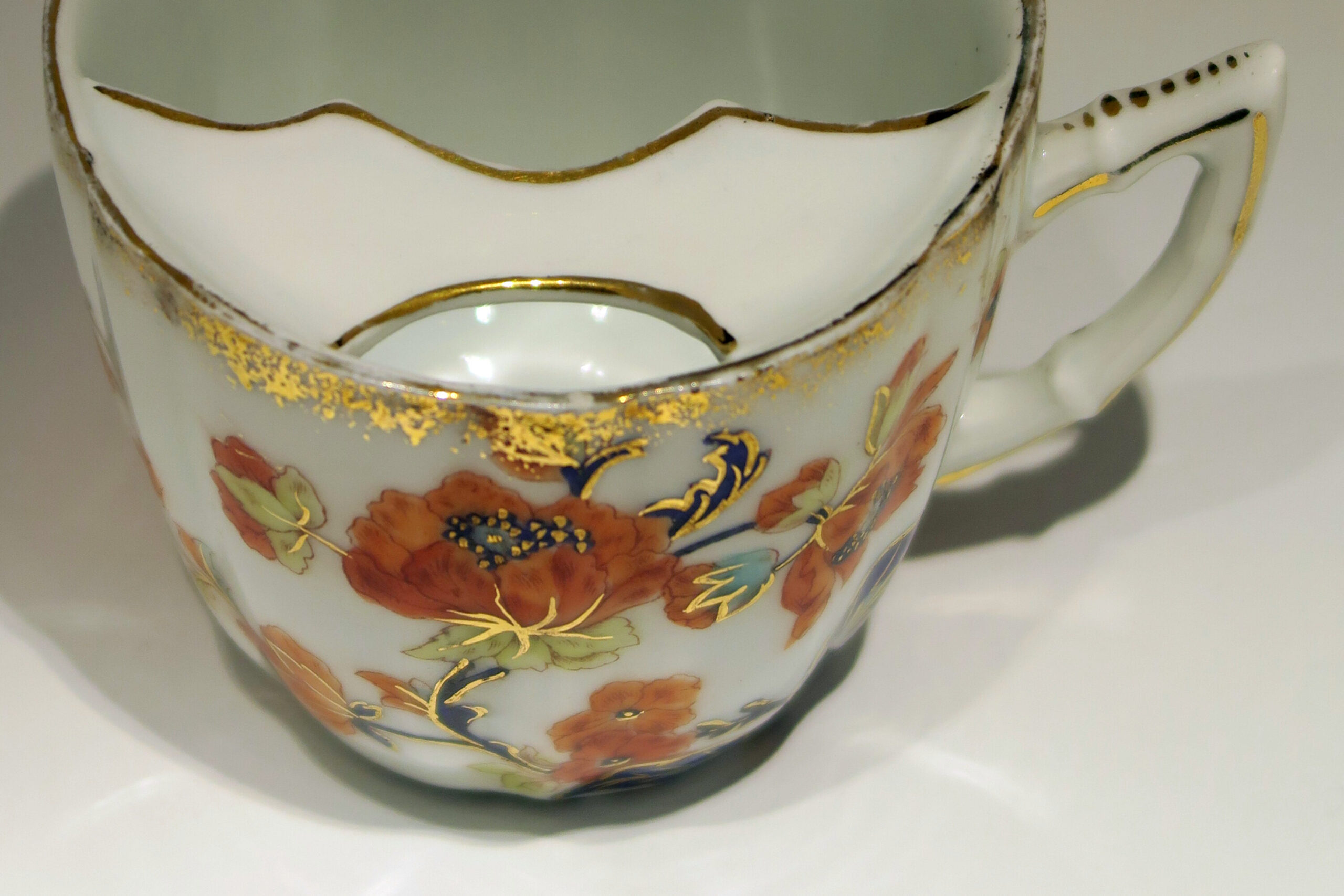
At first glance, it just looks like a teacup with an odd little ledge inside, almost like it was damaged or poorly made. People who found these in storage units often assumed they were broken or some kind of novelty item. The confusion makes sense, because modern cups don’t have anything like it. That interior “shelf” is actually intentional, and it served a very specific purpose. In the late 19th century, men often waxed their mustaches into elaborate shapes that needed protection. Drinking hot tea or coffee would melt the wax and ruin the style. This cup allowed liquid to pass under the ledge while keeping the mustache dry. Once you know that, it suddenly feels like a clever solution instead of a weird flaw.
Even so, many people still struggle to identify it right away because mustache culture like that isn’t really part of everyday life anymore. These cups were especially popular in England and parts of Europe during the Victorian era. They often came in decorative sets and were sometimes personalized. Finding one in storage today can feel like uncovering a tiny piece of grooming history. Without that context, though, it just looks like a strangely manufactured mug. That’s why so many people initially mislabel them as defective or experimental designs. It’s one of those objects that only makes sense once you understand the lifestyle it came from.
2. Vintage Ice Cream Mold

Some storage unit finds look like oddly shaped metal containers with hinges or clamps, and they leave people completely puzzled. They might resemble baking tins, but their shapes can be unusually detailed, like animals, fruits, or even buildings. Before electric freezers became common, these molds were used to shape hand-churned ice cream. The mixture would be packed into the mold and surrounded by ice and salt to freeze. Once opened, it revealed a decorative, sculpted dessert. It was a centerpiece at parties, especially in the late 1800s and early 1900s. Today, that level of presentation feels almost excessive, which is why the molds seem so mysterious at first.
Without context, it’s hard to guess they were used for food at all. Some people assume they were for soap, butter, or even industrial purposes. The intricate designs can make them look more like tools than kitchen items. But historically, they were part of a trend toward elaborate dining and entertaining. Wealthy households often used them to impress guests. Finding one tucked away in a dusty box makes it feel more like a relic than a kitchen accessory. Once identified, though, it becomes a reminder of how different food presentation used to be. It’s not just a mold, it’s a snapshot of a very specific social ritual.
3. Carpet Stretcher
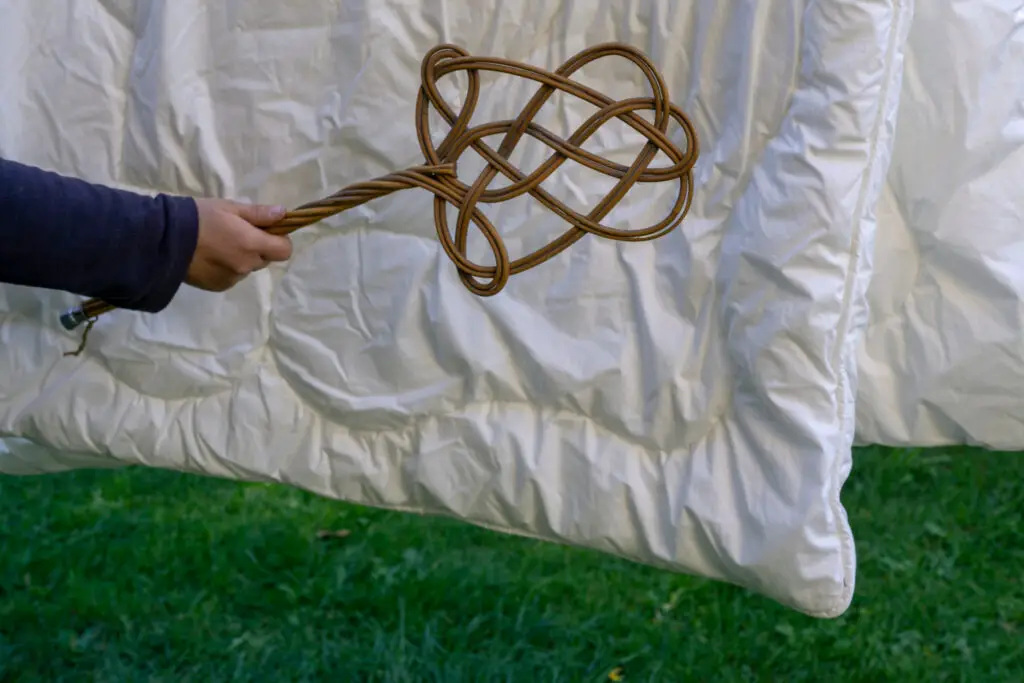
This one tends to confuse people because it looks like a wooden plank with rows of sharp teeth or spikes on one end. It doesn’t immediately resemble a typical household tool. People sometimes assume it was used for farming or even as some kind of medieval-looking device. In reality, it’s a carpet stretcher, designed to pull wall-to-wall carpeting tight during installation. The spikes grip the carpet, allowing the installer to stretch it across the room. This prevents wrinkles and ensures a smooth finish. It’s a practical tool, but its design feels aggressive and unfamiliar to anyone who hasn’t installed carpet before. That’s why it often gets misidentified.
Older versions were entirely manual, requiring a fair amount of physical effort to use properly. Later designs included knee kickers, which allowed installers to apply force with their body. Finding one in storage today can feel confusing because carpeting is often pre-installed or handled by professionals. Most people never see the tools involved. Without that experience, the object looks more like a prop than a tool. It’s a good example of how specialized equipment can become unrecognizable outside its context. Once explained, though, its function becomes surprisingly straightforward. It’s just not something most people encounter anymore.
4. Butter Paddle
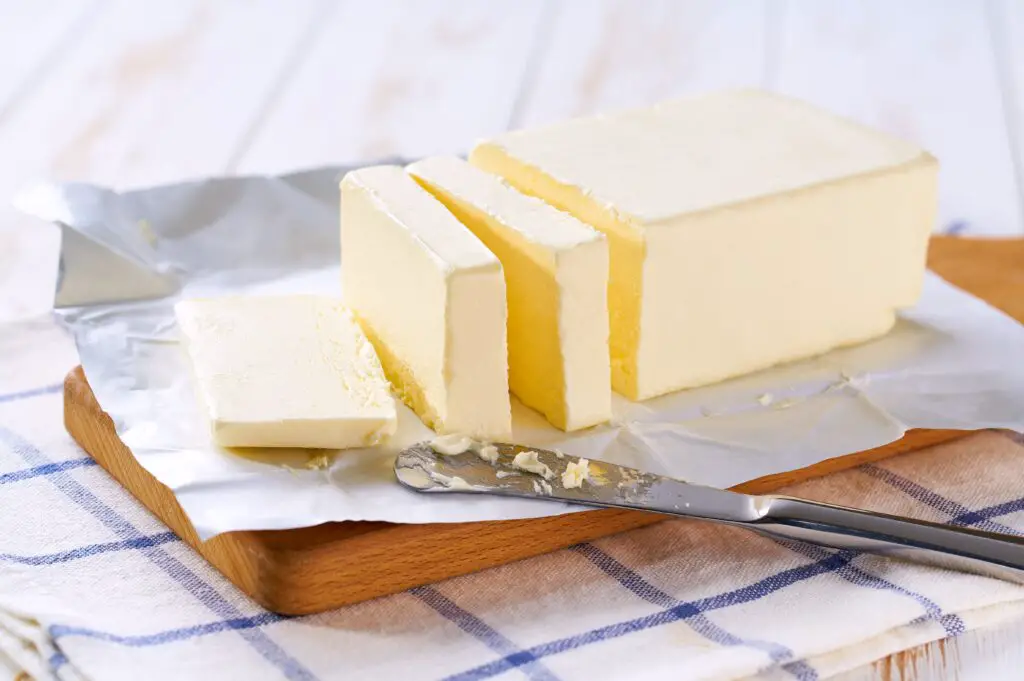
These flat wooden tools often show up in pairs, sometimes with ridged patterns carved into them. At first glance, they can look like oversized kitchen utensils or even decorative items. Many people guess they were used for baking or serving, but that’s not quite right. Butter paddles were used in the process of shaping and washing homemade butter. After churning, the butter needed to be pressed and worked to remove excess liquid. The paddles helped form it into blocks while also creating decorative patterns on the surface. It was both functional and aesthetic. Today, that level of hands-on butter making is pretty rare.
Without that historical context, the paddles seem oddly specific and hard to place. They don’t match modern kitchen tools, which are usually more standardized. The carved grooves also add to the confusion, making them look almost ornamental. In reality, those grooves helped squeeze out moisture and improve texture. Finding them in storage can feel like discovering something ceremonial rather than practical. But they were once everyday tools in many households. It’s another reminder of how much food preparation has changed. What used to be routine now feels almost unrecognizable.
5. Boot Jack
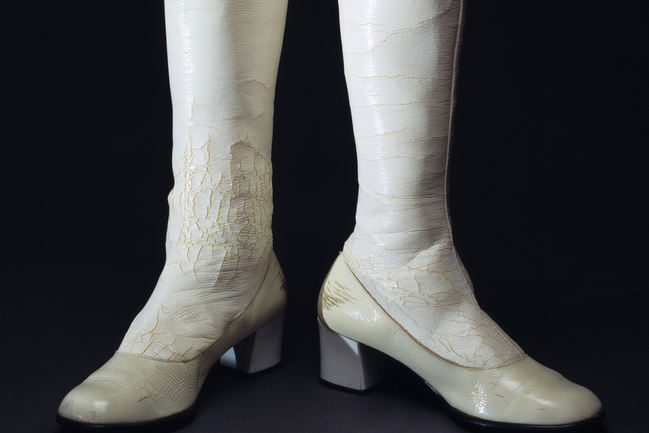
This object often looks like a flat piece of wood with a U-shaped cutout on one end, and people rarely guess its purpose correctly. It doesn’t resemble anything commonly used today. Some assume it’s part of furniture or a broken tool. In reality, it’s a boot jack, used to help remove tight-fitting boots. You place the heel of your boot into the cutout and step on the other end with your opposite foot. Then you pull your foot out, using the leverage to remove the boot. It’s simple but effective. Before modern footwear, boots were often stiff and difficult to take off.
Because most people now wear more flexible shoes, the need for a boot jack has largely disappeared. That’s why it feels so unfamiliar. The design is minimal, which adds to the confusion. There are no moving parts or obvious clues about how it works. Once demonstrated, though, it makes perfect sense. It’s one of those tools that solves a very specific problem. Finding one in storage can feel like uncovering a forgotten habit. It’s practical, but only if you live the kind of life it was designed for.
6. Glove Stretcher

This tool often looks like a pair of long, thin metal tongs with handles, and it tends to puzzle people immediately. It doesn’t resemble standard kitchen or household tools. Some assume it’s for cooking or even medical use. In reality, glove stretchers were used to expand tight-fitting gloves, especially leather ones. Gloves used to be a common part of everyday fashion, and they were often snug. This tool helped maintain their shape and make them easier to wear. It was particularly useful after cleaning or exposure to moisture. Today, gloves are usually more flexible and less formal.
That shift in fashion makes the tool feel completely out of place now. Without the cultural context, it’s hard to guess its purpose. The design is simple but very specific, which adds to the confusion. Finding one in storage can feel like discovering a tool from another world. It’s not something most people have ever used. Once explained, though, it highlights how much effort went into maintaining clothing. It’s a small object, but it reflects a different approach to everyday style. That’s what makes it so intriguing.
7. Antique Apple Peeler and Corer
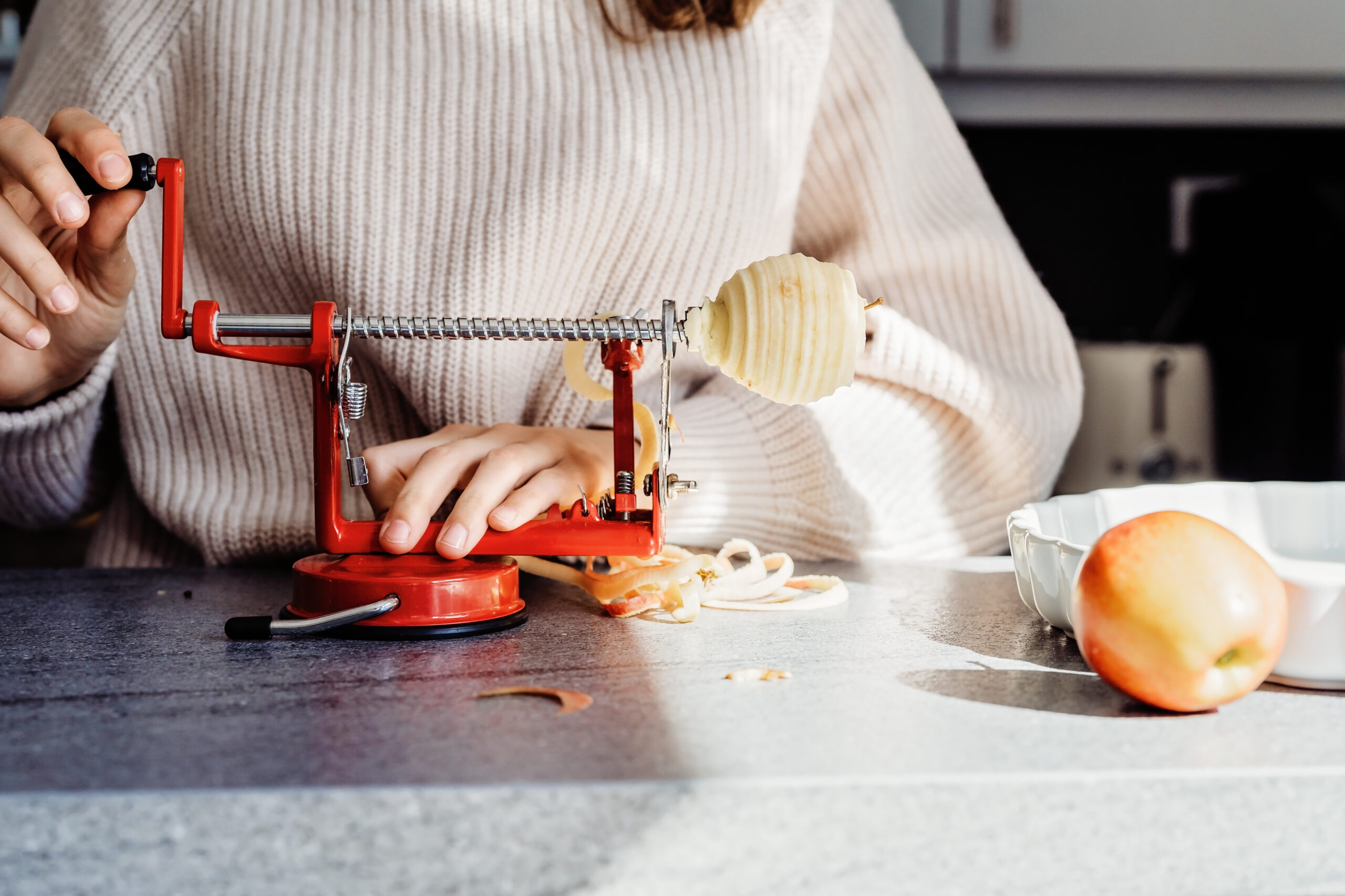
These devices often look like complicated metal contraptions with cranks, blades, and clamps. People who find them sometimes think they’re industrial tools or parts of machinery. The design can seem overly complex for a kitchen item. In reality, they were used to peel, core, and slice apples in one continuous motion. You’d attach the apple to a pronged rod and turn the crank. As it rotated, the blades would remove the peel and cut the fruit. It was efficient and surprisingly precise. These tools were especially popular in the late 19th and early 20th centuries.
Today, most people just use a knife or a simple peeler, so the device feels excessive. That’s why it’s often misidentified. The mechanical aspect makes it look more like a workshop tool than a kitchen gadget. Finding one in storage can feel like uncovering a piece of forgotten engineering. Once you see it in action, though, it becomes much clearer. It’s actually a clever time-saver. The confusion comes from how far removed it is from modern habits. It’s a reminder that even simple tasks used to inspire elaborate solutions.
8. Sewing Bird Clamp
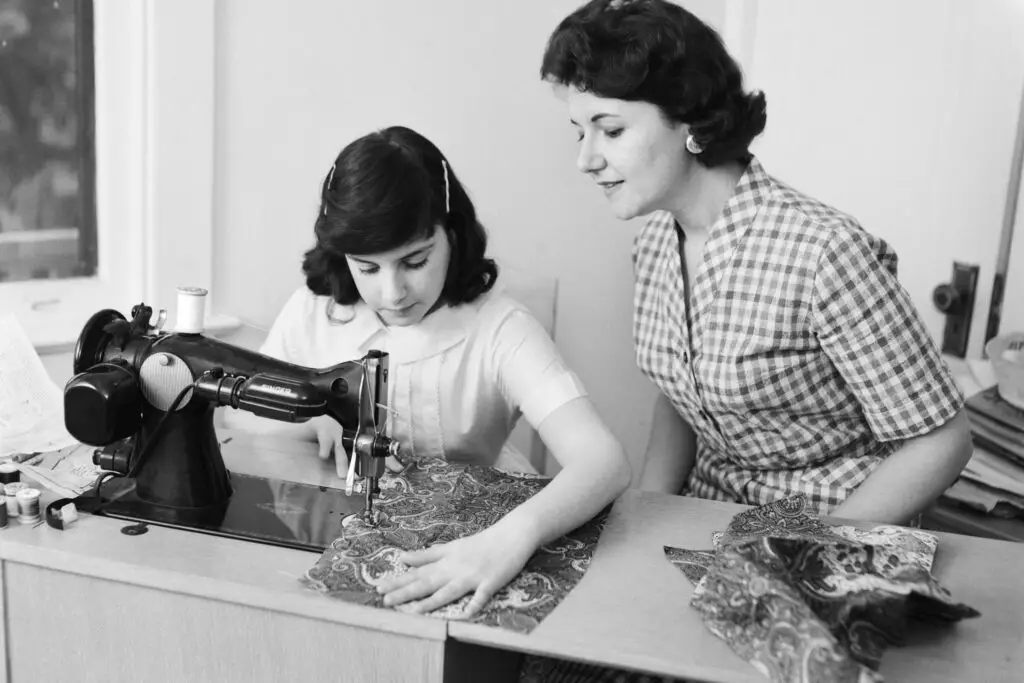
This is one of those objects that looks decorative and functional at the same time, which makes it especially confusing. It usually features a small metal bird attached to a clamp. People often assume it’s purely ornamental or maybe a paperweight. In reality, it’s a sewing tool designed to hold fabric in place. The clamp attaches to a table, and the bird’s beak grips the material. This allowed for more precise hand sewing. It was particularly useful before sewing machines became widespread. The design is both practical and visually distinctive.
Without that context, it’s easy to overlook its purpose entirely. The bird shape makes it seem whimsical rather than functional. That’s part of why it confuses so many people. Finding one in storage can feel like discovering a piece of art rather than a tool. But it served a very real purpose in everyday life. It’s another example of how tools used to blend utility with design. Once identified, it’s surprisingly logical. It just doesn’t fit modern expectations of what a tool should look like.
9. Candle Snuffer

This object typically looks like a small cone or bell attached to a handle, and it often leaves people guessing. Some think it’s a tiny scoop or a decorative item. In reality, it’s used to extinguish candles without blowing them out. You place the cone over the flame, cutting off the oxygen supply. This prevents smoke and keeps wax from splattering. It was especially useful in homes that relied heavily on candlelight. The design is simple but effective. Today, most people just blow out candles or use electric lighting.
Because of that, the snuffer feels outdated and unfamiliar. Its purpose isn’t immediately obvious unless you’ve seen one used. Finding one in storage can feel oddly mysterious. It’s small, but it doesn’t resemble modern tools. Once explained, though, it’s easy to understand. It’s just not something people think about anymore. It reflects a time when candle care was part of daily life. That’s what makes it so easy to misidentify.
10. Darning Mushroom
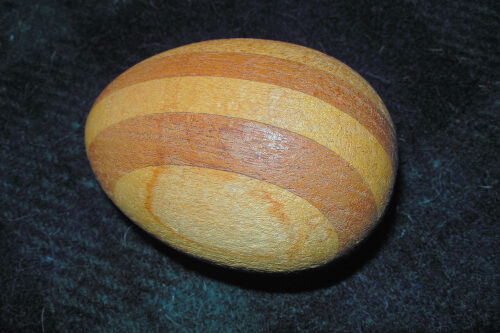
This object looks exactly like its name suggests, a wooden mushroom shape with a smooth surface. People often assume it’s a toy or a decorative piece. In reality, it’s used for repairing holes in socks or fabric. The mushroom is placed inside the material to create a firm surface for stitching. This helps maintain the shape of the garment while it’s being repaired. It was a common household tool when mending clothes was routine. Today, most people replace damaged items instead of fixing them.
That shift in habits makes the tool feel obsolete. Without context, it’s hard to guess its purpose. The shape is simple but not self-explanatory. Finding one in storage can feel like uncovering something oddly specific. Once you know what it does, though, it makes perfect sense. It’s a practical solution to a common problem. It just belongs to a different era of clothing care. That’s why it often goes unrecognized.
11. Sugar Nippers
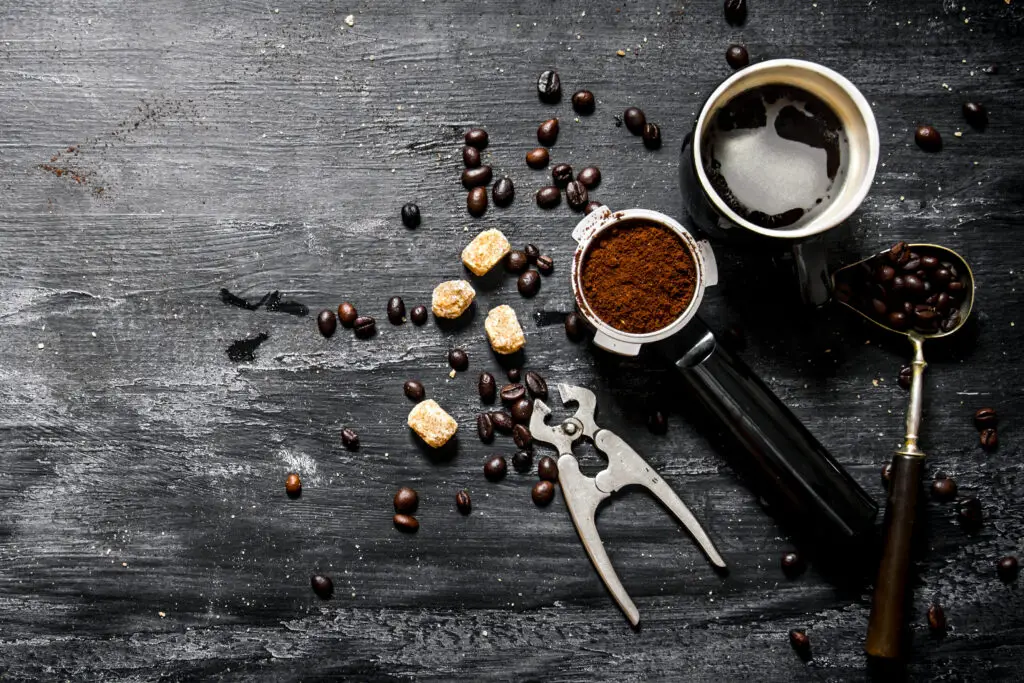
These look like heavy-duty scissors or pliers, and they tend to confuse people right away. They don’t resemble typical kitchen utensils. In reality, sugar nippers were used to break off pieces from hardened sugar loaves. Before granulated sugar became common, sugar was sold in solid cones. You’d use the nippers to cut off small chunks for use. It required some force, which is why the tool is so sturdy. Today, sugar comes pre-processed and easy to measure. The original form is no longer part of everyday life.
That’s what makes the tool so hard to identify now. Without knowing about sugar loaves, it seems completely out of place. Finding one in storage can feel like discovering a tool with no obvious purpose. The design is functional but not intuitive. Once explained, though, it becomes much clearer. It’s tied to a very specific way of consuming sugar. That context has largely disappeared. And with it, the tool’s recognizability.
12. Button Hook
This slender tool usually has a handle and a small hook at the end, and it often gets mistaken for something medical or decorative. In reality, it was used to fasten buttons on clothing, especially shoes and gloves. Many garments in the late 19th and early 20th centuries had small, tightly spaced buttons. The hook allowed you to pull them through buttonholes more easily. It saved time and reduced strain on the fingers. Today, clothing is designed to be more convenient. Zippers and elastic have largely replaced those kinds of closures.
That’s why the tool feels so unfamiliar now. Without the context of historical fashion, it’s hard to place. Finding one in storage can feel puzzling. It’s small and oddly shaped, with no obvious function. Once you see how it works, though, it’s surprisingly logical. It solved a very real problem at the time. It just doesn’t align with modern clothing design. That disconnect is what makes it so hard to identify.
13. Hat Stretcher

This object often looks like a wooden device with adjustable parts, and people rarely guess its purpose correctly. It doesn’t resemble anything commonly used today. In reality, it was used to stretch and maintain the shape of hats. You’d place it inside the hat and adjust it to fit. This helped preserve the hat’s structure and size. Hats used to be an essential part of everyday attire. Maintaining them was important. Today, hats are more casual and less structured.
That change in fashion makes the tool feel obsolete. Without context, it’s hard to understand what it does. The adjustable design can make it look like a mechanical device rather than a clothing tool. Finding one in storage can be confusing. But once explained, it’s straightforward. It’s just not something most people need anymore. It reflects a time when accessories required regular care. That’s what makes it so unfamiliar now.
14. Fire Bellows

This object usually looks like a flat, expandable pouch with handles, often made of wood and leather. People sometimes recognize it vaguely but aren’t sure how it works. In reality, bellows were used to blow air into a fire to make it burn hotter. You compress and expand the pouch, forcing air through a nozzle. This increases oxygen flow and strengthens the flame. It was a common tool for fireplaces and blacksmithing. Today, most people don’t need to manage fires manually.
Because of that, the tool feels outdated and somewhat mysterious. Without experience using one, it’s not immediately obvious how it functions. Finding one in storage can feel like discovering something from another era. The design is simple but not intuitive if you’ve never used it. Once demonstrated, though, it makes perfect sense. It’s a practical solution to fire management. It just belongs to a time when that skill was more common.