
1. The Instruction Manual for Something You No Longer Own
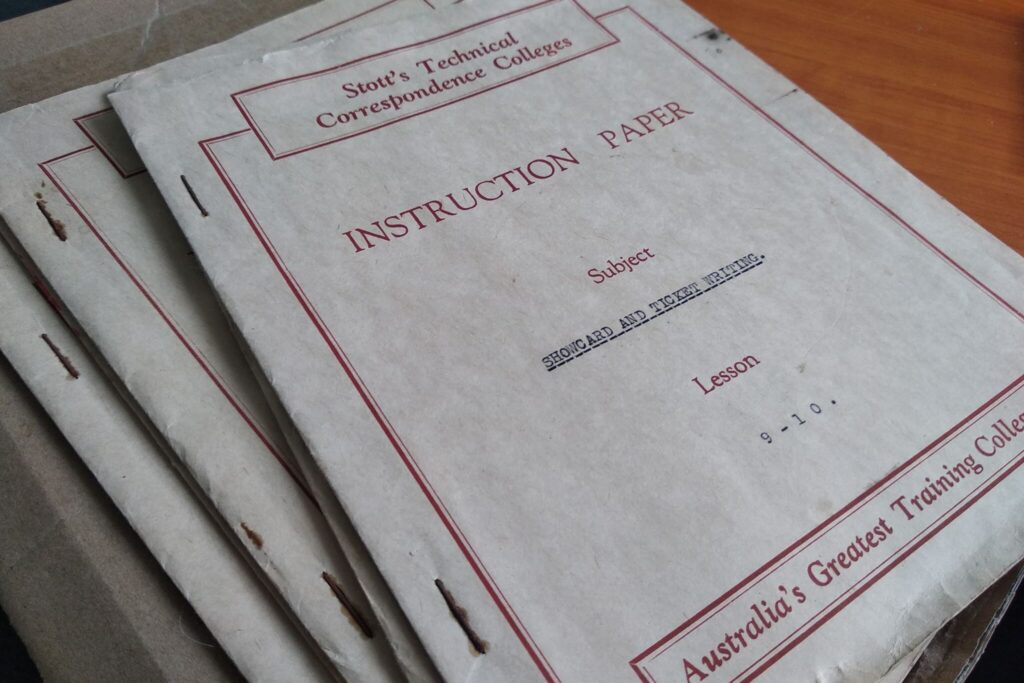
That little booklet got tucked into a drawer because it felt responsible to keep it. Even after the toaster broke or the VCR disappeared, the manual stayed behind just in case. There was a strange comfort in knowing the instructions existed somewhere in your house. Throwing it away felt like tempting fate.
You might have told yourself it could be useful again someday, even though deep down you knew it wouldn’t. It became a symbol of preparedness more than practicality. The paper yellowed, the corners curled, but it remained untouched. At some point, it stopped being about the appliance and started being about habit.
2. Greeting Cards With Handwritten Messages
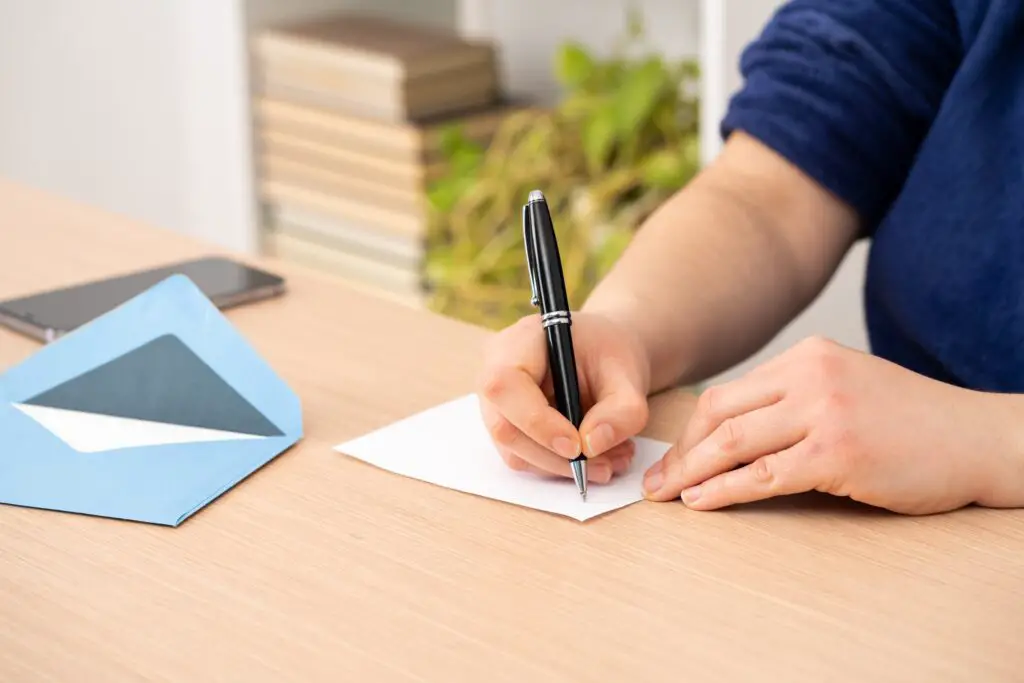
Printed words were easy to toss, but handwriting changed everything. Seeing someone’s familiar script made the card feel personal and permanent. Even simple messages felt important once they were written by hand. Tossing them felt like erasing a moment.
Many ended up stacked in drawers or tucked into shoeboxes without a plan. You didn’t reread them often, but knowing they were there mattered. They quietly held birthdays, condolences, and inside jokes. Getting rid of them felt like discarding proof that someone once cared enough to write.
3. Old Keys With No Known Purpose
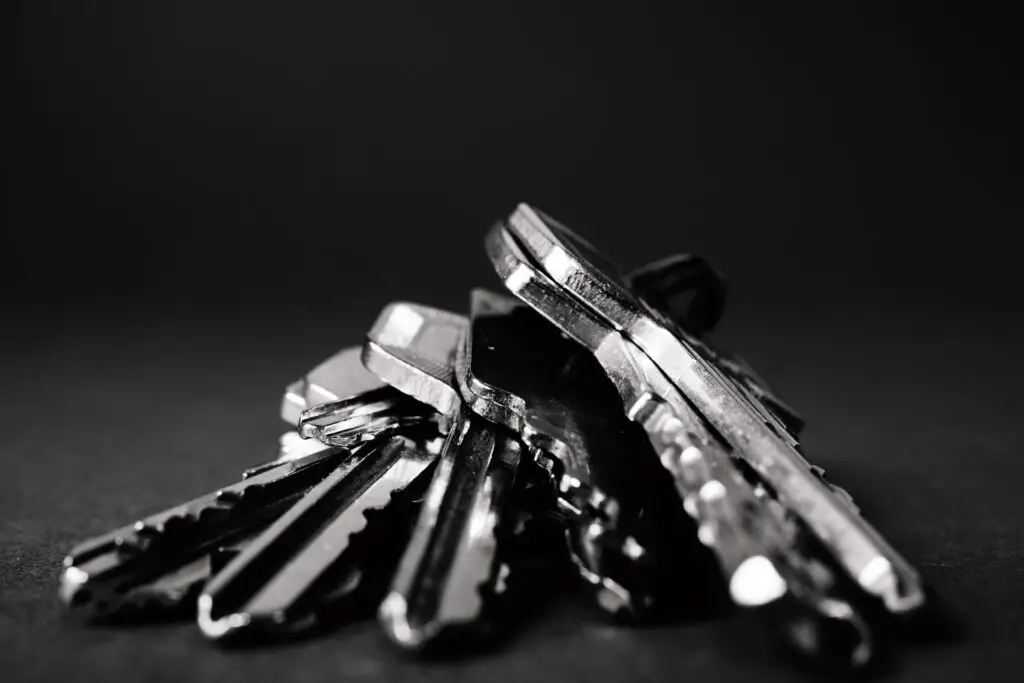
Every house seemed to have a random key ring with mystery keys attached. Nobody remembered what they opened, but nobody wanted to throw them out either. There was always the fear that the moment you tossed one, you’d need it. Keys carried authority, even when useless.
They lived in junk drawers, coffee mugs, or small tins by the door. Their weight made them feel important, even when their purpose was long gone. Throwing them away felt reckless. After all, keys were meant to unlock something, even if you couldn’t remember what.
4. Ticket Stubs From Long Past Events
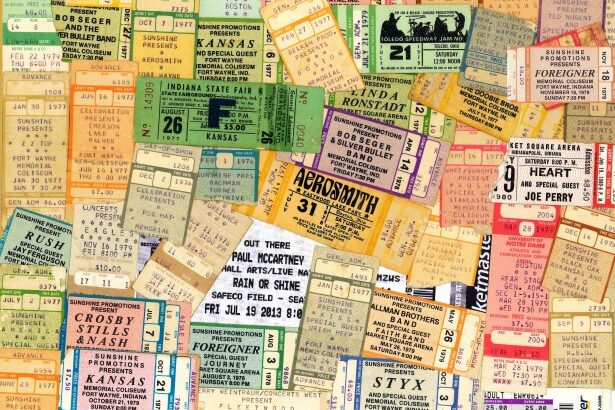
Movie stubs, concerts, and ballgames ended up in wallets and never quite left. They were small, flimsy, and easy to lose, which somehow made them feel valuable. Each one marked a specific night you remembered enjoying. Tossing them felt like shrinking that memory.
They often got tucked into books or drawers for safekeeping. You might not remember every detail of the event, but the stub proved you were there. It turned a memory into something physical. Letting it go felt like admitting the moment was officially over.
5. Worn Out T Shirts With Emotional Value

Some shirts stayed long after they stopped being wearable. They were too thin, too faded, or full of tiny holes, but they carried stories. Maybe it was from a vacation, a school event, or a first apartment. The fabric held more than just threads.
They often lived at the back of closets, folded carefully despite their condition. You told yourself you might wear them around the house someday. Deep down, you knew they were souvenirs, not clothing. Throwing them away felt like losing a piece of yourself.
6. Old Calendars With Notes Written In
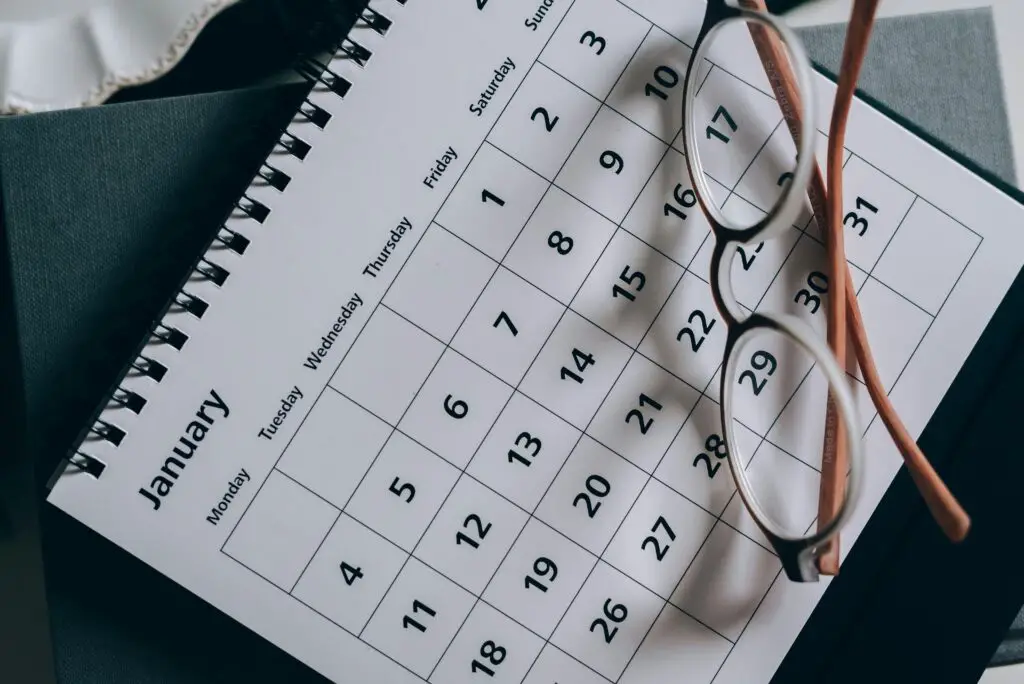
Once the year ended, the calendar technically had no purpose. But the scribbled notes, birthdays, and reminders made it feel alive. It showed what mattered during that year. Tossing it felt like tossing evidence of a life well lived.
Some people kept them folded in drawers or stacked in basements. They captured routines, milestones, and even forgotten plans. Looking back at them felt oddly grounding. Getting rid of them felt like erasing a personal timeline.
7. Broken Jewelry That Once Meant Something
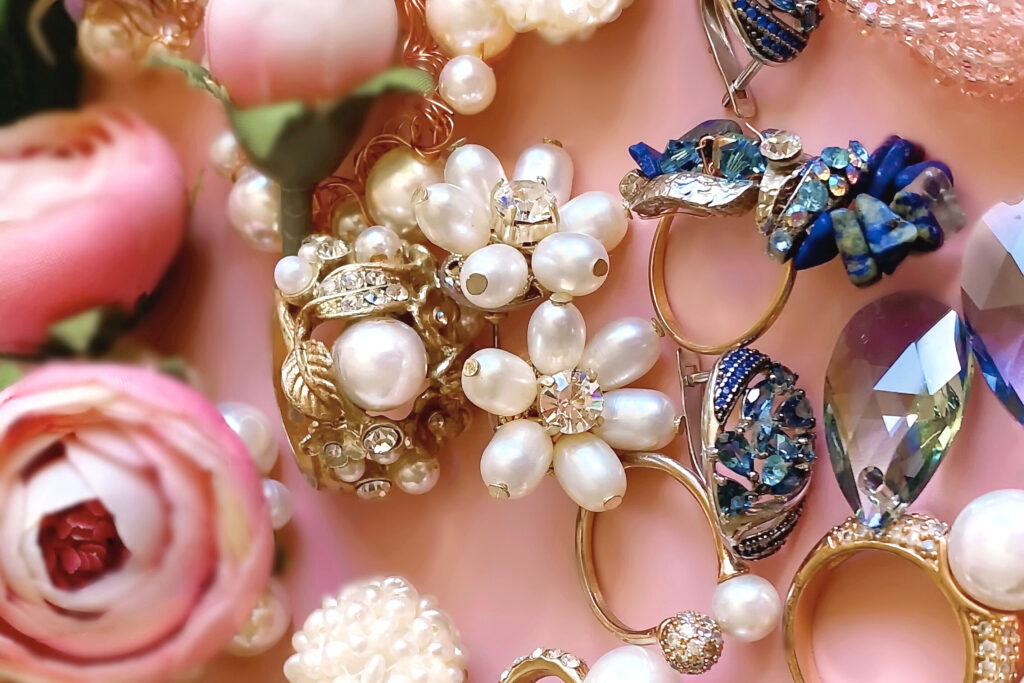
A snapped necklace or missing earring often stayed put. It wasn’t wearable anymore, but it still carried meaning. Maybe it was a gift or something worn during an important time. Its value wasn’t about function.
These pieces ended up in small boxes or tangled piles. Fixing them always felt like something you’d do later. Even when repair wasn’t realistic, tossing them felt too final. Keeping them felt like honoring their past.
8. School Papers With Teacher Comments
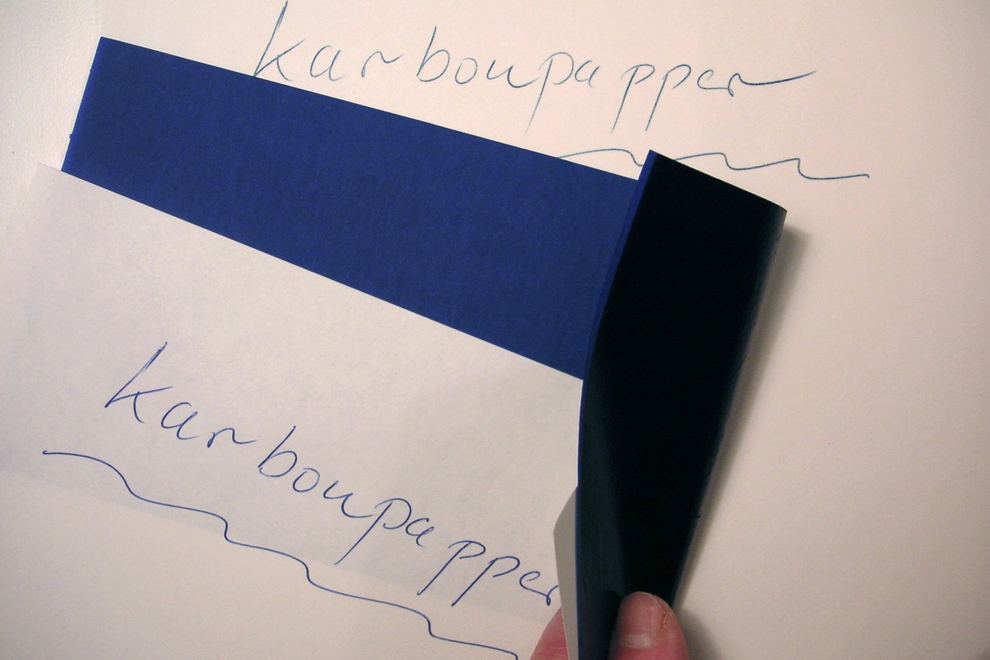
Old assignments didn’t seem important until you saw a note written in red pen. Praise, encouragement, or even criticism made the paper feel personal. It showed effort and growth. Tossing it felt dismissive.
They often got stacked neatly or slipped into folders. You didn’t need them, but they reminded you of who you were then. They showed progress in a way grades alone couldn’t. Letting them go felt like minimizing that chapter.
9. Empty Boxes From Expensive Purchases
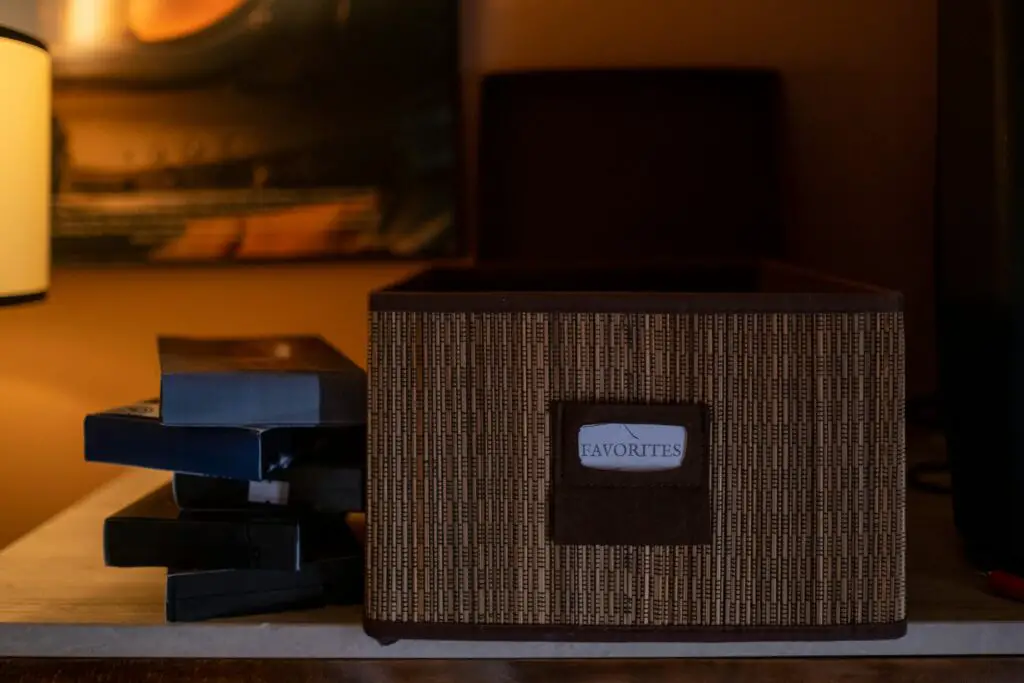
The item itself was useful, but the box felt special. It signaled value and importance. You told yourself you might need it if you ever moved or resold the item. The box became part of the purchase.
They stacked up in closets and basements. Even when space was tight, the boxes stayed. Tossing them felt like downgrading the item somehow. Keeping them felt like preserving its worth.
10. Old Photographs Without Copies
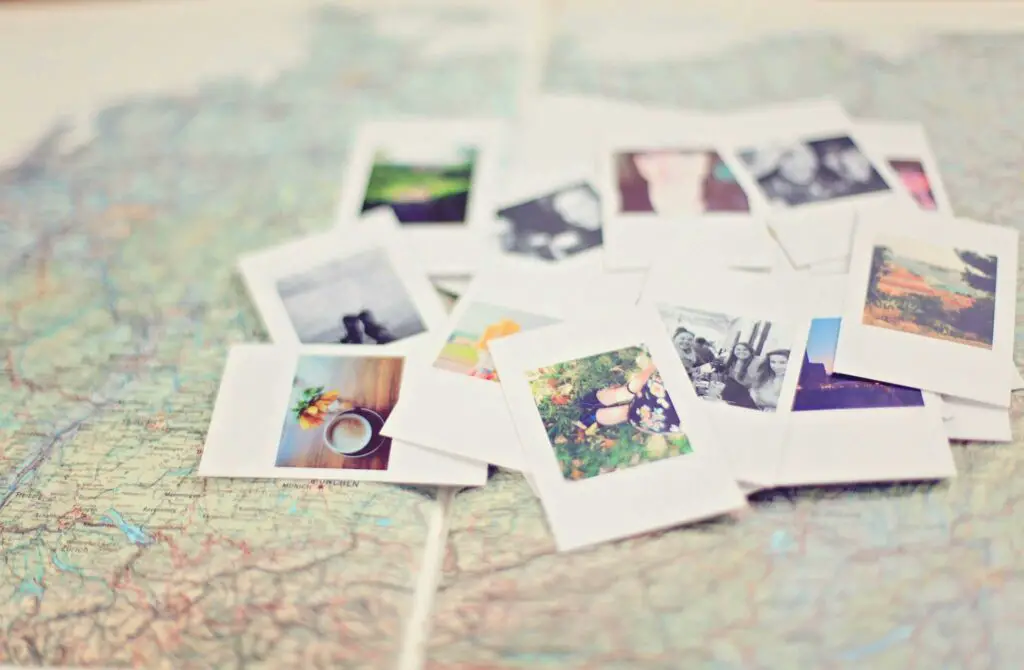
Even blurry or poorly framed photos felt irreplaceable. There was always the fear that once they were gone, the moment would vanish too. Photos carried faces, places, and versions of people that no longer existed. Throwing them away felt irreversible.
They lived in envelopes, albums, or random drawers. You might not look at them often, but knowing they were safe mattered. Each one held a frozen second in time. Letting them go felt like letting go of memory itself.
11. Gifts From People You No Longer See
The object itself might have been ordinary. What made it hard to toss was who gave it to you. It represented a relationship that once mattered. Throwing it away felt like rejecting that history.
These items often stayed out of sight but never left. You didn’t want to display them, but you couldn’t discard them either. They carried complicated feelings. Keeping them felt like acknowledging a past connection.
12. Old Tools That Still Technically Worked
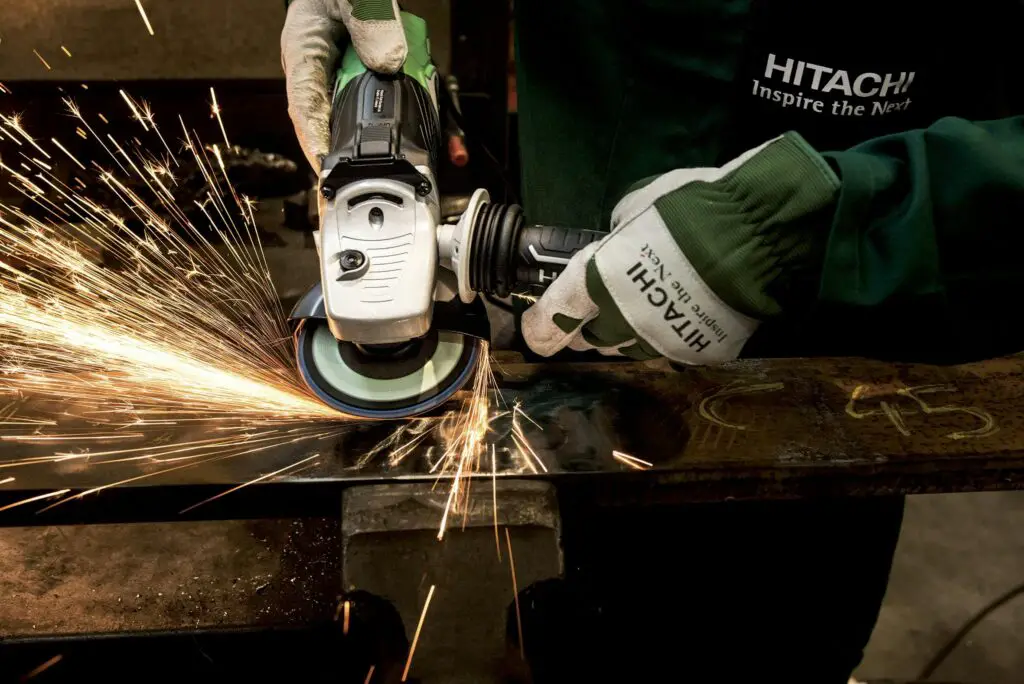
They might have been rusty, outdated, or awkward to use, but they still functioned. That alone made tossing them feel wasteful. Tools were built to last, and throwing one away felt wrong. You told yourself they might come in handy.
They ended up in garages, basements, or sheds. Even newer replacements didn’t earn permission to replace them completely. The old tool had proven itself once. Letting it go felt ungrateful.
13. Notes and Lists Written by Someone Else

A grocery list or reminder shouldn’t have mattered. But the handwriting changed everything. It captured a moment of ordinary life that couldn’t be recreated. Throwing it away felt strangely heavy.
These scraps often got tucked into books or drawers. You didn’t frame them, but you couldn’t toss them either. They felt intimate and real. Keeping them felt like holding onto a voice.