
1. Hand Crank Corn Sheller

If you’ve ever walked into an old barn and spotted a heavy metal device clamped to a beam with a crank on the side, you were probably looking at a hand crank corn sheller. These were widely used in the late 19th and early 20th centuries to remove kernels from dried corn cobs. The design usually includes a toothed wheel inside that strips the kernels as the cob is fed through. To someone unfamiliar, it can look like an odd grinder or even a strange press. Many were made of cast iron and built to last, which is why they still show up today. Farmers relied on them before mechanized shellers became common. Some versions were painted bright red or green, which helped them stand out in dim barns. Without context, it is easy to see why people mistake them for something entirely unrelated.
They were essential during harvest season, especially on smaller farms where automation was limited. You would attach the device to a sturdy surface and manually crank it while feeding in corn. The kernels would fall into a bucket below, while the empty cob was pushed out the other side. Over time, rust and wear can make them look almost unrecognizable. People sometimes assume they are meat grinders or antique tools for metalwork. In reality, they were purely agricultural and very practical. Collectors still seek them out today, especially models with original paint. Once you know what they are, the design makes perfect sense.
2. Hay Knife
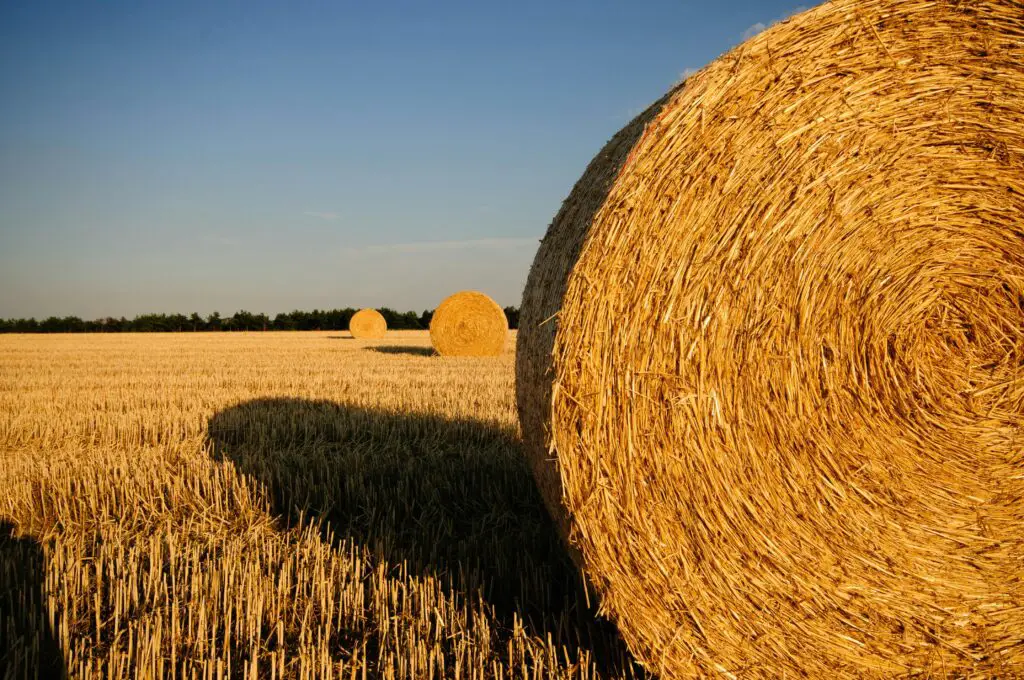
Long, slightly curved blades with a wooden handle often confuse people when found in barns, but these are typically hay knives. Farmers used them to cut compacted hay from bales before feeding livestock. The blade was designed to slice through dense material without too much effort. At first glance, it can look like a weapon or even a crude machete. The wear patterns on the blade often tell the real story, with consistent use marks along the edge. Many were handmade or locally forged, which adds to the confusion. Without labeling, they can seem mysterious. In reality, they were a daily-use tool on working farms.
These knives were especially useful before pre-cut hay became widely available. Farmers would store hay tightly packed, then cut portions as needed. The shape of the blade allowed for controlled slicing rather than hacking. Over time, handles would be replaced or repaired, giving each knife a slightly different look. That variation can make identification harder. People unfamiliar with farm life often misinterpret them entirely. Once you understand their purpose, though, the design is very straightforward. They are a good example of how specialized farm tools can look strange out of context.
3. Milk Can

Large metal containers with tight-fitting lids often turn up in barns and are sometimes mistaken for storage drums or even decorative items. These are milk cans, used to transport fresh milk before refrigeration and bulk tanks became standard. They were typically made of steel or aluminum and designed to keep milk as clean and cool as possible. The shape made them easy to carry and stack. Many have stamped markings from dairies or manufacturers. Without that context, they can seem oddly specific in design. Some people assume they were used for water or grain. In reality, they played a central role in early dairy farming.
Farmers would fill these cans and send them off to processing plants, often via truck or rail. The tight lid helped prevent contamination during transport. Over time, as dairy practices modernized, these cans became obsolete. That is why they are now often found forgotten in barns. Their sturdy construction means they can survive decades with little damage. Today, they are sometimes repurposed as decor or planters. But originally, they were a critical part of the milk supply chain. Once you recognize one, it becomes hard to mistake it for anything else.
4. Ice Saw

A long blade with large teeth might look like an oversized woodworking tool, but in many cases it is an ice saw. Before electric refrigeration, farmers cut blocks of ice from frozen lakes during winter. These blocks were stored in ice houses and used throughout the year. The saw was specifically designed to cut through thick ice efficiently. Its size and tooth pattern can make it look unusual to modern eyes. Without context, it might be mistaken for a logging tool. In reality, it served a very specific seasonal purpose. Ice harvesting was once a major industry in colder regions.
Workers would mark grids on the ice and use these saws to cut clean blocks. The ice would then be hauled and stored for later use. The tools had to be durable and capable of cutting through solid frozen surfaces. Over time, as refrigeration became widespread, ice saws fell out of use. That is why they are now often found in barns or sheds. The unusual size and design can make them hard to identify. But once you know their history, they make perfect sense. They are a reminder of how people preserved food before modern technology.
5. Horse Collar

A large padded loop that looks almost like a strange cushion or harness component is usually a horse collar. These were essential for draft horses, allowing them to pull heavy loads without injury. The collar distributes weight across the animal’s shoulders rather than the neck. To someone unfamiliar, it can look like a decorative or ceremonial object. Many are made of leather and stuffed with straw or other materials. Over time, they can become misshapen or worn. That adds to the confusion when found in storage. In reality, they were vital for farm work.
Without a properly fitted collar, a horse could not pull efficiently or safely. Farmers relied on these for plowing, hauling, and transportation. Each collar had to be sized correctly for the horse. As tractors replaced horses, these items became obsolete. That is why they are often left behind in barns. Some people now use them as rustic decor. But originally, they were purely functional. Understanding their purpose helps explain their unusual shape.
6. Butter Churn
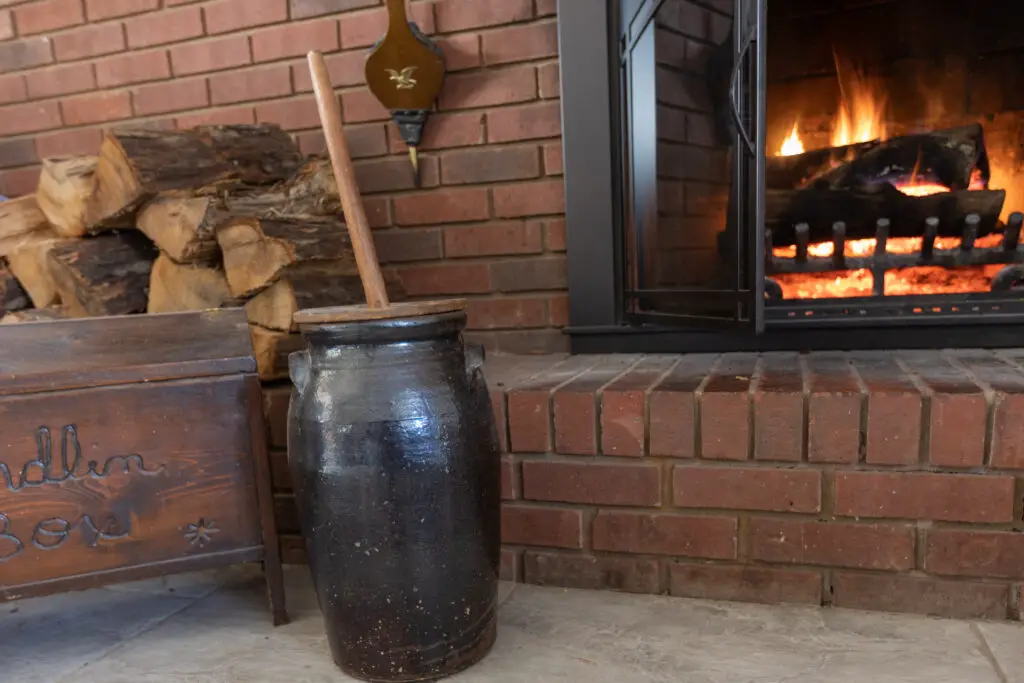
A tall wooden or ceramic container with a plunger inside might seem puzzling at first glance. This is a butter churn, used to turn cream into butter through agitation. The process involved repeatedly moving the plunger up and down. Over time, the fat in the cream would separate and form butter. The design can look odd if you have never seen one used. Some versions are barrel-shaped, while others are more upright. Without context, they can be mistaken for storage containers. In reality, they were a kitchen staple on farms.
Making butter at home was once a routine task. Farmers would use fresh cream from their own cows. The churn allowed them to process it efficiently. As commercial butter production grew, these tools became less common. Many ended up stored in barns or attics. Their simple design has remained largely unchanged for centuries. Today, they are often displayed as antiques. But they were once a practical necessity.
7. Pitchfork Head Without Handle
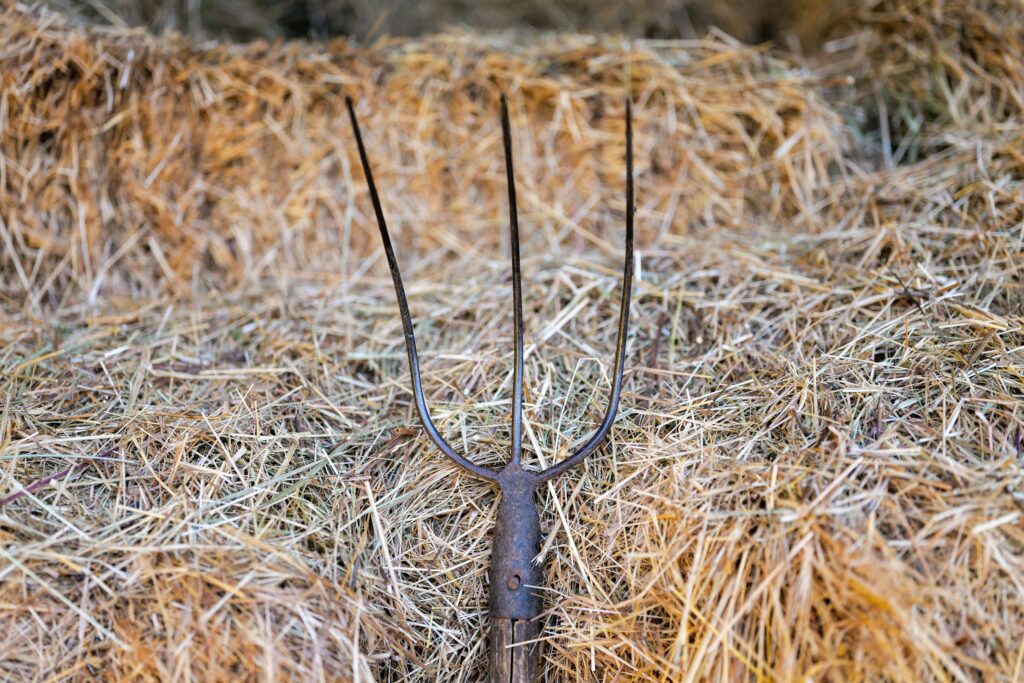
A cluster of metal tines without a handle can look like a broken or incomplete tool. In most cases, it is simply the head of a pitchfork. The wooden handle would have rotted or broken over time. Without the handle, the object can seem difficult to identify. The tines are usually curved or straight, depending on the intended use. These were used for moving hay, straw, or manure. The absence of the handle is what causes confusion. Otherwise, the design is fairly recognizable.
Pitchforks were a daily-use item on farms. They were essential for feeding animals and cleaning stalls. Over time, the wooden parts would wear out faster than the metal. That is why the metal heads are often found alone. People sometimes mistake them for rakes or other tools. In reality, they are just incomplete pitchforks. Reattaching a handle would restore them to full use. It is a simple explanation for what initially seems puzzling.
8. Grain Flail

Two wooden sticks connected by a short chain or leather strap can look like an odd homemade object. This is a grain flail, used to separate grains from their husks. The user would swing the free end to strike bundles of harvested grain. The motion loosened the edible parts from the stalks. To modern eyes, it can look like a primitive weapon. In reality, it was a standard farming tool for centuries. The simple design made it easy to repair and use. Without context, though, it can seem mysterious.
Flails were especially common before mechanized threshing machines. They allowed farmers to process crops by hand. The tool required some skill to use effectively. Over time, as machinery took over, flails became obsolete. That is why they are now found stored away. The materials often show wear from repeated use. People unfamiliar with farming history may not recognize them. But they were once essential for grain production.
9. Hog Scraper Bell
A curved metal bell-shaped object with a handle might not immediately make sense. This is often a hog scraper bell, used in pig farming. Farmers would use it to remove hair from a pig’s skin after slaughter. The process involved scalding the animal and then scraping off the hair. The bell shape allowed for efficient scraping without cutting the skin. Without context, it can look like a strange scoop or tool. Many people have no idea what it was used for. In reality, it was part of standard butchering practices.
These tools were common on farms that processed their own meat. The design was practical and durable. Over time, as commercial meat processing became dominant, such tools disappeared from everyday use. That is why they now seem unfamiliar. The heavy metal construction helped them survive decades in storage. People sometimes mistake them for kitchen tools or even decorative items. But their original purpose was very specific. Understanding that context makes the design clearer.
10. Scythe Blade
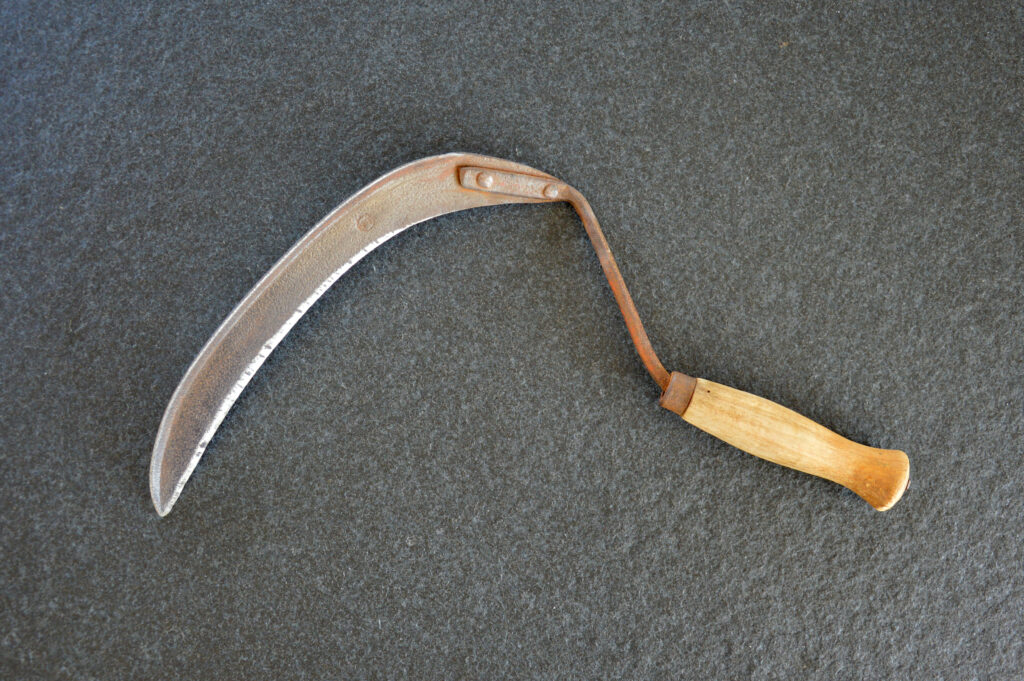
A long, curved blade without its handle can look like a relic from another era. This is a scythe blade, once used for cutting grass or grain by hand. The full tool included a long wooden handle called a snath. Without it, the blade alone can seem incomplete and confusing. The curve is designed for a sweeping motion close to the ground. Many blades show signs of sharpening along the edge. To someone unfamiliar, it might look decorative or even ceremonial. In reality, it was a practical harvesting tool.
Scythes were widely used before mechanized mowers became common. They allowed farmers to cut large areas efficiently. The technique required practice and precision. Over time, the wooden parts would deteriorate, leaving only the blade behind. That is why they are often found in barns. People may not immediately recognize them without the full assembly. But they were once a key part of farm labor. The design reflects centuries of refinement.
11. Seed Drill Plate

Flat metal discs with holes arranged in patterns can seem abstract when found alone. These are often seed plates from early seed drills. Each plate was designed for a specific type of seed. The holes controlled how seeds were distributed into the soil. Without the rest of the machine, the plate can look meaningless. Many people assume they are parts of unrelated equipment. In reality, they were essential for planting crops evenly. The precision of the holes was important for spacing.
Farmers would swap plates depending on what they were planting. This allowed for better control over crop growth. As machinery advanced, these systems became more complex. Older plates were often left behind when equipment was replaced. That is why they are found in barns today. The simple design can be deceptive. Without context, it is hard to guess their function. But they were part of an important agricultural innovation.
12. Wagon Brake Lever
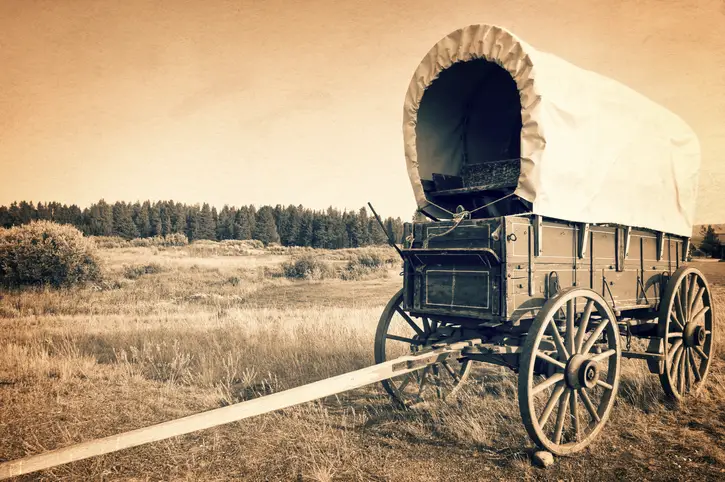
A heavy metal lever with a curved end might not be immediately recognizable. This is often a wagon brake lever, used to control braking on horse-drawn wagons. The lever would engage a mechanism that pressed against the wheels. Without the rest of the wagon, it can seem like an isolated piece of metal. Many people mistake it for part of machinery or even a tool. In reality, it was part of transportation equipment. The design reflects the needs of early vehicles.
Controlling a loaded wagon required reliable braking. The lever gave the driver a way to slow or stop safely. Over time, as motorized vehicles replaced wagons, these parts became obsolete. That is why they are often found detached and stored away. The heavy construction helped them endure. Without context, though, they can be confusing. Understanding their role makes the design logical. They were once a critical safety feature.
13. Silage Cutter

A compact device with blades or cutting edges might look like a strange food processor. In many cases, it is a silage cutter. Farmers used these to chop plant material for animal feed. The goal was to make the feed easier to store and digest. The design can vary, which adds to the confusion. Some are hand-cranked, while others were powered. Without context, they can look like general-purpose cutters. In reality, they were specialized tools.
Silage is fermented plant material used for feeding livestock. Cutting it into smaller pieces improves the process. These tools were common before large mechanized systems took over. Many ended up stored in barns when no longer needed. The unfamiliar design can make them hard to identify. People often guess incorrectly about their purpose. But they were an important part of feeding operations. Their function becomes clear with a bit of context.
14. Egg Scale
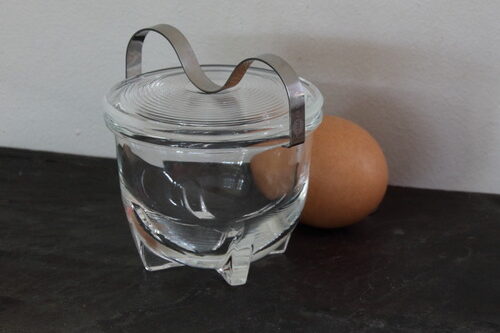
A small metal device with a platform and a dial can seem oddly specific. This is an egg scale, used to weigh eggs for grading and sale. Farmers needed to sort eggs by size and weight. The scale allowed for quick and consistent measurements. Without context, it might look like a toy scale or decorative item. The markings on the dial often indicate egg sizes. That detail can be easy to overlook. In reality, it served a practical purpose in poultry farming.
Egg grading was important for pricing and quality control. The scale made the process efficient. Many were designed to handle one egg at a time. Over time, larger commercial systems replaced these small tools. That is why they are often found in barns. The compact design can make them seem insignificant. But they were once widely used. Understanding their purpose explains their precise construction.
15. Fence Stretcher

A heavy clamp-like device with hooks and a lever can look confusing at first glance. This is a fence stretcher, used to tighten wire fencing. The tool grips the wire and allows the user to apply tension. Without it, building a secure fence would be difficult. The design can resemble a clamp or even a mechanical puzzle. Many people have no idea what it is when they first see it. In reality, it is a straightforward tool for a specific job.
Farmers used these to maintain fences that kept livestock contained. Proper tension was essential for durability and safety. Over time, the tool would be set aside when not in use. That is why it might be found in a barn corner. The rugged construction helps it last for decades. Without context, it can seem overly complex. But once you understand its function, it becomes obvious. It is another example of a tool that only makes sense when you know the work it supported.