
1. The Corner Diner
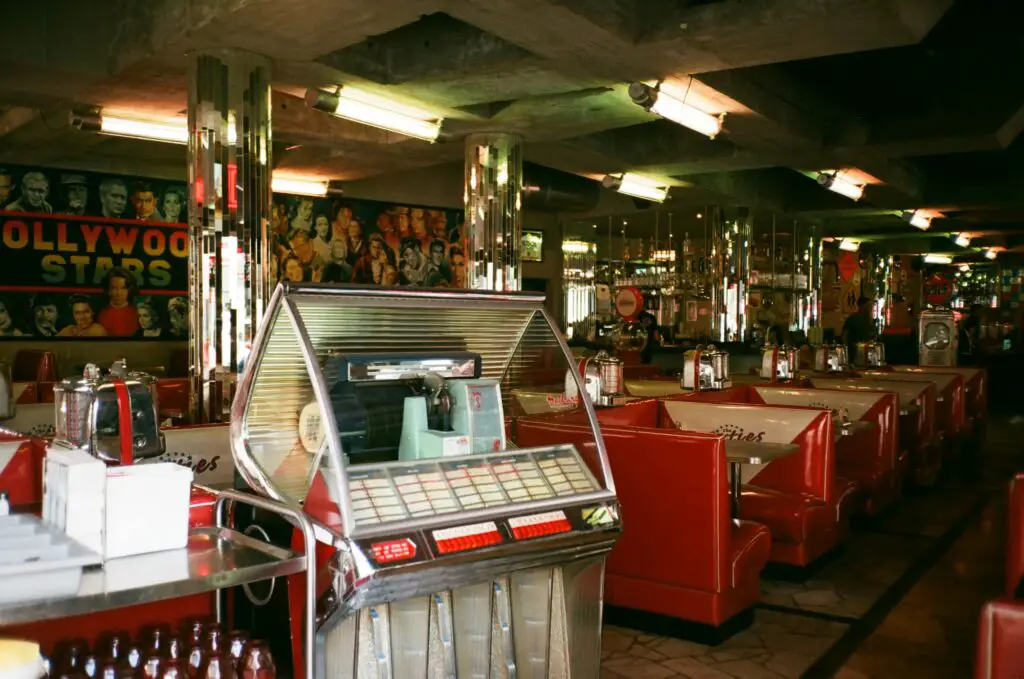
The corner diner was more than a place to eat, it was where the neighborhood checked in with itself. Regulars had “their” booths, servers knew everyone’s coffee order, and no one needed a menu. Kids stopped in after school, night shift workers showed up at dawn, and retirees lingered over pie. It was casual, predictable, and comforting in a way few places are anymore. You could sit there alone and still feel part of something.
These diners anchored entire blocks because they were always there, rain or shine. Community news traveled faster over the counter than it ever did in print. If someone was sick, moving, or getting married, the diner knew first. When they closed, it often felt like the neighborhood lost its living room.
2. The Local Bar

The neighborhood bar wasn’t about fancy cocktails or curated playlists. It was about familiar faces, cheap beer, and the feeling that you belonged the moment you walked in. Bartenders doubled as unofficial therapists, referees, and historians. Birthdays, breakups, and job promotions were all handled at the same corner stool. Even people who didn’t drink much still knew which bar was “theirs.”
These places anchored communities because they provided connection without expectations. You could talk for hours or sit quietly and no one judged either way. Local issues were debated, sports victories were celebrated, and losses were mourned together. When a neighborhood bar shut its doors, something social and unspoken went with it.
3. The Video Rental Store
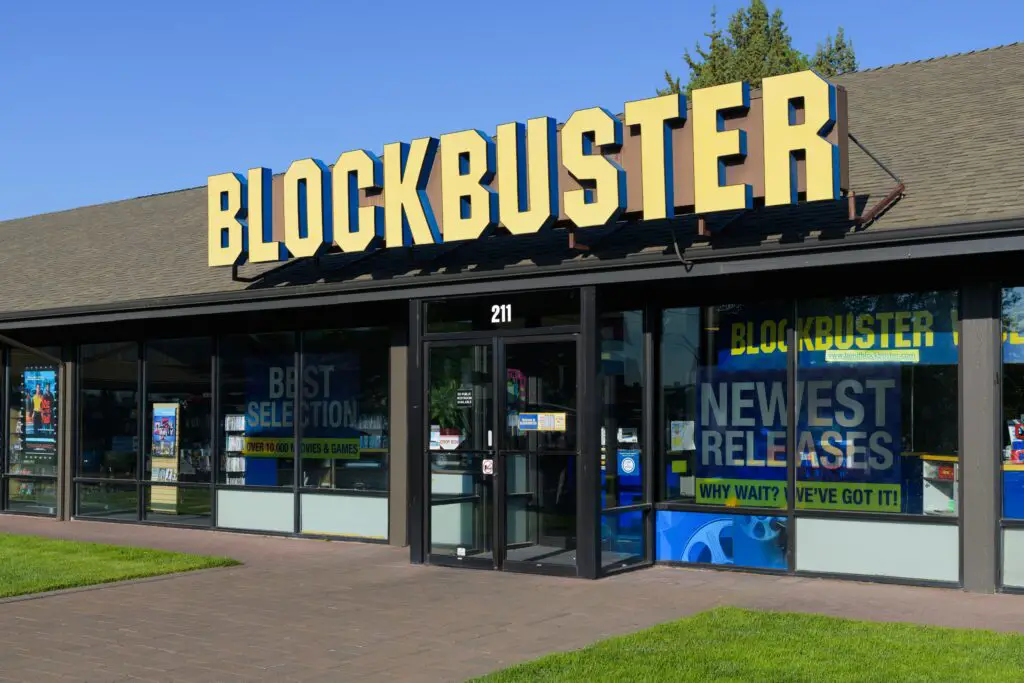
The local video store was where weekend plans were made. Families wandered the aisles on Friday nights, kids argued over movie choices, and clerks offered surprisingly strong opinions. The handwritten recommendation cards felt personal, not algorithmic. Everyone knew the disappointment of an empty shelf and the thrill of finding the last copy.
These stores anchored communities because they turned entertainment into a shared experience. Neighbors ran into each other while browsing and swapped opinions on what was worth renting. Movie nights felt communal even when watched at home. When video stores disappeared, something social about staying in quietly disappeared too.
4. The Barber Shop
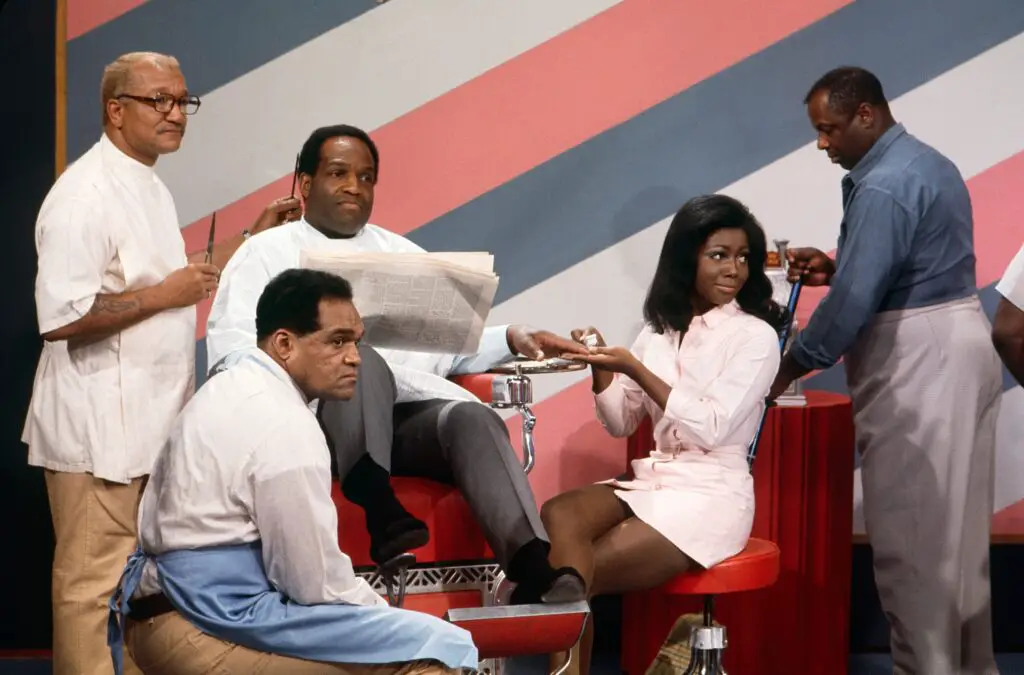
The neighborhood barber shop was part grooming station, part town hall. Conversations flowed easily from sports to politics to family updates. You didn’t need an appointment, just patience and a willingness to listen. Kids got their first real haircuts there, and older men had gone to the same chair for decades. The routine was steady and reassuring.
Barber shops anchored communities by offering familiarity in a changing world. They were places where stories were shared and remembered. Newcomers learned the neighborhood quickly just by sitting and listening. When one closed, it often took decades of shared history with it.
5. The Beauty Salon

Beauty salons were social hubs disguised as self care. Appointments lasted long enough for real conversations, not just small talk. Clients knew each other’s lives even if they never met outside those chairs. Laughter, venting, and advice filled the room alongside hair spray. It was intimate in a way few public places are.
These salons anchored communities because they fostered trust and connection. They were safe spaces where people showed up regularly and honestly. Life events were processed under dryers and at manicure tables. Losing a neighborhood salon often meant losing a place where people truly felt seen.
6. The Corner Grocery Store
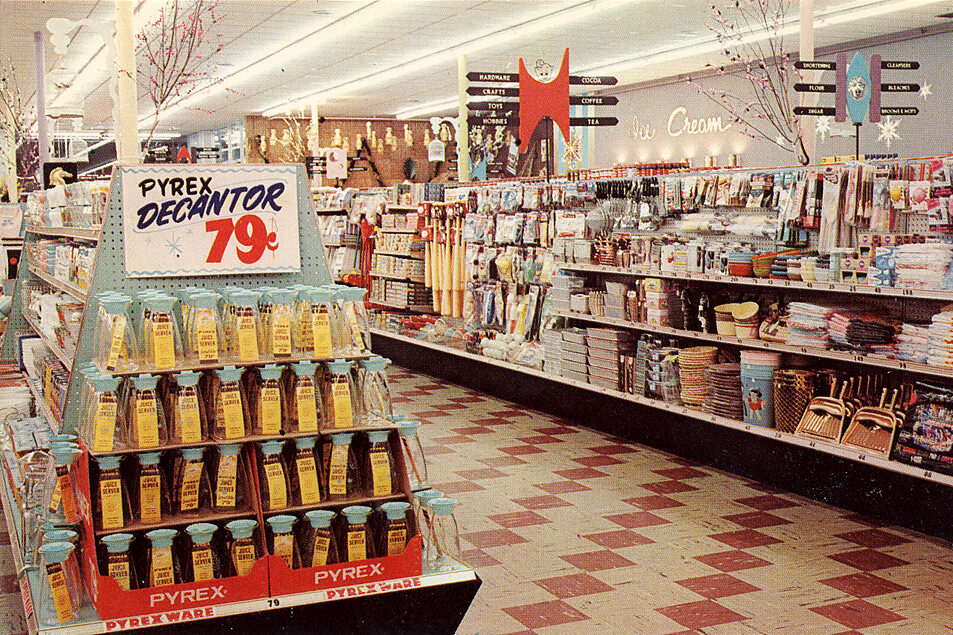
Before big chains took over, the corner grocery store was essential. Owners stocked items their customers actually wanted, often based on personal requests. Kids ran errands there with handwritten notes and loose change. Credit was sometimes extended on trust alone. It was practical and personal at the same time.
These stores anchored communities by being woven into daily life. They were places where neighbors crossed paths without planning to. Owners knew who lived nearby and who might need help. When these stores vanished, neighborhoods often became quieter and more disconnected.
7. The Ice Cream Shop

The neighborhood ice cream shop marked seasons and milestones. Summer nights meant lines out the door and sticky fingers. First dates, little league celebrations, and post dinner treats all happened there. The menu rarely changed, and that was part of the charm. Everyone had a favorite order.
These shops anchored communities by creating shared rituals. You didn’t need a reason to stop in, just a craving and a little time. They brought together people of all ages in the same space. When they closed, summers started to feel a little shorter.
8. The Community Pool

The community pool was where entire neighborhoods gathered in warm weather. Kids learned to swim together, teens flirted awkwardly, and parents relaxed poolside. Everyone knew the lifeguards and the posted rules by heart. It was loud, chaotic, and joyful. For many families, it was the center of summer.
Pools anchored communities by giving people a shared place to spend long afternoons. They created memories that stuck well into adulthood. Friendships formed there that lasted years. When pools shut down, neighborhoods often lost a central gathering point.
9. The Bowling Alley

Bowling alleys were social spaces disguised as recreational ones. League nights were sacred, and teams often stayed together for years. Families bowled together on weekends, and kids spent hours feeding quarters into arcade games. The smell of fries and polished lanes was instantly familiar. It was casual fun that welcomed everyone.
These alleys anchored communities by offering structured togetherness. You didn’t need to be good at bowling to belong. Regulars recognized each other even outside league play. When bowling alleys closed, many neighborhoods lost a reliable place to gather indoors.
10. The Corner Coffee Shop

Before coffee shops became chains, the neighborhood version felt personal. Baristas knew your order and asked about your week. Locals used it as an informal office, meeting room, or quiet escape. Conversations happened organically, not through screens. It felt unhurried and familiar.
These shops anchored communities by offering a neutral place to exist together. You could stay for five minutes or five hours. Ideas were shared, friendships formed, and routines built around those cups. When these spots disappeared, neighborhoods often felt less connected day to day.
11. The Record Store

The neighborhood record store was part music shop, part cultural hub. Browsing took time and intention. Clerks argued passionately about bands and steered customers toward hidden gems. Listening stations made discovery feel physical and shared. Music felt like a communal language there.
Record stores anchored communities by shaping local taste. They hosted conversations, signings, and sometimes performances. Regulars recognized each other by genre preferences alone. When these stores closed, music buying became quieter and more solitary.
12. The Corner Hardware Store
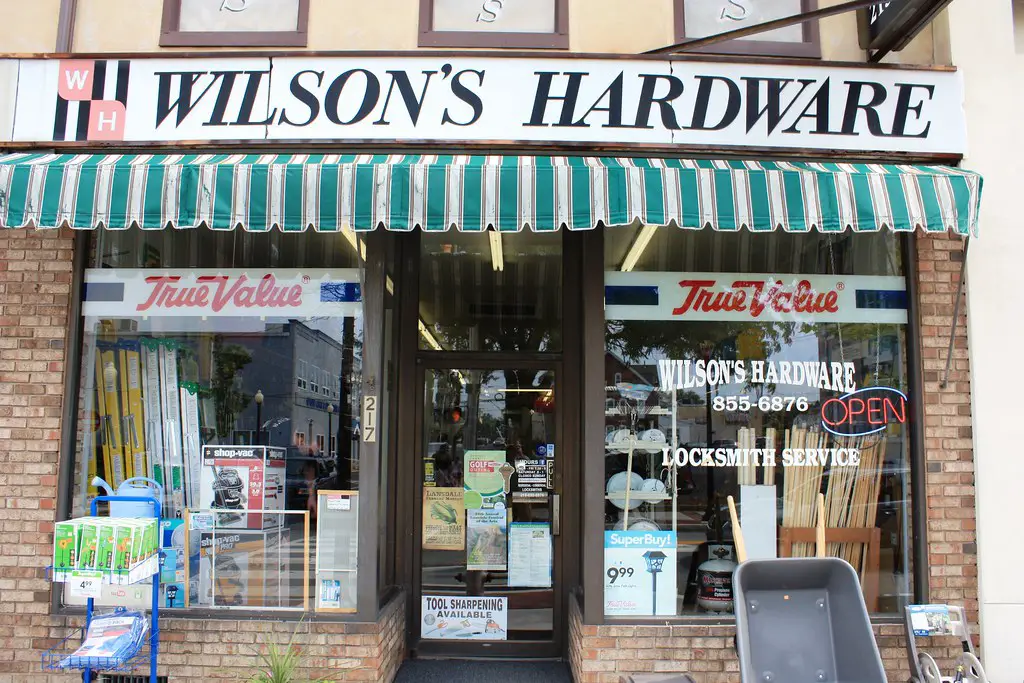
The neighborhood hardware store solved problems big and small. Employees didn’t just sell tools, they explained how to use them. Homeowners stopped in repeatedly during the same project. Advice was given freely and often saved time and money. It felt practical and supportive.
These stores anchored communities by helping people take care of their homes. They fostered self reliance without isolation. Neighbors ran into each other while picking up screws or paint. When these stores vanished, something hands on and human went with them.
13. The Playground
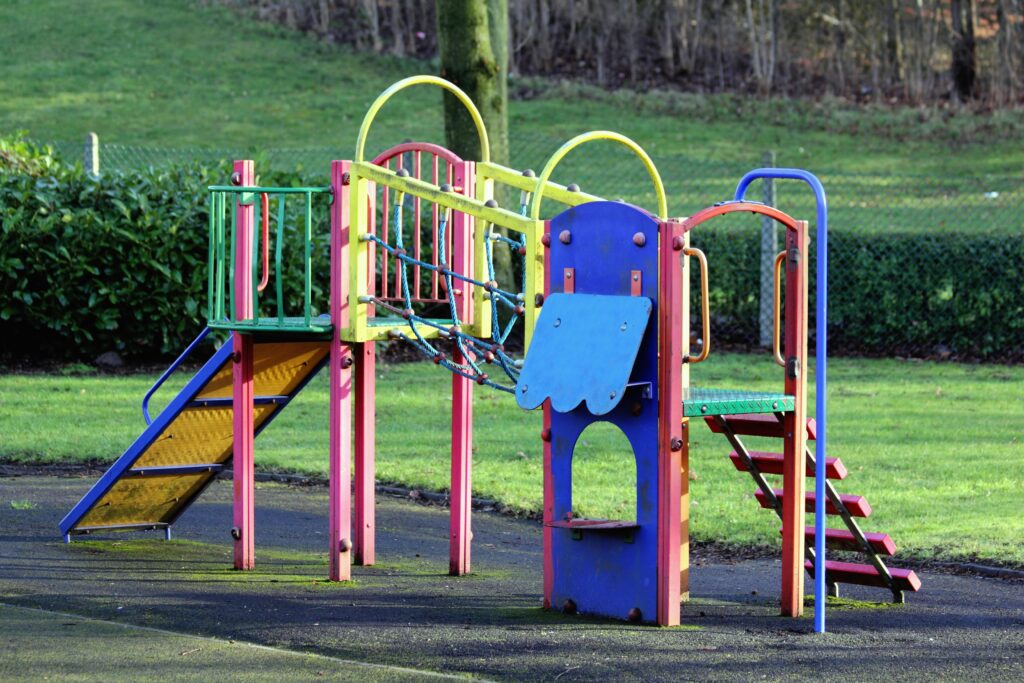
The neighborhood playground was where kids learned social rules. Parents watched from benches while friendships formed on swings and slides. It was unstructured time that felt safe and familiar. Everyone knew whose kids were whose. It was noisy, imperfect, and alive.
Playgrounds anchored communities by giving families a shared space. They encouraged daily interaction without planning. Children grew up together there. When playgrounds fell into disrepair or disappeared, neighborhoods lost an easy way to connect.
14. The Community Center

The community center wore many hats at once. It hosted classes, meetings, parties, and events. Seniors gathered during the day, kids showed up after school, and families filled it on weekends. It adapted to whatever the neighborhood needed. It was flexible and welcoming.
Community centers anchored neighborhoods by serving everyone at once. They were places where different generations crossed paths. Important decisions and casual conversations happened under the same roof. When they closed, communities often felt fragmented instead of unified.