
1. The Corner Soda Fountain
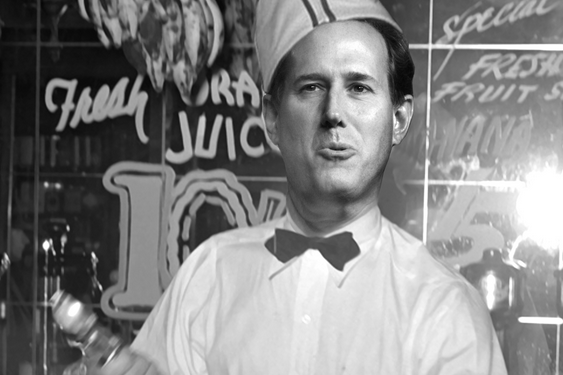
Before fast food chains dominated every block, the neighborhood soda fountain was where people naturally drifted after school or work. Teenagers leaned on the counter ordering cherry Cokes, phosphates, and towering ice cream sundaes while a jukebox hummed nearby. It was the kind of place where the soda jerk knew regular customers by name and sometimes remembered their usual order before they said a word. Kids would count their coins carefully to see if they could afford a malt.
Parents often stopped in too, especially on warm evenings when the air smelled faintly of vanilla syrup and fresh waffle cones. Conversations stretched across the counter while someone flipped through songs on the jukebox. The soda fountain felt equal parts dessert shop and neighborhood bulletin board. Over time, chain restaurants and modern pharmacies pushed many of them out. But for decades, they were the sweetest gathering place in town.
2. The Local Bowling Alley
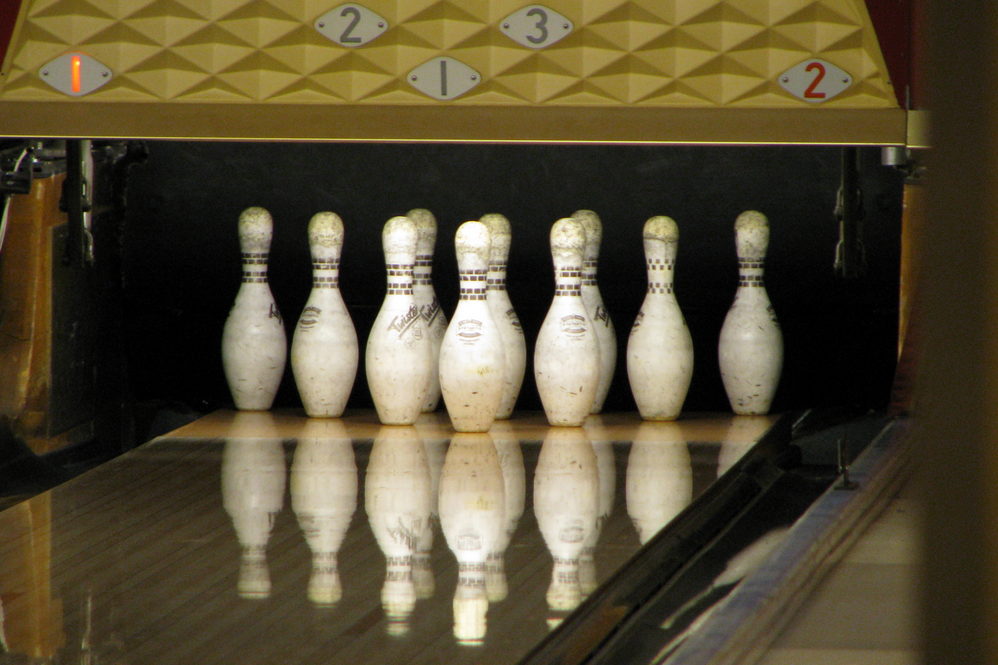
Bowling alleys once served as unofficial community centers, especially on weekend nights. Families showed up together, kids clutching oversized shoes while adults signed up for league games. The sound of pins crashing echoed across the lanes while fluorescent lights reflected off polished floors. Snack bars kept everyone supplied with fries, nachos, and paper cups of soda.
For teenagers, the bowling alley was also a safe place to socialize without much supervision. First dates sometimes happened under those glowing scoreboards. Parents chatted in the seating area while waiting for their turn. The atmosphere was noisy, friendly, and surprisingly comfortable. In many towns, it was the one place everyone seemed to know.
3. The Corner Drugstore
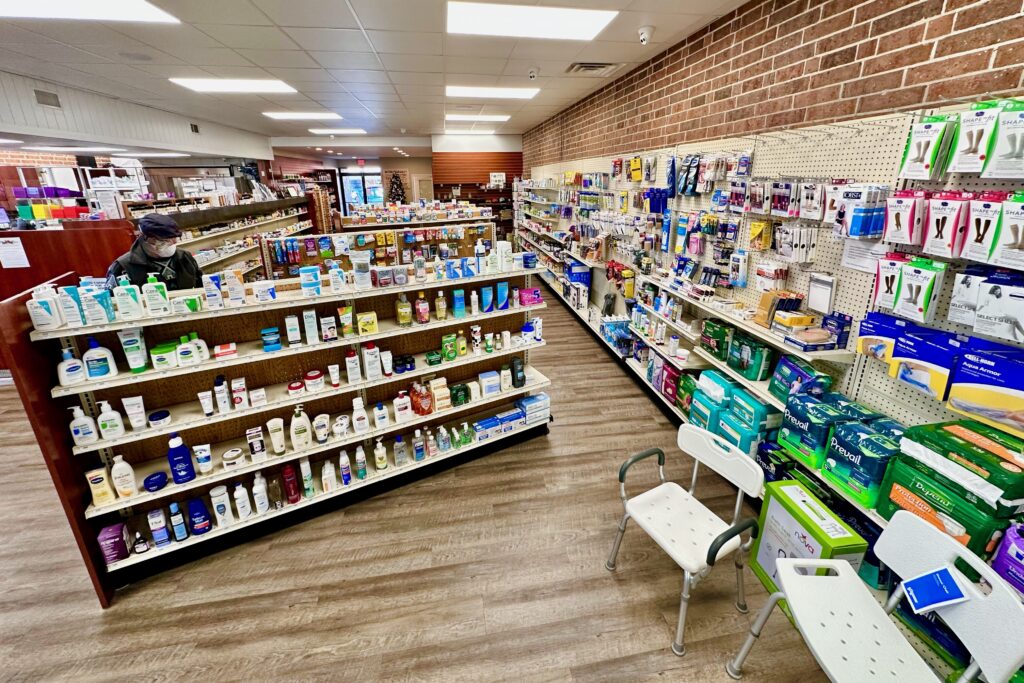
Neighborhood drugstores used to feel far more personal than they do today. People came in to fill prescriptions, but they often lingered to browse magazines, greeting cards, or candy racks near the register. A quick errand frequently turned into a short conversation with someone you recognized. Even the pharmacist sometimes knew entire families by name.
Many drugstores also doubled as small gathering spots thanks to soda counters or lunch stools. Locals popped in for milkshakes or grilled sandwiches during the afternoon lull. Children spent pocket change on comic books and penny candy. It was convenient, friendly, and close to home. Over time, large chain pharmacies replaced many of those intimate shops.
4. The Neighborhood Diner
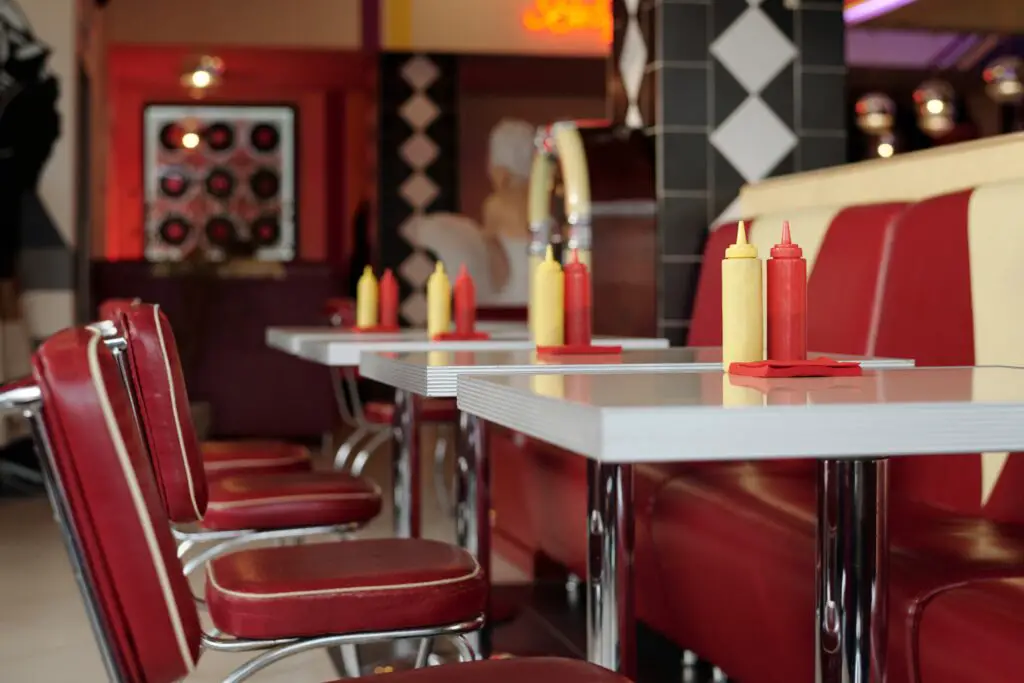
Every neighborhood seemed to have a diner where the coffee pot never stopped brewing. Locals dropped in early for breakfast, often sliding into the same booths they’d used for years. Waitresses memorized regular orders and kept mugs topped off without being asked. The smell of bacon and toast drifted out onto the sidewalk.
The diner also became a place where small-town news traveled fast. Someone would mention a new job, a graduation, or a local rumor and soon everyone at the counter knew about it. Afternoon regulars included retirees reading newspapers and construction workers grabbing lunch. Even people just passing through felt welcomed. Diners quietly held communities together one cup of coffee at a time.
5. The Neighborhood Barbershop
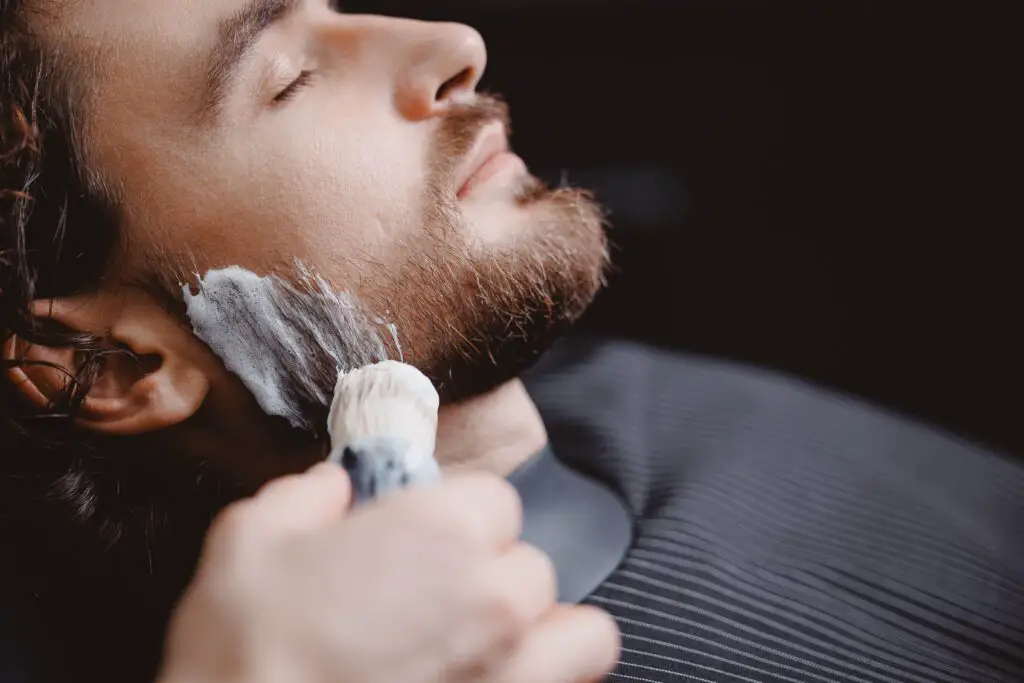
The barbershop was about far more than haircuts. Men stopped by to talk sports, politics, and whatever else was on their minds that week. A small radio often played softly in the background while someone flipped through an old magazine waiting for their turn. Kids watched carefully as clippers buzzed and scissors flashed.
The barber usually knew entire families across generations. Fathers brought sons, who eventually brought their own kids years later. The chairs might have been worn, but the familiarity made the place feel comfortable. Conversations bounced easily between strangers. In many communities, the barbershop functioned like a living room everyone shared.
6. The School Playground After Hours
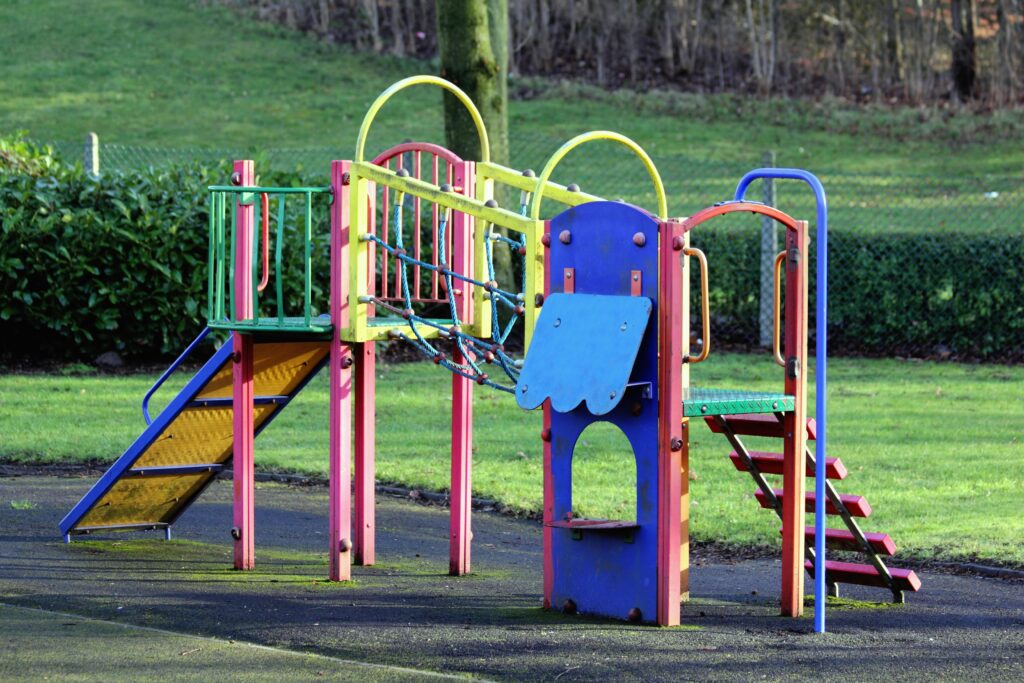
Long after the final bell rang, school playgrounds stayed busy. Kids returned in the evenings to climb jungle gyms, swing high, or organize impromptu baseball games. Parents sat on nearby benches catching up while keeping an eye on the action. The playground felt like neutral territory where every neighborhood kid belonged.
Streetlights eventually flickered on as the sky darkened. Someone’s older sibling might bring a radio or a basketball to keep things going. Laughter carried across the empty schoolyard. It was simple entertainment that required almost nothing except time and energy. For many kids, those playground evenings defined childhood.
7. The Neighborhood Corner Store
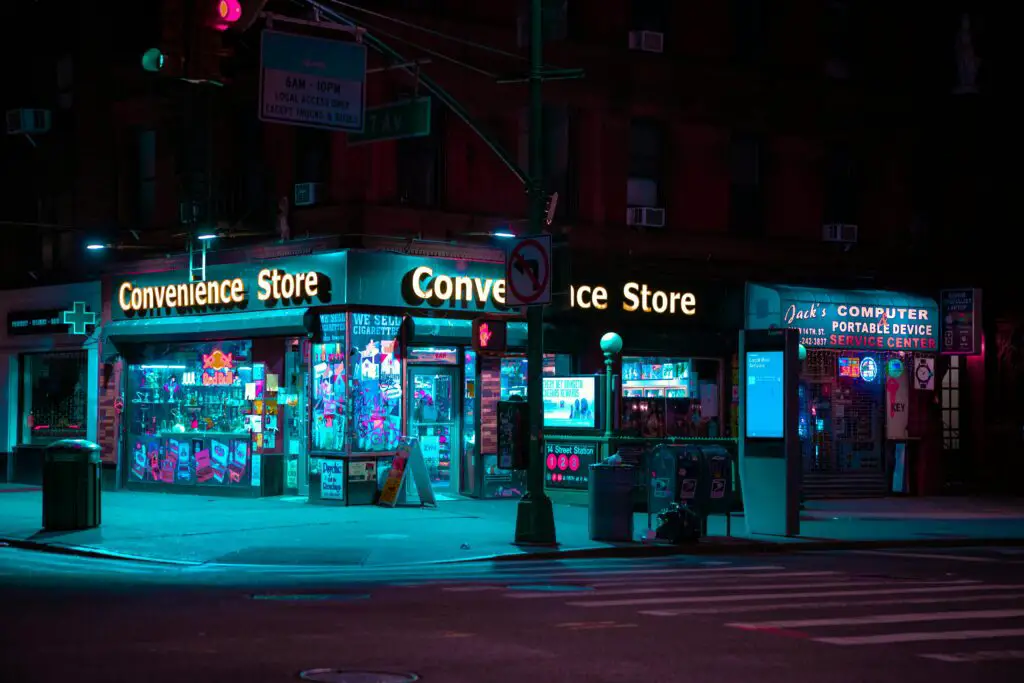
The corner store was a quick stop that rarely stayed quick. Kids rushed in after school looking for candy, chips, or a cold soda from the fridge. The owner often stood behind the counter greeting customers who came through daily. It was small, but it stocked exactly what the neighborhood needed.
Parents popped in for milk, bread, or last-minute groceries instead of driving to a large supermarket. Someone might linger by the counter chatting about the weather or local news. Bulletin boards sometimes displayed flyers for yard sales or lost pets. Over time, bigger stores changed shopping habits. But the corner store once felt like the heartbeat of the block.
8. The Public Pool

On hot summer days, the public pool was where nearly everyone ended up. Kids lined up early with towels and sunscreen while lifeguards unlocked the gates. Once inside, the splash of diving boards and cannonballs filled the air. It was noisy, bright, and full of energy.
Teenagers gathered around the shallow end talking for hours. Parents stretched out on lounge chairs watching the chaos unfold. Someone always seemed to bring a portable radio playing the latest hits. The pool wasn’t just a place to cool off. It was the neighborhood’s summer headquarters.
9. The Ice Cream Stand
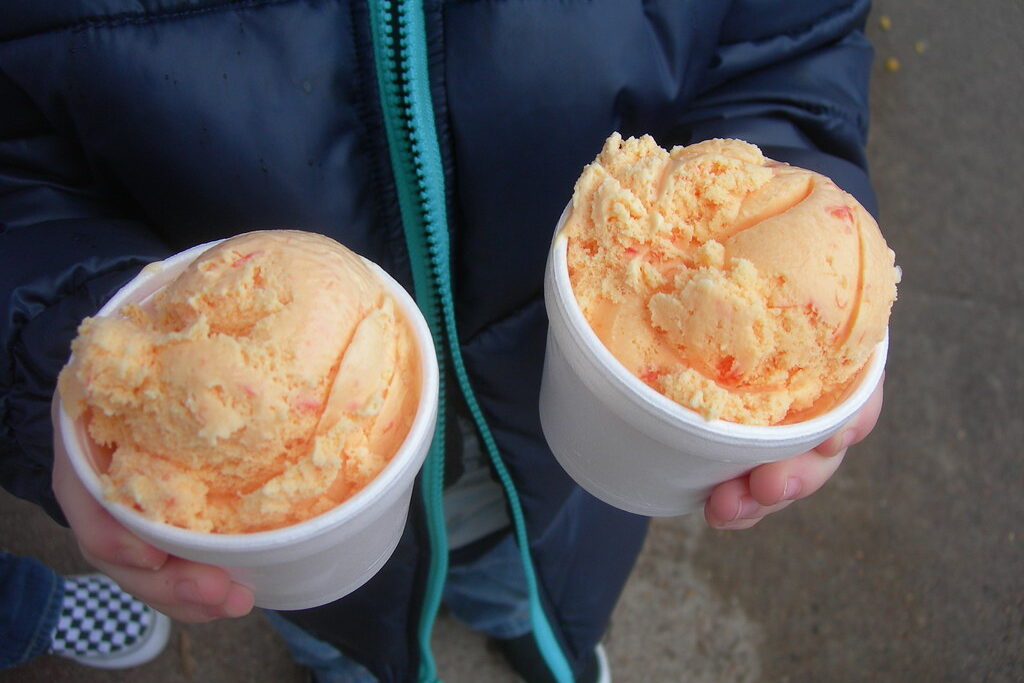
Seasonal ice cream stands had a magical ability to draw crowds every evening. Families walked over after dinner while kids debated which flavor to choose. The menu boards promised soft serve cones, sundaes, floats, and milkshakes. Sticky fingers and napkins became part of the experience.
Cars sometimes lined up in small parking lots while customers waited their turn at the window. People sat on wooden benches or leaned against their cars chatting with neighbors. It felt relaxed and unhurried. Ice cream stands often opened only a few months each year, which made them feel even more special. Those simple summer rituals linger in memory long after the stands themselves disappear.
10. The Local Arcade
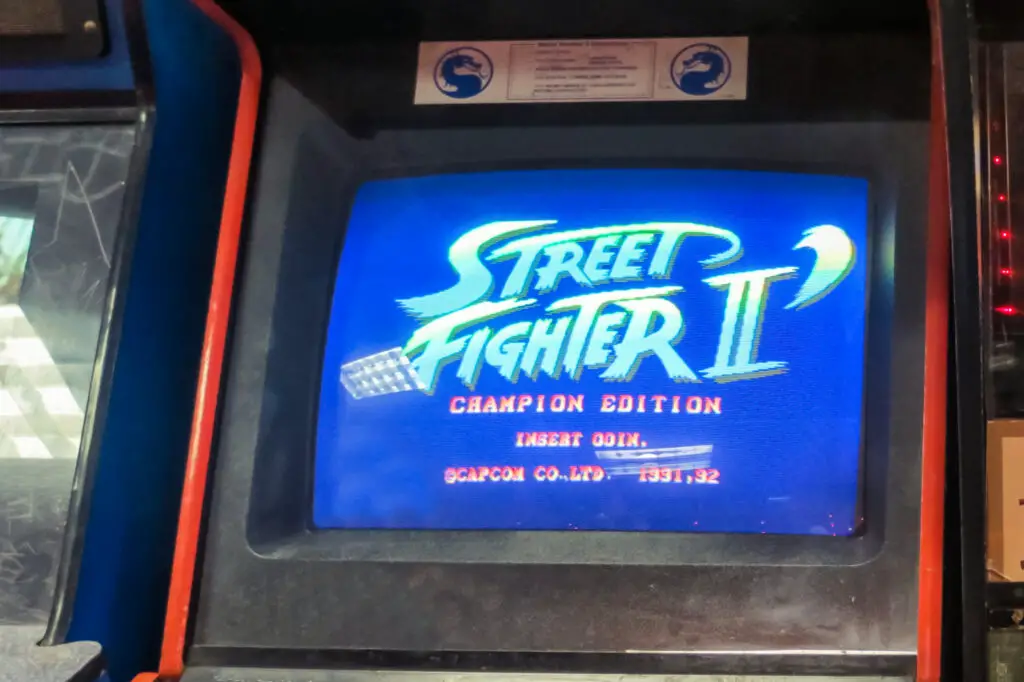
Before home video game systems became common, arcades were magnetic gathering spots. Rows of glowing cabinets filled the room with electronic sounds and flashing screens. Kids clutched pockets of quarters hoping to beat the high score on their favorite machine. The excitement was constant.
Friends gathered around watching someone attempt a difficult level. A victory meant cheers, while a loss meant quickly reaching for another coin. Parents tolerated the noise because they knew where their kids were spending the afternoon. Arcades felt futuristic at the time. For many young people, they were the center of weekend social life.
11. The Church Basement
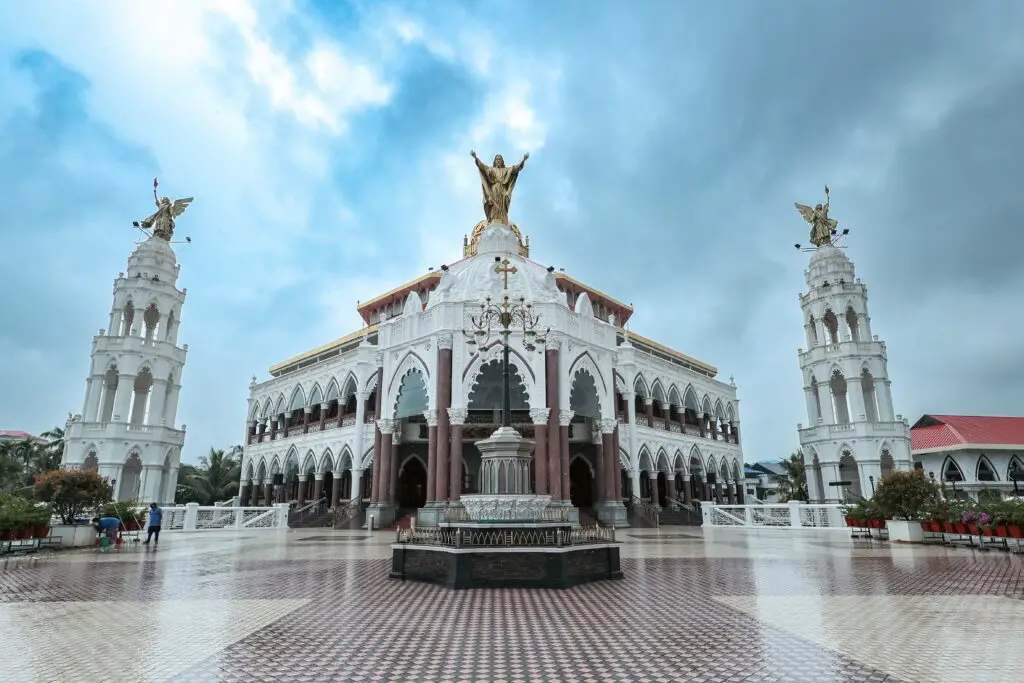
Church basements hosted far more than religious meetings. They were often the location for potlucks, youth groups, craft fairs, and community gatherings. Folding chairs lined the walls while long tables filled the center of the room. The smell of homemade casseroles and desserts often lingered in the air.
Neighbors who rarely saw each other during busy weeks caught up over coffee and shared meals. Kids played games in corners while adults talked nearby. These events brought people together in simple ways that felt natural and welcoming. The church basement quietly served as a social anchor. Many small communities relied on those gatherings for connection.
12. The Small Town Library

Libraries once served as quiet but important neighborhood meeting places. Children wandered through stacks looking for adventure stories while adults browsed newspapers and magazines. Librarians often knew which books regular visitors preferred. The building felt calm and welcoming.
Students sometimes gathered around large tables to finish homework together. Community bulletin boards advertised local events and clubs. The library offered a peaceful alternative to louder hangouts. Even people who came alone often ended up chatting with someone they knew. In many towns, the library anchored daily routines.
13. The Neighborhood Hardware Store
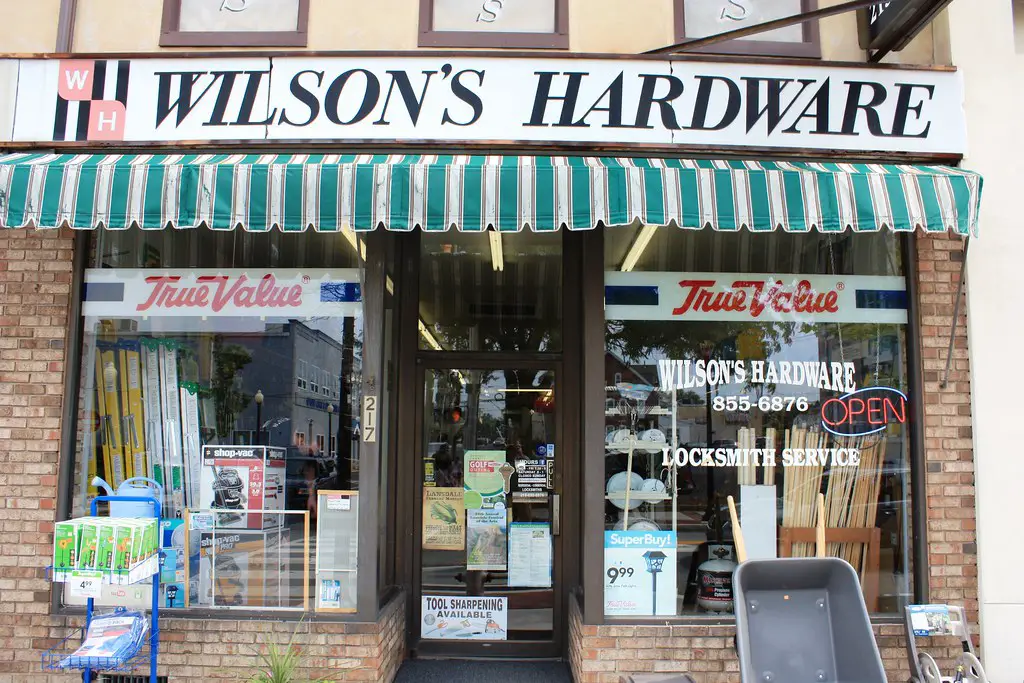
Small hardware stores were gathering spots disguised as practical businesses. Customers came in for nails, paint, or tools but often stayed to ask advice. The owner usually knew how to fix almost anything and gladly shared suggestions. Conversations unfolded between aisles stacked with supplies.
Neighbors compared home repair projects or swapped stories about stubborn plumbing problems. Someone always seemed to know someone else in the store. The atmosphere was helpful and informal. It felt like a place where knowledge passed from one generation to the next. Big box stores later changed that experience.
14. The Front Porch
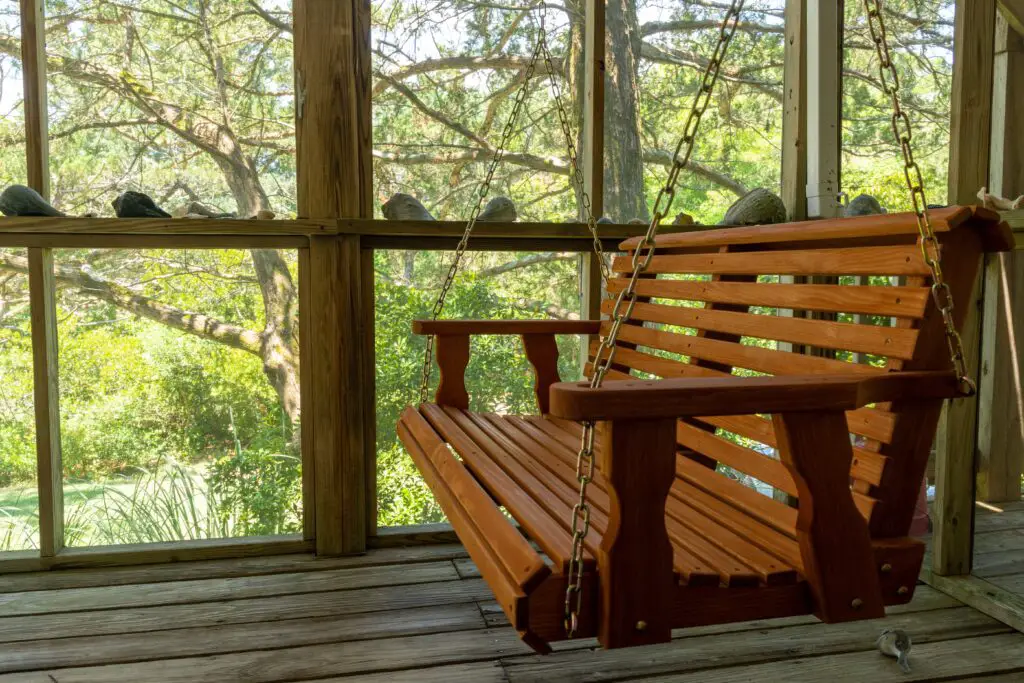
Perhaps the simplest neighborhood hangout was the front porch. People sat outside during warm evenings watching the world move slowly down the street. Neighbors strolling past often stopped for quick conversations. The porch created a natural space between private life and community.
Kids played in nearby yards while adults rocked in wooden chairs. Someone might bring lemonade or iced tea as the sun began to set. It encouraged casual connection that required no planning. Over time, air conditioning and busy schedules pushed people indoors. But for many years, the front porch quietly anchored daily neighborhood life.