
1. You Only Use 10 Percent of Your Brain
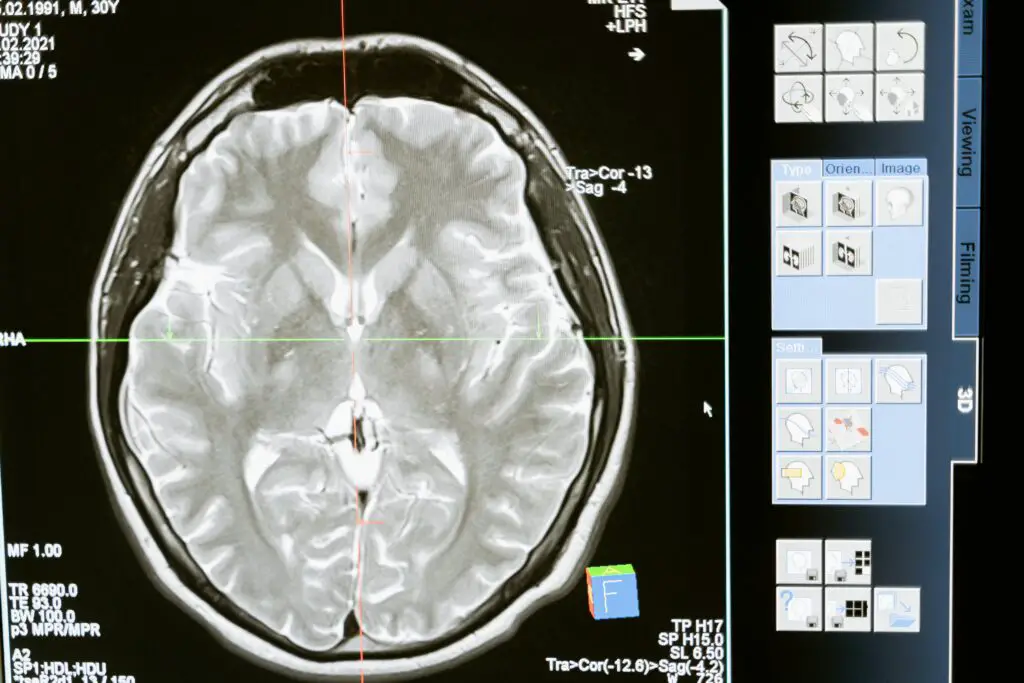
Teachers used to toss this one out like it was written in a science book somewhere, and plenty of us believed it without question. It sounded dramatic, like we were all walking around with untapped superpowers. The funny part is that brain scans have shown for decades that we use pretty much all of it, just not all at the same time. Different parts activate depending on what we’re doing, even during sleep. The myth probably stuck around because it makes for a great movie plot. It also gave teachers an easy pep talk line during test season. But in real life, your brain is already working at full capacity, even on your most tired days.
Still, it’s understandable why people held onto the idea. It made the brain feel mysterious and full of possibility, especially for kids who loved imagining secret abilities. Even today, the myth pops up in casual conversations, mostly because it’s comforting to think we’ve got more potential waiting to be unlocked. Scientists insist there’s no vast unused section hiding genius-level powers, but it’s still a fun what-if. The truth is that the brain is far more impressive when you consider how much it does nonstop. Whether you’re solving geometry or deciding what to eat for lunch, it’s already firing on all cylinders.
2. Hair Grows Back Thicker After Shaving
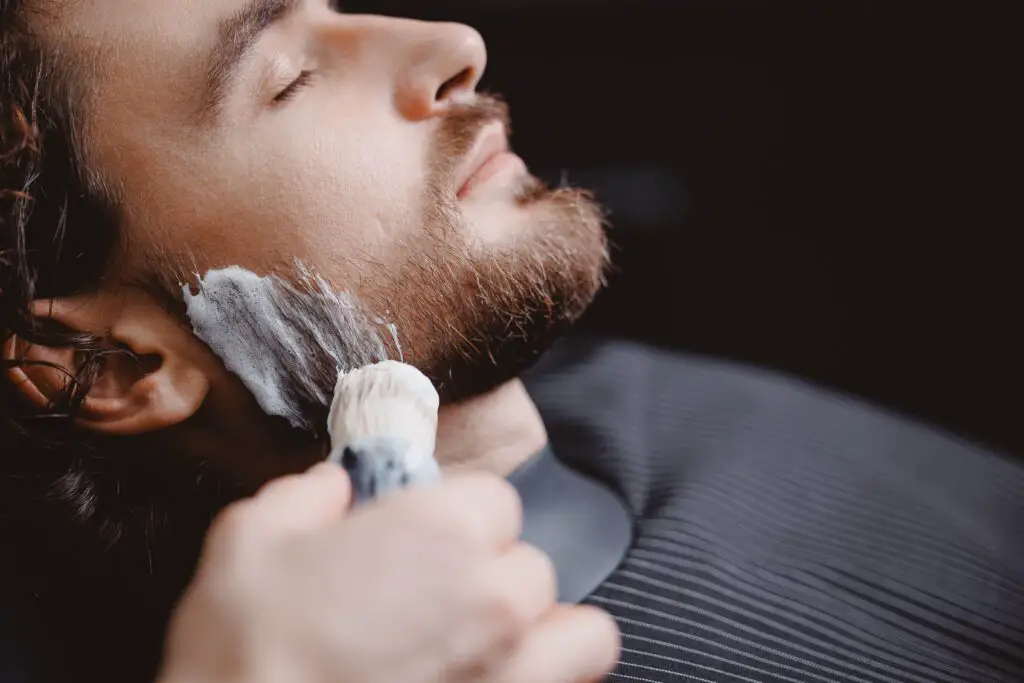
This one floated around school hallways for years, usually whispered by kids trying to decide if they should shave yet. Teachers reinforced it, probably because they wanted to delay the inevitable razor phase. The myth survives because shaved hair feels stubbly, making it seem thicker. But shaving doesn’t change the thickness, color, or growth rate. It just cuts the hair bluntly, which gives it that rough texture as it grows out. Once it gets some length, it feels normal again. The whole thing was just a misunderstanding of texture, not biology.
If anything, this myth stressed out a lot of teenagers who didn’t want to commit to a lifetime of facial hair or leg-shaving. Many worried that one swipe of a razor would turn peach fuzz into full stubble. The truth is much gentler. Your follicles keep doing exactly what they’ve always done. So if you hesitated in middle school because of this myth, you weren’t alone. At least now we know shaving doesn’t flip a switch that changes anything permanently.
3. Sitting Too Close to the TV Ruins Your Eyes
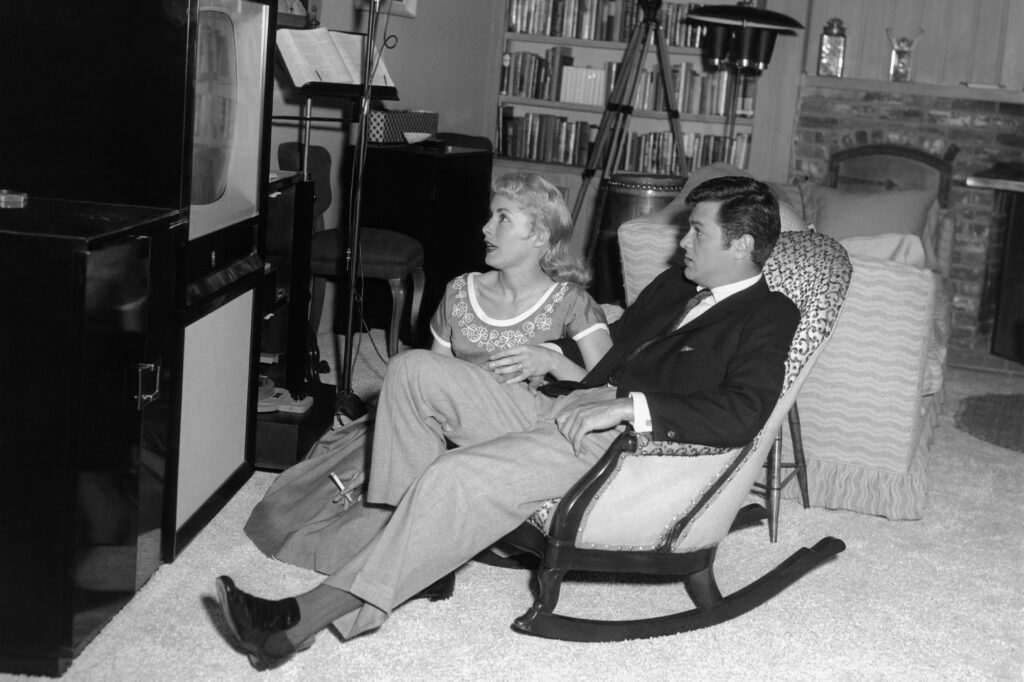
Plenty of kids heard this one while sitting cross-legged right up against the television, lost in Saturday morning cartoons. Teachers repeated it in class, especially when they caught a student squinting at the overhead projector. The warning sounded serious, but it never had scientific backing. Sitting close might cause eye strain, but it doesn’t do permanent damage. Kids tend to sit close because they can focus up close more easily than adults. That alone explains the behavior. Your vision isn’t going to collapse just because you pulled your chair in too tight during movie day.
Still, it became one of those rules that felt universal. Parents and teachers said it because their parents and teachers said it before them. Even today, you’ll hear someone repeat it out of habit. The truth is that screen time can make your eyes tired, but it won’t ruin your eyesight. Giving your eyes a rest is always a good idea, but you don’t need to panic if you were a kid who practically glued yourself to the TV screen.
4. Cracking Your Knuckles Causes Arthritis

This myth spread through classrooms like wildfire, especially among adults who found the sound annoying. Teachers used it as a quick way to get kids to stop popping their joints during quiet reading time. But studies have shown no link between knuckle-cracking and arthritis. The sound comes from gas bubbles popping in the joint fluid, not bones grinding. It might irritate someone sitting nearby, but it isn’t harming your hands. At worst, excessive cracking could cause temporary swelling, but nothing long-term.
Still, many of us internalized the warning, imagining ourselves with stiff hands by forty if we didn’t quit the habit. It added a sense of guilt to something that was mostly just a fidget. Knowing the truth makes that whole fear look pretty unnecessary. Cracking your knuckles might not be everyone’s favorite sound, but at least it’s harmless. And if it helps you focus during a test, you can do it without imagining your future arthritis diagnosis.
5. If You Swallow Gum, It Stays in Your Stomach for Seven Years

This one sounded downright terrifying as a kid. Teachers usually dropped it during lunch conversations, probably hoping it would discourage bubble-blowing mishaps. Gum doesn’t digest, but it doesn’t sit there for years either. Your body just moves it along like everything else and passes it out in a normal amount of time. The myth hung around because gum feels like something that would cause trouble. But your stomach isn’t a storage locker.
Still, the idea of years-old gum lurking inside you made a lasting impression. Plenty of kids avoided swallowing even the tiniest piece because they imagined a weird buildup happening inside. It’s a relief to learn later that your digestive system is much more capable than that. Gum takes a ride through like anything else. No long-term consequences, no seven-year sentence.
6. Reading in Dim Light Damages Your Eyes

Kids who curled up with books under the covers heard this myth plenty of times. Teachers used it too, especially when classrooms dimmed for film strips. The idea sounded believable, and it made everyone sit up a little straighter. But reading in low light just causes eye strain, not permanent damage. Your eyes recover once the lighting improves. It was more about comfort than safety.
Even so, the myth gave dim reading a kind of forbidden feeling. Many kids thought they were risking their vision just to finish one more chapter. It turns out their eyes were simply fatigued, not permanently harmed. Good lighting is helpful, but not because it prevents long-term problems. It’s just easier on the eyes, which makes reading a bit more enjoyable.
7. You Lose Most of Your Body Heat Through Your Head

This myth felt scientific, so teachers loved using it as a reason to put your hat on. It probably came from old military studies that didn’t take the rest of the body into account. In reality, you lose heat from whatever part of the body is exposed. The head isn’t special in that way. It just happened to be uncovered more often while the rest of the body was bundled up. Once researchers corrected the misunderstanding, the myth finally started to fade.
Still, many of us can hear a teacher’s voice insisting that a bare head was a guaranteed path to frostbite. The truth is less dramatic. If your hands, feet, or torso are uncovered, you’ll lose heat there too. Hats are great for warmth, but they’re not magical. Teachers just had a convenient go-to line for getting us bundled up before recess.
8. Eating Before Swimming Causes Cramps

This myth was practically a commandment at every school pool day. Teachers warned us to wait thirty minutes after lunch, just in case. The idea was that digestion would steal blood flow from your muscles and make cramping more likely. But research hasn’t backed that up. Swimming after eating might feel uncomfortable if you’re overly full, but it doesn’t cause dangerous cramps. The fear came from caution rather than evidence.
Many kids sat out of the water watching the clock, convinced disaster would strike if they got in too soon. In truth, the worst thing that usually happens is a side stitch that goes away quickly. Swim instructors today are much more relaxed about the whole rule. It turns out you didn’t need to wait half an hour to enjoy the deep end.
9. Blood Is Blue Until It Hits Oxygen

Teachers often pointed to the veins in our wrists as proof of this myth. The blue appearance made it seem logical at first glance. But blood is always red, just darker when it has less oxygen. Veins look blue because of how light penetrates the skin and bounces back. It’s an optical illusion, not a color change. Once you learn the science, the whole idea clicks into place.
Still, it was one of those myths that sounded smart. Kids repeated it proudly, thinking they knew a weird secret about the human body. It wasn’t until later biology classes that the truth finally took over. Now it feels like a classic example of how easily our eyes can trick us. Your blood stays red from start to finish.
10. Sugar Makes Kids Hyperactive

Teachers often leaned on this myth when classrooms got chaotic after parties. It felt like an easy explanation, especially when cupcakes and candy were involved. But study after study has shown no strong link between sugar and hyperactivity. Kids get excited because the situation is exciting, not because of the sugar. The belief stuck because the timing felt connected. But biologically, it doesn’t add up.
Parents and teachers used this myth as a reason to limit treats during class events. The truth is that kids’ energy levels depend far more on environment, sleep, and emotions. Sugar may not be the healthiest, but it isn’t turning kids into whirlwinds. Party hype does that all on its own. It’s a myth that survives mostly because it seems so logical at first glance.
11. Humans Have Only Five Senses

Teachers often taught the five senses as if that was the full list, and maybe it was just simpler that way. But humans actually have many more senses, including balance, temperature, pain, and body awareness. The traditional five are important, but they don’t cover everything your body can detect. The myth stuck around because it was easier to teach to younger students. It kept the lesson tidy. But the human body is far more complex.
Once you learn about the extra senses, it feels like discovering a hidden layer of being human. Teachers weren’t wrong, they just weren’t giving the whole picture. And honestly, younger kids probably would have been overwhelmed hearing about proprioception anyway. Still, it’s fun to realize you’re equipped with far more sensory tools than you learned about in school. It makes the world feel a little richer.
12. Wet Hair Makes You Catch a Cold

This myth circulated every fall, especially during rainy season. Teachers repeated it as students walked in with soaked bangs from recess. But colds are caused by viruses, not damp hair or chilly weather. Being cold might make you feel uncomfortable, but it doesn’t create an infection. The myth survived because people noticed colds happening more often in colder months. It felt like the weather had to be the culprit.
The truth is that we spend more time indoors during cold months, which makes virus transmission easier. Wet hair is simply a coincidence, not a cause. It’s one of those myths that sounds plausible because the timing matches up. But unless your wet hair leads you to cross paths with a virus, you’re not going to catch a cold from it. It’s just another example of how correlation got mistaken for cause.
13. Taste Buds Are Only on the Tongue

Teachers sometimes taught taste like it was a map, with specific regions of the tongue dedicated to sweet, salty, sour, and bitter. That idea came from an old misinterpretation of research. In reality, taste buds are found throughout the mouth and throat. And there’s no strict flavor map either. Every part of the tongue can detect all the basic tastes. The myth just stuck because it made for a simple diagram.
For kids, the tongue map felt like learning a secret code. It didn’t help that textbooks kept printing that diagram long after it was debunked. Once scientists clarified the misunderstanding, the myth slowly faded. But many adults still remember those flavor zones like they were official science. The truth is far more flexible, and your taste buds are working everywhere, not just in neat little sections.