
1. King Arthur
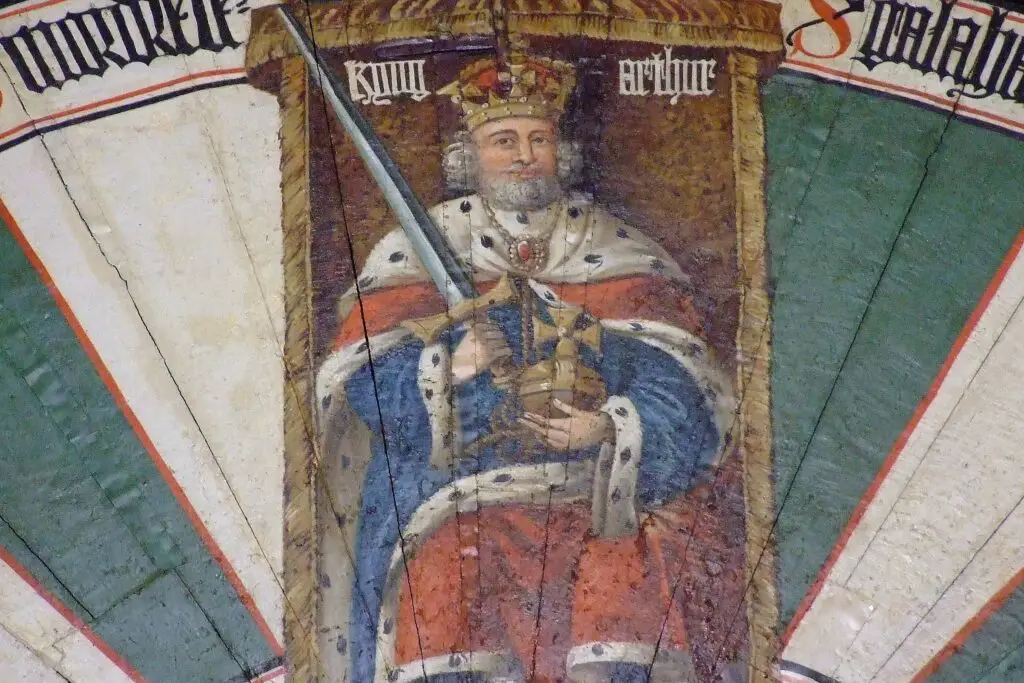
King Arthur is one of those names that feels as solid as history itself, yet no contemporary evidence proves he ever lived. The earliest written references appear centuries after the period he supposedly ruled, mostly in medieval chronicles and romanticized legends. Archaeologists have searched for battle sites, royal courts, and inscriptions tied to Arthur, but nothing verifiable has surfaced. What survives instead is a powerful blend of myth, folklore, and national identity.
That gap between story and proof is part of what keeps Arthur so compelling. Every generation seems to reshape him into the leader it wants or needs, whether noble knight, tragic hero, or symbol of unity. It is entirely possible that Arthur was inspired by multiple real figures whose stories merged over time. Or he may simply be a brilliant legend that grew too big to ever pin down. Either way, Arthur remains one of history’s most famous question marks.
2. Robin Hood
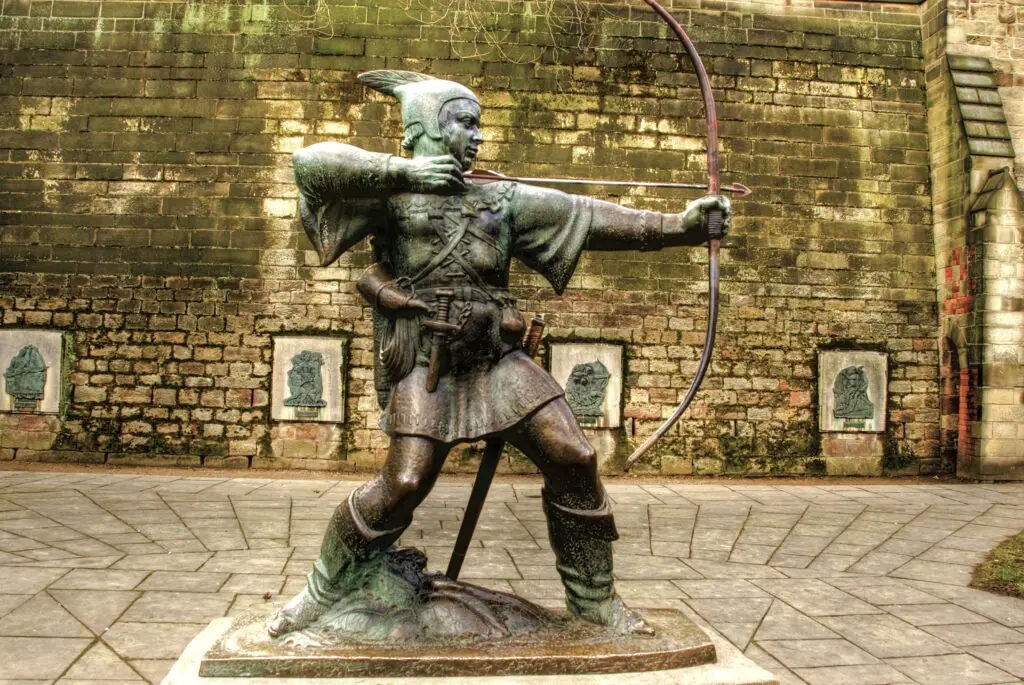
Robin Hood feels almost like a historical neighbor, someone you could imagine actually roaming Sherwood Forest, yet there is no solid record of him as a real individual. Medieval ballads introduced him as an outlaw hero, but they contradict each other on details like his era, background, and even his personality. Court documents and tax rolls from the period offer no clear match that historians can confidently identify as Robin Hood. What exists is storytelling, not documentation.
Some scholars believe Robin may represent a collection of outlaws whose exploits blended into a single folk hero. Others think the name itself might have been a generic label for criminals rather than a person. Over time, the legend absorbed values about fairness, rebellion, and justice that resonated with ordinary people. That emotional truth often matters more than factual proof. Robin Hood survives not because he was proven, but because he was useful as a symbol.
3. Homer
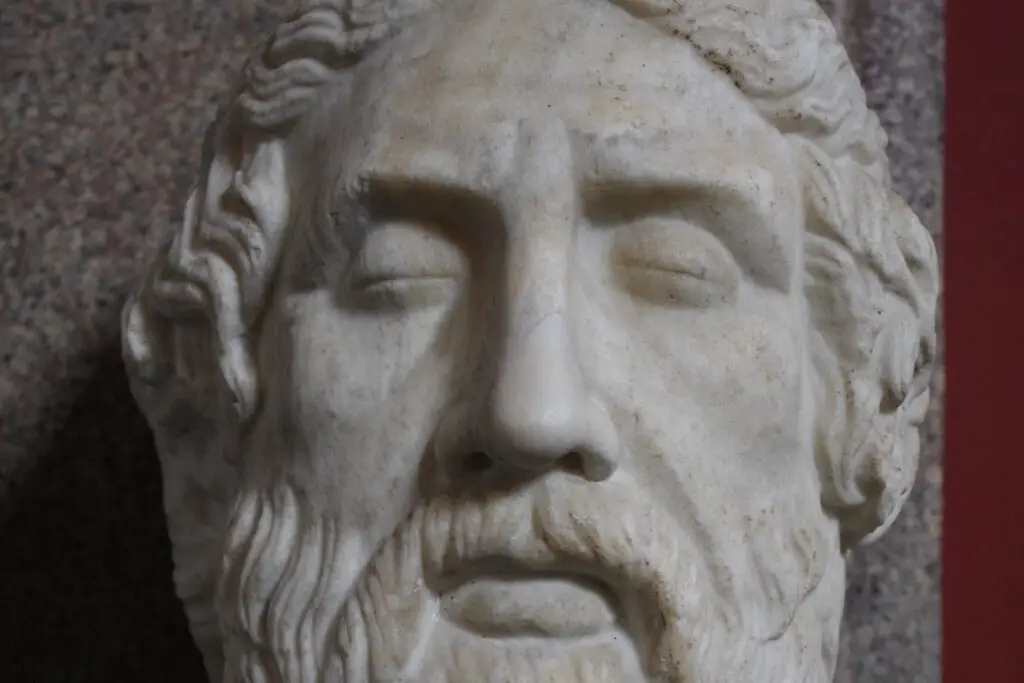
Homer is traditionally credited with writing The Iliad and The Odyssey, two of the most influential works in Western literature. Yet historians cannot confirm whether Homer was a single person, multiple poets, or even a later invention used to credit a long oral tradition. No contemporary biography, inscription, or verified personal record exists. Even basic details such as where Homer lived or when he supposedly wrote remain uncertain.
The poems themselves offer clues about ancient culture, but they do not confirm the poet’s identity. Many scholars argue the epics evolved over generations of oral performers before being written down. Attaching one name may have simply made the works easier to preserve and honor. Homer’s absence from the historical record almost adds to the mystique. His voice shaped civilization, even if his face never truly existed.
4. Lycurgus of Sparta
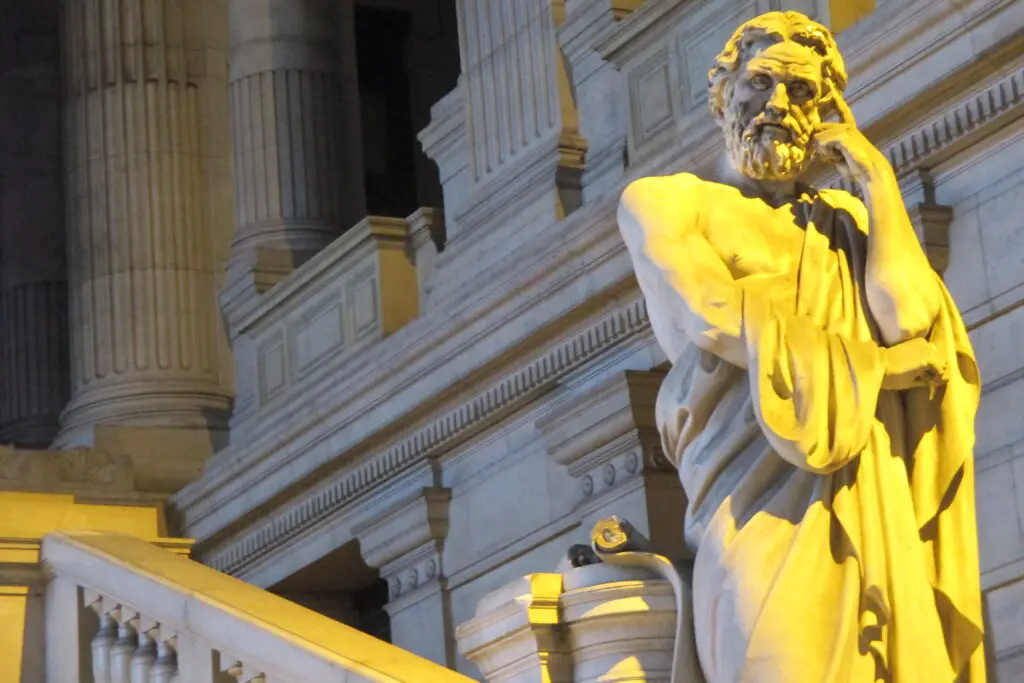
Lycurgus is credited with creating Sparta’s strict laws and military-focused society, yet historians cannot verify that he was a real person. Ancient writers disagree wildly about when he lived, sometimes placing him centuries apart. No contemporary Spartan records confirm his existence, and Sparta itself left behind very little written documentation. Much of what we know comes from later historians trying to explain how Sparta became so unique.
It is possible that Lycurgus represents a collection of reforms rather than one individual lawgiver. Attaching a single name may have helped legitimize the social system and give it authority. Over time, his story hardened into tradition rather than evidence-based history. That makes Lycurgus more of a cultural idea than a documented human being. He shaped how people understood Sparta, even if he never walked its streets.
5. Sun Tzu
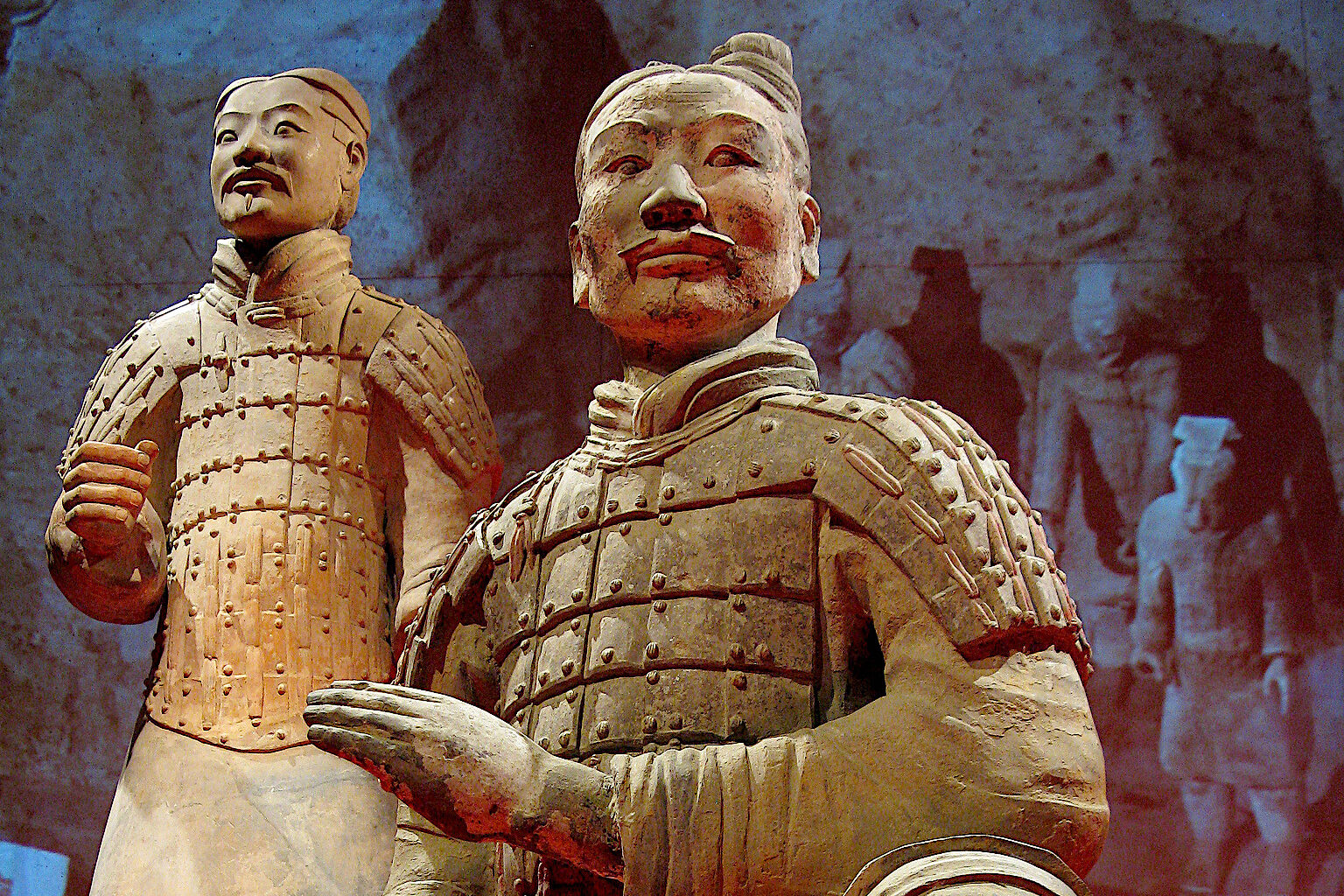
Sun Tzu is famously credited with writing The Art of War, a text still studied by military leaders and business strategists. However, historians debate whether Sun Tzu actually existed as a single historical figure. Early records mentioning him were written long after the text may have been compiled. Some evidence suggests the book may have been assembled by multiple authors over time.
The ideas in the text clearly reflect real military experience, but that does not confirm one named author. Sun Tzu may have been a symbolic figure used to unify different strategic teachings. Ancient Chinese texts often blurred the line between authorship and tradition. That ambiguity leaves modern readers with brilliance but not biography. The wisdom survives, even if the man remains elusive.
6. Laozi
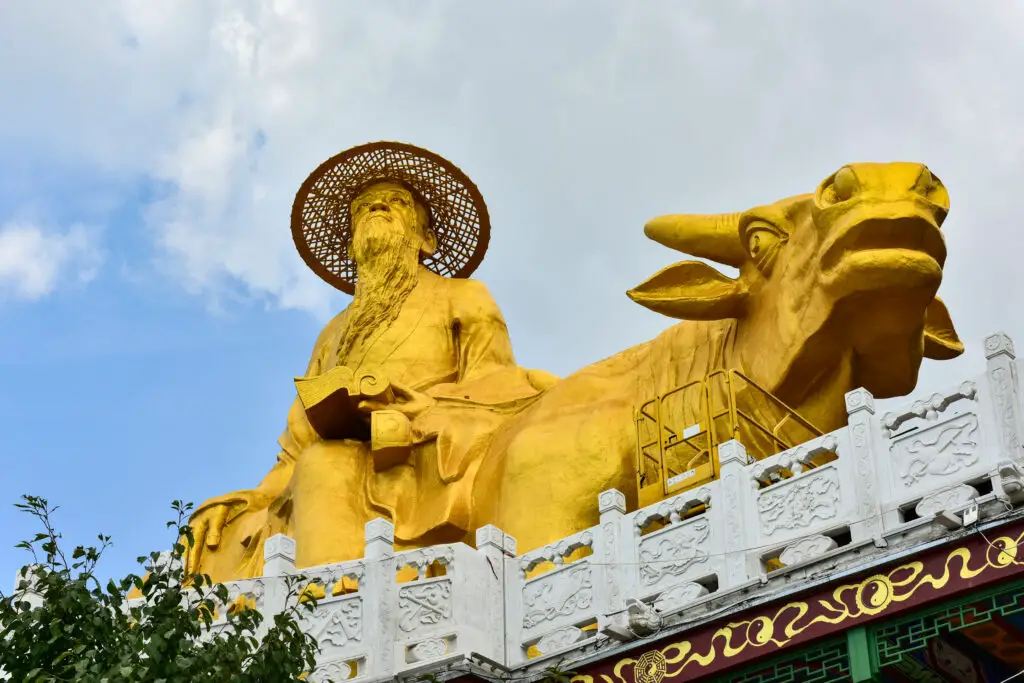
Laozi is traditionally credited as the founder of Taoism and the author of the Tao Te Ching. Yet historians cannot confirm whether Laozi was a real person, a legendary teacher, or a composite figure. Early accounts conflict about his life, his era, and even whether he existed at all. No contemporary records clearly verify his biography.
The philosophical ideas associated with Laozi clearly influenced Chinese thought, regardless of who wrote them. Some scholars believe the text evolved through multiple thinkers rather than one author. The story of Laozi leaving civilization on a water buffalo feels more symbolic than historical. That imagery reinforces the spiritual message rather than factual accuracy. Laozi’s influence is unquestionable, even if his existence is not.
7. Pope Joan
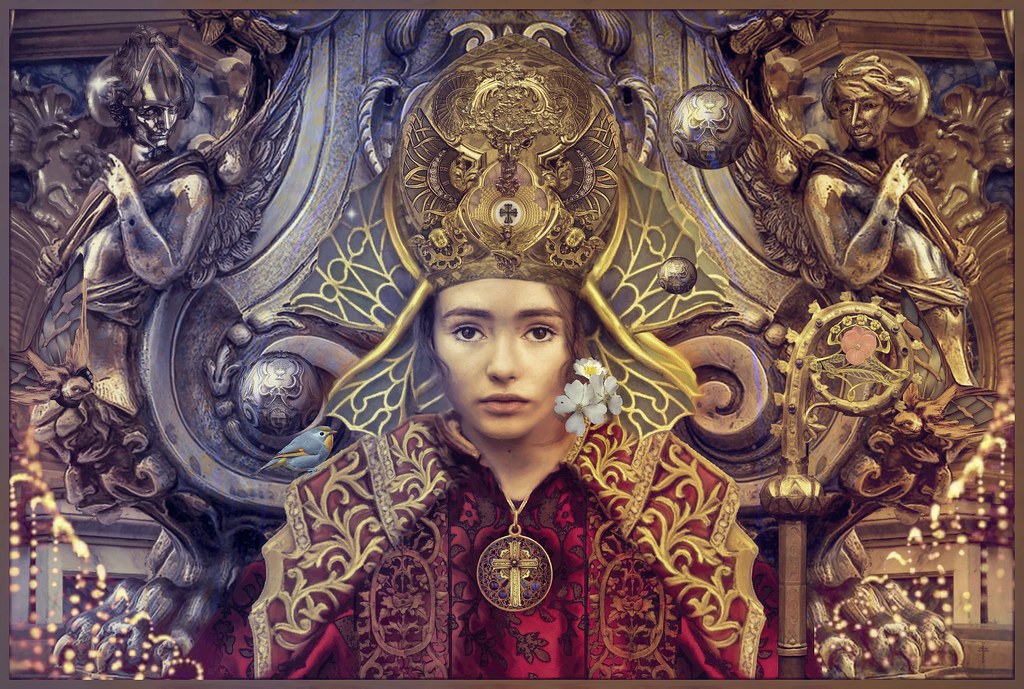
The legend of Pope Joan claims a woman secretly became pope during the Middle Ages, only to be exposed dramatically. Medieval chronicles spread the story widely, but no reliable contemporary evidence supports it. Official papal records show no gap where such a reign could reasonably fit. Most modern historians consider the story a myth or satirical invention.
Despite that, the tale endured for centuries and even influenced cultural beliefs about the church. It may have reflected anxieties about power, gender, and authority rather than real events. The lack of documentation is striking for something that would have been monumental news at the time. Pope Joan exists more in imagination than in archives. Her story reveals how powerful legends can feel like history.
8. Prester John
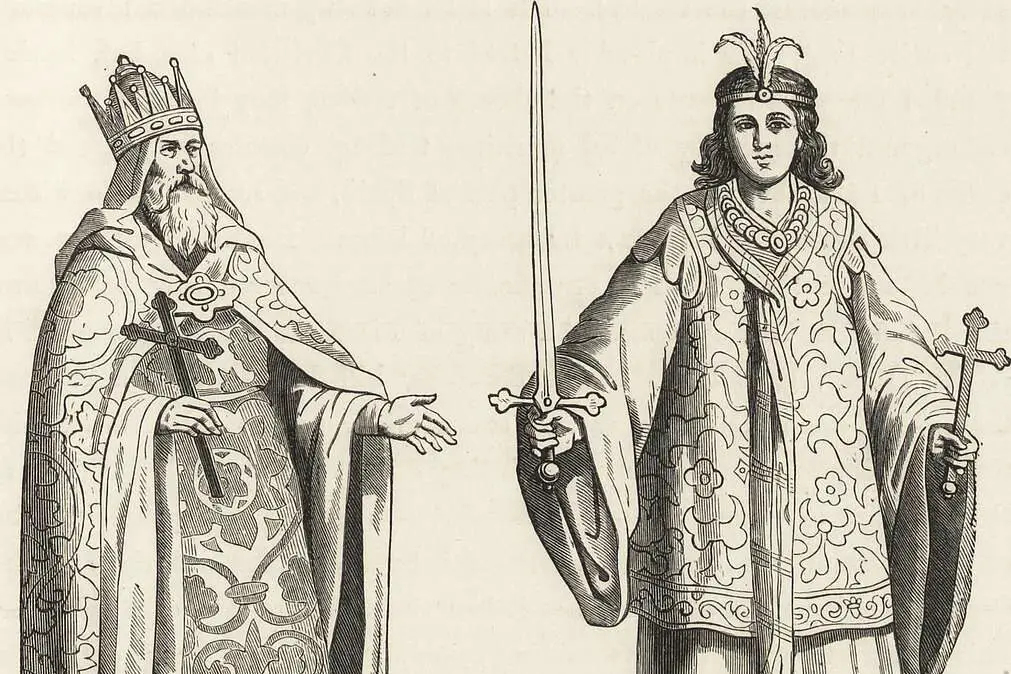
Prester John was believed to be a powerful Christian king ruling a mysterious distant land somewhere in Asia or Africa. Medieval Europe treated his existence seriously enough to send letters and diplomatic missions searching for him. Yet no credible evidence ever confirmed that such a ruler existed. Over time, shifting reports kept relocating his kingdom farther beyond known maps.
The legend likely grew from misunderstandings of foreign cultures mixed with hopeful fantasy. Europeans wanted an ally who could help defend Christianity in unfamiliar regions. Maps, letters, and rumors sustained the belief for centuries without proof. Eventually, exploration revealed no trace of Prester John’s empire. He remains a reminder of how wishful thinking can shape historical belief.
9. William Tell
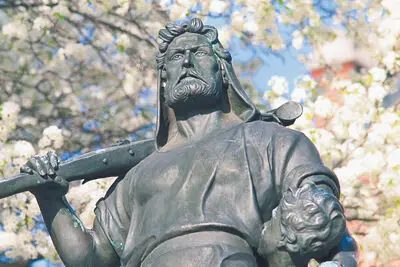
William Tell is celebrated as a Swiss folk hero who defied tyranny with extraordinary marksmanship. His story appears in late medieval sources, long after the events supposedly occurred. No contemporary records verify his existence, his famous apple shot, or his rebellion. The tale closely resembles earlier legends from other cultures, suggesting it may have been borrowed and adapted.
Tell became a symbol of independence and resistance rather than a documented individual. His story helped unify Swiss identity during periods of political tension. Even if no William Tell ever lived, the narrative carried real cultural power. Myths often serve emotional truth more than factual accuracy. Tell stands as a hero of imagination rather than evidence.
10. Ned Ludd
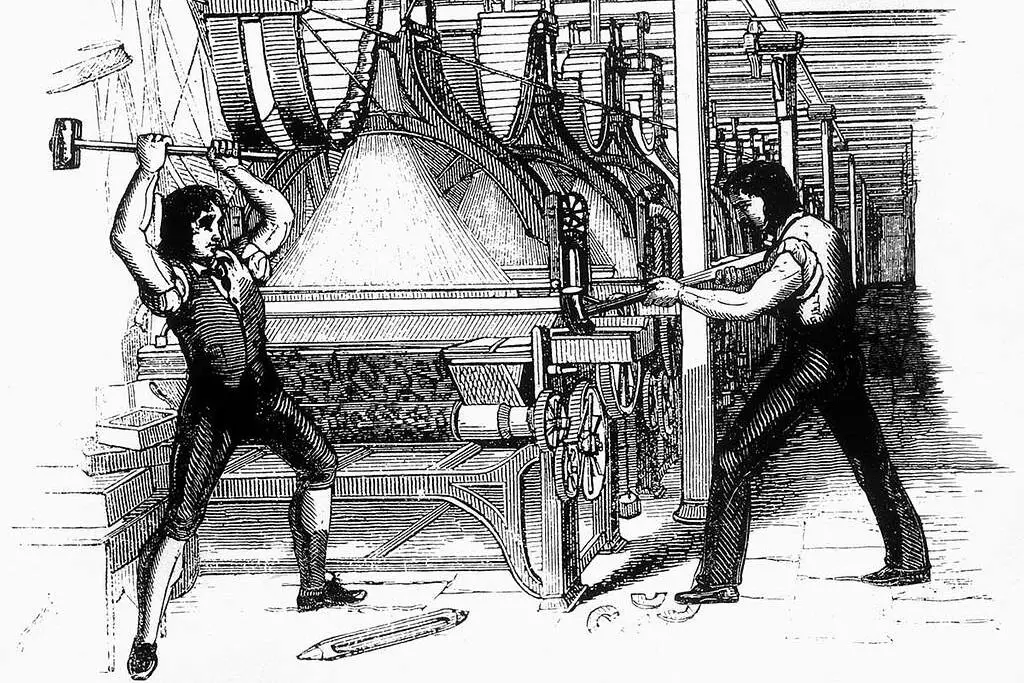
Ned Ludd is often described as the leader behind the Luddite movement, which opposed industrial machinery in early nineteenth-century England. However, there is no proof that Ned Ludd was an actual person. The name appears to have functioned as a symbolic figure or pseudonym used by protestors. Letters and threats signed with his name added mystique and unity to the movement.
Some stories claim a man named Ludd damaged machinery years earlier, but the details are inconsistent and unverified. Using a fictional leader protected real participants from identification. Over time, Ned Ludd took on a legendary status that blurred reality and myth. The movement was real, even if its supposed leader was not. It is a case where symbolism outlived any factual individual.
11. Hua Mulan
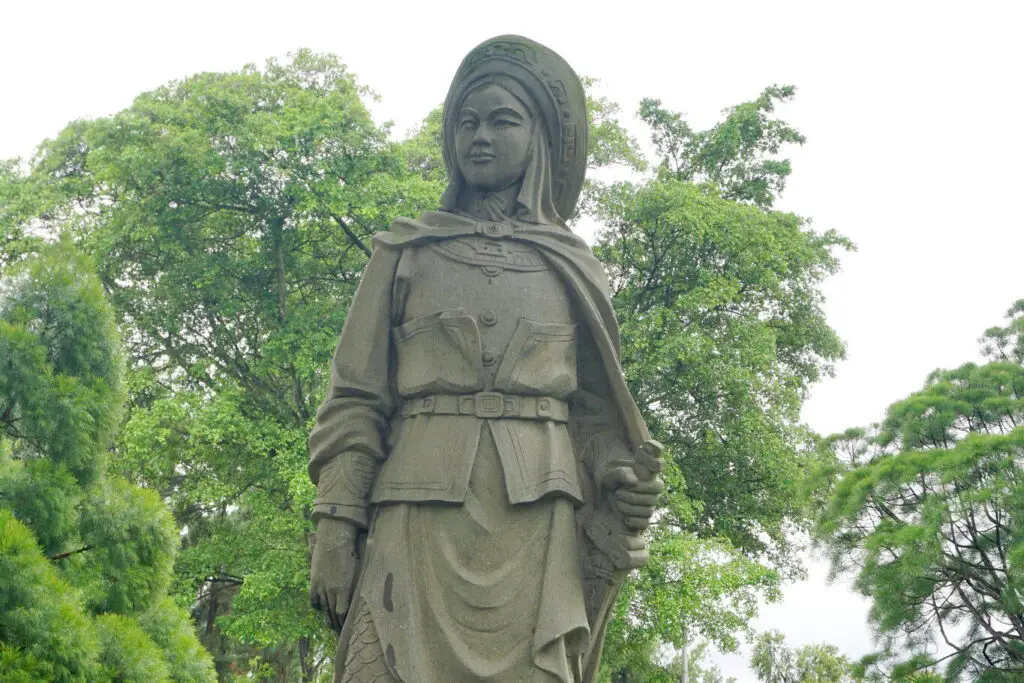
Hua Mulan is a legendary Chinese heroine who disguised herself as a man to serve in the army. Her story originates in a folk ballad rather than historical records. No contemporary documents confirm her existence, her military service, or her family background. Scholars generally view Mulan as a literary and cultural creation.
The story evolved over centuries, changing details depending on region and era. Mulan became a symbol of loyalty, bravery, and filial duty. Those values mattered more than proving whether she lived. The legend helped inspire generations, even without evidence. Mulan remains a powerful figure of cultural imagination rather than documented history.
12. The Yellow Emperor (Huangdi)
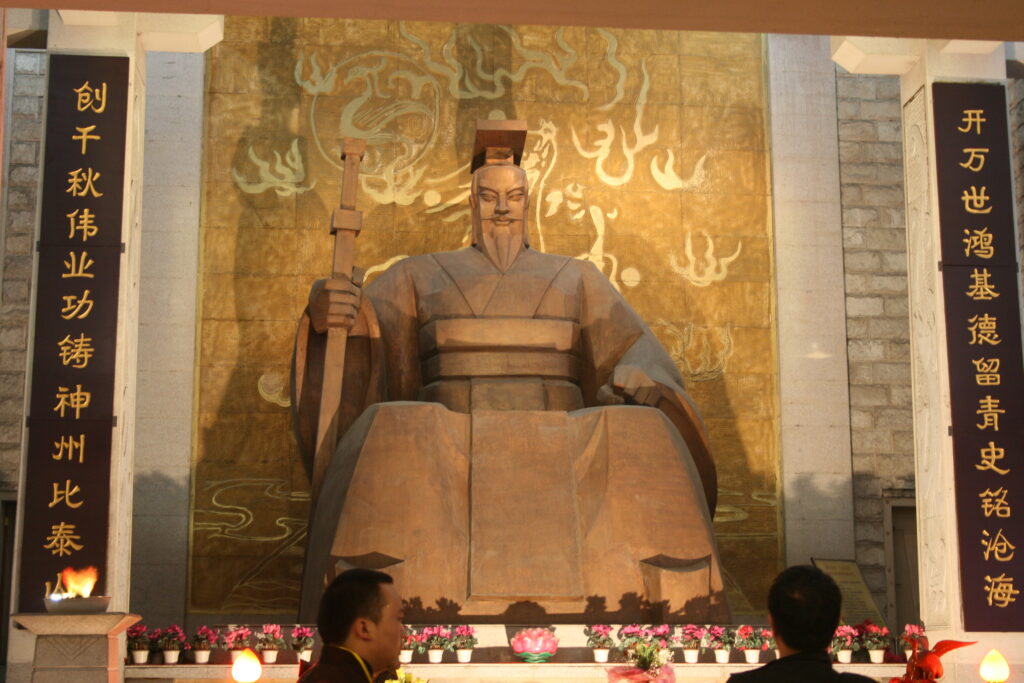
The Yellow Emperor is considered a foundational figure in Chinese civilization, credited with inventions, medical knowledge, and cultural institutions. However, historians cannot confirm that he existed as a historical individual. Early texts treat him more like a mythical ancestor than a documented ruler. Archaeological evidence does not clearly support his personal biography.
The Yellow Emperor may represent a symbolic merging of early tribal leaders and cultural developments. Assigning achievements to a legendary founder helped organize national identity and tradition. Over time, myth blended seamlessly with perceived history. His influence on Chinese culture is undeniable, even if his physical existence remains uncertain. He stands as a bridge between legend and early civilization.