
1. The Bermuda Triangle
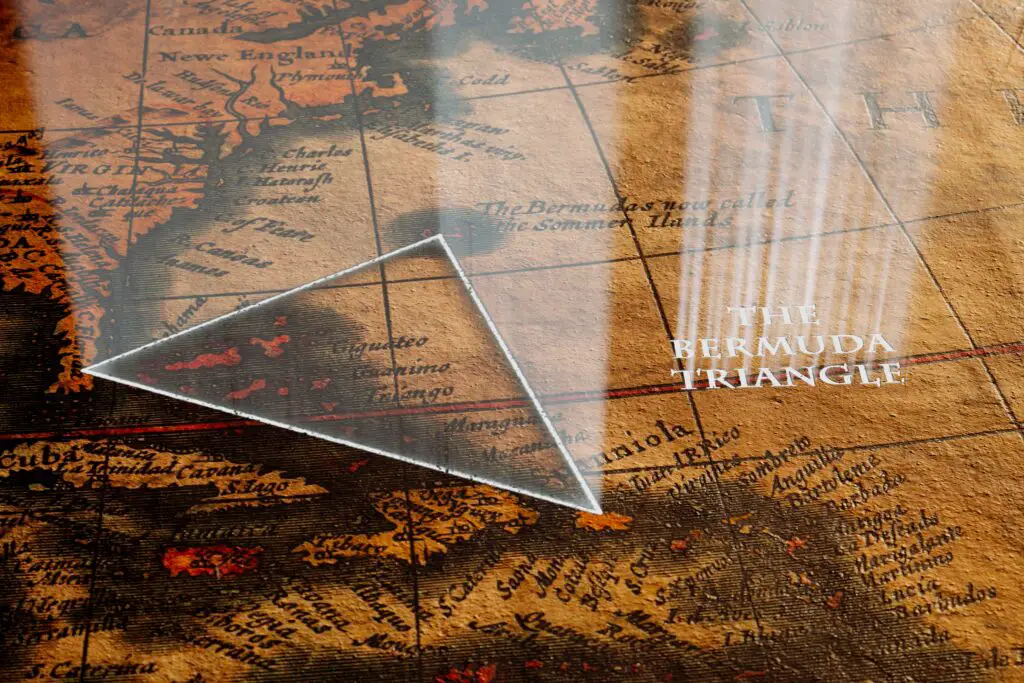
For decades, stories of vanished ships and planes have turned this patch of the Atlantic into a legend factory. Some disappearances were real, documented events, while others grew more dramatic as they were retold. Writers in the mid 20th century helped cement the Triangle’s reputation by linking unrelated incidents together. That blend of fact and exaggeration made it feel uniquely dangerous.
Modern researchers point to heavy traffic, unpredictable weather, and human error as more likely explanations. Navigational confusion, especially before modern instruments, was common in the region. Even so, not every reported incident has been neatly resolved. The Triangle remains a reminder of how quickly mystery can take hold when stories outpace evidence.
2. Stonehenge
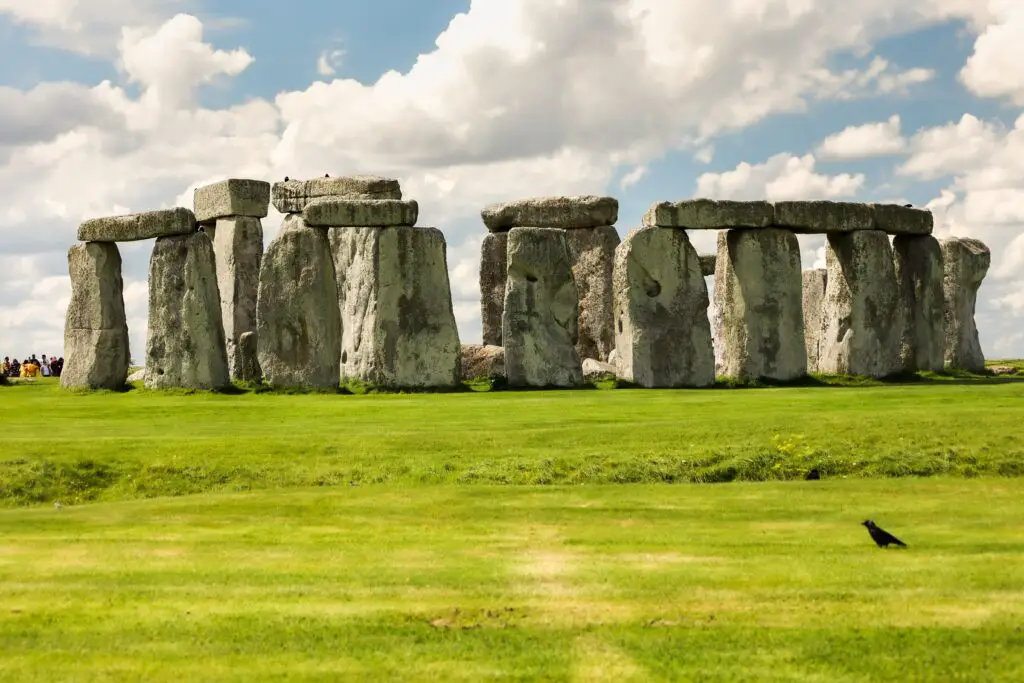
Stonehenge looks permanent and solid, yet its original purpose is still debated. Built in stages over thousands of years, it required moving massive stones from surprisingly far distances. That effort suggests the site mattered deeply to the people who built it. The question is why.
Theories range from religious ceremonies to astronomical observation to burial rituals. Archaeology has provided clues, but no single explanation accounts for everything found there. What feels certain is that Stonehenge was not casual or decorative. Its meaning has simply not survived intact.
3. The Voynich Manuscript
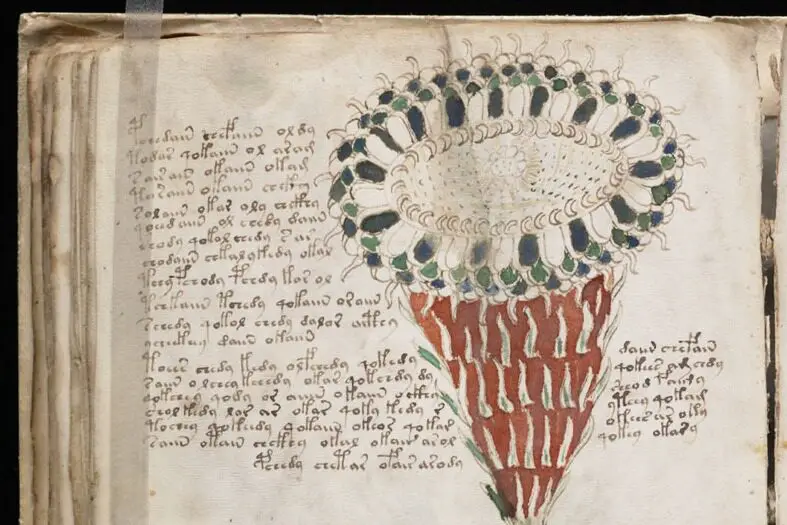
The Voynich Manuscript is a book filled with unknown writing and strange illustrations of plants and symbols. Carbon dating places it in the early 15th century, which rules out modern hoaxes. Linguists and codebreakers have tried for over a century to decipher it. None have succeeded.
Some believe it encodes a real language or cipher, while others suspect it may be meaningless by design. The illustrations complicate matters because many depict plants that do not clearly exist. Whatever its purpose, the manuscript resists interpretation. It remains one of history’s most stubborn unreadable texts.
4. Roanoke Colony
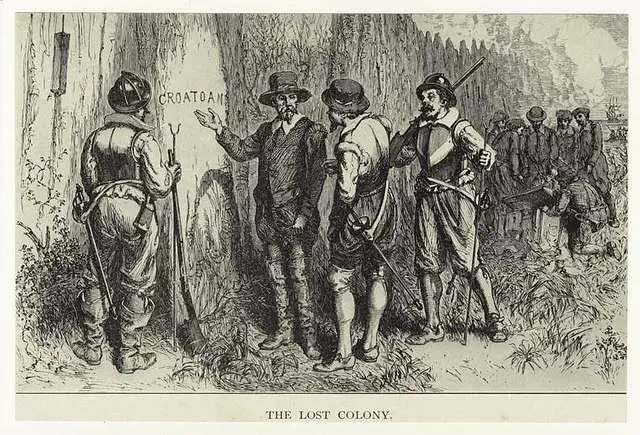
Roanoke was England’s first attempt at a permanent settlement in North America. When supplies finally arrived after a long delay, the colony was gone. There were no bodies, no clear signs of struggle, only the word “Croatoan” carved into wood.
Historians suspect the settlers may have joined local Indigenous communities to survive. Archaeological hints support this idea, but no definitive proof exists. The lack of records from the colonists themselves leaves a gap that cannot be filled. Roanoke remains defined by what was never found.
5. The Mary Celeste
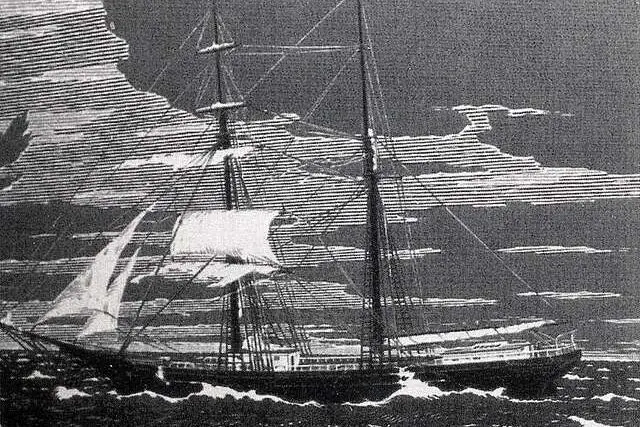
In 1872, the Mary Celeste was discovered drifting at sea with no one aboard. The ship was seaworthy, and its cargo was largely intact. Personal belongings were left behind, which made the situation even more unsettling.
Theories have included mutiny, piracy, and sudden natural disasters. Some ideas have been tested and partially explained, but none answer every detail. Why the crew abandoned a functional ship remains unclear. The case still stands as one of maritime history’s strangest puzzles.
6. The Antikythera Mechanism
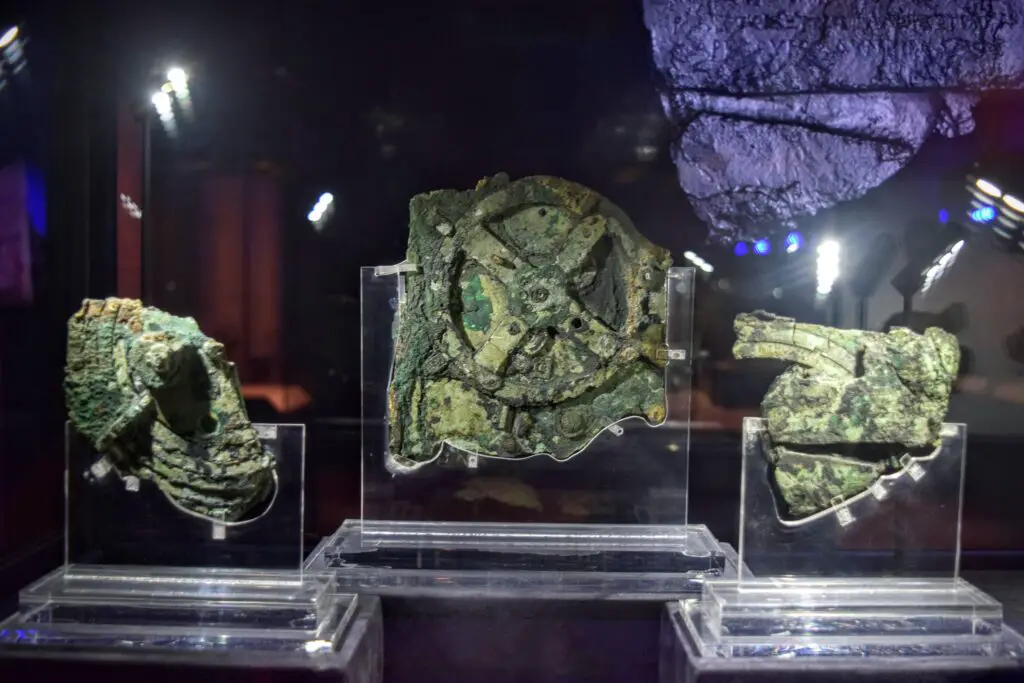
Recovered from a shipwreck, this corroded object baffled researchers for decades. It was eventually identified as a complex mechanical device used to predict astronomical events. Its sophistication seemed far ahead of its time. That raised uncomfortable questions about what ancient engineers truly knew.
No other device quite like it has been found from the same era. This makes it difficult to place within a broader technological tradition. It suggests lost knowledge or practices we no longer fully understand. The mechanism hints at a more advanced ancient world than textbooks once allowed.
7. The Princes in the Tower
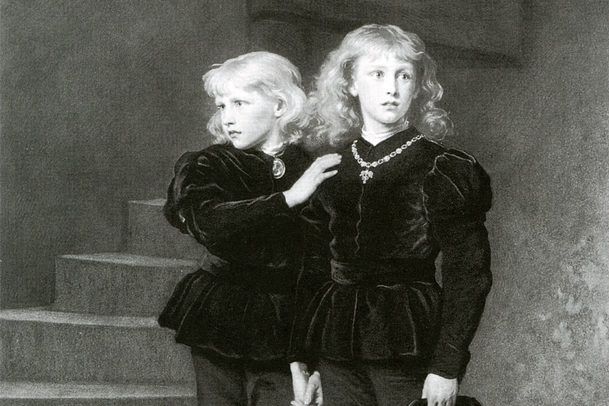
Two young princes disappeared while held in the Tower of London in the late 15th century. They were never seen again, and no contemporary account explains their fate. Political motives were strong, but evidence was thin. Rumors quickly filled the silence.
Centuries later, bones discovered in the Tower were tentatively identified as the princes. Modern testing has not provided certainty. The lack of conclusive proof keeps the story open. Their disappearance remains one of England’s most enduring royal mysteries.
8. Easter Island Moai
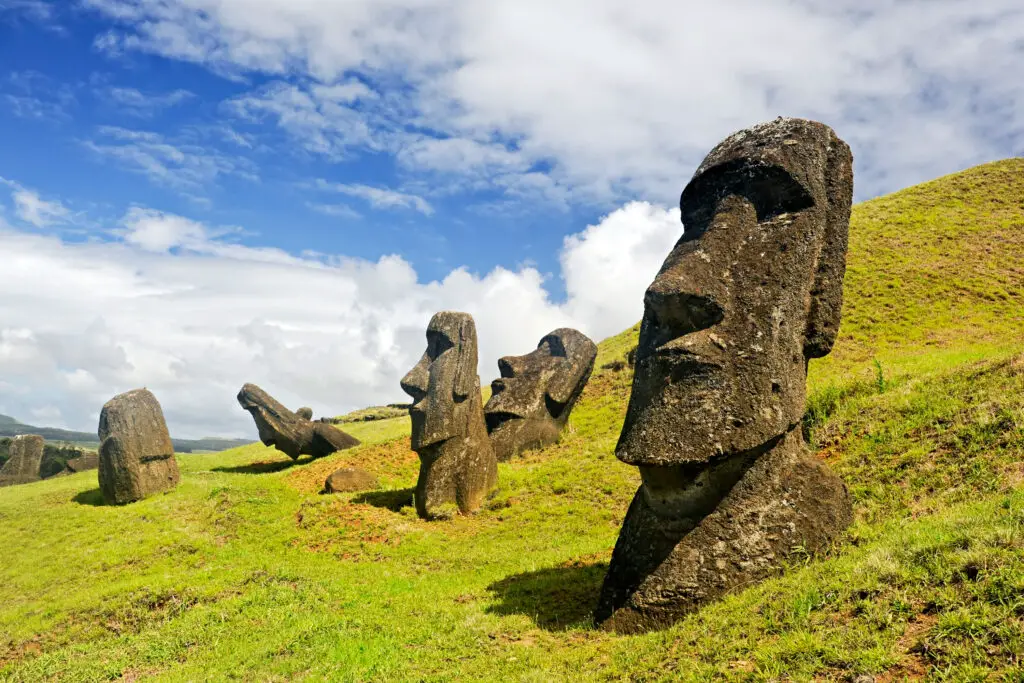
The massive stone heads of Easter Island raise immediate questions about how they were built and moved. The statues weigh many tons and were carved with limited tools. Their transportation across the island still sparks debate.
Some theories suggest they were “walked” upright using ropes, while others propose sleds or rollers. Evidence supports multiple possibilities, but none fully settles the matter. The statues also reflect a society that later collapsed. How these achievements fit into that history is still unclear.
9. The Dyatlov Pass Incident

In 1959, nine experienced hikers died under bizarre circumstances in the Ural Mountains. Their tent was cut open from the inside, and some bodies showed unexplained injuries. Official investigations at the time offered little clarity.
Later theories have ranged from avalanches to military testing. Recent studies support natural explanations, but questions remain. Certain injuries and behaviors are still difficult to explain fully. The case continues to fascinate because it resists a tidy narrative.
10. Atlantis
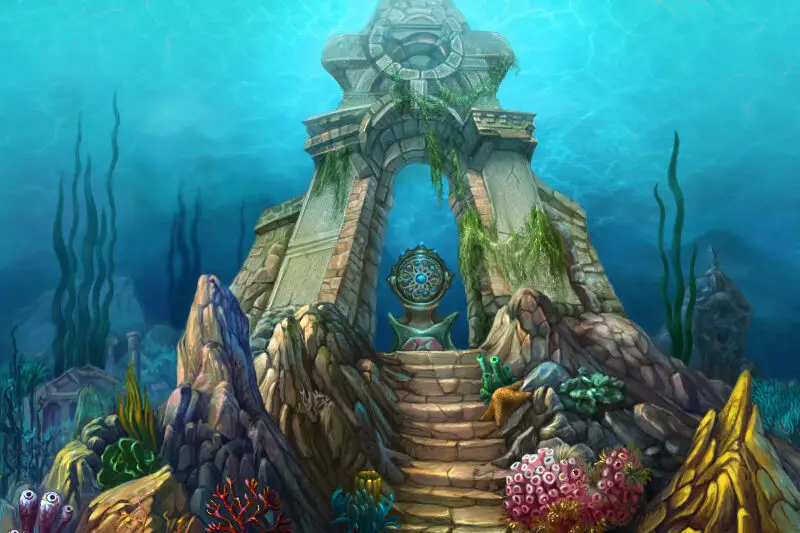
Plato’s writings describe a powerful island civilization that vanished beneath the sea. Whether he intended it as history or allegory is still debated. Over time, Atlantis became treated as a real place waiting to be found.
Countless expeditions have searched for it, with no definitive success. Some scholars argue the story reflects real ancient disasters in symbolic form. Others believe it was purely philosophical. The lack of evidence keeps Atlantis balanced between myth and possibility.
11. Nazca Lines
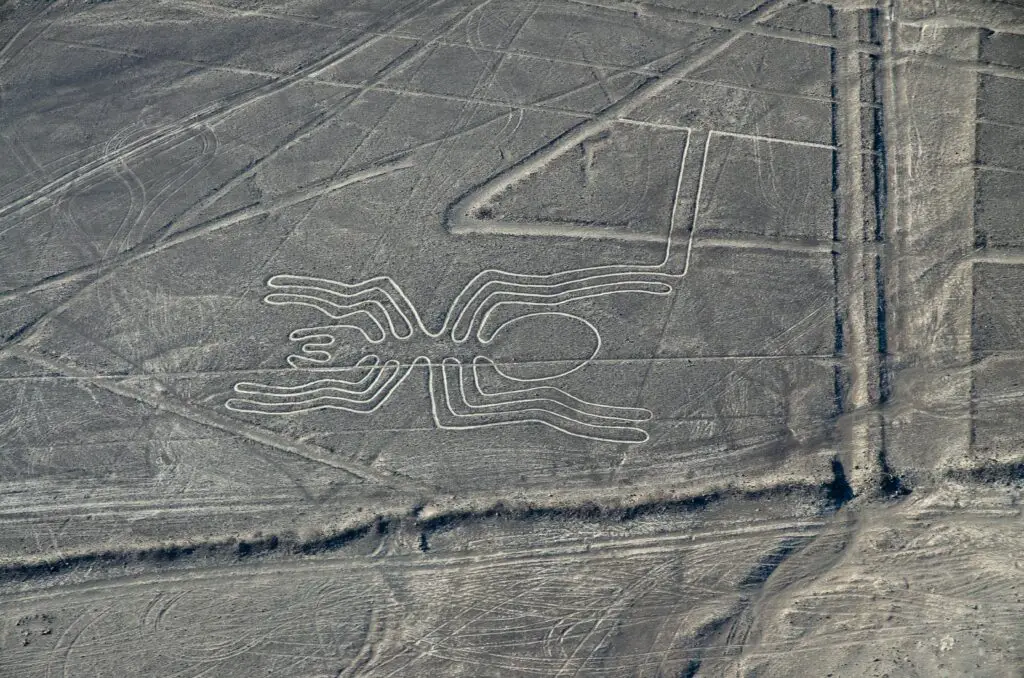
These enormous designs etched into the desert can only be fully seen from above. They depict animals, shapes, and straight lines stretching for miles. The people who made them did so without aerial views. That fact alone raises questions.
Some believe the lines had religious or ceremonial purposes tied to water and agriculture. Others suggest astronomical functions. No single explanation accounts for all the designs. Their scale and precision continue to defy simple answers.
12. The Man in the Iron Mask
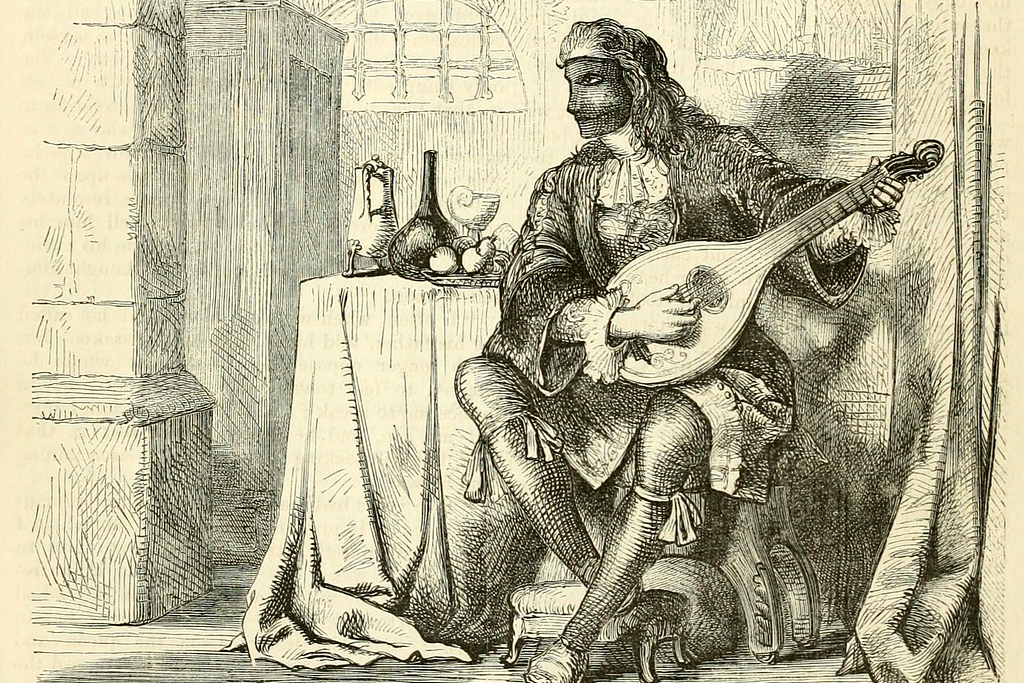
A masked prisoner was held for years in France under strict secrecy. His identity was never publicly revealed, and rumors spread quickly. Some claimed he was a royal relative, others a political threat.
Official records exist, but they are incomplete and ambiguous. Writers later dramatized the story, blurring fact and fiction. Despite scholarly efforts, the prisoner’s true identity remains uncertain. The mask became a symbol of secrets hidden in plain sight.
13. The Shroud of Turin
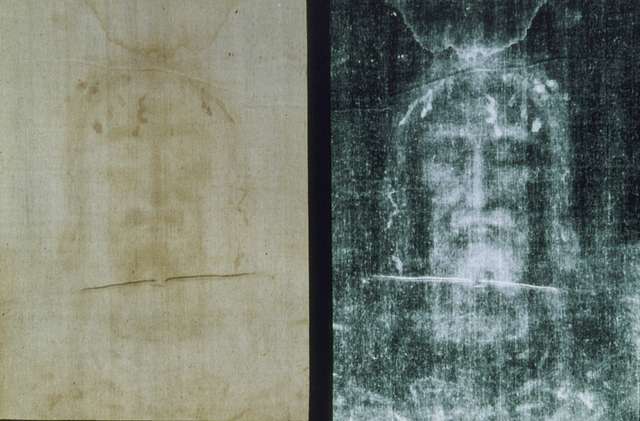
The Shroud of Turin bears the faint image of a man and has been linked by some to Jesus of Nazareth. Scientific tests have dated it to the medieval period, but results have been contested. Religious belief and scientific inquiry have often clashed over its meaning.
Some argue contamination or sampling issues affected the tests. Others accept the medieval dating while acknowledging the image is still unusual. No consensus has satisfied everyone. The shroud endures as both an object of faith and an unresolved historical question.