
1. Creamed Chipped Beef on Toast
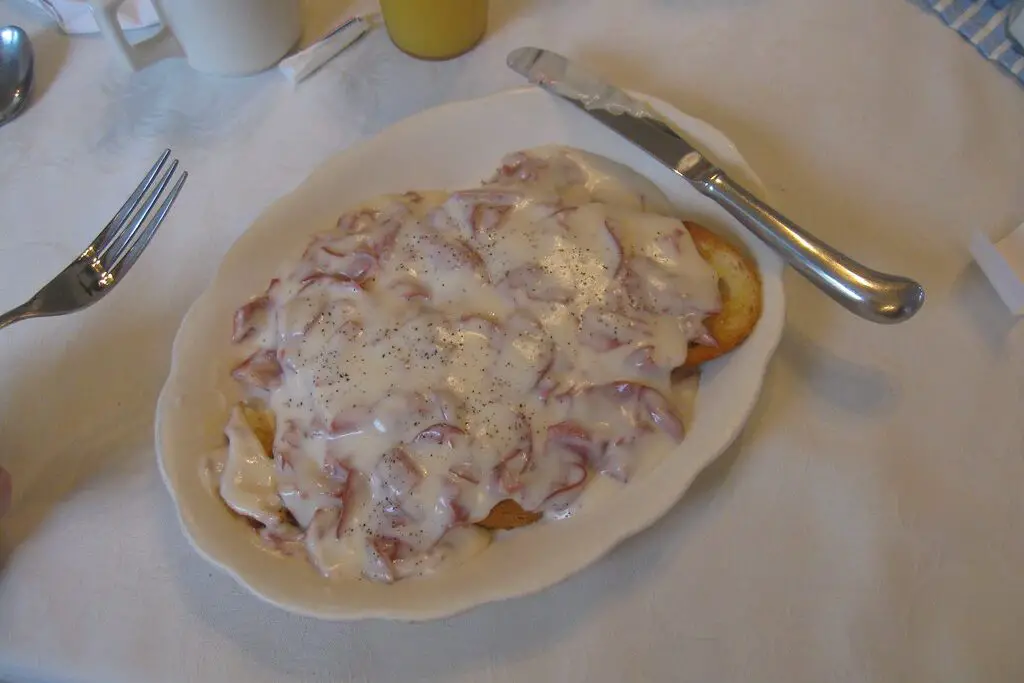
Often nicknamed “SOS” by soldiers later on, creamed chipped beef on toast was already a familiar Depression-era meal in many homes. It used dried beef, which kept well without refrigeration and could be bought cheaply in jars or packets. The beef was chopped and stirred into a simple white sauce made with butter, flour and milk. Then the whole thing was poured generously over slices of toasted bread.
For families trying to stretch every dollar, it checked all the boxes. It was warm, filling and used ingredients that were already sitting in the pantry. Many parents also liked that it could feed several hungry kids with just a small amount of meat. Even decades later, plenty of people remember it as one of those humble meals that showed up on the dinner table again and again.
2. Potato Soup
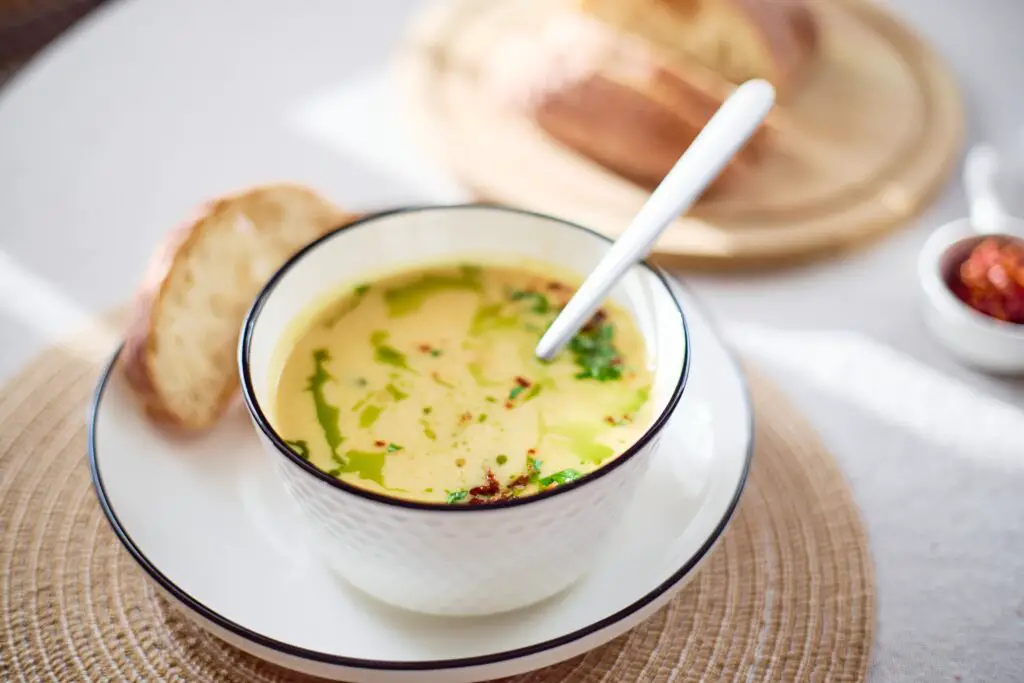
When money was tight, potatoes became the backbone of countless meals. A pot of potato soup could be made with just potatoes, water or broth, onions and a little milk if the household had it. Sometimes a scrap of bacon or ham was tossed in for flavor, but many families simply made do without it. The result was a simple, creamy soup that could simmer on the stove all afternoon.
It was one of those dishes that felt comforting even when the pantry looked bare. Potatoes were cheap, easy to store and incredibly filling, which made them perfect for stretching a meal. Parents often served the soup with bread or crackers to make it go further. For many people who lived through the 1930s, potato soup was a familiar sight on cold nights.
3. Cornbread and Milk
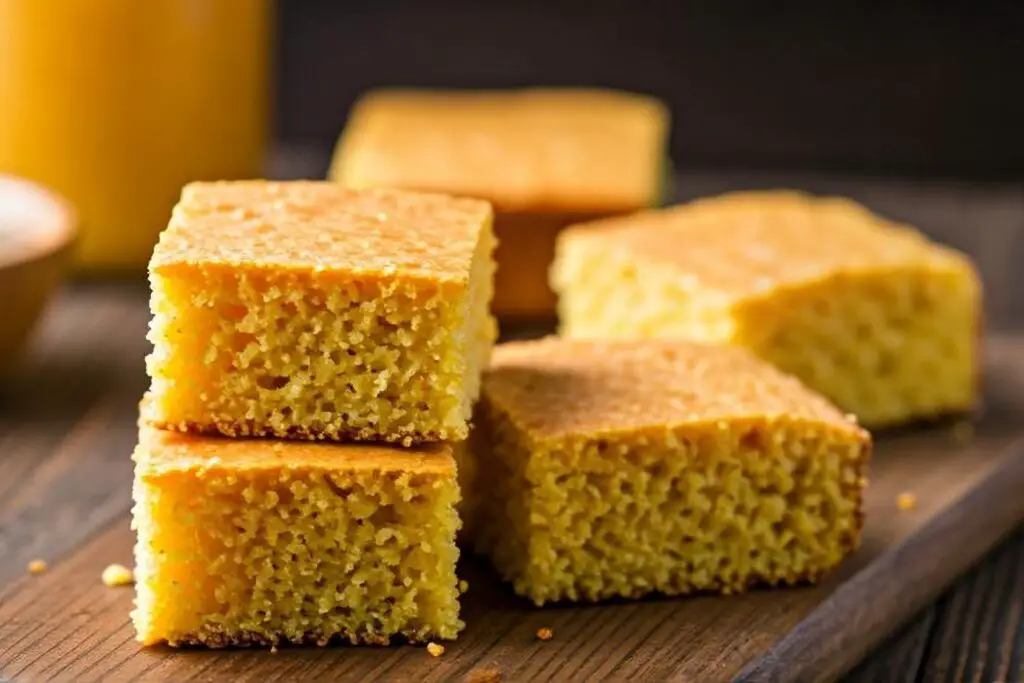
In many households, supper sometimes came down to the simplest combination imaginable. Cornbread was inexpensive to make because cornmeal cost far less than wheat flour in many areas. A quick pan of cornbread could be baked with just cornmeal, eggs, milk and a little fat. When it came out of the oven, families would break it into bowls.
Then they poured milk over the pieces and ate it with a spoon. It sounds unusual today, but at the time it was a filling and comforting meal. Kids especially loved the way the warm bread soaked up the milk. For families trying to stretch groceries, it was a dependable fallback dinner.
4. Beans and Ham Hock
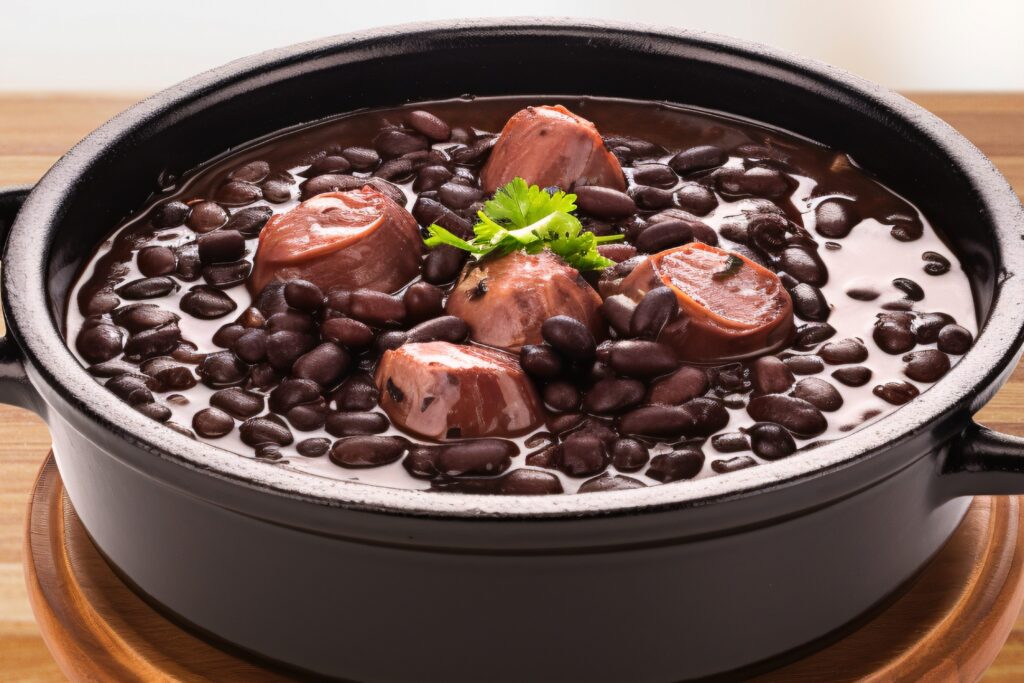
Dry beans were a lifesaver during the Great Depression because they were cheap and could sit in a cupboard for months. A pot of beans simmering on the stove became a familiar smell in many kitchens. Families usually added a ham hock or leftover ham bone to give the broth flavor. Even a small piece of pork could season an entire pot.
The beans cooked slowly until they were tender and hearty. Served with bread or cornbread, the meal could feed several people with very little meat. It was the kind of dish that stretched a grocery budget further than most others. Many families passed the recipe down long after the Depression ended.
5. Dandelion Salad

During the 1930s, people learned to see food where others might only see weeds. Dandelion greens growing in yards and empty lots were often picked and brought into the kitchen. The young leaves had a slightly bitter taste but were packed with nutrients. Families washed them carefully and used them just like lettuce.
They were often tossed with a little vinegar, onion and sometimes a bit of bacon grease for flavor. It turned an overlooked plant into a surprisingly satisfying salad. For households with almost no money for fresh produce, it was a practical solution. Many older Americans later remembered gathering dandelions as part of daily life.
6. Mulligan Stew
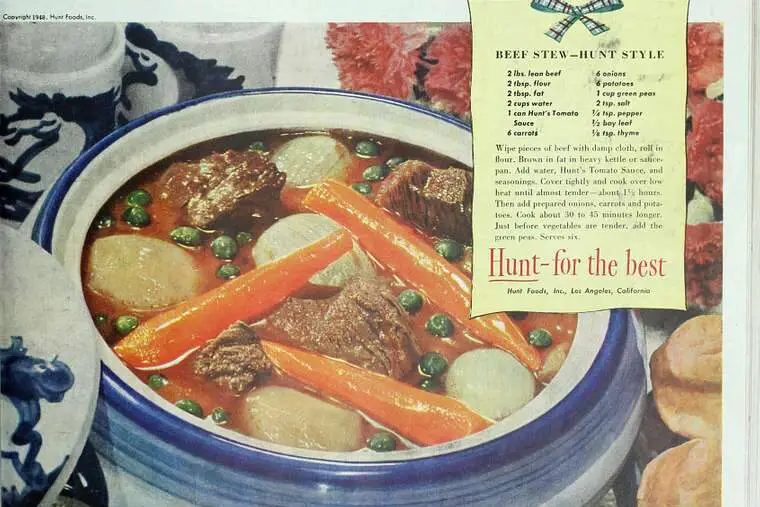
Mulligan stew was the kind of meal that depended entirely on what was available that day. The name became popular during the Great Depression, especially among migrant workers and hobo camps. Vegetables, potatoes and whatever scraps of meat could be found were all tossed into one big pot. The stew simmered until everything blended together.
No two versions were exactly the same. Some might include cabbage, while others relied on carrots or turnips. The idea was simply to make a filling meal from whatever ingredients could be gathered. In difficult times, Mulligan stew became a symbol of making the most of very little.
7. Fried Bologna Sandwiches

Meat was expensive, but bologna was one of the cheaper options families could buy. Slices were often fried in a pan until the edges curled and browned. That simple step made the sandwich feel more substantial. The warm slices were tucked between pieces of bread, sometimes with mustard.
For many kids growing up in the 1930s, it was a treat compared to going without meat entirely. Bologna kept well and could be used for multiple meals. Fried in a skillet, it felt like something a little special. It was simple, but it helped break up the monotony of lean times.
8. Cabbage and Noodles
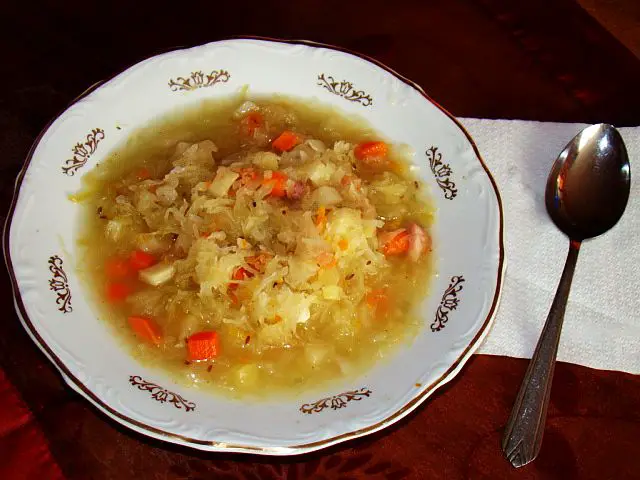
Cabbage was inexpensive, easy to grow and stored well through the winter. Many families paired it with egg noodles to make a filling dish that could stretch across several servings. The cabbage was usually chopped and cooked with onions in butter or fat. Then the noodles were stirred in.
The result was a warm, satisfying meal that felt hearty despite using very few ingredients. Some households added bits of bacon if they had it. Others kept the dish entirely meatless. Either way, cabbage and noodles became a dependable comfort food during hard years.
9. Rice Pudding
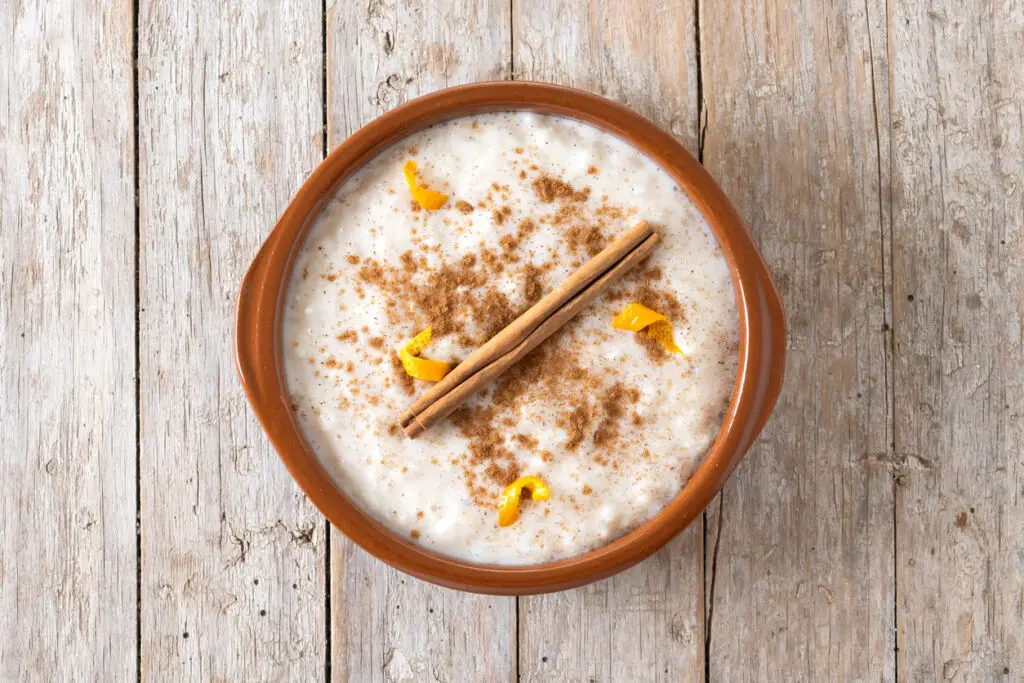
Dessert during the Great Depression had to be simple and economical. Rice pudding fit the bill perfectly because it used basic pantry staples. Cooked rice was mixed with milk, sugar and sometimes raisins. Then it was baked or simmered until thick and creamy.
A small amount of sugar went a long way in this dish. Parents liked that it turned leftover rice into something that felt like a treat. Kids often remember the sweet smell drifting through the kitchen. Even today, rice pudding still carries the feeling of an old-fashioned comfort dessert.
10. Stuffed Bell Peppers with Rice

Bell peppers could turn a small amount of filling into a complete meal. Families often stuffed them with rice mixed with onions and sometimes a little ground meat. During lean times the rice usually made up most of the filling. The peppers were then baked until tender.
It was a clever way to stretch ingredients without sacrificing flavor. The peppers added color and a fresh taste that made the dish feel more substantial. Even when meat was scarce, the meal still felt complete. Many Depression-era cooks relied on tricks like this to make dinner satisfying.
11. Tomato Gravy and Biscuits
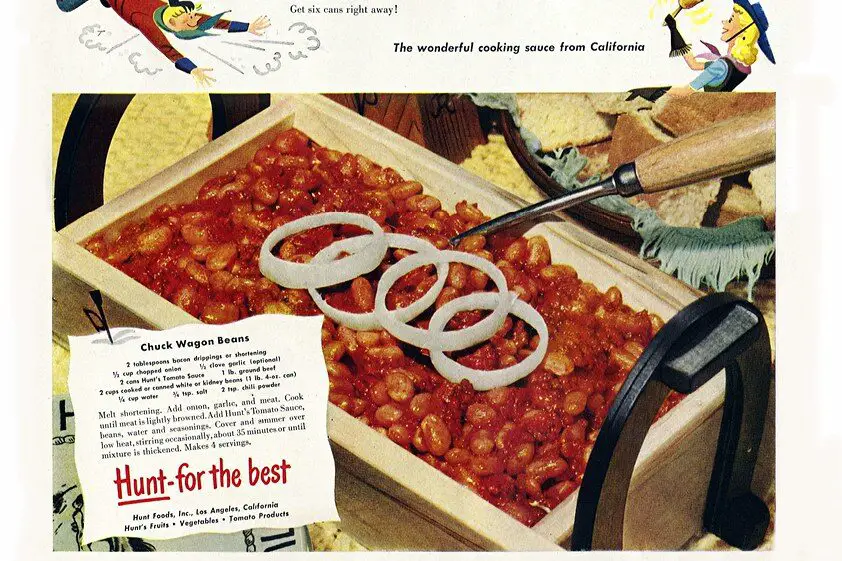
In Southern kitchens especially, tomato gravy became a popular budget meal. Canned or stewed tomatoes were cooked down with flour and a little fat to make a thick sauce. The gravy was then spooned over freshly baked biscuits. The combination was simple but surprisingly flavorful.
Biscuits were inexpensive to make and filled up hungry stomachs quickly. The tangy tomato gravy added just enough richness to make the dish feel like a real meal. Families often served it for breakfast or supper. It remains a nostalgic recipe in many households today.
12. Egg Drop Soup
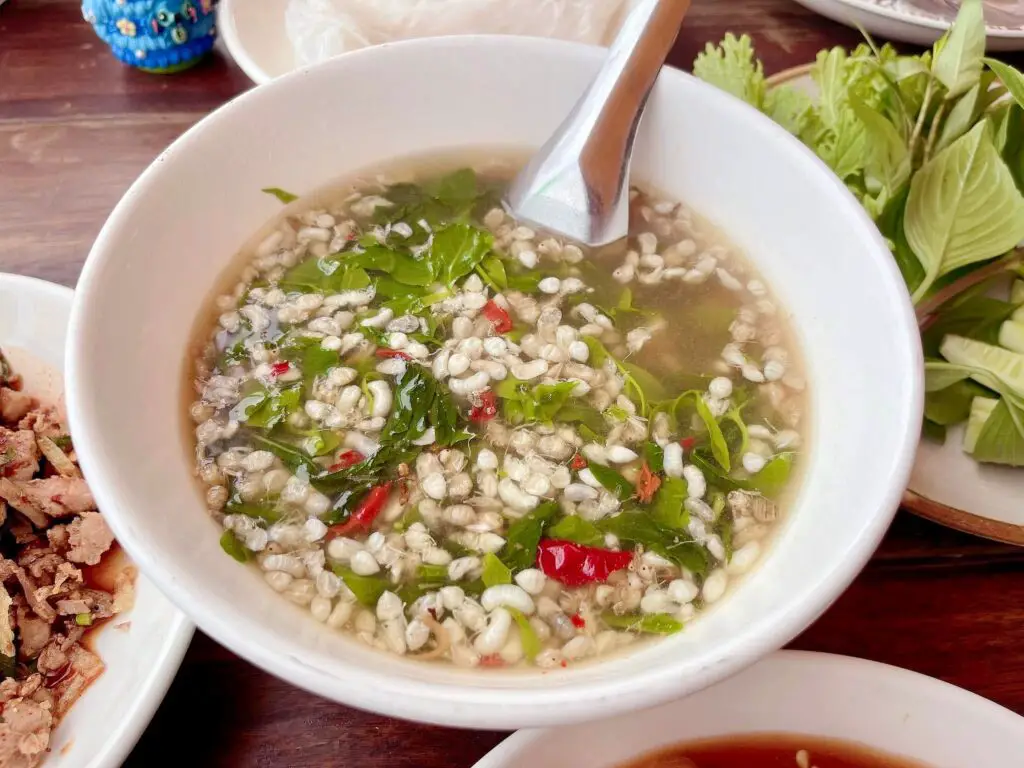
Egg drop soup offered a clever way to turn a few eggs into something that could feed several people. A simple broth was heated and beaten eggs were slowly stirred in. As the eggs cooked, they formed soft ribbons throughout the soup. Sometimes a few vegetables or noodles were added.
It was quick, inexpensive and surprisingly filling. Eggs were often easier to obtain than meat, especially for families who kept chickens. The soup could be made in minutes with ingredients already on hand. For households watching every penny, meals like this made a big difference.
13. Bread Pudding
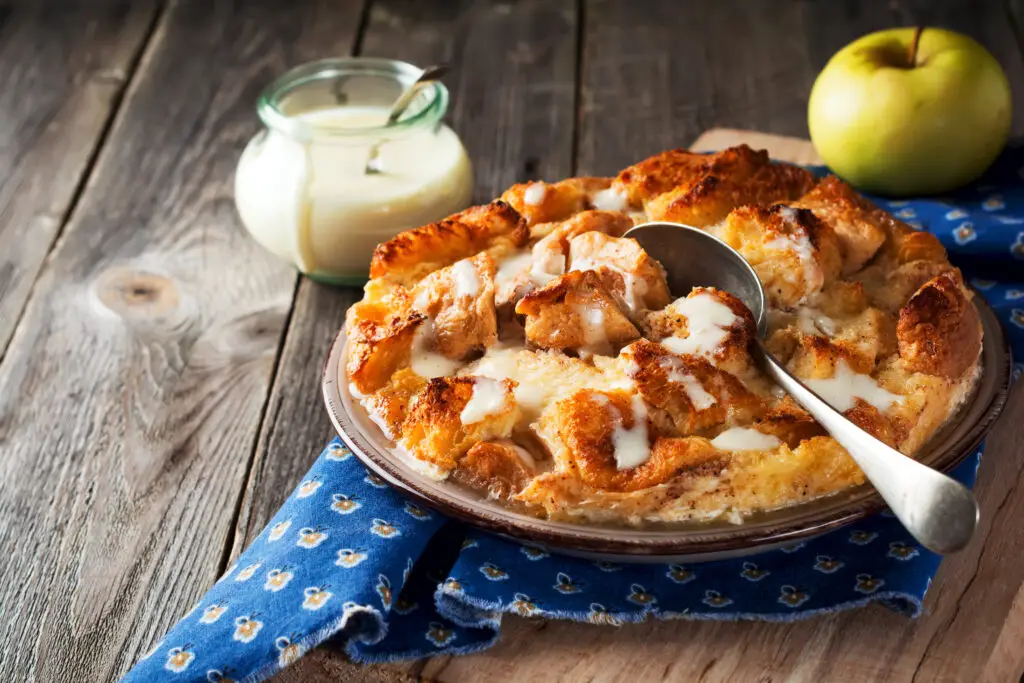
Bread pudding was the ultimate solution for stale bread that might otherwise be thrown away. Cubes of old bread were soaked in milk, sugar and eggs. Sometimes raisins or cinnamon were added if the family had them. Then everything was baked until golden and soft.
It turned scraps into something warm and comforting. During the Depression, wasting food simply was not an option. Bread pudding allowed families to stretch ingredients while still enjoying something sweet. For many people, the smell of it baking still brings back memories of a resourceful kitchen.