
1. Leftover Meatloaf Sandwiches
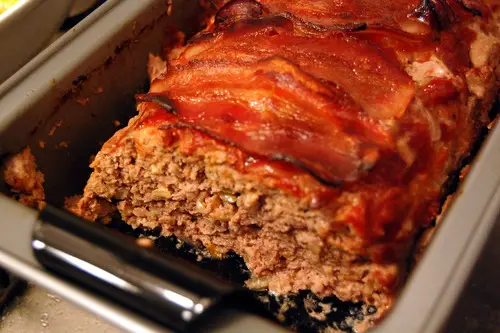
The night after meatloaf was rarely glamorous, but it was dependable. A thick slice of cold meatloaf tucked between two pieces of bread became an easy lunch when nothing in the fridge could go to waste. Some families warmed it in a skillet so the edges crisped up, while others swore it tasted best straight from the refrigerator. Ketchup or mustard usually made an appearance, and sometimes a slice of American cheese if someone was feeling fancy.
It was the kind of meal that quietly stretched a single dinner into two. Kids often learned quickly that leftover meatloaf had its own personality the next day. The texture changed, the flavor deepened, and somehow it felt like a completely different dish. What started as thriftiness slowly turned into a tradition. Even people who claimed to dislike leftovers often made an exception for this one.
2. Fried Bologna and Eggs

Fried bologna had a reputation as the ultimate “nothing else in the house” meal. A slice tossed into a hot pan would bubble and curl at the edges, often with a small cut in the middle to keep it flat. Crack an egg into the same pan and suddenly breakfast or dinner was handled. It was inexpensive, filling, and made with ingredients that almost every refrigerator seemed to contain.
Families leaned on meals like this when grocery day was still a few days away. The salty flavor of the bologna paired perfectly with runny yolk and toast. Some people added potatoes or onions if they had them lying around. Others kept it simple and let the pan do all the work. Either way, it was proof that a humble ingredient could carry an entire meal.
3. Refrigerator Soup
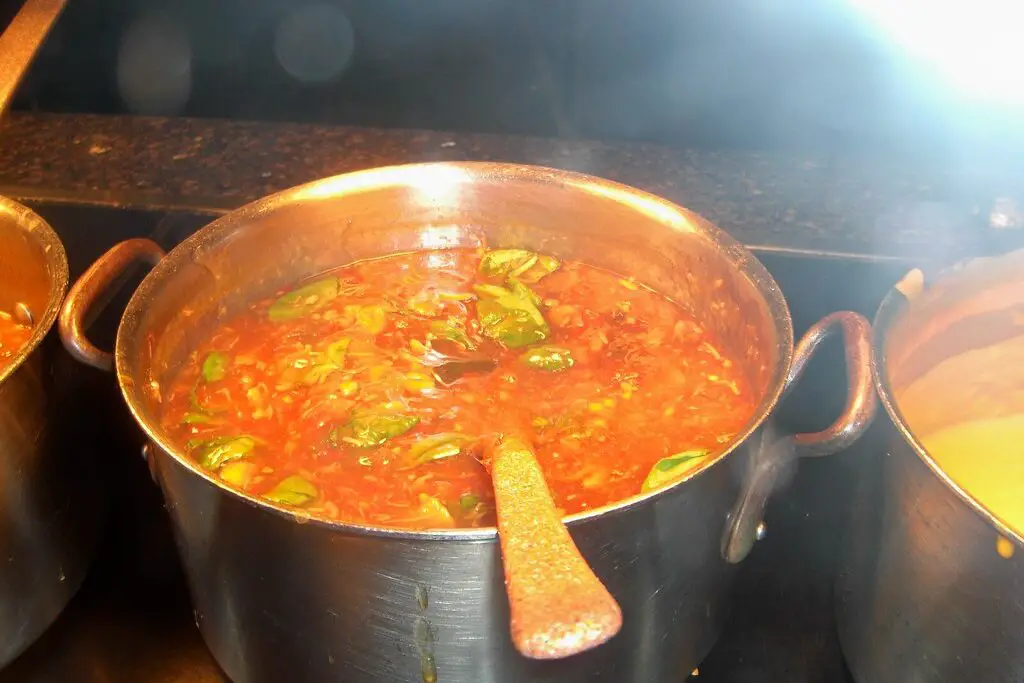
Refrigerator soup was less of a recipe and more of a strategy. Anything lingering in the fridge, leftover vegetables, bits of chicken, half an onion, could end up in the pot. A little broth or water pulled everything together. By the time it simmered for a while, the individual ingredients blended into something surprisingly comforting.
For families who lived by the rule that nothing should be thrown away, this meal was a lifesaver. Each batch tasted slightly different depending on what needed to be used up. Sometimes it leaned vegetable-heavy, other times it tasted more like chicken soup. Kids occasionally approached it cautiously, unsure what might be floating inside. Yet many people later realized it was one of the coziest meals their families made.
4. Leftover Roast Hash
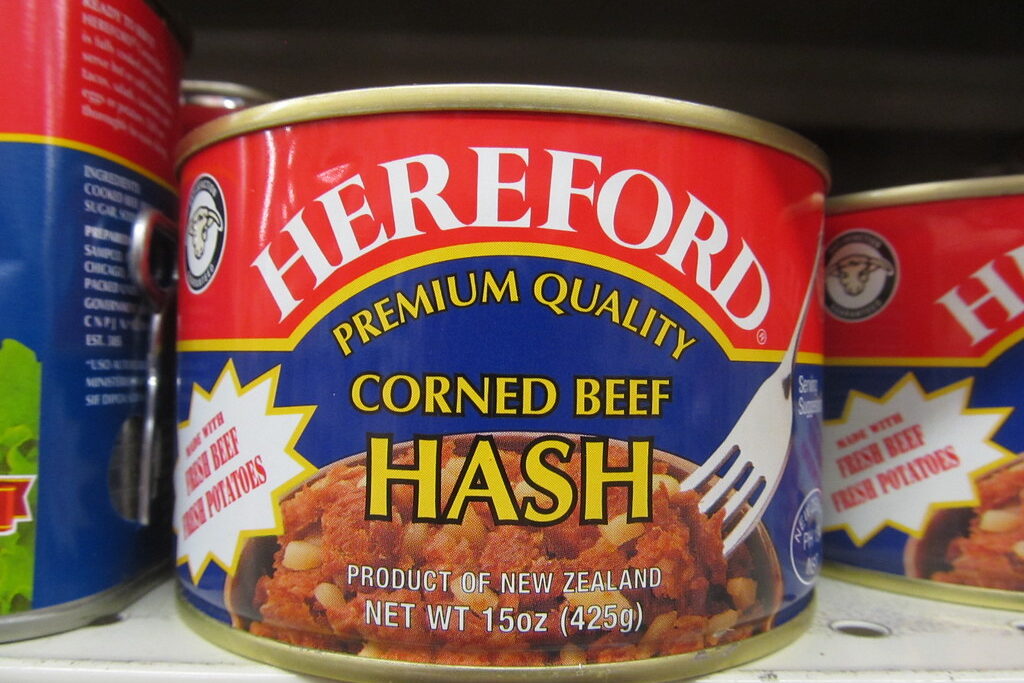
Sunday roast rarely disappeared in a single night. The remaining meat often returned the next day chopped into small pieces and fried with potatoes and onions. This mixture, known simply as hash in many homes, turned scraps into something hearty. Everything browned together in the pan until crispy bits formed around the edges.
A fried egg on top often finished the dish. The yolk running into the potatoes created a rich sauce without any extra effort. It was filling enough for breakfast but just as common for dinner. Families appreciated how easily it stretched leftover roast into another full meal. What began as practicality became something people actually looked forward to.
5. Tuna Noodle Skillet
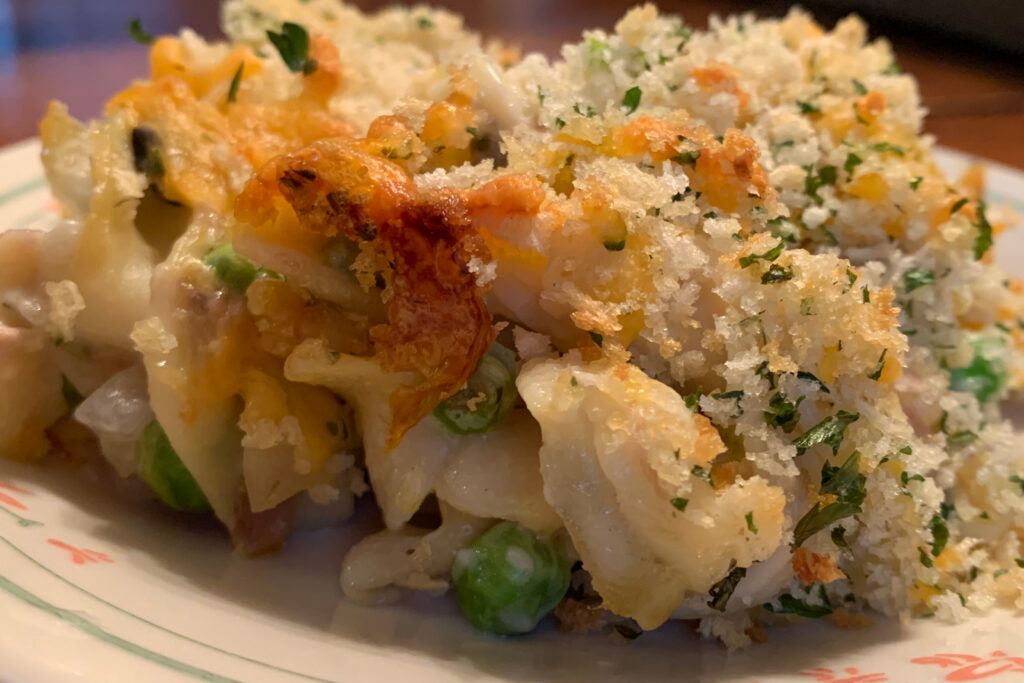
When the pantry felt nearly empty, a can of tuna and a box of noodles could still come to the rescue. Families often tossed cooked noodles into a skillet with tuna, a little butter, and whatever vegetables were hanging around. Peas were common because many freezers seemed to have a bag of them tucked away. The result was simple but surprisingly satisfying.
This meal was popular partly because it came together quickly. There was no need for elaborate sauces or fancy ingredients. Everything blended into a warm, comforting bowl that fed several people at once. Kids often recognized the smell before they even entered the kitchen. For many households, it became a dependable end-of-the-week dinner.
6. Stale Bread French Toast
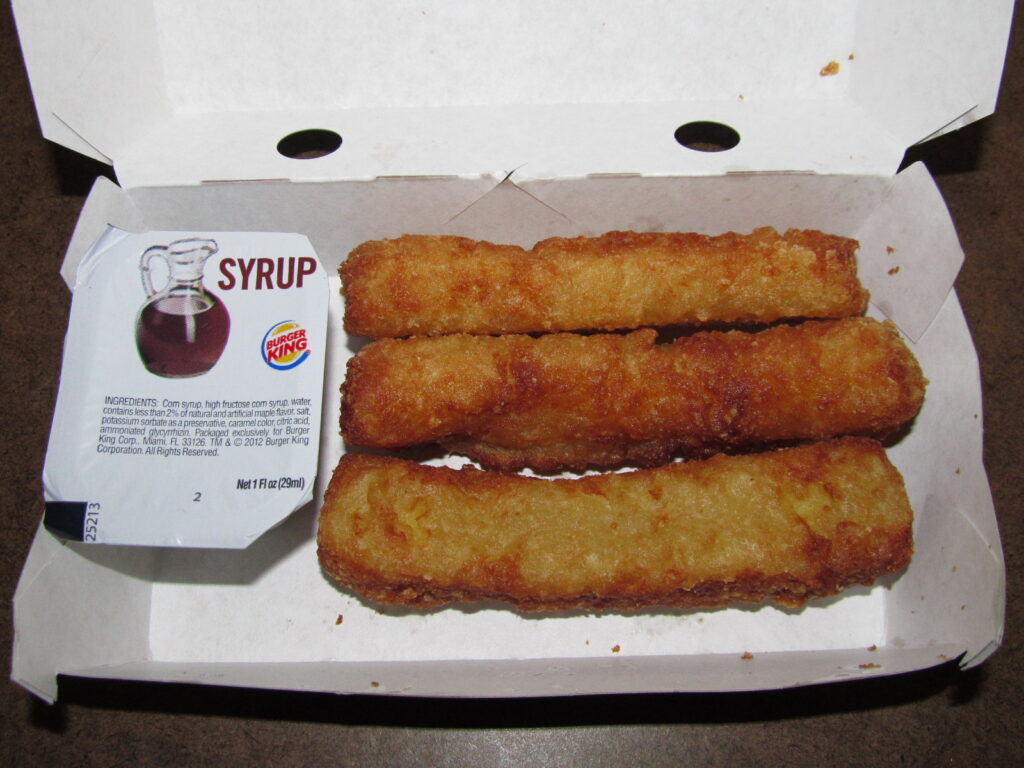
Bread that had gone slightly stale still had a second life waiting. Families discovered that soaking it in eggs and milk transformed it into French toast that was actually better than using fresh bread. The dry slices absorbed the mixture beautifully and crisped up in the pan. A little cinnamon or vanilla made it feel special.
What started as a way to rescue bread quickly became a favorite breakfast. Even children who refused plain toast happily ate it once it was golden and sweet. Syrup, powdered sugar, or jam turned it into something that felt almost indulgent. Yet the entire meal existed because no one wanted to throw away a loaf of bread. That small act of thriftiness created a classic.
7. Potato Pancakes from Leftover Mash
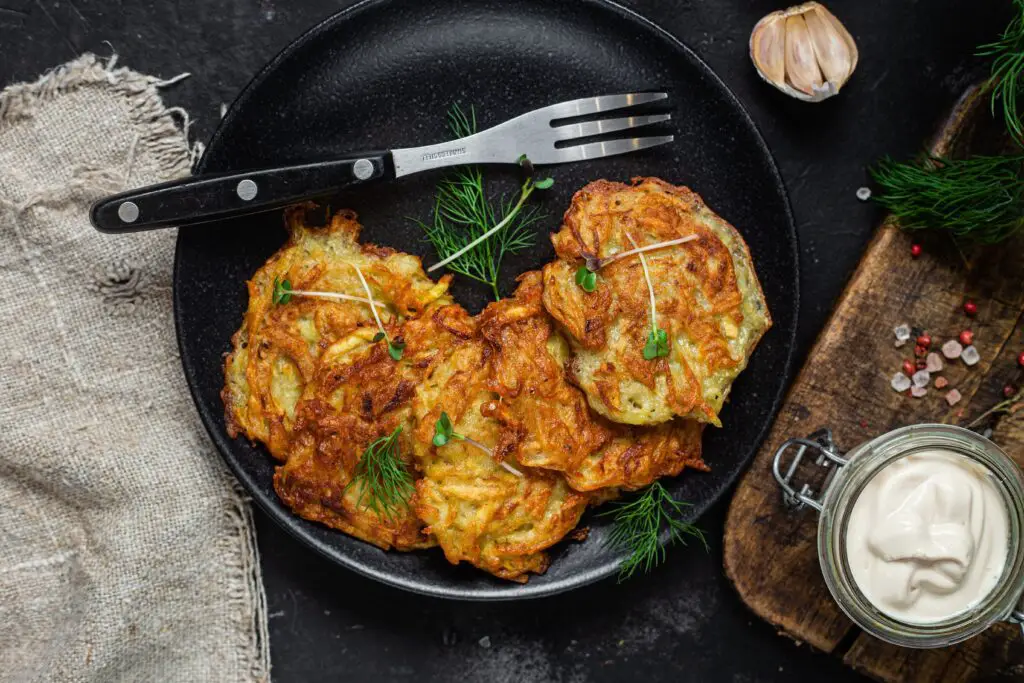
Leftover mashed potatoes rarely stayed untouched for long. The next day they were often mixed with flour and sometimes an egg, then flattened into patties and fried. These potato pancakes developed crispy edges while staying soft inside. A little salt and pepper was often all they needed.
Families enjoyed them for breakfast or dinner depending on the day. Sour cream or applesauce sometimes appeared alongside them. The pancakes felt like a brand-new dish even though they started as leftovers. Kids often didn’t realize they were eating yesterday’s side dish. That small transformation helped families avoid wasting perfectly good food.
8. Scrambled Egg “Clean Out the Fridge”
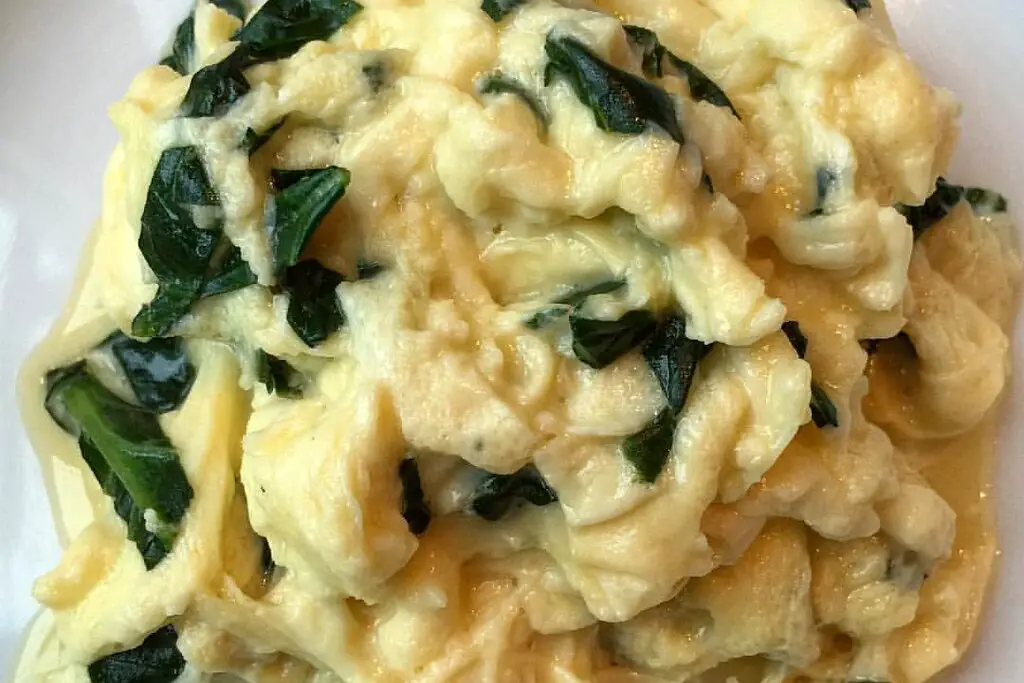
Eggs were the ultimate ingredient for using up small leftovers. Bits of vegetables, cheese, or meat could be tossed into scrambled eggs without much planning. The skillet became a place where random ingredients suddenly worked together. Even a few spoonfuls of leftover rice or potatoes could join the mix.
This meal was especially common late at night or early in the morning. It required almost no preparation and very little cleanup. Families appreciated how flexible it was because nearly anything could fit into the pan. Children sometimes joked that it contained “everything but the kitchen sink.” Yet somehow it always tasted good.
9. Bread and Gravy
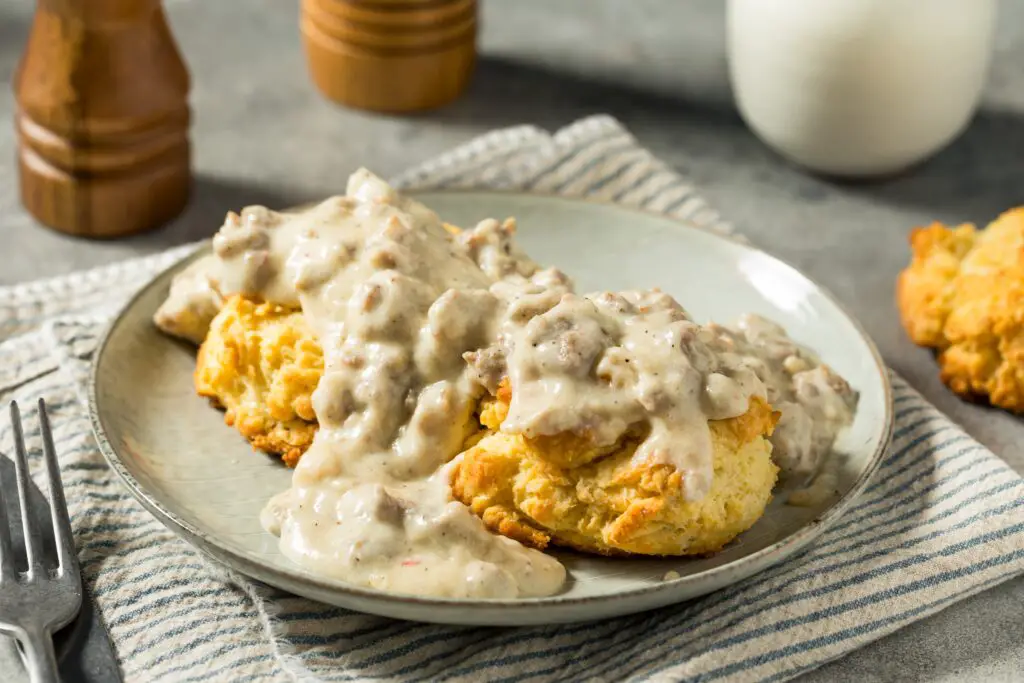
Bread and gravy was one of those humble meals that appeared when groceries were running low. Thick slices of bread soaked up hot gravy made from drippings or broth. The bread softened quickly and became the heart of the dish. It was simple but surprisingly filling.
For families who had grown up during leaner times, meals like this carried a sense of practicality. A little gravy could stretch far when poured over bread. Some people added leftover meat if any was available. Others kept it plain and relied on the rich flavor of the gravy alone. It was a reminder that comfort sometimes comes from the simplest ingredients.
10. Baked Potato Bar
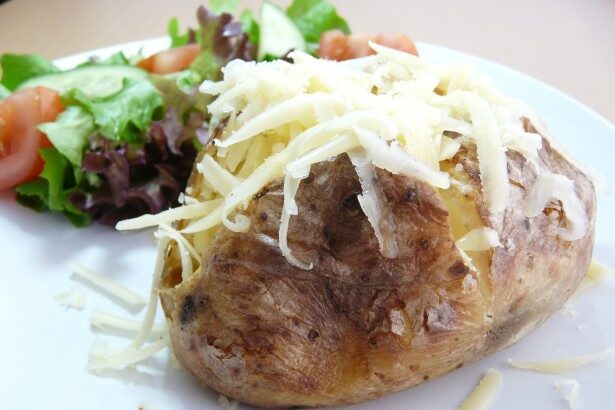
A bag of potatoes often sat quietly in the pantry waiting for its moment. When there wasn’t much else available, families baked them and turned dinner into a mix-and-match event. Leftover chili, cheese, vegetables, or even small pieces of meat became toppings. Each person built their own version depending on what they liked.
It worked well because potatoes were inexpensive and filling. A single topping could flavor the entire meal. Kids enjoyed customizing their plates, even if the options were limited. Parents appreciated how easily the meal used up odds and ends from the refrigerator. Somehow the humble potato carried the whole dinner.
11. Rice and Whatever Was Left
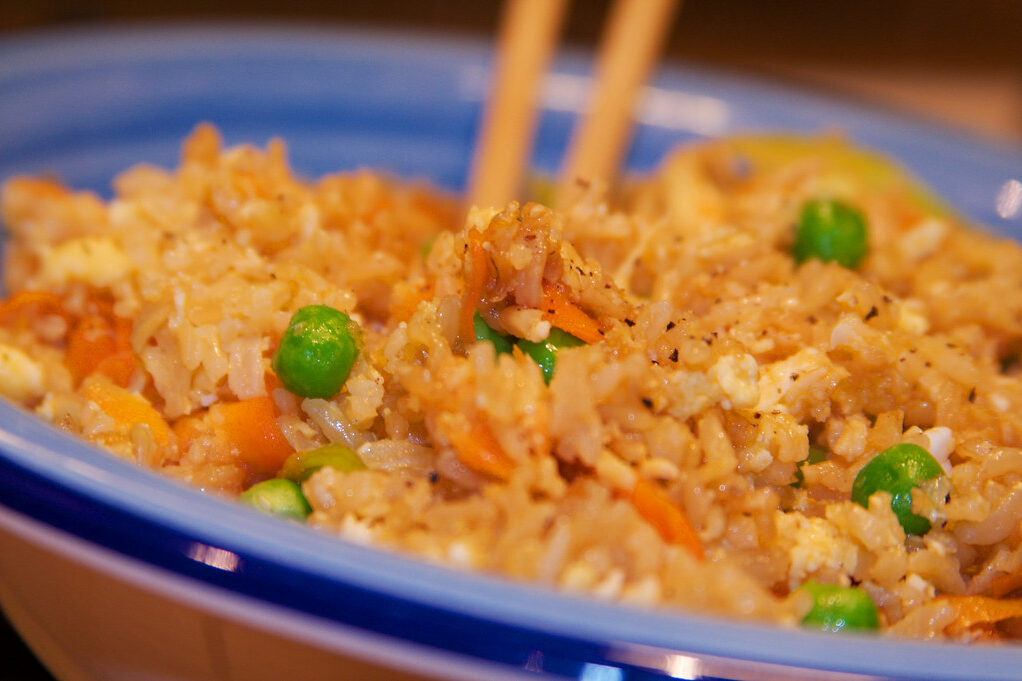
Rice often acted as the base for a meal built from leftovers. A pot of rice stretched small portions of vegetables, meat, or beans into something substantial. Soy sauce or butter sometimes tied everything together. The dish changed depending on what needed to be used.
Families valued rice because it could feed several people without costing much. Even a small amount of leftover chicken could flavor the whole pan. Many households ended up creating their own version of fried rice without realizing it. The meal rarely looked the same twice. That flexibility made it incredibly practical.
12. Tomato Soup and Toast
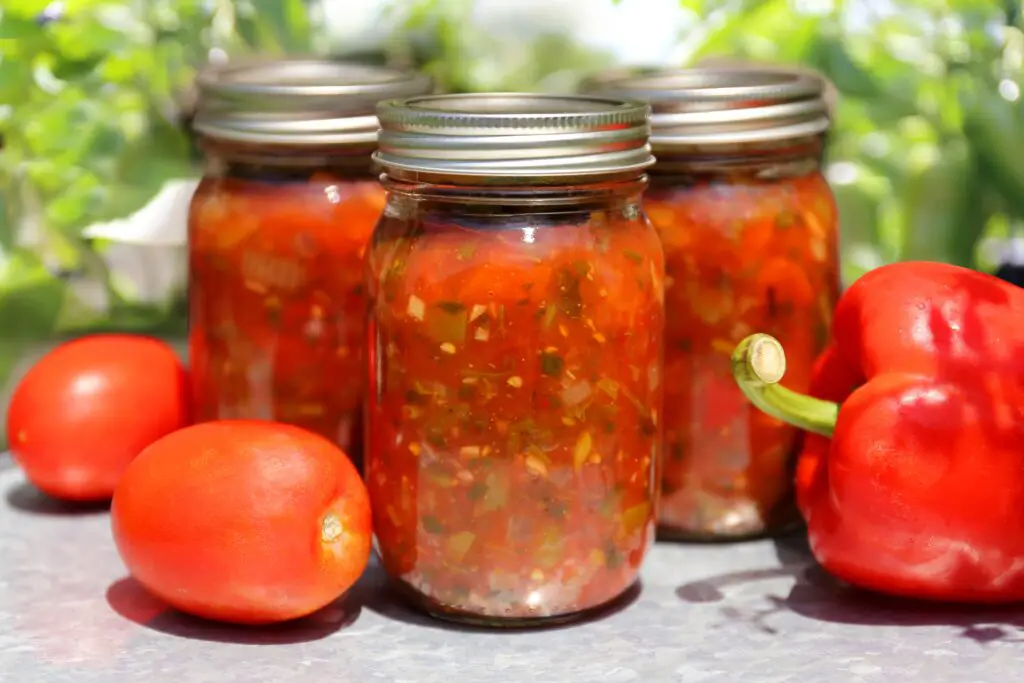
A can of tomato soup paired with toast became a fallback meal in countless homes. It required little effort but still felt warm and comforting. Families often made it on days when the fridge looked nearly empty. A grilled cheese sandwich sometimes joined the bowl if bread and cheese were available.
The sweetness of the soup and the crunch of toast created a familiar combination. Children often remembered dipping their toast directly into the bowl. It was simple but satisfying, especially on colder evenings. Parents appreciated how quickly it came together. It proved that dinner didn’t need to be complicated.
13. Cornbread and Milk
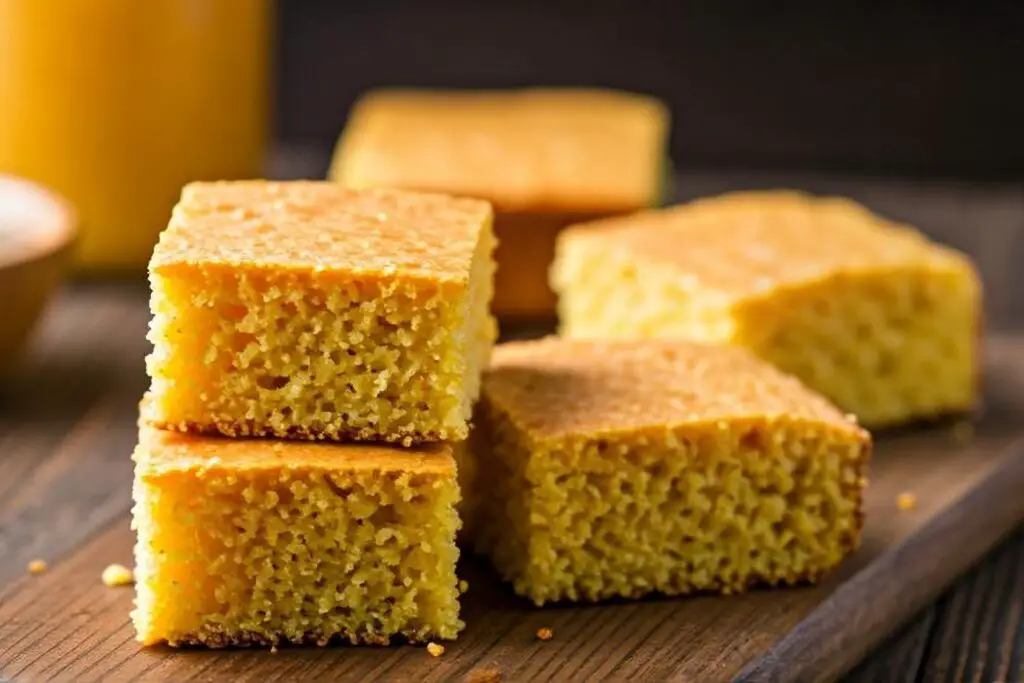
Cornbread and milk might sound unusual to people who didn’t grow up with it. In many homes, leftover cornbread was crumbled into a bowl and covered with milk. The bread softened and soaked up the liquid. Sometimes a little sugar was sprinkled on top.
The dish appeared often when nothing else needed cooking. It was quick, inexpensive, and filling enough to quiet hungry kids. Older generations especially remembered it from rural households. What started as a practical use for leftover cornbread turned into a comfort food. Even now, some people make it purely for the nostalgia.
14. Noodle Butter Bowl
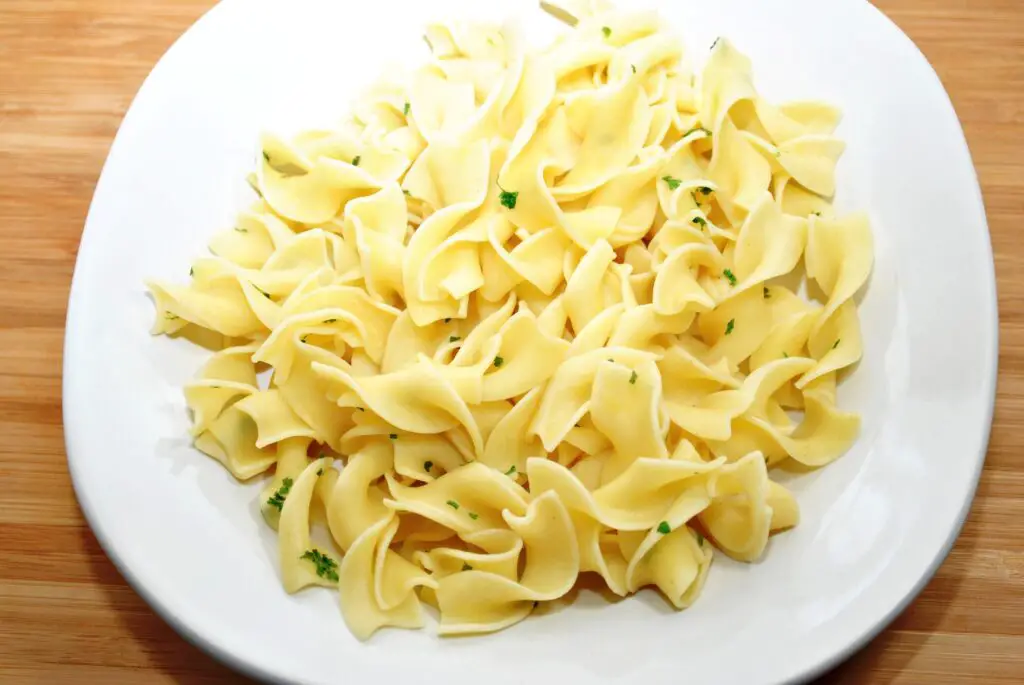
Sometimes dinner really was as simple as noodles and butter. A box of pasta could stretch into several servings when the pantry felt bare. Melted butter and a little salt gave it flavor without requiring anything extra. Parmesan cheese sometimes joined if it was available.
This meal was especially common in households with children. It was mild, easy to prepare, and filled everyone up. Parents appreciated how inexpensive it was when money was tight. Kids often asked for it even when other options existed. The simplicity was part of its charm.
15. Leftover Casserole Remix
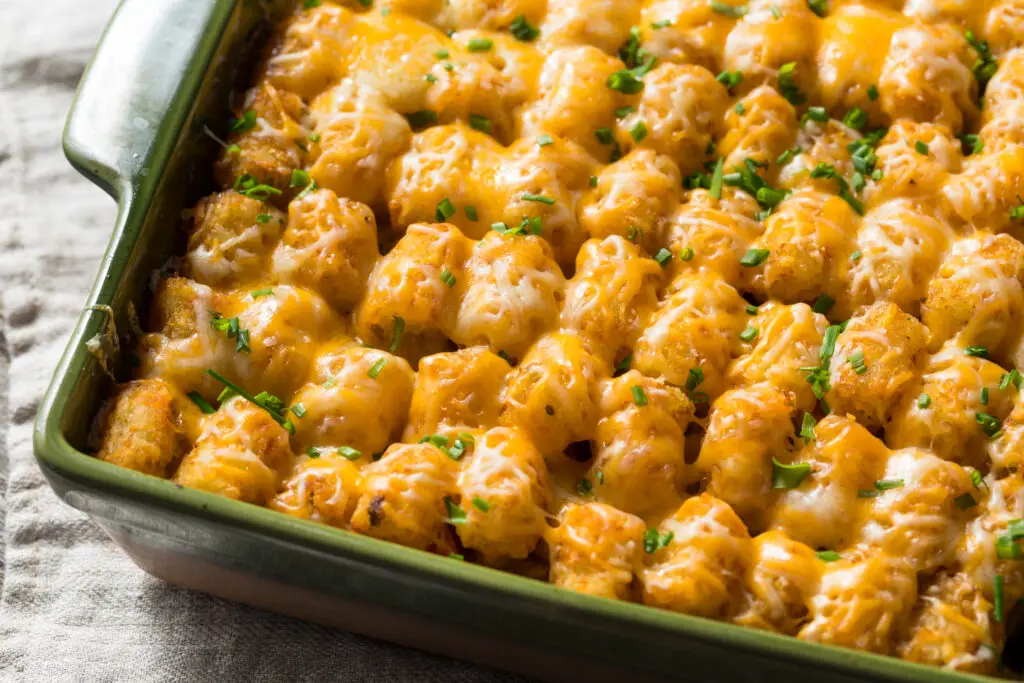
Casseroles were famous for hiding leftovers in plain sight. Bits of meat, vegetables, and pasta could all disappear into one baking dish. A can of soup or a simple sauce tied everything together. After baking, it looked like a completely new meal.
Families relied on casseroles to stretch ingredients for another night. The oven did most of the work once everything was combined. Kids sometimes tried to guess what leftovers were inside. Despite its improvised beginnings, the result often tasted better than expected. It became one of the most reliable “nothing gets wasted” dinners around.