
1. Creamed Chipped Beef on Toast
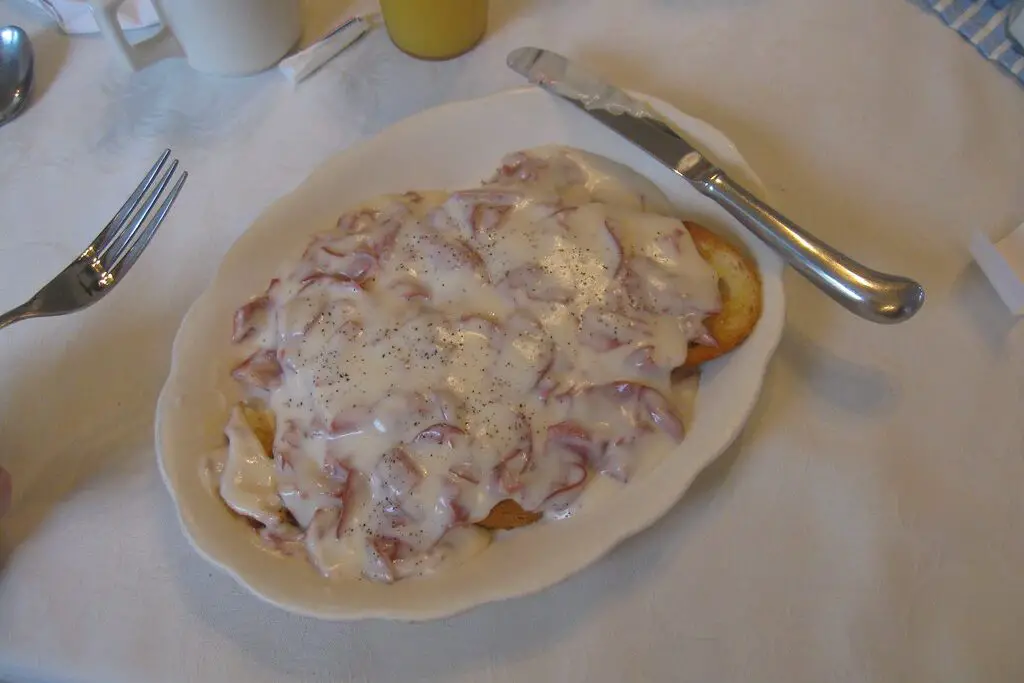
There was a time when a jar of dried beef and a little flour could stretch into dinner for everyone. Creamed chipped beef on toast was salty, creamy, and filling in a way that made you forget how little it actually cost. It came together with butter, milk, and whatever bread was on hand, usually toasted just enough to hold the sauce. Parents could feed a table of hungry kids without touching the meat budget in a serious way. The smell alone felt comforting on a tight night.
It was often served for dinner even though it looked like breakfast. Nobody complained because it was warm and familiar. The sauce covered up any imperfections, including bread that was nearing its last day. Families passed the recipe down not because it was fancy, but because it worked. Even now, some people make it purely for the nostalgia.
2. Tomato Soup with Saltine Crackers
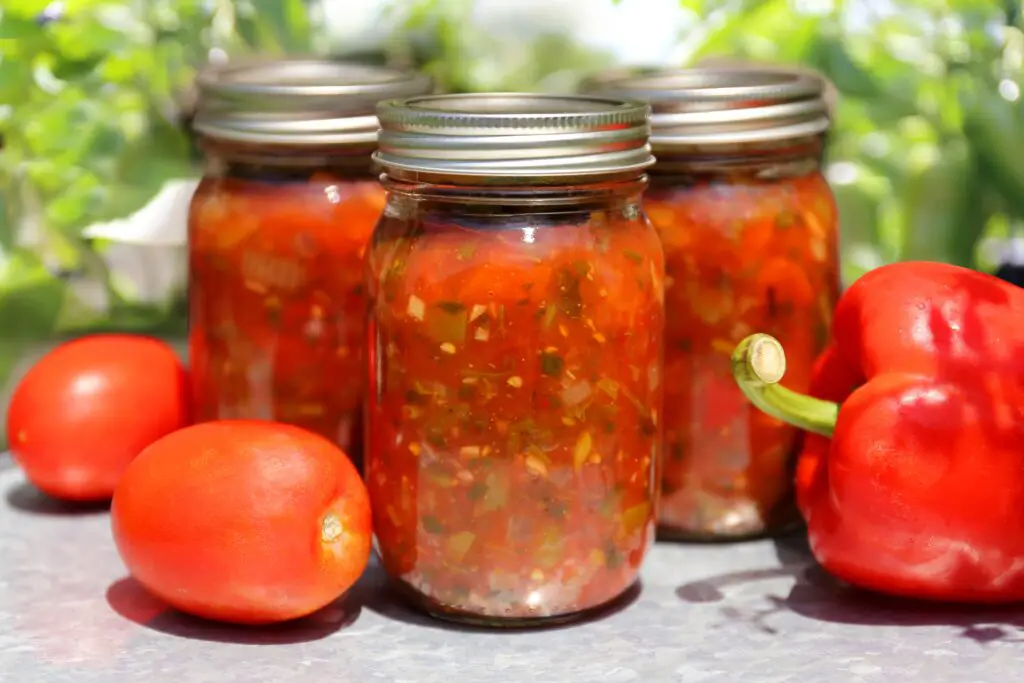
When money was thin, a can of tomato soup could feel like a lifeline. Diluted just right and paired with a sleeve of saltines, it became a meal instead of a side. Some families added a splash of milk to make it richer, others left it simple. It was quick, cheap, and required almost nothing from the pantry.
Crackers were crushed on top or dipped carefully to make them last. Kids learned to stretch each bowl by eating slowly. On especially lean weeks, that soup might show up more than once. It felt humble but dependable. Decades later, it still tastes like perseverance.
3. Fried Potatoes and Onions
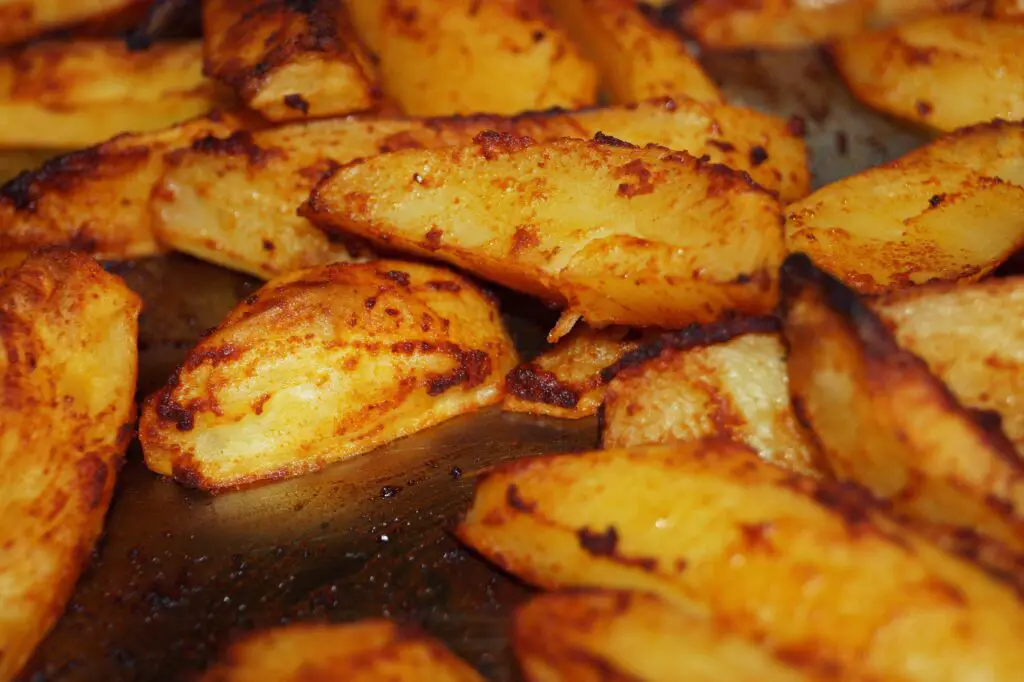
A bag of potatoes could carry a family through days of uncertainty. Sliced thin and fried with onions, they turned into something that felt hearty and complete. The edges crisped up in a cast iron pan, creating texture from the simplest ingredients. Sometimes a single slice of bacon flavored the whole batch.
It was the kind of meal that filled the kitchen with a comforting aroma. Served with ketchup or just salt and pepper, it satisfied everyone at the table. Potatoes were affordable, versatile, and reliable. Families knew they could count on them. Even today, that combination still feels like a small triumph.
4. Tuna Noodle Casserole
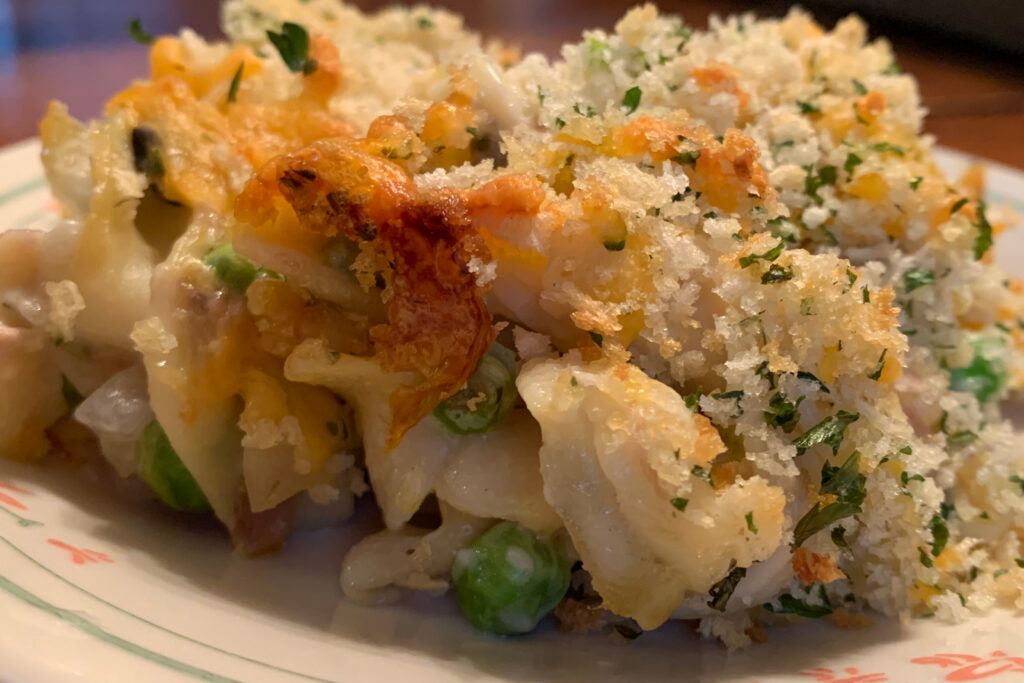
A can of tuna and a bag of egg noodles were enough to feed a crowd. Mixed with a can of condensed soup and baked together, it became a dish that felt substantial. Crushed crackers or breadcrumbs on top made it seem almost celebratory. It used pantry staples that most families already had.
Leftovers were common and welcome. It reheated well, which mattered when stretching meals across days. The casserole dish itself became part of the ritual. It was economical but never felt like a sacrifice. For many, it remains a symbol of resourcefulness.
5. Beans and Cornbread
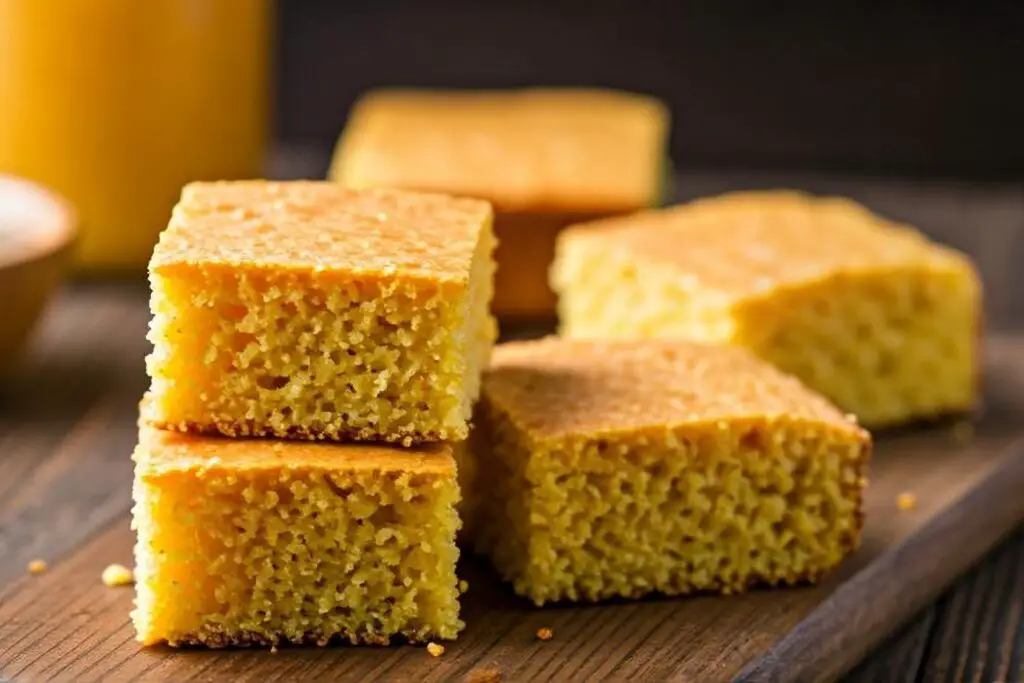
Dried beans simmered for hours could feed an entire household. Paired with homemade cornbread, they became both dinner and next day’s lunch. Beans were inexpensive, especially when bought in bulk. A little seasoning went a long way.
Cornbread used simple ingredients like cornmeal, flour, and milk. It filled in the gaps and made the meal feel complete. Families often added whatever scraps they had for flavor. The pot on the stove felt reassuring. This was survival cooking at its most practical.
6. Pancakes for Dinner

When the fridge looked empty, pancakes stepped in. Flour, eggs, and milk were often the last things to run out. A stack of pancakes felt generous even when the pantry was bare. Syrup might be replaced with sugar or jam if needed.
Kids usually loved breakfast for dinner. It turned a tight situation into something playful. Parents appreciated how affordable and fast it was. The griddle did most of the work. Even lean nights could end sweetly.
7. Cabbage and Sausage

A head of cabbage could stretch farther than most vegetables. Cooked down with a small amount of sausage, it turned into a filling skillet meal. The cabbage absorbed all the flavor, making a little meat go a long way. It was affordable and surprisingly satisfying.
Leftovers tasted even better the next day. Families appreciated how inexpensive cabbage was year round. The dish required minimal seasoning to taste complete. It warmed the house and the people inside it. Many still make it out of habit.
8. Rice with Whatever Was Left
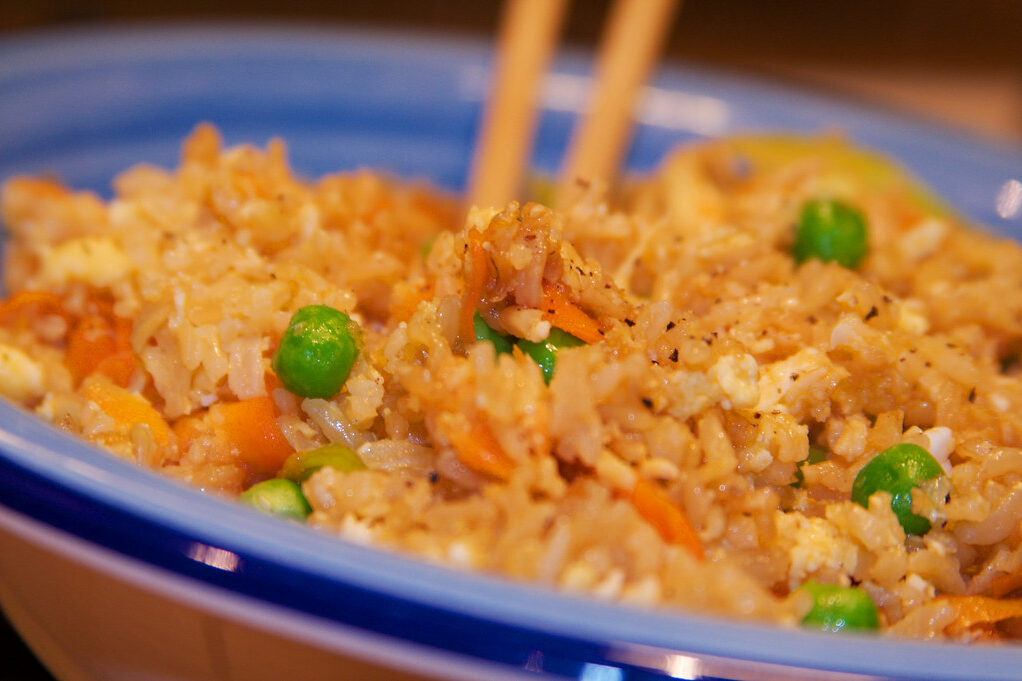
Rice was the ultimate extender. A single cup could multiply into several servings. Mixed with leftover vegetables, scraps of meat, or just soy sauce, it became dinner. It absorbed flavors and made small portions feel bigger.
Families treated it like a blank canvas. Nothing went to waste when rice was available. Even odds and ends from the fridge found new purpose. It was economical and adaptable. For many households, it was essential.
9. Macaroni and Tomatoes
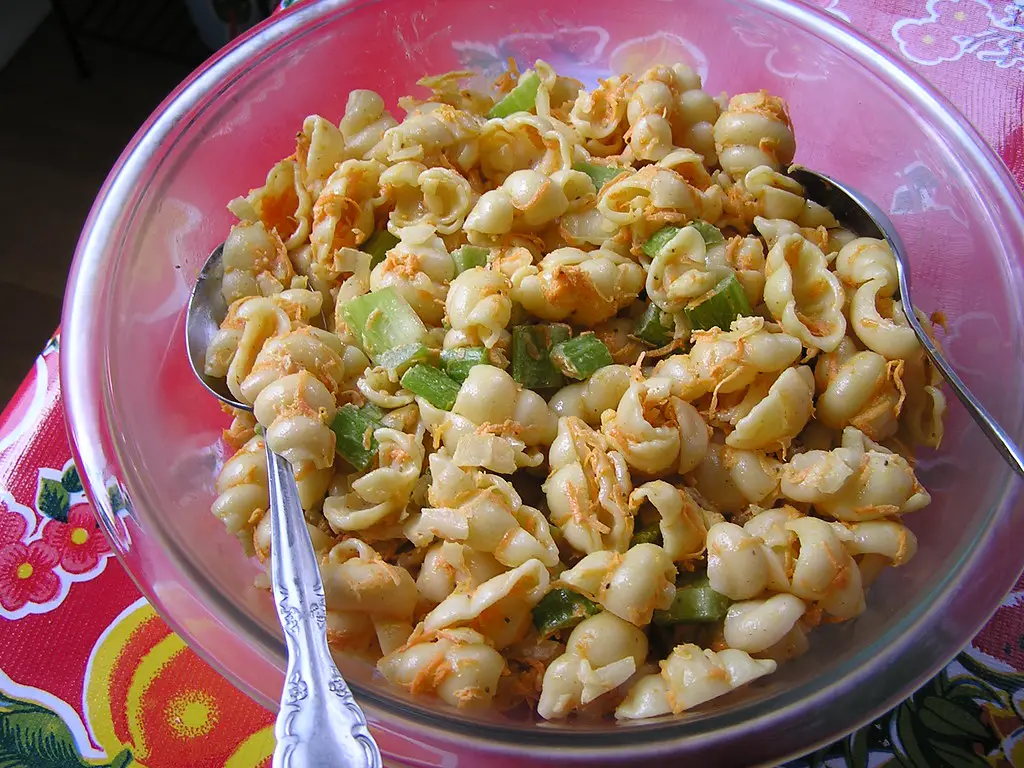
A box of macaroni combined with canned tomatoes made a surprisingly comforting bowl. It required little more than salt, pepper, and perhaps a knob of butter. The acidity of the tomatoes balanced the starch. It was cheap but deeply satisfying.
Some families added cheese when they could afford it. Others kept it simple and stretched it across multiple meals. It cooked quickly, which helped on busy evenings. The ingredients were shelf stable. It remains a quiet classic in many homes.
10. Peanut Butter Sandwiches and Milk
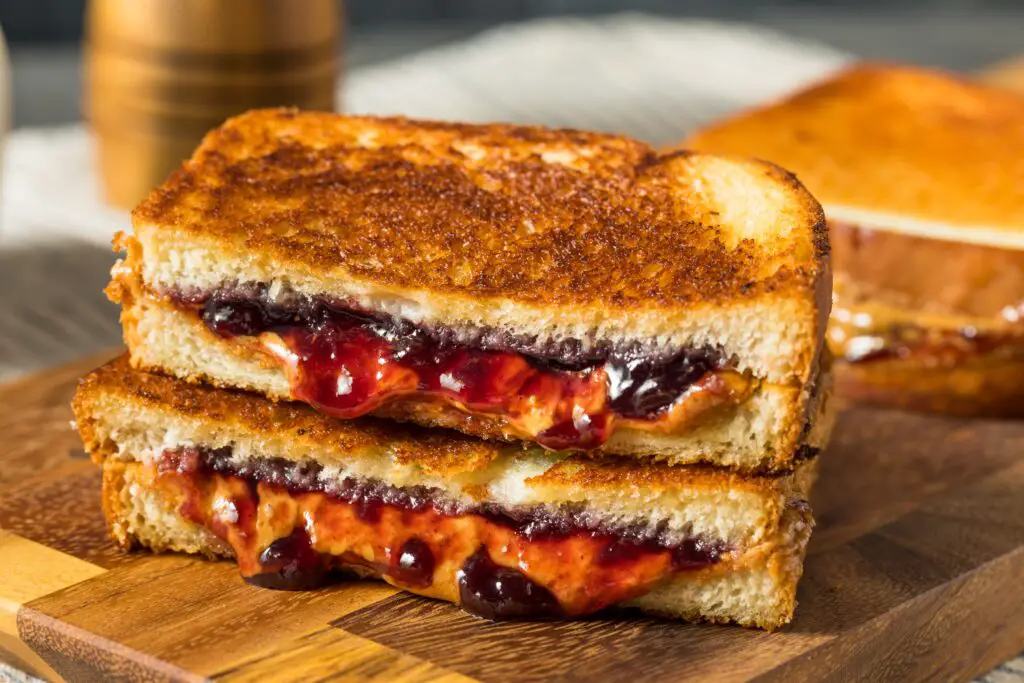
There were nights when cooking simply did not happen. Peanut butter sandwiches were filling, protein rich, and inexpensive. Paired with a glass of milk, they counted as dinner. Bread and peanut butter were staples for a reason.
Kids rarely objected. The simplicity made cleanup easy. It was the kind of meal that acknowledged reality without fuss. Parents knew it would hold everyone over. Sometimes practicality mattered more than presentation.
11. Shepherd’s Pie from Leftovers
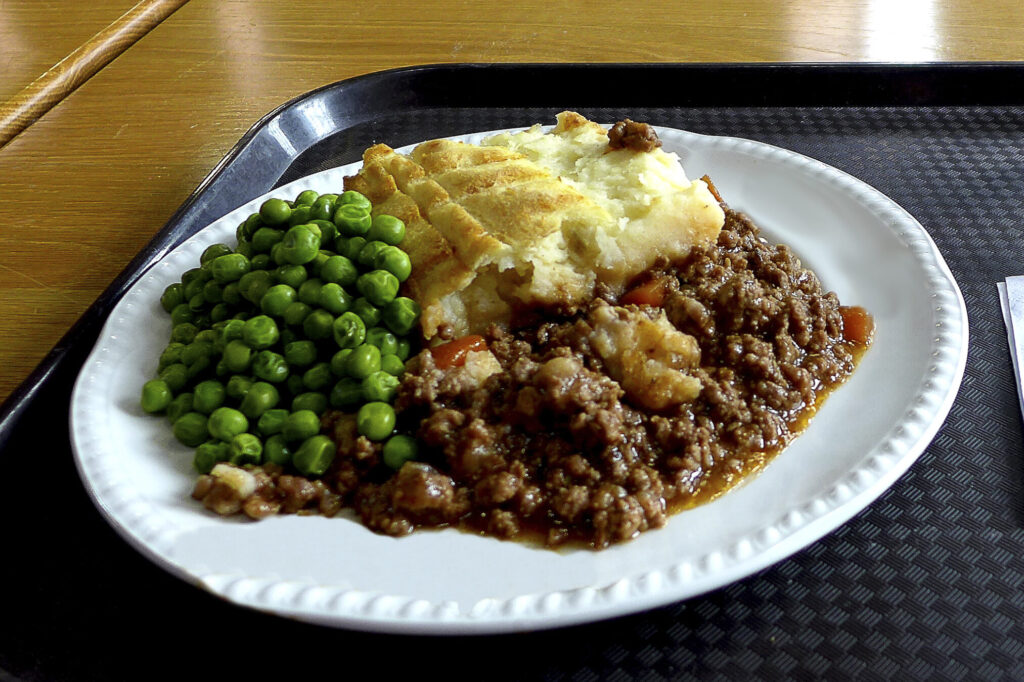
Leftover meat and vegetables found new life under mashed potatoes. Shepherd’s pie was an efficient way to disguise repetition. It looked intentional even when it was improvised. The mashed topping made it feel substantial.
It used up odds and ends that might otherwise go unused. Baking everything together created a cohesive dish. Families appreciated how forgiving it was. Almost anything could go inside. It turned scarcity into comfort.
12. Scrambled Eggs and Toast
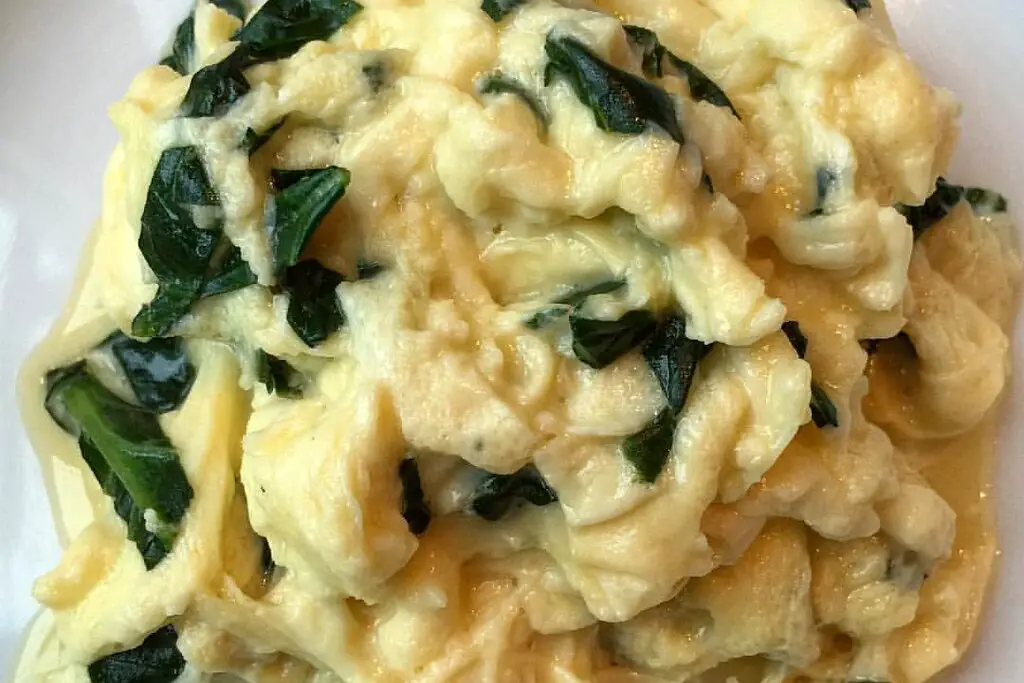
Eggs were often one of the cheapest proteins available. Scrambled with a little butter and served with toast, they made a quick meal. It required almost no preparation. Even inexperienced cooks could manage it.
Toast helped stretch the eggs further. Some families added ketchup or hot sauce for variety. It felt simple but nourishing. Breakfast foods saved many dinners. They still do.
13. Ramen with Add-Ins
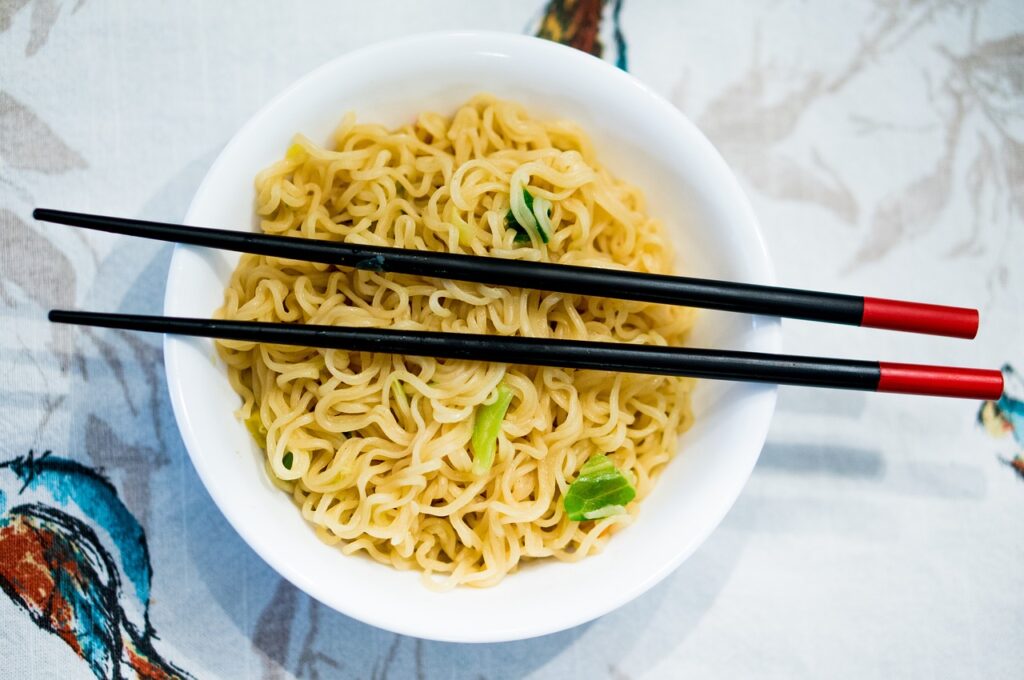
Instant noodles became a standby once they appeared in stores. A packet cost very little and cooked in minutes. Families dressed it up with frozen vegetables or a cracked egg. The broth made it feel complete.
It was inexpensive and filling. Kids often enjoyed the novelty. Parents appreciated the cost. It could feed several people with small additions. It remains a symbol of making do.
14. Grilled Cheese and Tomato Slices
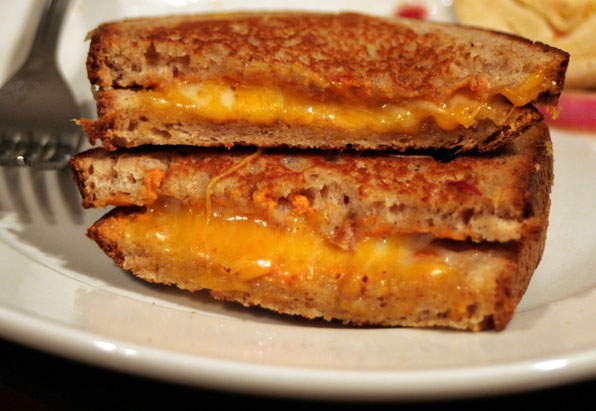
Bread and a few slices of cheese could solve dinner quickly. Grilled in a pan until crisp, it felt indulgent despite its low cost. Tomato slices on the side added freshness. It required only basic ingredients.
The crunch and melted center made it satisfying. Even a single slice of cheese could be split between sandwiches. Families leaned on it when budgets tightened. It was reliable and comforting. Sometimes that was enough.
15. Potato Soup
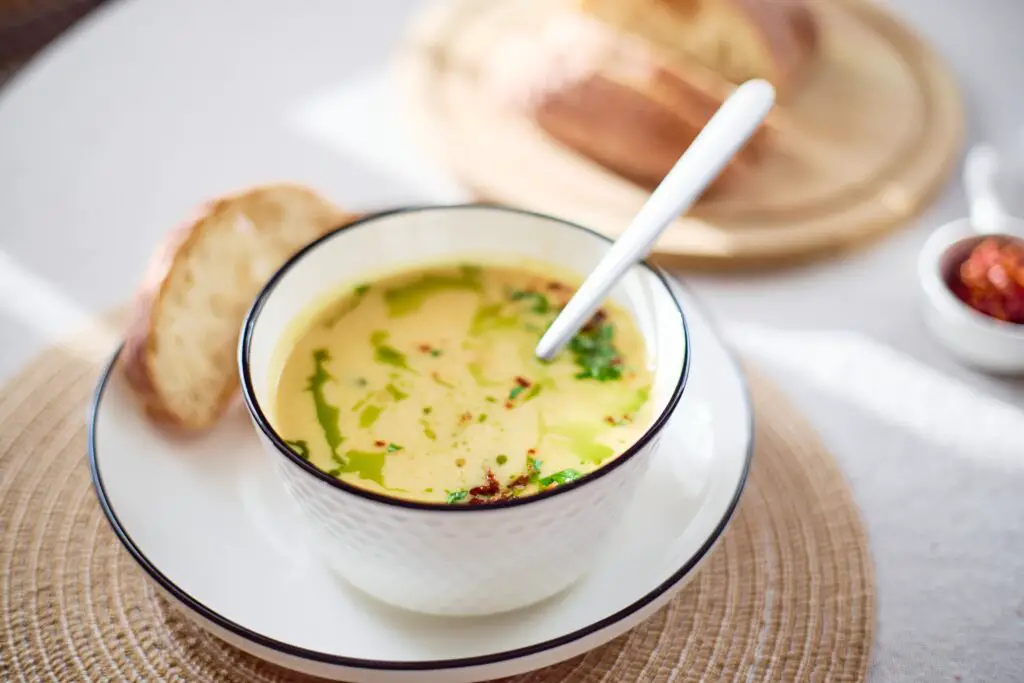
When little else was available, potatoes turned into soup. Simmered with onions and milk, they created a creamy bowl that filled everyone up. It required minimal seasoning. A large pot could last for days.
Some families added bacon bits when possible. Others kept it simple and plain. It warmed both stomachs and spirits. Potatoes were inexpensive and dependable. In hard times, they carried families through.