
1. Beans on Toast
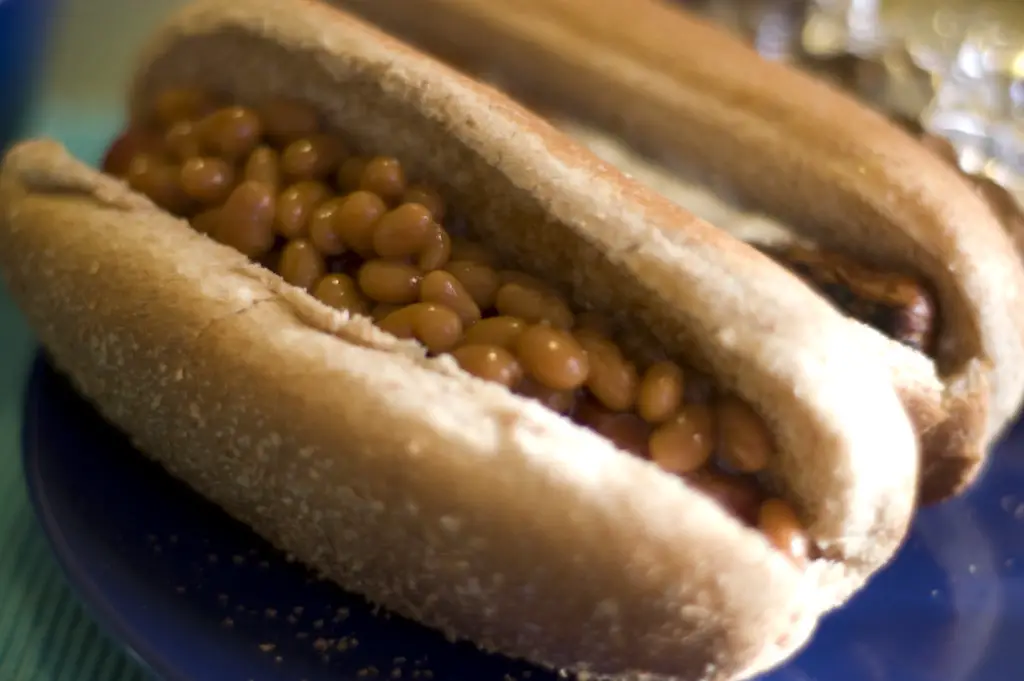
There was always a can of baked beans lurking in the pantry, and when money was tight, it suddenly became dinner. Someone would toast up a few slices of bread, spoon the beans on top, and call it a meal with a straight face. It wasn’t fancy, but it was hot, filling, and oddly comforting after a long day. Kids usually drowned it in ketchup or sprinkled on whatever cheese was left in the fridge. The smell alone signaled that the grocery run was overdue. Somehow, that sweet, saucy bite felt better than it had any right to. It was the kind of meal you ate in front of the TV without plates if things were really dire. Years later, it still carries a strange nostalgia.
It also taught a quiet lesson about making do with what you had. Bread and beans were cheap, shelf stable, and nearly always available. Parents leaned into its simplicity, reminding everyone that tomorrow’s paycheck would fix everything. You learned that hunger didn’t need gourmet solutions to disappear. Even now, some people secretly crave it when they need comfort food. It’s a reminder that simple doesn’t have to mean miserable. There’s a reason it keeps showing up in tight weeks. It’s survival food that somehow feels like a treat.
2. Buttered Noodles
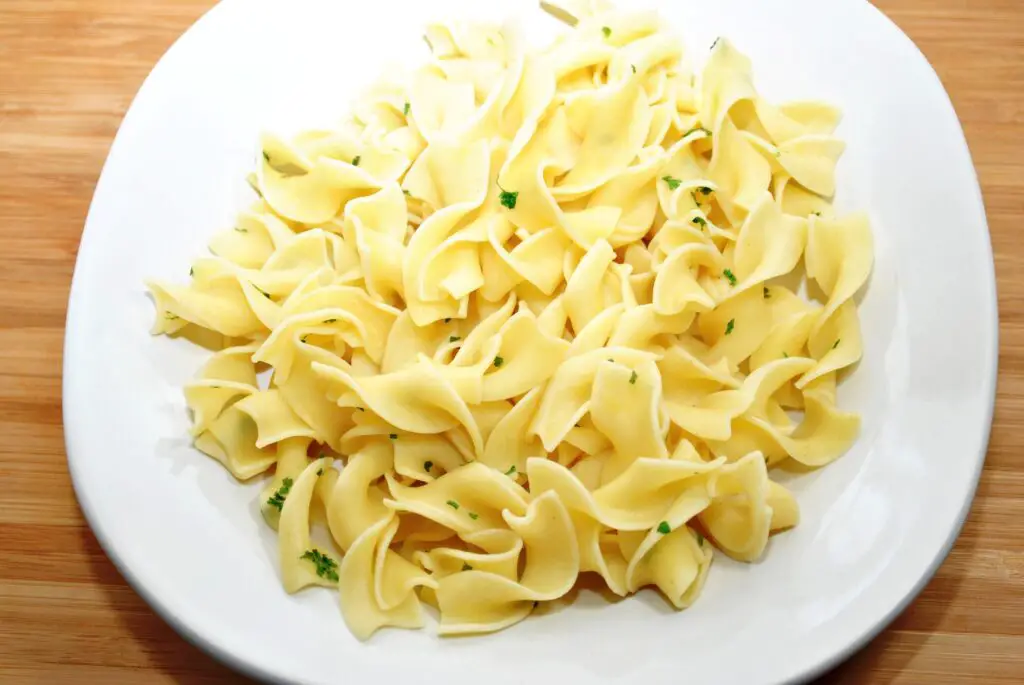
When the pantry looked bleak, pasta usually rode in to save the day. A box of noodles, a little butter, and maybe a sprinkle of salt suddenly became a full dinner. It came together in under ten minutes, which made exhausted parents very happy. Some families added garlic powder or shaky Parmesan if there was any left. Kids loved it because it tasted familiar and comforting, even when nothing else in the fridge made sense. It filled bellies without much effort or cost. You could eat it straight from the pot if dishes were being rationed too. It was cozy food without any pretension.
Buttered noodles also taught creativity in small ways. If there was leftover broccoli or a stray hot dog, it might get tossed in to stretch the portion. Everyone learned to appreciate how far a dollar could really go. It wasn’t glamorous, but it was dependable. Even picky eaters usually approved, which avoided extra battles at the table. It quietly became a memory tied to lean weeks and late paychecks. Many adults still make it when they’re tired or stressed. It’s proof that comfort doesn’t always come in complicated recipes.
3. Rice and Fried Eggs
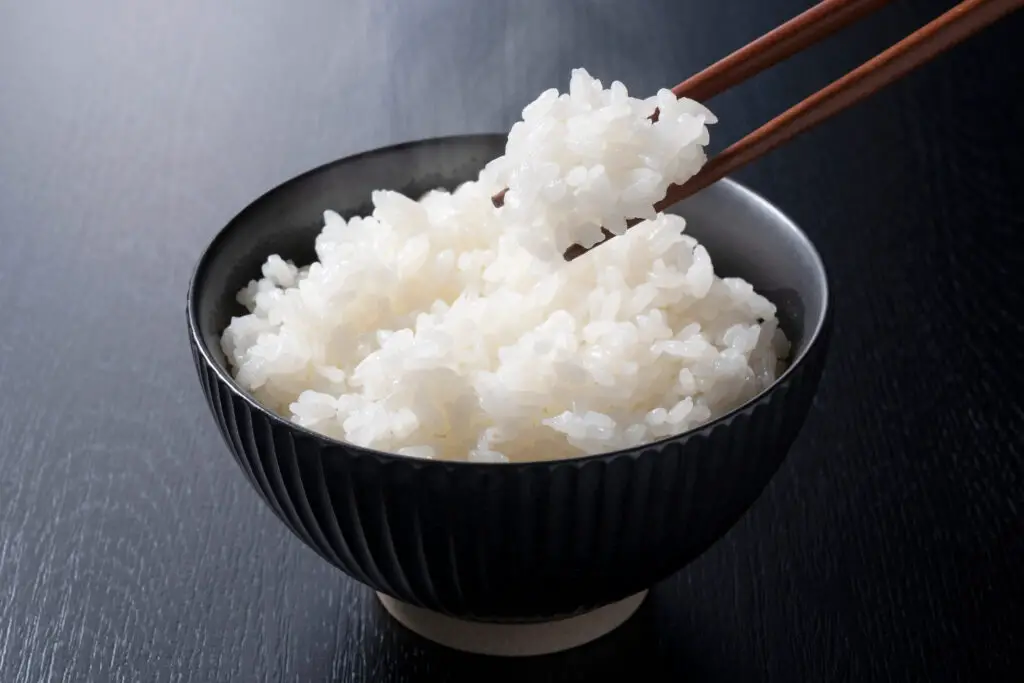
Rice stretched forever in most kitchens, making it a reliable safety net. When money ran out, someone would fry a few eggs and pile them over warm rice. The yolk would soak into the grains and suddenly the bowl felt rich and filling. A splash of soy sauce or salt gave it just enough flavor to feel intentional. It worked for breakfast, lunch, or dinner without anyone questioning it. You could make a lot of servings with very little effort. It was warm, satisfying, and surprisingly comforting. Even kids who claimed they hated eggs usually ate it without complaint.
This meal quietly introduced balance and protein without anyone labeling it as healthy. Parents liked that it was cheap but still nourishing. It also made kids feel like they were getting something special because eggs felt like real food, not struggle food. Over time, people learned to customize it with whatever was lying around. Leftover vegetables or a dab of butter could change the whole experience. It became a flexible fallback rather than a last resort. Many adults still rely on it during busy weeks. It’s one of those meals that sticks with you in the best way.
4. Grilled Cheese and Tomato Soup

This duo felt almost luxurious even when the fridge was nearly empty. Bread, a little cheese, and a can of tomato soup could magically become comfort on a plate. The sizzle of butter in the pan made it feel like something special was happening. Kids loved dunking the sandwich into the soup, turning dinner into an activity. It felt warm and cozy on cold nights when the heat might be turned down to save money. Even small portions felt satisfying because of the richness. It was familiar, dependable, and soothing. Somehow it never felt like a compromise.
Parents appreciated how predictable it was, both in cost and in cleanup. You could feed a whole family without blowing the budget. It also felt like a proper sit-down meal, which mattered emotionally during lean times. There was comfort in pretending everything was normal for a little while. It created memories that stuck far longer than the grocery stress. Many people still crave it when they need emotional grounding. It’s one of those meals that carries warmth beyond the plate. The simplicity is part of its magic.
5. Hot Dog and Potato Hash

When there were a few potatoes and a pack of hot dogs left, dinner practically made itself. Everything got chopped up and tossed into a skillet until crispy and golden. The smell filled the kitchen and made it feel like something hearty was coming. It was salty, filling, and perfect for hungry kids coming in from playing outside. Ketchup usually made a generous appearance. It felt like diner food even though it cost almost nothing. You could stretch a small amount of meat across several plates. Nobody left the table hungry.
This dish also taught kids how leftovers could be reinvented. It wasn’t about perfection, it was about getting creative. Parents liked that it used ingredients that might otherwise go bad. The crisp edges made it feel indulgent despite its humble roots. It also encouraged everyone to eat together instead of snacking separately. Over time, it became a comfort meal tied to childhood kitchens. Many adults still recreate it when they’re feeling nostalgic. It’s a reminder that hearty doesn’t have to be expensive.
6. Peanut Butter Sandwiches for Dinner
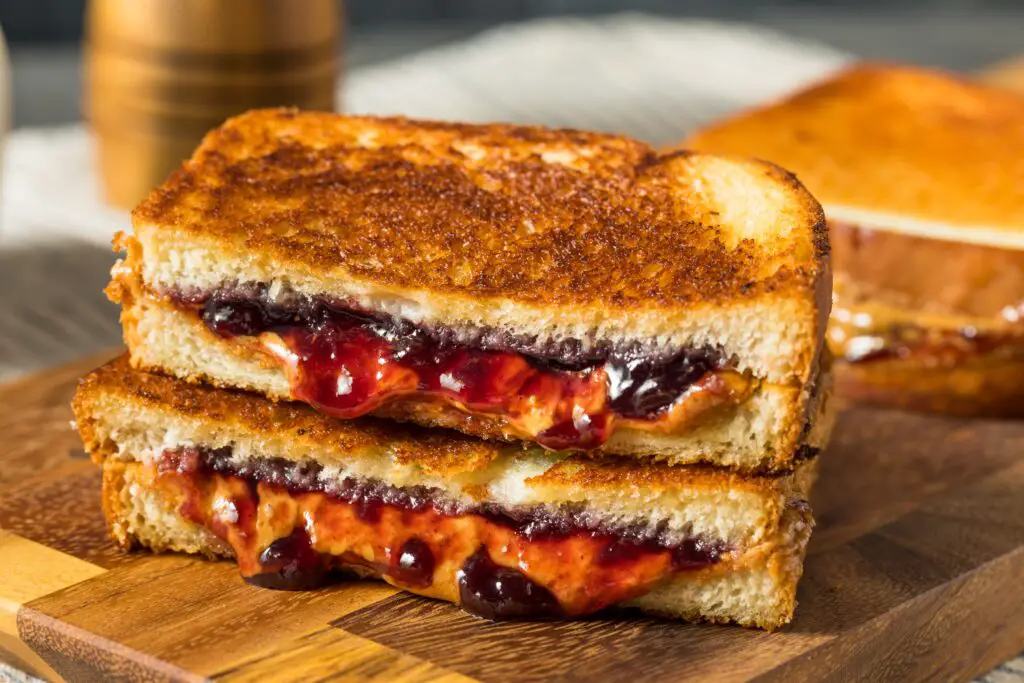
Sometimes dinner was as simple as grabbing the bread and the peanut butter. When grocery money ran out, sandwiches became the entire plan. Kids rarely complained because peanut butter felt like a treat. It was filling enough to get everyone through the night. Milk or water usually rounded out the plate. It required zero cooking, which was a blessing on exhausted evenings. You could make several quickly and keep everyone satisfied. It felt casual but comforting.
Parents knew it wasn’t glamorous, but it worked. Protein and calories mattered more than presentation. It also showed kids that meals didn’t always have to look traditional. Sometimes survival food was just easy food. There was something comforting about the familiar flavor and texture. Many adults still reach for it when they don’t feel like cooking. It carries a sense of simplicity and security. It’s proof that sometimes the easiest solution really is the best.
7. Canned Soup with Crackers
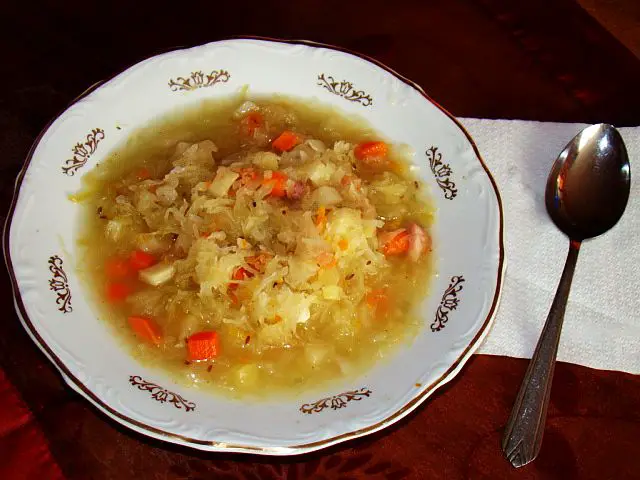
A few cans of soup could feel like treasure when the cupboards were bare. Tomato, chicken noodle, or vegetable all suddenly became dinner. Crackers added crunch and helped stretch each bowl. The warmth made everything feel calmer, especially on chilly nights. It was quick, inexpensive, and easy to portion. Kids liked crushing crackers into the bowl like a ritual. Even small servings felt filling when paired with bread or crackers. It was predictable in a comforting way.
Parents liked that it required almost no prep or cleanup. It allowed them to serve something hot without stress. The routine of heating soup felt grounding when money worries were loud. It also made everyone slow down and sit together for a moment. Many people still associate canned soup with comfort and safety. It’s one of those foods that quietly carried families through rough weeks. Even now, it feels soothing when life gets chaotic. Sometimes simplicity is exactly what you need.
8. Pancakes for Dinner

Breakfast for dinner always felt like a small rebellion. Pancake mix, or even a simple flour and egg batter, could feed a crowd cheaply. The smell alone lifted everyone’s mood. Syrup or jelly made it feel like a treat rather than a fallback. Kids loved that dinner felt playful and different. It filled stomachs without draining the wallet. Even plain pancakes tasted good when everyone was hungry. It felt like a mini celebration.
Parents appreciated how affordable and fast it was. It also avoided the stress of trying to invent something from scraps. Pancakes could stretch further than expected with just a little creativity. Leftovers could even become tomorrow’s breakfast. It blurred the line between necessity and fun. Many adults still love breakfast-for-dinner nights. It’s tied to comfort and flexibility. It shows how morale can matter just as much as nutrition.
9. Rice and Beans

Rice and beans have powered families through tight times for generations. The combination was cheap, filling, and surprisingly satisfying. A little seasoning could make it feel like a real dish rather than emergency food. It stretched easily across multiple meals. Kids learned to appreciate how hearty it could be. It kept everyone full without needing meat. It was reliable and endlessly adaptable. You could always count on it.
Parents liked that it provided protein and energy without breaking the budget. It also encouraged kids to be less picky during lean weeks. Over time, it became a comfort staple rather than a symbol of struggle. Many families added whatever spices they had to change it up. It taught flexibility and gratitude without saying a word. Even today, it remains a dependable fallback. It’s one of those meals that quietly builds resilience. Simple ingredients can carry a lot of meaning.
10. Creamed Tuna on Toast
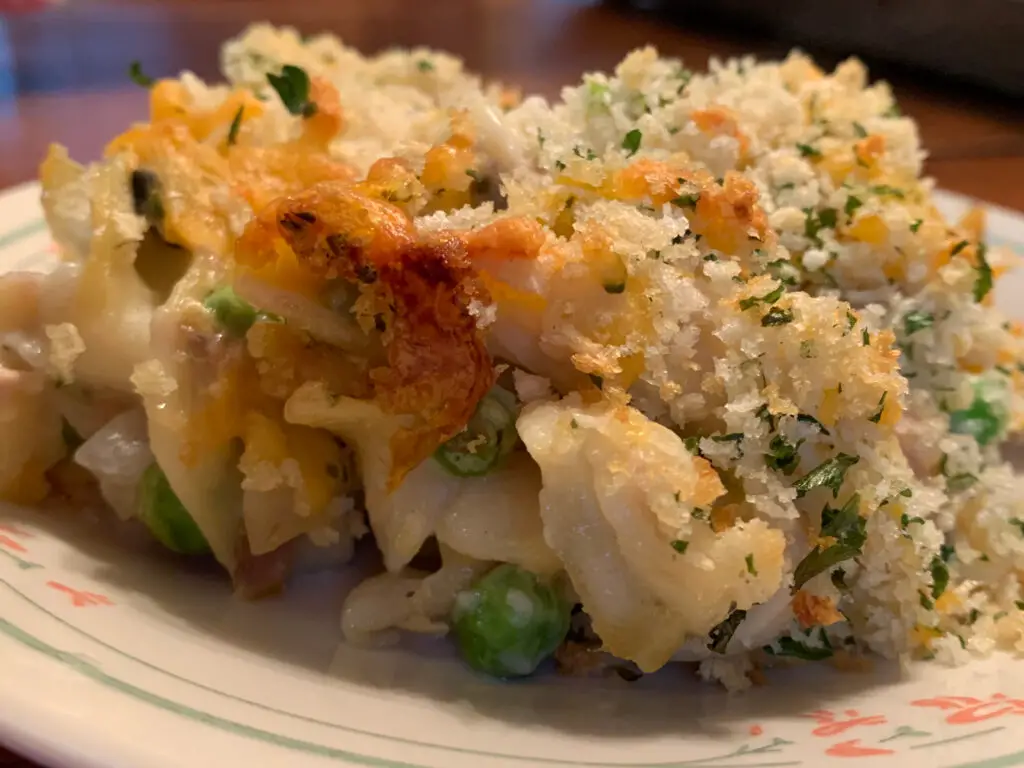
This was a classic stretch meal in many households. A can of tuna mixed into a simple white sauce could feed several people. Spoon it over toast and suddenly it felt like a real dinner. The warmth made it comforting, even if the smell was divisive. It was filling and surprisingly rich. Parents liked how far a single can could go. It required pantry basics rather than fresh groceries. It felt old-fashioned but dependable.
Kids sometimes needed convincing, but most ended up liking it. It filled you up fast and stuck with you. It also introduced the idea of turning one ingredient into many portions. Families leaned on it when paychecks were tight. Many adults now associate it with childhood kitchens and thrift. It’s not trendy, but it’s memorable. It carries a sense of practicality and resourcefulness. It’s proof that necessity often shapes tradition.
11. Baked Potatoes with Whatever Was Left
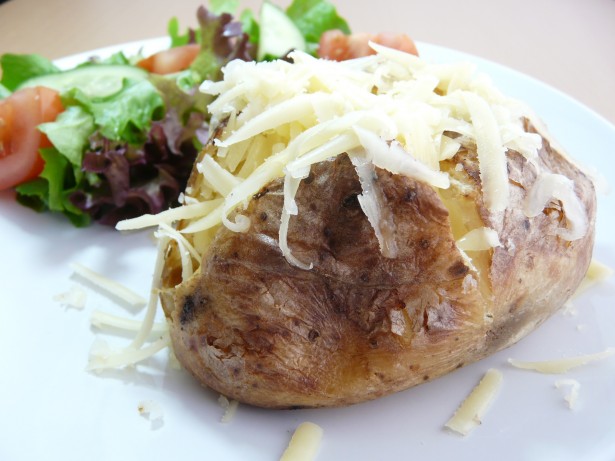
Potatoes could anchor a meal when nothing else was available. Bake them up and top them with whatever scraps remained in the fridge. Butter, a little cheese, or leftover chili suddenly felt exciting. Each person could customize their own, which made it feel interactive. It was filling and comforting, especially on cold evenings. Potatoes were cheap and always reliable. Even plain, they felt satisfying. It turned odds and ends into something cohesive.
Parents liked that it reduced waste while feeding everyone. It also made kids feel involved in their meal choices. The flexibility kept it from feeling repetitive. You learned to appreciate how versatile one ingredient could be. Many adults still rely on this trick when groceries run low. It’s practical and comforting at the same time. It carries the memory of stretching every dollar. Sometimes the simplest base ingredient saves the day.
12. Ramen with Added Eggs or Veggies
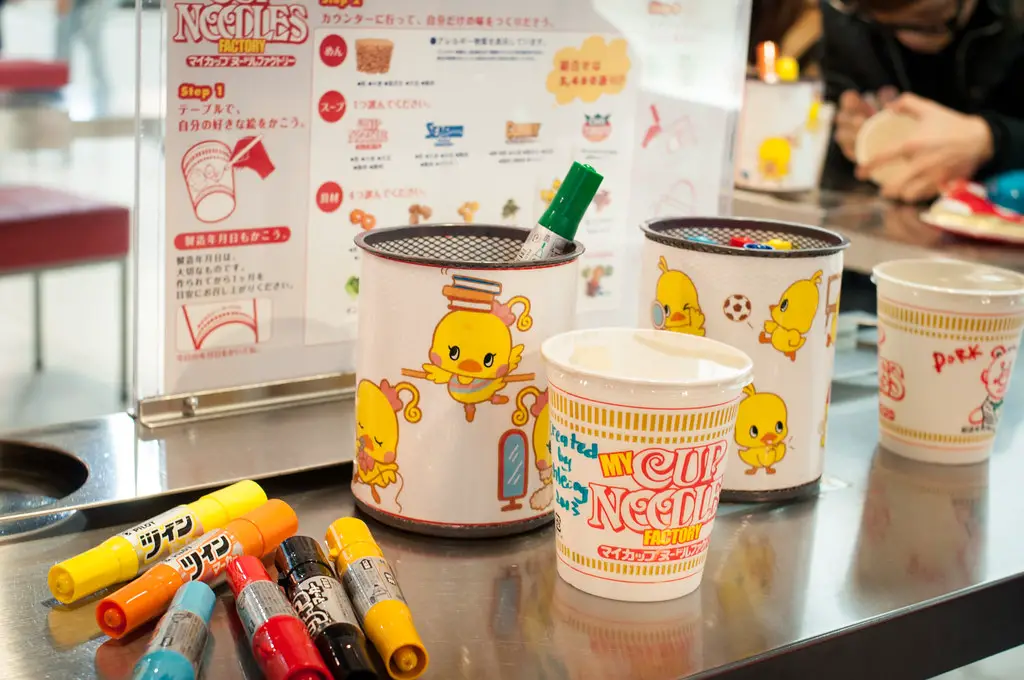
Ramen was the ultimate budget hero. A few packets could feed multiple people for very little money. Adding an egg or leftover vegetables made it feel more substantial. The salty broth was comforting and familiar. Kids loved customizing their bowls. It came together fast, which mattered on busy nights. Even small upgrades made it feel special. It felt like a treat despite its humble price.
Parents appreciated how affordable and versatile it was. It allowed them to stretch the grocery budget without sacrificing warmth and fullness. Over time, people learned to get creative with it. It became a gateway to experimenting with flavors. Many adults still keep ramen on hand for emergencies. It’s nostalgic and practical at the same time. It reminds people of resilience and creativity. Sometimes the cheapest food carries the strongest memories.
13. Cornbread and Canned Chili
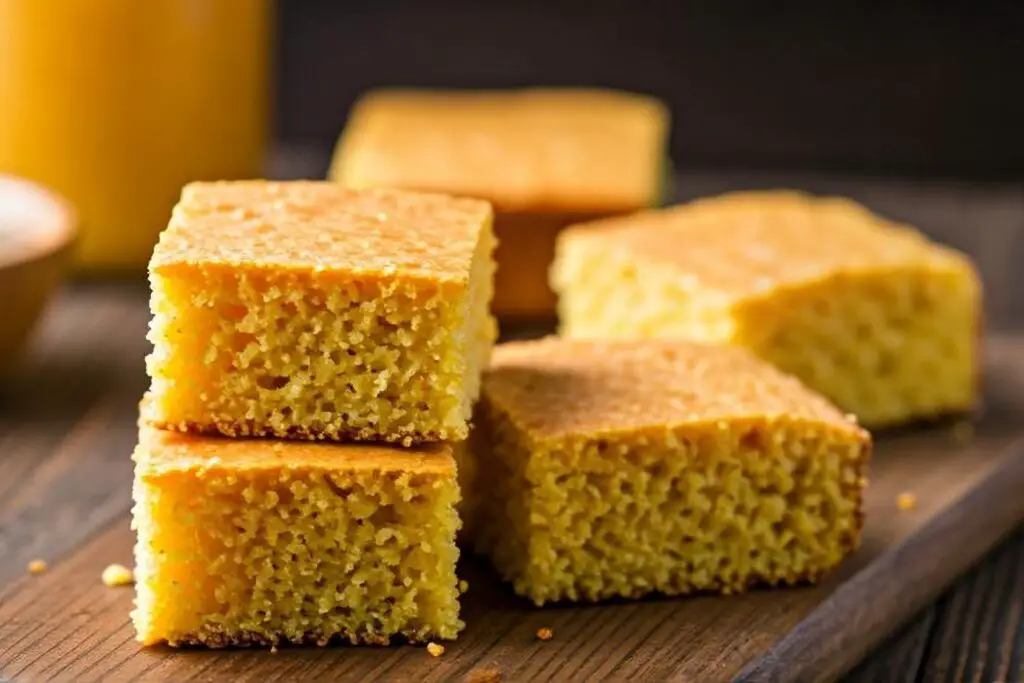
A pan of cornbread could stretch a small can of chili into a full meal. The combination was hearty, warm, and filling. It felt like comfort food even when budgets were tight. Kids loved crumbling cornbread into the chili. It made dinner feel intentional rather than improvised. The sweetness balanced the savory chili perfectly. It stuck to your ribs and kept hunger away. It felt like something you’d choose, not just settle for.
Parents liked that it could feed everyone without much expense. It also made the kitchen smell cozy and inviting. Leftovers often became lunch the next day. It created a sense of abundance even when money was scarce. Many adults still crave this pairing for comfort. It carries a sense of warmth and stability. It’s a reminder that smart combinations stretch far. Simple foods can feel generous when paired well.
14. Scrambled Eggs and Toast
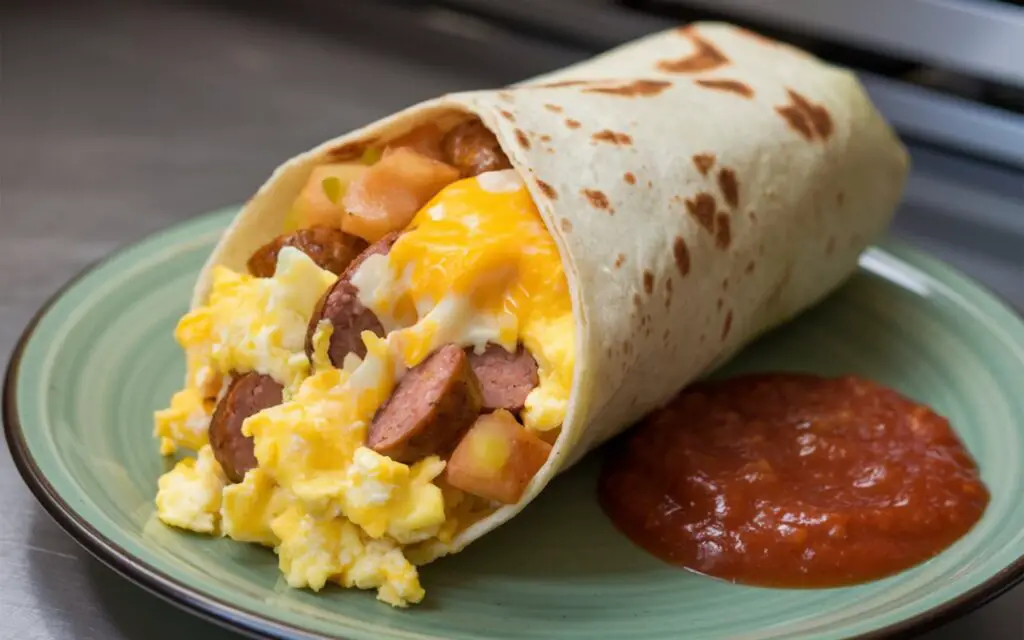
When the fridge looked empty, eggs often came to the rescue. Scrambled eggs and toast could feed everyone quickly and cheaply. It worked for any time of day without complaint. Butter and salt made it satisfying enough. Kids liked it because it felt familiar and safe. It filled stomachs without much cleanup. Even small portions felt substantial. It was a reliable fallback.
Parents appreciated its simplicity and affordability. It allowed them to serve something warm and nourishing without stress. It also taught kids that meals didn’t need to be complicated. Many adults still turn to it when groceries are low. It’s comforting in its predictability. It carries memories of simple family dinners. Sometimes the most basic meals leave the strongest impressions. It’s proof that food doesn’t have to be fancy to matter.