
1. Big Pot of Chili
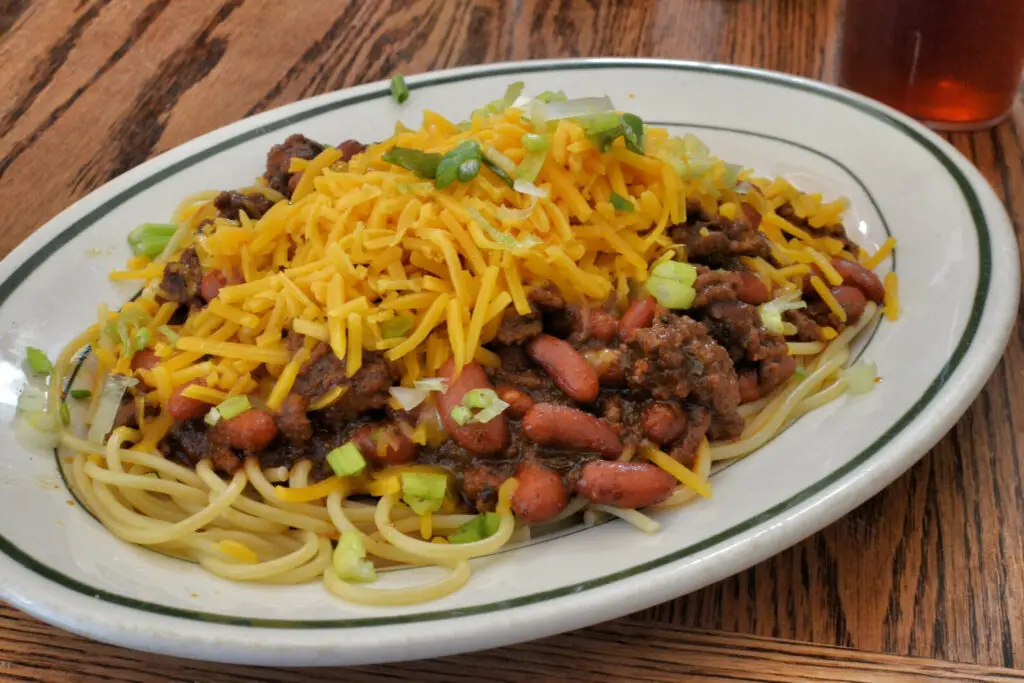
Chili was the classic answer when a family needed one pot to keep giving all week. It started as a hearty Sunday night dinner with ground beef, beans, and whatever spices were already in the cabinet. Nobody measured much, it was all done by feel and taste. The pot stayed on the back burner like a quiet promise that food was handled. Each bowl tasted a little different depending on how long it sat.
By midweek, chili showed up in creative disguises. It went over baked potatoes, got spooned onto hot dogs, or was tucked into tortillas. Someone always claimed it tasted better the second or third day. The leftovers stretched further than expected. By Friday, that pot had earned its keep.
2. Chicken and Rice
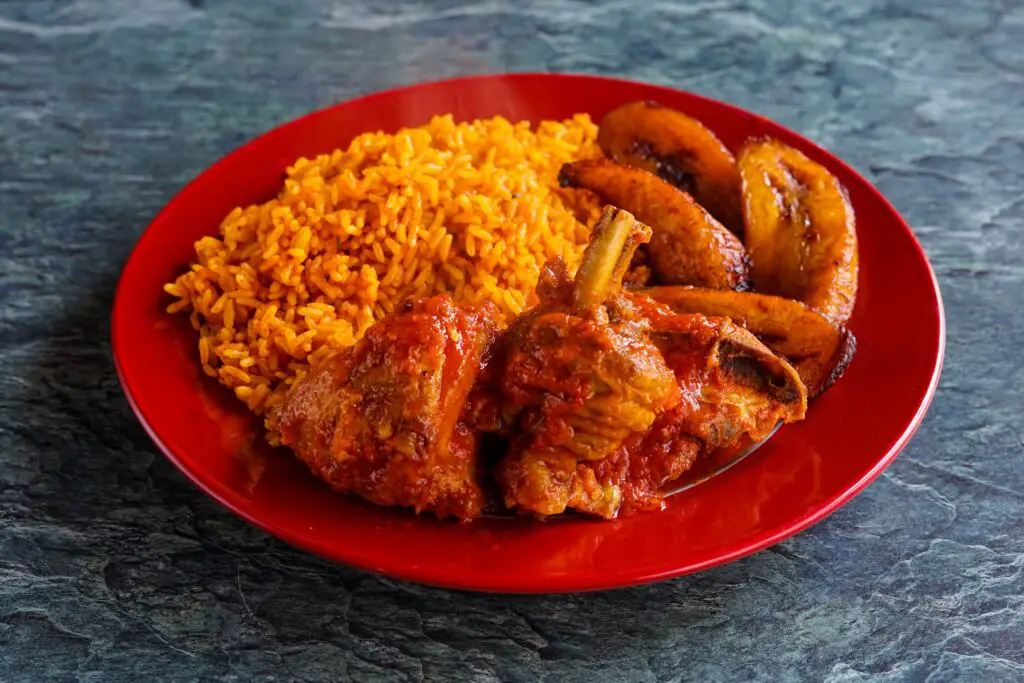
Chicken and rice felt practical, filling, and comforting without trying too hard. One whole chicken or a few thighs could flavor an entire pot. The rice soaked up everything, including time and patience. It simmered slowly while the house smelled warm and familiar. No one complained because it felt like real food.
As the days went on, the dish shifted slightly without much effort. Extra broth turned it into soup. A little soy sauce or hot sauce made it feel new again. Leftovers packed easily for lunches. It was proof that simple ingredients could carry a family for days.
3. Vegetable Soup
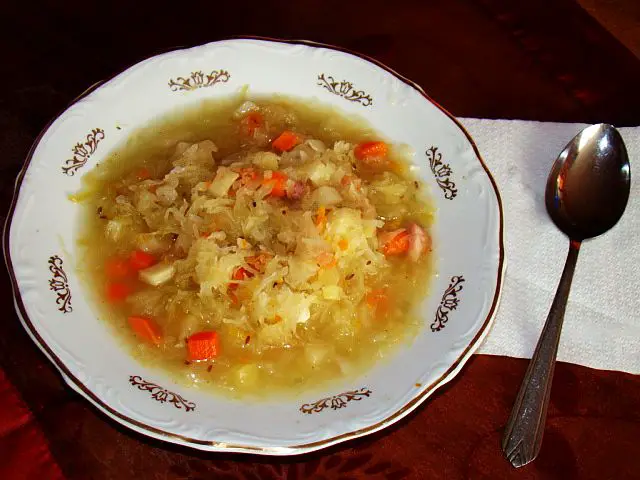
Vegetable soup usually started with good intentions and aging produce. Carrots, celery, onions, and whatever else needed saving went straight into the pot. Nothing was wasted and nothing was fancy. The soup bubbled away while chores got done. It felt responsible just having it there.
Each reheating made the flavors blend more deeply. Bread on the side made it a full meal. Sometimes pasta or rice got added halfway through the week. It fed everyone without anyone keeping track. The pot emptied slowly, just as planned.
4. Beef Stew
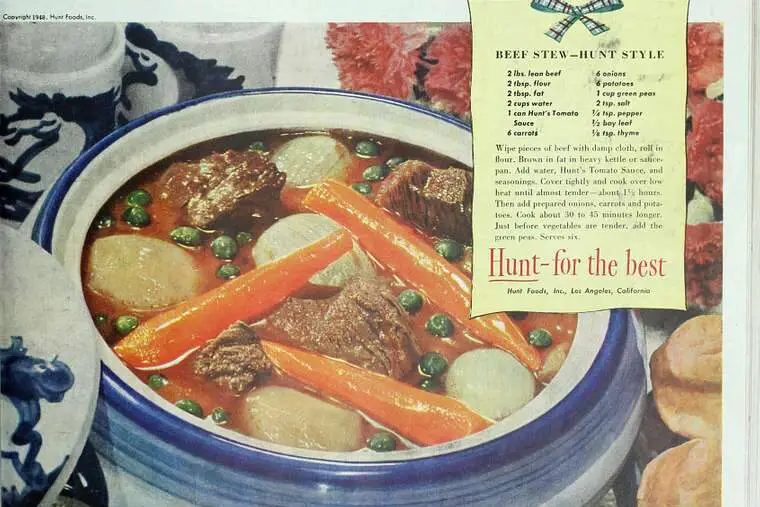
Beef stew was the long game meal families relied on. Tough cuts of meat were chosen because time would do the work. Potatoes and carrots made it hearty enough to count as dinner on its own. The lid stayed on tight, trapping warmth and flavor. It was the kind of meal that rewarded waiting.
Leftovers became thicker and richer with each day. Some nights it went over noodles or mashed potatoes. No one minded eating it again because it felt substantial. The pot always seemed fuller than expected. That stew could carry a household through the week without complaint.
5. Spaghetti with Meat Sauce
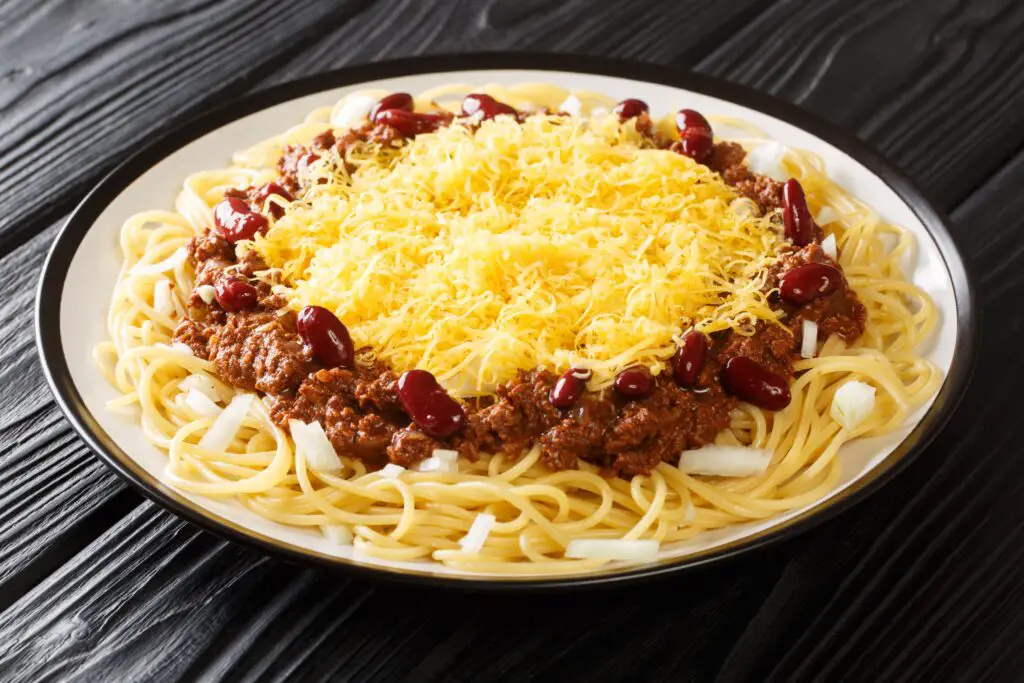
A giant pot of spaghetti sauce was a budget miracle. Ground beef, canned tomatoes, and dried herbs did all the heavy lifting. The sauce simmered for hours and made the house smell like dinner long before it was ready. Pasta was cheap and endlessly refillable. Everyone ate until they were full.
Leftover sauce turned up in different forms as the days passed. It went on sandwiches, over baked potatoes, or layered into a quick casserole. Nobody cared if the pasta was fresh or reheated. The sauce was the real star. One pot quietly handled multiple meals.
6. Beans and Ham
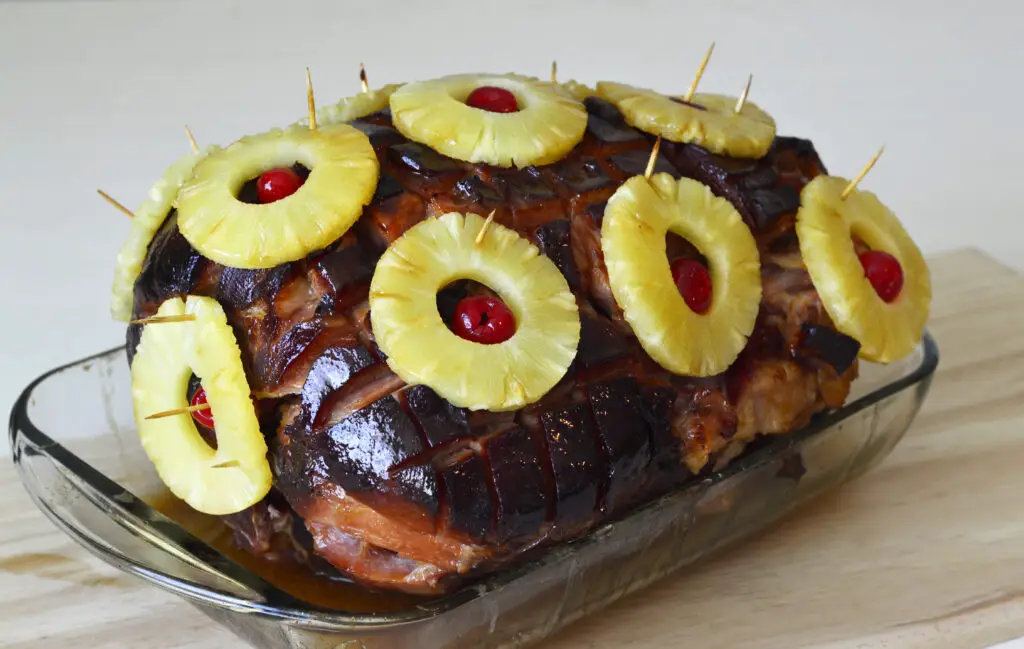
Beans and ham were built for stretching time and money. Dried beans swelled into something generous and filling. A single ham bone could flavor the whole pot. It cooked slowly, usually all afternoon. The result felt old fashioned in the best way.
Each day brought thicker broth and softer beans. Cornbread or toast made it feel complete. The flavors deepened instead of fading. It was the kind of meal that filled bellies without rushing. That pot never seemed to empty quickly.
7. Pot Roast
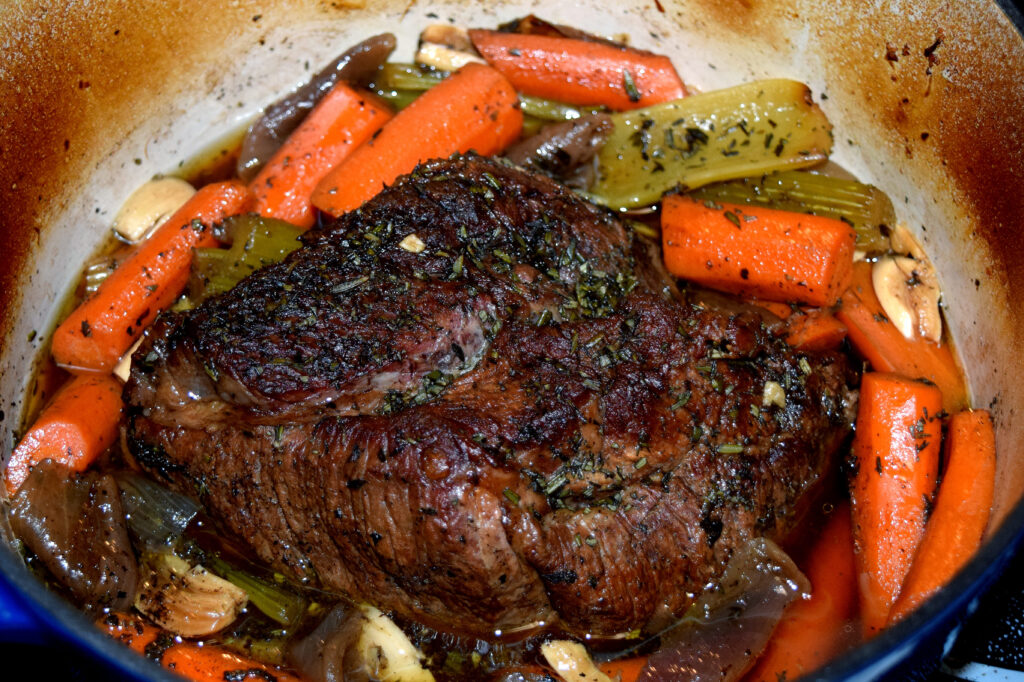
Pot roast was a commitment that paid off. A large cut of meat, potatoes, carrots, and onions all went into one vessel. It cooked until everything softened and blended together. Dinner felt handled without fuss. The leftovers were just as important as the first meal.
By midweek, pot roast became something else entirely. It was chopped into sandwiches or reheated with extra gravy. Sometimes it stretched into soup with added broth. Nobody complained because it tasted comforting every time. One roast covered multiple nights with ease.
8. Cabbage and Sausage
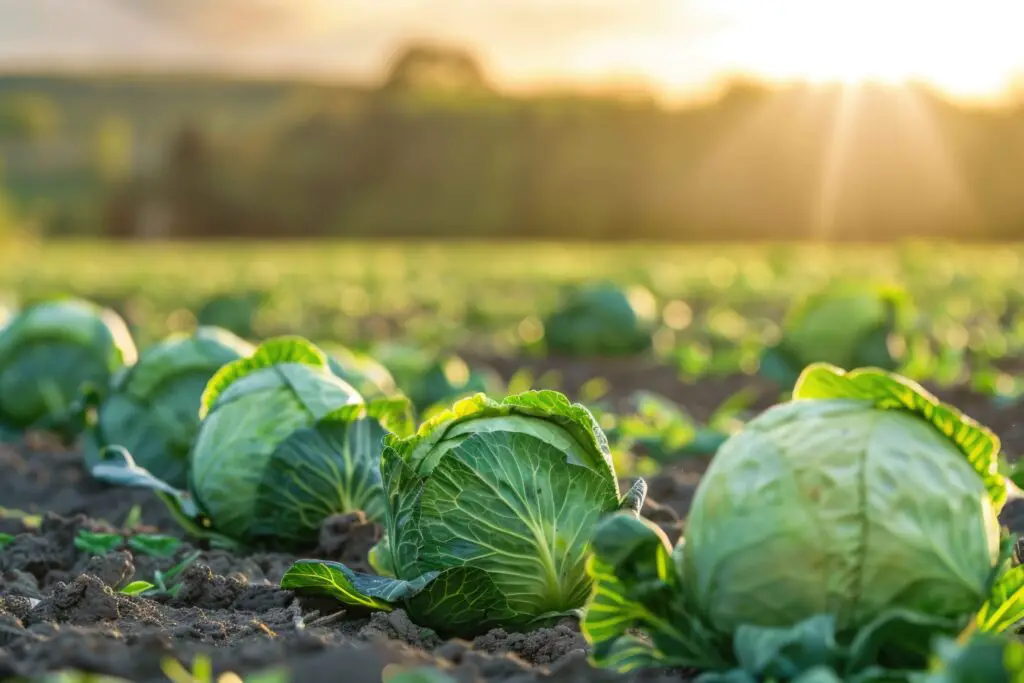
Cabbage and sausage were practical and surprisingly filling. The cabbage shrank down, making room for leftovers without effort. Sausage added flavor without needing much of it. The pot cooked quickly and fed a crowd. It was humble food that did its job.
As leftovers, it reheated well and stayed satisfying. Some families added potatoes or onions later in the week. The flavors mellowed instead of getting boring. It filled plates without needing sides. That one pot quietly did more than expected.
9. Lentil Soup
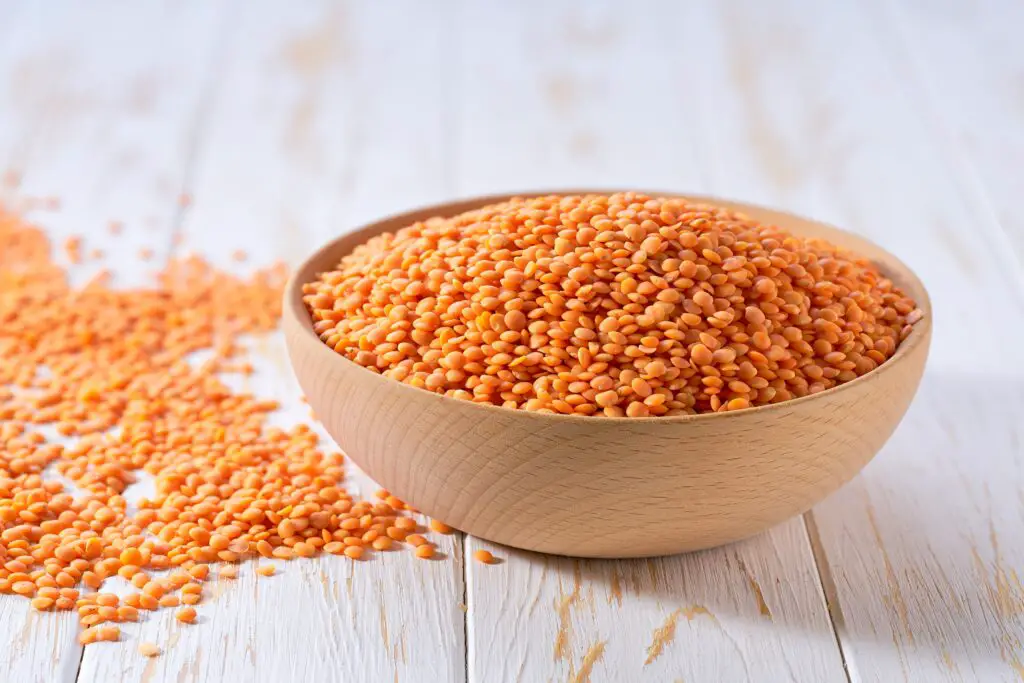
Lentil soup was a budget secret weapon. Lentils cooked fast and filled people up. Vegetables and broth did the rest. It simmered quietly while everything else got done. Nobody expected much from it, which made it even better.
Each reheating made it thicker and heartier. Bread turned it into a full dinner without effort. It packed easily for lunches. The pot lasted longer than anyone guessed. It was simple, steady food that carried the week.
10. Chicken Noodle Soup
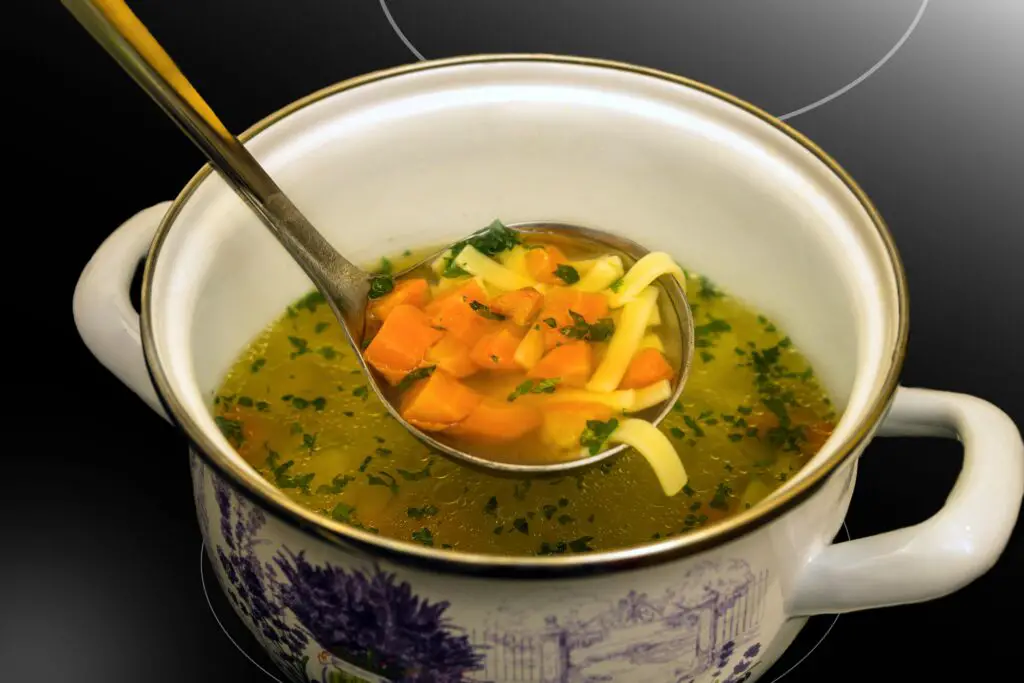
Chicken noodle soup often started with leftovers from a roast chicken. Bones and scraps turned into broth without waste. Noodles made it filling enough for dinner. It felt nurturing even on ordinary nights. The pot stayed on standby for anyone hungry.
Leftovers became thicker as noodles absorbed the broth. Sometimes more water or noodles were added to stretch it further. It worked for lunch, dinner, or late night bowls. Nobody tired of it because it felt familiar. One pot quietly covered multiple meals.
11. Stuffed Pepper Filling
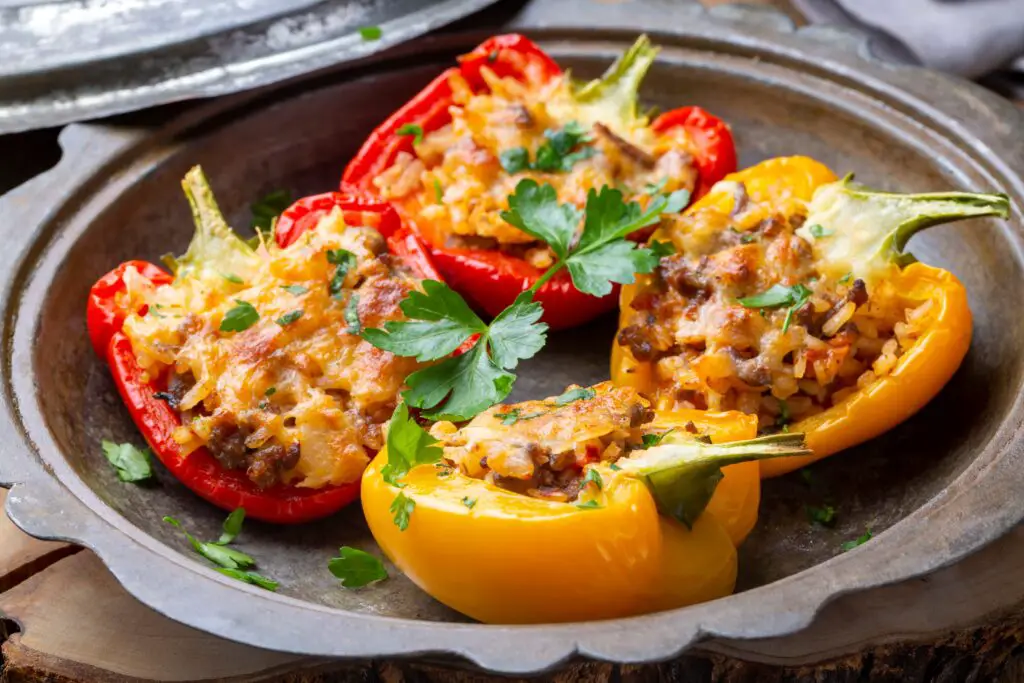
Stuffed pepper filling skipped the peppers to stretch further. Rice, ground beef, tomatoes, and seasoning filled the pot instead. It tasted just like the original without the extra work. Everyone ate it without complaint. It felt practical and comforting.
As leftovers, it showed up in new ways. It went into bowls, tortillas, or casseroles. The flavors blended more deeply over time. It reheated without losing anything. One pot carried dinner through the week.
12. Split Pea Soup
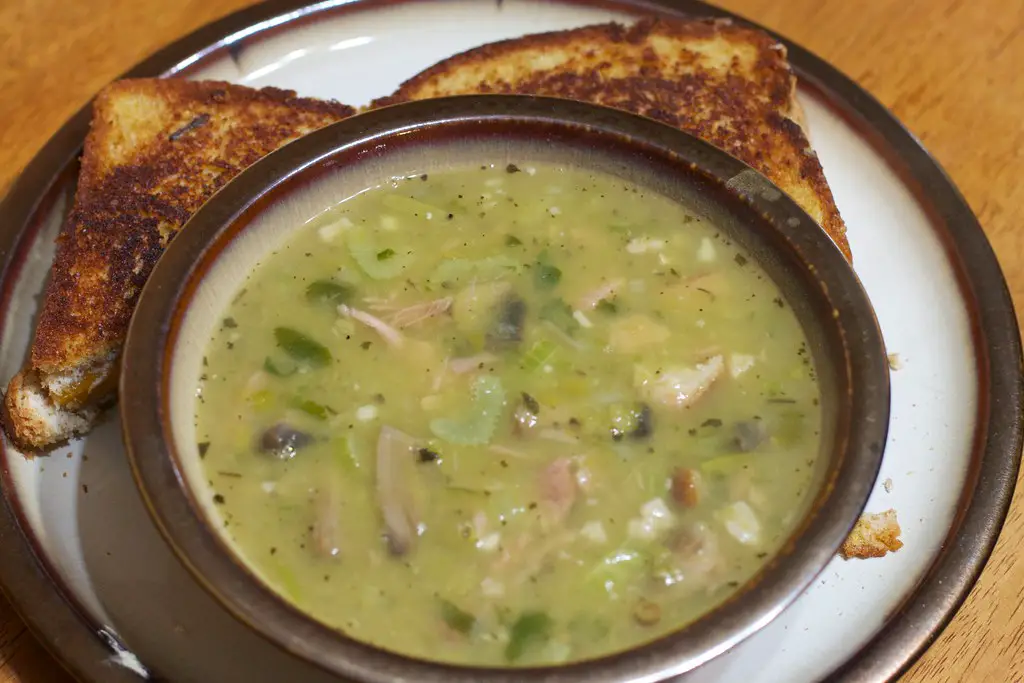
Split pea soup was thick, filling, and slow cooked. A ham bone added depth without needing much meat. The peas broke down into something hearty and smooth. It felt like winter food even when it wasn’t. The pot stayed warm on the stove.
Each day made it thicker and richer. A splash of water brought it back to life. Bread made it a full meal without extras. It filled everyone up cheaply. That pot did exactly what it was meant to do.
13. Goulash
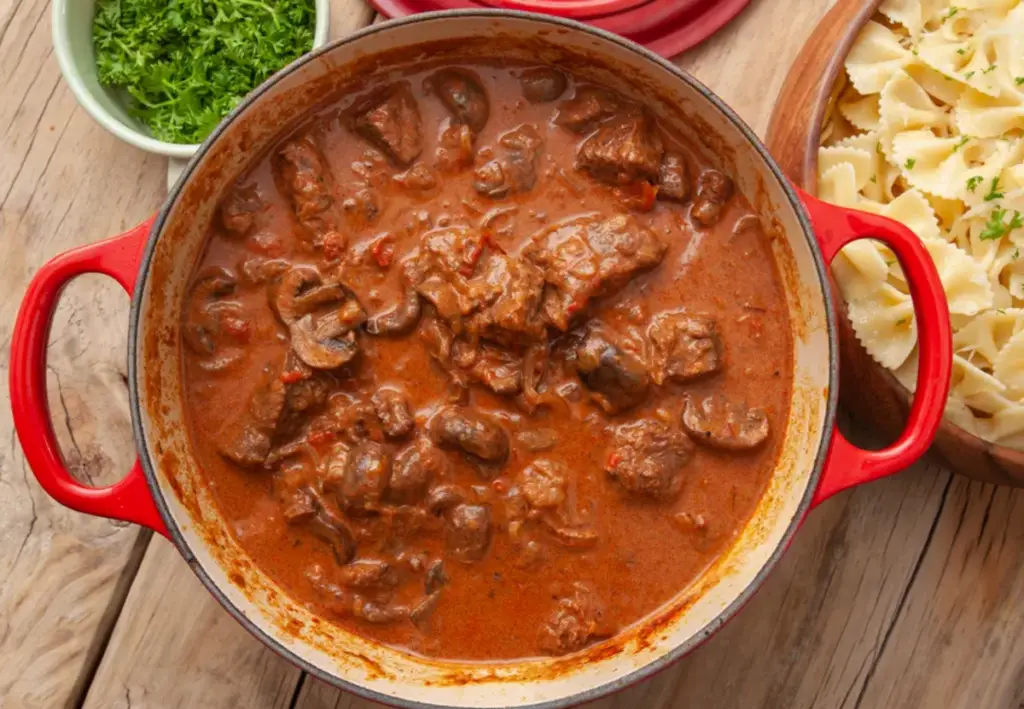
Goulash was flexible and forgiving. Pasta, ground beef, tomatoes, and seasoning filled one big pot. It didn’t require precision or fancy ingredients. Everyone recognized it immediately. It was filling without being expensive.
Leftovers were just as good the next day. Sometimes cheese got added, sometimes not. It reheated well and packed easily. No one counted how many times they ate it. The pot lasted as long as needed.
14. Chicken and Dumplings
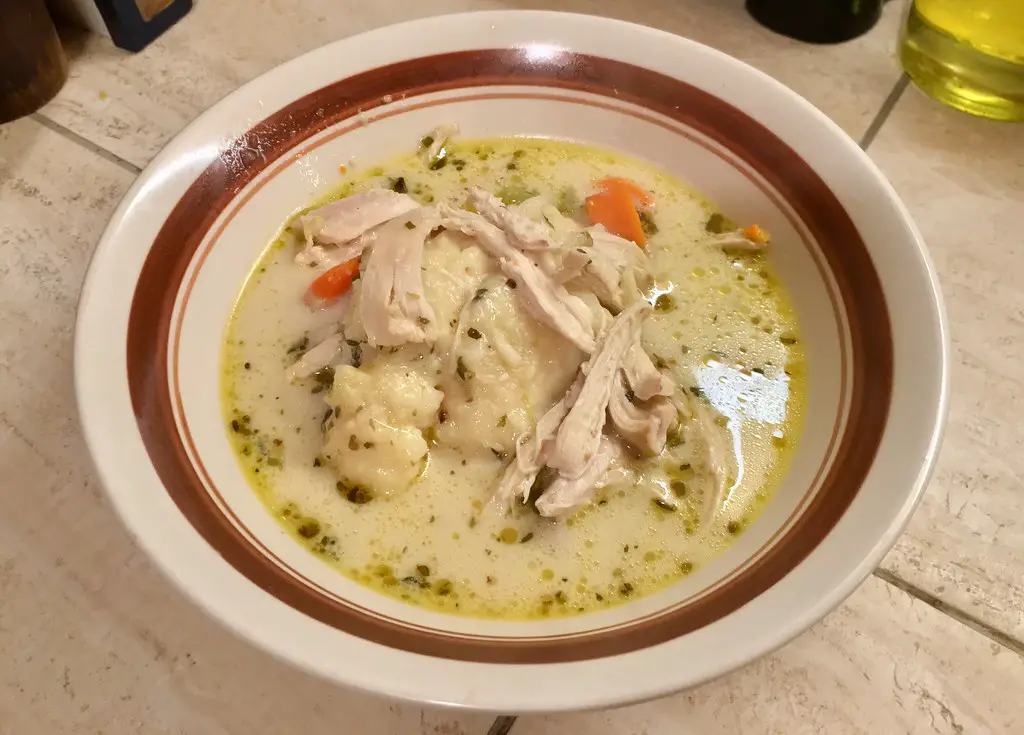
Chicken and dumplings were built for stretching time and ingredients. A single chicken flavored the entire pot. Dumplings turned broth into something substantial. It cooked slowly and felt comforting from the start. Everyone ate until they were full.
As leftovers, the dumplings soaked up more broth and flavor. Each bowl felt thicker and richer. It reheated without losing its appeal. Nobody rushed through it because it felt like care in a bowl. One pot easily handled the whole week.