
1. Depression-Era Milk Toast
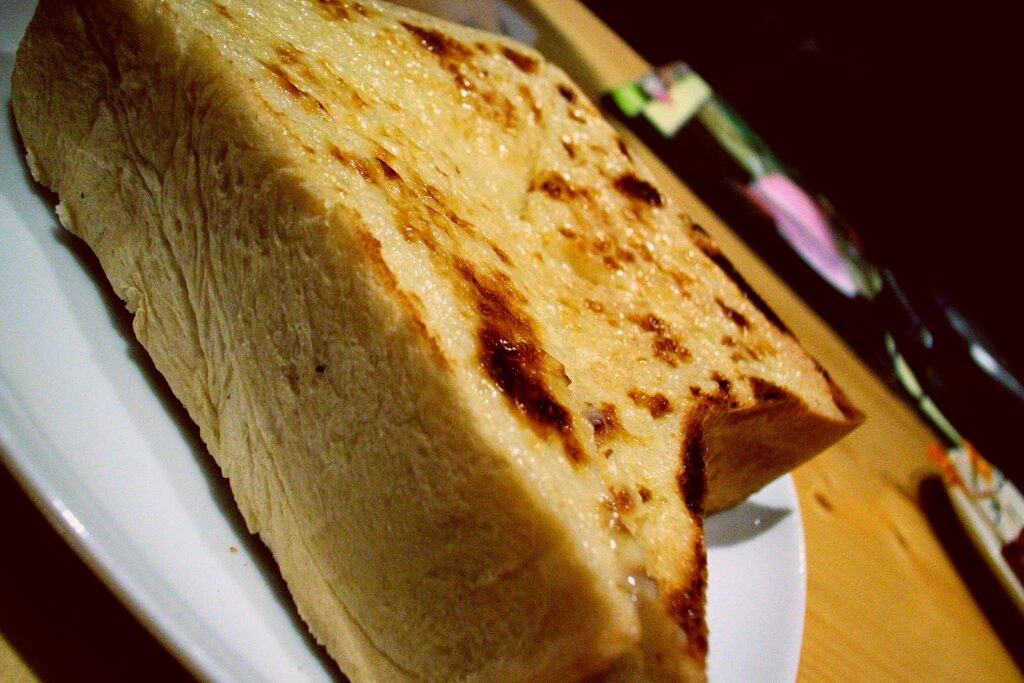
For many families, milk toast was less of a recipe and more of a quiet survival trick passed from one generation to the next. Stale bread would be toasted and placed in a bowl while warm milk was poured over the top. A little sugar or butter might be added if the household could spare it. The result was simple, comforting, and surprisingly filling. Grandparents often remembered eating it when groceries were scarce. It was rarely written down because everyone simply knew how to make it. As decades passed, fewer people prepared it. Now it mostly survives through stories about leaner times.
In many homes, milk toast showed up late at night or when someone was sick. The dish had a soft, soothing quality that made it feel almost medicinal. Some people added cinnamon, while others insisted plain was best. No two families seemed to prepare it exactly the same way. Because it relied on whatever ingredients were available, the recipe constantly shifted. That flexibility also meant it was rarely preserved in cookbooks. Instead it lingered in memory as something humble but meaningful. Today it is remembered more than it is actually made.
2. Grandmother’s “Everything” Soup
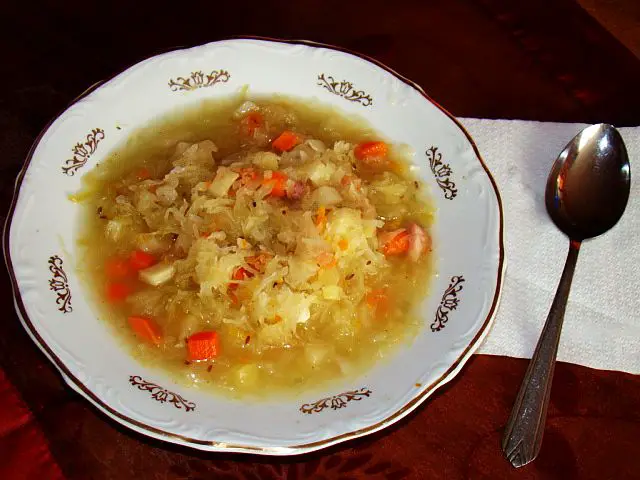
Many households once had a soup that had no official name and no fixed ingredients. Leftover vegetables, bits of meat, and whatever broth could be stretched into a pot would simmer together for hours. The result changed every single time it was made. Grandparents often recalled that nothing in the kitchen was ever wasted. If there was a bone, it went into the pot. If there were carrots that were starting to soften, they joined the mix too. The soup carried the flavors of the week’s meals. Yet no one ever wrote down how to recreate it.
Children who grew up eating it sometimes tried to recreate the flavor later in life. Most admitted it never tasted quite the same. Part of that may have been the improvisation that defined the dish. Another part was the patience of slow cooking that modern schedules rarely allow. Families would sit around the table and dip bread into steaming bowls. The meal felt ordinary at the time but became nostalgic later. Because there was never a strict recipe, it slowly disappeared. What remains is the memory of its warmth.
3. Sunday Pot Roast Gravy Bread
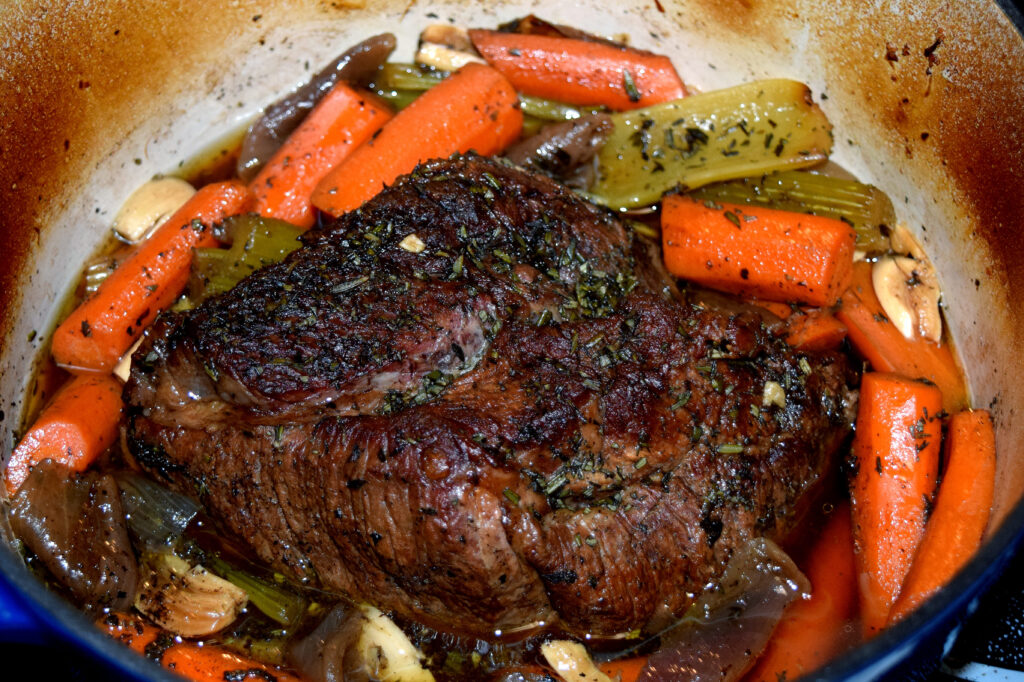
In many homes, the best part of Sunday pot roast had nothing to do with the meat itself. After the meal, slices of bread were dipped directly into the leftover gravy. Some families toasted the bread first while others used it soft. The thick, savory sauce soaked in immediately. Kids often fought over the last spoonful left in the pan. It felt like a reward after a long family dinner. Yet nobody ever thought to write down instructions for something so simple. It was just understood.
Years later, people remember the smell more than the exact method. The gravy carried the flavor of onions, beef drippings, and hours of slow cooking. Bread became the perfect sponge for it. Many modern kitchens rarely produce gravy that rich anymore. Convenience cooking changed the routine. Without regular pot roast dinners, the tradition faded. But people who grew up with it can still picture the moment clearly. The recipe lives mostly in those small memories.
4. Fried Cornmeal Mush Squares
Cornmeal mush once appeared regularly on breakfast tables across parts of the United States. The dish began as a simple pot of cornmeal cooked slowly with water and salt. Once cooled, the mixture firmed up enough to slice. Those slices were then fried in butter until crisp on the outside. Some people served them with syrup, others with gravy. It was inexpensive and filling, which made it popular during harder economic periods. Families rarely needed written instructions because the process was so familiar.
Over time, packaged breakfast foods replaced many of these older dishes. Younger generations often never learned how mush was prepared. Even the name can sound unfamiliar now. Yet older relatives sometimes recall the crackling sound when the slices hit the skillet. The smell alone could wake everyone in the house. Because the steps were learned by watching rather than reading, the recipe gradually faded away. What remains is the memory of a very simple breakfast that once felt completely ordinary.
5. Tomato and Cracker Supper
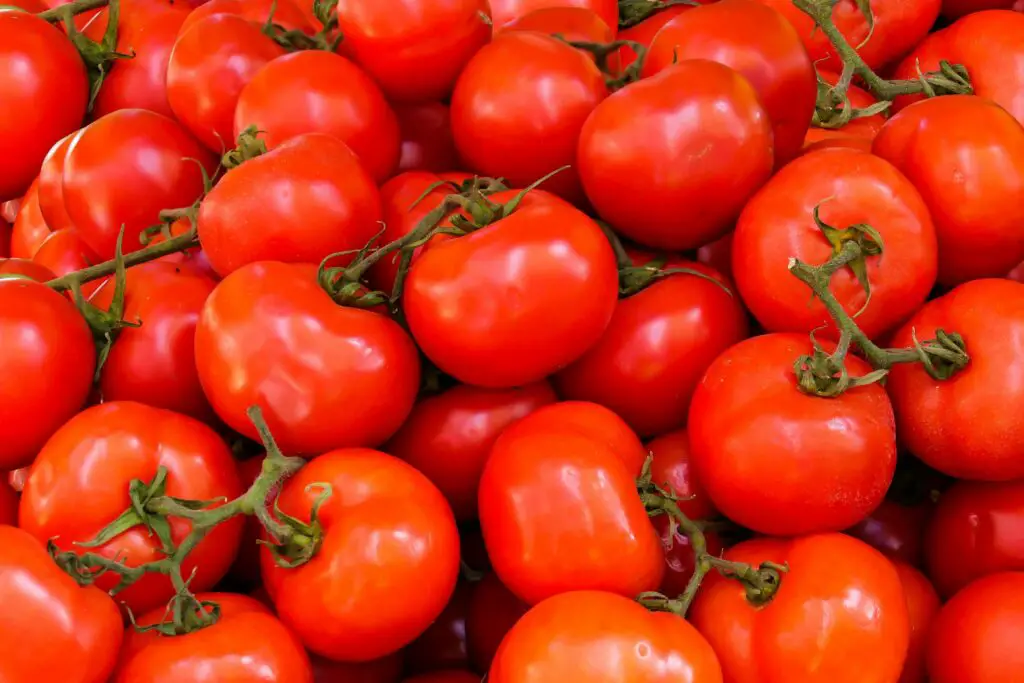
Some meals were born purely out of necessity. Tomato and cracker supper was exactly what it sounds like. Canned tomatoes were heated on the stove while crushed crackers were stirred in to thicken the mixture. Sometimes a little butter or pepper was added for flavor. It came together quickly and used ingredients that were almost always on hand. Families turned to it when money or groceries were running low. Despite its simplicity, people remember it as surprisingly comforting.
The dish rarely appeared in formal cookbooks. It lived entirely inside kitchens where improvisation mattered more than presentation. Parents could prepare it in minutes while feeding several children at once. Over time, processed soups and ready-made meals replaced these improvised combinations. As a result, the dish quietly disappeared from everyday cooking. Those who remember it often describe the warm tomato aroma filling the kitchen. The texture was soft, almost like a rustic stew. Today it survives mostly as a childhood memory.
6. Cinnamon Sugar Toast After School
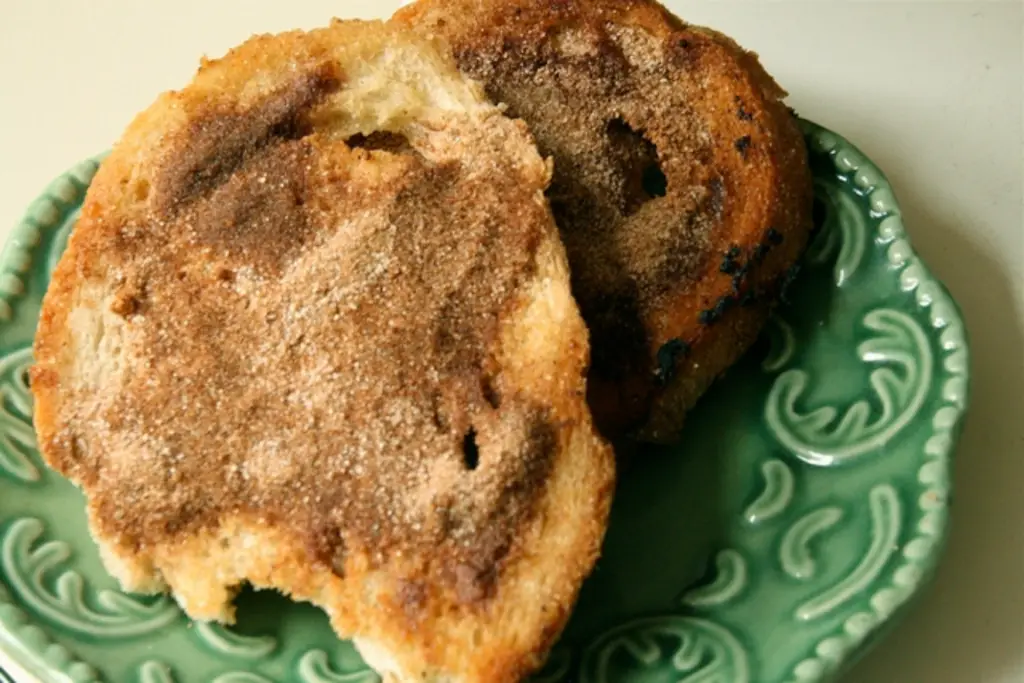
For many kids, the first thing they made on their own in the kitchen was cinnamon sugar toast. A slice of bread would be toasted and buttered while still hot. Then a generous sprinkle of cinnamon mixed with sugar went on top. The heat melted everything together into a sweet glaze. It felt like a small treat that required almost no effort. Parents often showed children how to make it once and that was enough. The process became second nature.
Even though it was simple, each household had small variations. Some used broilers to caramelize the sugar while others preferred it soft. The smell drifting through the house often signaled that school had ended for the day. Because it seemed too basic to record, no one ever preserved it as a formal recipe. As snack habits changed, the tradition faded a bit. Yet many adults still remember making it while standing on a chair at the counter. The taste remains vivid even if the instructions were never written down.
7. Leftover Rice Breakfast Bowl
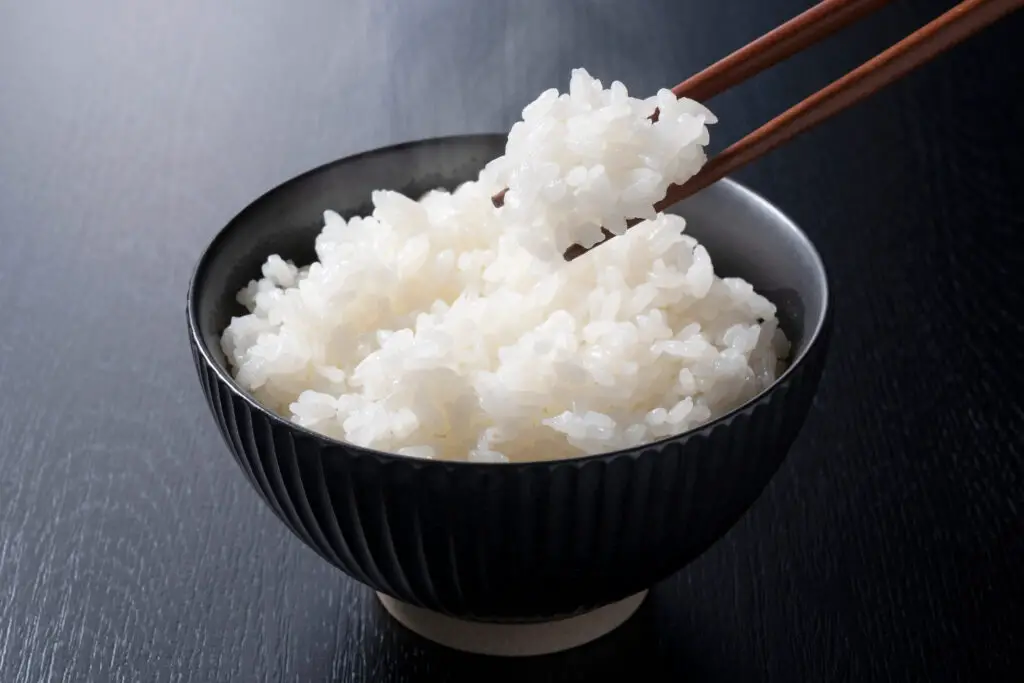
Leftover rice rarely went to waste in earlier kitchens. Instead it often reappeared the next morning as a sweet breakfast bowl. The rice would be reheated with milk, sugar, and sometimes a bit of butter. A sprinkle of cinnamon or nutmeg might finish the dish. It was quick, inexpensive, and comforting on cold mornings. Children often ate it before heading to school. Yet no one treated it as an official recipe.
What made the dish memorable was its warmth and simplicity. The rice absorbed the milk and turned creamy as it heated. Some families added raisins while others kept it plain. The bowl often appeared when there was too little time to cook something elaborate. Over the years, breakfast cereals gradually replaced it. Without the daily habit of cooking rice the night before, the dish became less common. It now exists mostly in recollections of busy mornings. The flavor is remembered even if the exact proportions are not.
8. Potato Peel Skillet Hash
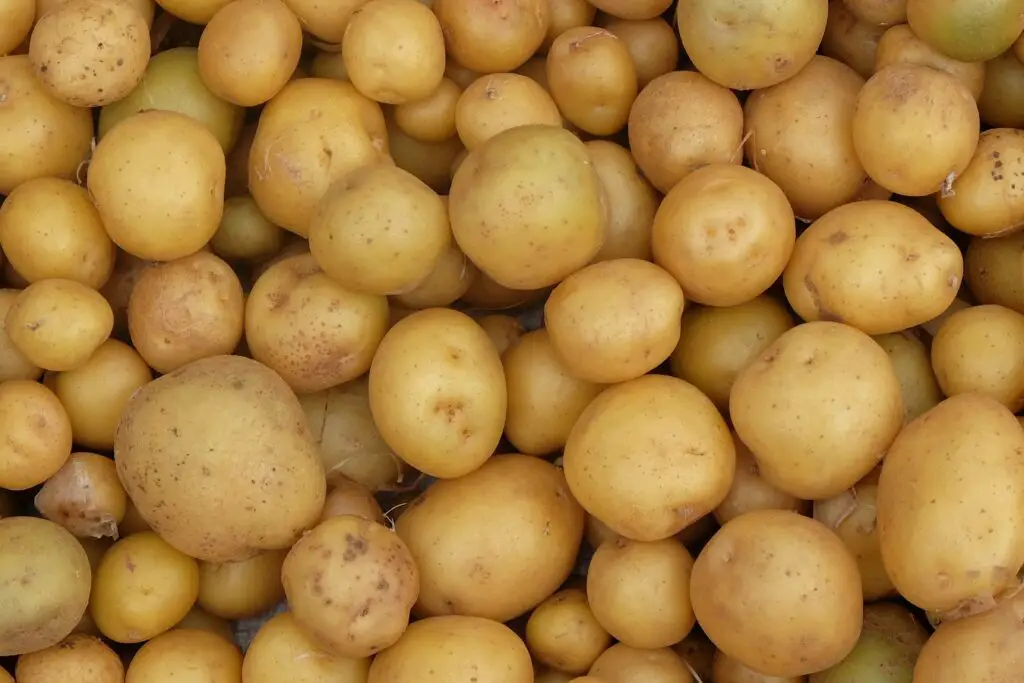
Older generations rarely threw away potato peels. Instead they sometimes turned them into a small skillet meal. The peels were fried in a pan with onions and bits of leftover meat. A little salt and pepper finished the dish. It was crisp, savory, and surprisingly satisfying. Families prepared it when food needed to stretch further. Yet the instructions were rarely written down.
The dish reflected a time when kitchens operated with very little waste. Peels that might be discarded today were seen as another ingredient. The sizzling sound in the skillet often drew people into the kitchen. Children sometimes picked the crispiest pieces straight from the pan. Because it depended on scraps, every version tasted slightly different. As grocery stores expanded and food became more plentiful, the practice slowly faded. What remains is the memory of resourceful cooking.
9. Sugar Sandwiches
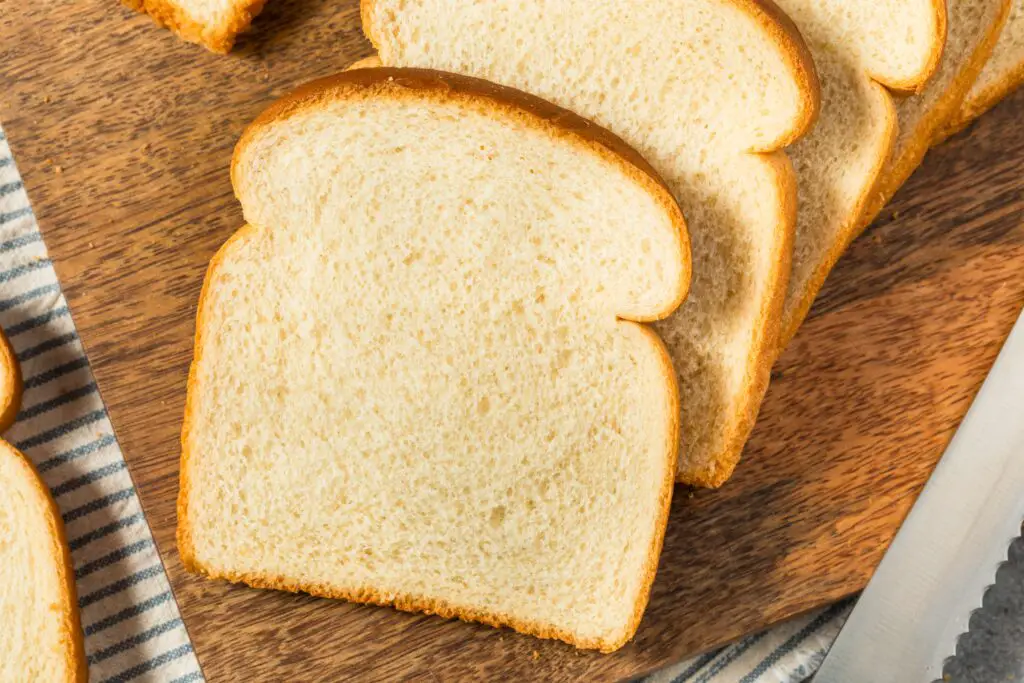
A sugar sandwich sounds almost too simple to count as a recipe. Yet many people who grew up during difficult financial periods remember it clearly. Two slices of bread were spread with butter and sprinkled with sugar. Sometimes cinnamon was added for extra flavor. It created a quick sweet snack that required almost no preparation. Children often ate it after school or during summer afternoons. It felt indulgent even though it cost very little.
Parents rarely wrote down instructions for something so obvious. The sandwich existed entirely as a shared household habit. Over time, packaged snacks replaced these improvised treats. Younger generations may never encounter the idea at all. But older adults often remember the grainy sweetness and soft bread texture. The snack represented a moment of simple pleasure. It also reflected how families made the most of basic pantry ingredients. Today the recipe survives mainly through those recollections.
10. Stovetop Apples and Biscuits
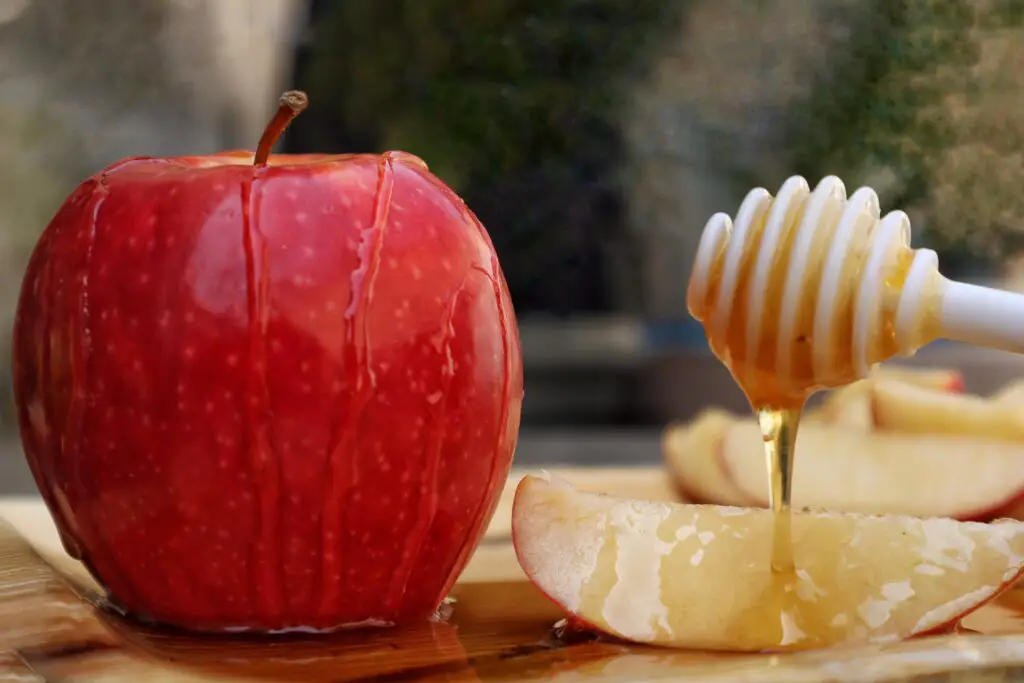
When apples were plentiful, families sometimes cooked them quickly on the stove rather than baking pies. Sliced apples were simmered with sugar and cinnamon until soft. The mixture was spooned over warm biscuits. It created a dessert that felt both rustic and comforting. Many households served it after dinner on cool evenings. Yet the method was rarely written down because it was so intuitive.
The apples softened quickly and filled the kitchen with a sweet aroma. Children often waited nearby hoping to taste the first spoonful. Each cook adjusted the sweetness by instinct rather than measurement. Some added butter while others preferred a lighter version. Because the dish depended on fresh apples, it appeared mostly during certain seasons. As baking traditions changed, it quietly faded from regular use. Today people mostly remember how it smelled while cooking.
11. Skillet Cornbread Crumble
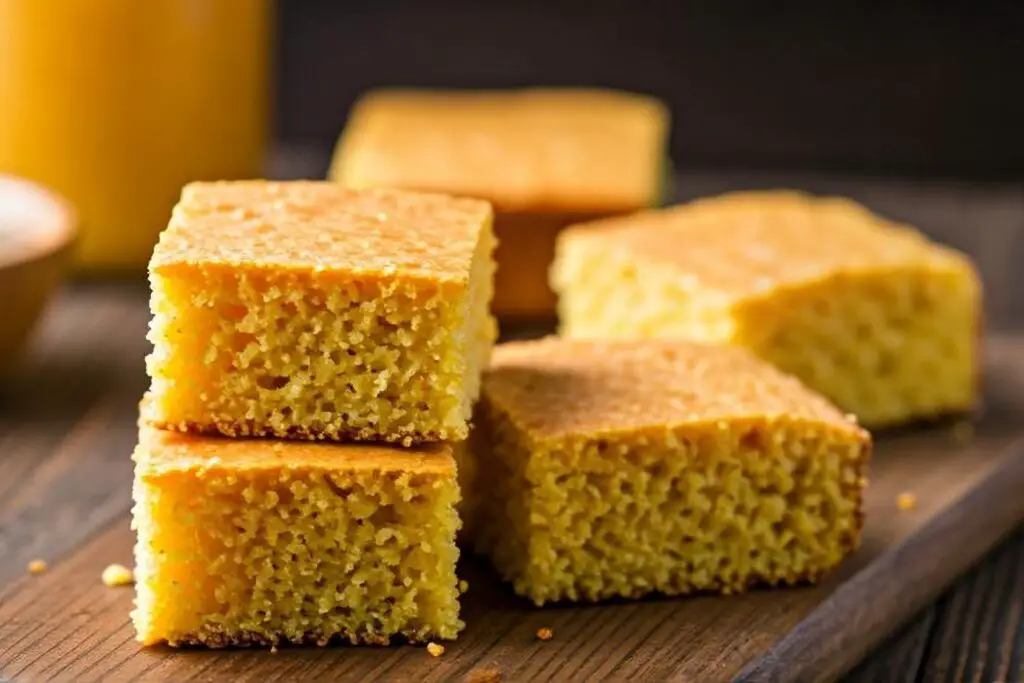
Some families made cornbread not as neat slices but as a loose crumble. The batter was cooked in a cast iron skillet until golden. Instead of cutting it into wedges, cooks broke it apart with a spoon. The pieces were then mixed with butter, milk, or even beans. It created a hearty, informal meal. The method required no exact measurements. Most people simply learned by watching older relatives.
The texture was somewhere between bread and stuffing. Children often enjoyed the crispy edges most of all. Because the preparation varied so much, it was rarely written down in detail. Each household had its own version without realizing it. As boxed cornbread mixes became popular, the older method disappeared from many kitchens. Yet people who remember it still describe the sound of the spoon scraping the skillet. The dish remains alive mostly in family stories.
12. Hot Cocoa with Bread Dunking

In colder months, hot cocoa sometimes doubled as a light supper or late night snack. Bread slices were dipped directly into the steaming mug. The cocoa softened the bread while adding a chocolate flavor. Children often found the combination surprisingly satisfying. It felt like a treat even when the pantry was nearly empty. Families rarely documented something so casual. It was simply a habit.
The warmth of the drink made the moment feel cozy and quiet. Some people added butter to the bread before dunking it. Others preferred plain slices that absorbed the cocoa completely. Over time, snack foods and packaged desserts changed eating habits. The ritual slowly faded from everyday life. Still, people who experienced it often recall the comfort vividly. The recipe itself was never formalized. Only the memory remains.
13. Hand-Measured Pancakes

Before measuring cups became standard in every kitchen, many pancake recipes relied on instinct. A scoop of flour, a pinch of salt, and enough milk to make the batter pourable were the basic guidelines. Eggs might be added depending on what was available. Cooks learned the consistency by sight and feel. The pancakes often turned out slightly different each time. Yet they were always recognizable. Families gathered around the stove while they cooked.
Because the proportions lived in the cook’s memory, the recipe rarely appeared on paper. When the person who made them stopped cooking, the exact method often disappeared too. Children tried to recreate the pancakes later with mixed success. Something about the texture or flavor always seemed slightly different. That mystery only made the memories stronger. Many people still picture the batter being poured into a hot pan. The recipe survives mostly through those recollections.