
1. The Biscuit Recipe No One Ever Wrote Down
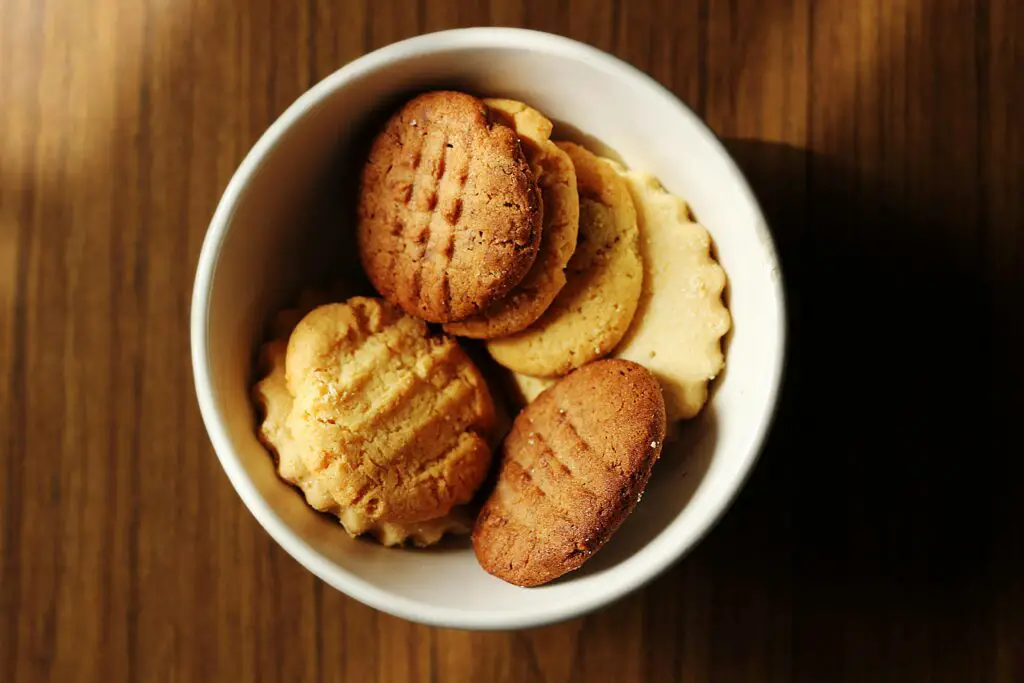
Every family seemed to have one person who could make biscuits without measuring anything at all. They scooped flour by feel, cut in fat by sound, and knew exactly when the dough was ready just by touching it. Ask for the recipe and you would get vague instructions like “not too dry” or “soft but not sticky.” Somehow, the biscuits always came out tall, tender, and perfect, no matter who was watching.
Once that person was gone, the biscuits were never quite the same again. People tried to recreate them with written recipes, but something was always off. Maybe it was the temperature of the kitchen or the way the dough was handled. More likely, it was the instinct that never made it onto paper.
2. Sunday Gravy That Simmered All Day
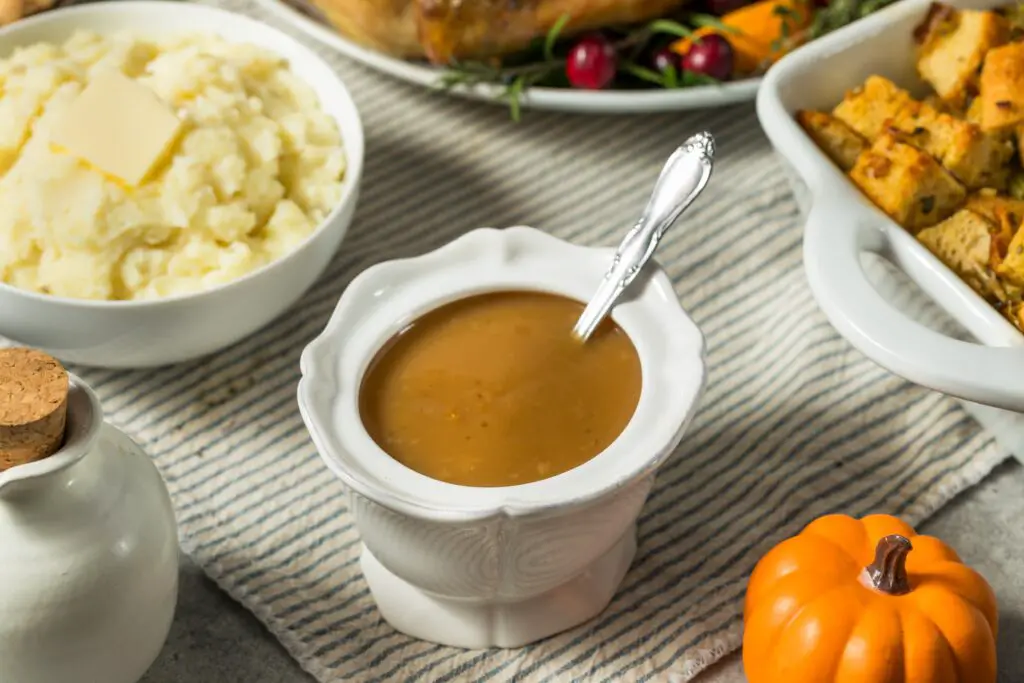
In many homes, Sunday meant a pot quietly bubbling on the stove for hours. The sauce wasn’t rushed and it wasn’t measured, it was tasted and adjusted again and again. A little more salt here, a pinch of sugar there, and maybe a splash of something no one ever admitted to using. The result was rich, comforting, and deeply familiar.
When someone finally asked for the recipe, the answer was usually a shrug. “You just know when it’s right,” they would say. Without that long habit of tasting and tweaking, the sauce lost its magic. Written versions exist, but they rarely capture the rhythm of a whole afternoon spent cooking.
3. Holiday Stuffing Made by Feel
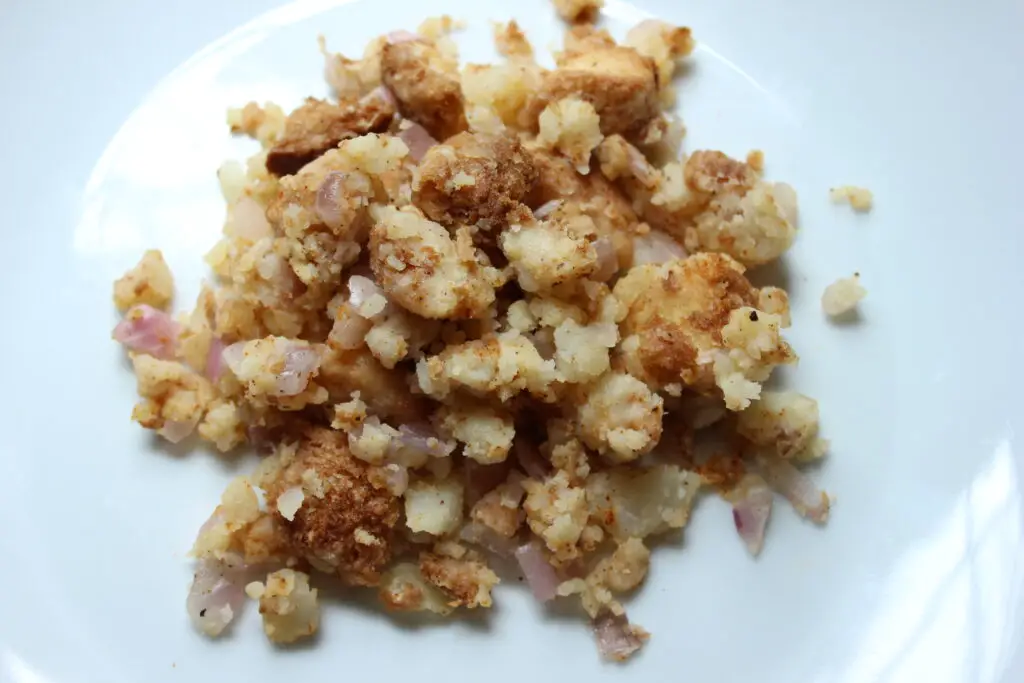
Stuffing was often assembled straight from memory, especially in kitchens that had been making it the same way for decades. Bread was torn by hand, not measured, and the mix-ins varied depending on what was on hand. Herbs were added until the kitchen smelled right, not until a teaspoon was full. It was a recipe shaped by repetition rather than rules.
After the original cook was gone, the stuffing became a point of debate. Everyone remembered it slightly differently, and no one could agree on exact amounts. Attempts to recreate it often led to close but not quite results. The original lived only in memory, tied to holidays and family tables.
4. Fried Chicken With an Unspoken Method
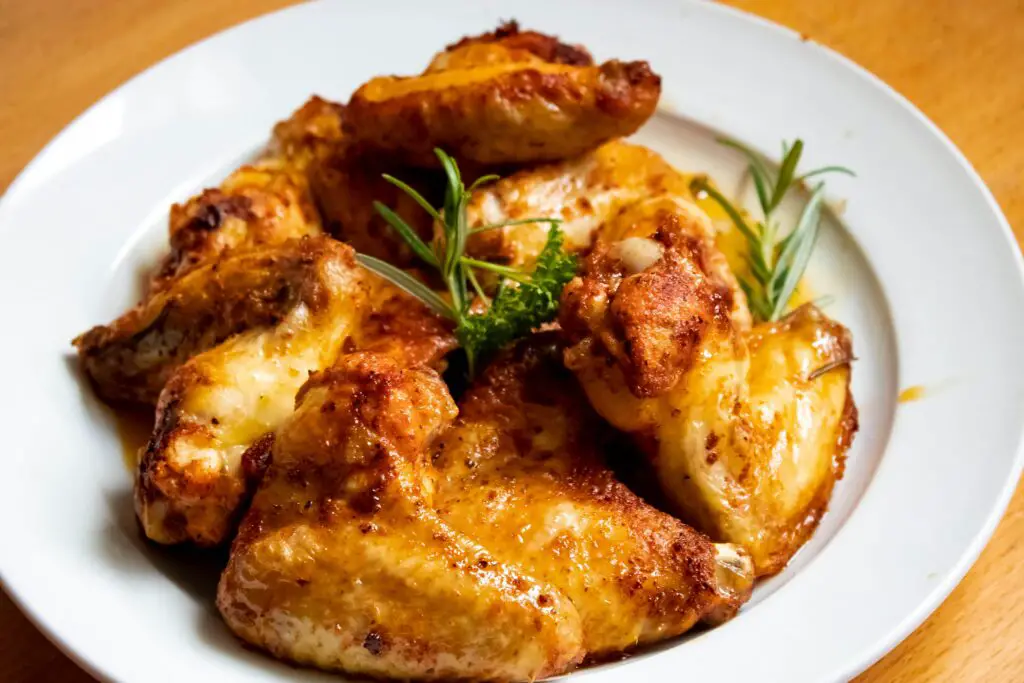
The best fried chicken was often made by someone who never followed a written recipe. They knew how hot the oil should be just by holding a hand above it. Seasoning went on generously, but never the same way twice. The coating stuck because of technique, not because of instructions.
People tried to write it down later, but key details were missing. How long did it rest before frying, or how often was it turned. Those steps were second nature to the original cook and never explained. Without them, the chicken was good but never legendary.
5. Depression-Era Soup That Changed Every Time
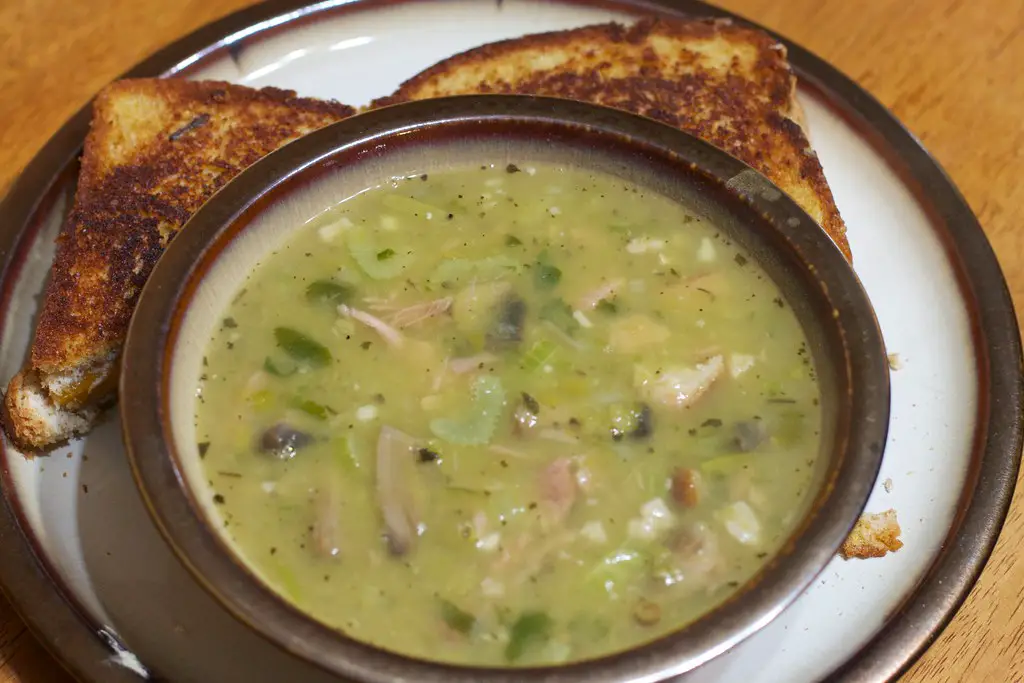
Some soups were born out of necessity rather than planning. They used whatever vegetables were available and whatever scraps needed using up. The base stayed mostly the same, but the details shifted from week to week. Over time, it became a beloved family staple.
Because it was never the same twice, no one thought to record it. The cook simply remembered the general idea and adjusted as needed. When later generations asked for the recipe, there was nothing exact to give them. All that remained was the memory of how it tasted on cold days.
6. Apple Cake Measured With a Coffee Cup
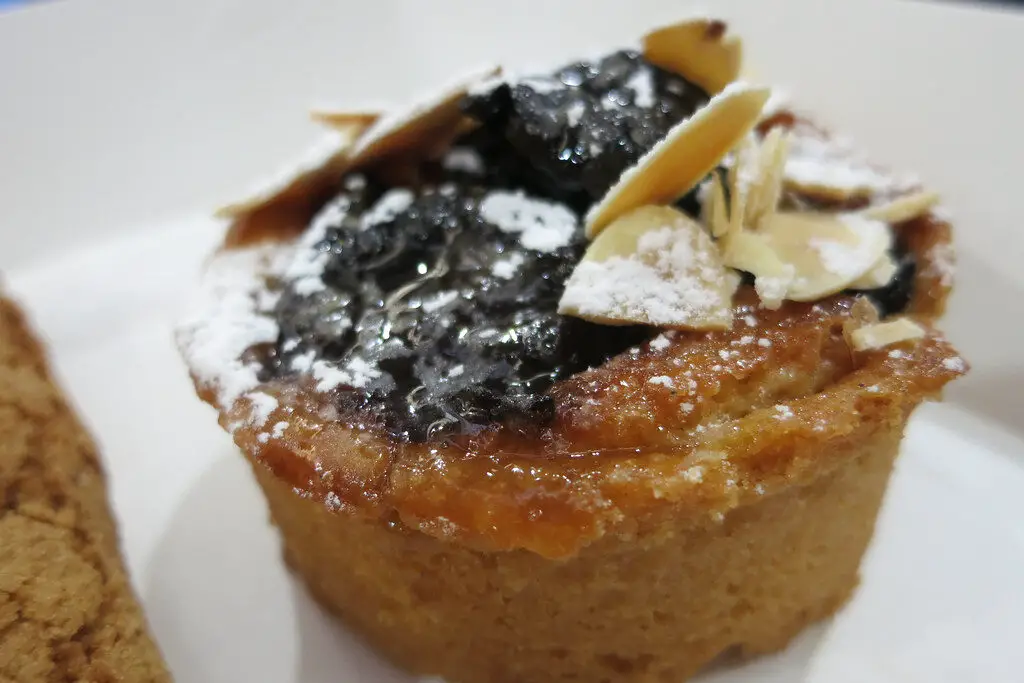
Many home bakers relied on whatever cup was closest, often an old mug or coffee cup. That cup became part of the recipe, even though no one thought to explain its size. The cake always turned out moist, gently spiced, and comforting. It was simple, unfussy, and deeply familiar.
When someone else tried to make it with standard measurements, it never quite worked. The proportions were just slightly wrong, even if the ingredients were correct. The magic had been tied to that one cup and the person who knew how full to fill it. Without both, the cake changed.
7. Hand-Pinched Dumplings
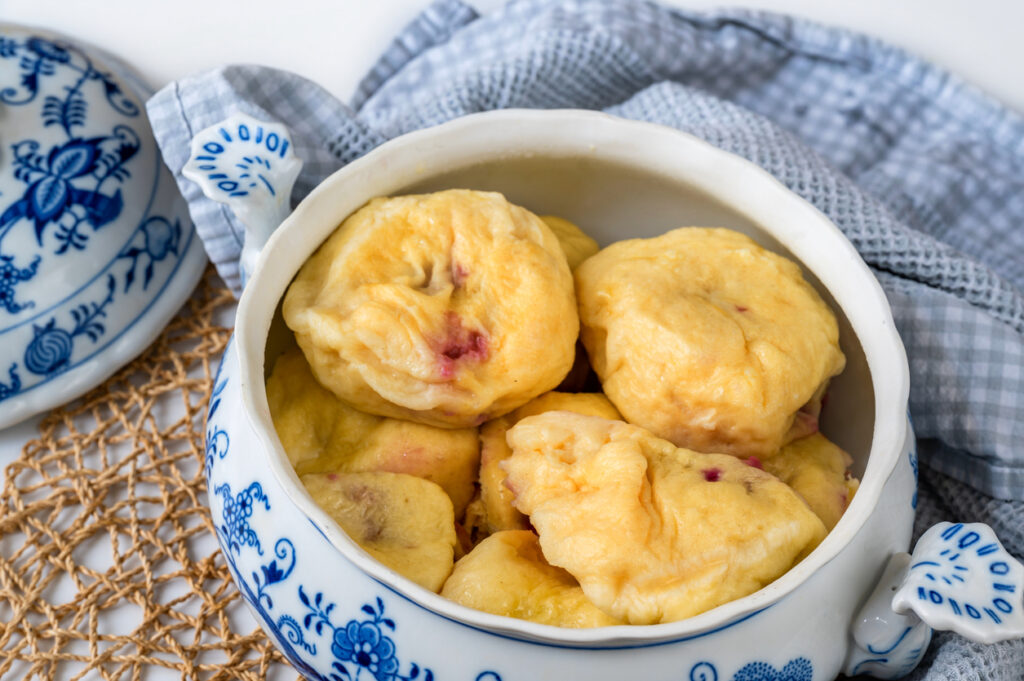
Dumplings were often shaped without tools or templates. The cook pinched and folded the dough the same way every time, creating a texture that held up in broth. No one ever explained how thin the dough should be or how much filling was enough. It was all muscle memory.
Later attempts followed written instructions, but the dumplings felt different. They were either too thick or too fragile. The original technique had been learned by doing, not by reading. Once that chain was broken, the exact result disappeared.
8. Summer Tomato Salad With a Secret Balance
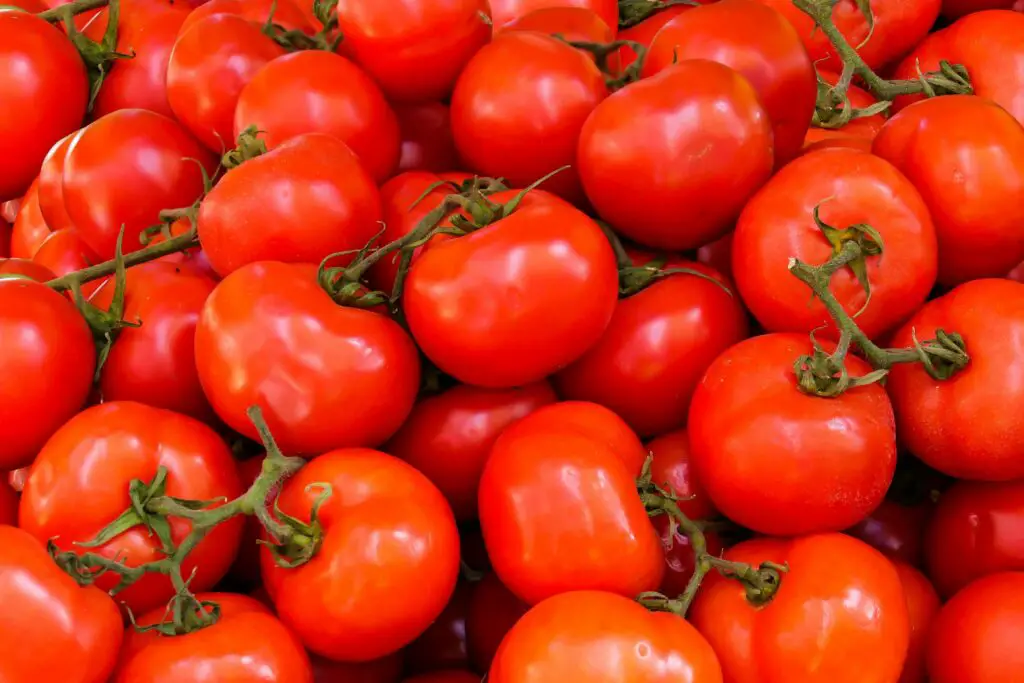
This salad looked simple, but it depended on balance rather than ingredients. Tomatoes were chosen by smell and feel, not by variety name. Seasoning was adjusted until the flavors felt right together. Nothing was ever measured.
When people tried to recreate it, they focused on the ingredient list. They missed the small adjustments made at the last moment. The original version depended on intuition built over many summers. Without that, it became just another tomato salad.
9. Old-Fashioned Fudge That Was Never Timed
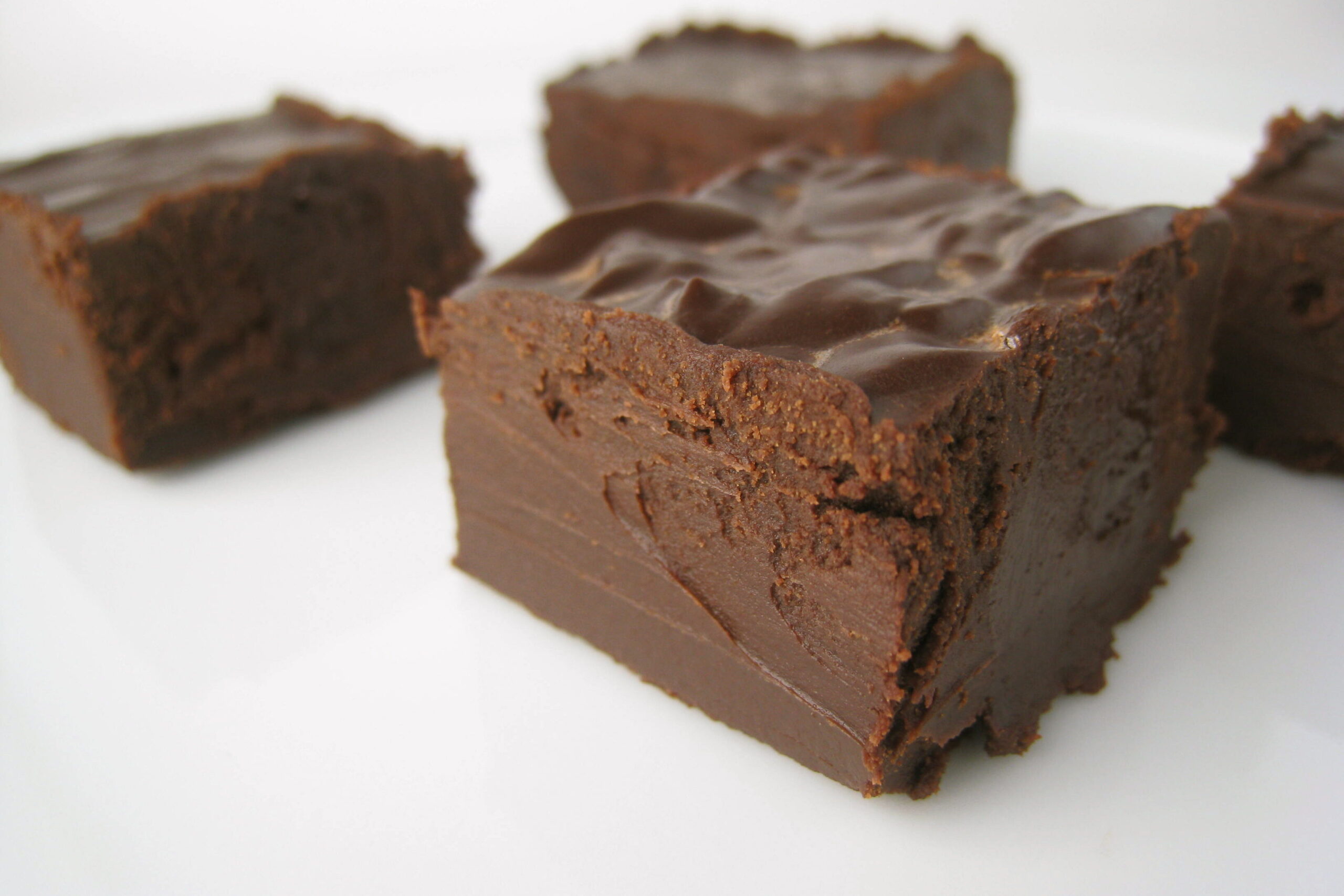
Classic fudge recipes often warned about timing and temperature, but some cooks ignored both. They stirred until it looked right and stopped when it felt ready. The texture came out smooth because they knew exactly when to quit. It was experience, not precision, doing the work.
Once others tried to follow the same approach, the results varied wildly. Without that practiced eye, fudge could turn grainy or too soft. Written recipes helped, but they didn’t replace years of trial and error. The original version lived only in memory.
10. Breakfast Hash Made From Leftovers
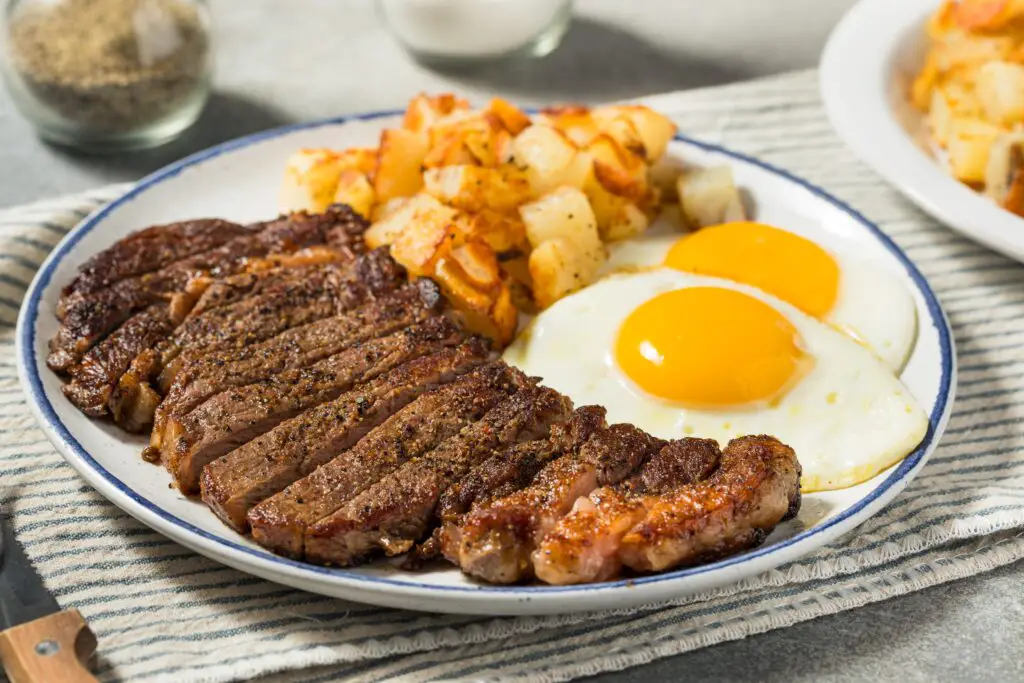
Hash was rarely planned and almost never written down. It depended on what was left from previous meals and how much seasoning it needed that morning. Potatoes, meat, and onions came together in a familiar way. It tasted like home rather than a recipe.
When someone asked how to make it, the answer was always vague. “Just cook it until it’s done,” they would say. Without knowing the rhythm and order of cooking, recreations fell flat. The best version existed only in routine.
11. Pickles Brined by Taste
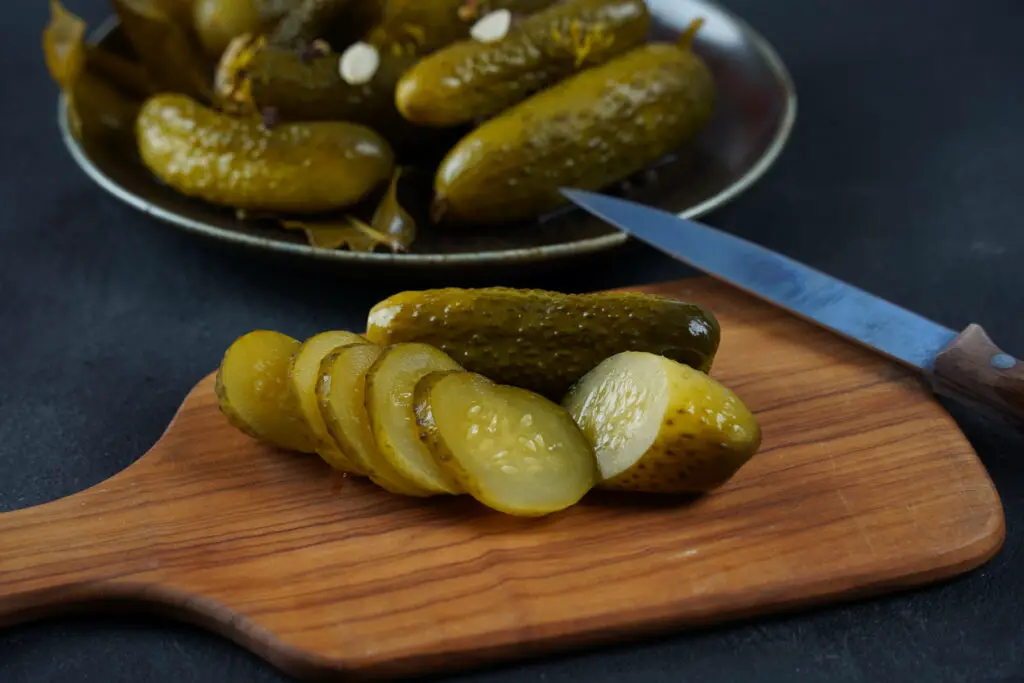
Pickling was once guided more by taste than by strict ratios. Salt levels were adjusted by sampling the brine, not by measuring spoons. Spices were added until the smell felt right. Each batch reflected the cook’s preferences.
When later generations tried to copy it, they wanted exact amounts. Those numbers never existed. The original pickles were the product of judgment and habit. Once that judgment was gone, so was the recipe.
12. Hand-Rolled Pie Crust
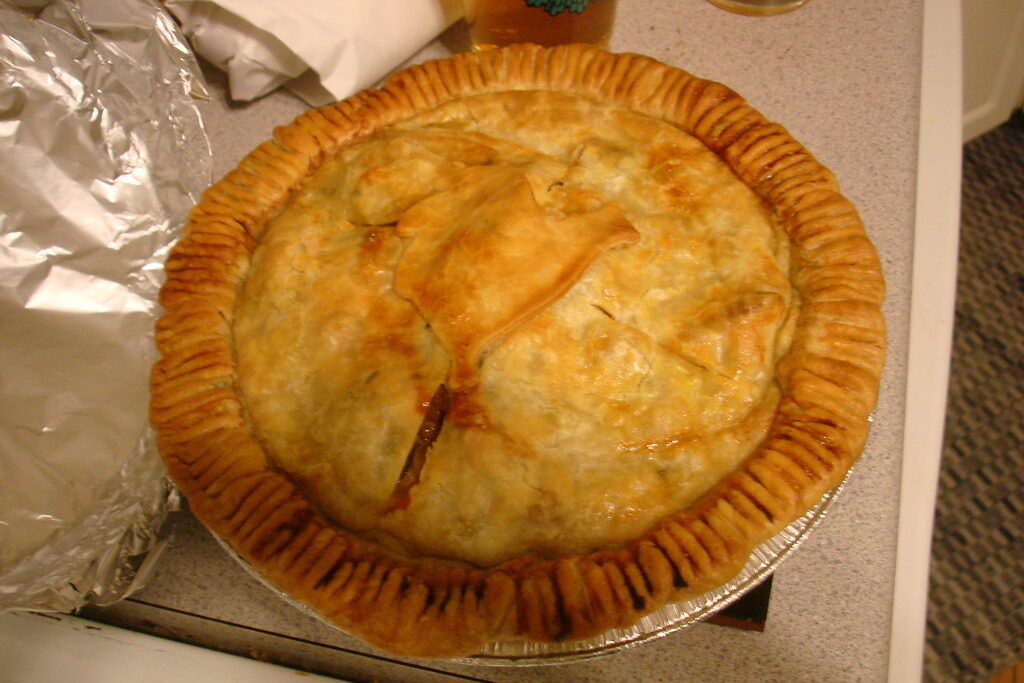
Some pie crusts were made entirely by feel. The cook knew when the fat was worked in enough and when to stop handling the dough. Water was added slowly, just until it came together. That restraint made all the difference.
Written instructions often encouraged overthinking. New bakers handled the dough too much or added too much liquid. The result was tougher than intended. The original crust relied on confidence that could not be written down.
13. Candy Made Once a Year and Never Recorded

Certain candies appeared only on special occasions. They were made so rarely that no one bothered to write the steps down. The cook remembered the process from the last time and trusted their memory. It always seemed to work.
When the tradition ended, so did the recipe. People remembered the taste but not the method. Without notes or measurements, recreating it became guesswork. The candy survived only in stories and faded recollections.