
1. Blockbuster Video
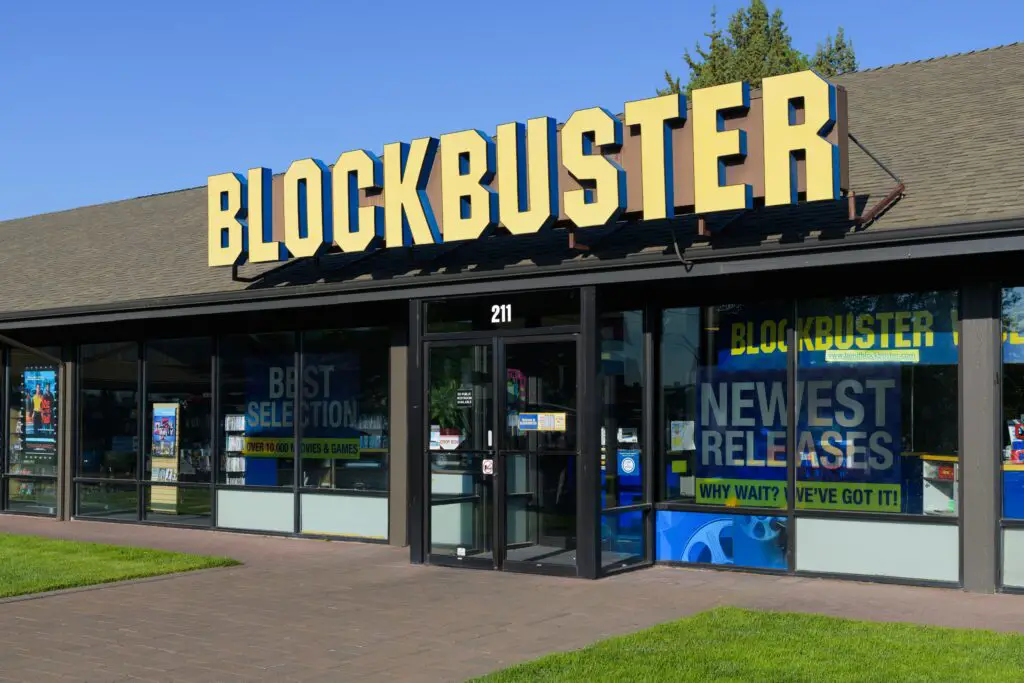
For a while, a trip to Blockbuster felt like a small weekly ritual, wandering the aisles on a Friday night and hoping the new release wall wasn’t already picked clean. The blue-and-yellow logo was everywhere, and it honestly seemed impossible that something so ingrained in family routines could ever disappear. Late fees were practically a household budget line item, even though everyone swore they’d rewind the tape next time. The stores smelled faintly like plastic cases and microwave popcorn, and the handwritten “Be Kind, Rewind” signs felt oddly comforting. Parents negotiated movie choices, kids begged for candy at the counter, and clerks quietly judged your taste in comedies. At its peak, Blockbuster had thousands of locations worldwide and dominated home entertainment.
Then streaming crept in quietly and made the whole ritual feel unnecessary almost overnight. Netflix’s mail DVDs, followed by instant streaming, slowly trained people to expect movies without leaving the couch. Blockbuster famously passed on a chance to buy Netflix, a decision that now feels almost mythical in hindsight. Stores closed one by one, turning into empty shells or Spirit Halloween pop-ups. What once felt untouchable became a cautionary tale in business schools. Today, the lone surviving store in Bend, Oregon feels more like a museum than a chain. It’s proof that even cultural giants can vanish faster than anyone expects.
2. Toys “R” Us
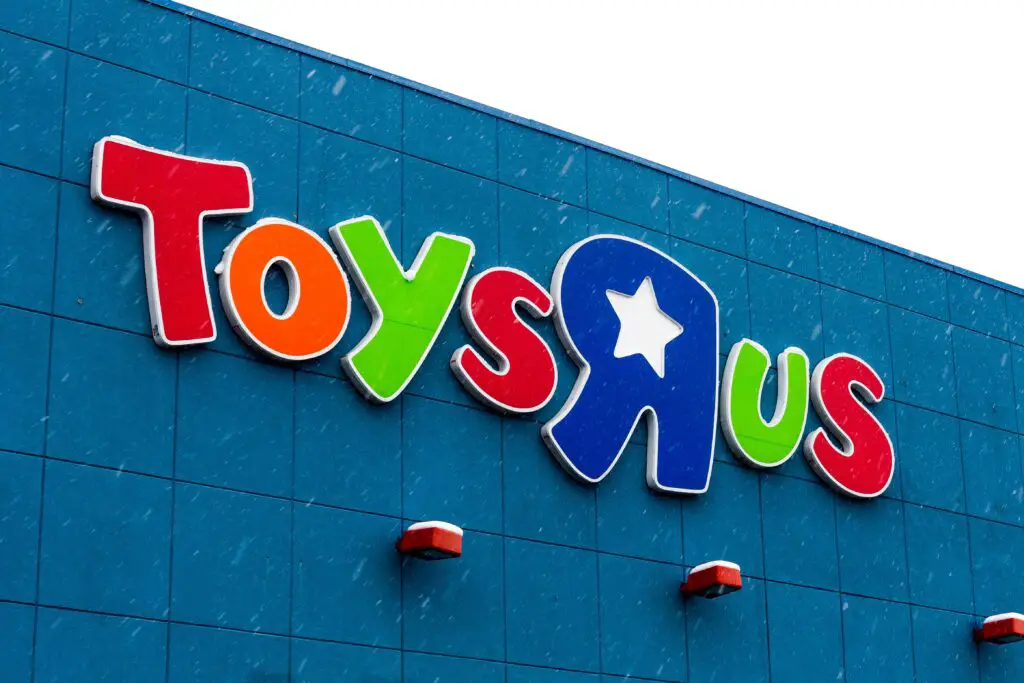
Walking into Toys “R” Us felt like stepping into a child-sized wonderland, with towering shelves stacked with bikes, dolls, board games, and every plastic dream imaginable. The aisles seemed endless, and the giant Geoffrey the Giraffe mascot made it feel like a destination rather than just another store. Holiday shopping there was chaotic but exciting, with parents racing carts while kids clutched wish lists like sacred documents. For decades, it felt like the undisputed king of toy retail. If a toy existed, you assumed Toys “R” Us had it. The brand was so embedded in childhood memories that it felt immune to failure.
But online shopping and big-box competition quietly chipped away at that dominance. Mounting debt from a leveraged buyout left the company with little flexibility to adapt. Stores started looking tired, inventory felt less magical, and foot traffic slowly thinned. When bankruptcy and widespread closures hit in 2018, many adults felt oddly emotional about it. It wasn’t just a store disappearing, it was a piece of childhood culture fading out. Although some smaller-format locations and brand revivals exist today, the original empire is gone. The once-unstoppable toy kingdom never truly recovered its magic.
3. Sears
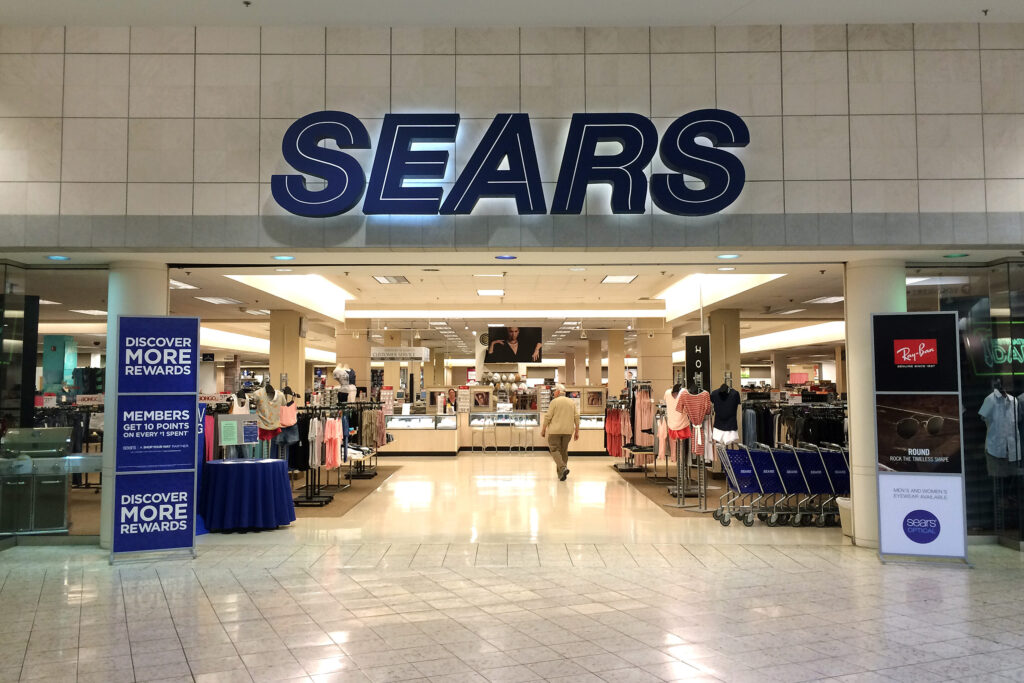
Sears once represented reliability, practicality, and middle-class stability all wrapped into one massive catalog and department store. Families bought appliances, tools, school clothes, and even entire houses through Sears at different points in history. The Craftsman and Kenmore brands carried serious trust, and the stores anchored countless shopping malls. For many households, Sears was the default option for anything remotely domestic. It felt as permanent as the mall itself. You could practically measure adulthood by how often you wandered into the appliance section.
Then the slow decline began as online retail, Walmart, and Target reshaped consumer habits. Stores became understaffed, dated, and oddly empty, with shelves that felt like they hadn’t been refreshed in years. Management struggles and underinvestment compounded the problem. Mall traffic collapsed, taking Sears locations down with it. Once-proud storefronts turned into vacant shells or temporary pop-up spaces. A few locations technically still operate, but the brand’s former dominance is long gone. Sears went from retail titan to retail cautionary tale in a single generation.
4. Borders Books
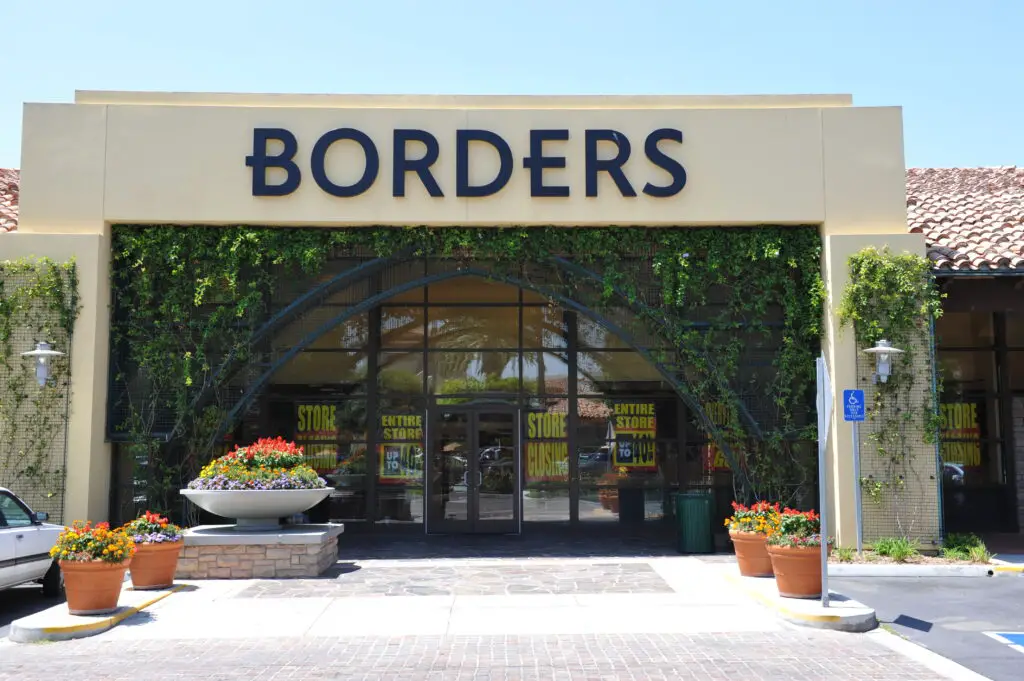
Borders was the kind of place where you could lose an entire afternoon without realizing it. Plush chairs, soft lighting, in-store cafés, and endless shelves made browsing feel like a cozy escape rather than a shopping errand. People lingered, flipped through magazines, sampled novels, and met friends for coffee between aisles. It felt like a cultural hub as much as a bookstore. For readers, Borders represented abundance and discovery. The stores always felt busy and alive.
Digital reading, online discounts, and Amazon’s relentless convenience gradually eroded that traffic. Borders struggled to compete on pricing and never fully embraced e-books or online retail fast enough. As leases grew expensive and foot traffic dropped, the business model unraveled quickly. When Borders closed all its stores in 2011, many communities lost a gathering space along with a retailer. Empty big-box shells sat abandoned in shopping centers for years afterward. The disappearance felt sudden, even though the warning signs had been there. It was a reminder that even beloved spaces aren’t immune to market shifts.
5. Pan Am

Pan Am once symbolized glamour, global travel, and American innovation in the jet age. The blue globe logo carried prestige, and flying Pan Am felt like stepping into a golden era of aviation. The airline pioneered international routes and helped define what modern air travel looked like. Uniforms, lounges, and advertising all radiated confidence and luxury. For decades, Pan Am felt synonymous with flying itself. It was the airline people trusted to take them anywhere in the world.
Deregulation, rising fuel costs, and aggressive competition slowly eroded its dominance. Strategic missteps and financial strain piled up over time. The airline struggled to adapt to a rapidly changing industry that prioritized efficiency over elegance. By 1991, Pan Am shut down entirely, shocking travelers who had grown up seeing the brand everywhere. The fall felt symbolic, like the end of an era rather than just a company closing. Today, Pan Am lives mostly in pop culture and nostalgia. Its legacy remains powerful, even though the planes are long gone.
6. Circuit City
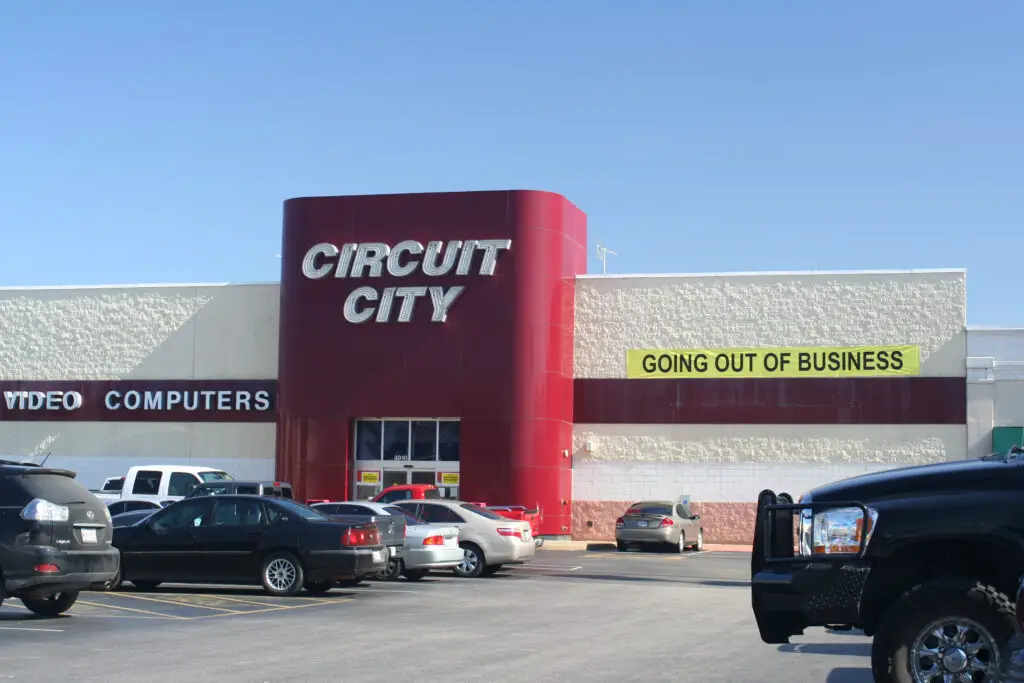
Circuit City was once the place to go for TVs, stereos, DVD players, and every shiny new electronic gadget. The red logo and sprawling showroom floors made it feel like a tech playground for grown-ups. Sales associates in crisp uniforms guided customers through specs and warranties. Big purchases often started with a Circuit City visit. It felt like a permanent fixture of suburban shopping centers.
But online retailers undercut prices and convenience in ways brick-and-mortar stores struggled to match. Circuit City made controversial staffing cuts that reduced service quality and expertise. Stores began feeling hollow and underwhelming compared to their heyday. When bankruptcy hit in 2008 and liquidation followed in 2009, the collapse happened fast. Shoppers barely had time to adjust before the stores vanished. Best Buy absorbed much of the remaining market share. Circuit City became another example of retail disruption moving faster than leadership could react.
7. Tower Records
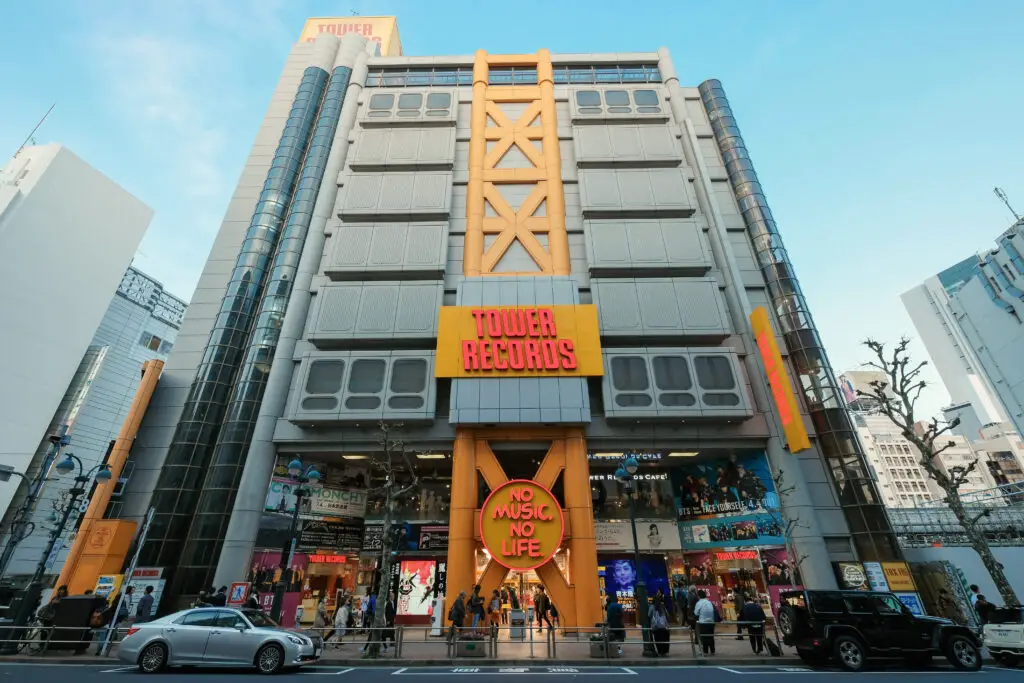
Tower Records was a music lover’s paradise, with towering shelves packed with CDs, vinyl, posters, and obscure imports. Browsing felt like a treasure hunt, especially when you stumbled on a rare album or a staff recommendation card. The stores buzzed with energy, especially in big cities where midnight releases felt like small events. Tower wasn’t just a store, it was a community hub for music fans. It felt permanent in the same way radio once felt permanent. You assumed it would always be there.
Digital downloads and streaming completely reshaped how people consumed music. Physical media sales plummeted faster than Tower could pivot its massive footprint. High rent locations became unsustainable as foot traffic dropped. By 2006, U.S. stores closed, followed later by international locations. Music fans mourned the loss of a shared cultural space, not just a retailer. Some locations still operate internationally under different ownership, but the original dominance is gone. Tower now exists mostly in memory and documentaries.
8. RadioShack
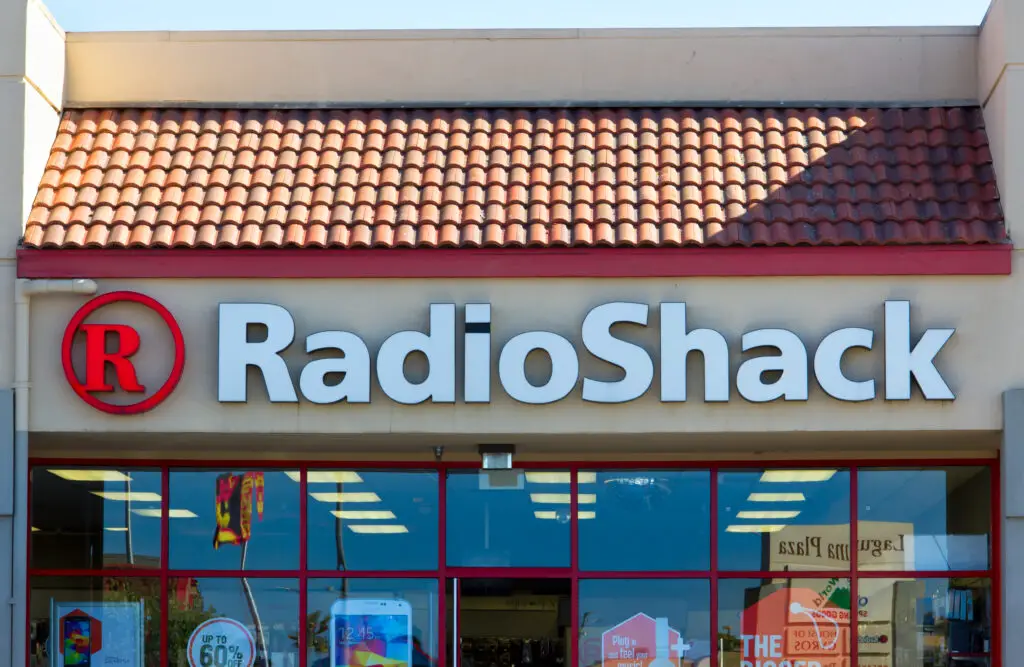
RadioShack once catered to hobbyists, tinkerers, and anyone who needed a random cable, battery, or electronic part on short notice. It felt like a tiny treasure chest of gadgets tucked into strip malls everywhere. The brand built loyalty among early computer enthusiasts and electronics hobbyists. If you were building something weird in your garage, RadioShack probably had a component you needed. It felt niche but indispensable.
As consumer electronics became more sealed, disposable, and mass-produced, demand for individual components declined. Smartphones replaced many standalone gadgets that RadioShack once sold. The stores tried pivoting toward cell phone sales but couldn’t compete with carrier stores and online retailers. Multiple bankruptcies followed over the years. Locations slowly disappeared, leaving empty storefronts behind. While a limited brand presence still exists online and in small partnerships, the original chain is effectively gone. What once felt essential faded quietly.
9. Woolworth’s
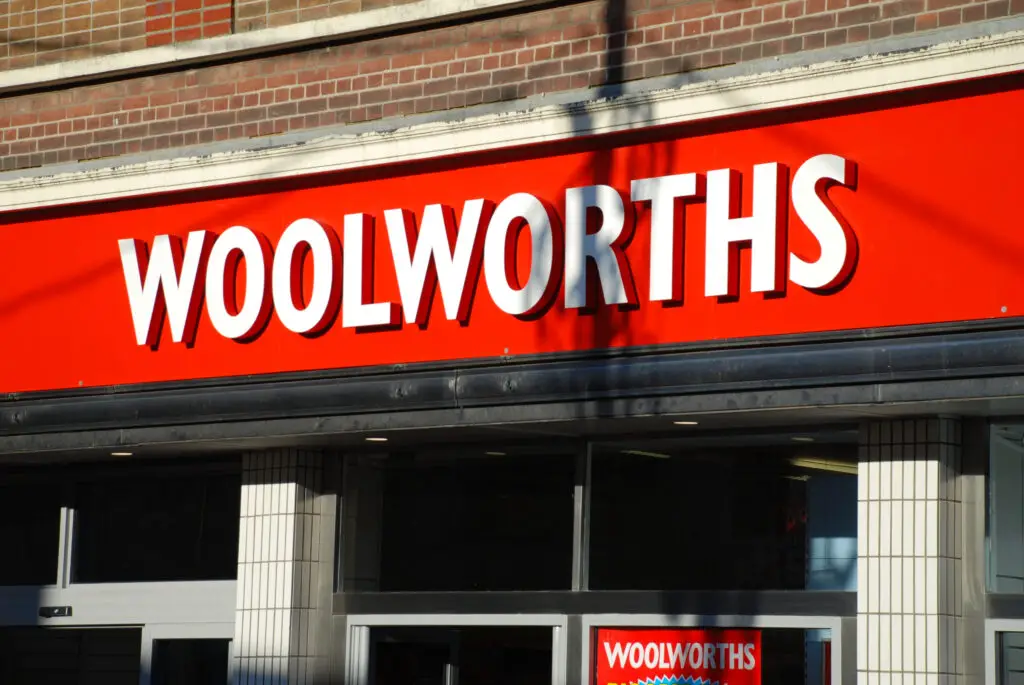
Woolworth’s five-and-dime stores were once the heartbeat of downtown shopping districts. You could buy candy, socks, lunch at the counter, and household basics all in one stop. The lunch counters became cultural landmarks, especially during the civil rights movement. Woolworth’s felt woven into everyday American life for decades. Generations grew up wandering its aisles with spare change in their pockets. It seemed like a permanent fixture of Main Street.
Big-box retailers and suburban malls gradually drained foot traffic from downtown stores. The five-and-dime pricing model lost relevance as discount chains expanded. Woolworth’s struggled to modernize its image and store experience. U.S. stores closed by the late 1990s, ending a long chapter of retail history. Many former locations became banks, offices, or empty shells. The name still exists internationally in different forms, but the original American chain is gone. Its cultural footprint remains far larger than its current presence.
10. Kodak
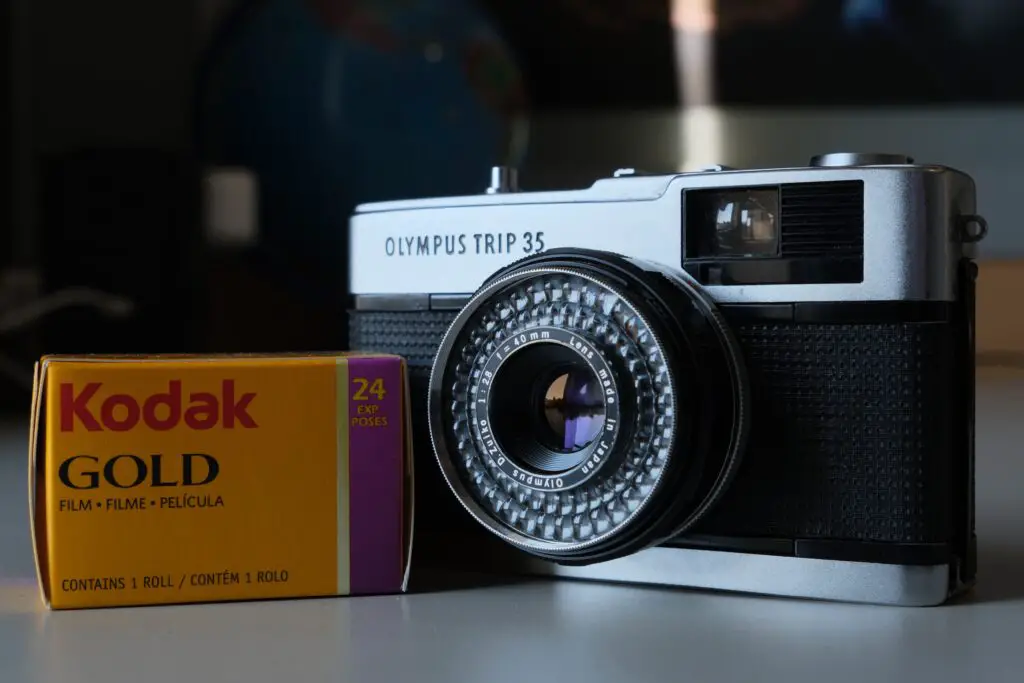
Kodak once defined photography itself, with yellow film boxes found in nearly every household. “Kodak moment” became shorthand for capturing life’s most important memories. The company dominated film, cameras, and photo processing for generations. Families trusted Kodak with birthdays, vacations, and weddings without a second thought. It felt untouchable in the literal sense of memory preservation.
Ironically, Kodak helped invent digital photography but failed to capitalize on it quickly enough. Leadership feared cannibalizing its profitable film business. As smartphones and digital cameras exploded, film sales collapsed. Kodak filed for bankruptcy protection in 2012 and dramatically downsized. While the company still exists in limited forms today, its cultural dominance vanished. The brand shifted from household staple to historical footnote almost overnight. Kodak’s story remains a classic example of innovation ignored.
11. Payless ShoeSource
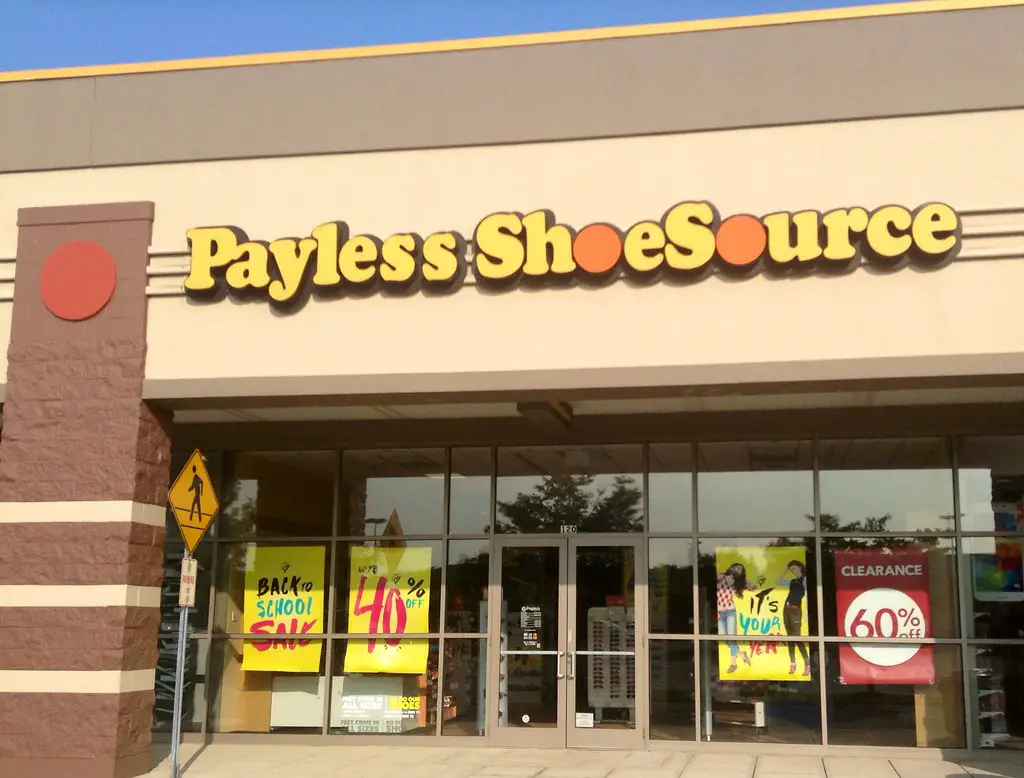
Payless made affordable footwear accessible to nearly every family. Back-to-school shopping often included crowded aisles of shoebox towers and kids testing sneakers in mirrors. The prices felt friendly, and the variety made it easy to grab something quickly. Payless locations were everywhere, from malls to strip centers. It felt like a dependable constant in everyday errands.
Fast fashion competition and online shopping slowly eroded its traffic. Rising operating costs made its low-price model harder to sustain. Store quality declined, and inventory often felt picked over or inconsistent. Multiple bankruptcies followed, leading to widespread closures in 2019. Although a limited online presence and select physical revivals exist, the massive footprint is gone. Many former stores remain empty reminders of shifting retail habits. Payless went from ubiquitous to rare in just a few years.
12. Compaq
Compaq was once a major force in personal computers, especially during the early PC boom. Offices, schools, and home users trusted the brand for reliability and compatibility. Seeing a Compaq logo on a beige desktop tower was completely normal in the 1990s. The company felt like a permanent pillar of the tech industry. For a while, it even surpassed some bigger competitors in market share.
Industry consolidation and fierce competition changed everything. Compaq merged with Hewlett-Packard in 2002, effectively ending the brand’s independent existence. The name gradually faded from store shelves and advertising. New generations barely recognize the brand today. What once felt like a tech heavyweight quietly dissolved into corporate history. Its influence lives on through legacy systems and old hardware still humming in basements and offices. Compaq’s disappearance happened without much fanfare, but it marked a major shift in computing.
13. Pier 1 Imports

Pier 1 was the place to wander when you wanted something a little different for your home. Colorful pillows, scented candles, woven baskets, and quirky furniture filled the stores with visual texture. It felt globally inspired and slightly indulgent, even when prices were reasonable. Many people browsed Pier 1 just for inspiration, even if they didn’t buy anything. The stores had a calming, curated vibe that stood out in malls.
Changing home décor trends and online competition slowly reduced foot traffic. Inventory issues and shifting consumer tastes made consistency harder to maintain. Rising rents squeezed margins in many locations. Bankruptcy and closures followed in 2020, accelerated by the pandemic. Physical stores vanished almost entirely. While the brand continues online, the browsing experience that made Pier 1 special is gone. It’s another reminder that atmosphere doesn’t always translate digitally.
14. Palm

Palm once defined the early era of mobile productivity with its handheld PDAs. Professionals synced calendars, contacts, and notes through tiny screens and styluses. Owning a Palm device felt cutting-edge in the late 1990s and early 2000s. It was the precursor to the smartphone lifestyle many now take for granted. Palm seemed positioned to dominate mobile computing.
The smartphone revolution arrived faster than Palm could adapt. Competitors integrated phones, apps, and touchscreens more effectively. Palm struggled with operating system transitions and product clarity. Acquisitions and restructuring failed to revive momentum. By the mid-2010s, the brand effectively disappeared from consumer markets. What once felt futuristic became obsolete in less than two decades. Palm’s legacy lives on in how we organize digital life today.
15. Myspace

Myspace was once the center of online social life, especially for teens and musicians. Custom profiles, autoplay music, glitter graphics, and chaotic layouts defined early internet personality. Friend rankings caused real-life drama, and band pages built early fan communities. Logging in felt like stepping into everyone’s digital bedroom at once. It felt unstoppable at its peak.
Facebook’s cleaner interface and real-name culture slowly pulled users away. Myspace struggled to modernize its platform and identity. Advertising clutter and slow performance accelerated user abandonment. The platform faded rapidly after 2009. While it technically still exists in niche form, its cultural relevance is long gone. Myspace went from internet powerhouse to nostalgic punchline in record time. It remains a fascinating snapshot of early social media experimentation.