
1. Michigan Central Station (Detroit, Michigan)
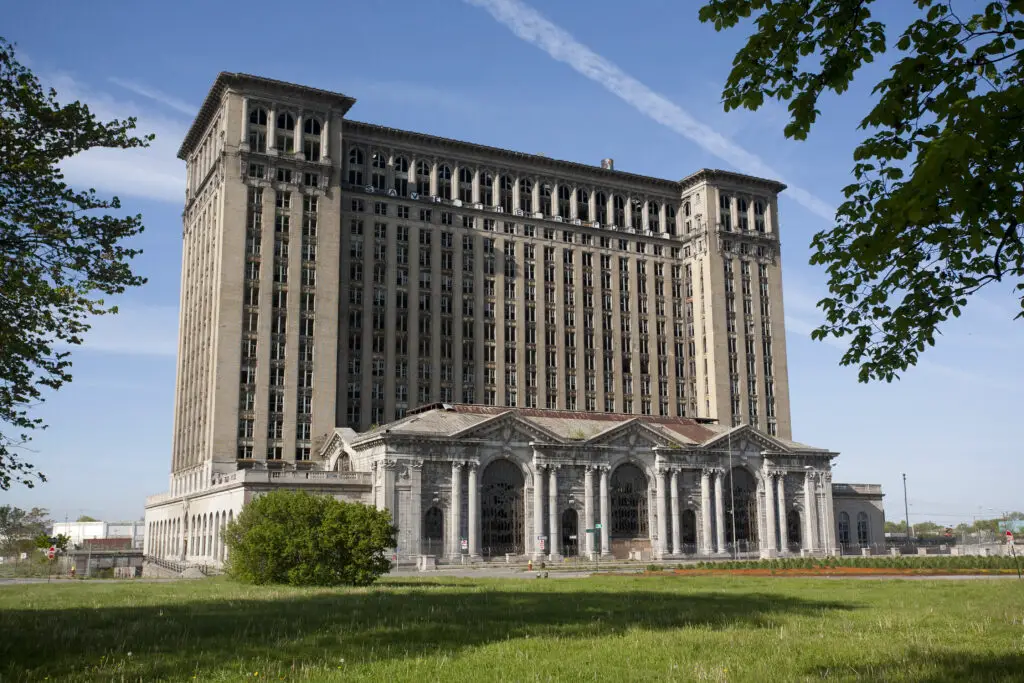
For decades, Michigan Central Station stood like a grand gateway to Detroit, even for people who never set foot inside. Opened in 1913, it was one of the tallest rail stations in the world and a symbol of the city’s booming industrial era. By the late 20th century, though, passenger rail declined and the building closed in 1988. After that, it became one of the most photographed abandoned landmarks in America, its empty windows and crumbling facade taking on a life of their own. People would drive by just to see it, like it was still part of the city’s identity even in decay.
What made it feel so “famous” locally was how often it showed up in movies, documentaries, and photo books about Detroit. It became shorthand for both the city’s past glory and its struggles. For years, there were rumors about what might happen to it, but nothing seemed to stick. Then in 2018, Ford Motor Company bought the building and began a massive restoration project. It’s no longer abandoned now, but for a long stretch, it existed in that strange in-between, closed yet unforgettable.
2. Boblo Island Amusement Park (Detroit River, Michigan)
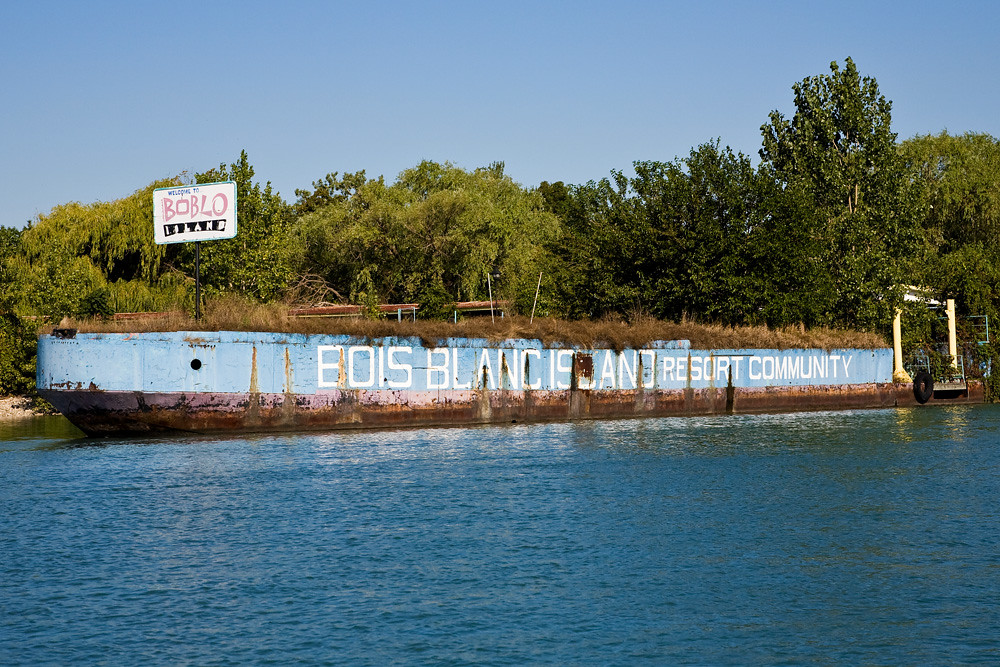
Boblo Island was one of those places where entire generations went for summer fun, reachable only by ferry from Detroit or Amherstburg. Opened in 1898, it featured classic rides, a wooden roller coaster, and a kind of old-school charm that felt frozen in time. For many Michigan families, the ferry ride itself was half the experience, packed with music, dancing, and anticipation. It felt like a destination that belonged just as much to memory as to geography.
The park closed in 1993 after attendance declined and ownership struggles took their toll. After that, the rides were dismantled and the island was redeveloped into a residential community. Today, you can still spot a few remnants if you know where to look, but the amusement park itself is gone. What remains is the feeling people still talk about, like it was a shared childhood rite of passage. It’s one of those places that feels famous in hindsight, even though it quietly slipped away.
3. Tiger Stadium (Detroit, Michigan)
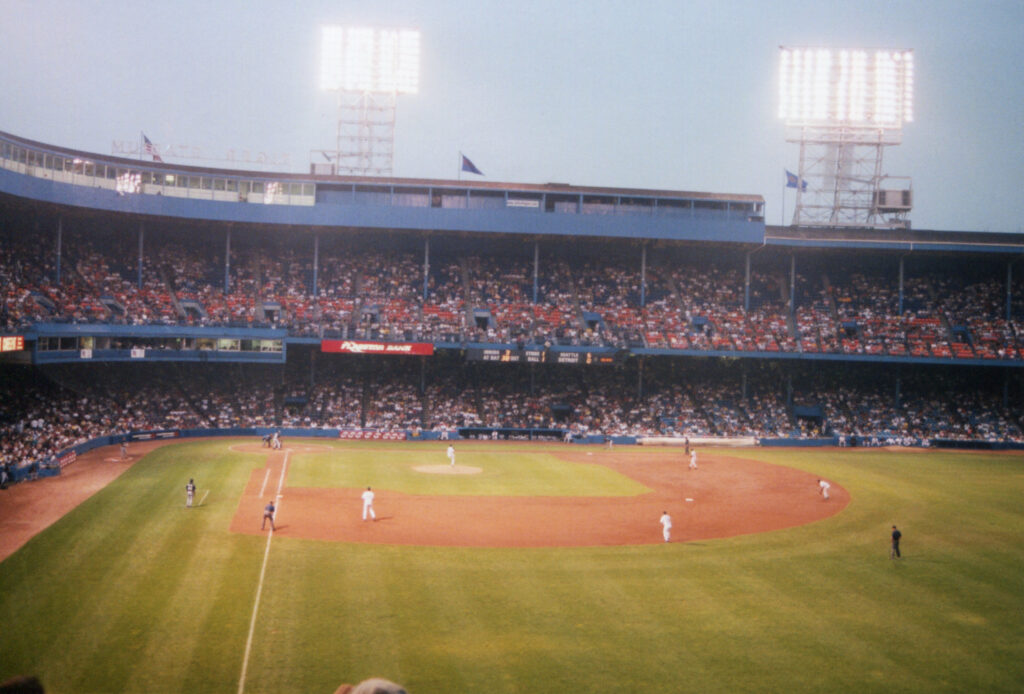
Tiger Stadium, originally known as Navin Field when it opened in 1912, was one of baseball’s most storied venues. It hosted legends like Ty Cobb, Hank Greenberg, and Al Kaline, and later saw historic moments with the Detroit Tigers across generations. Even if you weren’t a huge baseball fan, the corner of Michigan and Trumbull carried a kind of reverence. The stadium’s intimate design made fans feel unusually close to the game, which added to its reputation.
The Tigers moved to Comerica Park in 2000, and Tiger Stadium was officially closed soon after. For years, the structure sat mostly unused, with occasional efforts to save or repurpose it. Ultimately, it was demolished in 2009, leaving behind only memories and a field that still hosts amateur games today. Locally, it still comes up in conversations as if it never really left. It’s one of those landmarks that feels permanently part of the city, even though it’s no longer there.
4. Palace of Auburn Hills (Auburn Hills, Michigan)
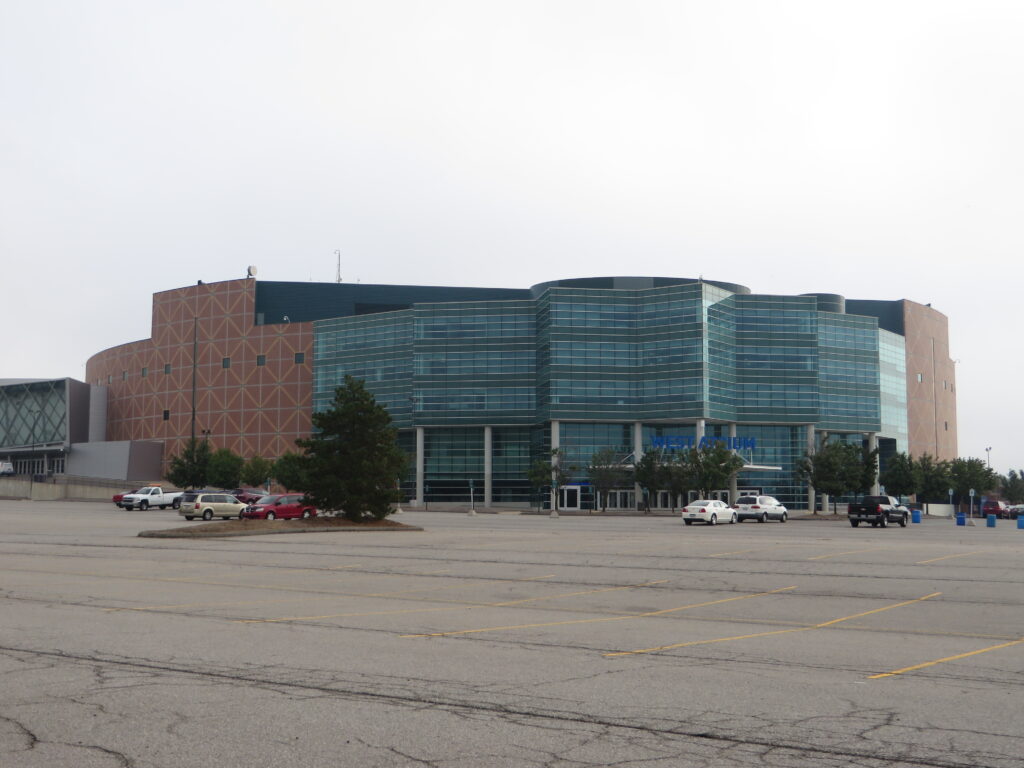
When the Palace of Auburn Hills opened in 1988, it quickly became one of the premier arenas in the NBA. It was the home of the Detroit Pistons during their “Bad Boys” era and later championship teams, making it a place tied to major sports history. Beyond basketball, it hosted concerts and events that drew crowds from all over the region. For years, if a major act came to town, chances were they were playing the Palace.
The arena closed in 2017 after the Pistons moved to Little Caesars Arena in downtown Detroit. Not long after, the building was demolished in 2020. For something that hosted so many high-profile events, its disappearance felt surprisingly quiet. There wasn’t a long goodbye, just a shift to a new venue and then demolition. Even so, for many locals, the Palace still feels like the place where big moments happened.
5. Geauga Lake Amusement Park (Aurora, Ohio)
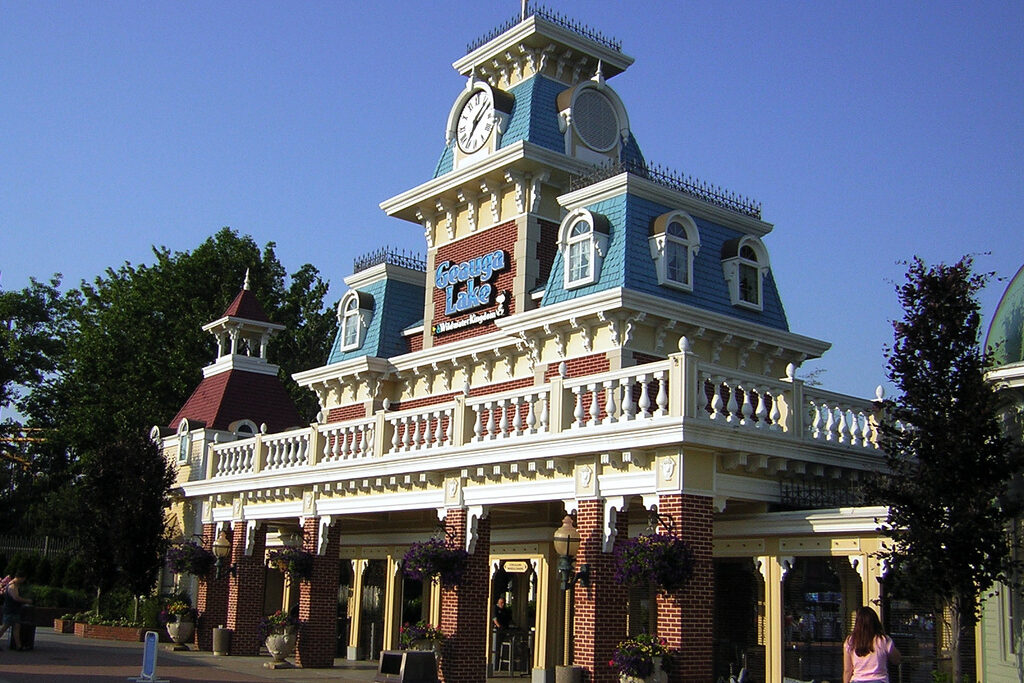
Geauga Lake had been operating in some form since 1887, making it one of the oldest amusement parks in the United States. At various points, it expanded into a massive complex with rides, a water park, and even a marine park when it was owned by SeaWorld and later Six Flags. For people in Ohio and nearby states, it was a go-to summer destination. It felt big, exciting, and constantly evolving.
The park began downsizing in the mid-2000s and ultimately closed for good in 2007. Over time, most of the rides were removed and the land was redeveloped. What made the closure feel strange was how quickly such a large, well-known place disappeared from daily life. It had been a staple for so long that people assumed it would always be there. Now, it mostly lives on through old photos and shared memories.
6. The Summit Place Mall (Pontiac, Michigan)
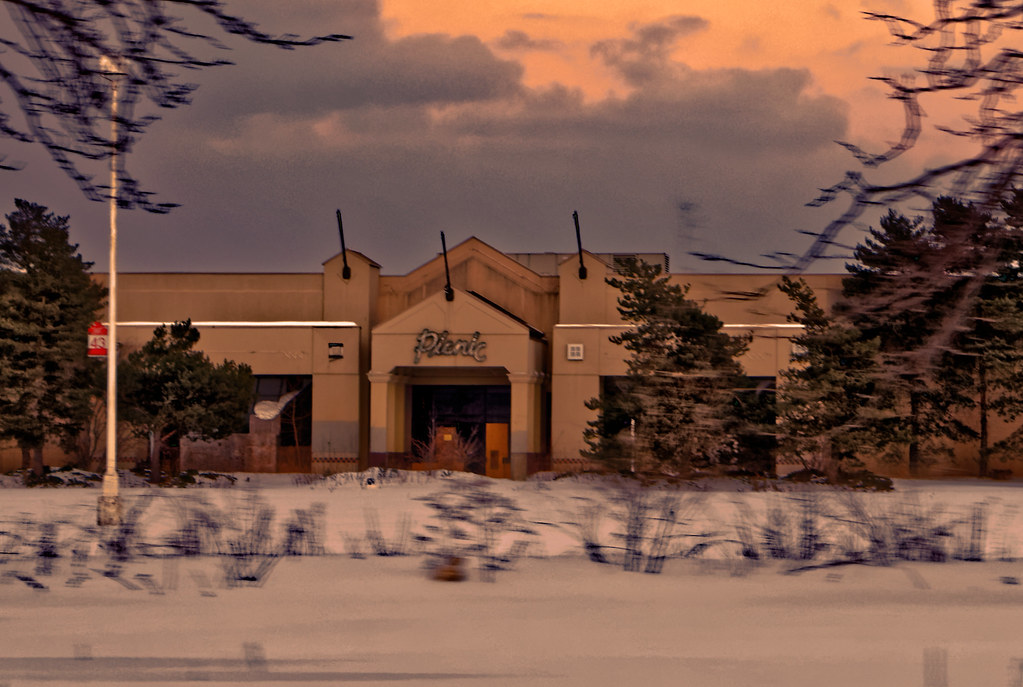
Summit Place Mall opened in 1963 and was once a major retail hub for Oakland County. At its peak, it featured multiple anchor stores and drew steady crowds from surrounding communities. For many families, it was the place to shop, hang out, or just spend an afternoon walking around. Like many malls of its era, it felt central to everyday life.
The mall closed in 2009 after years of declining occupancy and competition from newer shopping centers. After sitting vacant for years, it was finally demolished in 2018. What’s striking is how quickly it went from bustling to completely gone. For locals, it still feels like a place you could drive to, even though there’s nothing left. It’s a reminder of how quickly retail landscapes can change.
7. The Silverdome (Pontiac, Michigan)
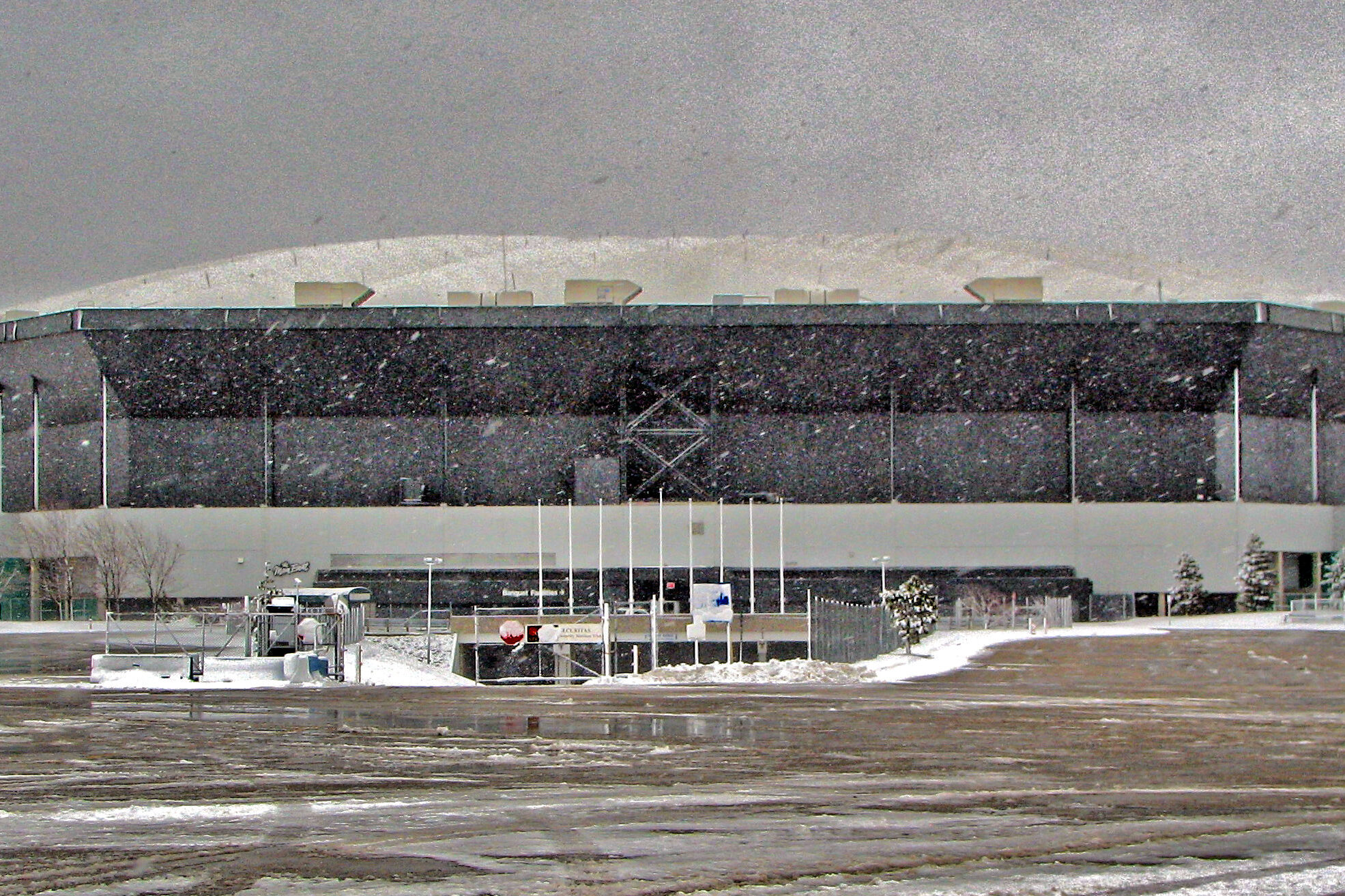
The Pontiac Silverdome opened in 1975 and was once one of the largest stadiums in the NFL. It hosted the Detroit Lions for decades, along with major concerts, WrestleMania III in 1987, and even matches during the 1994 FIFA World Cup. For a time, it was a centerpiece of big events in Michigan. Its sheer size made it feel like a landmark you couldn’t miss.
After the Lions moved to Ford Field in 2002, the Silverdome struggled to find consistent use. It closed in 2013 and was eventually demolished in 2018. Despite its massive presence, its end felt relatively quiet compared to its peak years. People still remember specific events they attended there, which keeps it alive in a different way. It’s one of those places that seemed too big to disappear, until it did.
8. Idora Park (Youngstown, Ohio)
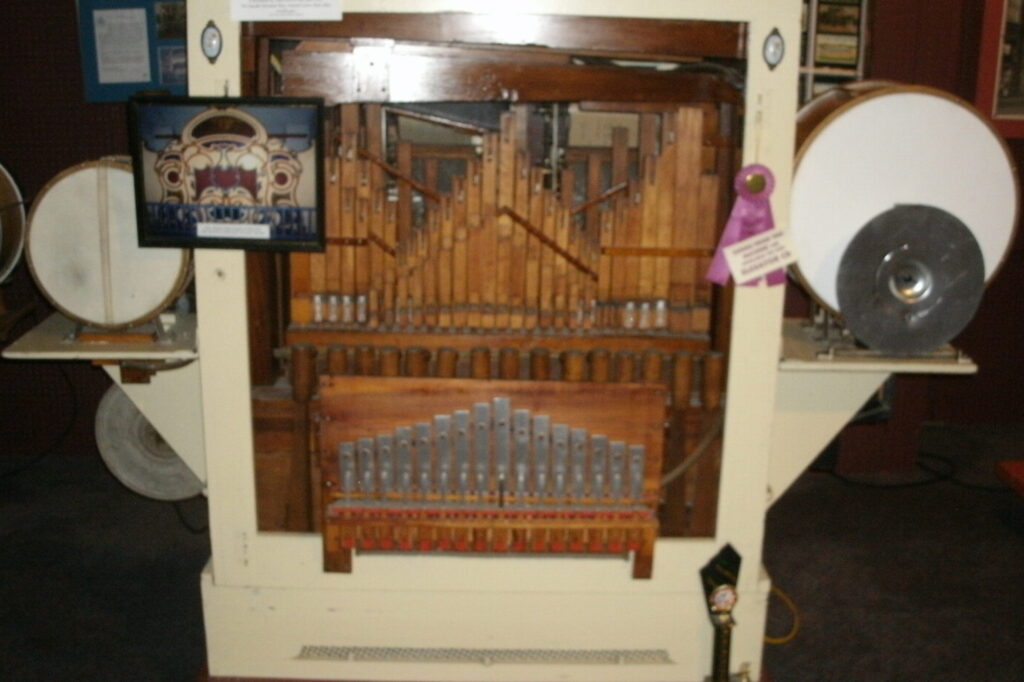
Idora Park opened in 1899 and became a beloved amusement park in Youngstown, known especially for its wooden roller coaster, the Wildcat. It had that classic, turn-of-the-century park atmosphere that people associate with simpler times. Families returned year after year, creating traditions that spanned generations. It wasn’t the biggest park, but it was deeply rooted in the community.
A major fire in 1984 destroyed much of the park, and it never fully recovered. Although some rides remained for a short time, the park effectively closed that same year. Over time, the land was cleared and redeveloped, erasing most visible traces of what once stood there. For those who grew up with it, the loss felt sudden and permanent. It’s still remembered as one of those places that defined a local era.
9. Euclid Beach Park (Cleveland, Ohio)
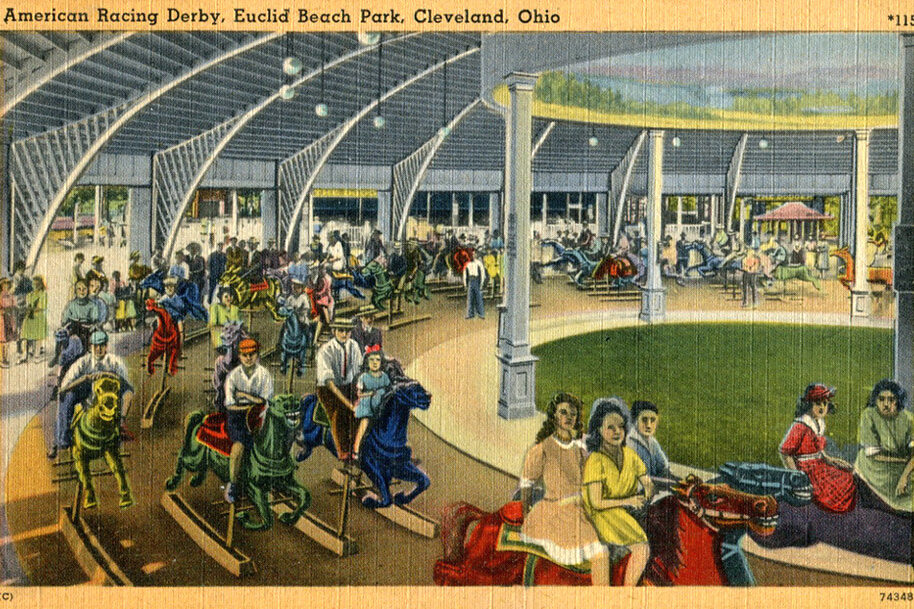
Euclid Beach Park opened in 1895 and became one of Cleveland’s most popular attractions, known for its classic rides and strict family-friendly policies. It was especially famous for its wooden roller coasters and its nostalgic boardwalk-style atmosphere. Generations of visitors remember the park as a place of simple pleasures and summer traditions. It had a reputation that extended well beyond the city.
The park closed in 1969 due to declining attendance and financial challenges. Much of the land was redeveloped, though a few structures and the iconic arch have been preserved. Even decades later, it still comes up in local storytelling and history. It’s one of those places that feels like it should still exist, just because of how much it meant to people. Its absence is part of its legacy.
10. Astroworld (Houston, Texas)
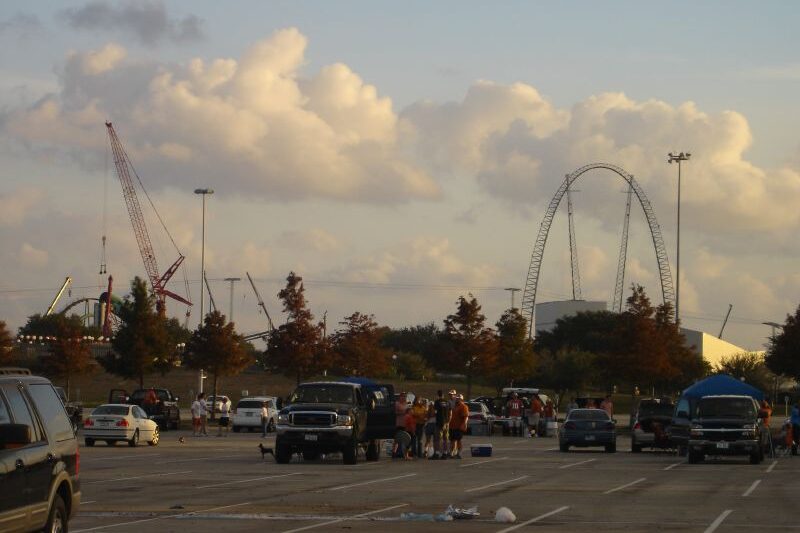
Astroworld opened in 1968 next to the Astrodome and quickly became one of the most recognizable amusement parks in Texas. It featured a wide range of rides and themed areas, and it became a major part of Houston’s identity. For many residents, going to Astroworld was a defining childhood experience. It was the kind of place that felt larger than life.
The park closed in 2005 after Six Flags determined it was no longer financially viable. It was demolished the following year, leaving behind an empty lot for years afterward. What surprised many people was how quickly such a prominent attraction disappeared. Even now, there’s ongoing discussion about what should be done with the site. It remains one of the most frequently remembered “lost” landmarks in Texas.
11. The Stardust Casino (Las Vegas, Nevada)
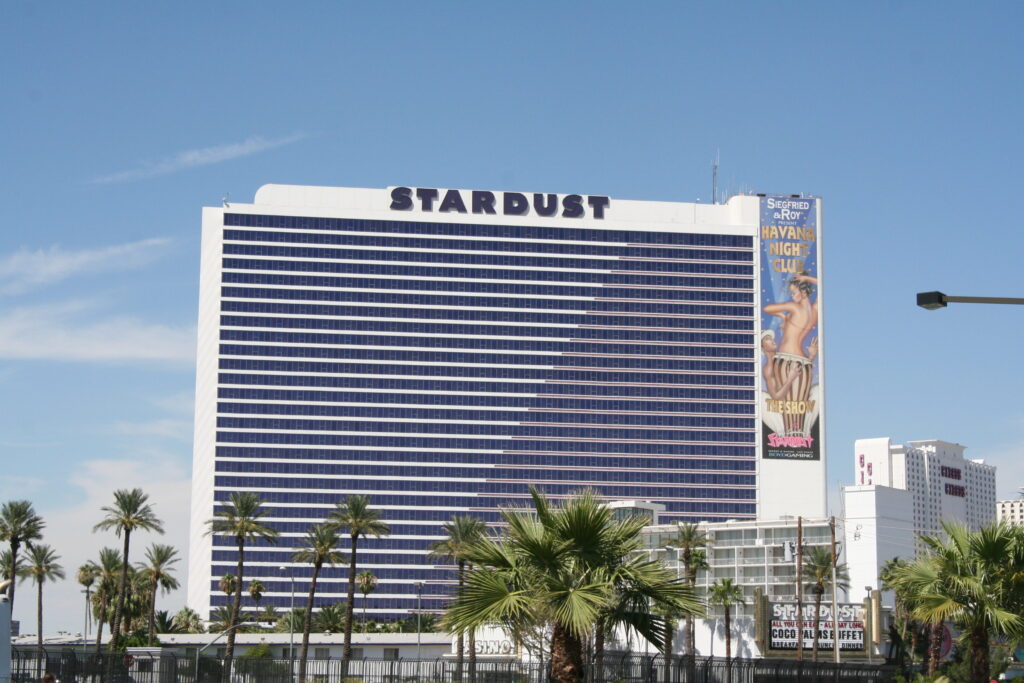
The Stardust Casino opened in 1958 and became one of the most iconic resorts on the Las Vegas Strip. It was known for its distinctive neon signage and long-running shows, including the famous “Lido de Paris.” For decades, it represented a classic era of Las Vegas entertainment. Even people who never stayed there recognized its name and look.
The resort closed in 2006 and was demolished in 2007 to make way for a new development that ultimately never materialized as originally planned. Its closure marked the end of an era for many longtime visitors to Las Vegas. The space where it stood remained under development for years, reinforcing how abruptly it vanished. It’s still remembered as a symbol of old-school Vegas. Its legacy lingers even without the building.
12. The S.S. Kresge Store (Downtown Detroit, Michigan)
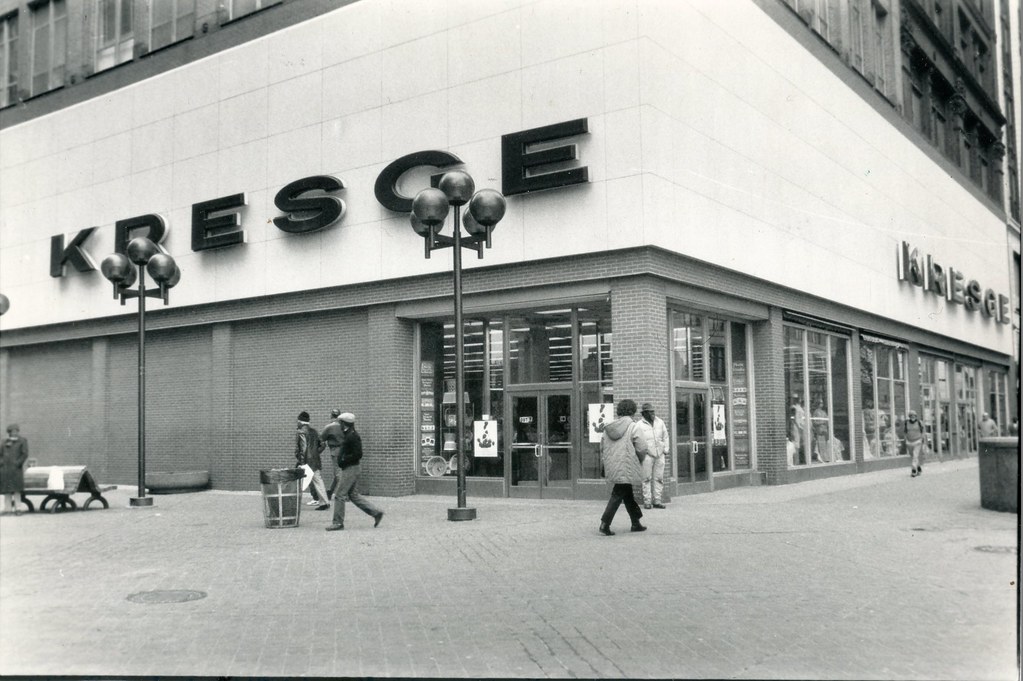
S.S. Kresge stores were once a major part of American retail, and the Detroit flagship held particular local significance. Founded by Sebastian S. Kresge, the company eventually evolved into what became Kmart. The downtown Detroit location was a bustling five-and-dime store that drew shoppers for decades. It represented a kind of everyday commerce that defined mid-20th-century city life.
As retail patterns shifted and downtown areas declined, the flagship store closed in the late 20th century. The brand itself continued in other forms, but the original storefront lost its central role. For people who remember it, the store feels like a symbol of a different kind of shopping experience. It wasn’t flashy, but it was dependable and familiar. Its disappearance marked a broader change in how people shopped and gathered.
13. Palisades Amusement Park (Fort Lee, New Jersey)
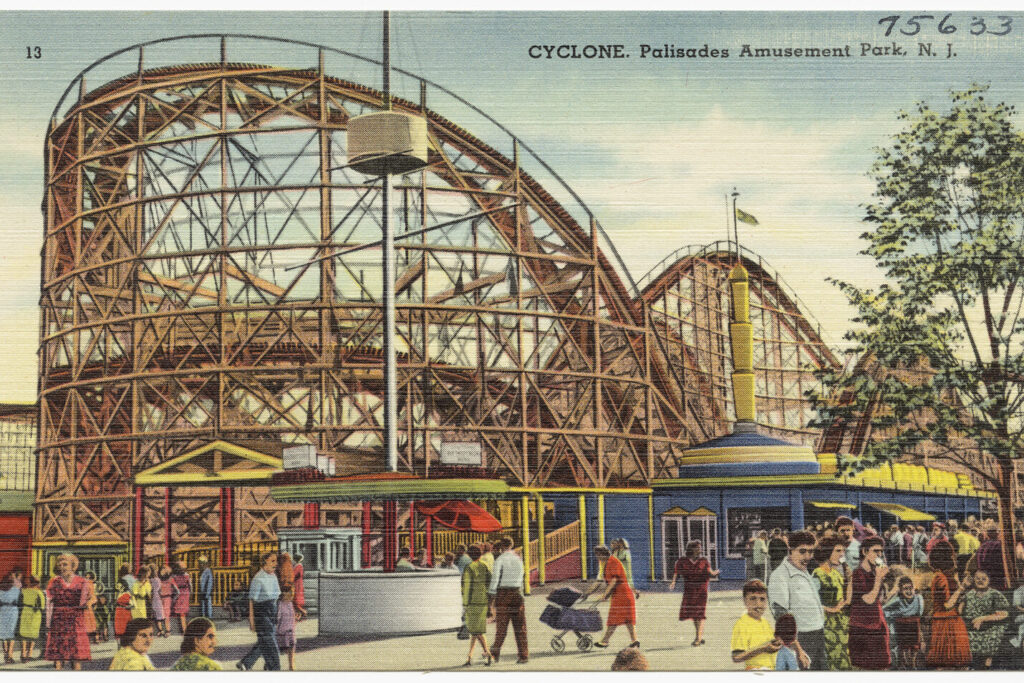
Palisades Amusement Park operated from 1898 to 1971 and was once one of the most popular parks in the New York metropolitan area. It was famous for its rides, its massive saltwater pool, and its appearances in pop culture, including songs and television. For many people in the region, it was the place to go during the summer. It had a reputation that made it feel almost legendary.
The park closed in 1971 due to rising land values and redevelopment pressures. It was replaced by high-rise apartment buildings, leaving little physical trace behind. Despite that, it remains widely remembered through stories, photos, and even music references. It’s a clear example of how something can feel famous long after it’s gone. Its cultural footprint outlasted the park itself.
14. Freedomland U.S.A. (Bronx, New York)
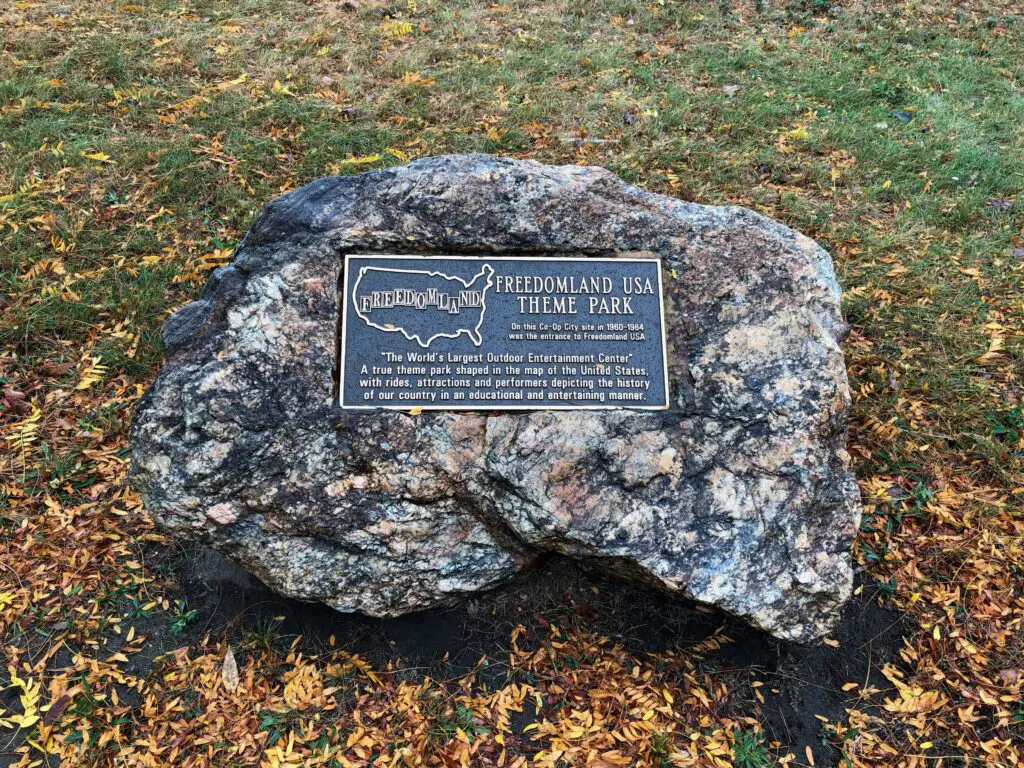
Freedomland U.S.A. opened in 1960 as a theme park designed around American history, with attractions representing different eras and regions. It was ambitious and unique, offering a mix of education and entertainment. For a brief time, it attracted large crowds and generated significant attention. It felt like it might become a permanent fixture in New York.
However, financial difficulties led to its closure in 1964, just four years after opening. The land was later redeveloped into Co-op City, a large residential community. Because its run was so short, many people are surprised to learn it ever existed at all. Yet for those who visited, it left a strong impression. It’s one of those landmarks that feels almost mythical because it disappeared so quickly.