
1. County Fairs with Livestock Shows
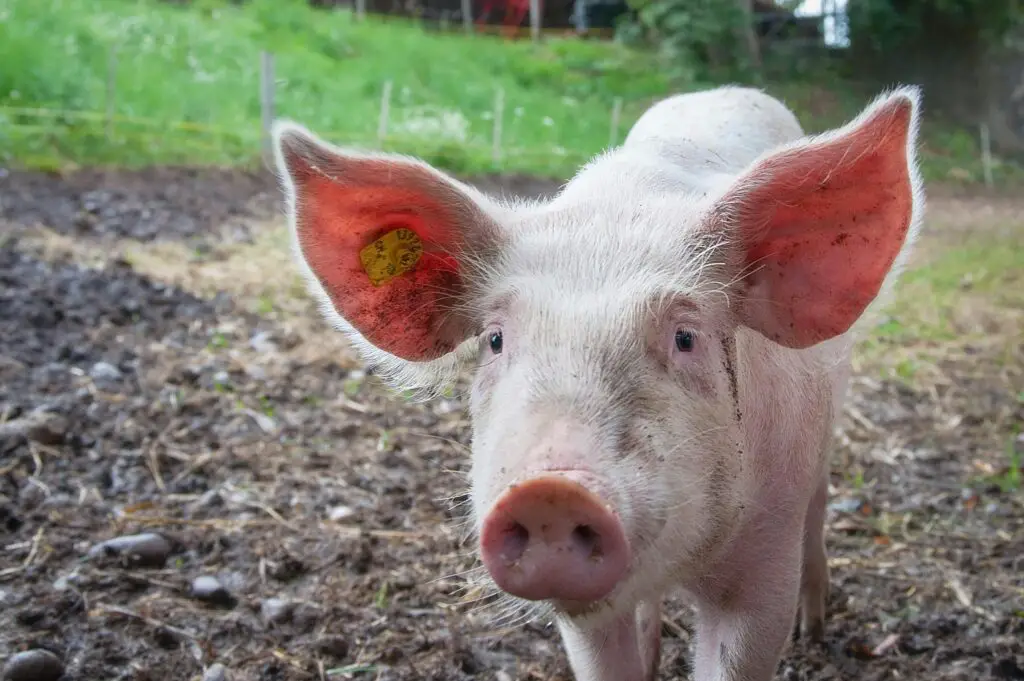
For decades, county fairs were the centerpiece of late summer in many parts of the United States. Families would plan entire weeks around livestock competitions, pie contests, and midway rides. Events like the Iowa State Fair or smaller regional fairs drew consistent crowds year after year, often tied to agricultural cycles. Farmers brought their best animals, and kids in 4-H programs spent months preparing for judging. It was not just entertainment, it was a reflection of local pride and livelihood. Attendance often reached into the hundreds of thousands for larger fairs.
Over time, some smaller county fairs began to decline as rural populations shrank and younger generations moved away. Rising operational costs and changing interests also played a role. While many fairs still exist, some no longer draw the same crowds they once did. The sense of community is still there, but the scale has shifted. For many people, these fairs now feel more nostalgic than essential.
2. Annual Labor Day Parades
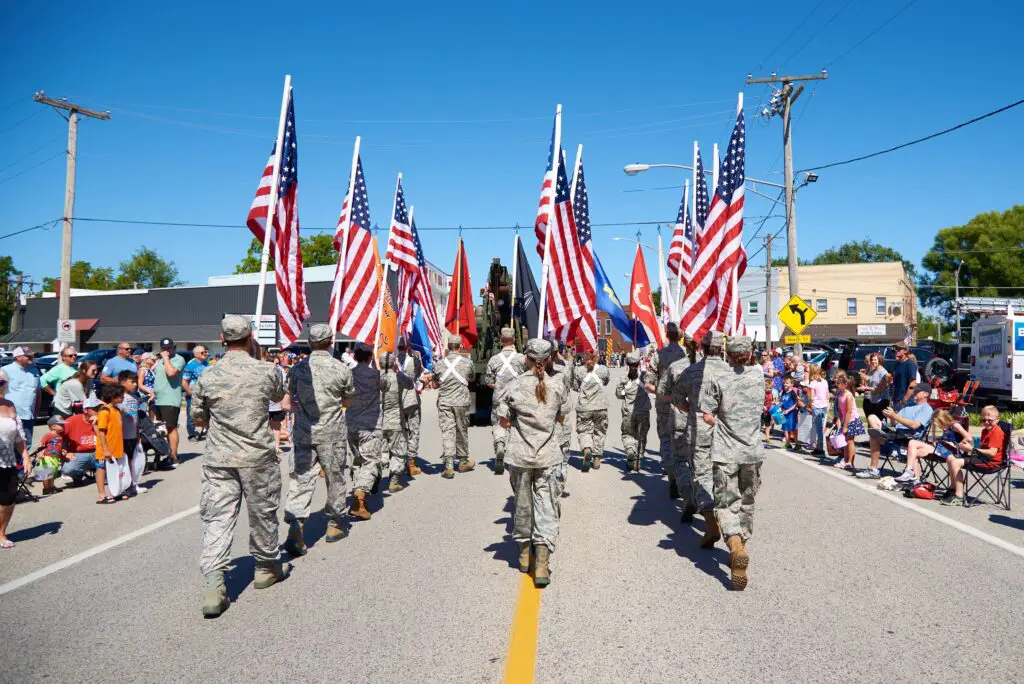
Labor Day parades used to be major civic events, especially in industrial towns. Unions, local businesses, marching bands, and community groups all took part. Streets would fill early in the morning with families setting up lawn chairs for a good view. These parades often reflected the identity of the town, highlighting its workforce and traditions. In places like Detroit and Pittsburgh, they were especially significant.
As union participation declined in some regions, so did the size of these parades. Some towns have scaled them back or discontinued them altogether. Others still hold them, but with fewer participants and less fanfare. The tradition remains meaningful, but it no longer commands the same widespread attention. It has become more of a local ritual than a major draw.
3. Small-Town Fall Festivals
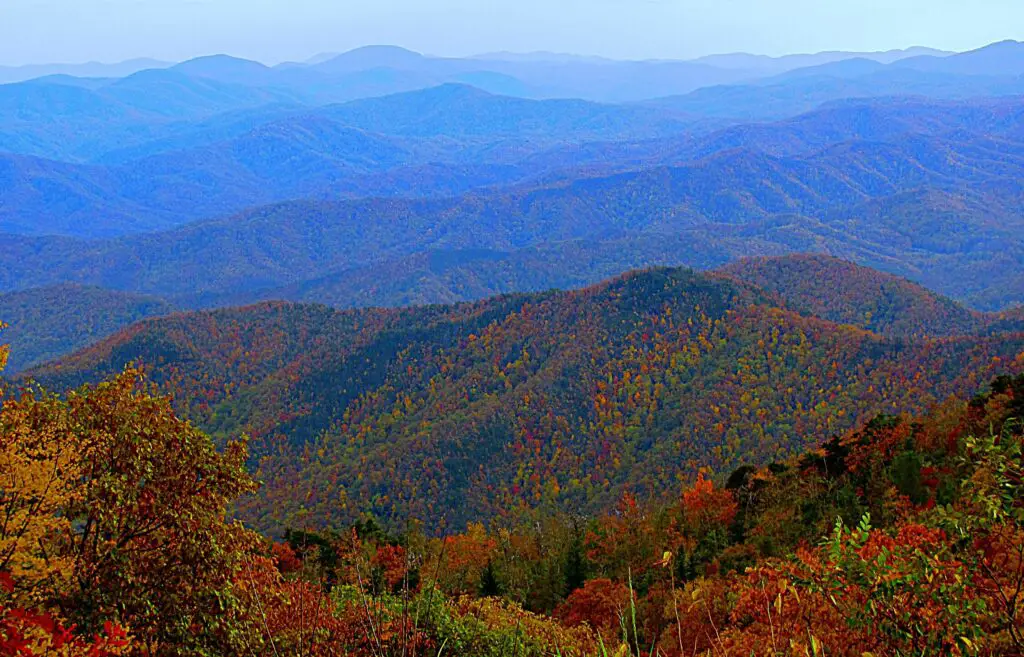
Fall festivals once marked the transition into harvest season in many communities. These events featured hayrides, pumpkin carving contests, and homemade food stands. Schools, churches, and local businesses all contributed to the planning. Families returned year after year, making it a dependable tradition. The appeal was simple and rooted in seasonal change.
In some areas, these festivals have become smaller or less frequent. Larger, more commercialized events have replaced them in certain regions. The shift toward organized entertainment and digital distractions has also had an impact. While some towns still hold strong to the tradition, others have seen attendance drop. What was once a guaranteed crowd has become more uncertain.
4. Drive-In Movie Nights
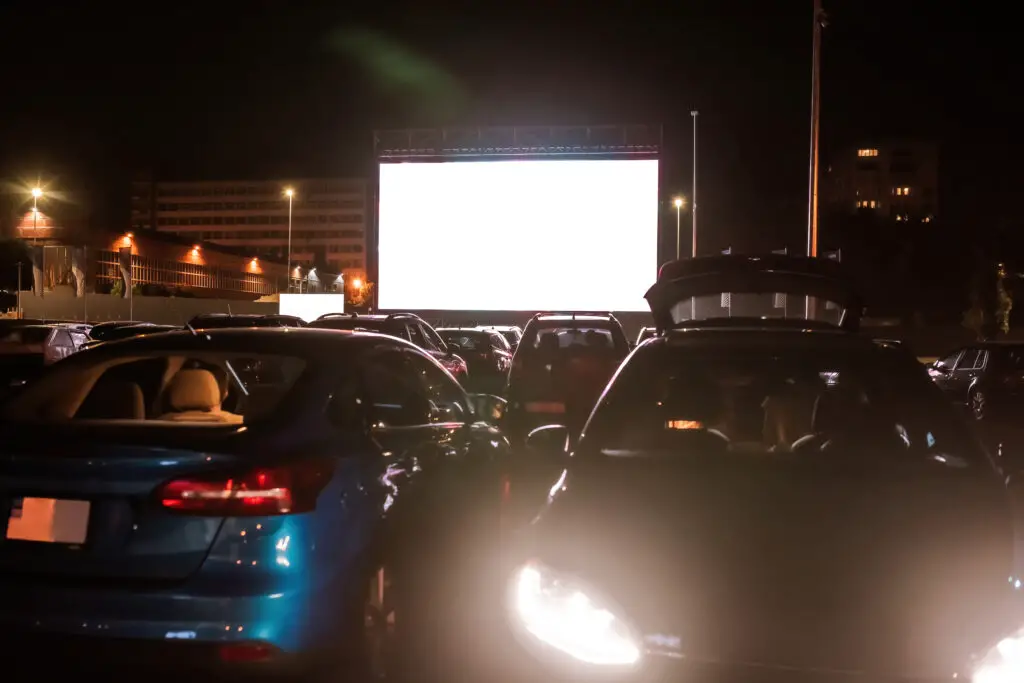
Drive-in theaters often hosted special event nights that became annual traditions. Families packed into cars with blankets and snacks, creating a shared viewing experience. Holiday-themed screenings, especially around Halloween and summer, drew consistent crowds. These events were affordable and accessible, which helped maintain their popularity. In the mid-20th century, there were thousands of drive-ins across the country.
As indoor theaters and home entertainment systems improved, many drive-ins closed. The number of operating drive-ins dropped significantly by the ’80s and ’90s. Some still exist and host events, but they are far less common. The ones that remain often rely on nostalgia to attract audiences. The experience is still valued, but no longer widespread.
5. Church Carnivals and Bazaars
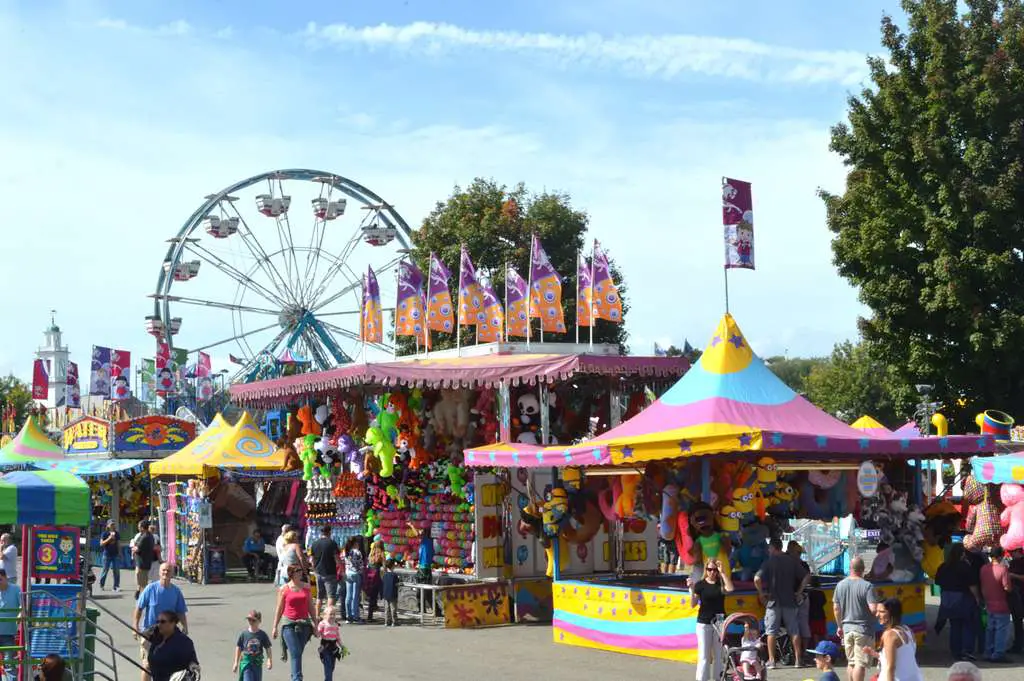
Church-sponsored carnivals were once a major part of community life. These events included games, food booths, raffles, and sometimes small rides. Volunteers from the congregation handled most of the work, creating a strong sense of ownership. They were often held annually and became something families looked forward to. Attendance could span entire neighborhoods.
In recent years, fewer churches have the resources or volunteer base to host large-scale events. Liability concerns and rising costs have also made them harder to organize. Some still happen, but on a smaller scale. The social role they once played has shifted to other types of gatherings. For many, they remain a memory tied to childhood.
6. Fourth of July Street Festivals

Independence Day celebrations once extended far beyond fireworks. Many towns hosted full-day street festivals with food vendors, live music, and games. Parades in the morning would transition into evening festivities. Entire communities would gather in one place, often closing down main streets. These events were both patriotic and social.
Today, many towns still celebrate, but the format has changed. Some have reduced the scale or moved activities to centralized parks. Budget constraints and safety regulations have affected planning. Fireworks remain the main attraction, but the surrounding festivities are sometimes less extensive. The sense of an all-day event has faded in some places.
7. Local Talent Shows

Community talent shows were once a reliable way to draw crowds. Schools, theaters, and civic groups organized them annually. Participants ranged from singers and dancers to comedians and novelty acts. Families and friends filled auditoriums to support local performers. It created a sense of shared entertainment and discovery.
With the rise of digital platforms, fewer people rely on local stages to showcase talent. Participation has declined in some areas, and audiences are smaller. Some towns still host them, but they are less prominent. The excitement of seeing neighbors perform has been replaced by online viewing. The format still works, but it competes with broader entertainment options.
8. Seasonal Ice Skating Festivals
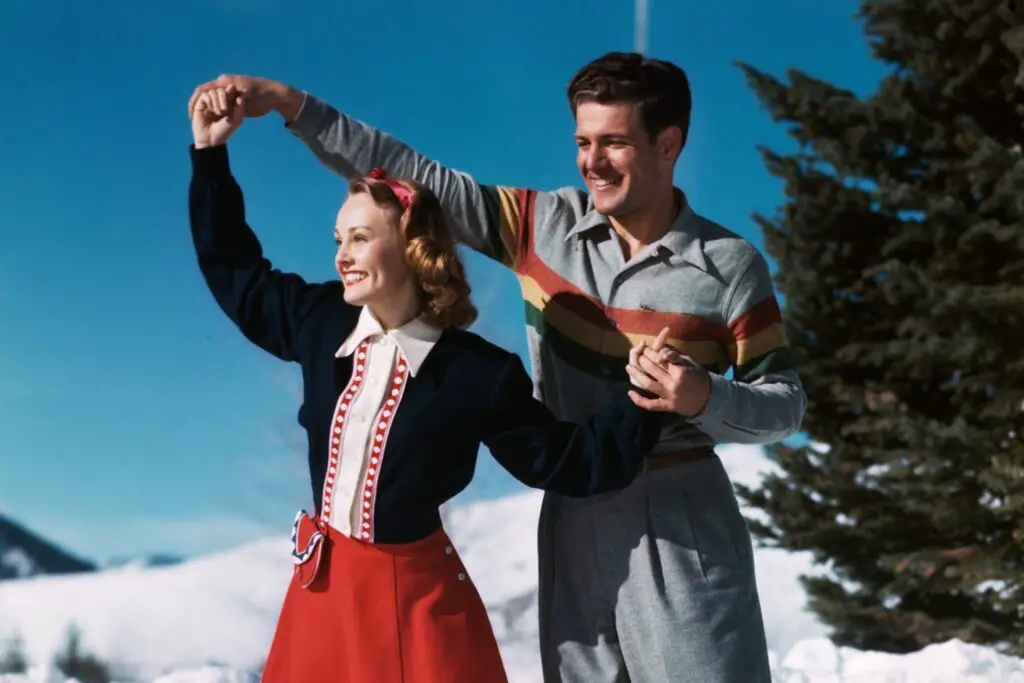
Outdoor ice skating festivals once marked winter in colder regions. Temporary rinks were set up, often accompanied by music and food vendors. Events included skating competitions and themed nights. Families would return multiple times throughout the season. It was both recreational and social.
Warmer winters in some regions have made these events less predictable. Maintenance costs for ice rinks have also increased. Some towns have replaced them with indoor alternatives. While skating remains popular, the festival atmosphere is harder to sustain. Attendance can vary significantly from year to year.
9. Classic Car Shows on Main Street
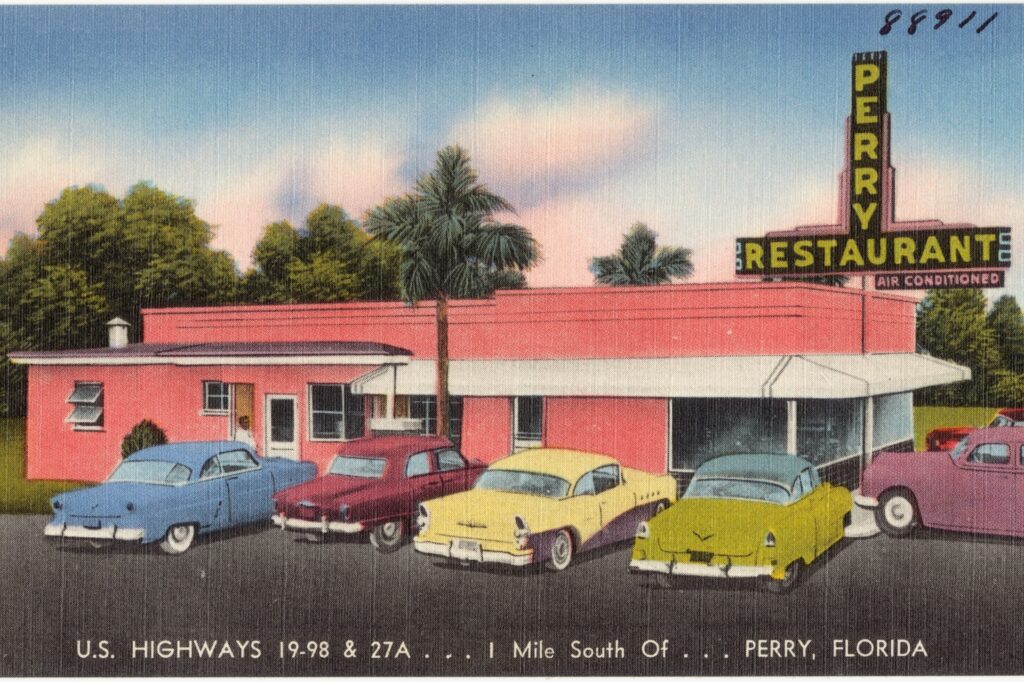
Classic car shows were a staple in many towns, especially during the summer. Owners would line up restored vehicles along main streets for public viewing. These events attracted enthusiasts and casual visitors alike. Local businesses benefited from increased foot traffic. Many shows became annual traditions with loyal followings.
In some areas, participation has declined as older collectors age out. The cost of maintaining classic cars can also be a barrier. Newer generations have different interests, which affects turnout. Some shows continue successfully, but others have shrunk or disappeared. The culture remains, but it is more niche than it once was.
10. High School Homecoming Parades
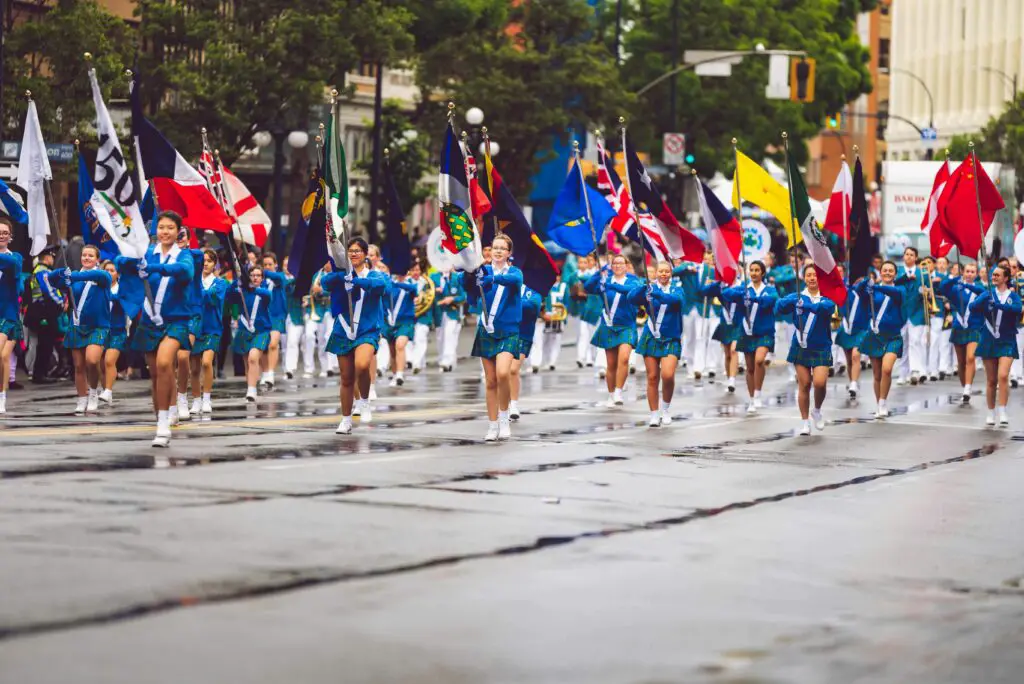
Homecoming parades once brought entire towns together, not just students. Floats, marching bands, and local organizations participated each year. Residents lined the streets to celebrate school pride. It was a key social event in many communities. Attendance extended beyond families with students.
Over time, some of these parades have become smaller or less emphasized. Changes in school funding and scheduling have affected participation. In some towns, the focus has shifted more toward the game itself. The parade still exists in many places, but with less visibility. It remains important, but not as central as it once was.
11. Annual Fishing Derbies

Fishing derbies were once major local events, especially in lakeside communities. Participants competed for prizes based on size or number of catches. Families gathered along the water early in the morning. These events encouraged outdoor activity and community interaction. They often became yearly traditions.
Environmental changes and shifting interests have impacted participation. Some derbies still occur, but with fewer competitors. Regulations and conservation efforts have also changed how they are run. The atmosphere is quieter than it used to be. For many, it remains a nostalgic tradition rather than a major event.
12. Holiday Craft Fairs

Craft fairs were once a go-to destination during the holiday season. Local artisans sold handmade goods, from decorations to baked items. Schools and community centers often hosted these events annually. Shoppers appreciated the unique, locally made products. Attendance was usually strong, especially in the weeks before Christmas.
Online marketplaces have changed how people shop for handmade goods. Some fairs still draw crowds, but others struggle to compete. The convenience of online shopping has reduced foot traffic. Rising vendor fees have also affected participation. The charm remains, but the scale has shifted.
13. Town Picnic Days
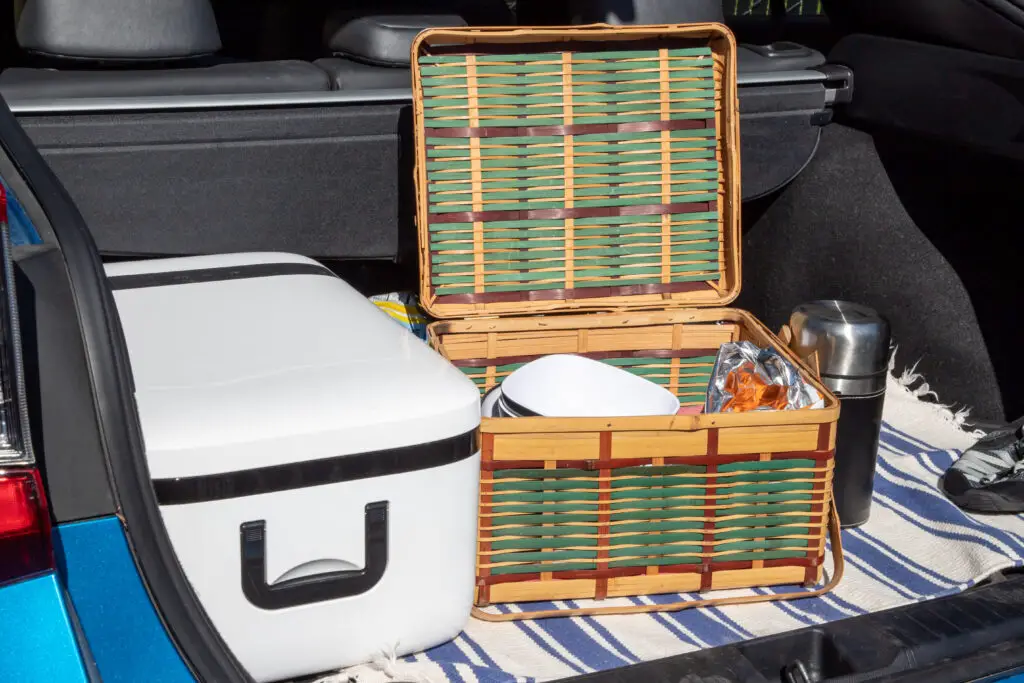
Town-wide picnics were once a simple but effective way to bring people together. Parks filled with long tables, shared meals, and games for all ages. Local leaders often helped organize and promote the event. Attendance included residents of all backgrounds. It was one of the few events that truly felt inclusive.
As communities grew and schedules became more fragmented, these picnics became harder to sustain. Attendance declined in some areas, leading to cancellations. Other forms of entertainment replaced them. While some towns still host them, they are less common. The idea remains appealing, but harder to execute.
14. Community Theater Summer Performances

Local theater groups often staged summer productions that became annual highlights. Performances were held in parks or small theaters, drawing consistent audiences. Volunteers handled acting, directing, and production work. These shows created a sense of shared cultural activity. Many attendees returned year after year.
Funding challenges and competition from digital entertainment have affected participation. Some theater groups have scaled back or disbanded. Others continue, but with smaller audiences. The tradition still exists, but with less visibility. It remains meaningful for those involved, even if the crowds are smaller.