
1. South of the Border
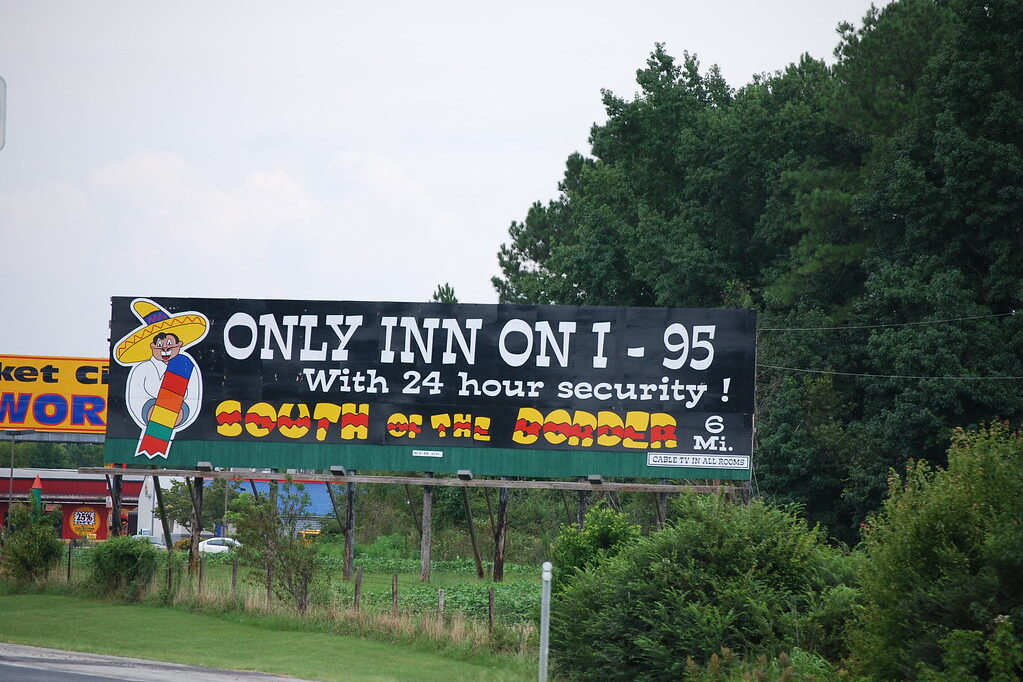
For a while, this roadside stop felt like a rite of passage for anyone driving along I 95. The billboards came so early and so often that stopping almost felt mandatory. People took photos with Pedro, grabbed souvenirs, and treated it like a real destination instead of a pit stop. It briefly became a cultural punchline and a shared travel memory all at once.
Eventually, the novelty wore thin and fewer travelers made it a must stop. What once felt iconic became more ironic than essential. The place is still there, but the buzz faded as travel habits changed. Its fame now lives mostly in nostalgia and old road trip stories.
2. Centralia
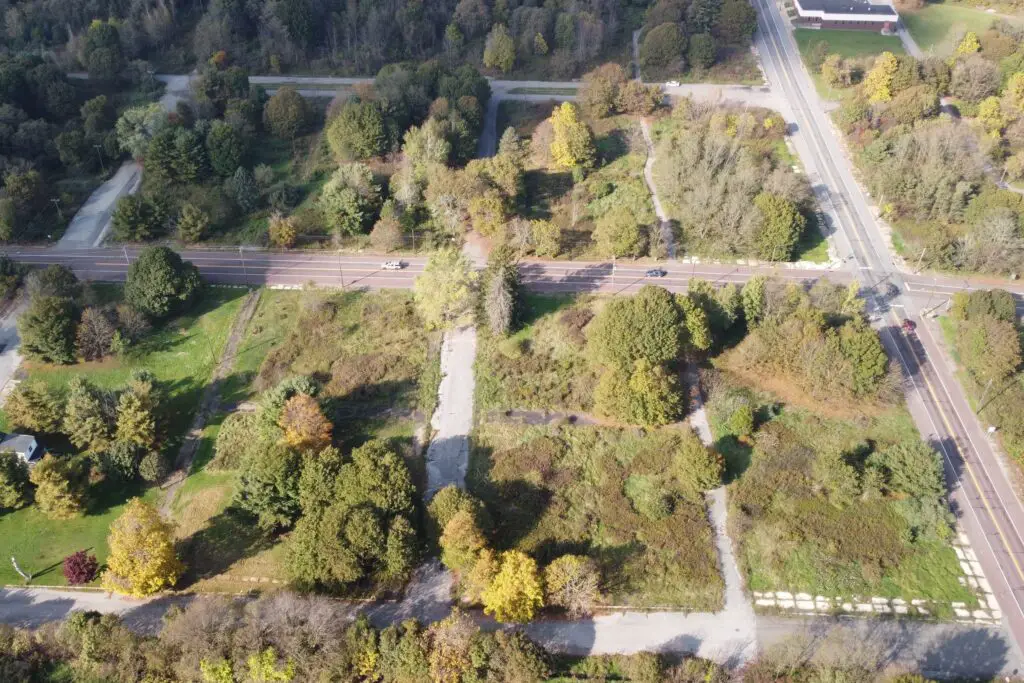
Centralia became famous almost overnight once word spread about the underground mine fire. People drove out just to see smoke rising from the ground and cracked highways. It felt mysterious, eerie, and oddly cinematic. For a short time, it was one of the most talked about places in Pennsylvania.
Once access was restricted and the town nearly disappeared, public interest faded. The danger became more real than the curiosity. What remains is mostly legend and a cautionary tale. Its fame peaked when it still felt accessible.
3. Salton Sea
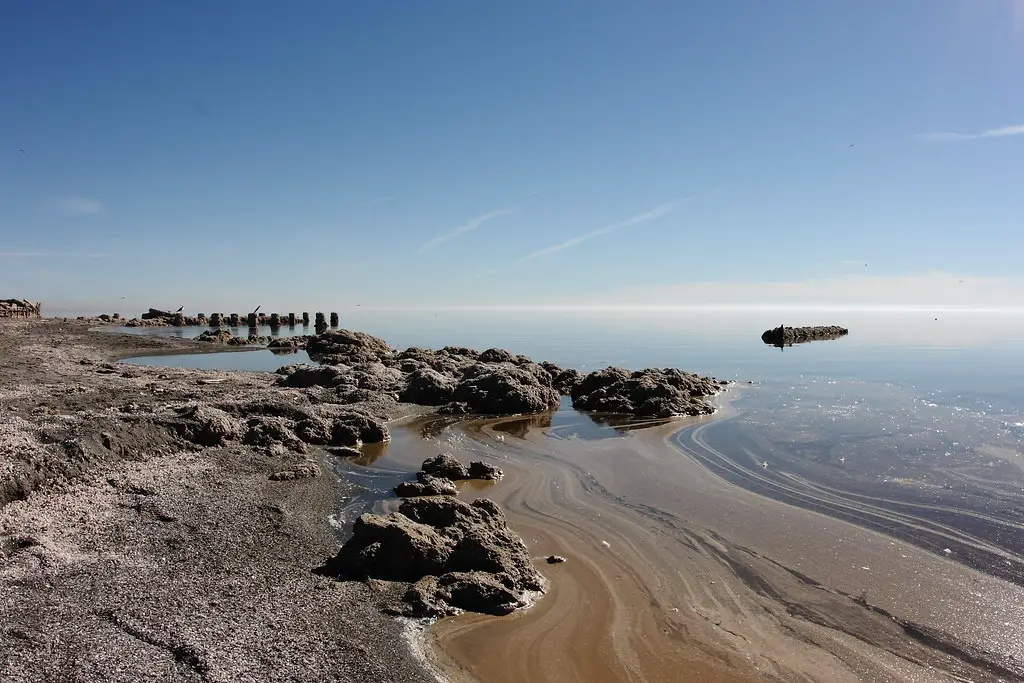
The Salton Sea once drew celebrities, boaters, and vacationers looking for a glamorous desert escape. For a brief window, it was marketed as the next great California resort area. Photos from the era make it look like a sun soaked dream. It felt poised to rival better known lake destinations.
Environmental decline quickly changed that image. The smell, the dead fish, and the abandoned marinas shifted public perception. What had felt promising suddenly felt tragic. Its moment passed almost as quickly as it arrived.
4. Haight-Ashbury
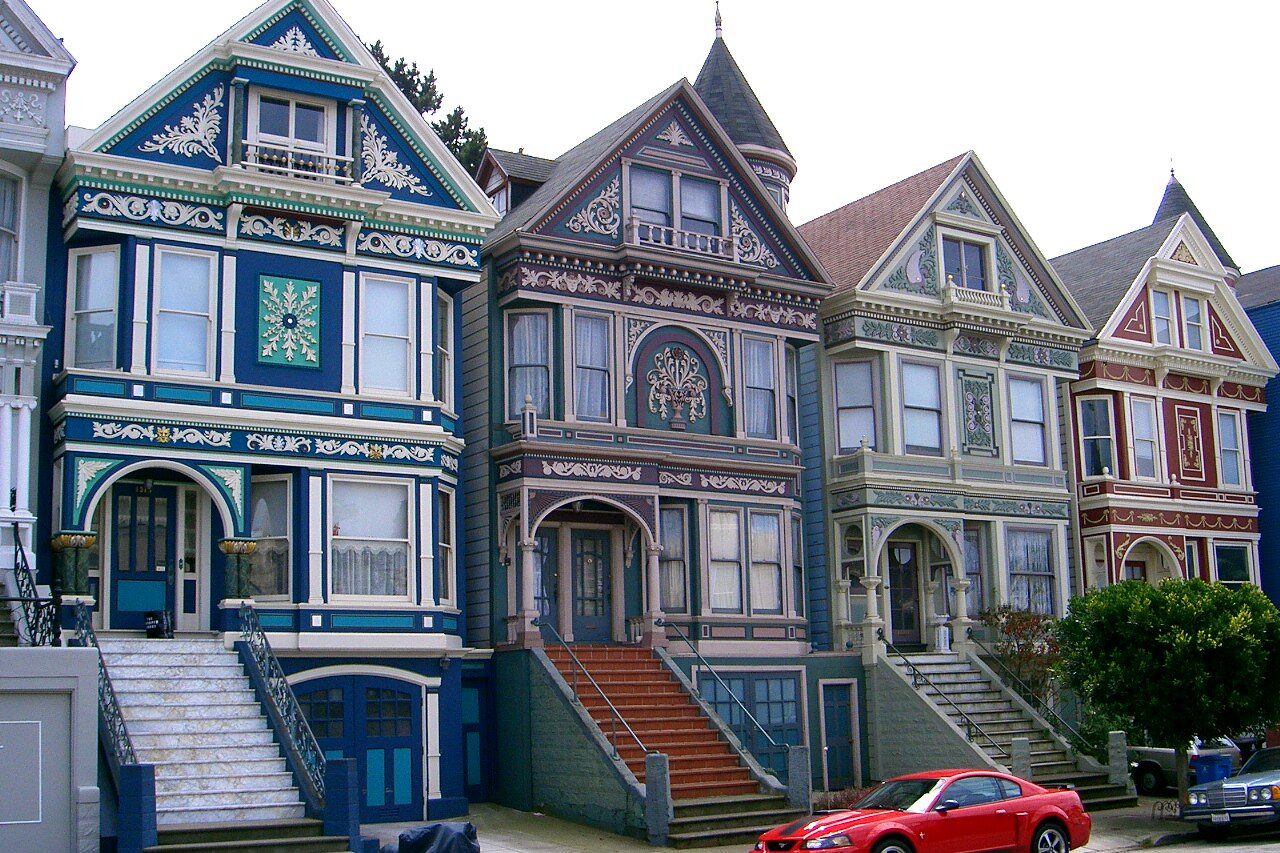
This neighborhood became globally famous during the Summer of Love. For a short time, it felt like the center of youth culture and social change. People traveled from everywhere just to stand on those streets. It carried a sense of possibility that was hard to replicate.
Once the movement dispersed, the intensity faded. The neighborhood remained, but the moment did not. Its fame froze in time more than it evolved. What lingers now is history rather than momentum.
5. Route 66
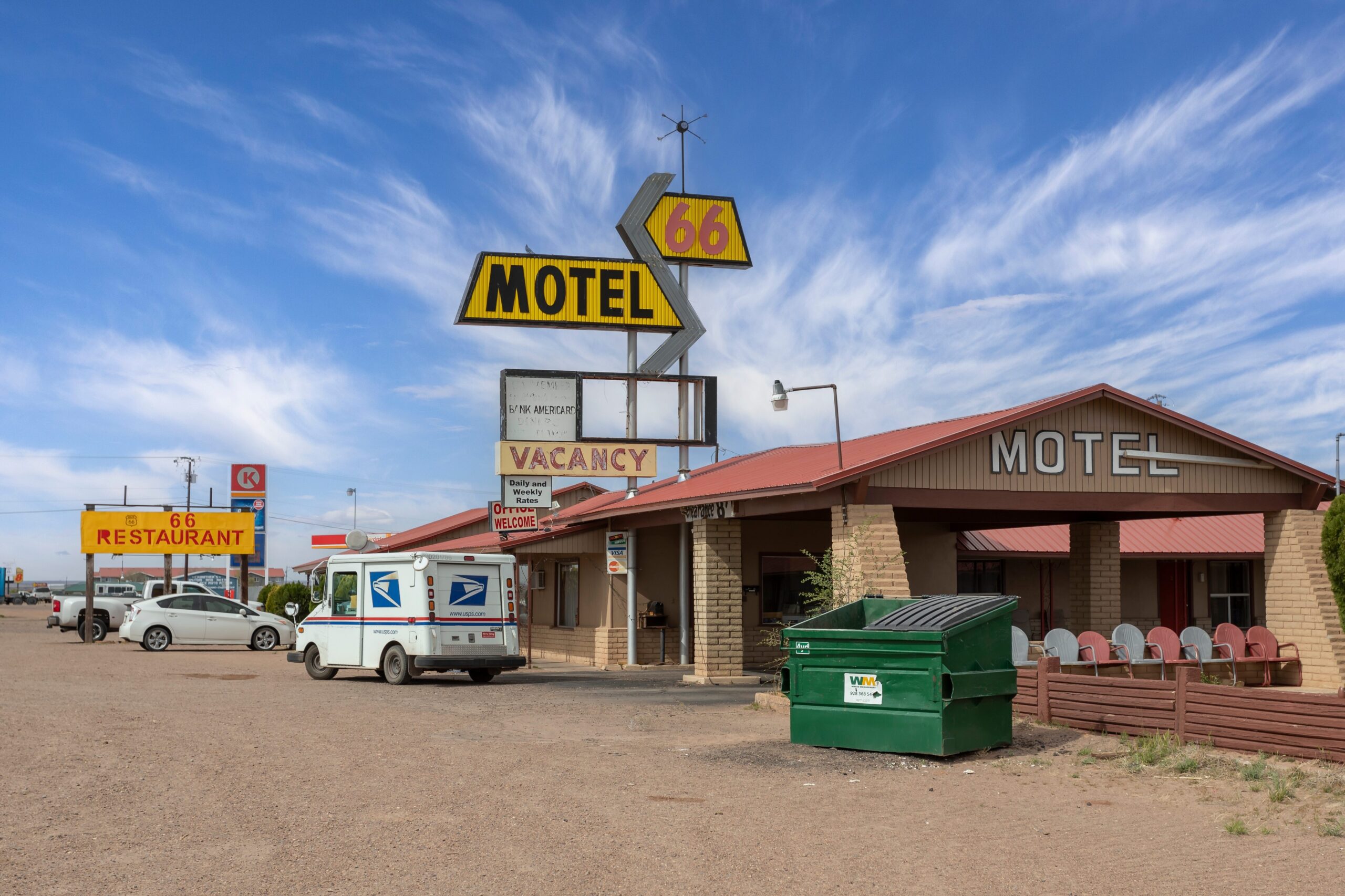
Route 66 felt legendary when road trips ruled American travel. Small towns along the route briefly became famous simply for being on the map. Diners, motels, and neon signs turned ordinary stops into destinations. It was less about one place and more about the shared experience.
As highways changed and travel sped up, much of that attention vanished. Some towns adapted, others faded quietly. The romance remains stronger than the reality. Its fame belongs to a specific era of travel.
6. Times Beach
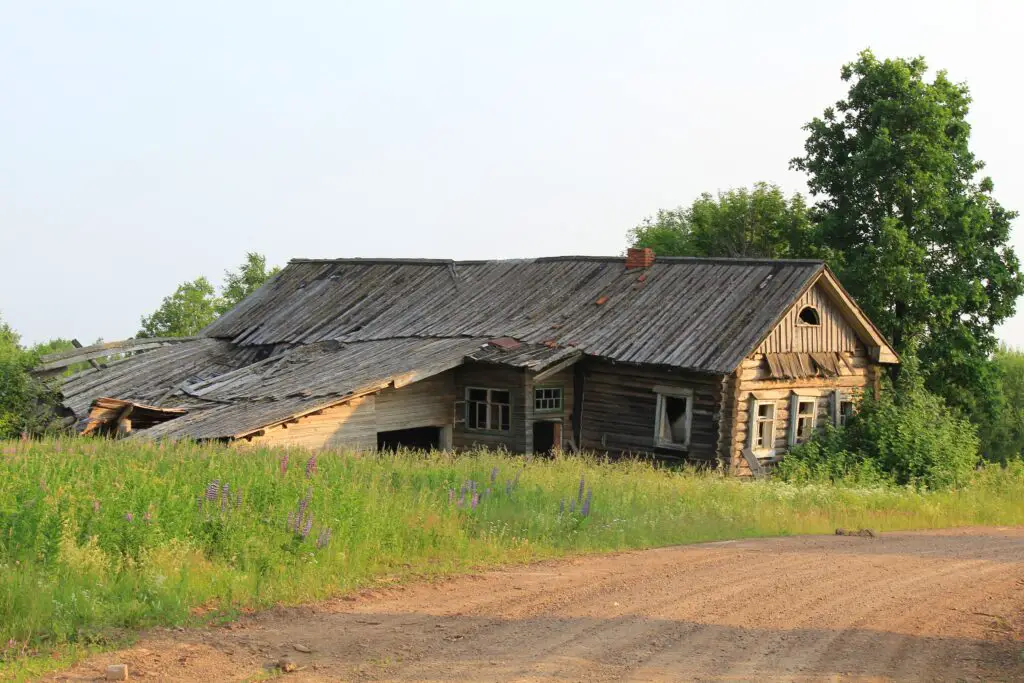
Times Beach became famous for all the wrong reasons after toxic contamination forced evacuations. News coverage turned a small town into a national headline. People who had never heard of it suddenly knew the name. It felt surreal and deeply unsettling.
Once the town was gone, so was the attention. There was nothing left to visit or rebuild. Its brief fame came from tragedy rather than tourism. Today it exists mostly in environmental history.
7. Coney Island
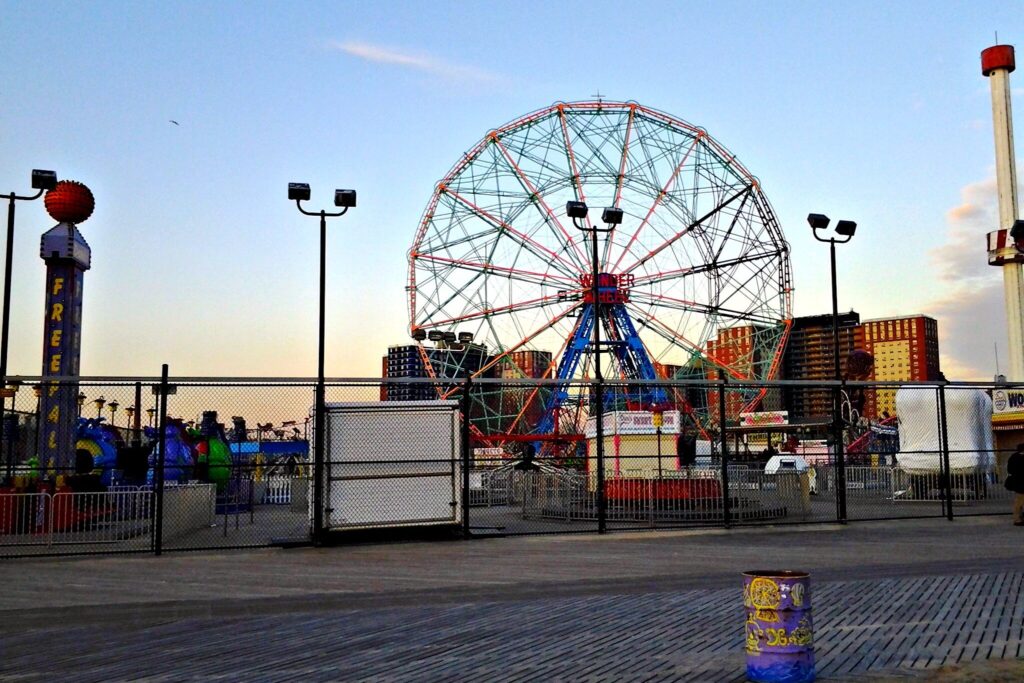
Coney Island has had many eras, but certain moments burned brighter than others. There were times when it felt like the beating heart of American leisure. People traveled long distances just to spend a day there. It symbolized fun in a very public way.
As tastes changed, its dominance faded. It never disappeared, but it no longer felt central. The fame softened into familiarity. Its biggest moments live in photographs and memories.
8. The Corn Palace
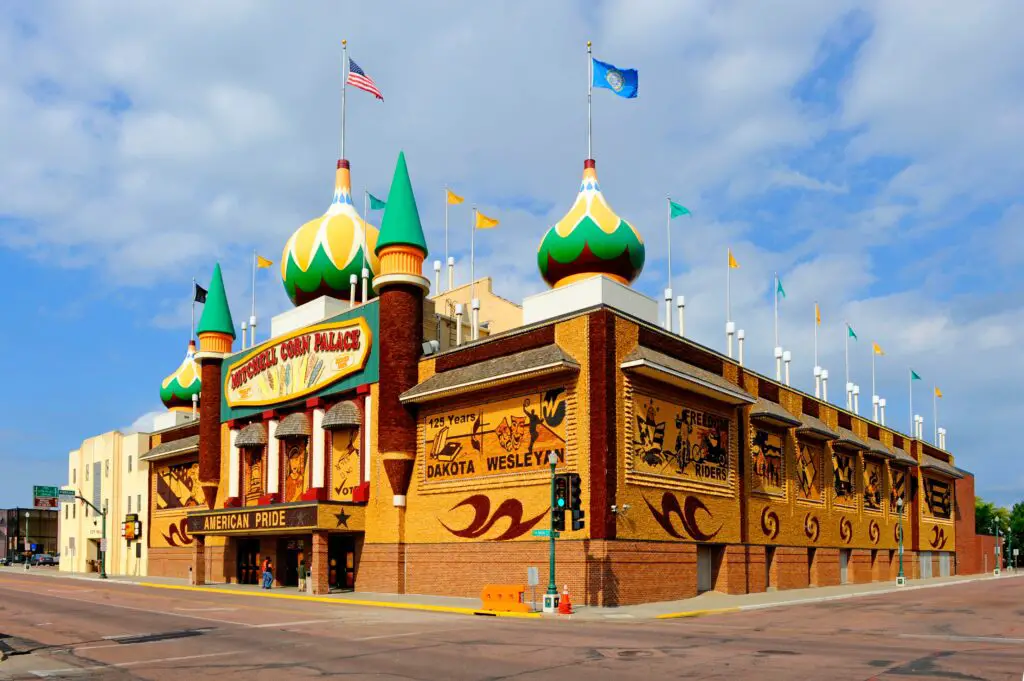
For a while, the Corn Palace felt delightfully strange and worth a detour. Travelers talked about it like a secret you had to see to believe. Entire walls made of corn murals gave it instant novelty. It became a quick claim to fame for a small town.
Over time, it blended into the larger category of roadside curiosities. People still stop, but fewer are surprised. Its fame depended heavily on first impressions. Once you knew it existed, the mystery was gone.
9. Love Canal
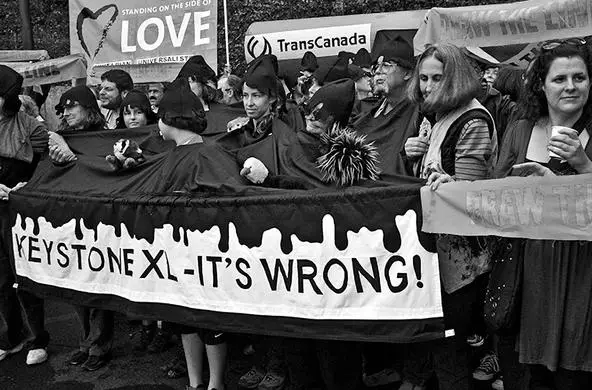
Love Canal became famous as a symbol of environmental disaster. Media coverage turned a local neighborhood into a national warning. It felt like a turning point in how people viewed industrial responsibility. The name itself became shorthand for crisis.
Once cleanup efforts progressed, attention shifted elsewhere. The story remained important but no longer urgent. Its brief fame shaped policy more than tourism. The impact lasted longer than the spotlight.
10. Wall Drug
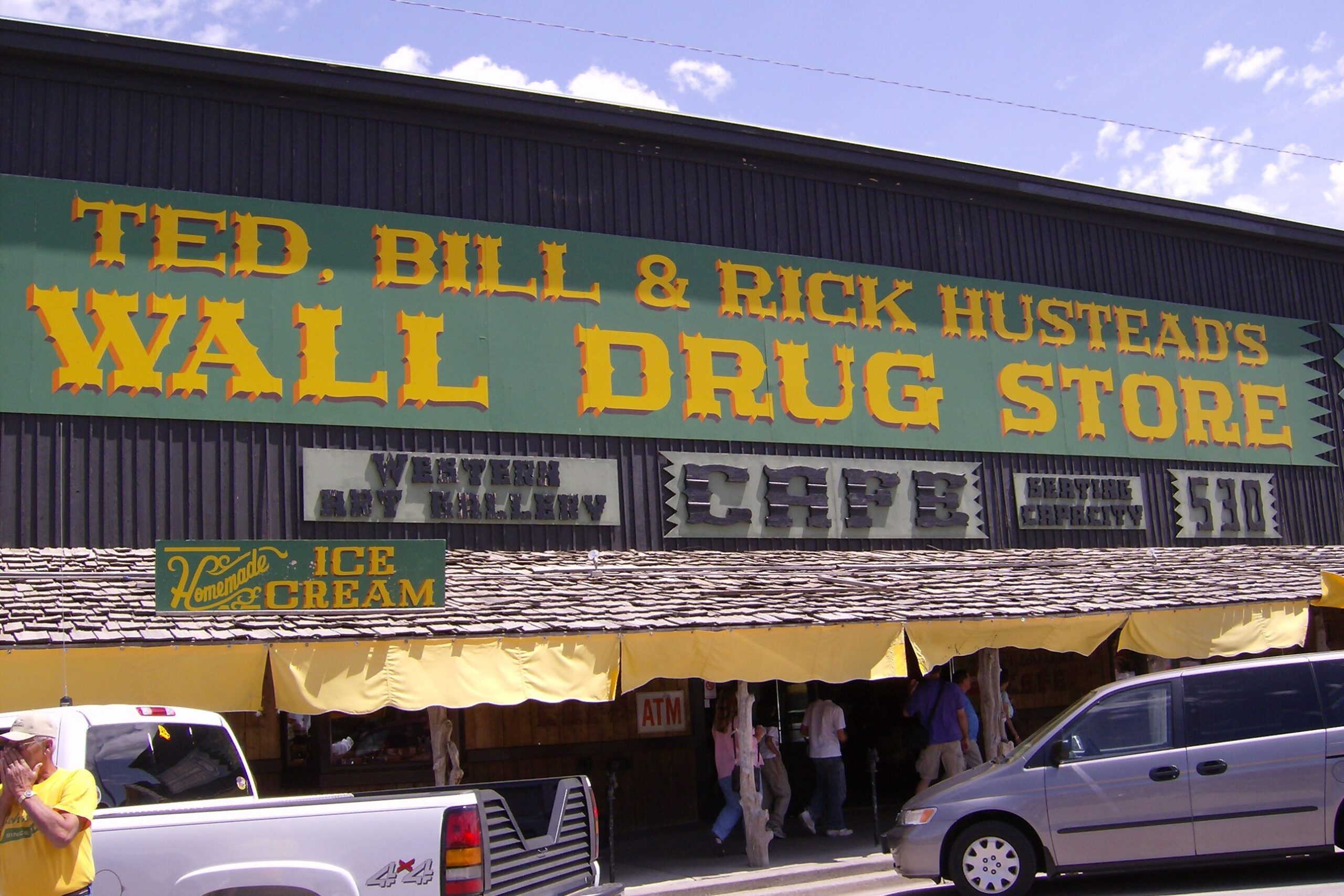
Wall Drug became famous almost entirely through relentless billboards. People talked about it before they ever saw it. The buildup made the stop feel inevitable. For a while, it felt like everyone knew exactly where Wall Drug was.
Eventually, the signs became part of the joke. The destination remained busy, but the surprise factor faded. Its fame turned into tradition rather than excitement. It became expected instead of essential.
11. Astoria
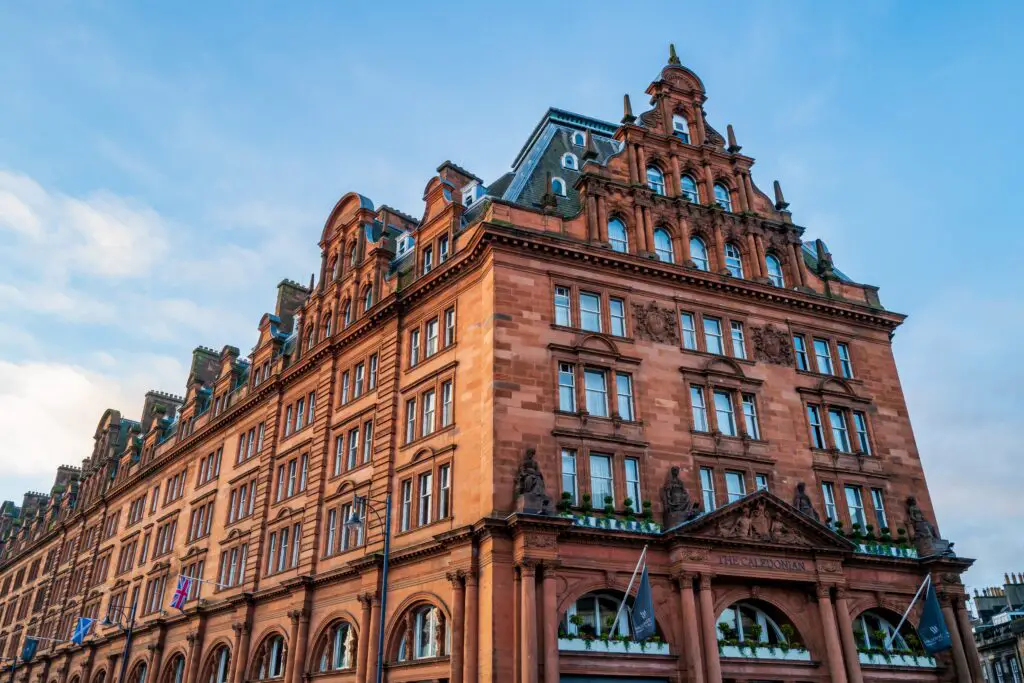
Astoria enjoyed a surge of fame thanks to movies and pop culture references. Suddenly, people wanted to visit filming locations and coastal views. It felt like a hidden gem pulled into the spotlight. The town leaned into the attention without losing its charm.
As trends shifted, visitor numbers normalized. The fame never overwhelmed the place, which helped it endure. It simply stopped being a novelty. Now it attracts people for what it actually is.
12. Roswell
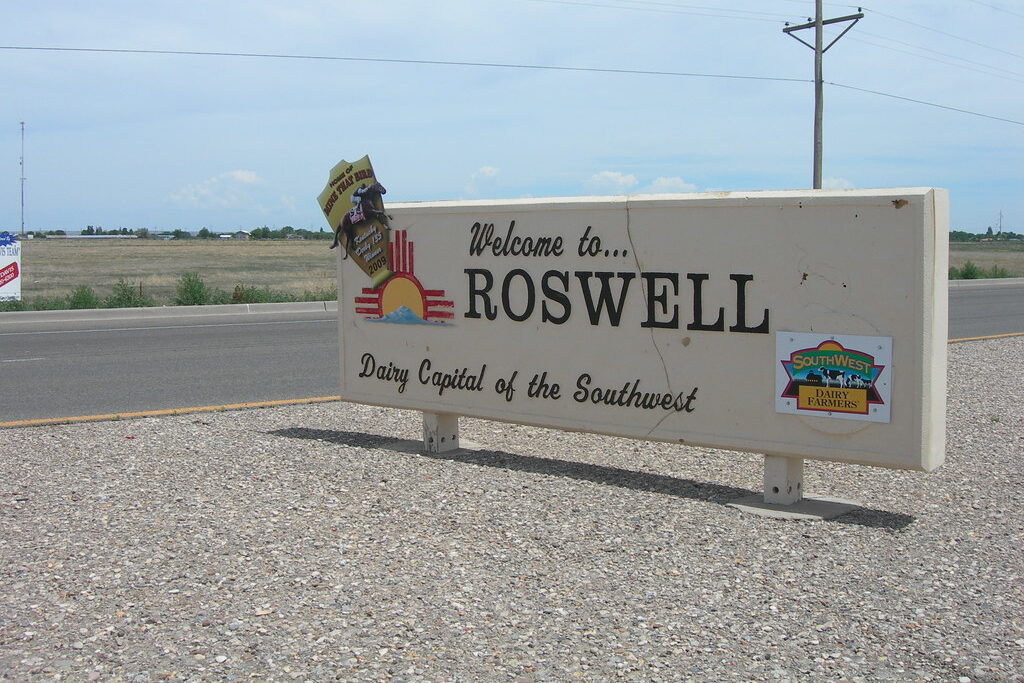
Roswell had a moment when alien fascination dominated pop culture. The town became synonymous with UFOs almost overnight. Tourists came hoping to feel part of something strange and unexplained. It leaned hard into that identity during its peak.
Interest cooled as trends changed. Roswell stayed quirky, but less urgent. Its fame became more niche than universal. The town still wears the label, just more quietly.
13. Atlantic City Boardwalk
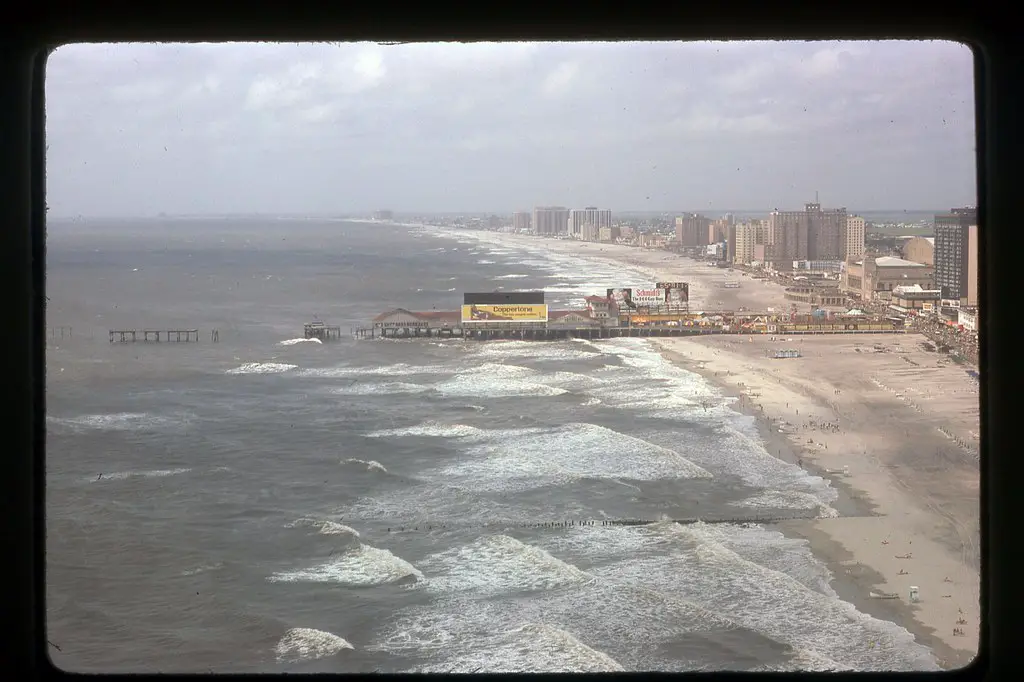
There was a time when Atlantic City felt glamorous again. Casino openings brought national attention and renewed excitement. People talked about it like a revival story. The boardwalk buzzed with optimism.
That moment did not last as long as hoped. Competition and economic shifts changed the narrative. The fame receded into a more complicated reality. What remains is a layered history of highs and lows.
14. Graceland
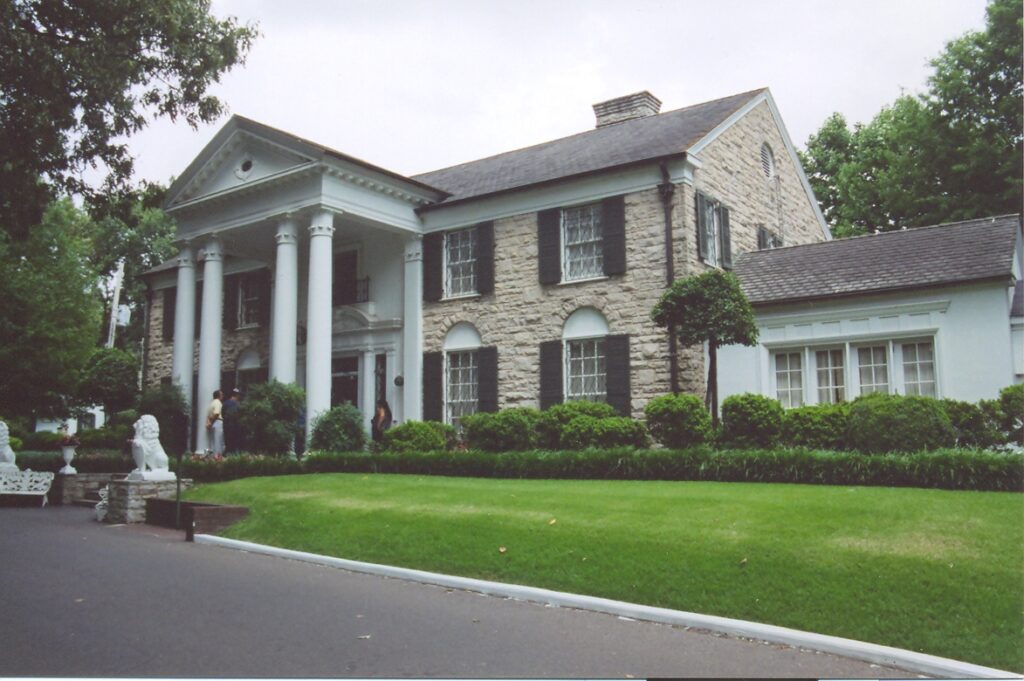
Graceland experienced waves of intense attention following Elvis Presley’s death. It felt like a pilgrimage site rather than a tourist attraction. Fans traveled from around the world in a shared moment of grief and devotion. The emotional weight amplified its fame.
Over time, visits became more routine. The passion never vanished, but the frenzy softened. Graceland settled into its role as a permanent landmark. Its brief peak was fueled by emotion.
15. The Alamo
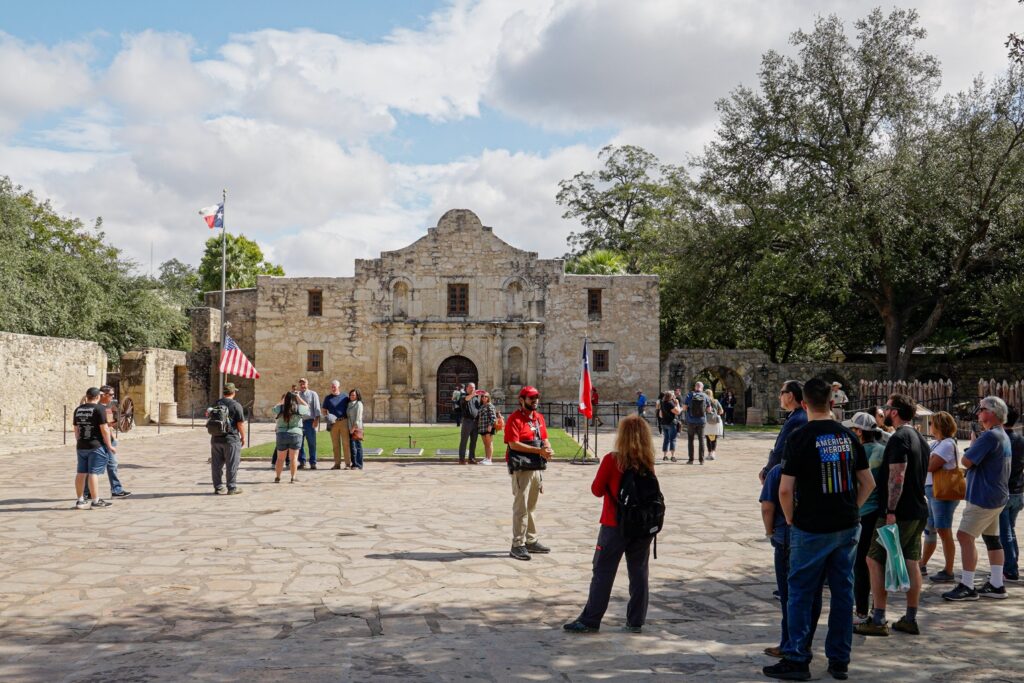
The Alamo has always been important, but certain anniversaries made it briefly unavoidable. Media coverage and public debate reignited interest. It felt newly relevant for a short stretch. Conversations extended far beyond Texas.
Eventually, the attention cooled again. The site returned to its steady presence. Its fame flares during specific moments. Then it resumes its quieter role.
16. Niagara Falls
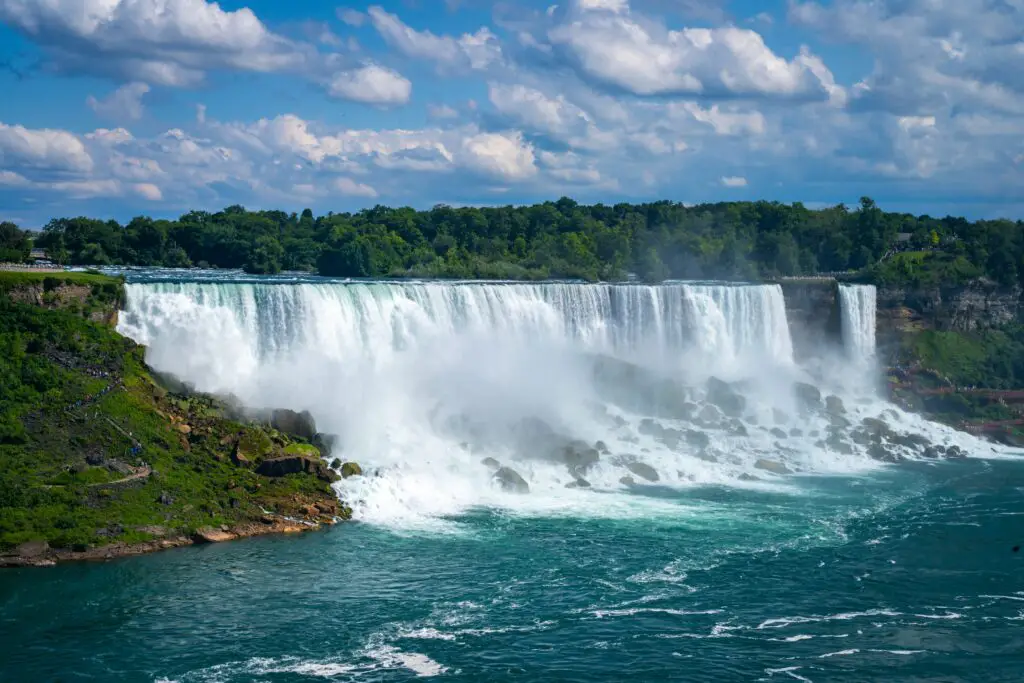
Niagara Falls has had many peaks, but some eras felt especially electric. Honeymoon culture once made it feel like the most romantic place on earth. Couples treated it as a milestone destination. The fame felt universal.
As travel expanded, the monopoly faded. The falls remained impressive, just less singular. Its brief moment as the destination passed. What remains is timeless rather than trendy.