
1. Wall Drug
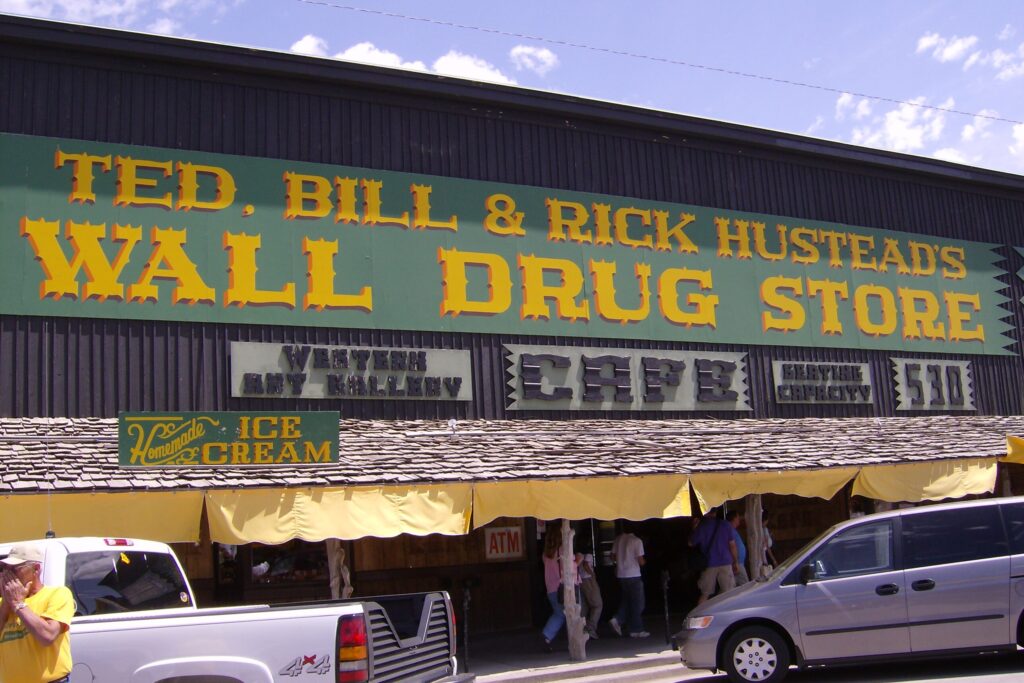
What started as a struggling pharmacy in 1931 became one of the most famous roadside attractions in America, largely thanks to free ice water and clever advertising signs along highways. Travelers heading to the Black Hills couldn’t miss the endless “Wall Drug” billboards, which became part of the experience itself. By the 1940s and ’50s, it had transformed into a sprawling complex with restaurants, shops, and Western-themed attractions. Families would plan entire stops around it, especially during long summer road trips.
Even today, Wall Drug still draws visitors, but its peak cultural impact came in the mid-20th century when it helped define roadside tourism. It played a real role in putting Wall, South Dakota on the map, turning a tiny town into a nationally recognized stop. The business expanded far beyond its original purpose, becoming a symbol of Americana. For many travelers, stopping there was less about what you needed and more about being part of something widely known.
2. House on the Rock
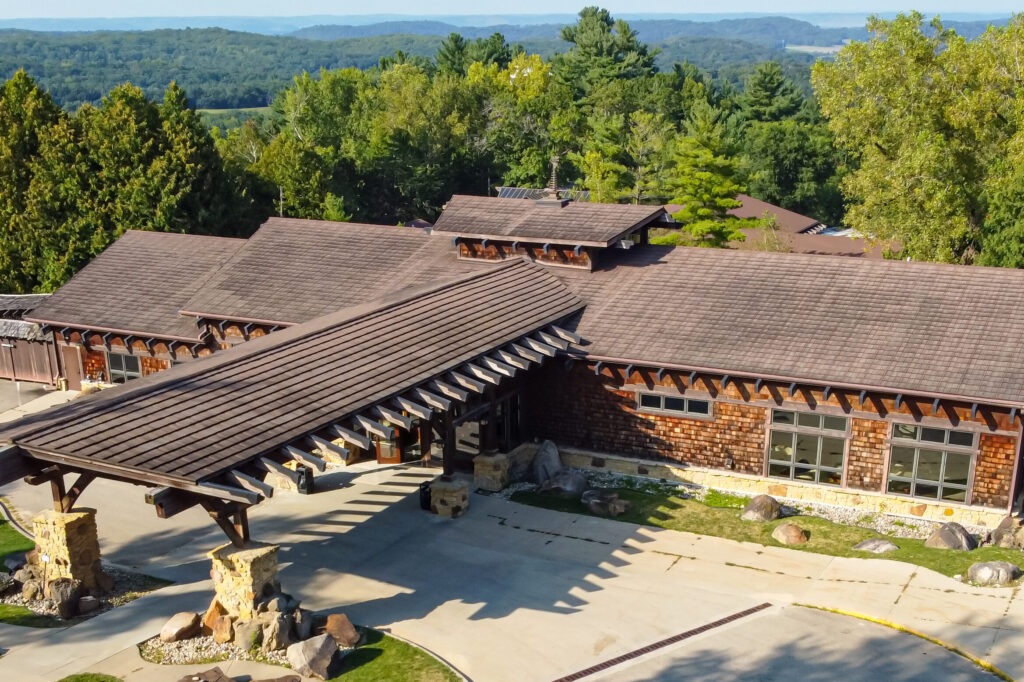
Built by Alex Jordan Jr. starting in the 1940s, House on the Rock is one of the most unusual attractions ever created. It began as a single house perched dramatically on a rock formation, but over time it expanded into a maze of themed rooms filled with collections. Visitors came from across the country to see its Infinity Room, which extends out over the valley without visible support. The experience is part architecture, part museum, and part surreal spectacle.
By the 1960s and ’70s, it had become a major draw for Spring Green, a small town that might otherwise have stayed quiet. The attraction’s sheer scale and oddity made it a destination in its own right. It helped establish the idea that a single eccentric vision could turn a rural location into a tourist hotspot. Even now, it remains one of Wisconsin’s most talked-about roadside stops.
3. The Mystery Spot
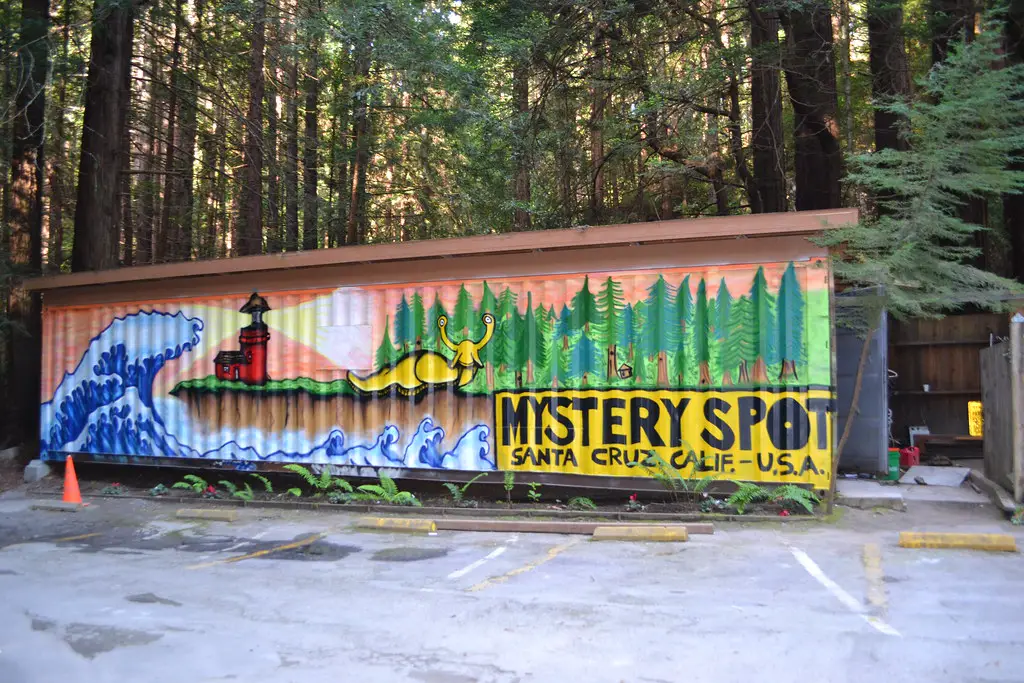
Opened in 1940, The Mystery Spot became famous for its gravity-defying optical illusions and tilted rooms. Visitors reported strange sensations, like feeling pulled sideways or watching objects appear to roll uphill. The experience is based on visual tricks and carefully constructed angles, but it was marketed as something far more mysterious. That sense of wonder made it an immediate hit.
Santa Cruz was already a coastal destination, but The Mystery Spot gave it a quirky, must-see attraction that drew curious travelers. It became part of a broader trend of “mystery” attractions across the country during the mid-20th century. For many families, it was a memorable stop that stood out from more typical tourist sites. Its continued operation today shows just how effective that original concept was.
4. Lucy the Elephant
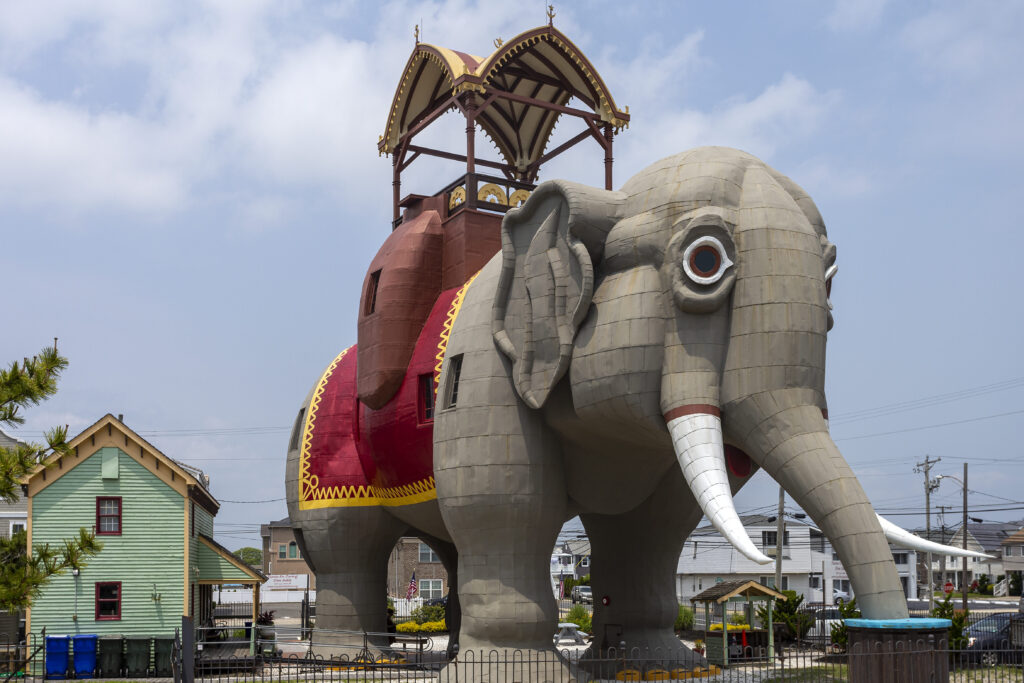
Built in 1881, Lucy the Elephant is one of the oldest surviving roadside attractions in the United States. Originally created as a novelty building to attract real estate buyers, it stands six stories tall and is shaped entirely like an elephant. Visitors could climb inside and look out from the top, which made it both unusual and interactive. It quickly became a landmark along the Jersey Shore.
For a small town like Margate City, Lucy brought national attention long before modern tourism campaigns existed. It helped define the area as a place willing to embrace bold, attention-grabbing ideas. Over the years, it fell into disrepair but was eventually restored and preserved as a historic site. Its survival reflects how important it was to the town’s identity.
5. Coral Castle
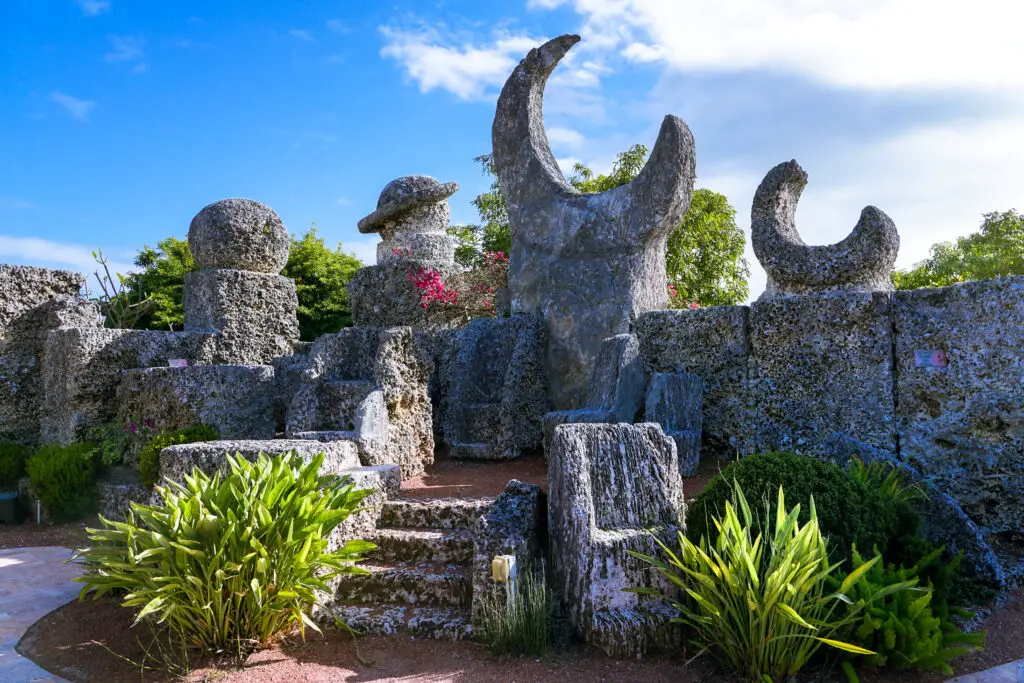
Coral Castle was built single-handedly by Edward Leedskalnin between 1923 and 1951 using massive limestone blocks. The construction methods remain somewhat mysterious, as he reportedly worked alone at night without modern machinery. The site includes carved structures, furniture, and even a functioning stone gate weighing several tons. Visitors were fascinated not just by the structures, but by the story behind them.
Homestead, Florida gained significant attention because of Coral Castle, drawing tourists interested in both engineering and legend. It became a staple of Florida travel long before large theme parks dominated the region. The attraction’s mix of documented craftsmanship and unanswered questions kept people talking. That combination helped ensure its lasting appeal.
6. Salvation Mountain
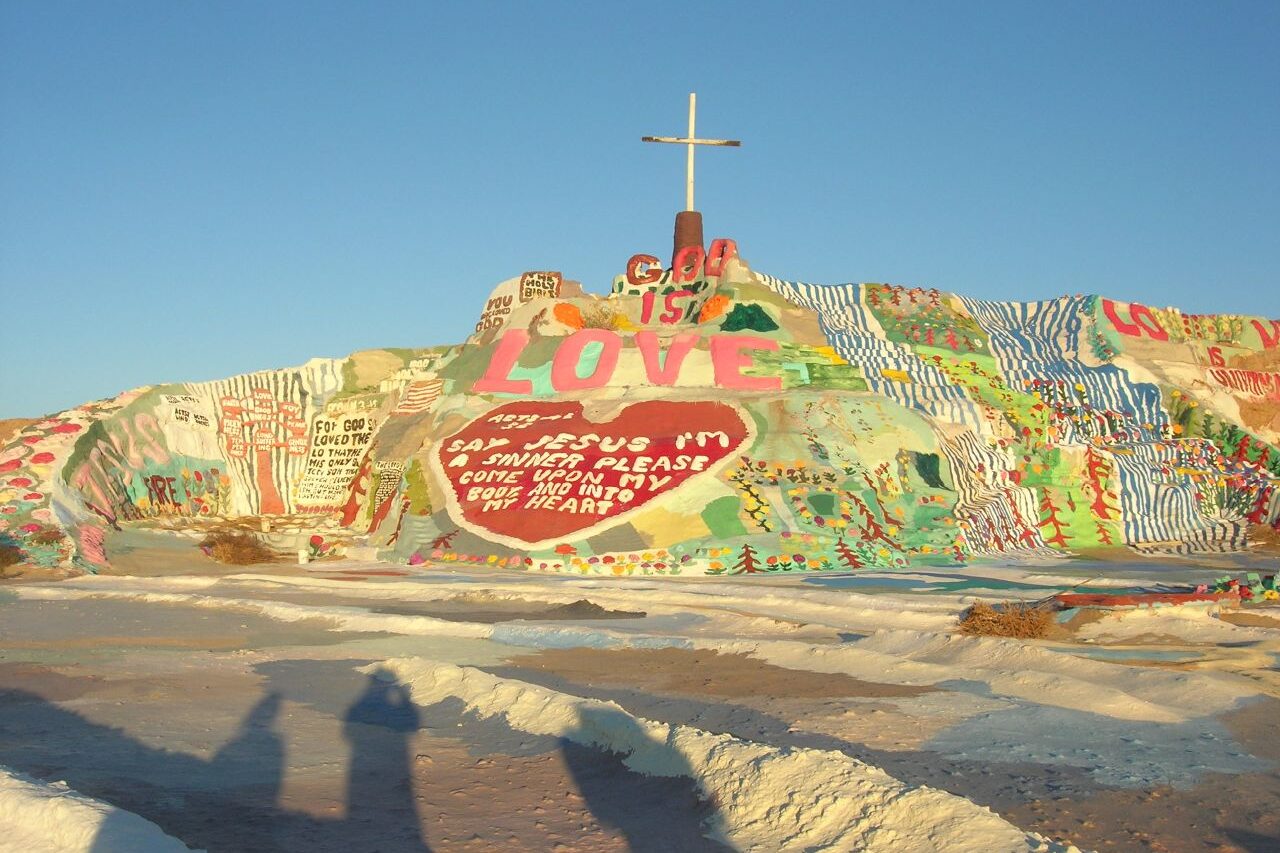
Created by Leonard Knight over several decades, Salvation Mountain is a brightly painted hillside covered in religious messages and artwork. Knight began the project in the 1980s, using adobe, straw, and thousands of gallons of paint. The centerpiece is a large declaration of “God Is Love,” visible from a distance. Visitors often describe it as both a folk art piece and a personal statement.
Niland is a very small community, but Salvation Mountain brought it international attention. Travelers, photographers, and filmmakers have all made the trip to see it firsthand. The site became especially well known after appearing in films and documentaries. It demonstrates how a deeply personal project can transform an otherwise overlooked location.
7. Carhenge
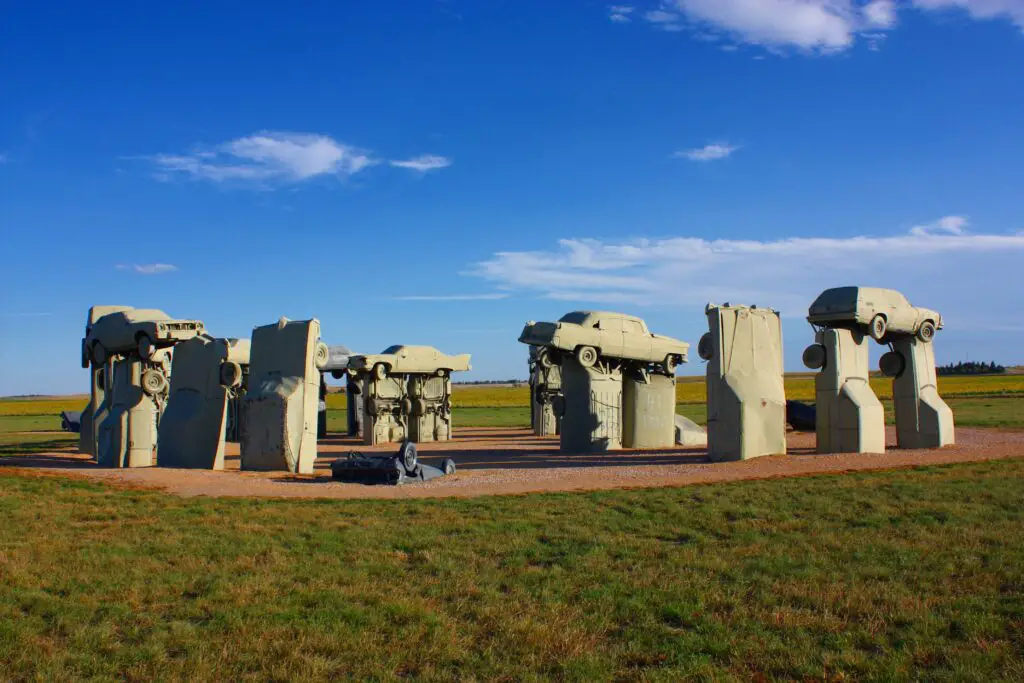
Carhenge was created in 1987 by Jim Reinders as a replica of England’s Stonehenge, using vintage American cars instead of stones. The arrangement mirrors the original monument’s layout, with vehicles painted gray to resemble stone blocks. It was initially intended as a tribute to Reinders’ father, but it quickly gained wider attention. Visitors were drawn by the combination of humor and creativity.
Alliance, Nebraska became known for Carhenge almost overnight, attracting tourists who might never have otherwise stopped there. The site reflects a broader tradition of roadside attractions that blend art and novelty. Over time, it expanded into a small art installation area with additional sculptures. Its uniqueness made it a reliable draw for travelers crossing the Great Plains.
8. The Enchanted Highway
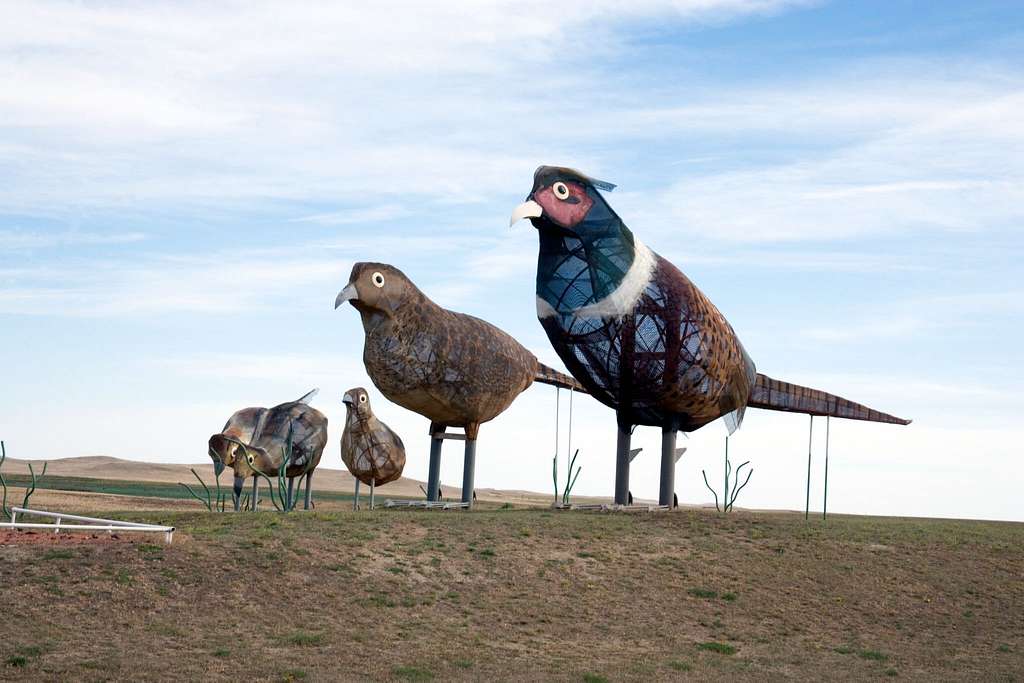
The Enchanted Highway is a series of large metal sculptures created by artist Gary Greff starting in 1990. Stretching along a rural road in North Dakota, each installation features massive figures like grasshoppers, geese, and fish. The project was designed to bring attention and visitors to Regent, a town facing population decline. Each sculpture is placed along the highway to encourage travelers to stop and explore.
The effort worked, at least in terms of visibility, as the highway became a known roadside attraction. Travelers often plan detours just to see the installations. While it did not completely reverse the town’s decline, it significantly raised its profile. It stands as an example of how public art can be used as a tourism strategy.
9. Mitchell Corn Palace
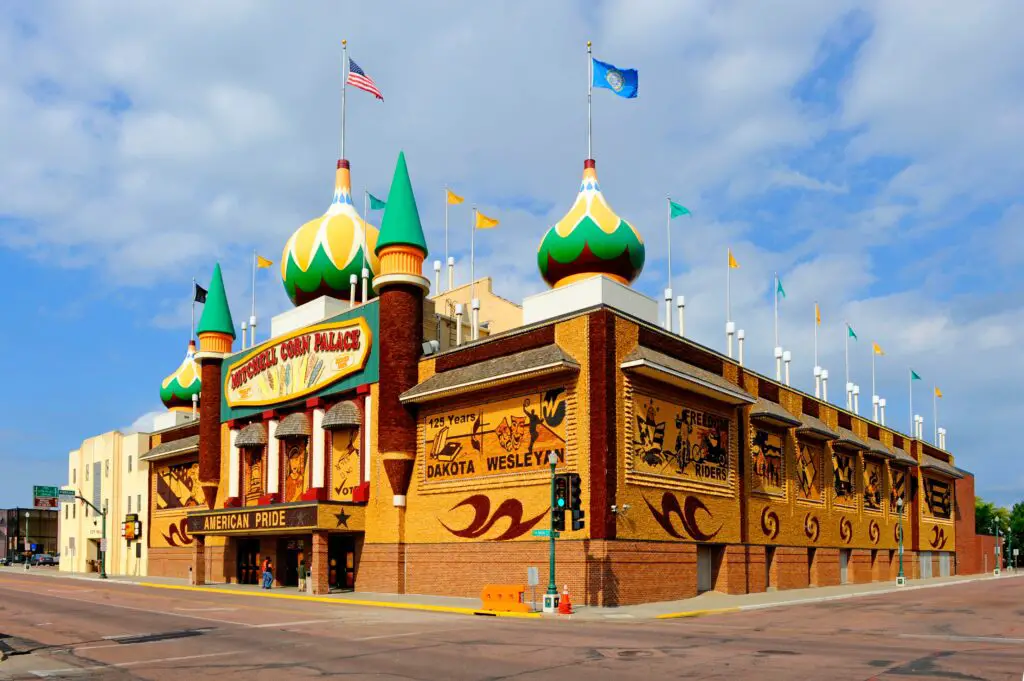
The Mitchell Corn Palace has been a centerpiece of its town since the late 19th century, with the current building dating to 1921. Its exterior is decorated annually with murals made entirely from corn and other grains. This unusual concept turned an agricultural product into a visual attraction. Visitors come to see the changing designs and the craftsmanship involved.
Mitchell leveraged the Corn Palace to establish itself as a destination, especially during festivals and events. It became widely advertised as a symbol of the region’s farming heritage. The building also hosts concerts and gatherings, adding to its draw. Its continued use shows how a simple idea can evolve into a long-standing tradition.
10. South of the Border
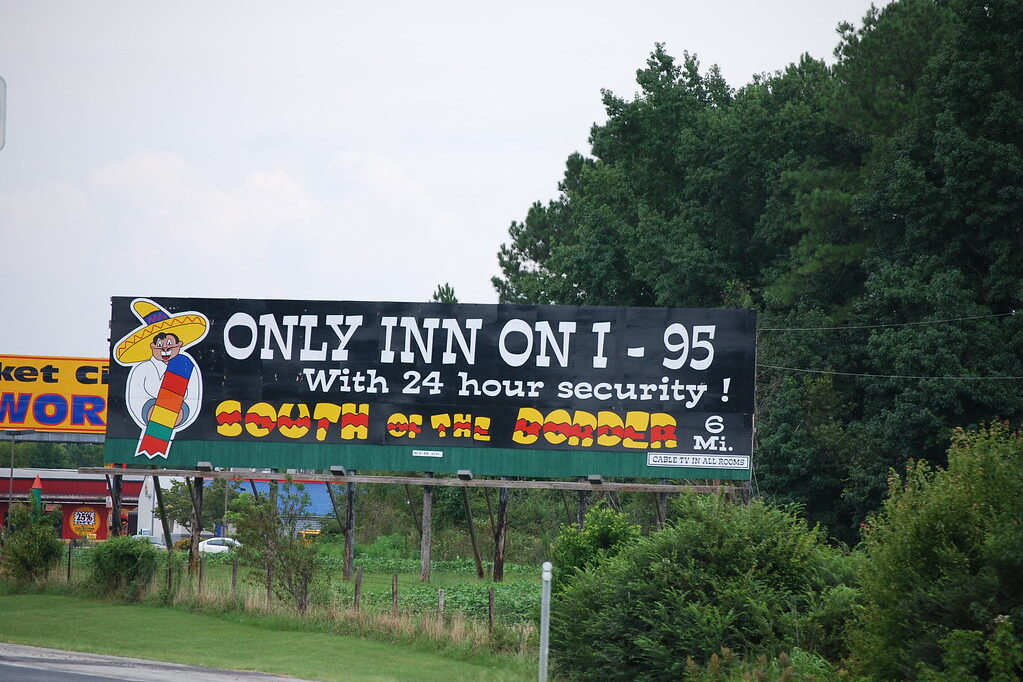
Opened in 1949, South of the Border began as a beer stand just south of the North Carolina state line. It quickly expanded into a large roadside complex with restaurants, shops, and a motel. The attraction became known for its bright signage and playful marketing aimed at highway travelers. For decades, it was a familiar stop for people driving along Interstate 95.
Hamer, South Carolina gained recognition largely because of this single attraction. At its height, it was one of the most recognizable roadside destinations on the East Coast. The branding and constant advertising made it hard to ignore. While its popularity has fluctuated, its historical impact on regional travel is clear.
11. The Cabazon Dinosaurs
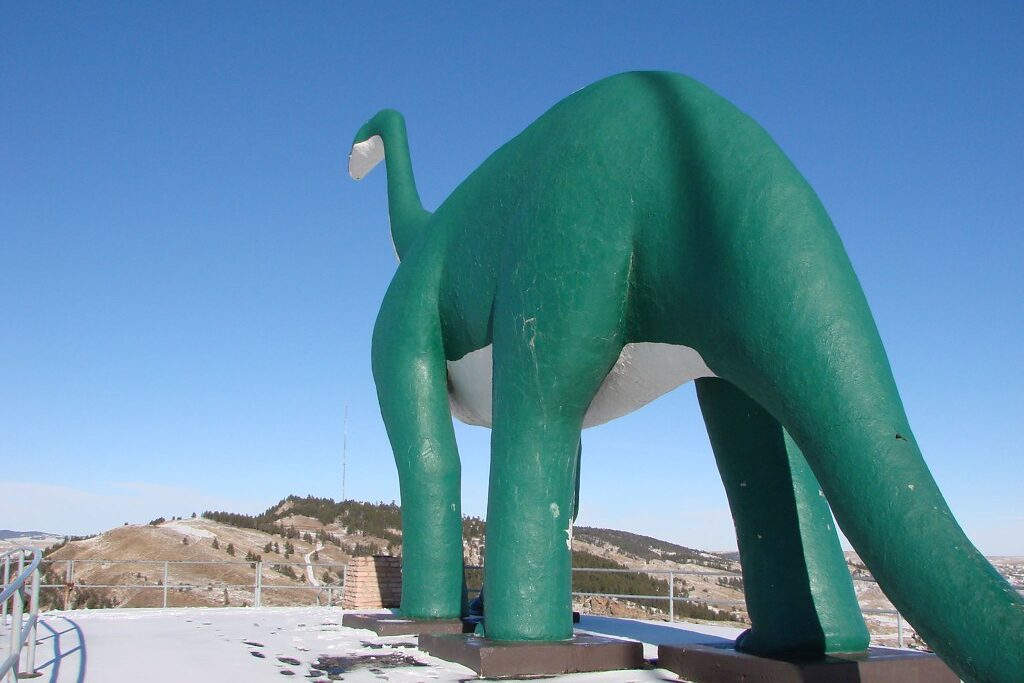
The Cabazon Dinosaurs were built in the 1960s by Claude Bell as part of a roadside attraction and restaurant. The two main figures, Dinny the Dinosaur and Mr. Rex, were made from concrete and steel and large enough for visitors to enter. They quickly became a visual landmark for travelers heading through the desert near Palm Springs. Their size alone made them hard to forget.
Cabazon benefited from the attention, as the dinosaurs became a popular photo stop. They also gained additional fame after appearing in films like Pee-wee’s Big Adventure. The attraction evolved over time but remained tied to its original roadside appeal. It shows how a striking visual can turn a small place into a recognizable destination.
12. Rock City Gardens
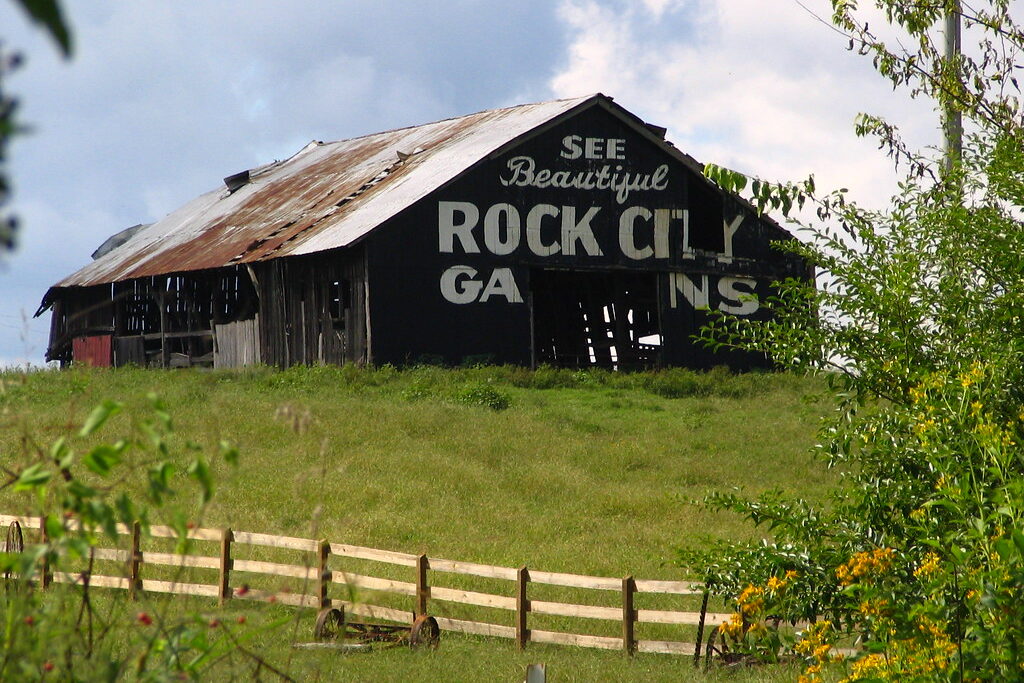
Rock City Gardens opened to the public in 1932 and became famous for its “See Seven States” viewpoint. The attraction features walking trails through natural rock formations, along with carefully designed gardens. Its marketing campaign included painted barns across the Southeast with the phrase “See Rock City.” That widespread advertising helped build its reputation.
Lookout Mountain gained steady tourism thanks to Rock City’s visibility and accessibility. Families traveling through the region often made it a planned stop. The combination of natural scenery and strategic promotion proved effective. It remains a well-known attraction, but its early decades were especially important in putting the area on the map.