
1. You Had to Figure Things Out Yourself
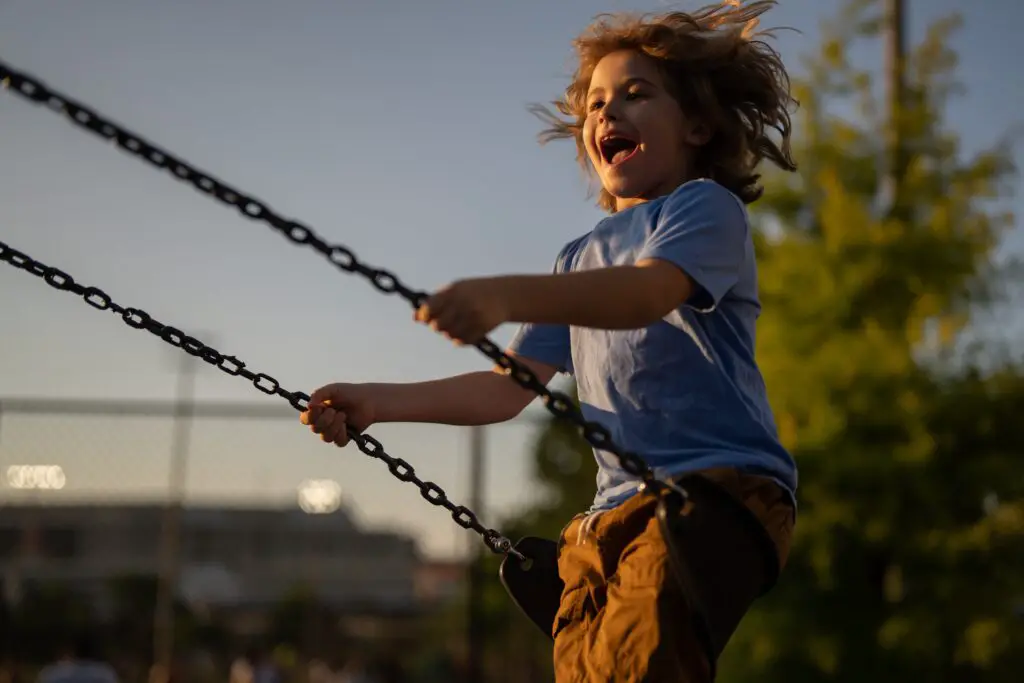
Growing up, there wasn’t always an adult standing nearby explaining how things worked. Kids often learned by trial and error, whether that meant fixing a bike chain, building a fort, or figuring out why the toaster suddenly stopped working. Mistakes were part of the process, and nobody expected perfection the first time around. In fact, trying again was usually just assumed.
That quiet independence taught something bigger than any formal lesson. Kids discovered they were capable of solving problems on their own. It also built confidence that didn’t depend on praise or approval. By the time they were older, tackling unfamiliar situations felt normal. They had already spent years practicing how to figure things out.
2. Being Bored Wasn’t the End of the World
There were long afternoons when nothing exciting was happening. No one rushed in to entertain kids or hand them a solution to boredom. Sometimes all they had was a backyard, a few random toys, and their imagination. Somehow, that was usually enough.
Out of boredom came some surprisingly creative ideas. Cardboard boxes turned into spaceships, and sticks became swords or fishing poles. Kids learned that boredom was temporary and even useful. It pushed them to invent games, stories, and little adventures. Without realizing it, they were developing creativity that would stay with them for years.
3. If You Broke It, You Had to Fix It

Breaking something usually meant dealing with the consequences directly. A cracked window or a snapped toy didn’t automatically lead to a replacement. Instead, kids were often handed tape, glue, or a screwdriver and told to work on it. That moment carried a quiet message.
Objects had value, and carelessness had costs. Fixing things taught patience as well as responsibility. It also made kids pay closer attention the next time they handled something fragile. Over time, they learned that taking care of what you had mattered more than constantly getting something new. That mindset stuck long after childhood.
4. Fairness Was Something Kids Negotiated

Playground rules weren’t always written down. Kids argued over turns, boundaries, and who was “out” during games. Adults rarely stepped in unless things got truly out of hand. That meant kids had to negotiate fairness on their own.
Those small disputes became practice for compromise. Someone had to give in, or the game would fall apart. Kids slowly learned how to settle disagreements without ending the fun entirely. They also figured out that fairness often depended on cooperation. That realization carried into friendships and group situations later in life.
5. Reputation Mattered More Than You Realized
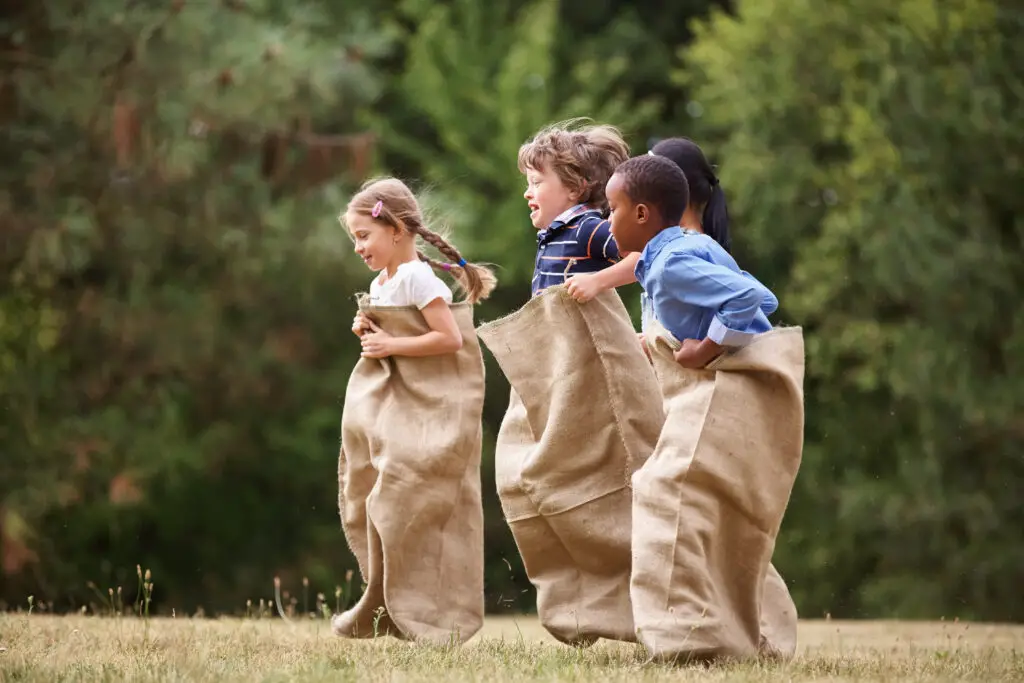
Among kids, word traveled quickly about who could be trusted. Someone who cheated at games or broke promises quickly developed a reputation. That label could follow them around the neighborhood or schoolyard. Nobody formally explained why it mattered.
Over time, kids noticed that reliable friends were invited back into games more often. The ones who caused trouble were gradually left out. That quiet social feedback taught an important lesson. Trust took time to build but only a moment to lose. Even without adults spelling it out, kids understood that their actions shaped how others saw them.
6. The Best Fun Usually Happened Outside
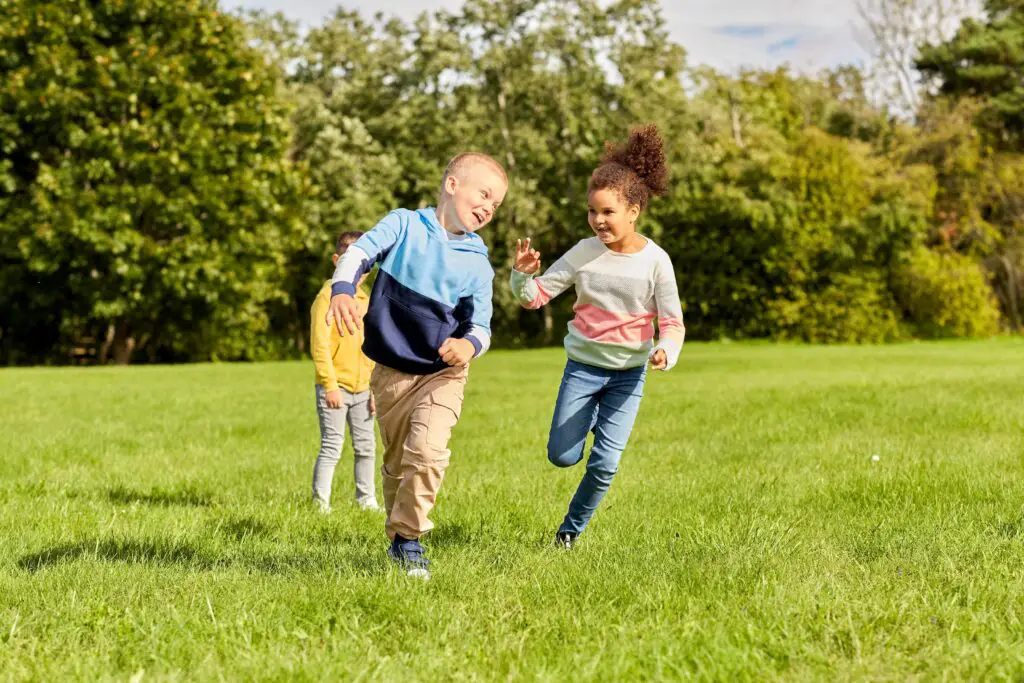
Many childhood memories revolved around simply being outdoors. Sidewalks, empty fields, and backyards became gathering places. Kids ran, explored, and made up games that could last for hours. Nobody needed elaborate plans.
Being outside also encouraged curiosity. Kids watched insects, climbed trees, and tested their limits physically. Small adventures felt enormous at the time. Those experiences quietly built confidence and resilience. They also created the sense that the world was bigger than the living room.
7. Losing Was Part of Playing
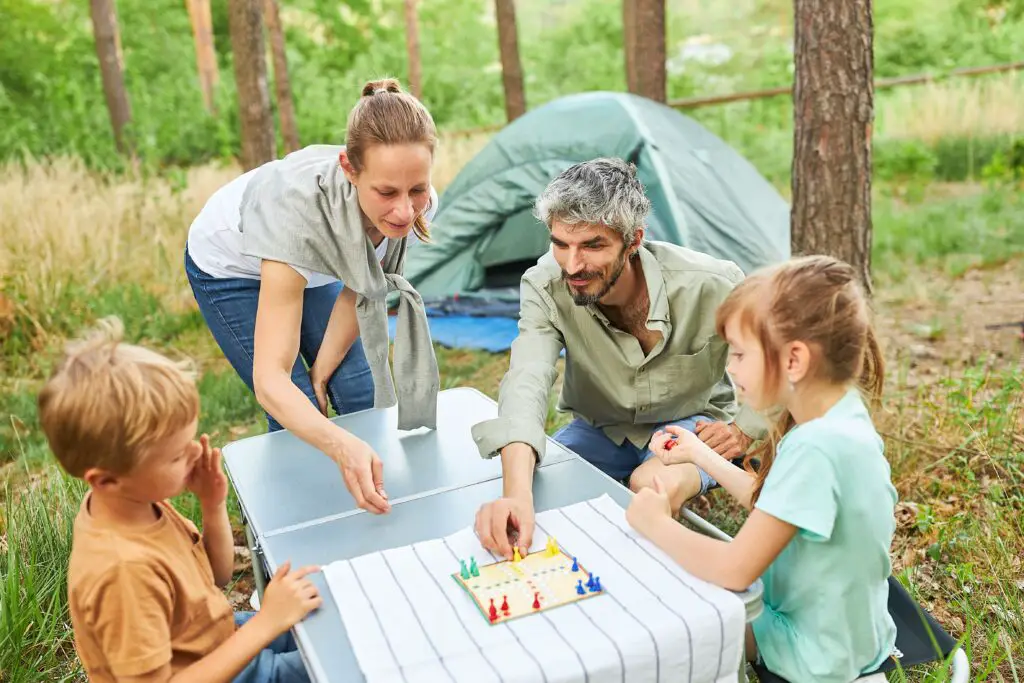
Not every game ended with a trophy or even encouragement. Sometimes you lost badly, and that was simply how it went. Other kids moved on quickly to the next round. Complaining too much meant risking not being invited back.
That routine taught kids how to handle disappointment. Losing wasn’t the end of the experience. It was just one moment in a long series of games and challenges. Kids learned to shake it off and try again. Over time, that ability to recover became one of the most valuable lessons of all.
8. Friendships Required Effort
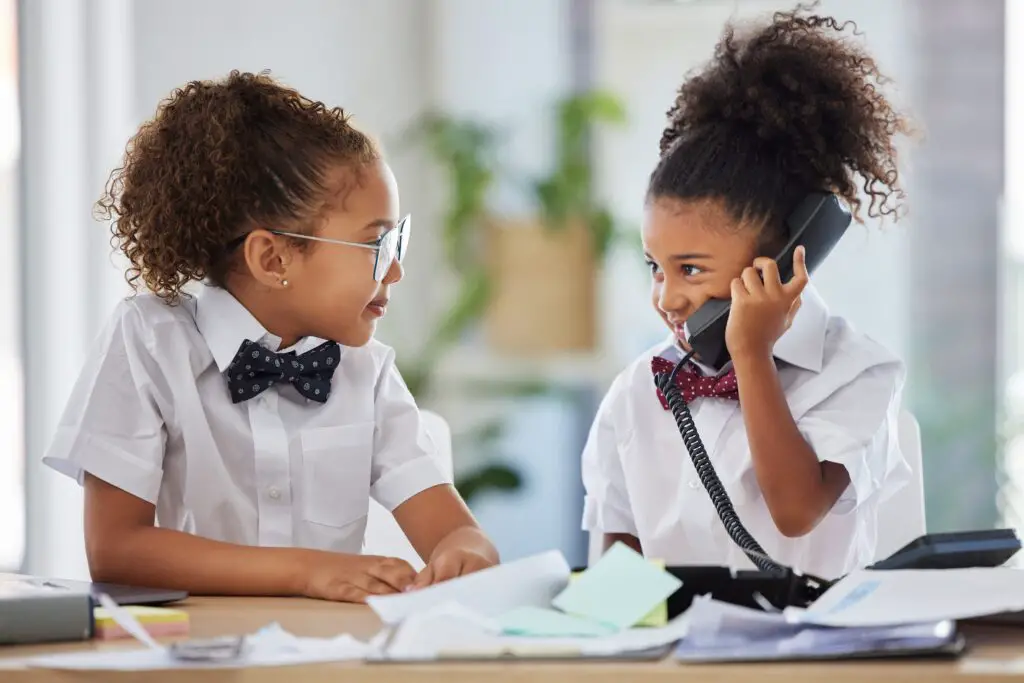
Staying friends with someone took more than just showing up occasionally. Kids noticed that friendships depended on shared time and small acts of loyalty. Standing up for someone or saving them a spot in a game mattered. Those gestures carried real meaning.
Arguments happened, of course, but they usually didn’t last forever. Kids learned how to apologize, forgive, and reconnect. Without realizing it, they were practicing emotional skills. Friendships survived because both sides wanted them to. That understanding often followed them into adulthood.
9. Adults Didn’t Have All the Answers

Sometimes kids asked questions and got vague responses. Other times adults simply said they didn’t know. That was confusing at first. Weren’t grown ups supposed to understand everything?
Gradually kids realized that adults were figuring things out too. That discovery changed how they viewed authority. Respect didn’t disappear, but curiosity increased. Kids started asking more questions and thinking more critically. In a quiet way, they learned that learning never really stops.
10. Patience Was Sometimes Unavoidable
Waiting used to be part of everyday life. Kids waited for their turn on the phone, waited for Saturday morning cartoons, and waited for a favorite show to air once a week. Instant access simply didn’t exist. The waiting itself became routine.
During those stretches of time, anticipation grew. Kids talked about upcoming events for days or even weeks. When something finally arrived, it felt more meaningful. Patience turned ordinary moments into something special. That habit of waiting also made people appreciate things more deeply.
11. Resourcefulness Was a Survival Skill
Kids often had to make do with whatever was around them. If a ball got lost, another object quickly took its place. If there weren’t enough players for a game, the rules changed. Adaptation happened naturally.
This kind of flexibility built creative thinking. Kids learned that obstacles could often be worked around. Instead of giving up, they experimented with new ideas. That approach carried into school projects and everyday challenges later on. Resourcefulness quietly became a habit.
12. Small Risks Were Part of Growing Up

Climbing a little too high or riding a bike a little too fast was common. Kids tested their limits in ways that worried adults but rarely stopped them completely. Scrapes and bruises were almost expected. Each small risk carried a lesson.
Through those experiences, kids developed judgment. They learned which risks were manageable and which were not. Confidence grew alongside caution. Over time, they understood their own abilities better. That balance helped them navigate bigger challenges later.
13. Respect Was Earned Through Actions
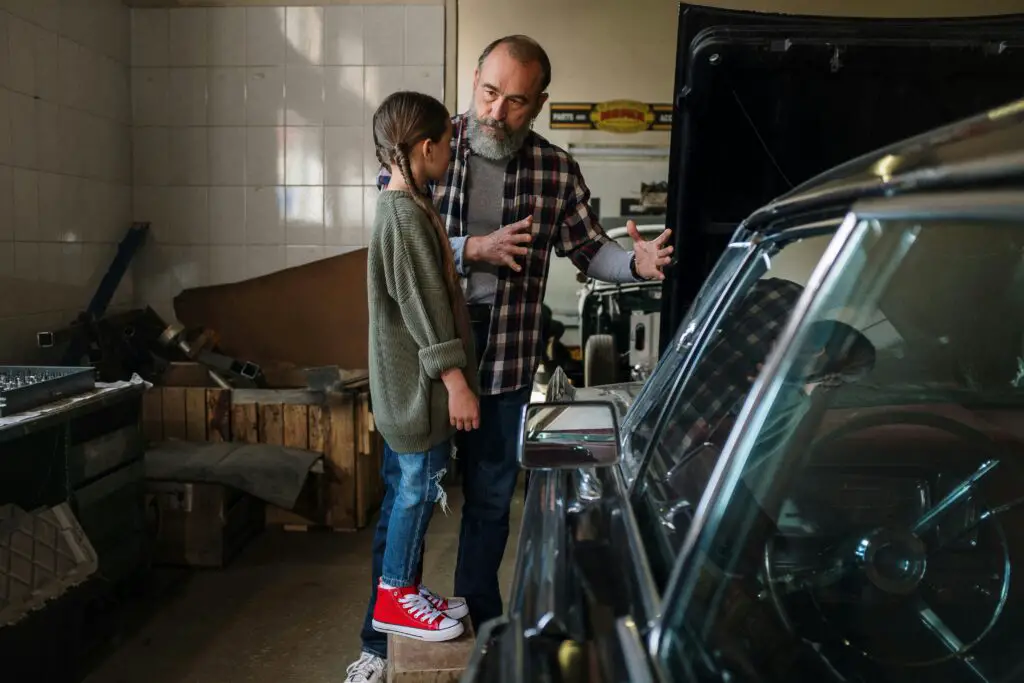
Kids paid close attention to how people behaved. Someone who helped others or played fairly often gained respect quickly. It wasn’t about age or authority alone. Actions mattered more.
Those observations shaped how kids behaved themselves. They saw firsthand that kindness and reliability had social rewards. People wanted to be around someone they could trust. Without anyone formally explaining it, kids understood how respect worked. It wasn’t demanded, it was built.
14. Memories Came From Simple Moments

Many childhood highlights weren’t expensive trips or major events. They were ordinary afternoons with friends or family. A shared joke, a summer evening, or a spontaneous game could stick in memory for years. The simplicity made those moments powerful.
Kids gradually realized that happiness didn’t always require something elaborate. Good company and a little freedom were often enough. That understanding stayed with them as they grew older. It shaped how they valued time and relationships. In many ways, those simple moments became the ones that mattered most.
15. Growing Up Happened Slowly

As kids moved from one stage of childhood to another, the changes felt gradual. Responsibilities increased little by little. New freedoms appeared alongside new expectations. No single moment marked the shift.
Looking back later, the transformation seemed obvious. Skills that once felt impossible had become routine. Confidence developed through everyday experiences rather than dramatic lessons. Childhood had quietly prepared them for adulthood. Most of those lessons had been learned without anyone formally teaching them.