
1. Silence Sometimes Means You Crossed a Line
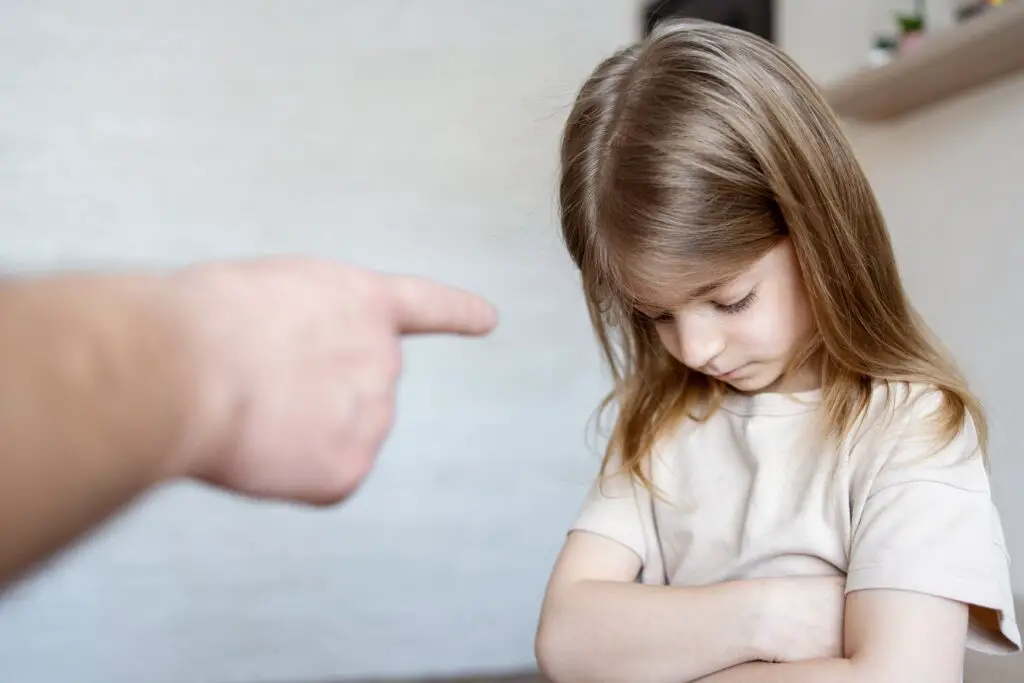
Most kids learned pretty quickly that when the house went quiet, something had gone wrong. No lecture was needed to understand that slammed doors or clipped answers carried more weight than yelling. Silence felt heavier than punishment because it left room for imagination. You replayed what you said or did, usually realizing the mistake before anyone explained it. That quiet taught accountability in a subtle way. It also showed that words could have consequences long after they were spoken.
Later on, many adults recognize that same silence in workplaces or relationships. It still signals a need to reflect before reacting. Kids absorbed that lesson early without ever hearing it spelled out. Silence became its own kind of feedback. It taught awareness more effectively than any rulebook.
2. Being Late Affects More Than Just You

Kids figured out quickly that showing up late caused ripples. Dinner got cold, rides were missed, and people waited around trying not to show annoyance. No one had to explain courtesy when the evidence was sitting right there. You could feel the inconvenience you caused. That feeling lingered longer than a reminder to be on time.
Over time, punctuality stopped being about clocks and started being about respect. Kids learned that time belonged to everyone, not just them. The lesson stuck because it was experienced, not explained. Waiting rooms and empty seats taught it well. Being late stopped feeling harmless.
3. If You Break It, You Fix It

Breaking something usually meant more than a quick apology. Kids learned this lesson when they had to tape, glue, or replace what they damaged. Even when the fix was imperfect, the effort mattered. It made responsibility tangible. Accidents stopped feeling invisible once cleanup was involved.
That lesson carried into adulthood in subtle ways. Owning mistakes became less intimidating because it felt familiar. Fixing things, literally or figuratively, became part of the deal. Kids learned that accountability often involved action, not excuses. No speech required.
4. You Notice Who Shows Up
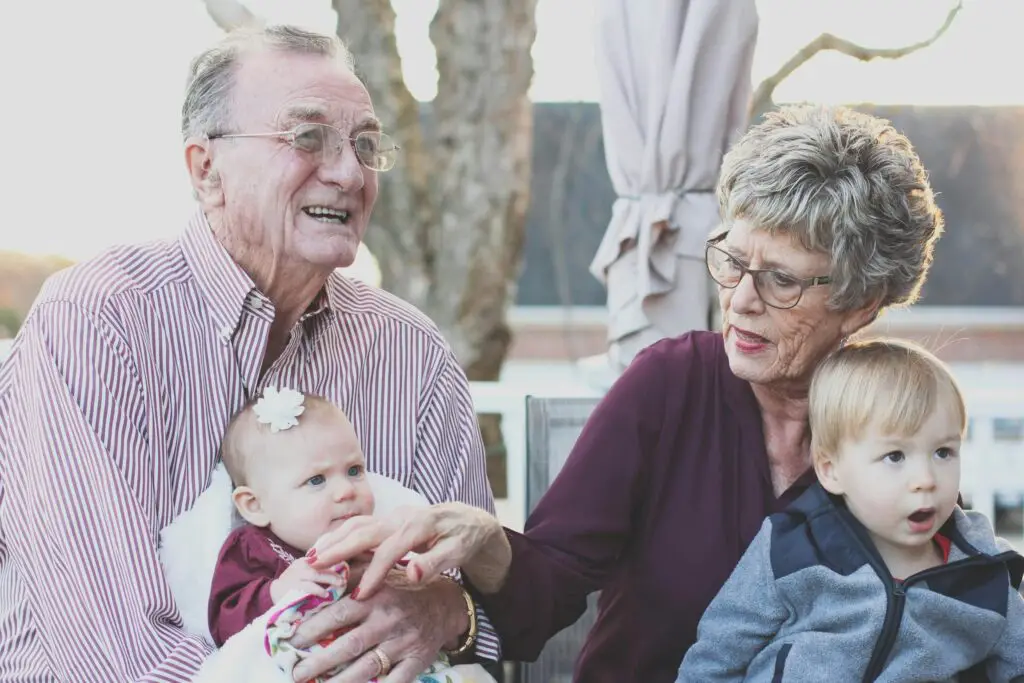
Kids paid attention to who actually came through when it mattered. The parent at every game, the neighbor who always checked in, or the friend who defended you quietly. No one needed to point out reliability. It revealed itself over time. Patterns spoke louder than promises.
That awareness shaped how kids valued relationships later. Showing up became more important than saying the right thing. Kids learned loyalty by watching it in motion. Consistency earned trust without explanation. The lesson stayed because it was lived.
5. Fair Isn’t Always Equal
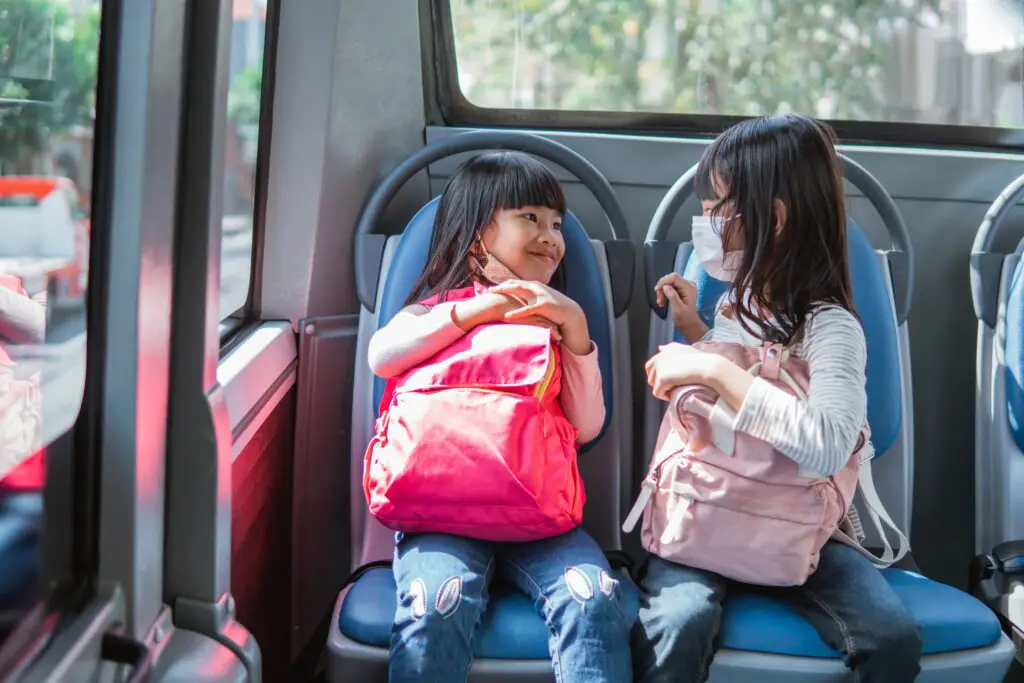
Kids learned this lesson the first time rules bent for someone else. An older sibling stayed up later, or a younger one got help you did not. It felt frustrating before it felt understandable. Over time, kids saw context mattered. Circumstances changed expectations.
That understanding carried forward quietly. Life did not hand out equal outcomes, and kids already knew that. They learned to separate fairness from sameness early on. It was an uncomfortable lesson, but a lasting one. No chart or explanation needed.
6. Embarrassment Passes Faster Than You Think

Kids learned this after tripping in public or saying something awkward. The moment felt endless until it suddenly was not. People moved on faster than expected. The world kept going. That realization brought relief.
Over time, kids became more resilient to small mistakes. They learned embarrassment rarely lasted as long as fear suggested. This made trying again feel possible. Confidence grew quietly from those moments. No pep talk required.
7. Kindness Gets Remembered
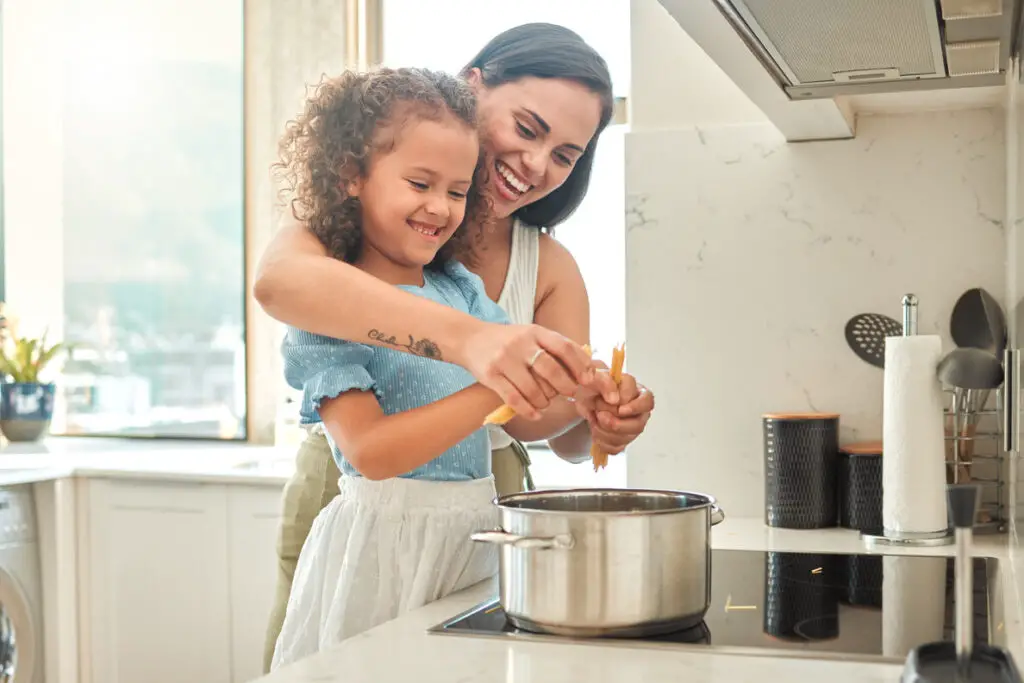
Kids noticed which actions stuck with people. A small favor or shared snack often earned lasting goodwill. Kindness echoed longer than cleverness. No one had to explain reputation. It formed naturally.
This lesson shaped how kids treated others later on. Being kind felt like a long-term investment. Kids learned it paid off in trust and connection. The memory of kindness lingered. It taught itself.
8. Adults Don’t Always Have the Answers
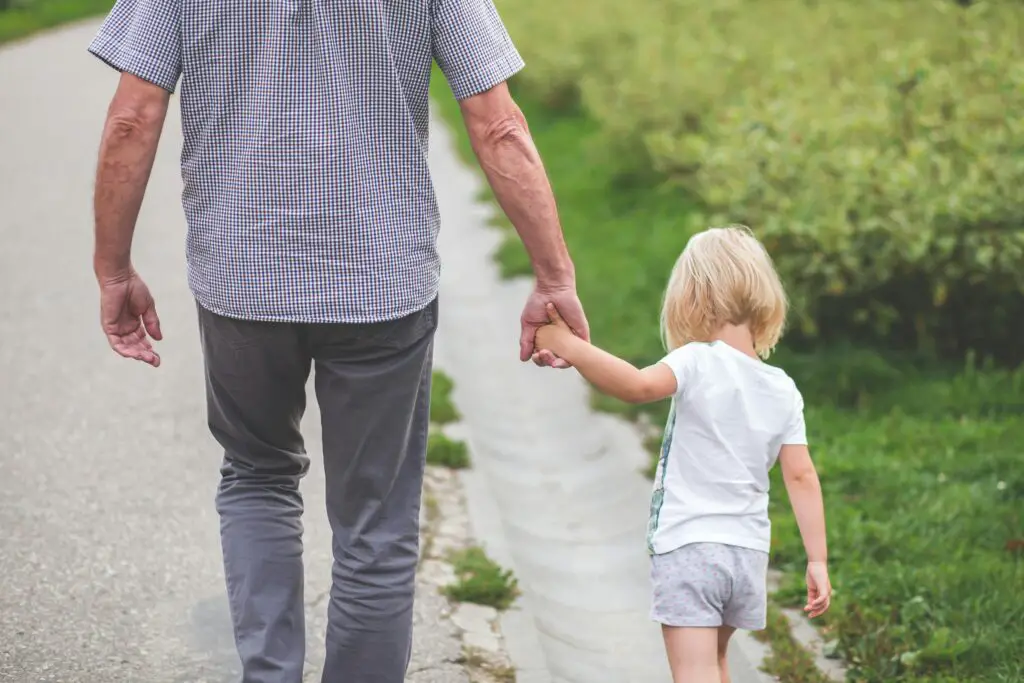
Kids figured this out when adults paused, guessed, or admitted uncertainty. It happened during homework questions or life moments. The realization felt surprising at first. Authority became more human. Adults were still learning too.
That understanding gave kids perspective. It reduced fear around not knowing everything. Curiosity replaced embarrassment. Kids learned learning never stopped. No formal lesson needed.
9. Your Reputation Travels Ahead of You
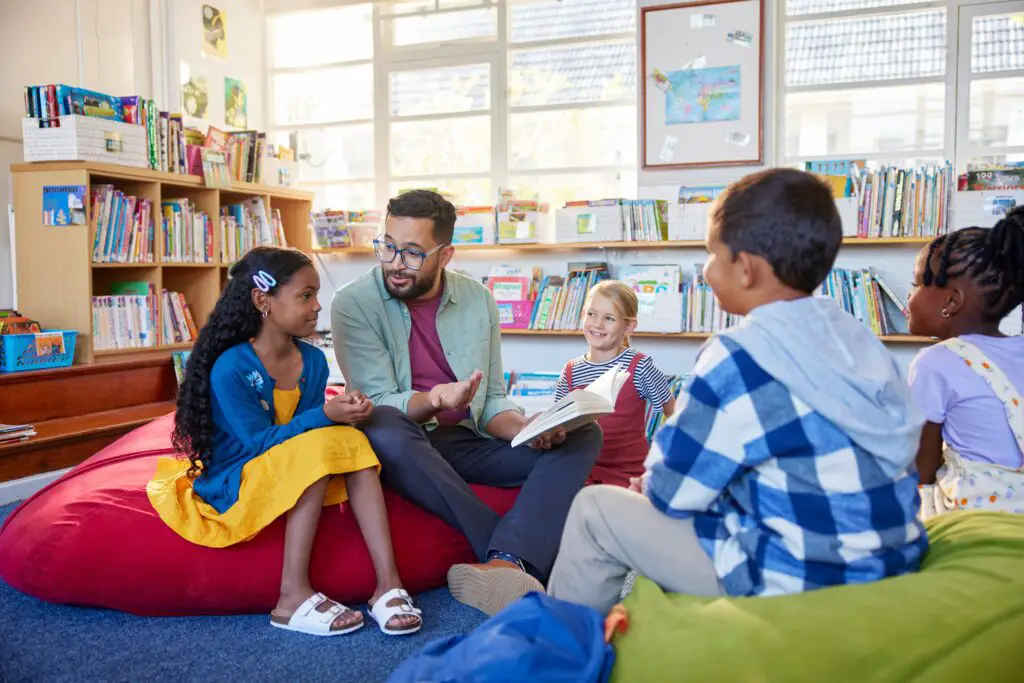
Kids noticed how names carried stories. Teachers already had impressions, and neighbors remembered past behavior. Actions seemed to follow you. This felt unfair at times, but also motivating. Behavior shaped expectations.
Over time, kids learned consistency mattered. One good or bad choice could echo longer than expected. Reputation became something built slowly. It taught awareness without lectures. The evidence was everywhere.
10. Apologies Matter More When They’re Real

Kids learned the difference between forced and sincere apologies quickly. A rushed sorry changed nothing. A thoughtful one shifted the mood. The reaction told the story. Authenticity made the difference.
This lesson shaped how kids apologized later in life. They learned tone and effort mattered. Saying sorry became about repair, not obligation. The response taught them everything. No script required.
11. Not Every Battle Is Worth Fighting
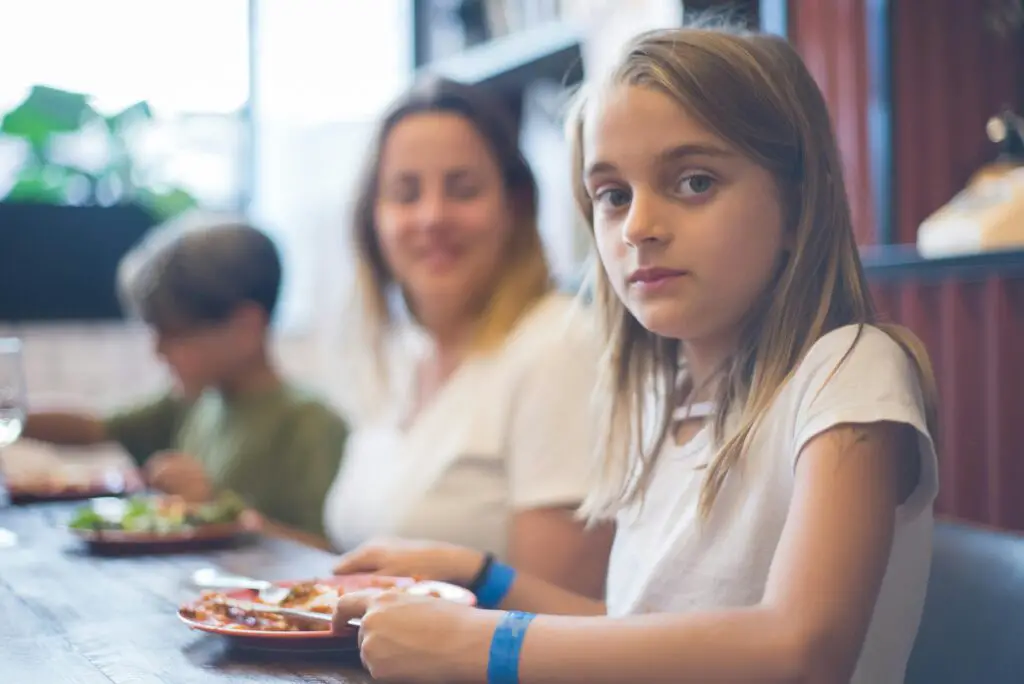
Kids learned this by watching arguments fizzle out or escalate unnecessarily. Some disagreements resolved themselves when ignored. Others only grew louder. Observation did the teaching. Energy mattered.
Over time, kids learned to choose wisely. Silence sometimes preserved peace better than winning. Letting go became a skill. The lesson stuck because it saved effort. No one had to spell it out.
12. Money Doesn’t Stretch Forever

Kids learned this when budgets tightened or treats disappeared. The word no carried weight. Spending had limits that felt real. Choices became visible. Scarcity taught priorities.
This lesson shaped financial awareness early. Kids learned value through absence. Wants separated from needs naturally. The lesson lingered into adulthood. No formal budgeting class required.
13. People Remember How You Made Them Feel
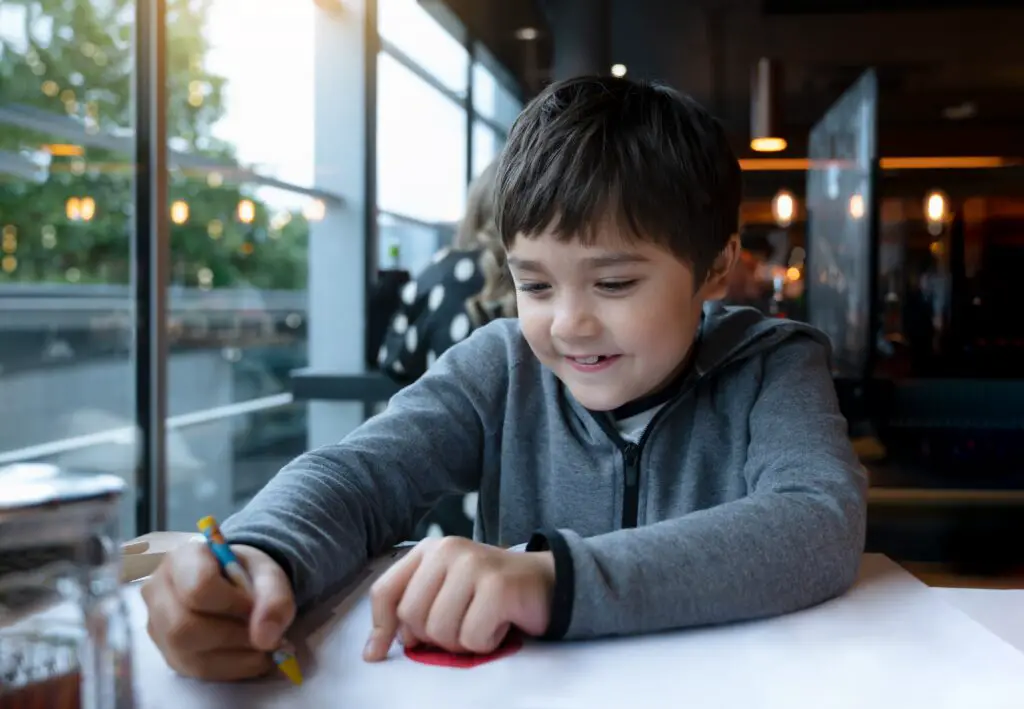
Kids noticed reactions lingered longer than events. A harsh comment stuck more than a bad day. A kind gesture softened tension. Feelings left impressions. Behavior had emotional impact.
That awareness shaped empathy. Kids learned words and actions carried weight beyond intention. Being mindful mattered. The lesson grew from experience. No explanation needed.
14. Some Rules Exist for a Reason
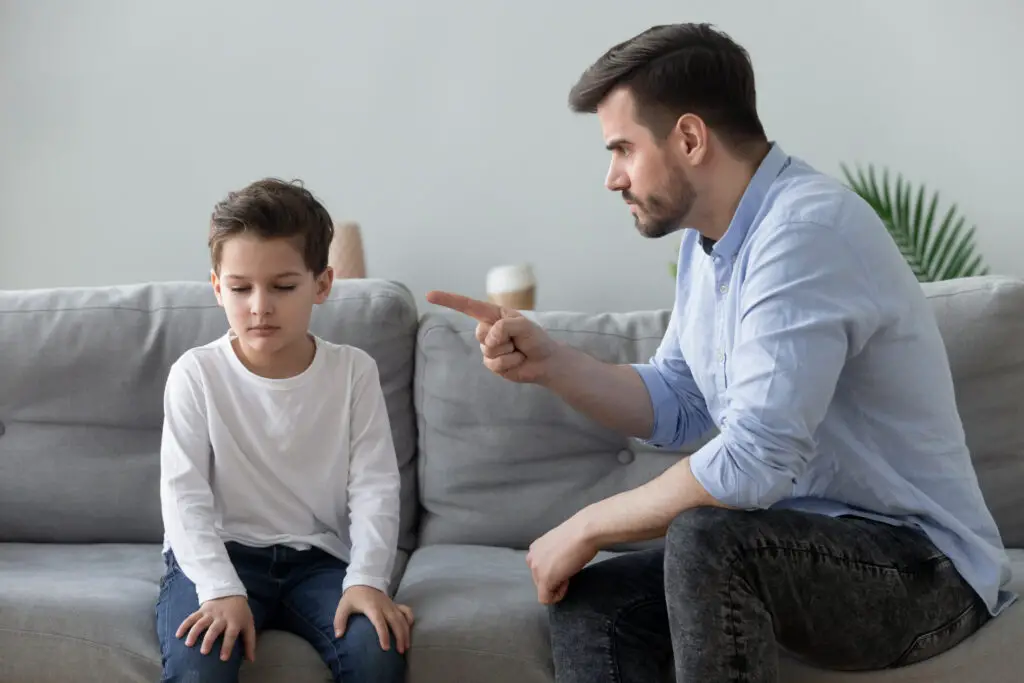
Kids learned this after ignoring warnings. Skinned knees or missed opportunities taught faster than lectures. Consequences made sense in hindsight. Rules became protective, not arbitrary. Experience clarified intention.
Over time, kids learned to evaluate guidance differently. Not all rules felt restrictive anymore. Some were preventative. The lesson came from lived results. It stuck.
15. You Figure Things Out As You Go
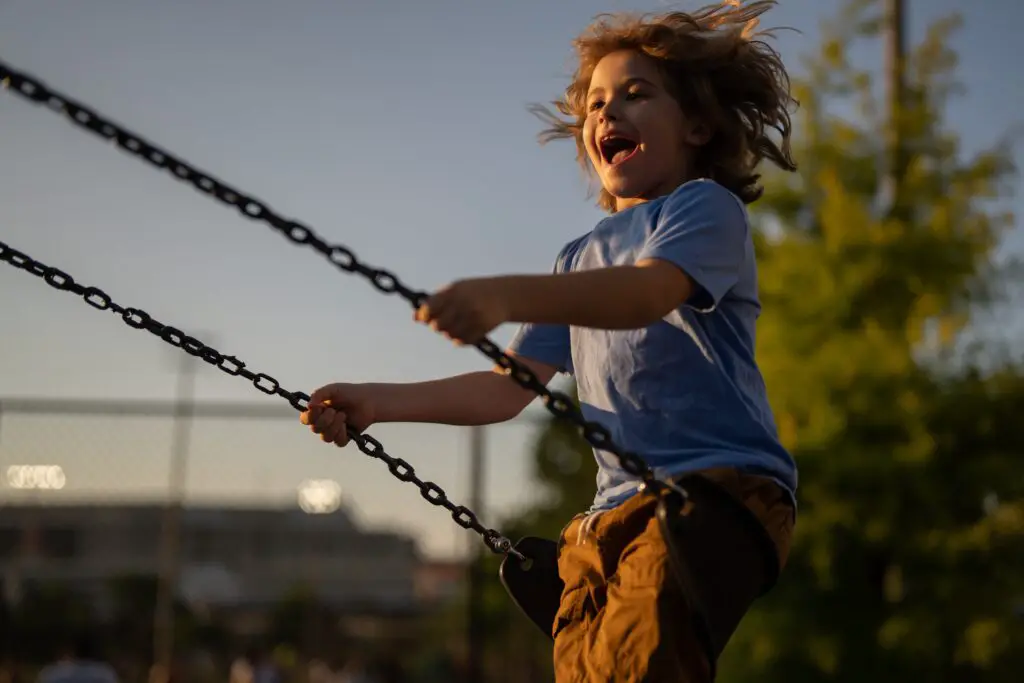
Kids learned this watching adults adapt. Plans changed, mistakes happened, and life moved forward anyway. Flexibility became visible. Perfection proved unnecessary. Progress mattered more.
This lesson built confidence. Kids learned uncertainty was survivable. Adjusting felt normal. Growth happened in motion. No one needed to teach it explicitly.