
1. Christopher Columbus
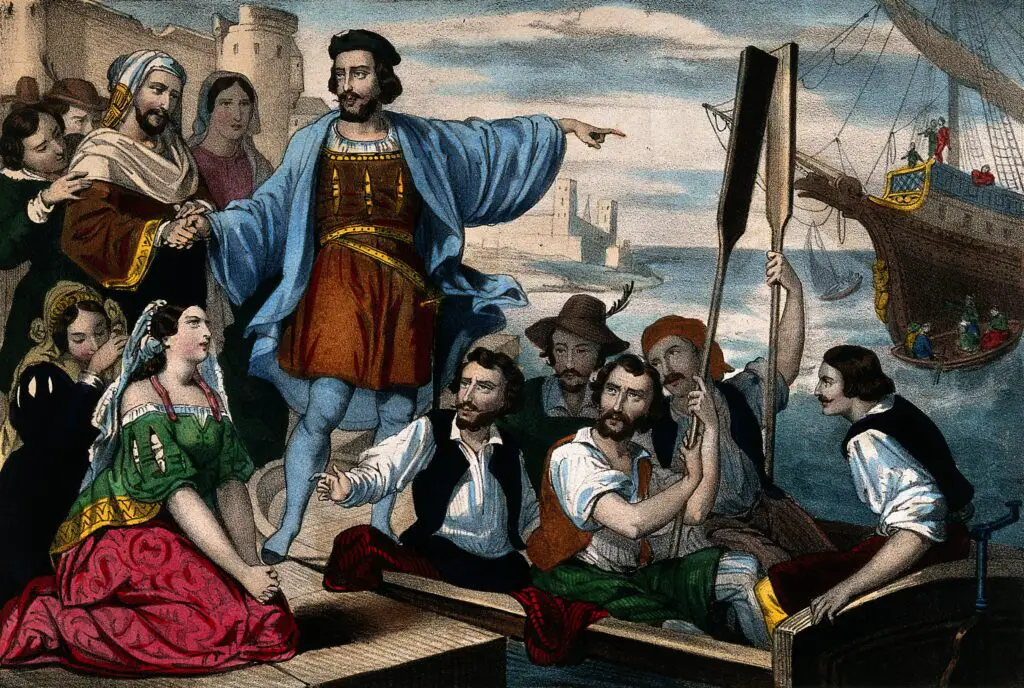
For generations, Christopher Columbus was taught in schools as the brave explorer who “discovered” America in 1492. That version of the story leaves out quite a lot. Indigenous peoples had been living across the Americas for thousands of years before Columbus arrived. Nor was he even the first European known to reach the continent, since Norse explorer Leif Erikson reached Newfoundland around the year 1000.
Columbus also never set foot on the mainland United States. Most of his voyages focused on Caribbean islands such as Hispaniola and Cuba. He believed until his death that he had reached islands off the coast of Asia. Modern historians now view his legacy as far more complicated, particularly because of the brutal colonial system he helped establish in the Caribbean.
2. Pocahontas
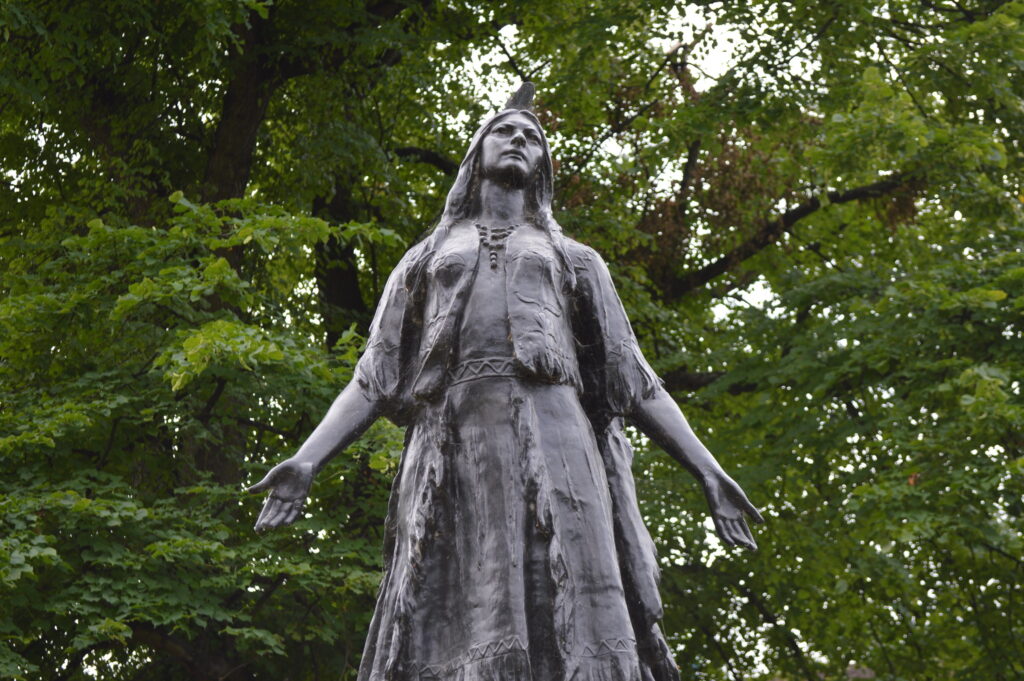
The popular story about Pocahontas saving John Smith’s life has been repeated for centuries, but historians still debate whether it actually happened. Smith claimed years later that Pocahontas intervened just as he was about to be executed by Powhatan warriors. However, he did not include this dramatic rescue in his earliest written accounts.
Pocahontas herself was only about 10 or 11 years old when Smith first arrived in Virginia in 1607. Many scholars suspect Smith may have misunderstood a ceremonial ritual or exaggerated the story later. What is documented is that Pocahontas later married English settler John Rolfe and traveled to England before dying there in 1617 at about age 21.
3. Paul Revere
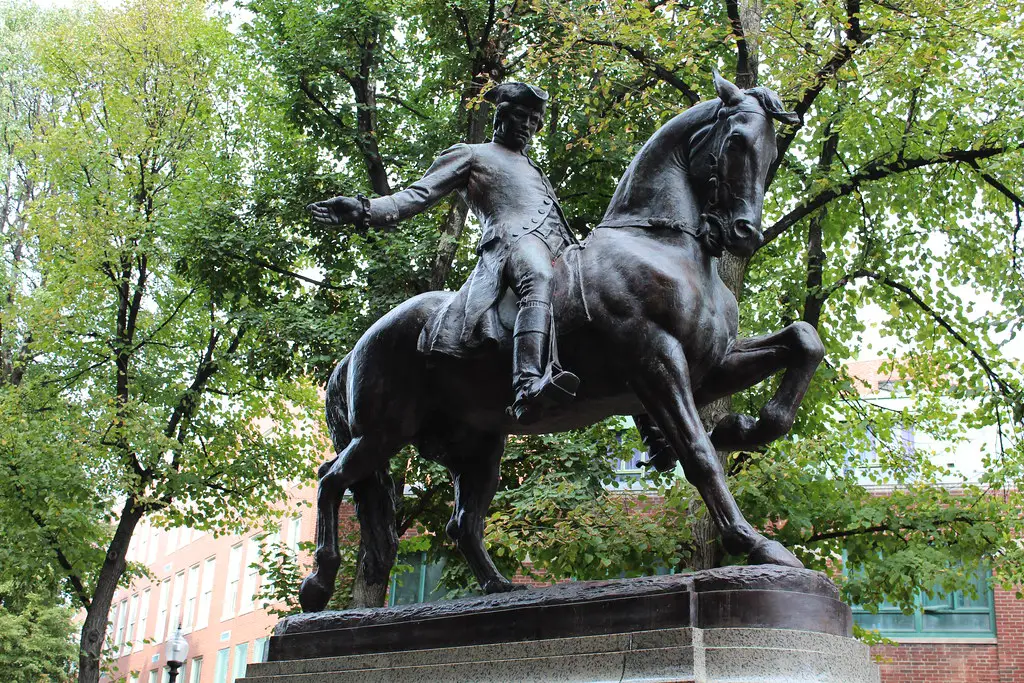
The familiar story says Paul Revere rode through the night shouting, “The British are coming!” to warn colonists before the battles of Lexington and Concord. In reality, Revere was part of a coordinated alarm system that involved several riders. William Dawes and Samuel Prescott were also carrying warnings that night.
Revere was actually captured by British troops before reaching Concord. Prescott was the rider who successfully made it to the town. The famous phrase about the British would not have made much sense anyway, since most colonists still considered themselves British at the time.
4. Betsy Ross
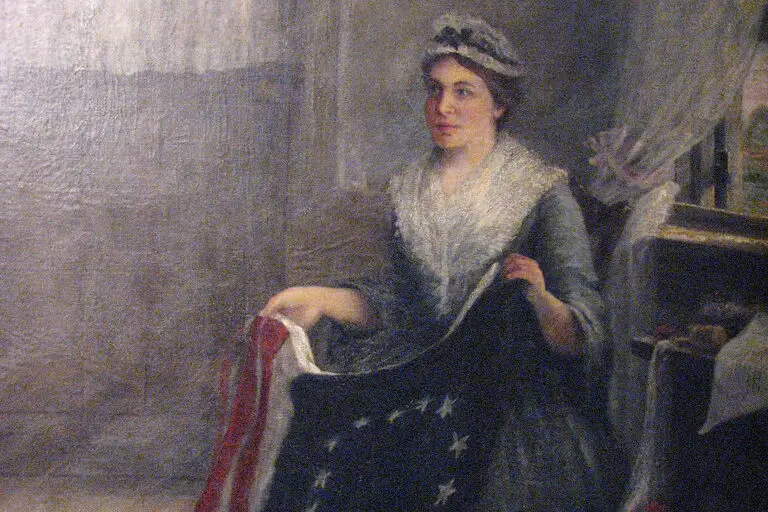
Betsy Ross is widely credited with sewing the first American flag, but the evidence for this claim is thin. The story first surfaced nearly a century after the American Revolution. Ross’s grandson presented the account in 1870, saying George Washington asked Ross to sew the flag in 1776.
No contemporary records from the time confirm the meeting or the story. Several historians believe other Philadelphia flag makers may have produced early flags. Ross certainly worked as an upholsterer and did sew items for the Continental Army, but the famous origin story remains uncertain.
5. King Arthur
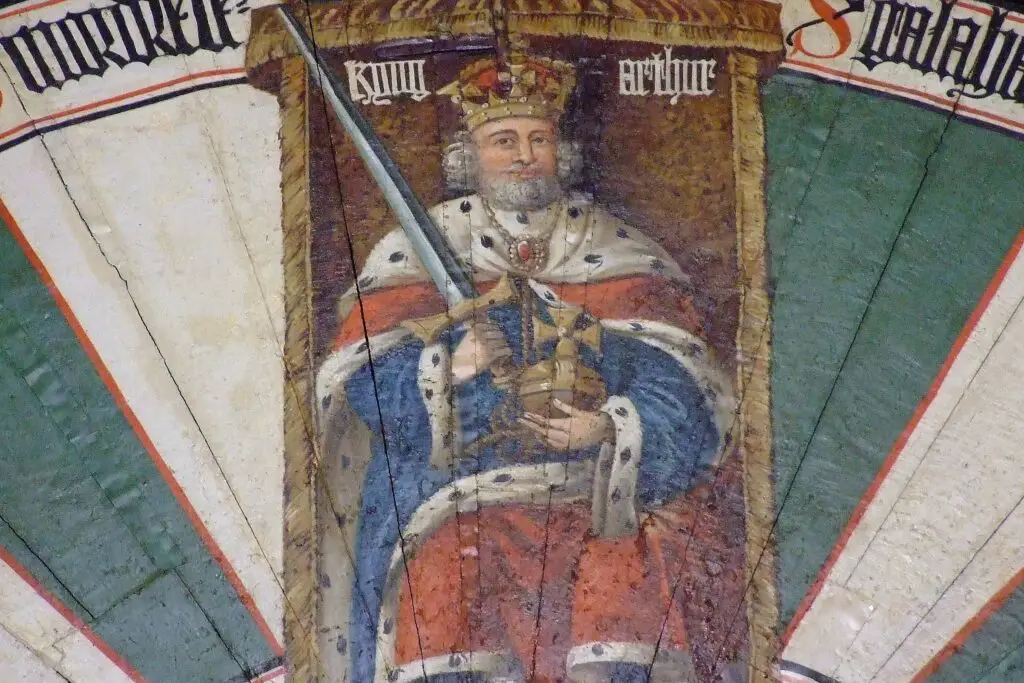
King Arthur is one of the most famous figures in British legend, known for the Knights of the Round Table and the sword Excalibur. Yet historians still debate whether Arthur was a real person at all. The earliest written accounts appear centuries after the time Arthur supposedly lived.
Many scholars think the character may have been inspired by a real Romano-British military leader who fought invading Saxons. Others believe Arthur is purely mythological. The stories grew dramatically over time through medieval writers such as Geoffrey of Monmouth and later French romances.
6. William Tell
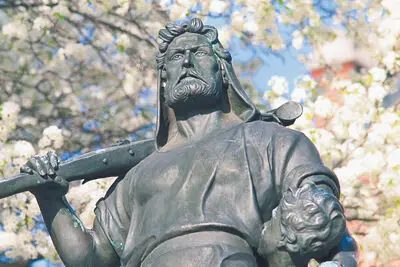
The legend of William Tell centers on a Swiss hero forced to shoot an apple off his son’s head with a crossbow. The story became a powerful symbol of resistance to tyranny. However, historians have never found solid evidence that Tell was an actual historical person.
The earliest written version appeared in the 15th century, long after the events supposedly occurred in the early 1300s. Similar apple shooting legends also appear in other European folklore. Many historians now consider the story a national myth rather than a documented historical event.
7. George Washington and the Cherry Tree
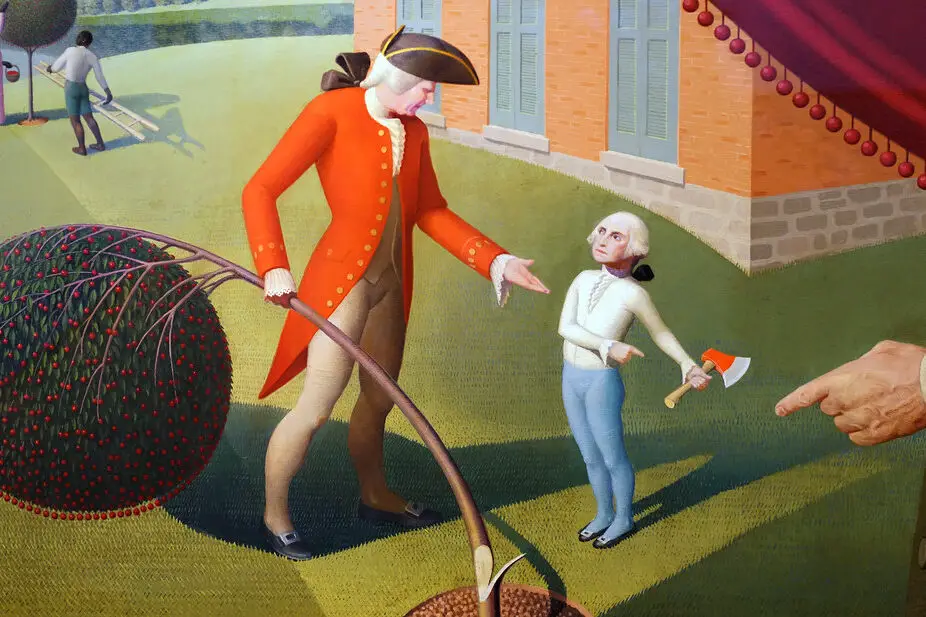
One of the most famous childhood stories about George Washington claims he confessed, “I cannot tell a lie,” after cutting down his father’s cherry tree. The anecdote is often used to illustrate Washington’s honesty. Unfortunately, it almost certainly never happened.
The story first appeared in an 1806 biography written by Mason Locke Weems, several years after Washington’s death. Weems admitted he wanted to provide moral lessons through the book. Historians widely regard the cherry tree story as a fictional invention rather than a true event.
8. Nero and the Burning of Rome
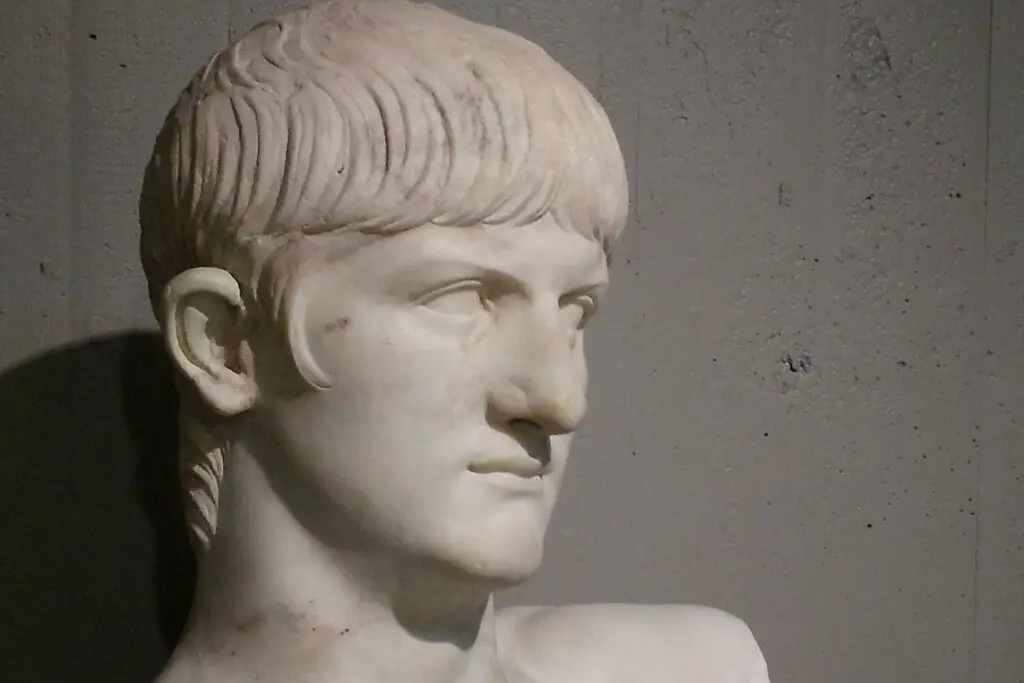
The image of Roman emperor Nero playing a fiddle while Rome burned in 64 AD is one of history’s most persistent images. The problem is that fiddles did not even exist in ancient Rome. Ancient sources also indicate Nero may not have been in the city when the fire started.
According to Roman historian Tacitus, Nero actually organized relief efforts after the fire and opened his gardens to displaced citizens. Some accounts claim he sang about the fall of Troy while watching the fire, but even that detail is debated. The famous phrase “Nero fiddled while Rome burned” developed centuries later.
9. Robin Hood
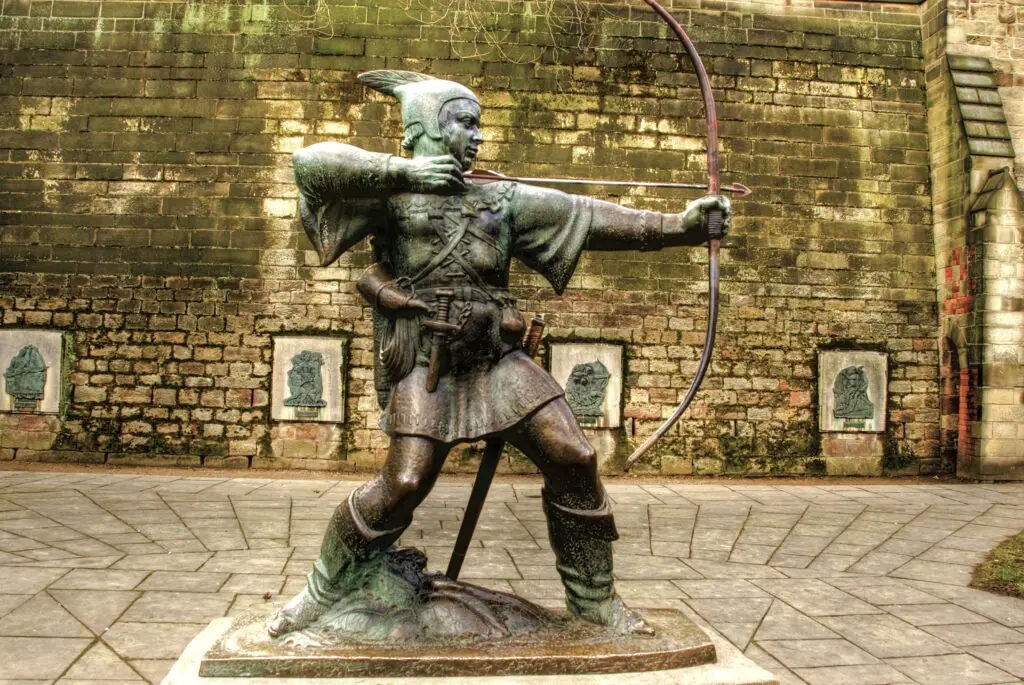
Robin Hood is remembered as the outlaw who robbed from the rich and gave to the poor. Ballads about him date back to medieval England, but historians cannot confirm that he was a single real person. Instead, the character may be based on several different figures.
The earliest surviving Robin Hood ballads appear in the 15th century. In those stories he is not always portrayed as a noble hero helping the poor. The more familiar version of Robin Hood, with Maid Marian and the Sheriff of Nottingham, developed gradually over hundreds of years.
10. Calamity Jane
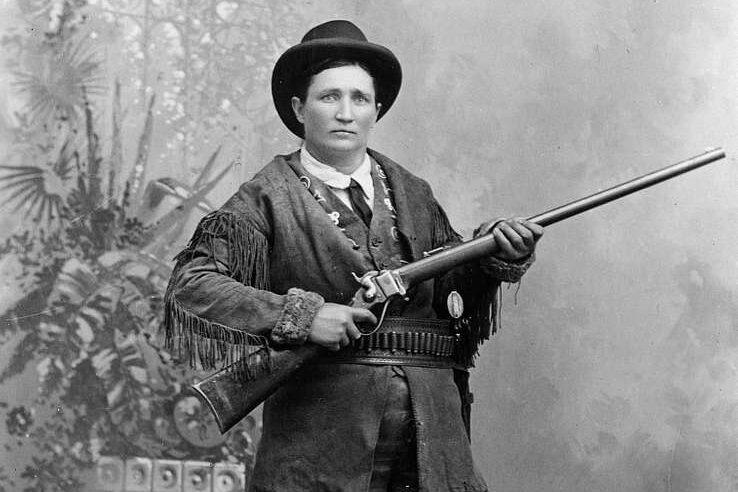
Calamity Jane became one of the most famous figures of the American Old West. Her real name was Martha Jane Cannary, and she was known for her rough frontier lifestyle. Over time she told many dramatic stories about her own adventures.
Some of those tales, including claims that she served as a military scout or had a close relationship with Wild Bill Hickok, are difficult to verify. Historians believe parts of her biography were exaggerated for publicity during Wild West shows. The myth of Calamity Jane grew much larger than the documented facts.
11. Rasputin
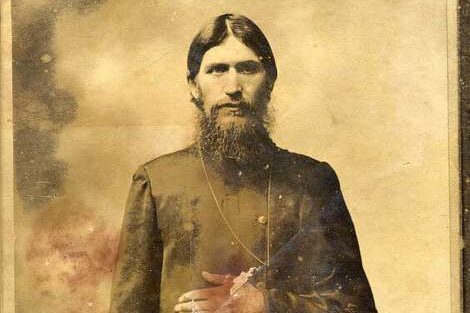
Grigori Rasputin is often portrayed as a nearly supernatural figure who could not be killed. One popular story says he survived poison, gunshots, and drowning during his assassination in 1916. Modern historians believe the tale was heavily exaggerated.
Autopsy reports indicated Rasputin died from gunshot wounds rather than poison or drowning. The dramatic story largely came from accounts written by conspirators after the fact. Rasputin’s influence at the Russian imperial court was real, but the legend surrounding his death grew far more sensational over time.
12. Lady Godiva
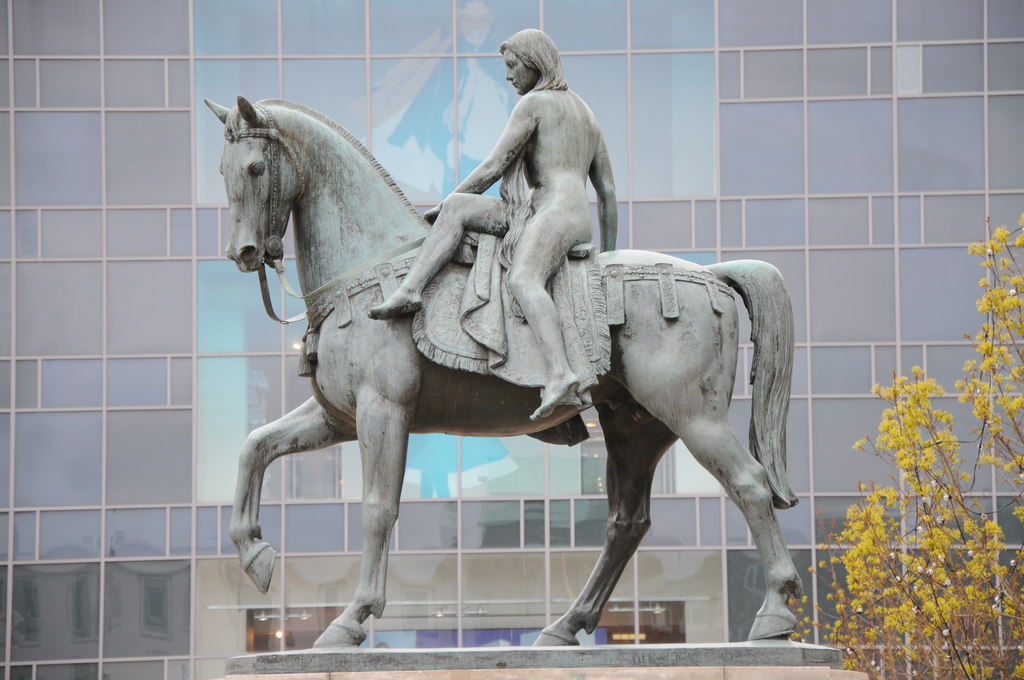
According to legend, Lady Godiva rode naked through the streets of Coventry to protest oppressive taxes imposed by her husband. The story became widely known in medieval England. Yet historians question whether the famous ride ever occurred.
The earliest written version appeared more than a century after the time she supposedly lived in the 11th century. Contemporary records confirm that Lady Godiva was a real noblewoman and landowner. However, the dramatic horseback protest is likely a later addition to her story.
13. Viking Horned Helmets
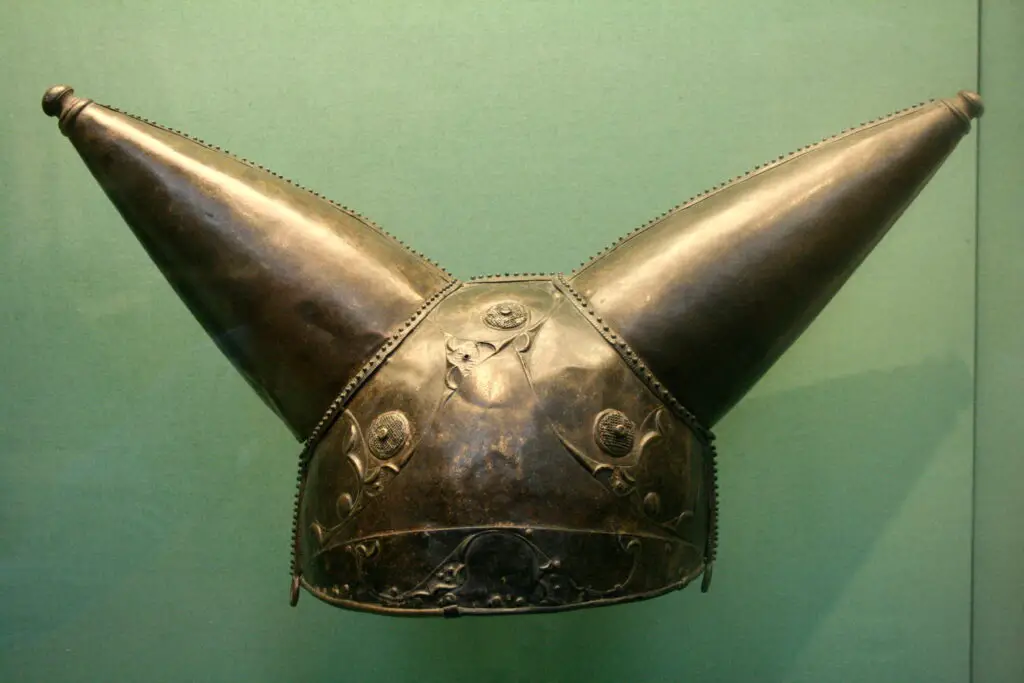
Viking warriors are frequently depicted wearing helmets with large horns. The image shows up in movies, cartoons, and Halloween costumes. Historically, though, Vikings did not wear horned helmets in battle.
Archaeological finds from the Viking Age show simple iron helmets designed for protection. The horned look became popular in the 19th century, especially through theatrical costume design and opera productions such as Richard Wagner’s works. The visual stuck even though it was never historically accurate.
14. Catherine the Great
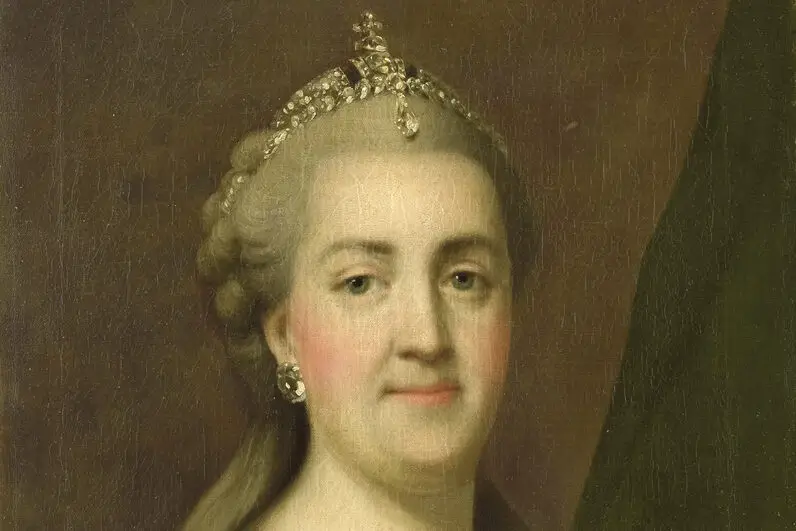
A bizarre rumor about Russian empress Catherine the Great has circulated for centuries. The story claims she died in an accident involving a horse. Historians have long dismissed the rumor as pure political slander.
Catherine actually died in 1796 after suffering a stroke. The scandalous tale likely spread from her political enemies after her death. It reflects how powerful figures, especially women rulers, were often targeted with outrageous propaganda.
15. William Shakespeare
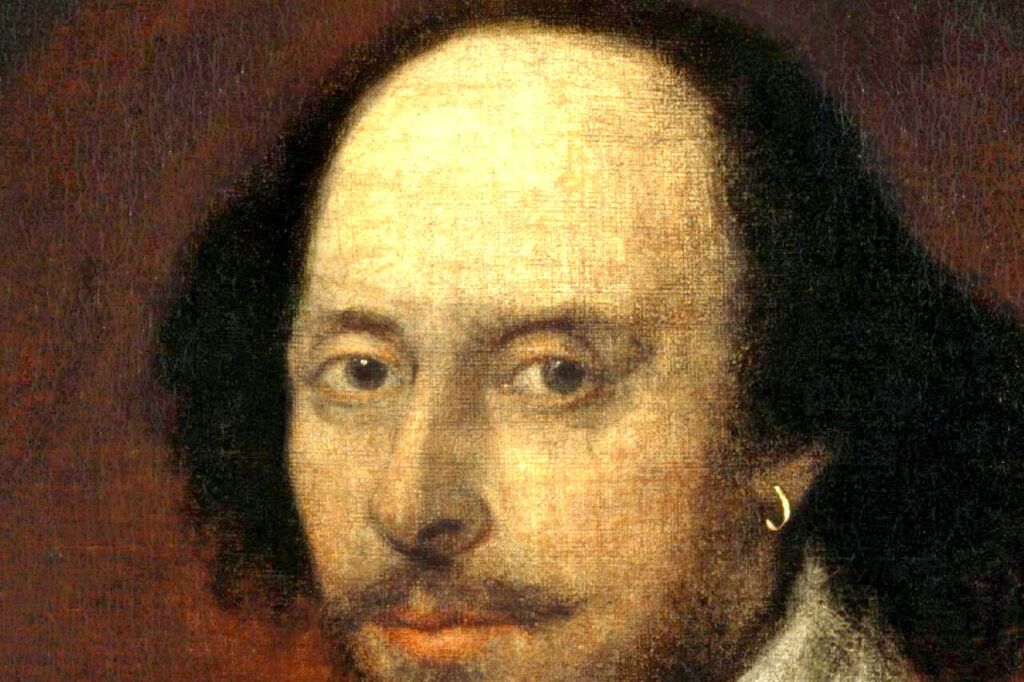
William Shakespeare is one of the most famous writers in history, yet questions about his identity have persisted for centuries. Some theories claim the works attributed to Shakespeare were actually written by someone else. Candidates proposed by skeptics have included Francis Bacon and Edward de Vere.
Most scholars reject these theories and accept that Shakespeare of Stratford-upon-Avon wrote the plays and poems. There is documentary evidence linking him to the London theater world and the publication of his works. Still, the debate illustrates how gaps in historical records can lead to enduring speculation about even the most famous figures.