
1. Old Civil Defense Fallout Shelter Signs

If you’ve ever come across one of those black and yellow fallout shelter signs tucked away in a basement, it can feel a little eerie. These signs were part of a real nationwide effort during the Cold War, when the U.S. government designated buildings as potential nuclear fallout shelters. People sometimes find them nailed to beams or stored in boxes, and it immediately sparks thoughts about secret bunkers or hidden survival plans. In reality, many public and private buildings were simply stocked with basic supplies and marked accordingly.
Still, finding one in a home basement can make you wonder what the previous owners were preparing for. It’s easy to imagine a hidden room or sealed-off space somewhere nearby. In most cases, though, the supplies are long gone and the sign is just a leftover from a tense moment in history. What feels mysterious today was once completely practical. That contrast is what makes the discovery so unsettling.
2. Boxes of Old Family Photographs With No Names

Few things feel stranger than opening a dusty box and finding stacks of photographs where no one is labeled. These were often family photos from decades ago, especially before the habit of writing names on the back became common. Without context, though, they can look like a collection of total strangers staring back at you. People sometimes start building elaborate theories about who they were and why they were left behind.
In reality, families moved, downsized, or simply forgot to take everything with them. Over time, those connections get lost, and the photos become detached from their stories. The mystery isn’t that something sinister happened, it’s that memory itself faded. Still, when you’re the one holding them, it can feel like you’ve stumbled onto someone else’s unfinished history. That’s enough to get your imagination going.
3. Antique Medical Equipment
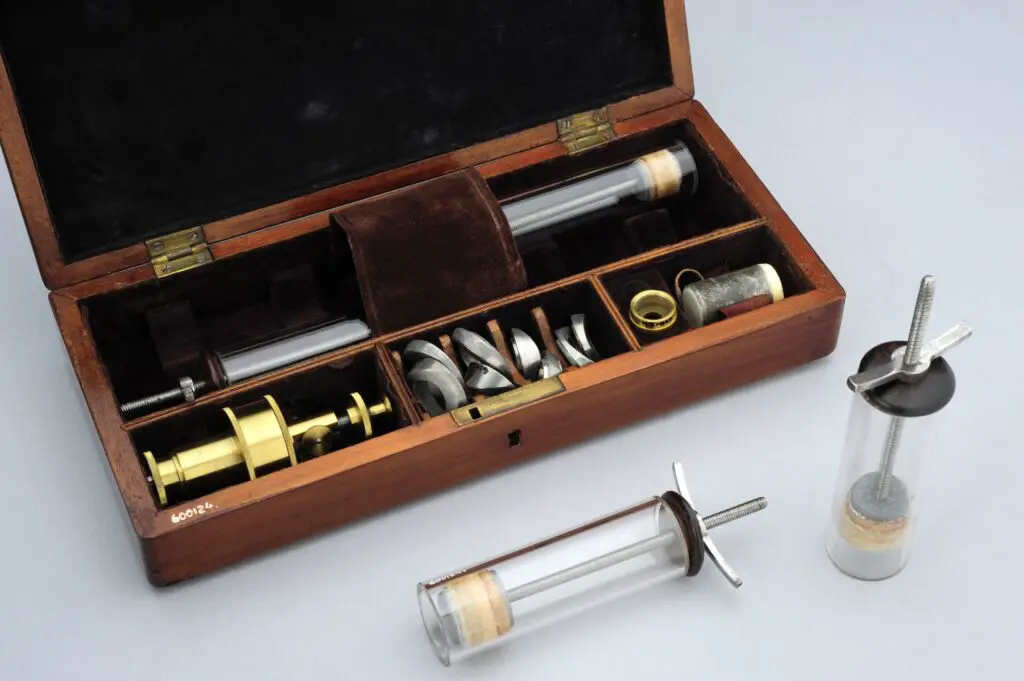
Finding old medical tools in a basement can be genuinely unsettling at first glance. Items like glass syringes, metal instruments, or early diagnostic devices were once common in home care or used by doctors who made house calls. Before modern disposable equipment, these tools were sterilized and reused, which makes them look especially intense by today’s standards. It’s not hard to jump to the conclusion that something unusual was going on.
The truth is much simpler, especially in homes where someone worked in healthcare or cared for sick relatives. These tools were practical, not secretive, and often kept for years after they were no longer needed. Over time, they just ended up boxed away and forgotten. Without that context, though, they can look like something out of a completely different world. That disconnect is what fuels the speculation.
4. Vintage Radios With Strange Frequencies Marked
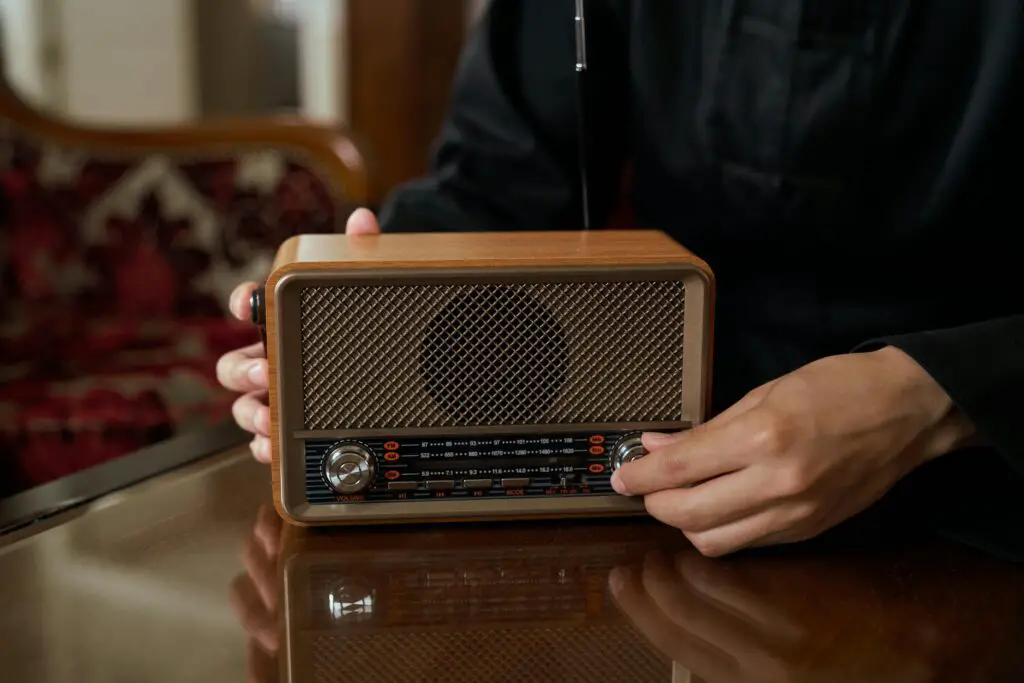
Old radios sometimes turn up with handwritten notes or markings around certain frequency bands. To someone unfamiliar, it can feel like a coded system or a way to tune into something hidden. During the early to mid-20th century, though, radios were central to daily life, and people often marked their favorite stations directly on the dial. Shortwave radios, in particular, picked up broadcasts from all over the world.
That global reach can make them seem more mysterious than they really are. In reality, hobbyists and enthusiasts spent hours listening to international stations and documenting what they found. What looks like a secret code is often just a personal guide for tuning in quickly. Still, when you see unfamiliar numbers and scribbles, your brain tends to fill in the blanks. It’s an easy leap from hobby to conspiracy.
5. Trunks Filled With Old Newspapers

Opening a trunk packed with newspapers can feel like discovering a time capsule. Sometimes they’re stacked neatly, covering specific dates or events, which makes people wonder if they were saved for a hidden reason. In truth, many people kept newspapers to preserve major historical moments, like wars, elections, or moon landings. It was a common way of holding onto history before digital archives existed.
The sheer volume, though, can make it feel intentional in a different way. When you see years’ worth of papers, it’s easy to imagine someone tracking events or documenting something secretly. More often than not, it was just habit or sentimentality. People didn’t always throw things away, especially if they felt important at the time. What looks like a clue is usually just a collection.
6. Old Jars of Preserved Food

Finding shelves of dusty jars filled with preserved food can be a little unsettling, especially if you don’t know how long they’ve been there. Home canning was extremely common for much of the 20th century, especially in households that grew their own food or wanted to save money. These jars might contain vegetables, fruits, or even meats that were preserved for long-term storage. Over time, though, they’re often forgotten and left behind.
Without context, they can look questionable or even hazardous. People sometimes assume they were part of some unusual preparation or emergency stockpile. In reality, it was just everyday life for many families. The difference is that modern kitchens rarely look like that anymore. That shift makes something ordinary feel unfamiliar and, at times, suspicious.
7. Old Maps With Handwritten Notes
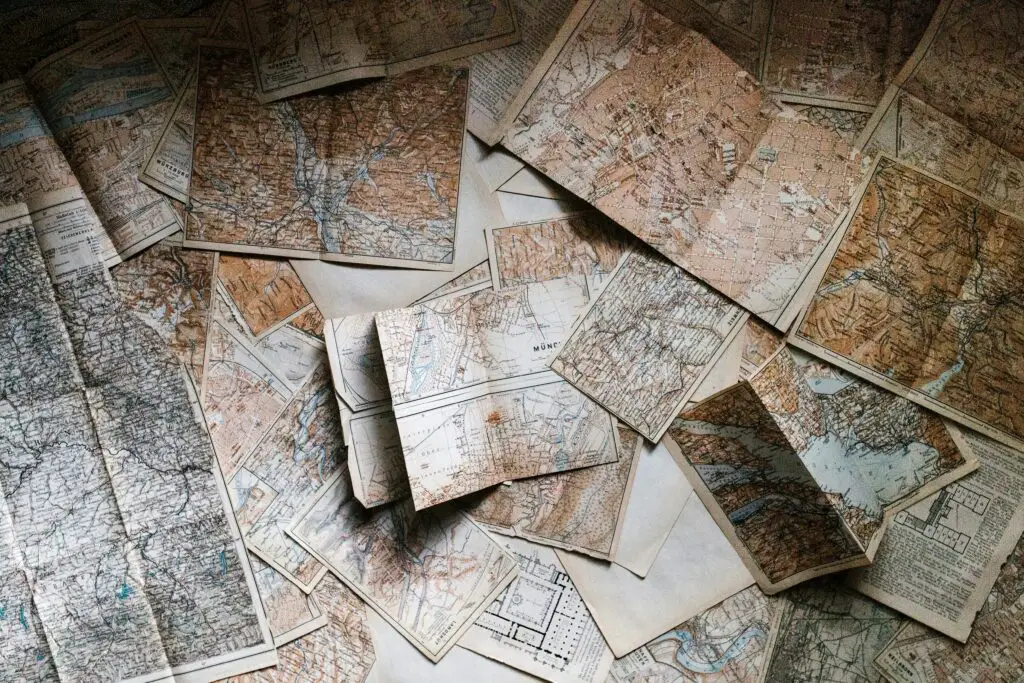
Maps with markings, circles, or notes scribbled across them can feel like something out of a mystery novel. People immediately start wondering if they point to hidden locations or buried items. In reality, these maps were often used for travel planning, property boundaries, or even hunting routes. Before GPS, marking a map was one of the easiest ways to keep track of important places.
Over time, those notes lose their meaning without the person who made them. What once was practical suddenly looks cryptic. It’s easy to project a story onto them, especially when the markings aren’t obvious. Most of the time, though, they were simply tools for everyday navigation. The mystery comes from missing context, not hidden intent.
8. Old Military Uniforms and Medals

Discovering military uniforms or medals can feel significant, especially if you don’t know who they belonged to. These items often carry real historical weight, tied to wars and personal service. When they’re left behind, people sometimes wonder if there’s a deeper story or something that was deliberately hidden. In truth, families often inherit these items and eventually lose track of their origins.
It’s not uncommon for them to end up in storage during moves or estate cleanouts. Without documentation, though, they can feel like artifacts from an unknown past. That uncertainty naturally invites speculation. In reality, they’re usually remnants of a family member’s service that simply got disconnected from its story. The mystery is more about lost history than anything secret.
9. Old Bottles of Chemicals or Cleaning Solutions

Basements often become storage areas for old household products, including chemicals that haven’t been used in years. Labels might be faded or missing, which makes the contents seem more suspicious than they actually are. Many of these products were common cleaning agents, pesticides, or workshop materials from decades ago. Safety standards and packaging have changed a lot since then.
That unfamiliarity can make them seem more dangerous or unusual than they really are. People sometimes assume they were used for something questionable. In most cases, they were just everyday products that were never thrown away. The real concern is proper disposal, not hidden meaning. Still, their appearance can definitely spark curiosity.
10. Stacks of Old Letters or Documents
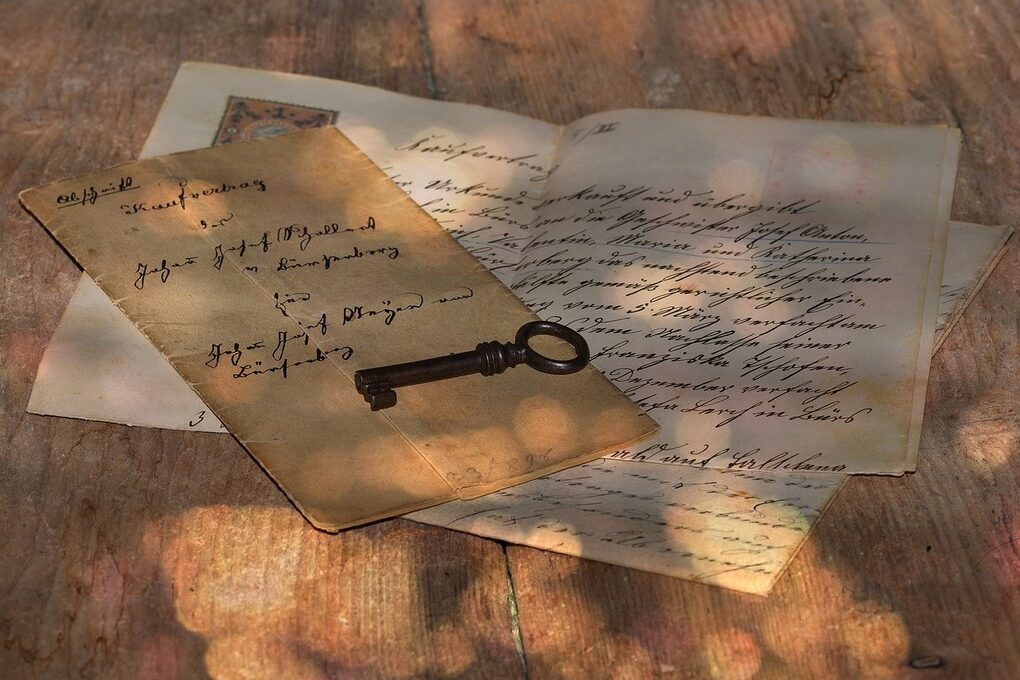
Finding bundles of letters tied together can feel like opening a private window into someone else’s life. These might include personal correspondence, bills, or official documents that were saved over the years. Before digital communication, people kept physical records of almost everything. Over time, those piles grew and often stayed in storage.
When you come across them now, it can feel like you’ve stumbled onto something important or secret. In reality, they’re usually just everyday records that no one sorted through later. Without knowing the people involved, though, it’s easy to read into them. The personal nature of letters makes them feel more significant than they often are. That emotional weight adds to the mystery.
11. Old Toys From Unknown Children
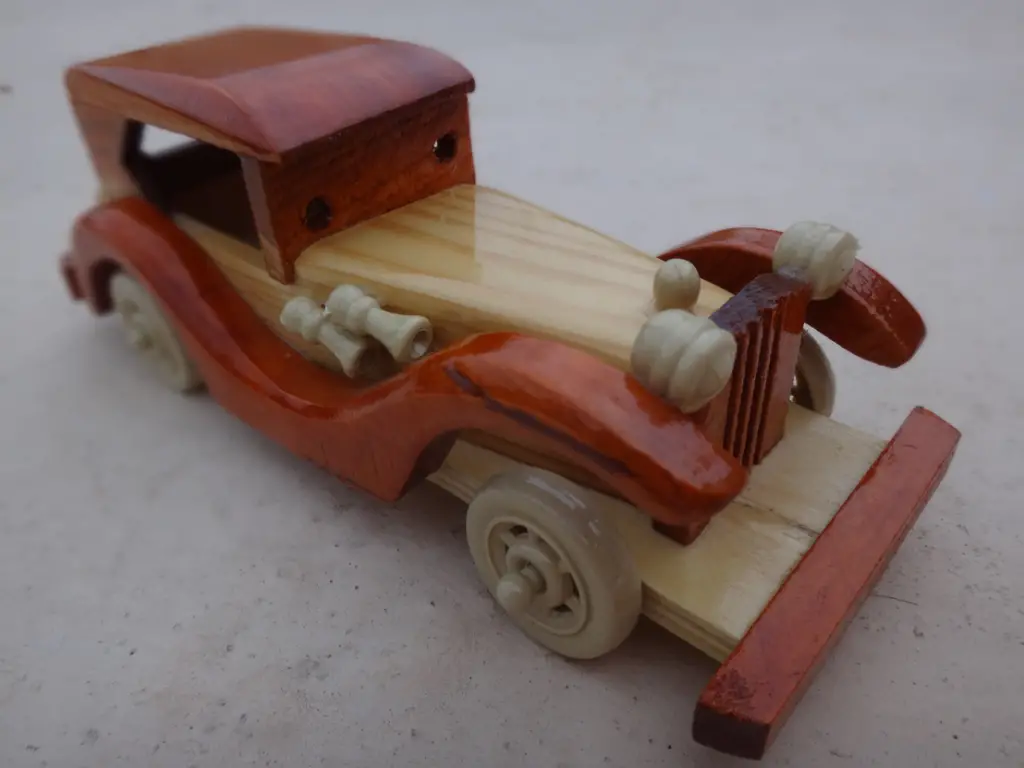
Finding toys in a basement can feel oddly unsettling, especially if they don’t match the known history of the home. Items like dolls, board games, or toy cars might be left behind by previous families. Over decades, homes change hands many times, and not everything gets taken along. These toys often end up forgotten in corners or boxes.
Without context, though, they can feel out of place. People sometimes imagine stories about who they belonged to and why they were left behind. In reality, it’s usually just a case of things being overlooked during a move. Still, there’s something about abandoned toys that feels personal. That’s what makes them linger in your mind.
12. Old Books With Unusual Marginal Notes

Books filled with handwritten notes can feel like they hold hidden meanings. Marginal notes were common, especially in textbooks or personal reading copies. People used them to study, reflect, or respond to what they were reading. Over time, though, those notes can seem cryptic or oddly intense.
Without knowing the reader’s intent, it’s easy to interpret them as something more. In reality, they’re often just personal thoughts captured in the moment. The writing might feel strange simply because it’s incomplete or out of context. What looks mysterious is usually just someone thinking on paper. Still, it can feel like you’re stepping into someone else’s mind.
13. Old Electrical Panels or Wiring Setups
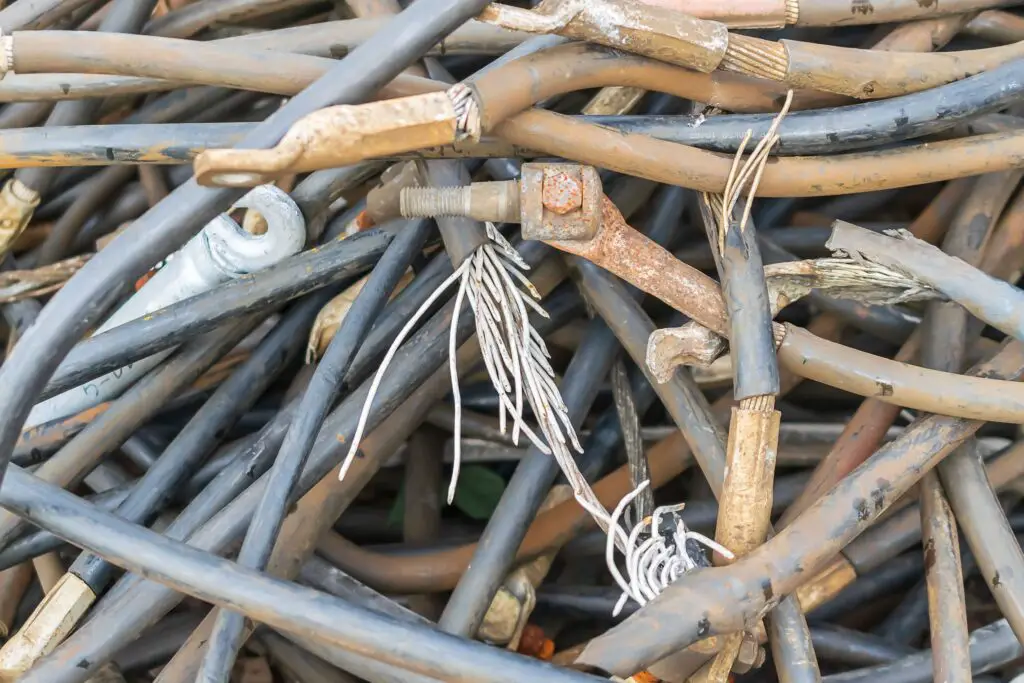
Older basements sometimes contain electrical panels or wiring that look unfamiliar or overly complex. These setups can include outdated fuse boxes, exposed wiring, or modifications made over decades. To someone not familiar with older systems, it can look like something experimental or even unsafe. In reality, electrical standards have simply evolved over time.
Many homes were updated gradually, leading to layers of changes that don’t always look neat. What seems strange now was often standard practice at the time. Still, seeing it all at once can feel overwhelming and a little suspicious. People sometimes assume it was done for unusual reasons. More often, it was just the result of years of practical upgrades.