
1. Rusted Hand-Crank Drill With No Motor
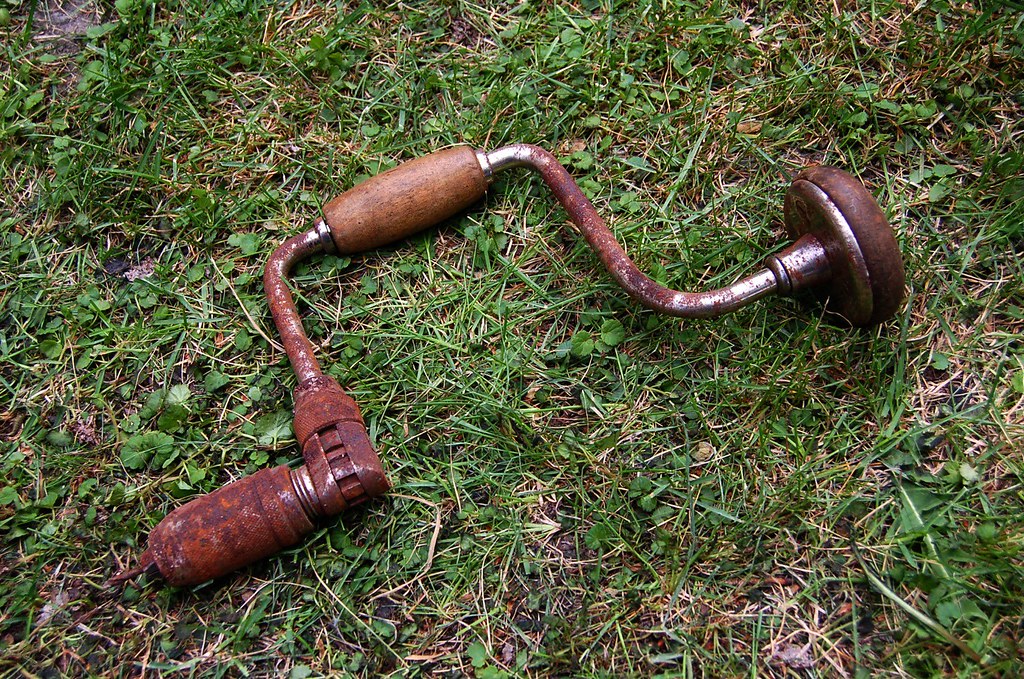
At first glance, it looks like a broken power drill missing half its parts. There’s no cord, no battery slot, and no visible motor, which is why so many people assume it’s incomplete. In reality, this is a hand-crank drill, a common tool before electric drills became standard in the early 20th century. The gear mechanism inside converts the turning motion into rotation at the bit. Many were made of cast iron and steel, which is why they often survive in sheds long after everything else has deteriorated. The wooden handle is usually the giveaway, though even that can look unfamiliar today. People often find them seized up from rust, making the mechanism harder to recognize. Once cleaned, they still work surprisingly well for light drilling.
What confuses most people is how efficient they actually were for their time. They were widely used by carpenters and homeowners alike before electricity was reliable in rural areas. Some models even had adjustable chucks for different bit sizes. Because they don’t rely on power, they’re still usable in situations where electricity isn’t available. Many collectors actively seek them out for restoration. In a neglected shed, though, they just look like a strange, broken relic with a spinning wheel on the side.
2. Glass Insulators With Wire Grooves
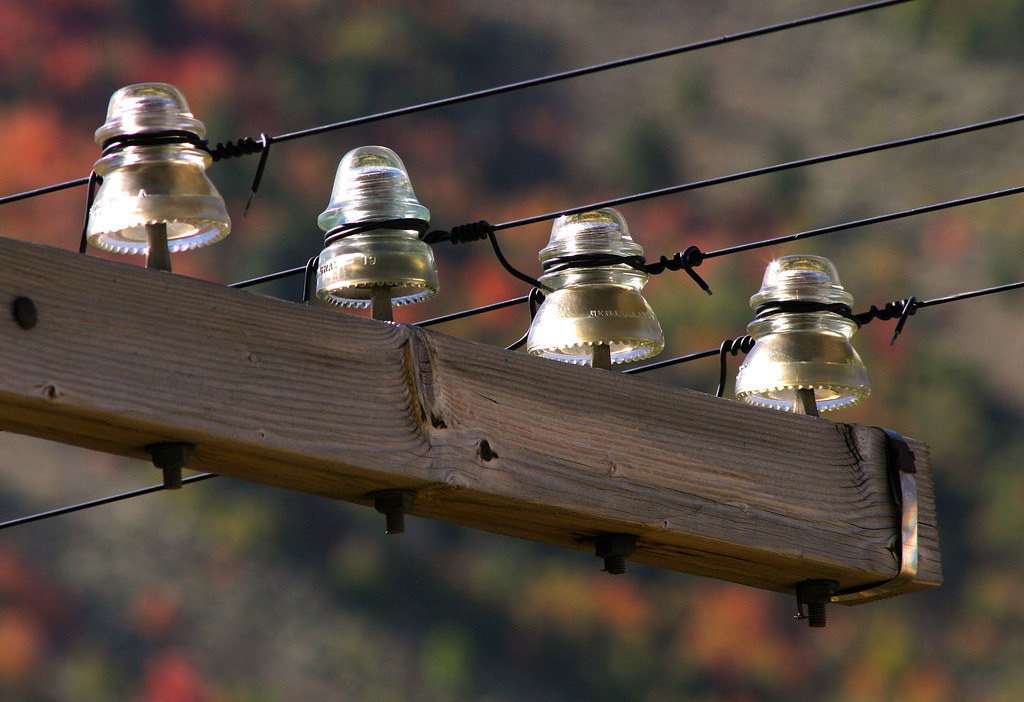
These small glass objects often show up in boxes or scattered along shelves, and people frequently assume they’re decorative or part of old jars. In reality, they’re electrical insulators used on telegraph and telephone lines. The grooves around the top were designed to hold wires securely in place. Most were made from thick glass to prevent electrical current from grounding into the poles. Colors can vary, with clear and aqua being the most common, though rarer shades exist. Their weight and shape often throw people off, especially if they’ve never seen one in use. Many sheds near older properties still contain them from past utility work.
What makes them confusing is how polished and almost ornamental they look. Over time, they’ve become collectible items, which adds to the confusion about their original purpose. Some even mistake them for antique kitchenware or paperweights. In reality, they played a critical role in early communication systems. Before modern insulation materials, glass was one of the best options available. Finding several together usually means someone once salvaged them intentionally. Today, they’re more likely to be displayed than used.
3. Manual Corn Sheller With a Clamp Base

This is one of those tools that looks like a piece of machinery but doesn’t immediately suggest what it does. It usually has a crank handle, a toothed wheel, and a clamp for attaching it to a table. Without context, it’s easy to assume it’s some kind of grinder or press. In fact, it’s a corn sheller, designed to strip kernels from dried corn cobs. These were especially common on farms before mechanized processing became widespread. The rotating teeth pull the kernels off as the cob is fed through. Many were built to be durable and are still intact today.
The confusion comes from how specialized the tool is. Unless you’ve seen one in use, the function isn’t obvious. The clamp suggests it was meant to be stabilized during operation, but that doesn’t clarify its purpose. Some people mistake it for a meat grinder or even a strange vise. In reality, it was a practical, everyday farm tool. It saved time compared to removing kernels by hand. Finding one in a shed often points to the property’s agricultural past.
4. Metal Ice Tongs With Sharp Curved Claws
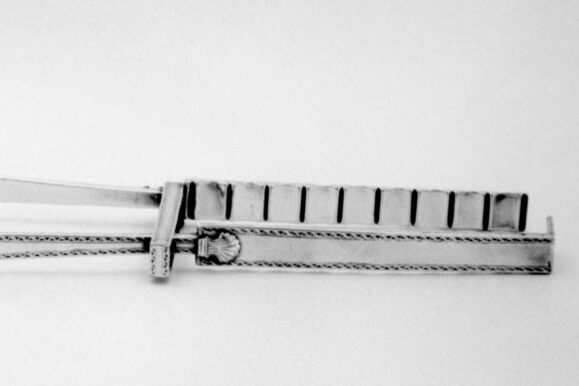
These look almost intimidating at first, especially when found buried under other tools. The curved metal arms and pointed ends can make them seem like some kind of trap or heavy-duty grabbing tool. In truth, they are ice tongs, used to lift large blocks of ice before refrigeration became common. The design allows the claws to grip tighter as weight is applied. Ice delivery was once a regular service, and these were essential for handling the blocks safely. Many households had a pair stored nearby. The metal construction helped them withstand cold and moisture.
What throws people off is how aggressive the design appears. Without knowing the history of ice delivery, it’s not obvious why such a tool would exist. The size can vary, but even smaller versions look heavy-duty. Some assume they were used for hauling logs or scrap metal. In reality, they were part of everyday domestic life. Before electric refrigerators, iceboxes relied on these blocks to keep food cold. These tongs were simply the safest way to move them.
5. Wooden Seed Spreader With a Rotating Drum

At first glance, this device can look like a broken box with a handle attached. The internal drum and small openings don’t immediately suggest its function. It’s actually a manual seed spreader, used to distribute seeds evenly across soil. Turning the handle rotates the drum, allowing seeds to fall through at a controlled rate. These were especially useful for planting grass or crops over larger areas. Many were made from wood with simple metal components. Over time, they can warp or crack, adding to the confusion.
People often mistake them for storage containers or even old musical instruments. The internal mechanism isn’t always visible, which makes it harder to identify. In working condition, they provided a more consistent spread than hand scattering. They were widely used before modern lawn care equipment became standard. Finding one in a shed suggests the property may have once been maintained more manually. It’s a practical tool that just doesn’t resemble anything commonly used today.
6. Strange Ceramic Knob With Two Wire Holes
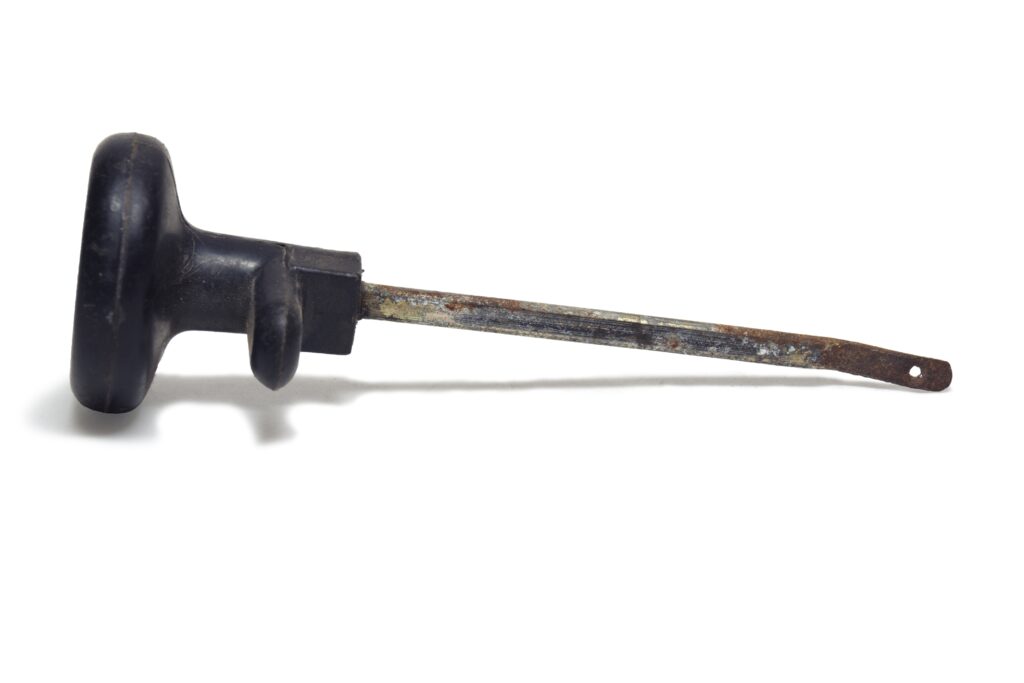
This small object often gets overlooked or misidentified as a broken fixture. It’s usually white or off-white ceramic with two holes running through it. In reality, it’s part of a knob-and-tube wiring system, an early electrical method used in homes from the late 1800s into the early 1900s. The knob was used to support wires and keep them separated from wooden surfaces. Ceramic was chosen because it resists heat and electricity. These systems are now considered outdated but were once standard.
The confusion comes from how minimal the object looks. Without seeing it installed, it doesn’t clearly indicate its purpose. Some people assume it’s part of plumbing or even furniture hardware. In reality, it played a key role in early electrical safety. These knobs were often left behind when homes were rewired. Finding one in a shed likely means leftover materials from past electrical work. It’s a small piece of a much larger system that no longer exists in most homes.
7. Heavy Iron Pulley With Rope Grooves
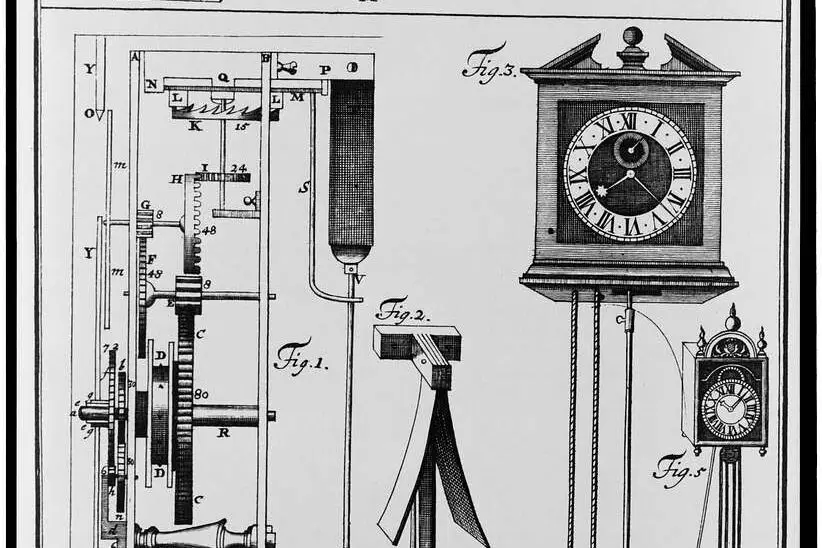
This object often appears as a solid wheel with a central axle and a groove around the edge. Without context, it can look like part of a machine that’s long gone. It’s actually a pulley, used to lift or move heavy loads with the help of rope. These were commonly installed in barns, garages, and sheds for hoisting tools, hay, or equipment. The groove keeps the rope aligned during use. Iron construction made them durable and capable of handling significant weight. Many are still functional even after decades.
What confuses people is how standalone it appears when detached from its original setup. Without the rope or mounting system, its purpose isn’t obvious. Some assume it’s part of a vehicle or industrial equipment. In reality, it’s a simple mechanical device based on basic physics. Pulleys reduce the effort needed to lift heavy objects. They were widely used before powered lifting equipment became common. Finding one suggests the shed was once used for more intensive work.
8. Flat Metal Tool With a Notched Edge
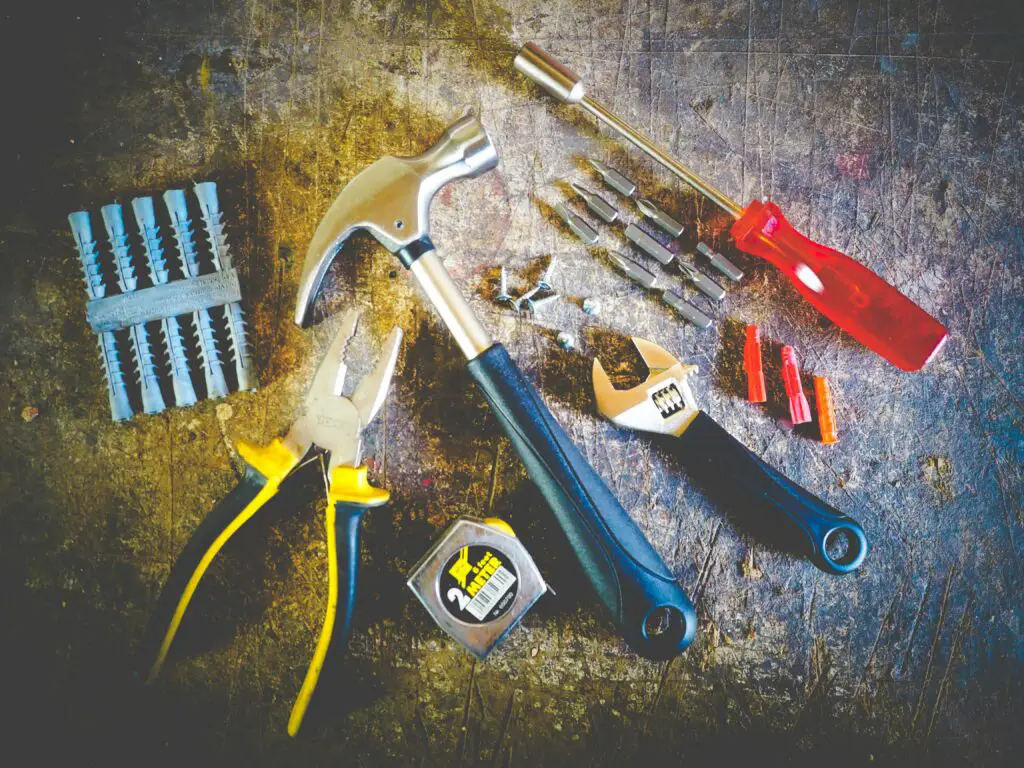
This tool often looks like a piece of scrap metal with a handle attached. The notched edge doesn’t immediately suggest a clear function. It’s actually a saw set, used to adjust the teeth of a hand saw. The notches help bend each tooth slightly outward, which improves cutting efficiency. This process, called “setting” the saw, prevents the blade from binding in wood. These tools were essential for maintaining hand saws before disposable blades became common. They’re small but very specific in purpose.
The confusion comes from how specialized and unfamiliar the design is. Without knowing about saw maintenance, it’s hard to guess its use. Some people mistake it for a bottle opener or pry tool. In reality, it was part of regular tool upkeep. Keeping saw teeth properly set made a noticeable difference in performance. These tools are less common today because most people replace saw blades instead. In an old shed, though, they’re a reminder of when tools were maintained rather than discarded.
9. Cast Iron Shoe Last
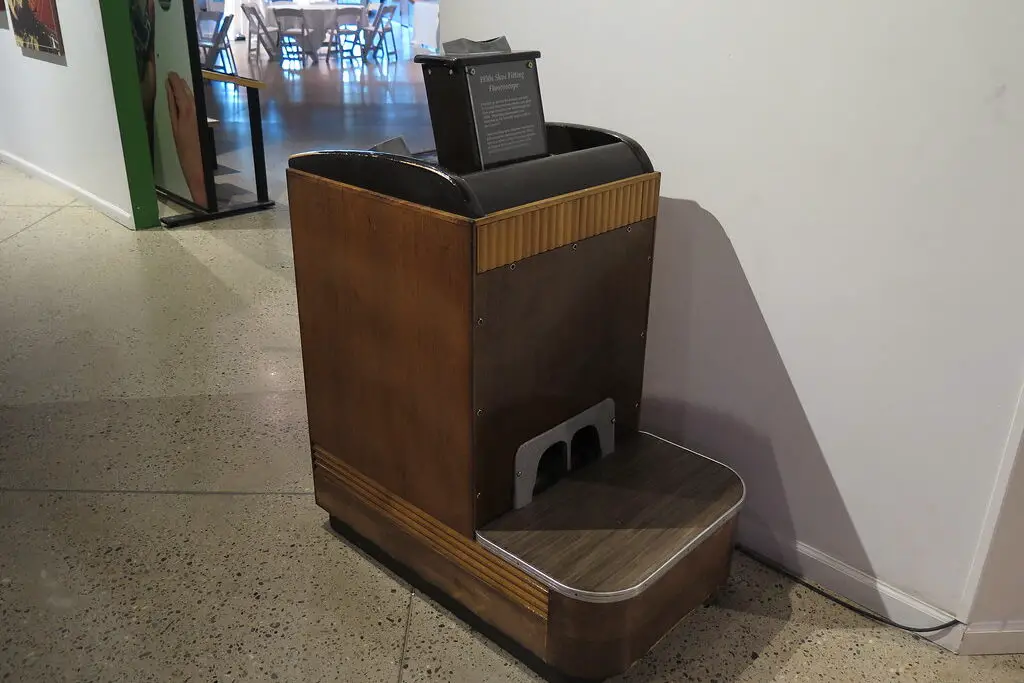
This object often looks like a small, foot-shaped piece of metal, sometimes mounted on a base. It’s easy to assume it’s decorative or part of a larger machine. In fact, it’s a shoe last, used by cobblers to shape and repair shoes. The foot shape provides a solid form to work against when stretching or stitching leather. Cast iron versions were especially durable and could handle repeated use. Many households kept them for basic shoe repairs. They were more common when repairing shoes was routine.
What makes them confusing is how out of context they appear today. Most people don’t associate shoe repair with home tools anymore. The shape is recognizable as a foot, but the purpose isn’t obvious. Some assume it’s a doorstop or even a paperweight. In reality, it was a practical tool for extending the life of footwear. Finding one suggests someone in the household either repaired shoes or valued self-sufficiency. It’s a small but telling artifact of everyday life.
10. Long Wooden Handle With a Curved Metal Hook

This tool can look like something improvised or incomplete at first glance. The long handle and curved metal hook don’t immediately suggest a modern use. It’s actually a hay hook, used to grab and move bales of hay. The hook allows the user to lift and carry heavy bundles more easily. These were commonly used in barns and farms before mechanized equipment took over. The design is simple but effective. Many are still sturdy despite years of use.
The confusion comes from how specific the function is. Without experience in farming, it’s not obvious what it’s for. Some people think it’s for pulling objects or even clearing debris. In reality, it was designed for a very particular task. Handling hay manually required tools like this to reduce strain. Finding one in a shed often indicates the property once had agricultural activity. It’s a straightforward tool that just doesn’t translate clearly to modern use.
11. Metal Cylinder With a Pump Handle
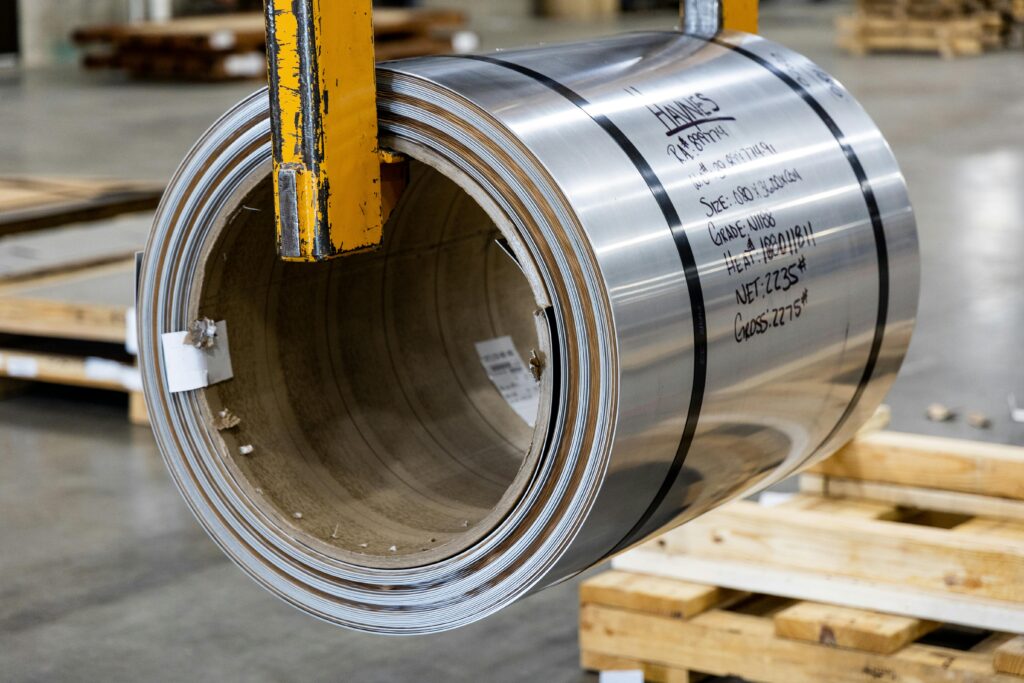
This object often looks like an old container or pressure tank. It usually has a handle on top and a nozzle or opening near the side. It’s actually a garden sprayer, used to apply pesticides or water to plants. The pump handle builds pressure inside the cylinder, forcing liquid out through the nozzle. These were widely used before electric sprayers became common. Many were made from metal, which is why they’ve lasted so long. Even when rusted, the design is still recognizable once you know what to look for.
People often mistake them for fire extinguishers or fuel containers. The shape and construction are similar, which adds to the confusion. Without the original hose or nozzle, the purpose isn’t obvious. In working condition, they were an efficient way to treat plants. They allowed for controlled spraying over a wide area. Finding one suggests someone once maintained a garden or crops. It’s another example of how everyday tools can become unfamiliar over time.
12. Small Box With Rows of Tiny Compartments and Sliding Lids
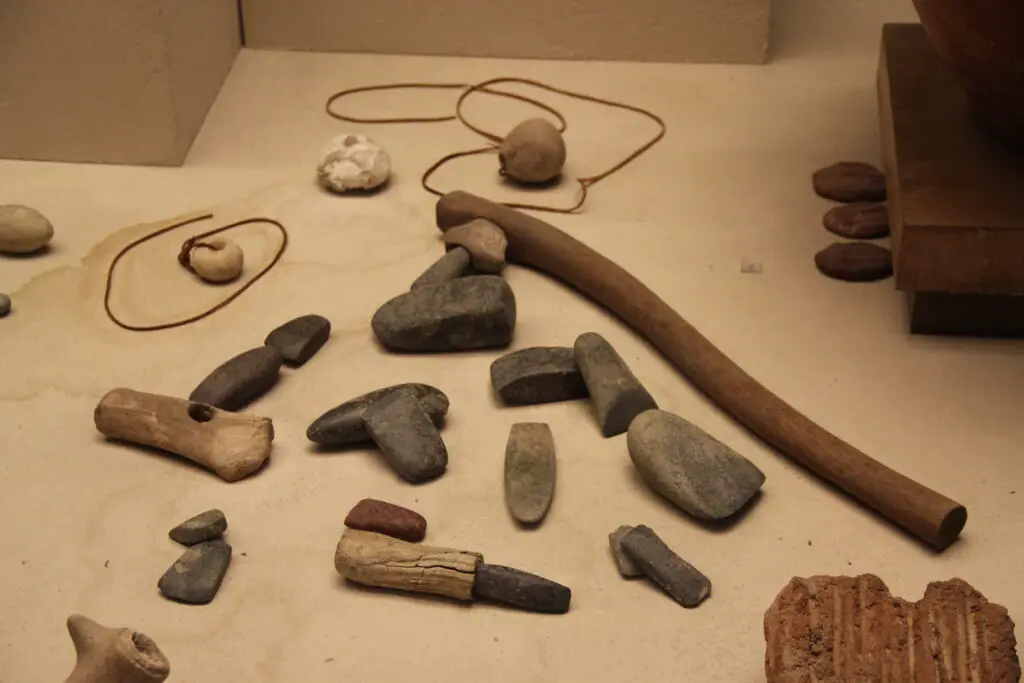
This item often looks like a puzzle box or a piece of craft storage. The multiple compartments and sliding lids make it seem more decorative than functional. It’s actually a tackle box or hardware organizer, used to store small items like nails, screws, or fishing tackle. The compartments keep items separated and easy to access. Many older versions were made of wood with simple sliding panels. Over time, they can warp, making the lids harder to open. Despite that, they’re still practical.
What confuses people is how different they look from modern plastic organizers. The craftsmanship can make them seem more like a keepsake than a tool. Some assume they were used for jewelry or sewing supplies. In reality, they were built for utility. Keeping small parts organized was just as important then as it is now. Finding one often means it still contains whatever was last stored inside. It’s a quiet snapshot of someone’s past projects, frozen in place.