
1. A Box of Old Family Photos No One Could Fully Identify

It usually starts with a dusty shoebox tucked behind something heavier, filled with loose photographs that have no labels and no clear timeline. Faces look familiar, but not familiar enough for anyone to confidently name them, which is where the debate begins. Someone insists it is a great aunt, someone else says it cannot be because the years do not line up. The clothing styles help a little, but not enough to settle anything. Before long, people start pulling in half-remembered stories to support their guesses. The problem is that memory is not always reliable, especially when it is secondhand.
The conversation tends to drift into broader questions about family history and what has been lost over time. Why were these never labeled, and who was supposed to remember all of this? Some relatives feel a responsibility to preserve the photos, while others see them as clutter with no clear connection. That difference alone can turn a simple discovery into a long discussion. In the end, the box often gets put back somewhere safer, but still unresolved. It becomes less about the photos and more about how families remember themselves.
2. A Stack of Old Letters Tied With String
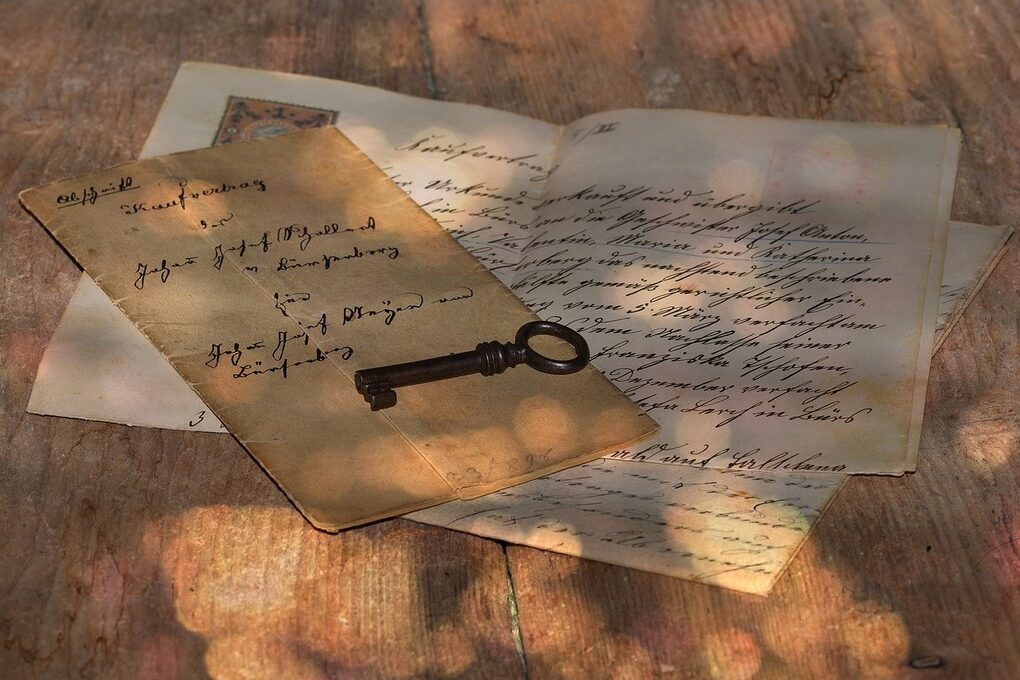
Finding handwritten letters immediately changes the tone, because now there are actual voices from the past involved. The debate usually starts over whether it is appropriate to read them at all. Some family members feel strongly that they were private and should stay that way. Others argue that once something has been left behind like that, it becomes part of shared history. When the letters are opened, they often reveal relationships or details no one expected. That can complicate things quickly.
Sometimes the contents raise new questions instead of answering old ones. A name mentioned casually in a letter might not match any known relative. A tone might suggest tension that was never talked about openly. That is when people start comparing what they read to what they thought they knew. It can feel like rewriting part of the family story in real time. Whether the letters get kept, archived, or tucked away again usually depends on how comfortable everyone feels after reading them.
3. An Old Piece of Furniture No One Wants to Claim

A basement chair or table that has clearly been there for decades can become surprisingly controversial. One person sees it as an antique worth restoring, while another sees it as something that should have been thrown out years ago. The disagreement often hinges on perceived value, not just financially but emotionally. If someone remembers it from childhood, it suddenly carries more weight. If no one remembers it clearly, it becomes easier to dismiss.
There is also the practical question of what to do with it now. Moving it upstairs means committing to it, and that is not always appealing. Leaving it downstairs feels like postponing the decision indefinitely. Some families look up its origin or style, hoping that will settle things. Sometimes it does, especially if it turns out to be something notable. More often, it just adds another layer to the discussion.
4. A Collection of Vintage Toys
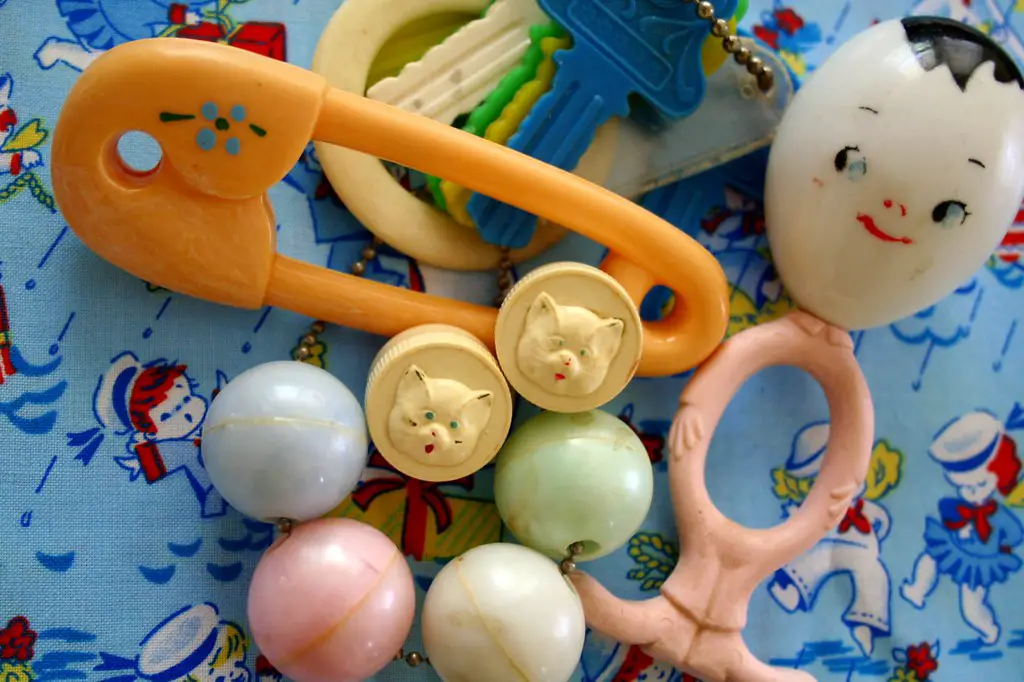
Old toys tend to trigger immediate nostalgia, but not everyone remembers them the same way. One sibling might insist a toy was theirs, while another claims equal ownership. That can turn into a surprisingly detailed argument about birthdays, holidays, and who got what when. The condition of the toys adds another layer, especially if some were clearly better cared for than others. It becomes less about the toys themselves and more about memory and fairness.
There is also the question of what to do with them now. Some see resale value, especially with certain brands or eras, while others want to keep them for sentimental reasons. A few might suggest passing them down to younger family members. That idea is not always well received, especially if the toys feel too tied to the past. In the end, the decision often reflects how each person values nostalgia versus practicality.
5. A Trunk Full of Old Clothing
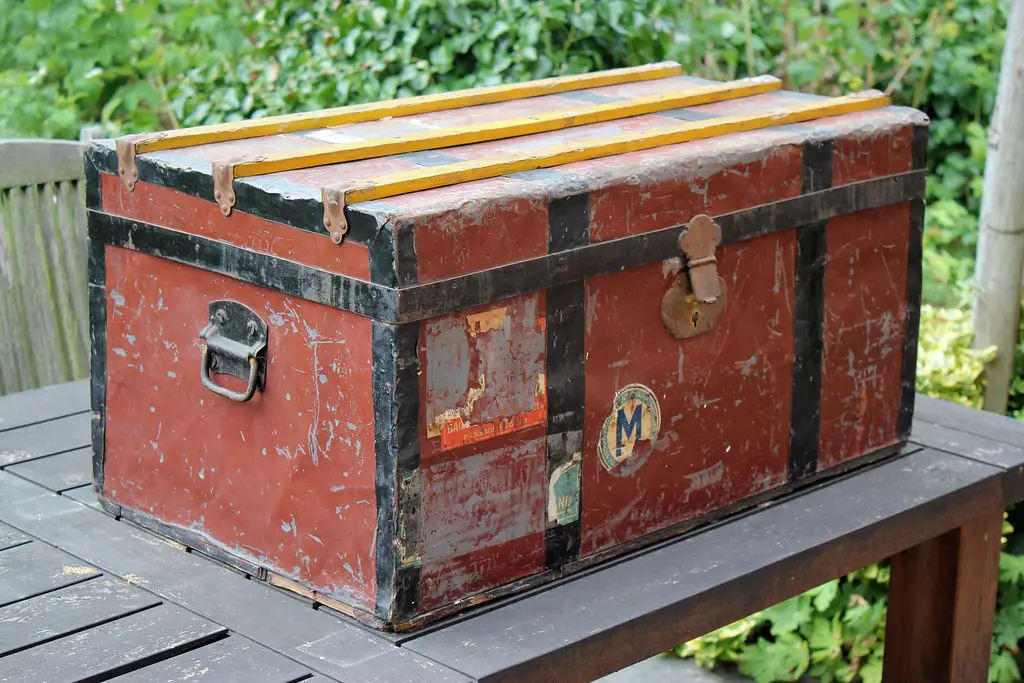
A heavy trunk filled with clothes from another era can spark immediate curiosity. People start pulling items out, trying to date them based on fabric, style, or labels. Someone might recognize a dress or coat and attach it to a specific person or event. Others might disagree, especially if the timeline feels off. The debate can get surprisingly detailed, especially when fashion trends are involved. It becomes a mix of memory and deduction.
Then comes the question of what to keep. Some pieces feel too unique to throw away, even if no one plans to wear them. Others are clearly beyond use, but still hard to discard because of who might have owned them. There is also growing interest in vintage clothing, which complicates things further. Suddenly, the trunk is not just sentimental, it might have monetary value. That shift can change how people approach the entire find.
6. A Box of Old Financial Records
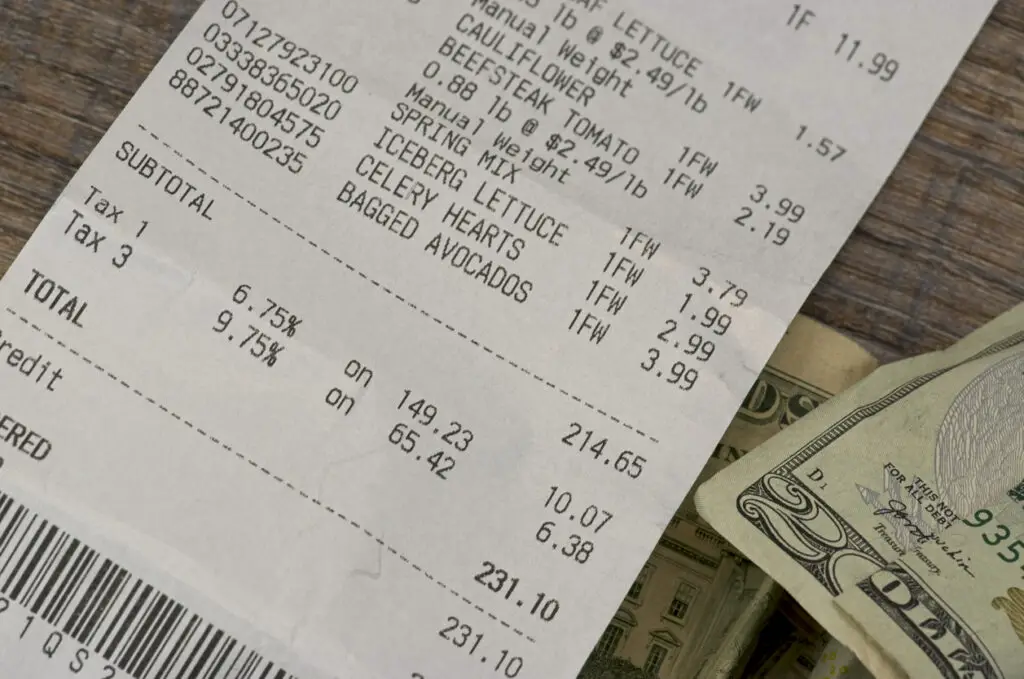
Stacks of old bills, receipts, and tax documents might not seem interesting at first, but they often lead to unexpected discussions. People start noticing patterns in spending or major purchases that had never been talked about. Someone might question why certain expenses were prioritized over others. It can quietly open the door to conversations about past financial decisions. Those conversations are not always comfortable.
There is also uncertainty about what needs to be kept versus what can be discarded. Some documents are clearly outdated, but others might still be important. That leads to debates about responsibility and caution. One person wants to shred everything immediately, while another insists on reviewing each paper carefully. The process can take longer than anyone expects. In the end, it often becomes a lesson in how financial habits shape family history.
7. An Old Photo Album With Missing Pages
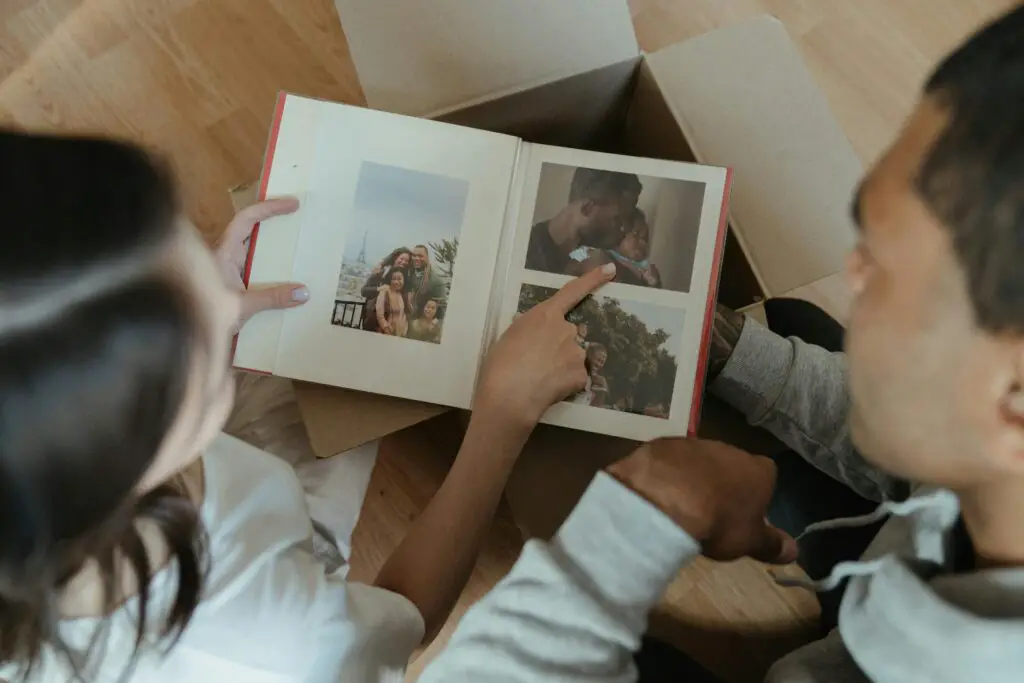
A photo album feels more organized than a loose box, which makes missing pages stand out even more. People immediately start asking what used to be there and why it is gone. That question rarely has a clear answer. It could have been removed intentionally, or simply lost over time. Either way, it introduces a sense that something is incomplete.
The missing pieces can lead to speculation about what was important enough to remove. Some assume it was done to protect privacy or avoid conflict. Others think it might have been accidental. Without clear evidence, the discussion tends to circle without resolution. What remains in the album becomes just as important as what is missing. It turns into a reminder that even preserved memories are selective.
8. A Set of Old Tools With No Clear Owner
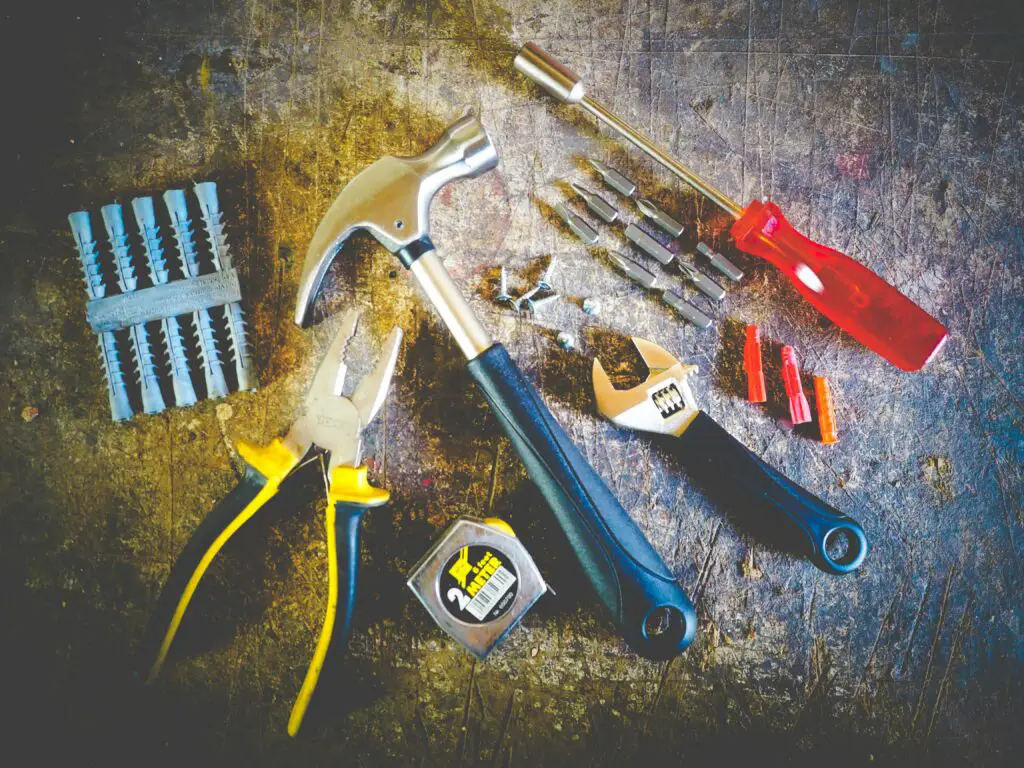
A collection of tools can quickly become a question of ownership. If multiple people in the family used similar equipment, it is not always obvious who they belonged to. Someone might claim them based on memory, while another points to different evidence. The condition of the tools can add clues, but not always enough to settle things. It becomes a kind of informal investigation.
There is also the practical issue of who should take them now. Tools are useful, but only if someone actually needs them. Some see them as worth keeping for future projects, while others view them as unnecessary. The decision often comes down to space and interest. Even then, not everyone agrees. What seems like a simple find can turn into a longer discussion about responsibility and usefulness.
9. A Box of Old Holiday Decorations
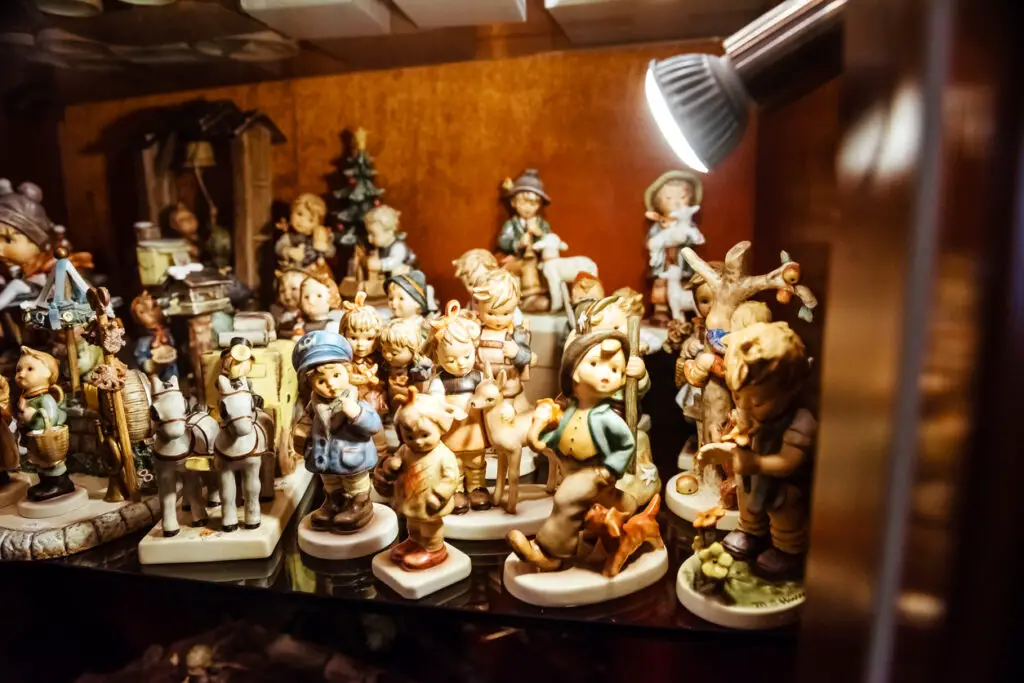
Holiday decorations tend to carry strong emotional associations, which makes them surprisingly divisive. People remember different traditions tied to specific items, and those memories do not always match. One person might see a decoration as central to family gatherings, while another barely remembers it. That difference can shape how important it feels. It becomes less about the object and more about what it represents.
There is also the question of who should take responsibility for them going forward. Keeping them means continuing a tradition, at least in some form. Not everyone is willing to take that on. Some prefer to start fresh with their own decorations. Others feel a sense of obligation to preserve what came before. That tension can make even small items feel significant.
10. An Old Record Collection

Finding a stack of vinyl records often sparks immediate interest, especially if the titles are recognizable. People start flipping through them, reacting to artists and albums they remember. The debate usually centers on who introduced that music into the household. Memories of when and how the records were played can vary widely. That creates room for disagreement.
There is also a practical side to the discussion. Some records may have real value, depending on their condition and rarity. Others are more sentimental than valuable. Deciding whether to keep, sell, or donate them can take time. Music tends to carry strong personal meaning, which makes it harder to treat objectively. The collection often ends up divided rather than resolved.
11. A Locked Box With No Key
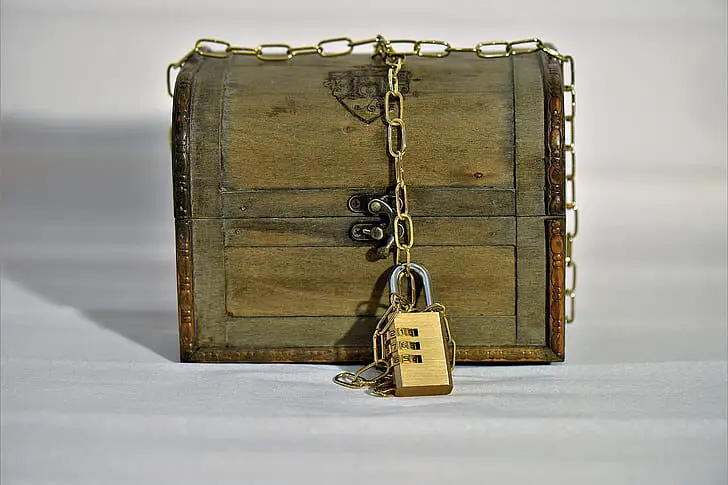
A locked box immediately introduces an element of mystery. The first debate is whether to try to open it at all. Some feel it should remain closed out of respect for whoever locked it. Others argue that curiosity alone is reason enough to find out what is inside. That difference in perspective can set the tone for everything that follows. It becomes a question of boundaries.
If the decision is made to open it, the method becomes the next point of discussion. People weigh options, from searching for a key to carefully forcing it open. The contents, once revealed, do not always justify the buildup. Sometimes it is mundane, sometimes unexpectedly meaningful. Either way, the debate leading up to it is often more intense than what is actually inside. The box becomes more about the decision than the discovery.
12. A Family Heirloom No One Knew Existed
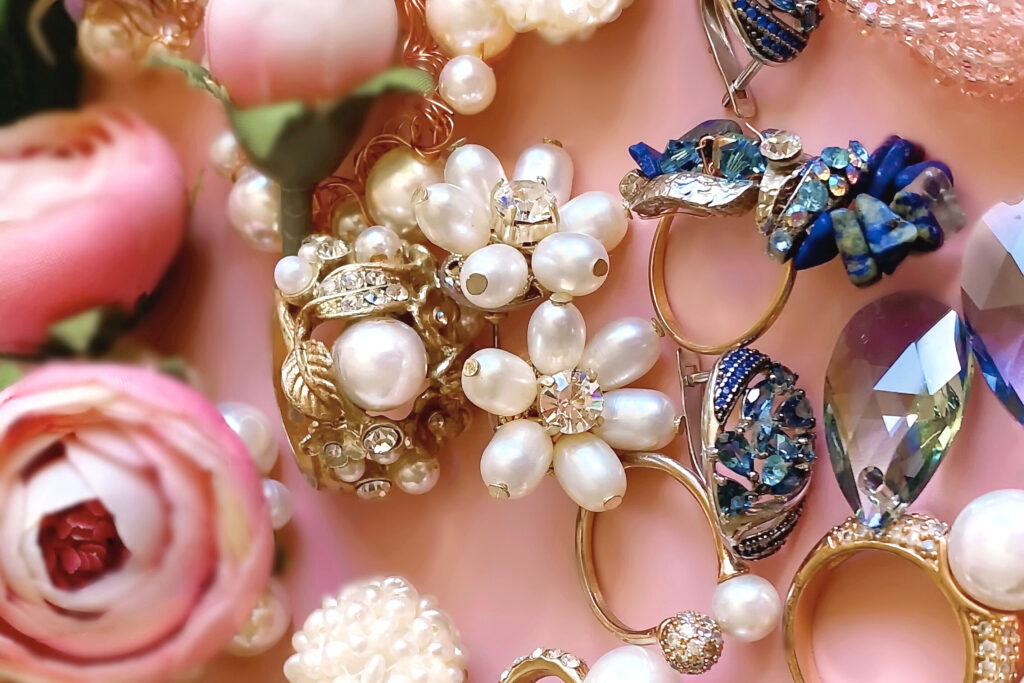
Occasionally, something clearly valuable or significant turns up with no clear explanation. It might be jewelry, a watch, or a decorative item that stands out from everything else. The immediate question is where it came from and why no one knew about it. Different family members may offer competing theories. Some might even recall vague references that never made sense before.
Once its existence is acknowledged, the discussion shifts to what should happen next. Questions of ownership can become complicated, especially if there is no documentation. Some argue it should be shared or passed down in a specific way. Others believe it should be sold and divided evenly. Without clear answers, the conversation can stretch on. The item ends up carrying both its own history and the uncertainty around it.