
1. Pet Rock
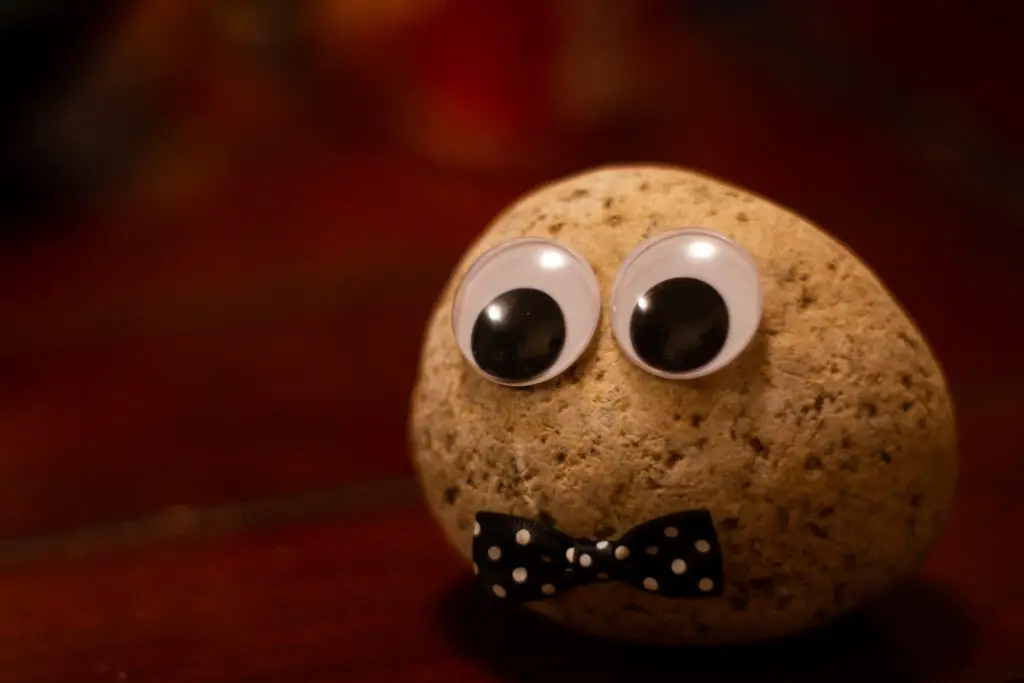
It sounds like something someone would pitch as a joke at a dinner table, but Pet Rock was a very real product that became a full-blown phenomenon in 1975. Advertising executive Gary Dahl came up with the idea and packaged ordinary rocks in cardboard boxes designed like pet carriers, complete with air holes and straw bedding. The humor was the entire point, and people bought into it instantly. Within months, millions were sold across the United States.
What made it work was how self-aware it was, leaning into the absurdity instead of trying to justify it. The included “training manual” gave tongue-in-cheek instructions on how to care for your rock, which only added to the appeal. It was cheap to produce and priced just high enough to feel like a novelty gift. The craze burned out quickly, but for a brief moment, people everywhere were proudly bringing home rocks as pets. It remains one of the clearest examples of a joke product turning into serious money.
2. Clapper

The Clapper, introduced in the mid-1980s, let you turn your lights on and off just by clapping your hands. At first glance, it sounds like something out of a sketch comedy bit, but it became a widely sold household gadget. Marketed heavily through television commercials, it tapped into the growing fascination with home automation. The tagline “Clap on, clap off” became instantly recognizable.
Despite its novelty feel, it was actually based on a real sound-activated switch system. It worked, although not always perfectly, sometimes responding to other loud noises. That unpredictability became part of its charm and occasional frustration. Still, it sold nationwide and became a staple in many homes. For a while, clapping to control your lights felt like living in the future.
3. Flowbee
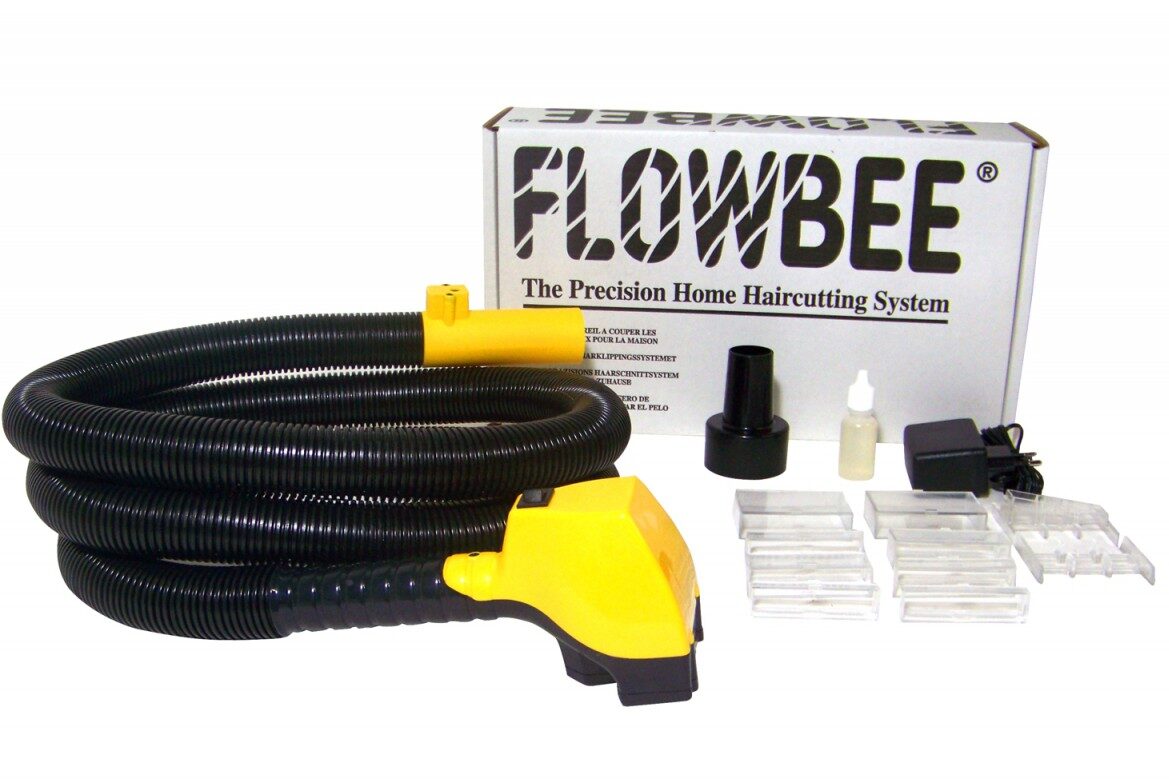
The Flowbee looks like something a kid might invent, a haircutting device that attaches to a vacuum cleaner. Introduced in the late 1980s, it promised even trims by sucking hair upward and cutting it at a set length. It sounds absurd, but it was sold through infomercials across the country and gained a loyal customer base. Even today, it still has a niche following.
Part of its appeal was practicality, especially for people wanting to save money on haircuts. The vacuum function also minimized mess, which was a selling point for home users. While many people laughed at the concept, others swore by its results. It became one of those products you might mock until you actually tried it. Its longevity suggests it was more than just a gimmick.
4. Snuggie

When the Snuggie debuted in the late 2000s, it looked like nothing more than a backward robe marketed as a breakthrough product. The design was simple, a blanket with sleeves, allowing you to stay warm while using your hands. It was widely advertised through infomercials that leaned heavily into humor. The over-the-top marketing made it feel like a parody of consumer culture.
Yet it sold in massive numbers across the U.S., especially during its peak years. People embraced it for its comfort, even while joking about how it looked. The product became a pop culture punchline and a genuine success at the same time. Variations and knockoffs quickly followed. It proved that even something that feels like a joke can meet a real need.
5. Shake Weight
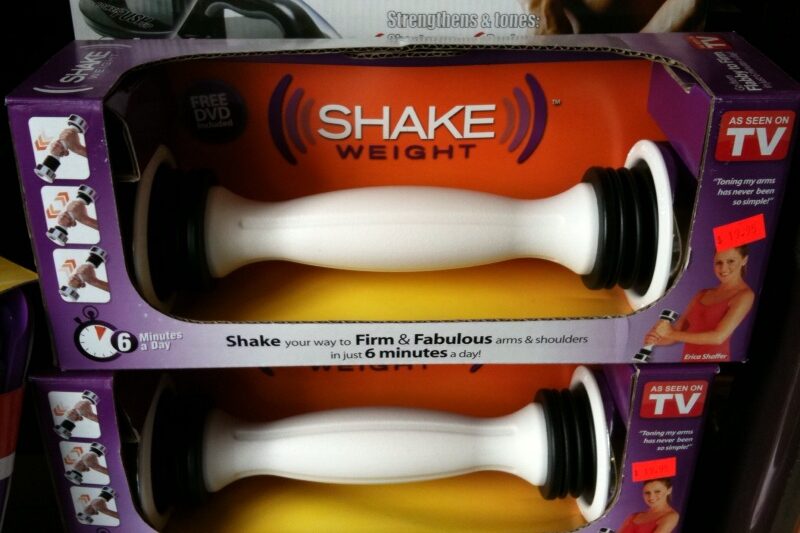
The Shake Weight gained attention in the late 2000s for both its unusual design and its unintentionally suggestive advertising. It was a handheld exercise device that used dynamic inertia technology to create resistance through shaking motions. The commercials, however, made it feel more like a comedy sketch than a serious fitness product. Despite that, it was sold nationwide and became a bestseller.
People were curious enough to try it, even if just for the novelty. The device did provide resistance training, though its effectiveness compared to traditional weights was debated. It quickly became the subject of jokes, parodies, and late-night TV segments. Still, sales remained strong during its peak. It’s a classic example of a product that succeeded partly because people couldn’t believe it was real.
6. Chia Pet
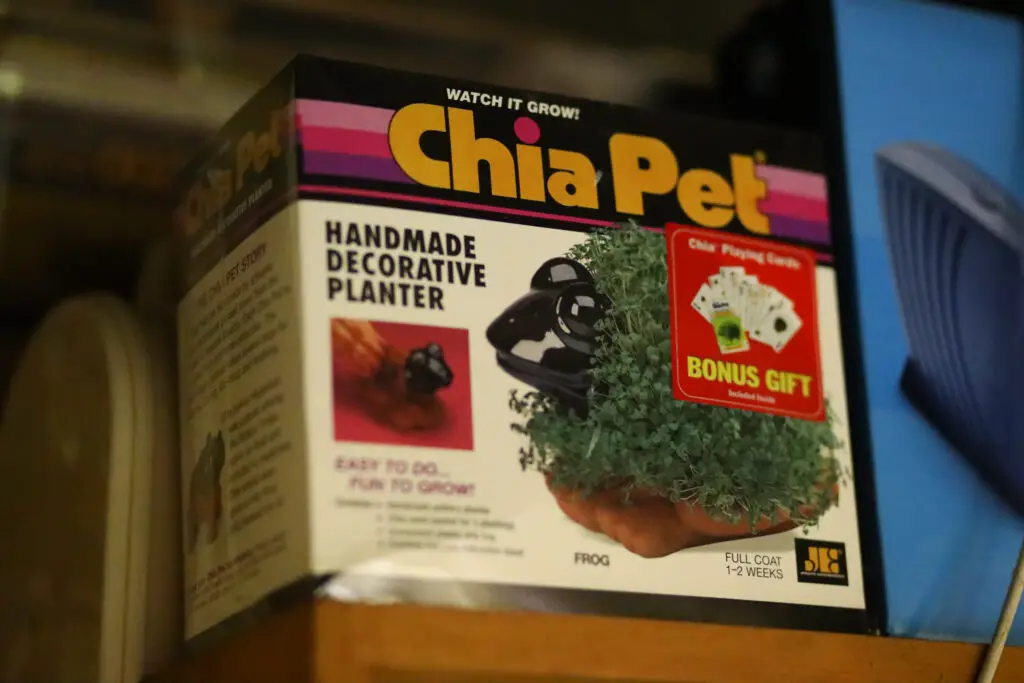
The Chia Pet, first introduced in the late 1970s, allowed users to grow chia sprouts on clay figurines shaped like animals or pop culture icons. The concept is simple but sounds oddly whimsical, like a craft project turned into a product. The catchy jingle helped drive nationwide popularity. Over time, it became a staple of holiday gift-giving.
What made it stick around was its combination of novelty and interactivity. Watching the sprouts grow over time added a small but satisfying payoff. The designs kept evolving, keeping the product relevant for new generations. While some people saw it as a gag gift, others genuinely enjoyed the experience. Decades later, it’s still being sold.
7. Mood Ring
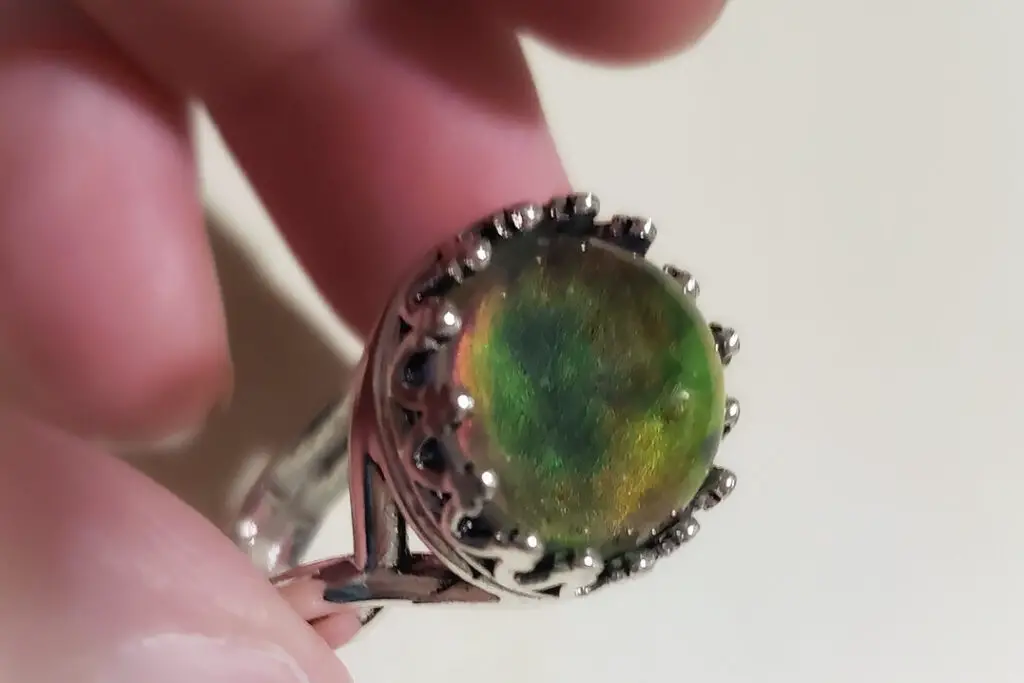
Mood rings became a major trend in the 1970s, claiming to change color based on the wearer’s emotional state. The idea that a ring could read your mood sounds like something out of science fiction or a joke. In reality, the color changes were caused by thermochromic liquid crystals reacting to body temperature. Still, the marketing leaned heavily into emotional interpretation.
People were fascinated by the idea of wearable emotion detection, even if it wasn’t scientifically accurate. The rings were sold widely in malls and gift shops across the country. They became a cultural fad, especially among younger consumers. Despite skepticism, they remained popular for years. The mix of science and storytelling made them hard to resist.
8. Billy Bass
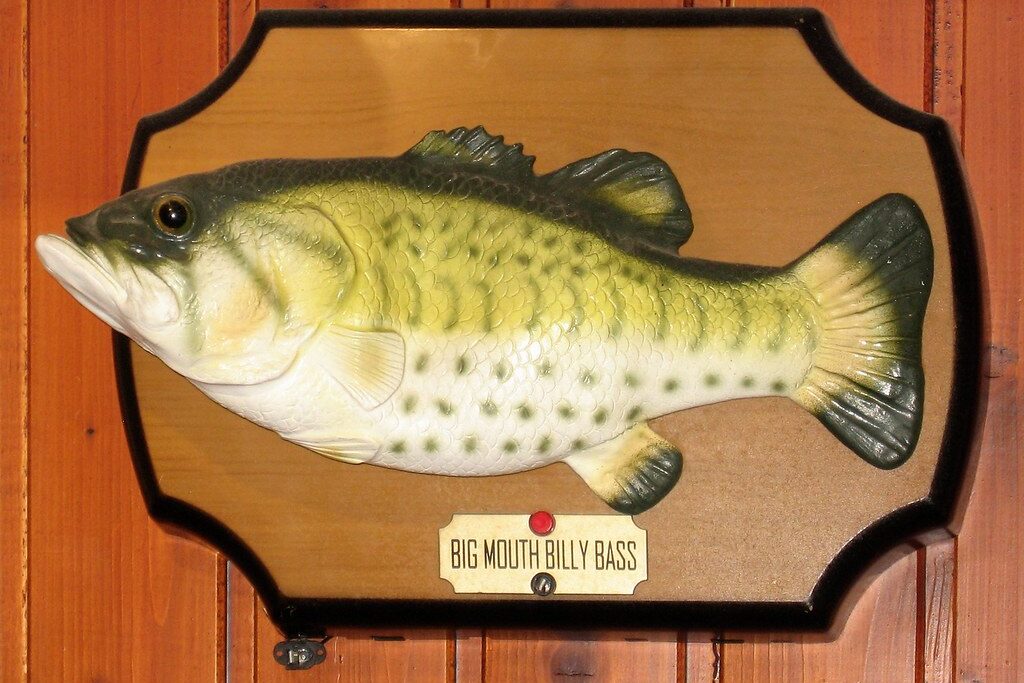
Big Mouth Billy Bass, introduced in 1999, was a wall-mounted animatronic fish that sang songs like “Take Me to the River.” It sounds like a prop from a comedy show, but it became one of the most recognizable novelty items of its time. The fish would move its mouth and body in sync with the music when activated. It quickly spread from gag gift to nationwide craze.
Offices, homes, and even public spaces started displaying them. The humor was simple and immediate, which helped drive impulse purchases. It became a cultural moment, referenced in TV shows and movies. Despite its short peak, it left a lasting impression. It showed how quickly a bizarre idea could capture mass attention.
9. ThighMaster
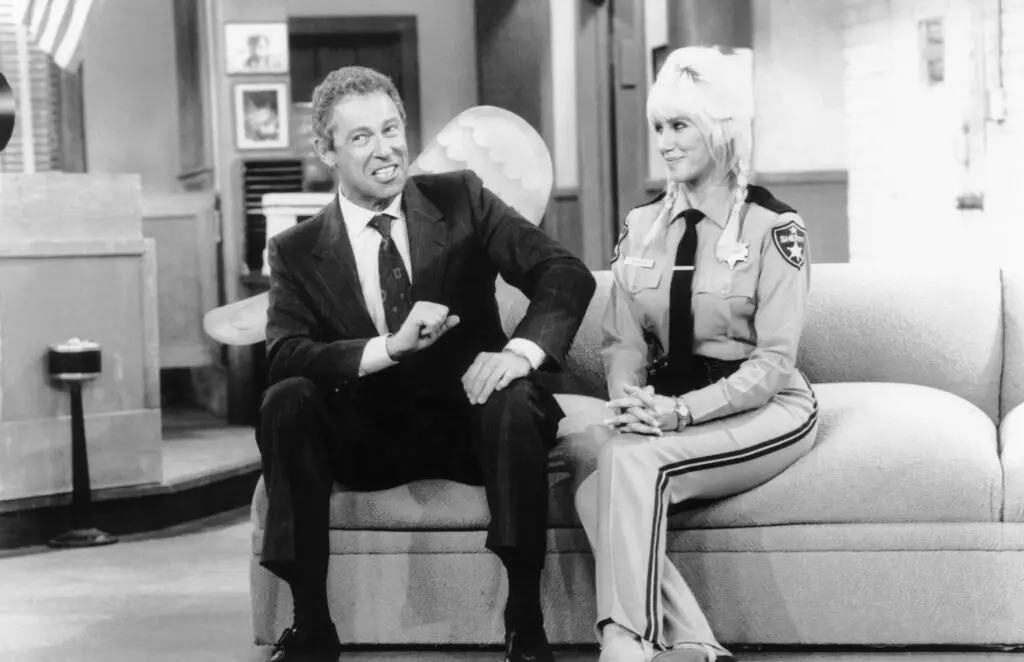
The ThighMaster, popularized in the early 1990s by Suzanne Somers, was a spring-loaded exercise device designed to tone inner thighs. On paper, it sounds overly simplistic, almost like a parody of fitness equipment. However, it was heavily marketed and sold nationwide through infomercials and retail stores. Its compact design made it appealing for home workouts.
Somers’ endorsement played a major role in its success. The device itself did provide resistance training, which gave it some legitimacy. Still, its reputation was often tied to its marketing rather than its performance. It became a cultural reference point for home fitness trends. Many people remember it as much for the ads as the product itself.
10. Bedazzler
The Bedazzler, introduced in the 1970s, allowed users to attach rhinestones to clothing and accessories at home. The concept of a tool dedicated to adding sparkle to everyday items might sound excessive or even comedic. Still, it became a widely sold product and a staple of DIY fashion. It was especially popular among people looking to customize their wardrobes.
The appeal was creative control and personalization. Users could transform plain clothing into something more expressive. While trends around rhinestones have come and gone, the Bedazzler itself has remained recognizable. It’s often referenced in pop culture as a symbol of over-the-top style. For many, it was both fun and a little ridiculous in the best way.
11. Veg-O-Matic
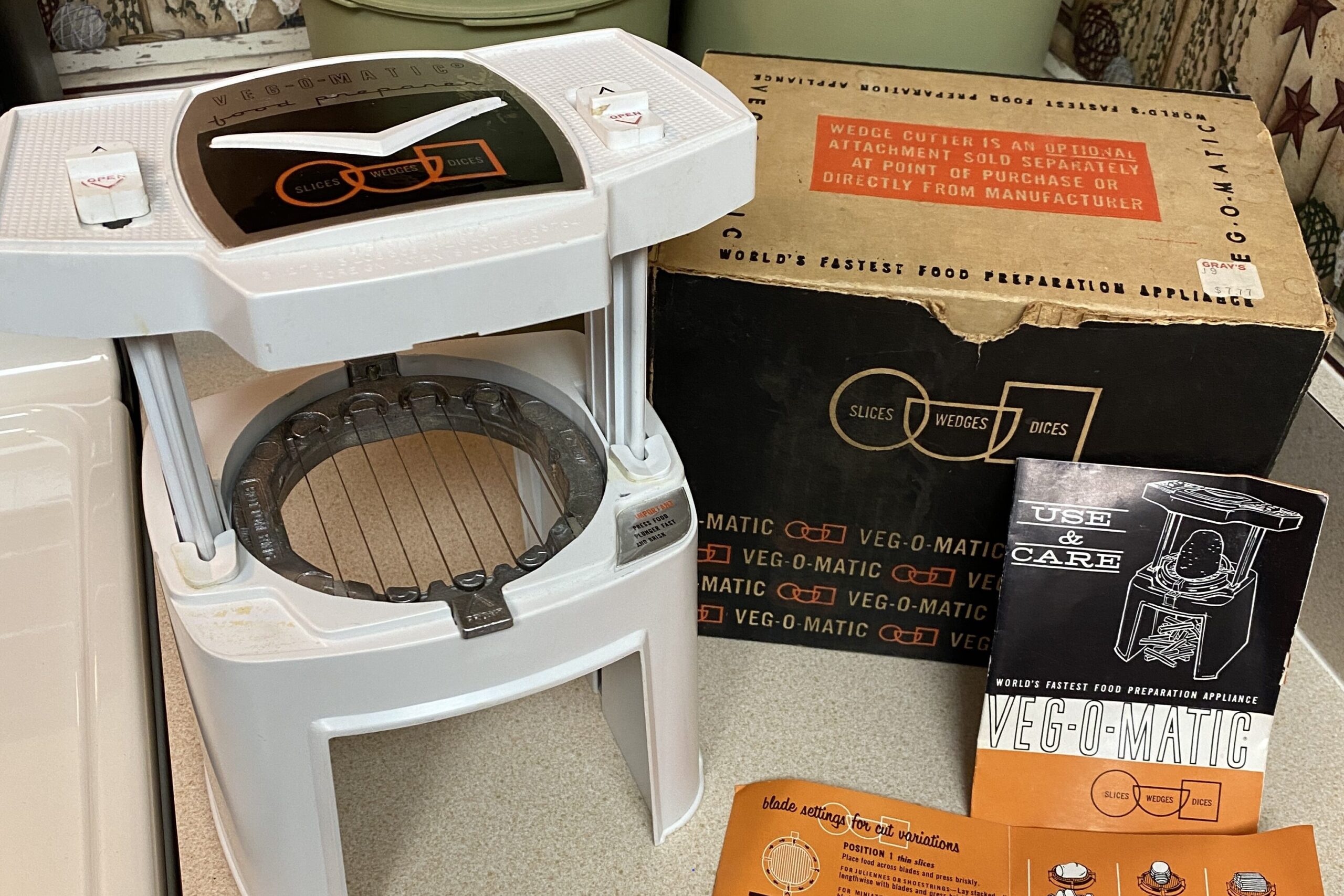
The Veg-O-Matic was a kitchen gadget heavily advertised in the 1960s and 1970s with the memorable line, “It slices, it dices.” It promised to make food prep faster and easier with interchangeable blades. The enthusiastic demonstrations made it feel almost too good to be true. Still, it became a major success through mail-order and retail sales.
Its appeal came from convenience and the rise of quick cooking solutions. While similar tools existed, the marketing made this one stand out. It became a defining example of early infomercial-style selling. Many households owned one or something like it. Even today, it’s remembered as both practical and slightly overhyped.
12. Hula Chair

The Hula Chair, released in the 2000s, featured a motorized seat that rotated in a circular motion, claiming to help users exercise while sitting. The idea of getting a workout just by sitting in a chair sounded almost too absurd to be real. Its infomercials, featuring exaggerated demonstrations, made it even more unbelievable. Yet it was sold nationwide and generated significant attention.
The concept was based on passive exercise, though its effectiveness was widely questioned. Many people bought it out of curiosity or amusement. It quickly became the subject of jokes and online videos. Despite the skepticism, it achieved notable sales during its peak. It remains one of the more memorable “did that really exist?” products of its time.